Traveling the world is a dream for many people, but rising costs are making some destinations harder to reach on a regular budget. From Europe to Southeast Asia, prices for hotels, food, and flights have climbed sharply in recent years.
Whether it is due to overtourism, inflation, or new visitor fees, these popular spots are stretching wallets like never before. Here is a look at 12 stunning places around the globe that are quickly becoming out of reach for the average traveler.
1. Switzerland
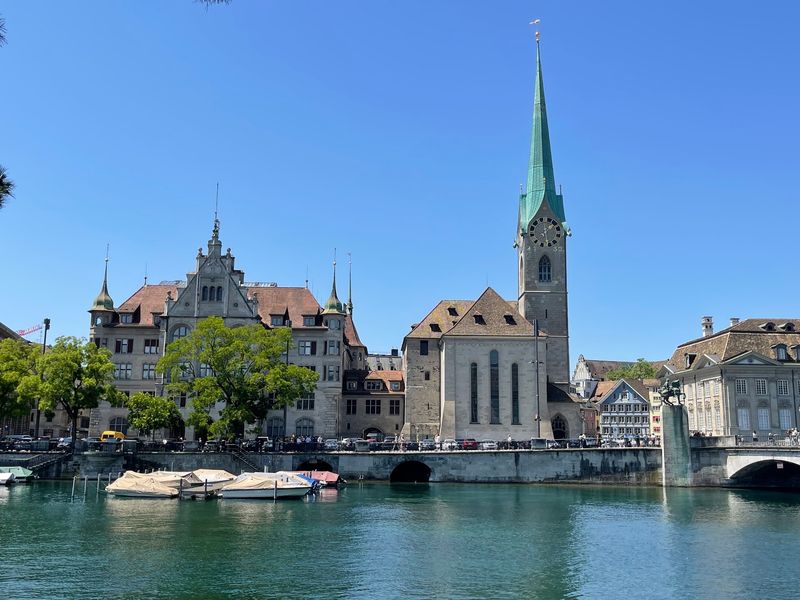
Switzerland has long held its reputation as one of the most beautiful countries in Europe, but that beauty comes with a serious price tag. A simple lunch in Geneva or Zurich can cost more than a full day of meals in other European cities.
Hotels regularly charge premium rates, and even a basic room in a mid-range property can run well over $200 per night.
Public transportation is efficient but far from cheap, and popular attractions like the Jungfraujoch railway add up fast. Budget travelers often feel the pinch almost immediately upon arrival.
Currency exchange rates can make things feel even steeper for visitors coming from countries with weaker currencies.
Planning ahead, cooking your own meals, and staying in hostels can help, but Switzerland remains one of the world’s most expensive destinations by nearly every measure.
2. Iceland
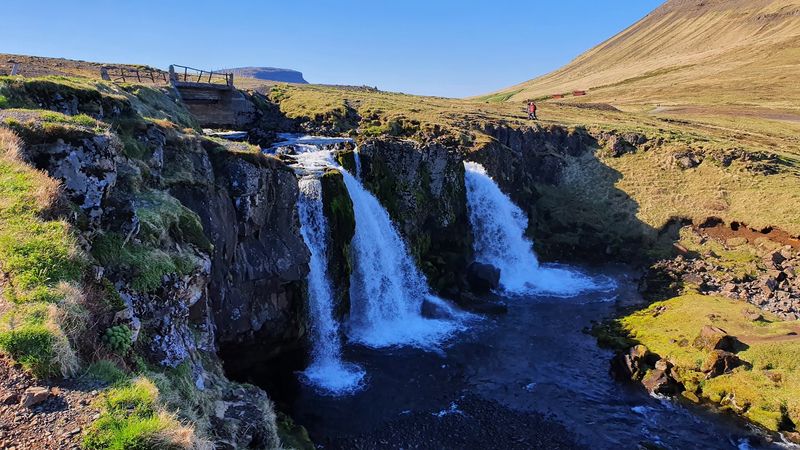
Iceland captured the world’s imagination over the past decade, drawing millions of visitors with its dramatic landscapes, geysers, and the magical Northern Lights. That surge in popularity has come at a cost, and today Iceland ranks among the priciest destinations in all of Europe.
Hotel rates in Reykjavik regularly top $300 per night, even for modest accommodations.
Renting a car, which is almost necessary to explore the famous Ring Road, adds a significant daily expense. Dining out is equally eye-opening, with a basic restaurant meal for two easily reaching $80 or more.
Even grocery stores carry prices that surprise first-time visitors.
Despite the high costs, Iceland’s jaw-dropping scenery keeps drawing travelers year after year. Those willing to visit during the shoulder season, between spring and early autumn, may find slightly better deals, but budget travel here is genuinely difficult.
3. Maldives
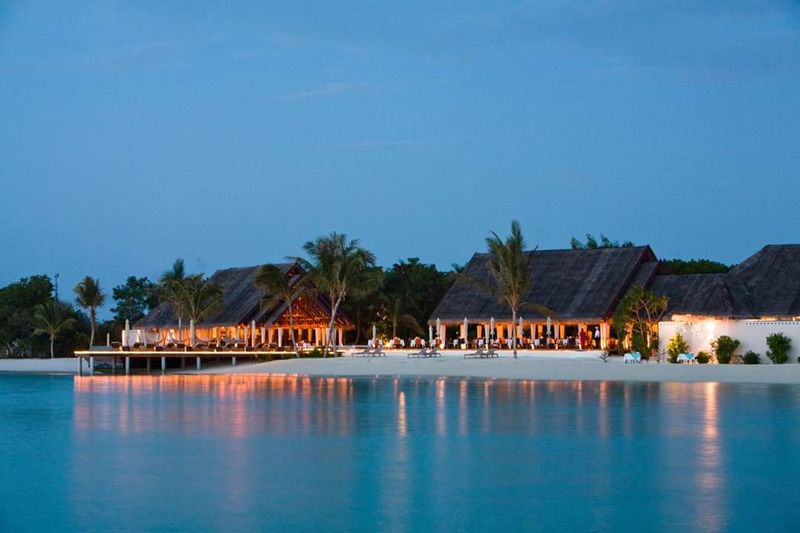
Few places on earth match the sheer visual perfection of the Maldives. Turquoise lagoons, powdery white sand, and overwater bungalows make it a dream destination for honeymooners and luxury seekers alike.
However, those dreamy images come attached to a very real financial reality that catches many travelers off guard.
Most resorts operate on remote private islands, meaning guests must pay for seaplane or speedboat transfers on top of already steep room rates. A single night at a mid-range resort can exceed $500, and many properties bundle food, drinks, and activities into mandatory packages.
Government taxes and service charges add even more to the final bill.
Short stays rarely feel worth the travel effort or the expense. Travelers who want to experience the Maldives without completely emptying their savings are increasingly turning to guesthouses on local islands, which offer a more affordable, though still pricey, alternative.
4. French Polynesia (Tahiti and Bora Bora)
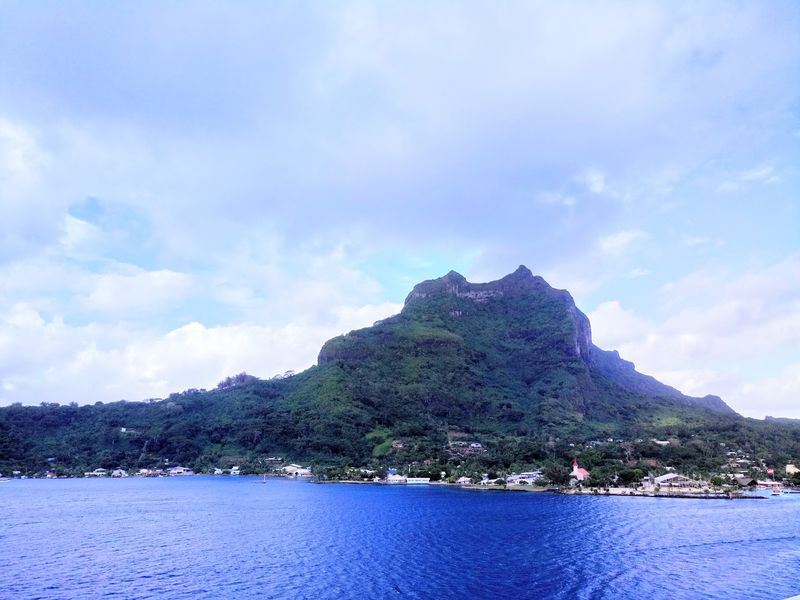
Bora Bora is the kind of place that appears on screensavers and wedding mood boards around the world. The iconic lagoon, dramatic volcanic peaks, and luxurious overwater villas make it one of the most photographed destinations on the planet.
Getting there, however, is a journey that demands both time and a very generous travel budget.
Flights from North America or Europe to Tahiti are long and expensive, often exceeding $1,500 per person round trip. From Tahiti, inter-island flights add another layer of cost before visitors even check in.
High-end resorts dominate the landscape, and budget options are genuinely scarce throughout the islands.
Dining, water activities, and spa services all carry resort-level pricing. French Polynesia remains one of the most remote and costly leisure destinations in the world.
For most travelers, a visit requires months of dedicated saving and careful financial planning well in advance.
5. Bhutan
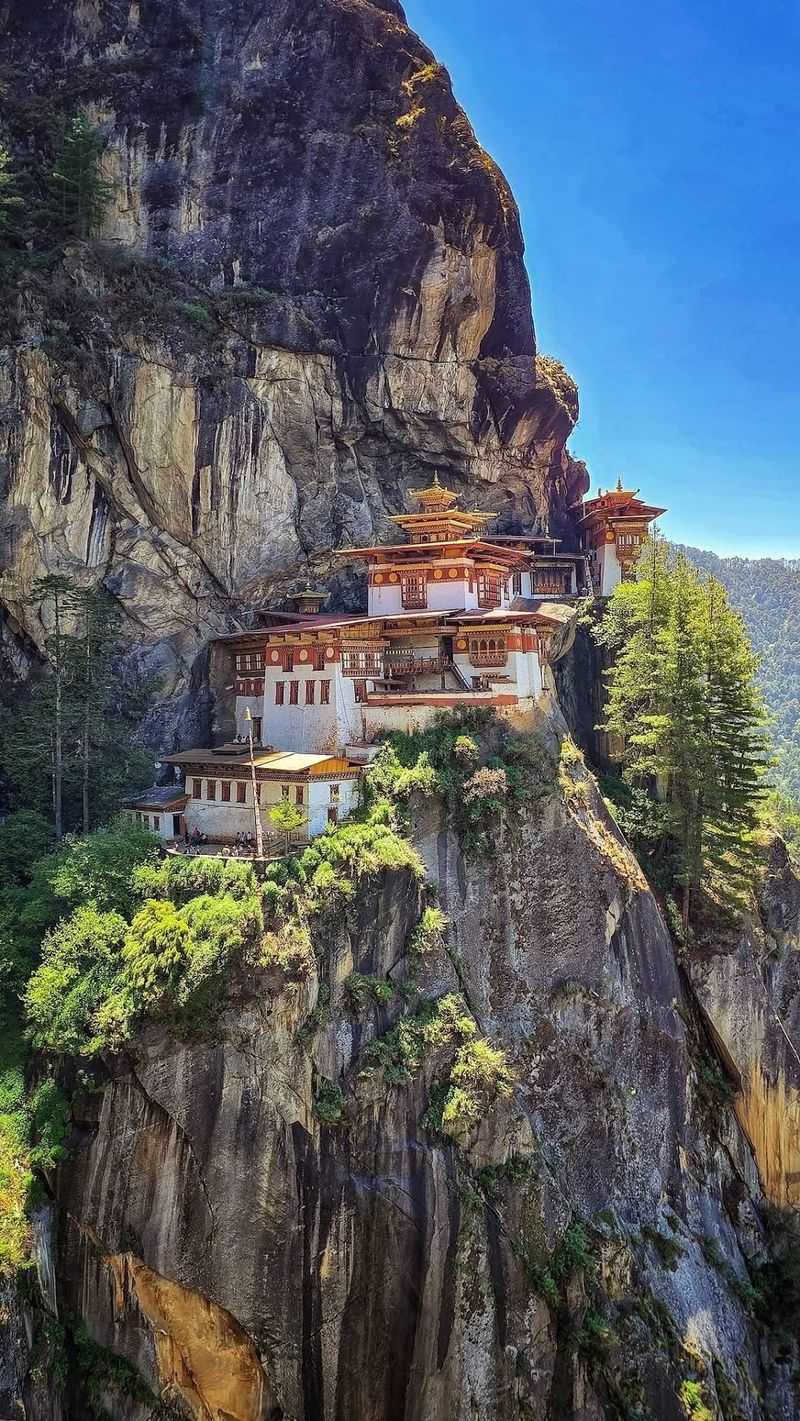
Bhutan takes a different approach to tourism than most countries. Rather than welcoming as many visitors as possible, the small Himalayan kingdom actively limits tourist numbers through a policy of high-value, low-volume travel.
At the center of this strategy is the Sustainable Development Fee, which requires most international visitors to pay a daily fee on top of all other travel costs.
As of recent years, that fee sits at $100 per person per day, adding thousands of dollars to a week-long trip before accommodations, flights, or food are factored in. The fee is meant to fund public services and protect Bhutan’s unique culture and environment.
While the intention is admirable, it places Bhutan firmly out of reach for budget-conscious travelers.
Those who do make the journey are rewarded with breathtaking monasteries, pristine forests, and a genuinely unhurried way of life that feels worlds apart from modern tourism.
6. Norway
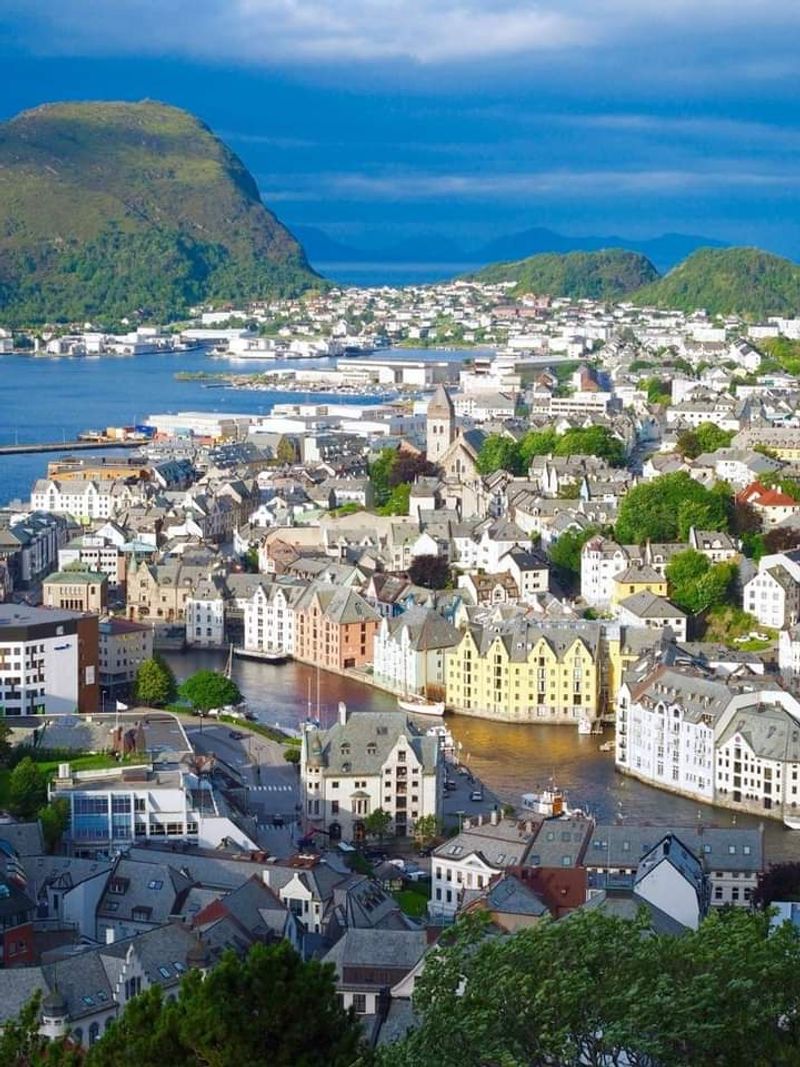
Norway is a country that consistently tops lists of the world’s most beautiful places, and it is equally consistent on lists of the world’s most expensive destinations. High wages across the country mean that every service a tourist uses, from a taxi ride to a plate of salmon, carries a price that reflects Norwegian living standards rather than international averages.
A hotel room in Oslo or Bergen can easily cost $250 to $400 per night, and a sit-down meal for two at a mid-range restaurant frequently exceeds $100. Even fast food and supermarket prices shock visitors accustomed to more affordable countries.
Popular experiences like fjord cruises and cable car rides add further costs throughout the trip.
Norway’s dramatic scenery, including the famous fjords and the Midnight Sun, makes it deeply compelling. Travelers who plan carefully and embrace self-catering accommodations can manage costs, though Norway will never be a truly budget-friendly destination.
7. Venice, Italy
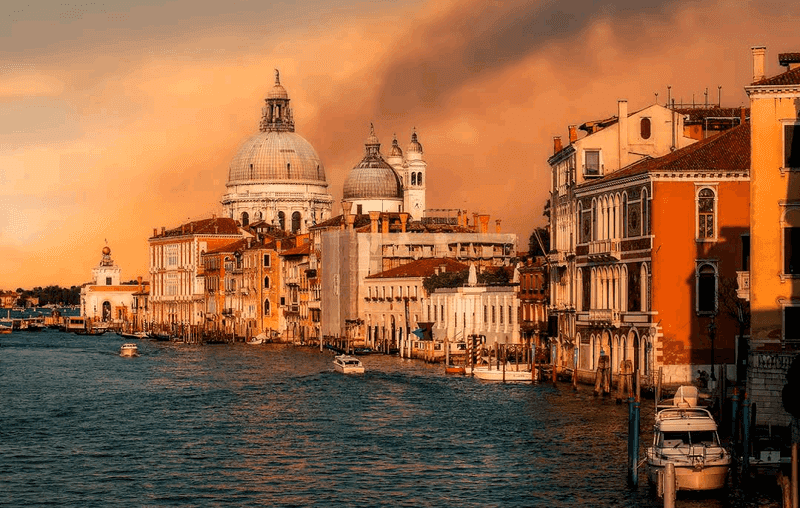
Venice is one of those cities that feels almost too magical to be real. Canals replace roads, gondoliers glide past ancient palaces, and every corner seems to belong on a postcard.
However, the city’s popularity has created serious challenges, and the financial consequences for visitors are very real.
Accommodation prices in Venice have risen sharply over the past few years, driven by high demand and a limited supply of rooms on the main island. The city also introduced a day-visitor entry fee during peak periods, adding a new cost layer for tourists who are not staying overnight.
Dining near the major tourist areas is notoriously overpriced, with basic pasta dishes sometimes costing twice what they would in Rome or Florence.
Visiting during the off-season and staying in the Mestre neighborhood on the mainland are practical ways to reduce costs, though even those strategies offer only modest savings compared to past years.
8. Santorini, Greece
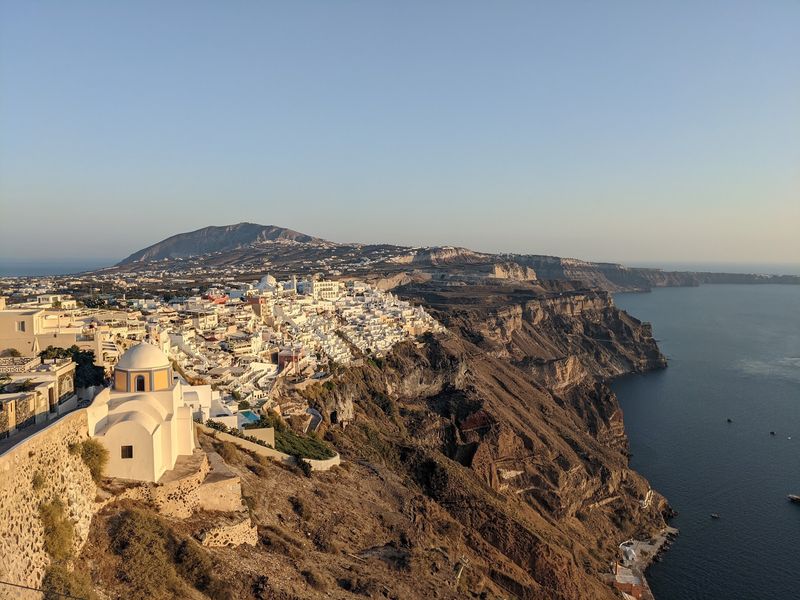
Santorini’s iconic blue-domed churches and cliffside villages have made it one of the most recognized images in all of travel photography. Millions of visitors flock to the island each summer, and that relentless demand has pushed prices to levels that surprise even seasoned travelers.
The island has effectively become a luxury destination, even for those who did not plan to splurge.
Hotel rates in the sought-after villages of Oia and Fira can exceed $500 per night during July and August, with many properties requiring minimum stays. Restaurants along the caldera charge premium prices for meals with a view, and even more casual spots have adjusted their pricing upward to match tourist expectations.
Visiting in May or October offers a noticeably more affordable experience, with better availability and calmer crowds. Still, even the shoulder season in Santorini now commands prices that would have seemed unimaginable just a decade ago.
9. Dubrovnik, Croatia
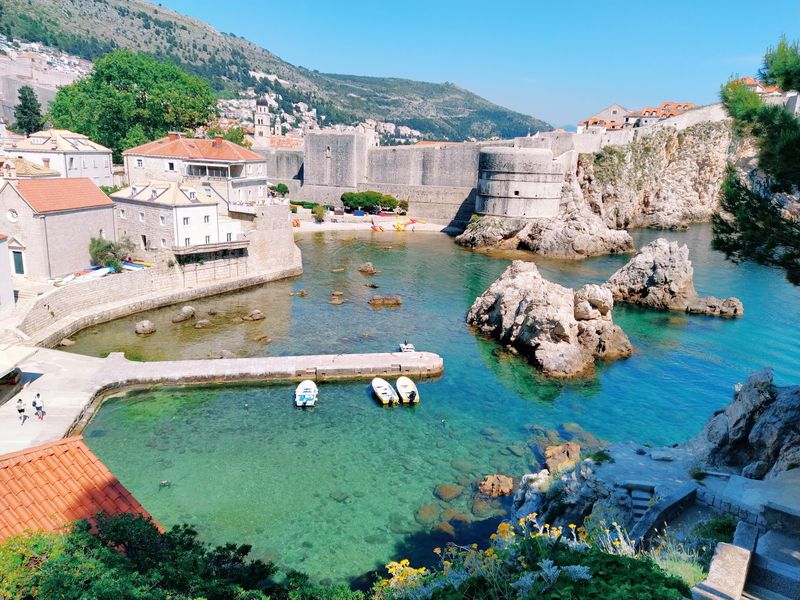
Game of Thrones fans know Dubrovnik well, and so does seemingly every cruise ship operator in the Mediterranean. The walled old city, perched dramatically above the Adriatic Sea, is genuinely stunning, but its fame has transformed it into one of the most crowded and expensive small cities in Europe.
Accommodation costs have climbed steadily as global interest has grown.
A night in the old town can cost $300 or more during the summer, and even properties a short bus ride away carry elevated prices. Restaurants inside the city walls charge tourist-level prices across the board, with few genuinely affordable options remaining for budget-minded visitors.
The sheer volume of cruise passengers flooding the streets each day has reshaped the local economy entirely.
Staying outside the old town or visiting during the quieter months of spring and autumn helps, but Dubrovnik’s days as a hidden, affordable gem are firmly in the past.
10. Bali, Indonesia
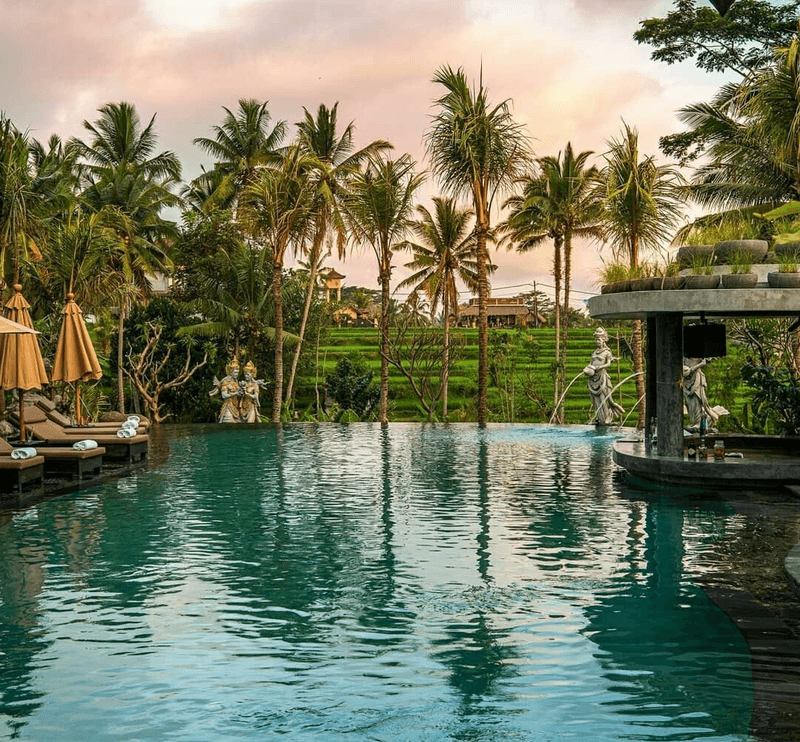
For years, Bali was the go-to destination for budget backpackers and digital nomads looking for paradise on a modest income. The island offered cheap guesthouses, affordable local food, and a relaxed lifestyle that attracted travelers from all over the world.
That reputation has been shifting quickly, particularly in the most popular areas of the island.
Neighborhoods like Canggu, Uluwatu, and Seminyak have seen villa and hotel prices rise dramatically as international demand has grown. Trendy cafes and restaurants in these areas now charge prices comparable to major Western cities.
Even traditional warungs, which once served inexpensive local meals, have raised prices in high-traffic tourist zones.
Bali still offers value in quieter regions like Amed or Sidemen, where local pricing remains more accessible. However, the polished, Instagram-friendly version of Bali that most visitors seek out now comes with a price tag that reflects its global popularity.
11. Seychelles
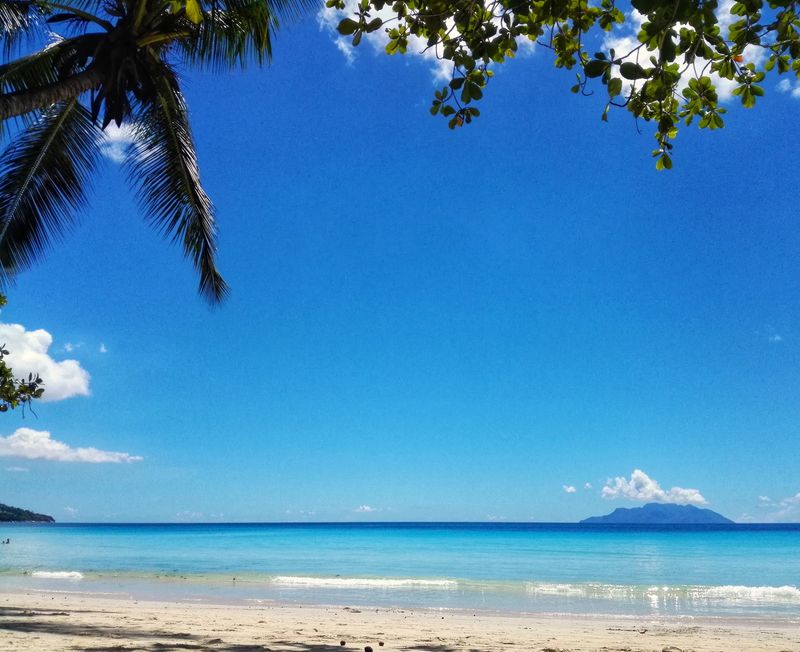
Sitting in the Indian Ocean off the east coast of Africa, the Seychelles archipelago offers some of the most jaw-dropping beaches anywhere on earth. Giant granite boulders, impossibly clear water, and rare wildlife make it a bucket-list destination for nature lovers and honeymooners.
The problem is that getting there, and staying there, costs a remarkable amount of money.
The islands’ remote location means that nearly all goods must be imported, which drives up the price of everything from groceries to building materials. Accommodations are limited and cater heavily to the luxury market, with many resorts charging upward of $600 per night.
Even more modest guesthouses on the main island of Mahe carry prices that would be considered high-end in most other African countries.
Dining out, water activities, and inter-island ferries add further expenses throughout a stay. The Seychelles is breathtaking, but it is firmly positioned as one of the world’s most exclusive, and costly, beach destinations.
12. Japan
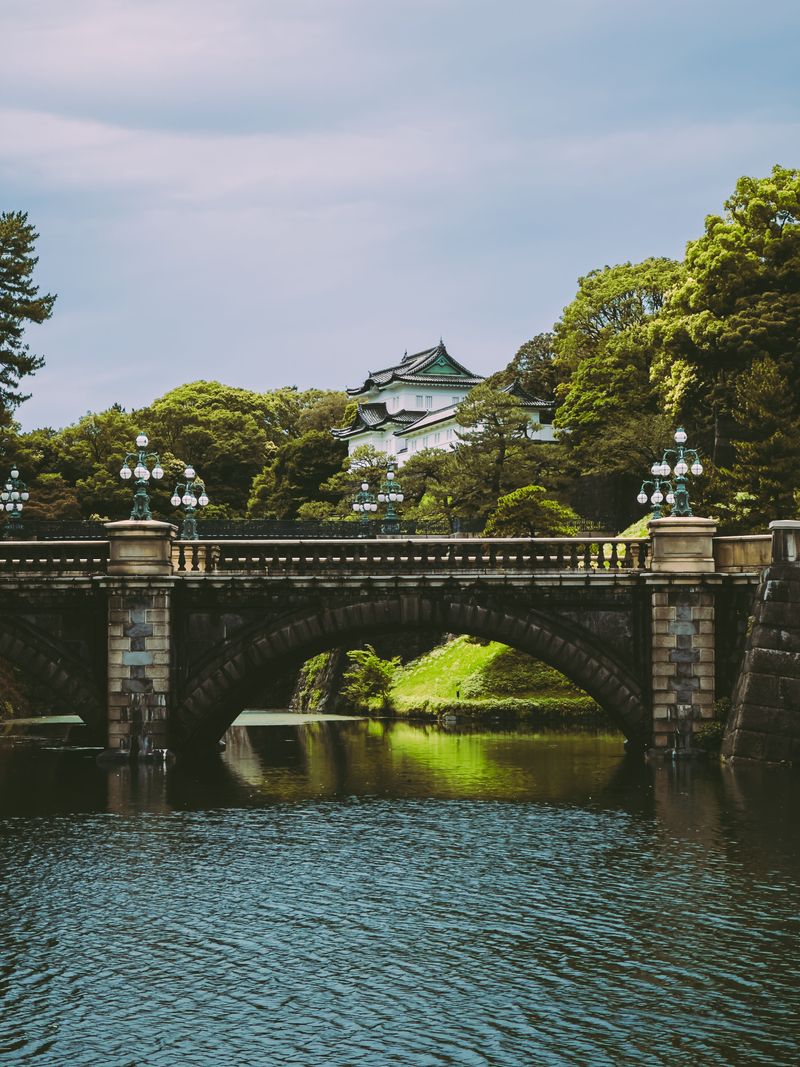
Japan spent years being celebrated as an affordable destination for travelers willing to make the long journey from the West. Reliable trains, incredible street food, and reasonably priced guesthouses made it feel accessible despite the distance.
A wave of post-pandemic tourism has changed that picture considerably, especially in the country’s most beloved cities.
Tokyo, Kyoto, and Osaka have all seen hotel prices surge as international visitor numbers broke records in recent years. Properties that once charged $80 per night now routinely list rooms at $200 or more, particularly during cherry blossom season in spring or the autumn foliage period.
Popular neighborhoods and tourist corridors have also seen restaurant prices creep upward to meet growing demand.
Japan still offers pockets of genuine affordability, particularly in smaller towns and rural prefectures. However, the classic budget Japan trip that travelers enjoyed a decade ago has become much harder to replicate in today’s tourism landscape.
Share this story