Farms feed the world, but a few stand out for their size, history, or unusual crops. From huge cattle stations in Australia to a wasabi farm in Japan, each place tells a story about how people work with land.
Here is a look at fifteen well-known farms and what makes them special.
1. Anna Creek Station, Australia
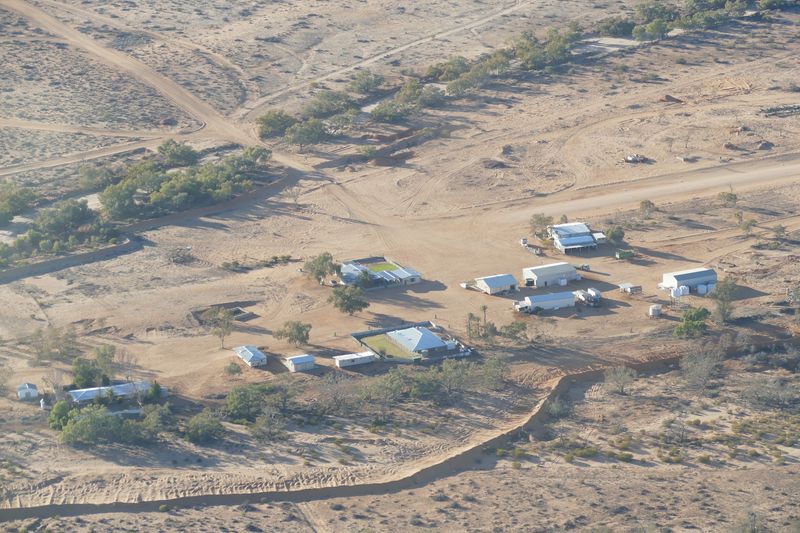
Few places make a Texas ranch look small, but Anna Creek Station does exactly that. Located in South Australia, it covers about 6 million acres at its largest, which is bigger than the country of Israel.
The station raises beef cattle across dry, red desert country where rain is rare. Animals roam over huge distances to find food, so workers use helicopters, trucks, and motorbikes to keep track of them.
Anna Creek dates back to the 1860s and has changed hands several times. In 2016 it was sold as part of a smaller property group, and the land is now managed in separate parts.
Visitors often see it along the Oodnadatta Track, a famous outback road. The old homestead and nearby ruins show how hard early settlers worked in such a remote place.
2. King Ranch, USA

Cowboy culture has a home base in South Texas, and it is called King Ranch. Founded in 1853 by steamboat captain Richard King, it now covers about 825,000 acres, larger than the state of Rhode Island.
The ranch is known for creating the Santa Gertrudis, the first beef cattle breed developed in the United States. These red cattle handle heat well and gain weight steadily.
Quarter horses are another big part of the story. King Ranch breeds them for ranch work and racing, and some of its horses have won national honors.
The ranch also grows crops, manages wildlife, and drills for oil. Tourists can take guided tours, watch birds, and visit a museum that explains over 170 years of ranching life.
3. Mudanjiang City Mega Farm, China
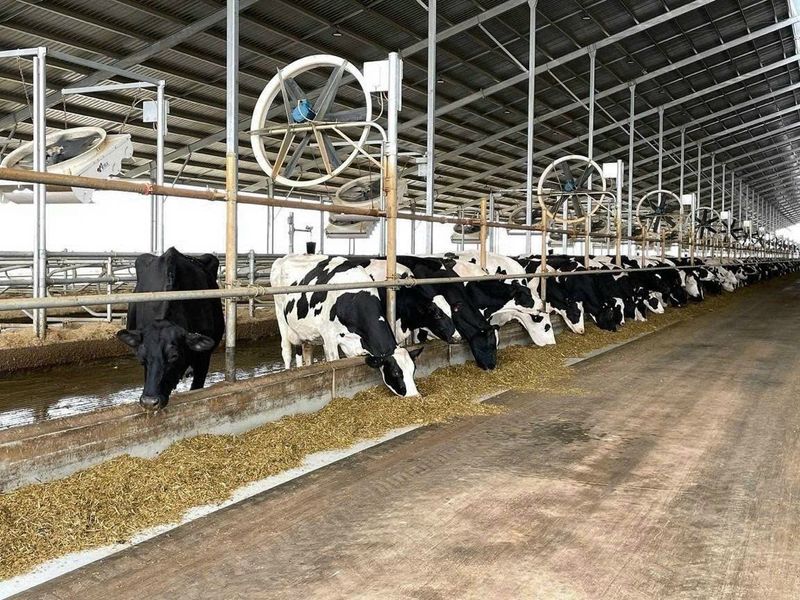
Picture a dairy operation with around 100,000 cows living on one site. That is the scale of the Mudanjiang City Mega Farm in Heilongjiang Province, northeastern China.
The project was planned to meet the country’s growing demand for milk. Huge barns, milking parlors, and feed storage areas are arranged almost like a small city.
Technology plays a key role here. Automated systems handle feeding, cleaning, and health checks, which helps staff care for so many animals at once.
Large farms like this also raise questions. People debate how to manage waste, protect water, and keep animals healthy at such a size.
Supporters say big farms can make food safer and more consistent, while critics prefer smaller operations.
4. Molesworth Station, New Zealand
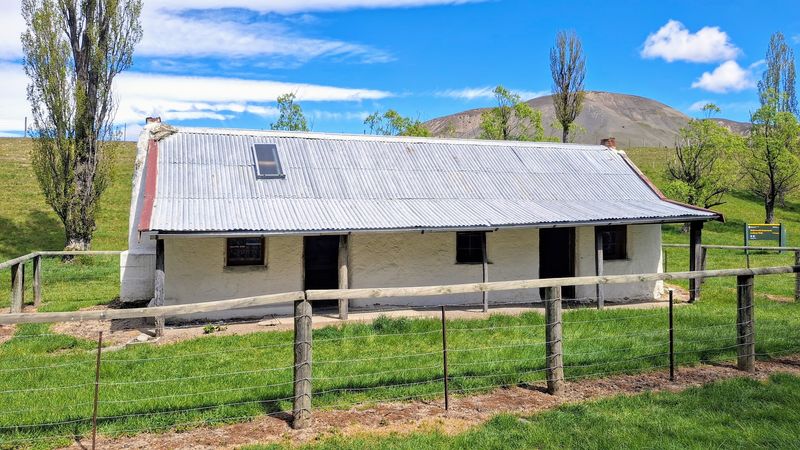
Tucked between snowy peaks on the South Island, Molesworth Station is the largest farm in New Zealand. It covers roughly 450,000 acres of rugged high country.
Unlike private ranches, the land belongs to the government and is run by a farming company. Thousands of beef cattle graze there in summer, and a yearly muster brings them down from the hills.
The scenery is a big draw. Rivers, tussock grasslands, and mountain passes make it popular with hikers, anglers, and photographers who travel the Acheron Road when it opens in summer.
Conservation is part of the plan too. Staff protect rare native plants and wildlife while still raising livestock, showing how farming and nature can share the same space.
5. Hacienda Nápoles, Colombia
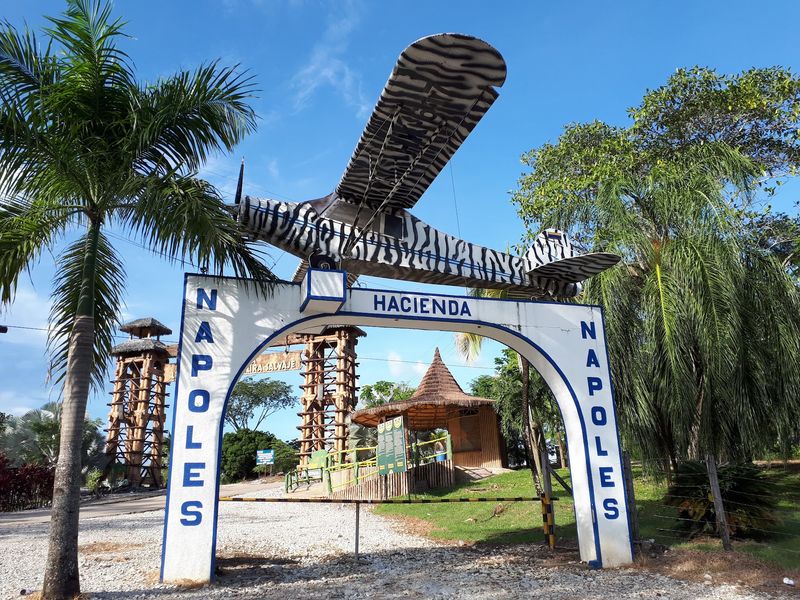
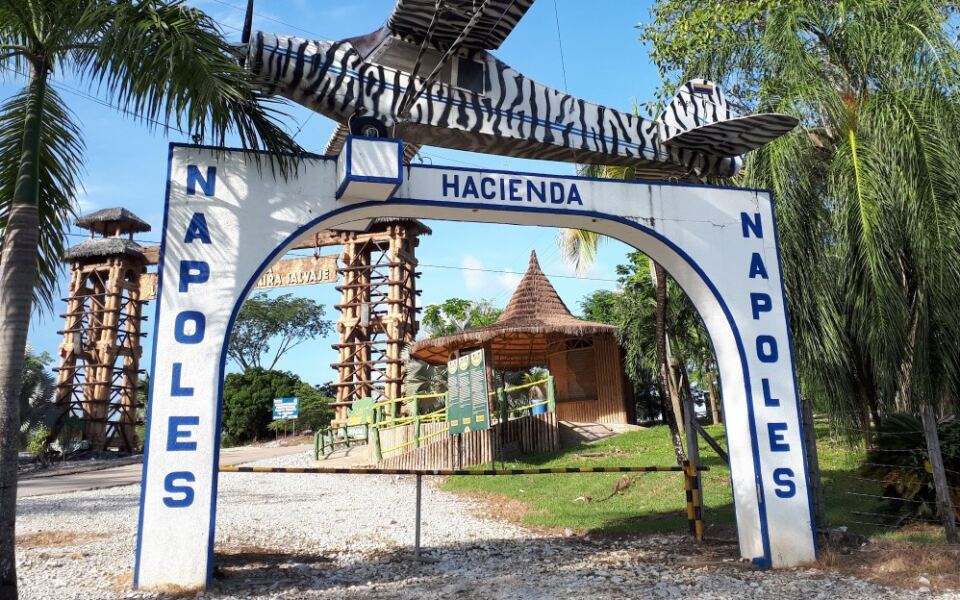
Hippos in Colombia sound like a joke, yet they are real. They descend from a few animals brought to Hacienda Nápoles in the 1980s, when the estate belonged to drug lord Pablo Escobar.
The property sits in Antioquia and once held a private zoo, an airstrip, and a large ranch house. After Escobar’s death in 1993, the government took over the land and the animals were left behind.
The hippos survived and multiplied in nearby rivers. Scientists now study their effect on local ecosystems, and officials debate how to manage them.
Today the site is a theme park with a water park, animal exhibits, and museum areas. It is a strange mix of farmland, history, and wildlife.
6. Chatsworth House Farm, England
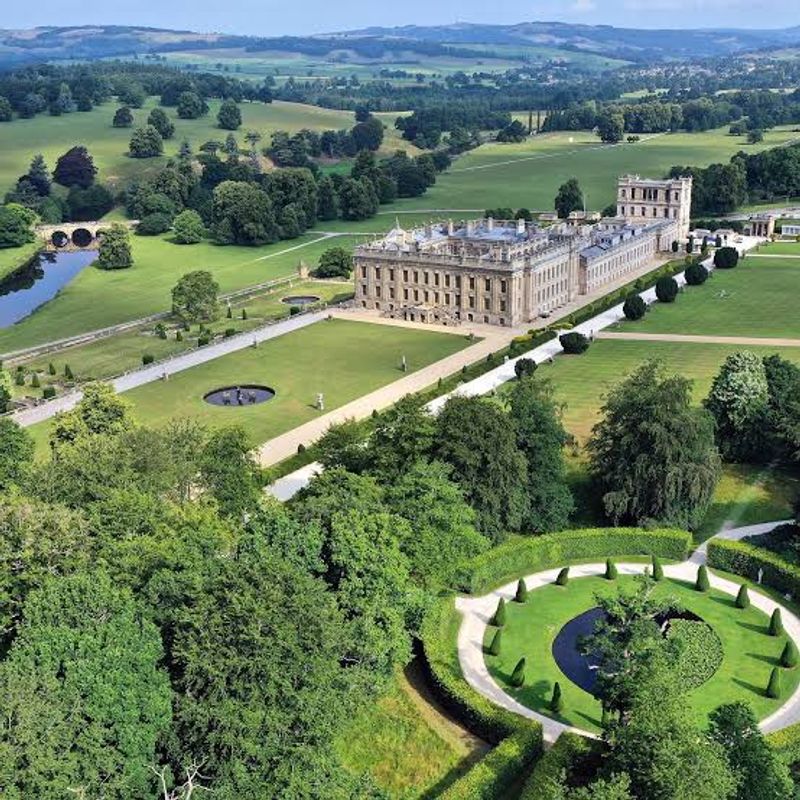
Fans of period dramas may know Chatsworth House, but the working farm around it is just as interesting. Set in Derbyshire, the estate has been home to the Cavendish family for centuries.
The farm shop and farmland provide beef, lamb, and other products that are sold locally. Many animals graze in the historic parkland, which was shaped by the landscape designer Capability Brown.
Visitors can join a farmyard visit, where children meet animals and learn about food production. The estate also offers gardens, trails, and seasonal events.
Chatsworth shows that a grand home and everyday farming can sit side by side. It brings in income that helps maintain the house and supports rural jobs nearby.
7. Dairy Farm, Saudi Arabia
Can cows thrive in the desert? Almarai, based in Saudi Arabia, says yes.
Its dairy farm near Al Kharj is often named one of the largest integrated dairy operations in the world.
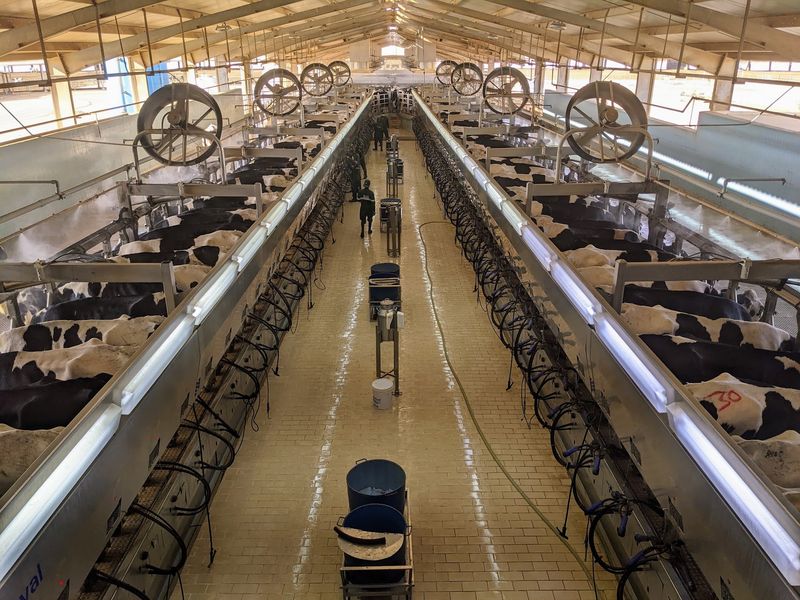
Tens of thousands of Holstein cows live in shaded, climate-controlled barns. Fans, misting systems, and cooled water keep animals comfortable when temperatures soar.
Water is the big challenge. Farms in dry regions have to use it carefully, and the company has invested in recycling and more efficient irrigation for feed crops.
The milk is processed and sold as dairy products across the Middle East. The farm is a strong example of how technology lets people produce food in tough climates.
8. Agricost Farm, Romania

Romania has fertile plains, and Agricost is one of the large farm businesses that takes advantage of them. It works thousands of hectares of land growing crops such as wheat, corn, and sunflowers.
Large machines do much of the work. Tractors, planters, and combines move across big fields, and data tools help managers decide when to sow and harvest.
Romanian farming has a long history, and the country is among the major grain producers in the European Union. Larger farms like this one help supply both local markets and export buyers.
At the same time, many small family plots still exist. Together, they make up a mix of old traditions and modern agriculture across the countryside.
9. Rawlinna Station, Australia
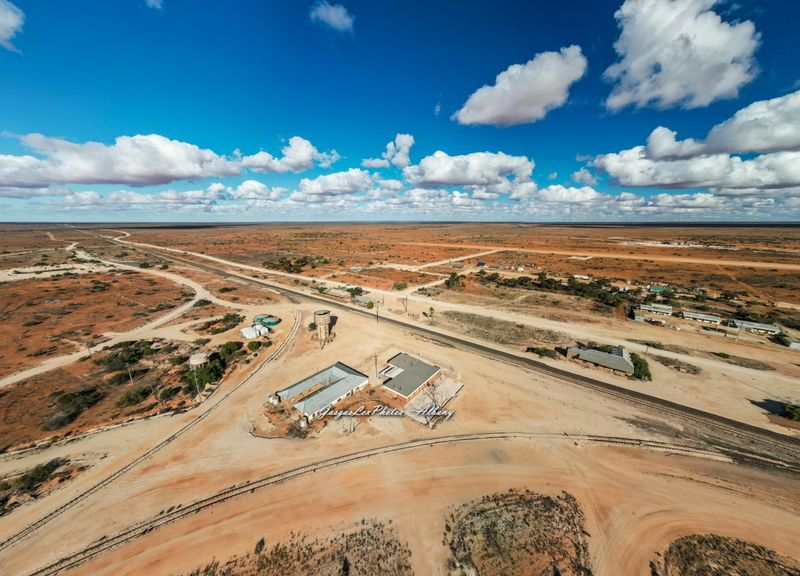
Rawlinna Station sits so far out in Western Australia that the nearest town feels like another planet. It lies on the edge of the Nullarbor Plain, a flat, treeless region famous for its emptiness.
The station covers about 2.5 million acres and has been known as the largest sheep station in the world. Merino sheep roam the saltbush country, producing wool that is valued for its softness.
The Trans-Australian Railway runs along the property, and a small rail siding carries the station’s name. Supplies and workers often arrive by long drives or even small planes.
Life here demands toughness and planning. Heat, distance, and drought shape every decision, yet the farm has kept operating for generations.
10. Sher Ethiopia, Ethiopia
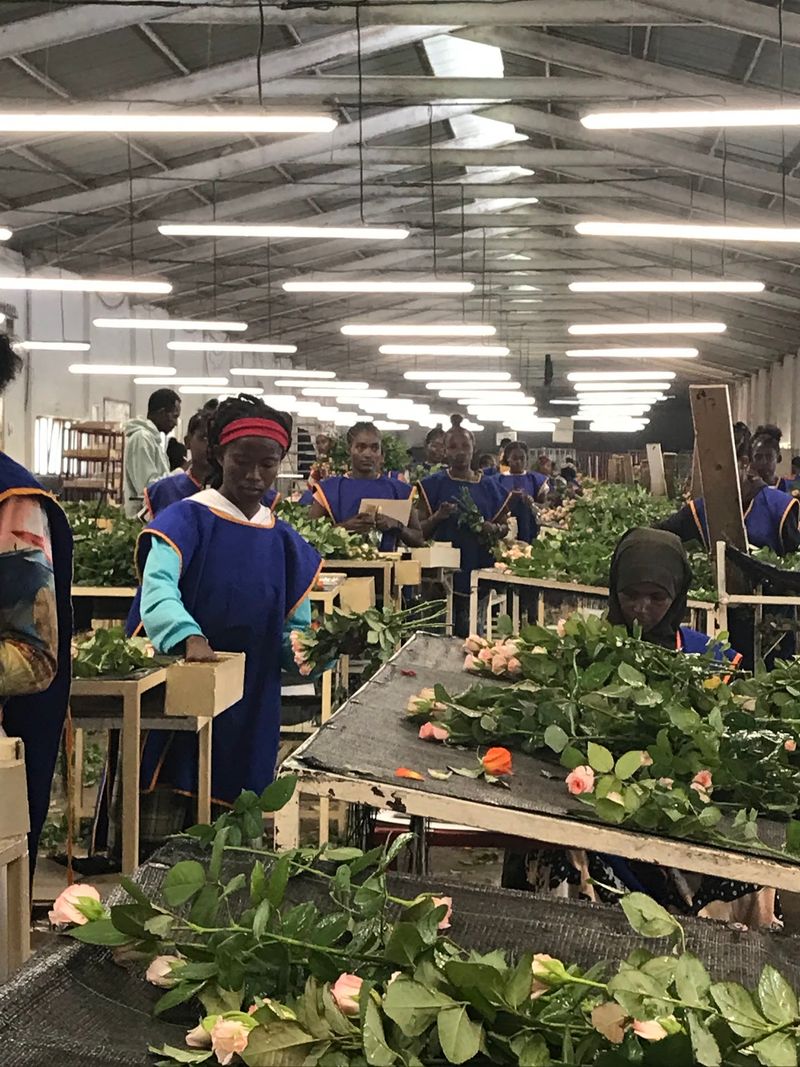
Every Valentine’s Day, roses from Ethiopia travel to shops around the world. Sher Ethiopia is one of the biggest names in that business, with giant greenhouses near Lake Ziway in the Rift Valley.
Millions of stems are grown and cut each year. Workers harvest, sort, and pack the flowers quickly so they stay fresh during flights to Europe and beyond.
The farm provides thousands of jobs, many for women in nearby communities. Cut flowers have become one of Ethiopia’s key export products, alongside coffee.
Flower farming also raises concerns about water use and worker conditions. Certification programs and local rules aim to improve standards while keeping the industry growing.
11. Daio Wasabi Farm, Japan
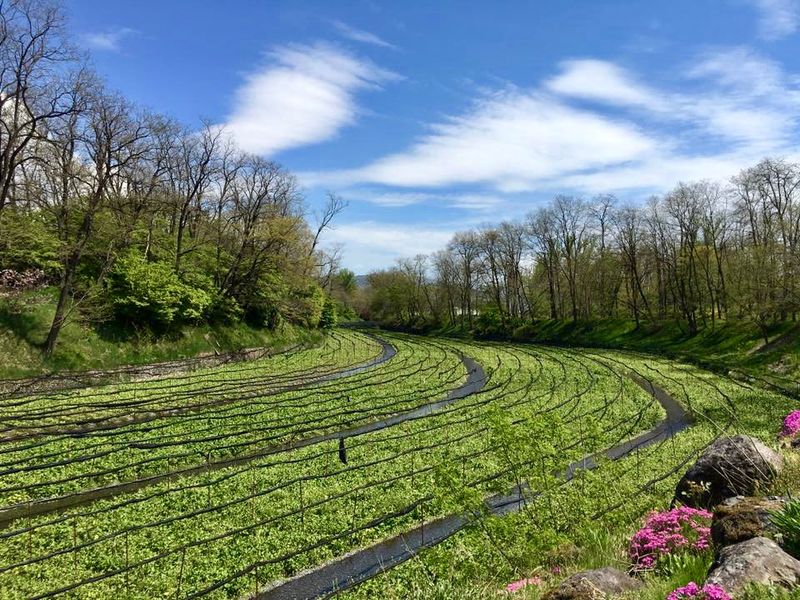
Real wasabi is rare, and growing it takes patience. At Daio Wasabi Farm in Nagano, Japan, plants thrive in beds of cool, clear spring water that flows steadily through the fields.
The farm is among the largest wasabi farms in the country. Visitors can stroll along paths, cross a wooden bridge, and see a water wheel turning beside green rows.
Wasabi needs shade, clean water, and about a year and a half to mature. Many products sold as wasabi abroad are actually horseradish with green coloring.
A small shop serves wasabi ice cream, noodles, and snacks. Tasting the fresh version shows a sweeter, gentler heat that fades fast.
12. Pratapgarh Farms, India
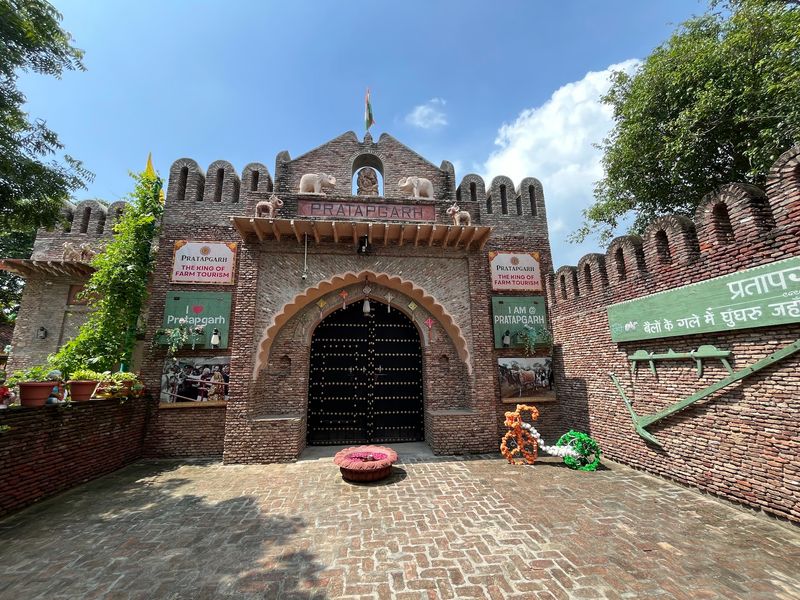
Farming is a way of life in India, and the Pratapgarh region of Uttar Pradesh is known for its fields of amla, also called Indian gooseberry. The area has a long record of growing this sour, vitamin-rich fruit.
Farmers here also raise wheat, rice, and vegetables, following seasonal cycles tied to the monsoon. Many farms are small family plots passed down through generations.
Amla is used in pickles, juices, and traditional medicine. Local processing units turn the fruit into candy, powder, and preserves that are sold across the country.
Water access and fair prices remain key topics for growers. Training programs and cooperatives help farmers improve yields and reach wider markets.
13. Irene Farm, South Africa
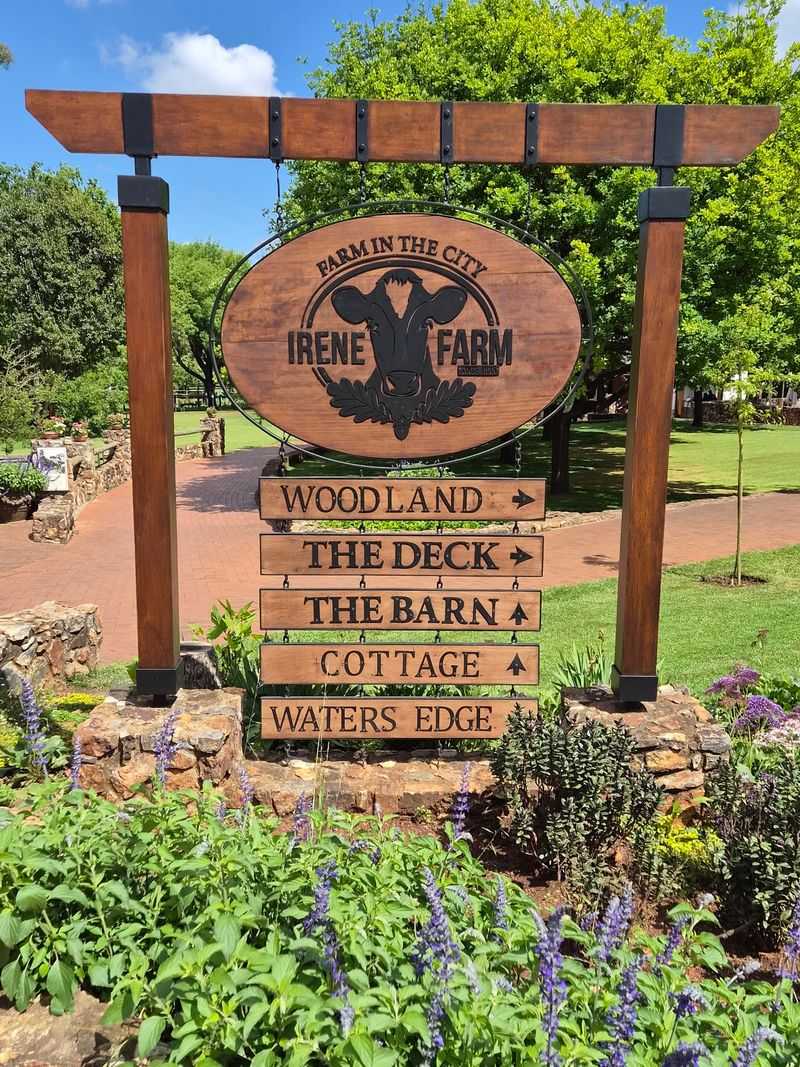
A quiet piece of countryside survives near the busy city of Pretoria, and it is called Irene Farm. The property is best known for its dairy, which has been turning out milk, cheese, and ice cream for many years.
The farm sits in the historic village of Irene, which was named after the daughter of a local landowner. Old buildings and tree-lined lanes give the area a relaxed charm.
Families visit on weekends to see cows, enjoy a meal at the farm restaurant, and let kids run on open lawns. Cheese made on site is popular with locals.
It shows how a working farm can stay alive near a big city by welcoming visitors and selling directly to customers.
14. Del Monte Pineapple Plantation, Philippines
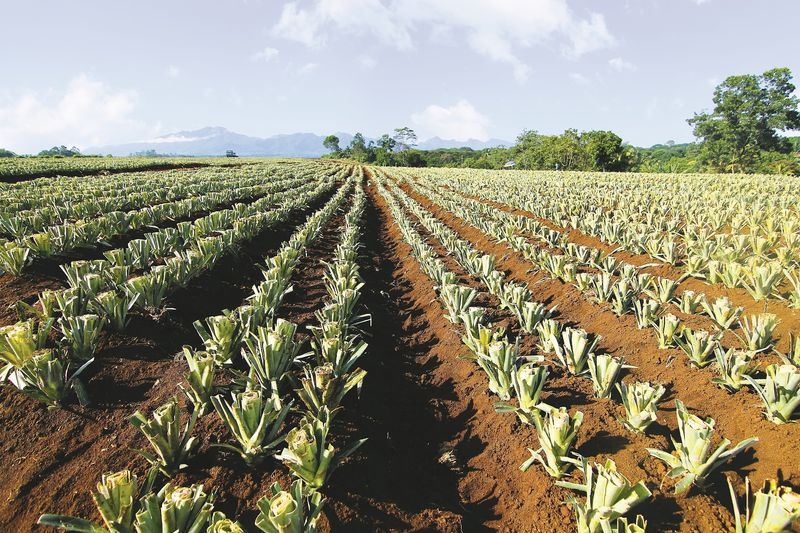
Open a can of pineapple, and there is a fair chance it began in Bukidnon, on the island of Mindanao. Del Monte Philippines runs one of the largest pineapple plantations on Earth there.
The company began operating in the area in 1926. Cool highland weather and rich volcanic soil help the fruit grow sweet and firm.
Workers plant, tend, and harvest the pineapples by hand, then send them to a nearby cannery. Fresh fruit, juice, and canned slices are shipped to many countries.
The plantation supports thousands of jobs, though it has also faced debates over land use and labor. Today, sustainability programs focus on soil care, water use, and community projects.
15. Toshka Date Farm, Egypt
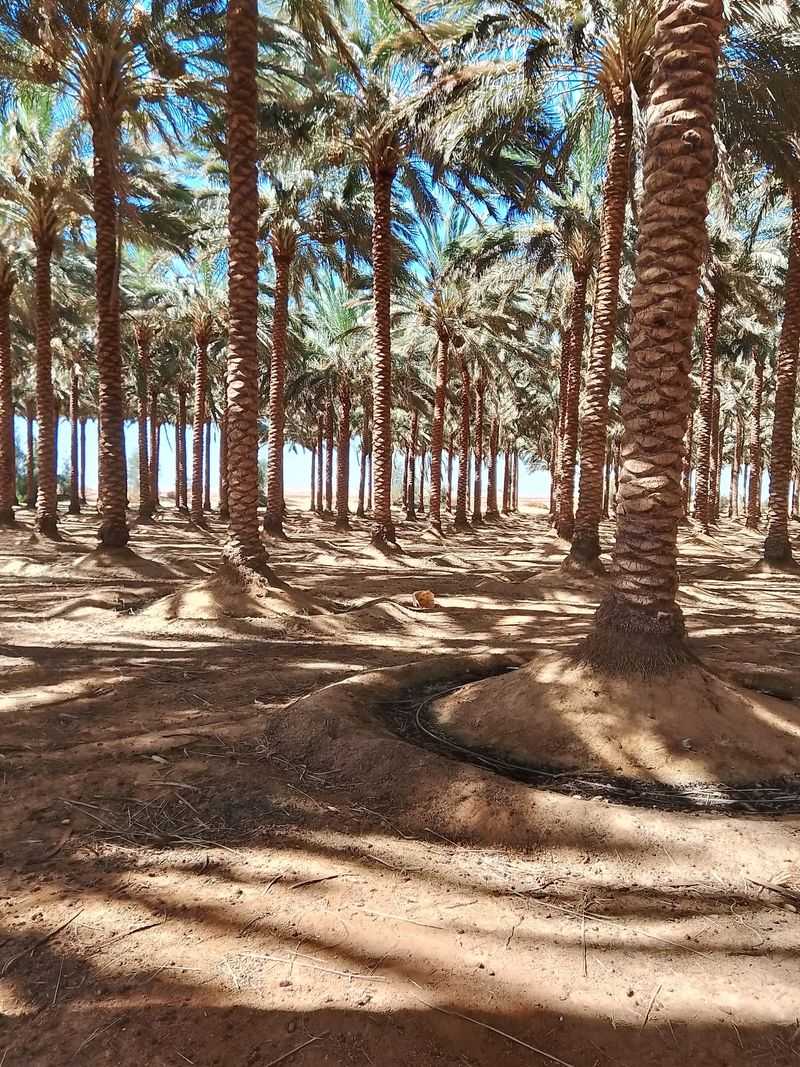
Turning sand into farmland sounds impossible, yet Egypt has tried it in the Toshka region. Water from Lake Nasser is pumped through a long canal to reach the desert in the southwest.
Date palms are among the crops that can handle the heat. Groves of these trees now stand in neat rows, producing fruit that is eaten fresh, dried, or made into syrup.
The Toshka project began in 1997 and aims to expand the area where people can live and work. Progress has been slower than first planned, but some farms have succeeded.
Egypt is one of the top date producers in the world. New desert farms add to that supply and give the country a chance to grow more of its own food.
Share this story