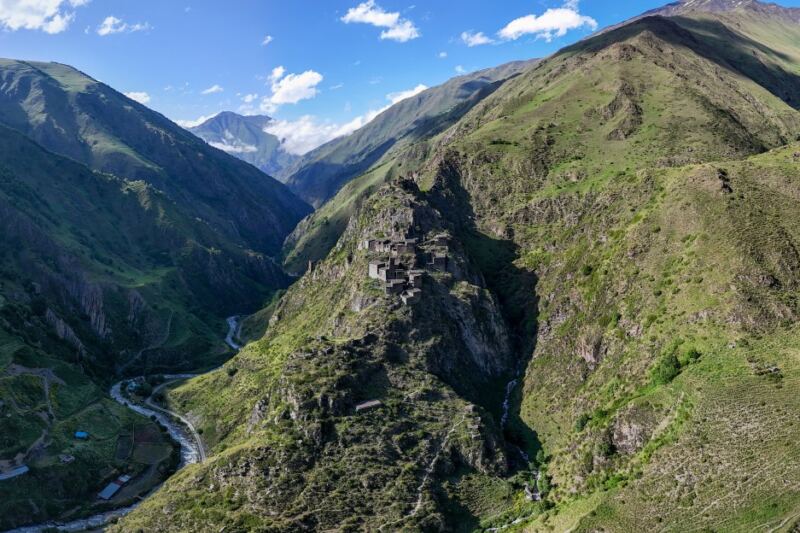
Weather shapes how we travel, where we live, and even how we feel each day. Some countries are known for warm sunshine, mild winters, and gentle breezes that make it easy to spend time outdoors.
This list looks at fifteen places where the climate draws visitors and new residents year after year. Read on to see which spots may fit your idea of ideal weather.
1. Portugal
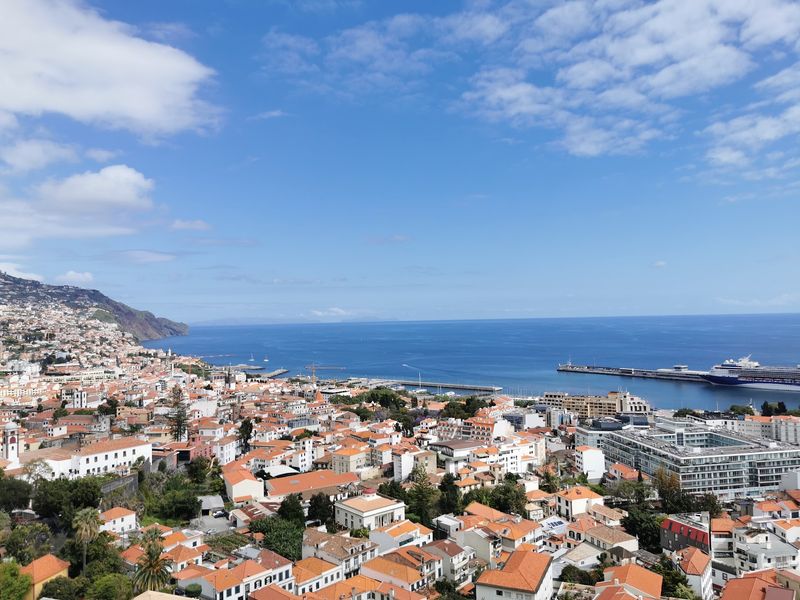
Portugal gets around 300 days of sun each year in some regions, which is a big reason people love it. The southern Algarve is especially bright, with long summers and winter days that often feel like spring.
Summer highs in Lisbon usually reach the upper 20s Celsius, or low 80s Fahrenheit. Ocean breezes keep the coast comfortable, so the heat rarely feels heavy.
Winters are mild, though the north can see more rain.
Travelers who like walking tours will find spring and fall to be the sweet spots. Temperatures stay pleasant, crowds are smaller, and hotel prices often drop.
Pack a light jacket for evenings, since the Atlantic can bring a cool wind after sunset.
Fun fact: Lisbon is often listed as one of the sunniest capital cities in Europe, with far more bright days than many of its neighbors.
2. Spain

Siesta culture exists for a reason: Spain gets hot, bright afternoons that invite a long break. Much of the country sees more than 2,500 hours of sunshine each year, and the south is the brightest of all.
Along the Mediterranean coast, winters stay gentle, with daytime highs often near 16 degrees Celsius. That is why many northern Europeans spend the cold months in places like Malaga and Alicante.
The Canary Islands go even further, offering spring-like weather nearly all year.
Inland cities such as Seville can get very hot in July and August, sometimes passing 40 degrees Celsius. Visitors who want comfort should plan trips for April, May, or October.
The north tells a different story. Areas like Galicia are greener and rainier, which keeps the landscape lush.
3. Greece
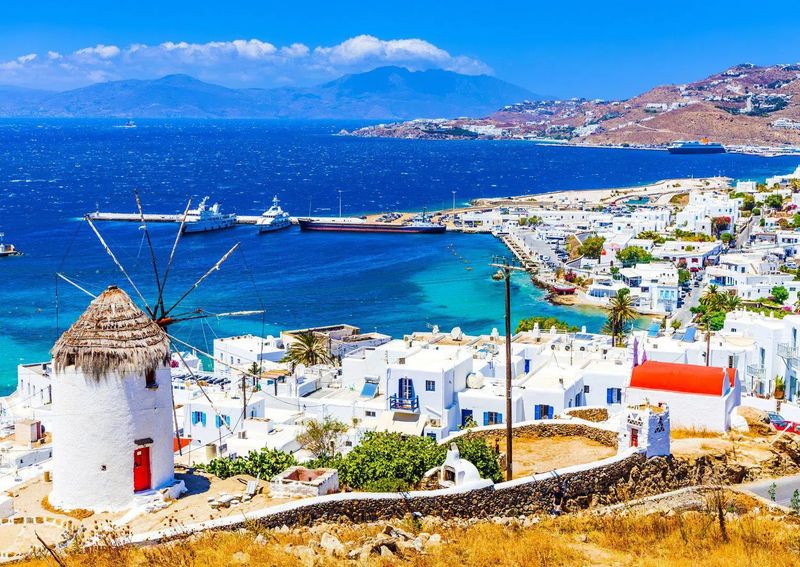
Picture a white village perched above a deep blue sea, with not a cloud overhead. That image is real for much of Greece, where summers are long, dry, and bright.
The country enjoys a classic Mediterranean climate. July and August bring highs around 30 to 35 degrees Celsius, while a seasonal wind called the meltemi cools the Aegean islands.
Winters are mild near the coast, though mountain areas can get snow.
Swimming season often runs from late May into October, which is longer than many travelers expect. Spring brings wildflowers and comfortable hiking weather, and early autumn keeps the sea warm without the peak crowds.
One tip: sun protection matters here. The light is strong, so bring a hat, sunscreen, and a refillable water bottle for ruins and hillside walks.
4. Italy
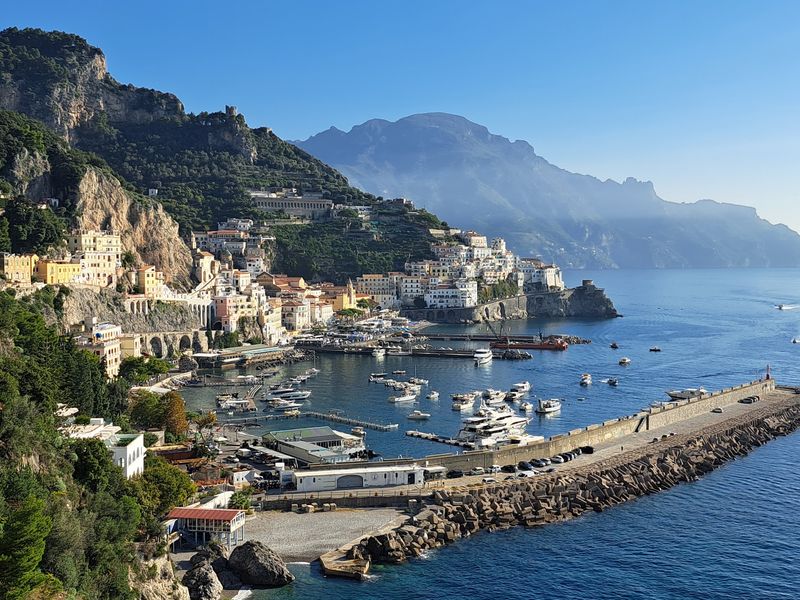
Ask an Italian grandmother about the best time to visit, and she may say September. By then, the summer heat softens, the grapes are ripening, and the light turns golden over the hills.
Italy stretches a long way from north to south, so the weather varies. Sicily and Sardinia enjoy hot, dry summers and mild winters.
Tuscany and Umbria see warm days from May to October, with pleasant evenings.
The north is cooler, with the Alps offering snowy winters and fresh mountain air in summer. Cities like Rome can reach 32 degrees Celsius in July, so shade and gelato breaks come in handy.
For the most comfortable sightseeing, spring and early fall are hard to beat. Rain is possible, so keep a small umbrella in your bag.
5. Malta
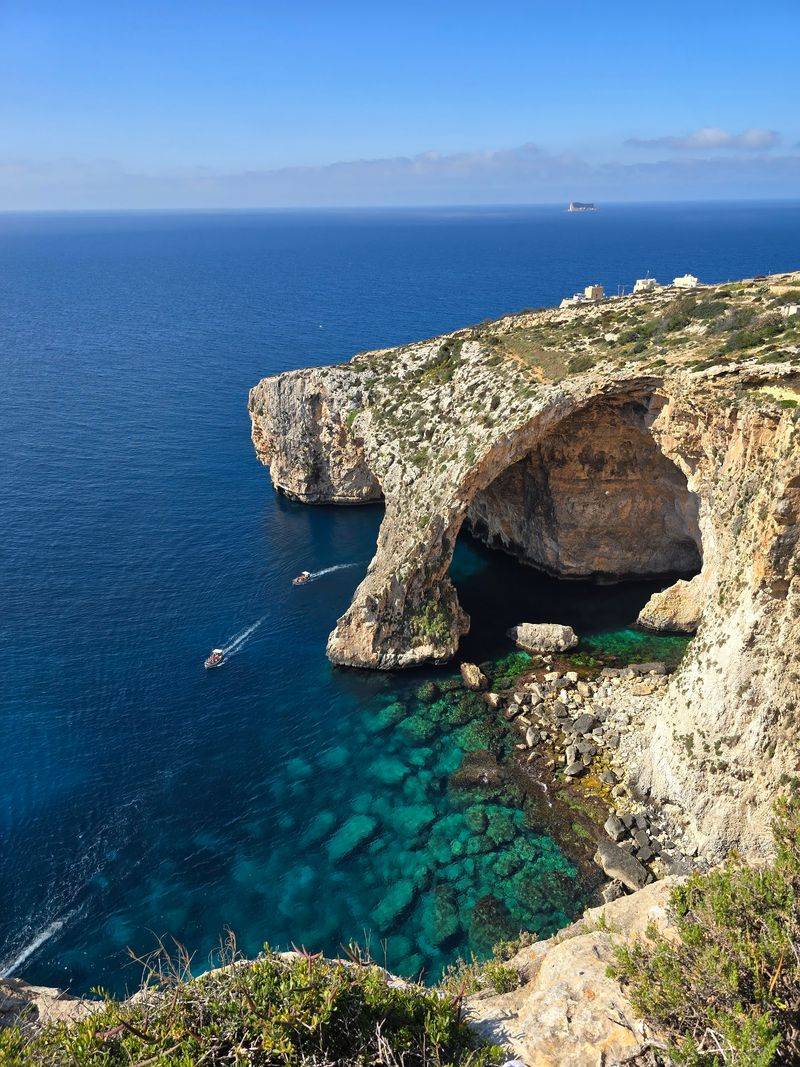
Small island, big sunshine. Malta is one of the brightest places in Europe, with roughly 300 sunny days in a typical year.
Summers are hot and dry, with highs often around 31 degrees Celsius. Sea breezes help, and the clear water makes cooling off easy.
Winters are mild, usually between 12 and 16 degrees, with some rain from November to February.
Because the country is so compact, you can switch from a harbor stroll to a cliff walk in a single day. Spring is a favorite time for sightseeing, when fields turn green and temperatures feel gentle.
Good to know: the sea stays warm well into autumn. Many people swim in October, long after beaches in other parts of Europe have emptied out.
6. Cyprus
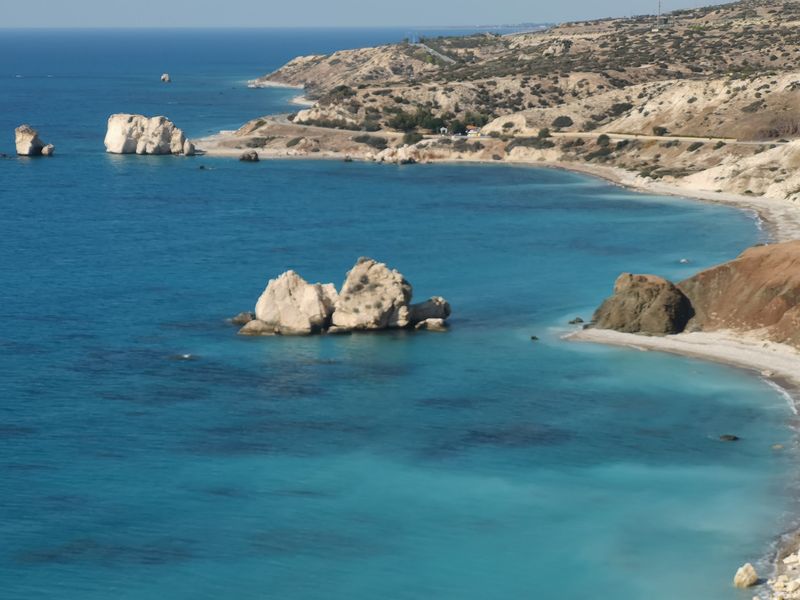
Cyprus holds a quiet record: it often ranks among the sunniest spots in the Mediterranean. Bright skies show up for most of the year, especially from April through October.
Summers are long and hot, with inland temperatures climbing past 35 degrees Celsius. The coast feels easier thanks to sea air.
Winters are short and mild, and snow appears only on the Troodos Mountains, where people can even ski.
That mix makes the island interesting. You can swim in the morning in spring and drive up to cooler hills by afternoon.
Sea temperatures stay comfortable from May into November. If heat is a concern, aim for late spring or autumn, when days are warm, evenings are pleasant, and sightseeing at ancient sites feels far more relaxed.
7. New Zealand
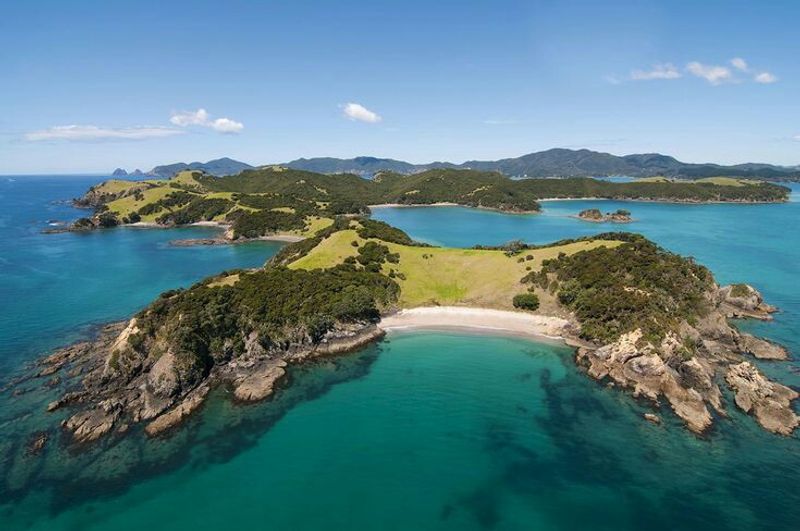
New Zealand rarely feels extreme. Its weather is mild and changeable, which locals sometimes describe as four seasons in one day.
Summer, from December to February, brings highs of about 20 to 25 degrees Celsius. Winters are cool but not harsh in most places, and mountain areas get snow for skiing.
Regular rain keeps the landscape bright green.
The Bay of Islands and Nelson are known for sunshine, while Auckland offers warm, humid summers. Because the country is long and narrow, the ocean shapes the climate everywhere.
A practical tip: pack layers. A sunny hike can turn breezy fast, and the sun is strong because of clean air.
Sunscreen and a light rain jacket will cover most situations.
8. Australia
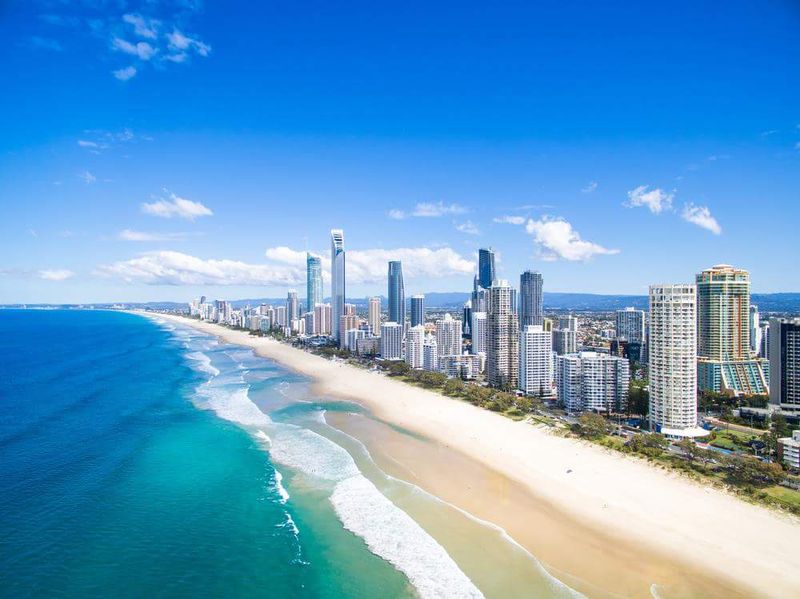
Beach culture in Australia exists because the sun cooperates. Many coastal cities enjoy warm weather for much of the year, and outdoor living is a normal part of daily life.
Sydney has mild winters and warm summers, with highs around 26 degrees Celsius in January. Brisbane and the Gold Coast stay even warmer.
Perth is known for dry, sunny summers, while Tasmania is cooler and more changeable.
The vast interior is a different story, with desert heat that can top 40 degrees. Northern regions have a wet season and a dry season rather than the usual four.
Remember that seasons are flipped from the Northern Hemisphere. Summer runs from December to February, so a holiday trip can be a beach trip.
9. South Africa
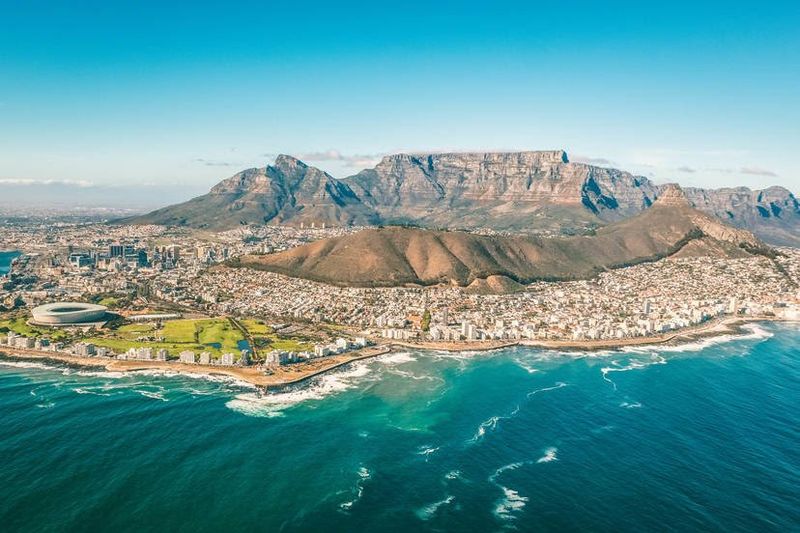
Few places combine sun, sea, and mountains quite like South Africa. The country averages more than 2,500 hours of sunshine a year, which suits its outdoor lifestyle.
Cape Town enjoys a Mediterranean climate, with dry, warm summers and cool, rainy winters. Durban on the east coast stays warm and humid, and its ocean is pleasant for swimming nearly all year.
Johannesburg sits at high altitude, so days are sunny and nights can be crisp.
Safari fans usually visit in the dry winter months, from May to September. Animals gather near water, and the thinner bush makes spotting wildlife easier.
Wind can be a surprise in Cape Town, especially in summer. Locals call the strong southeaster the Cape Doctor, because it clears the air.
10. Costa Rica
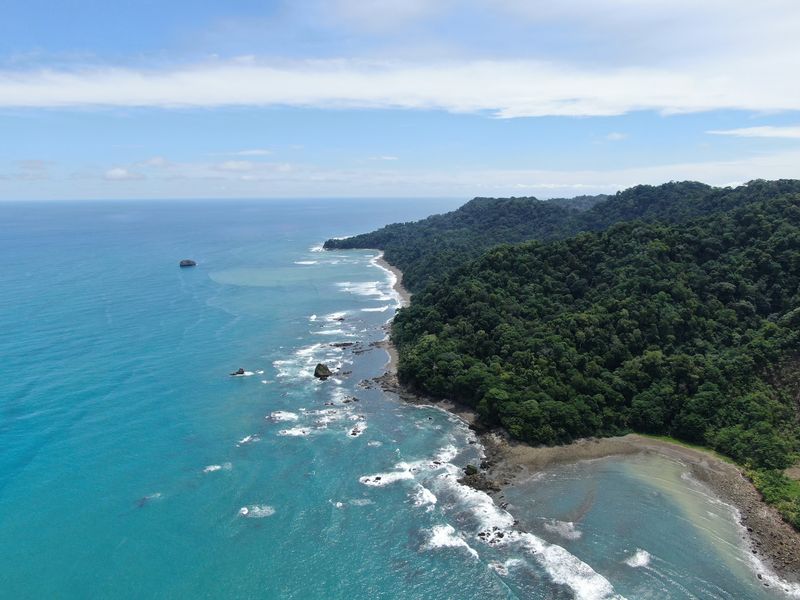
Costa Rica runs on two seasons instead of four: dry and green. The dry season, from December to April, brings sunny days, blue skies, and the best beach conditions.
Temperatures stay fairly steady all year, with coastal areas around 30 degrees Celsius and highlands feeling cooler. The green season, from May to November, usually means bright mornings and rain in the afternoon.
Many travelers actually like that pattern. Prices are lower, crowds are thinner, and the rainforest looks its best.
Plan outdoor tours for the early hours and keep afternoons flexible.
Regions differ a lot. The Pacific northwest is the driest, while the Caribbean side gets rain more evenly.
Checking the area before booking can save a lot of guesswork.
11. Mexico
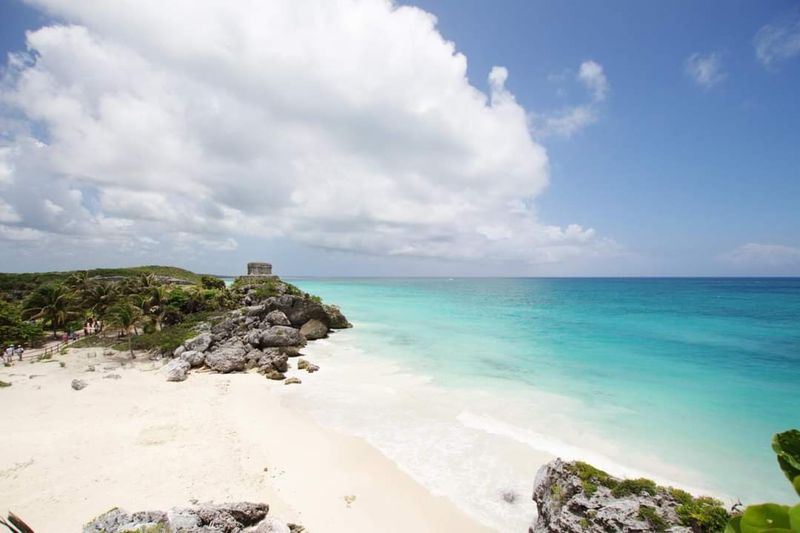
From desert canyons to Caribbean beaches, Mexico offers a wide range of warm weather. Which version you get depends on where you go and when.
Coastal areas like Cancun and Puerto Vallarta are warm all year, with highs near 30 degrees Celsius. Winter is the favorite season, with dry air and lower humidity.
Central cities such as Mexico City sit high up, so days are mild and spring-like for much of the year.
Summer brings rain in many regions, often in short afternoon storms. Hurricane season runs from June to November, mostly affecting coastal areas, so flexible plans help.
If you want comfort without the crowds, try late fall. Temperatures are pleasant, and the landscape is still green from the rainy months.
12. Colombia
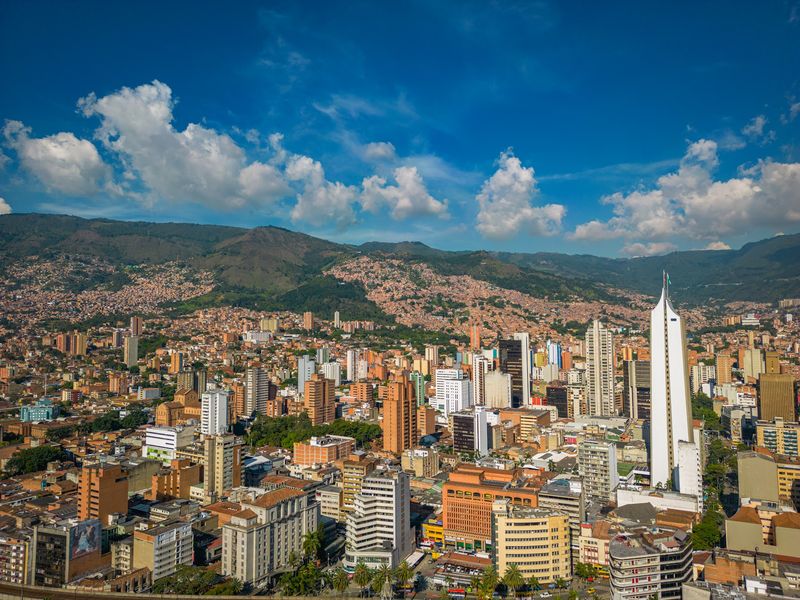
Here is a surprising fact: Colombia has no real summer or winter. Because it sits near the equator, temperatures depend mostly on altitude.
Cartagena and the Caribbean coast are hot and humid, often around 31 degrees Celsius. Medellin earns its nickname, the City of Eternal Spring, with daytime highs near 25 degrees all year.
Bogota is higher and cooler, so a sweater is useful in the evening.
The country has wetter and drier periods. December to March is generally the driest time in much of the Andes and on the coast.
This variety lets travelers choose their climate. Want beach heat in the morning and cool coffee-region air the next day?
A short flight makes it possible.
13. Ecuador
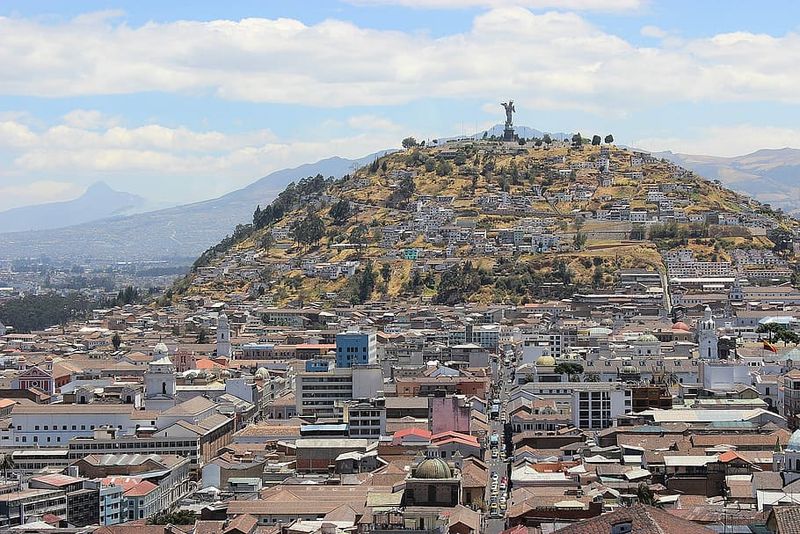
Standing with one foot in each hemisphere sounds like a gimmick, but Ecuador makes it real at the equator line near Quito. The country is known for steady, spring-like weather in its highlands.
Quito sits at about 2,800 meters, so days are mild and nights are cool. The coast is warmer and more humid, with a rainy season from January to May.
The Galapagos Islands are dry and cooler from June to November, and warmer and wetter the rest of the year.
Because the sun is strong at high elevation, sunscreen is a must even when it feels cool.
Layers are the best packing strategy. A single day can move from sunshine to light rain and back again.
14. Morocco
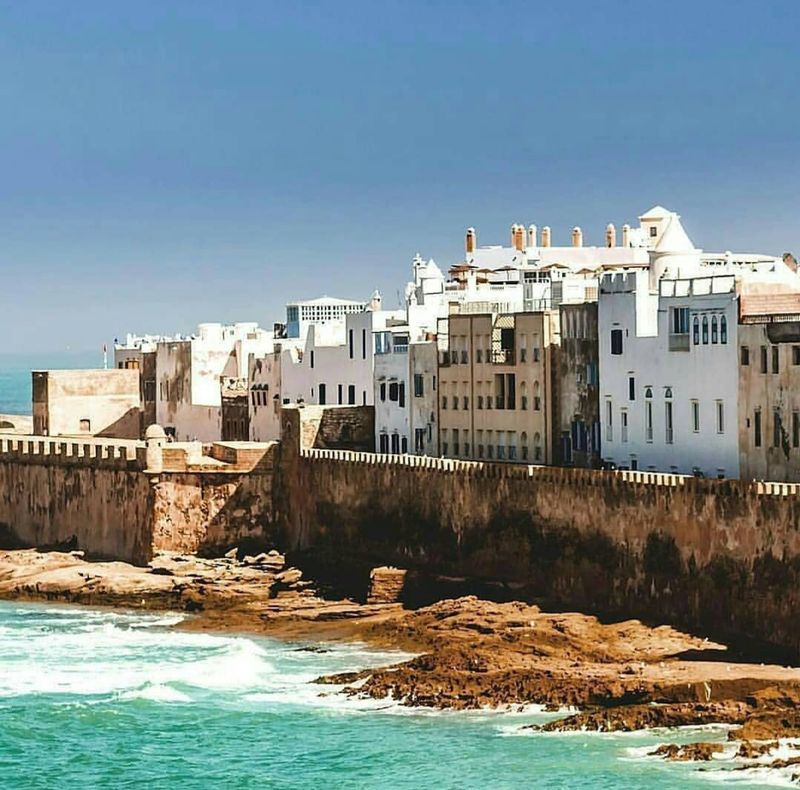
Morocco is a country of sun, sea air, and snowy peaks, sometimes all in one trip. Its climate changes quickly depending on the region.
Coastal cities like Essaouira stay breezy and mild, with summer highs around 25 degrees Celsius. Marrakech is much hotter in July and August, often passing 38 degrees.
Winters there are sunny by day and cool at night.
The Atlas Mountains get snow in winter, and the Sahara has hot days with chilly evenings. Spring and autumn are the most comfortable times for exploring cities and desert camps.
One helpful tip: if you plan a desert night, bring a warm layer. After sunset, the dry air cools down faster than most visitors expect.
15. Mauritius
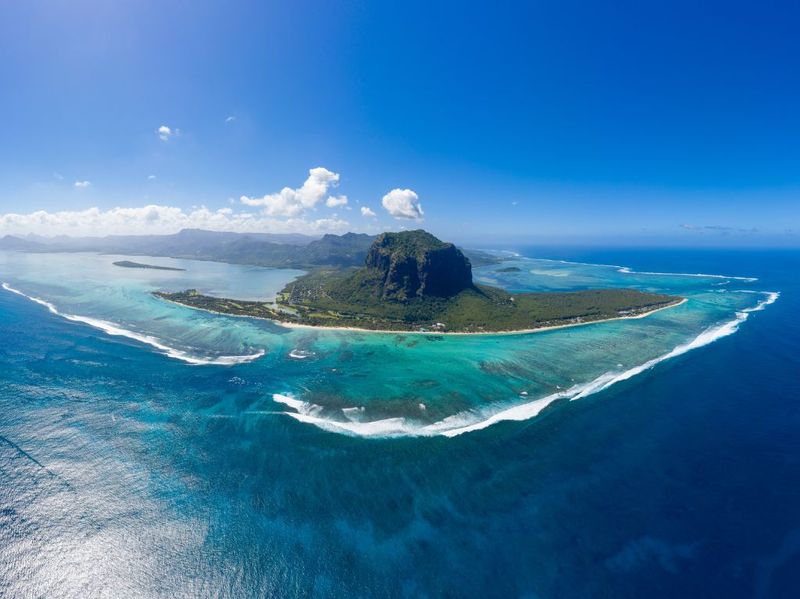
Floating in the Indian Ocean, Mauritius keeps a warm, tropical feel almost all year. Trade winds and ocean breezes soften the heat.
Summer, from November to April, is hotter and wetter, with highs near 30 degrees Celsius. Winter, from May to October, is drier and cooler, with temperatures around 24 degrees.
That cooler stretch is popular for beach visits and hiking.
Weather can differ across the island. The west and north tend to be sunnier and drier, while the central plateau gets more rain and cooler air.
Cyclone season runs roughly from January to March, so travelers should check forecasts. The lagoon water stays warm for most of the year, which makes swimming and snorkeling easy.
Share this story