Most people picture white or golden sand when they think of a beach, but some of the world’s most striking coastlines are completely black. These dark shores are formed by volcanic activity, iron-rich minerals, or weathered rock, and they look unlike anything you might expect from a typical beach vacation.
From the dramatic cliffs of Iceland to the quiet fishing villages of Bali, black-sand beaches exist on nearly every continent and each one has its own personality. Whether you are planning an international adventure or just love discovering places that feel genuinely different, this list covers eleven of the most unusual black-sand landscapes on the planet.
Some are easy to reach, some require serious planning, and all of them are worth knowing about.
Reynisfjara, Iceland
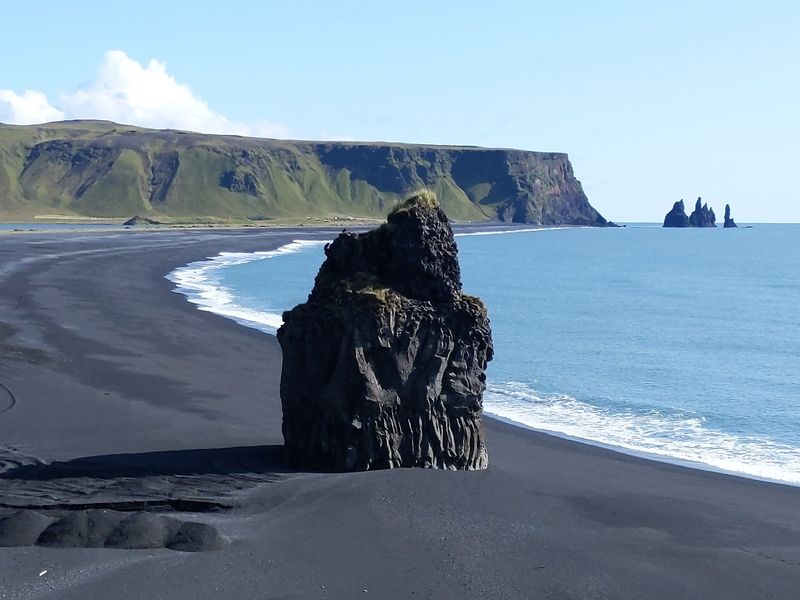
Probably no black-sand beach on Earth is more visually dramatic than Reynisfjara on Iceland’s southern coast. The combination of deep-black volcanic sand, crashing North Atlantic surf, and towering basalt columns creates a landscape that looks almost impossible.
The Reynisdrangar sea stacks rise sharply from the water just offshore, and a natural cave carved into the basalt cliff adds yet another layer to an already striking setting. Behind the beach, the geometric columns stack in neat, almost architectural formations that geologists and photographers alike find endlessly interesting.
Iceland’s official tourism organization continues to feature Reynisfjara as one of the country’s most recognizable filming locations. A restaurant and coffeehouse operate nearby, which makes a short visit very manageable.
Safety is serious here. Sneaker waves can travel much farther up the shore than expected.
Always follow posted warning signs, stay behind safety barriers, and never turn your back on the water.
Punaluʻu Black Sand Beach, Hawaii
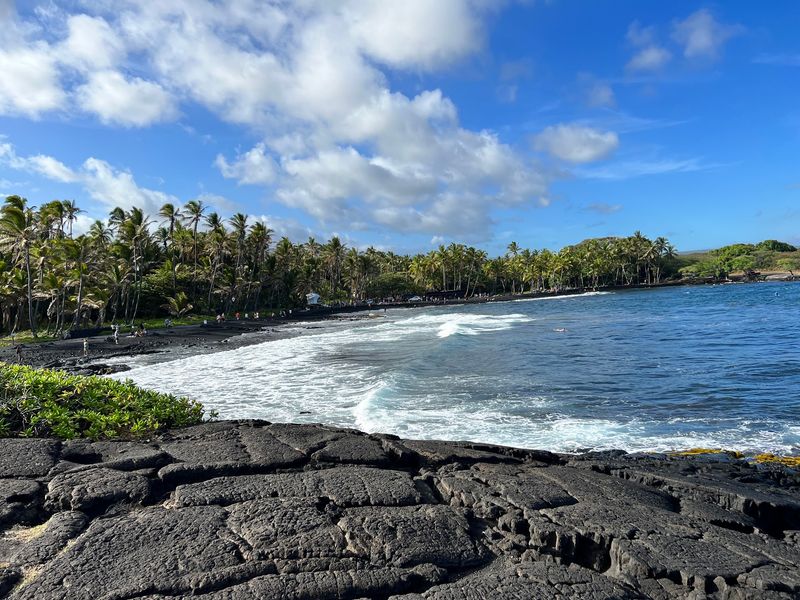
Hawaiian green sea turtles, known locally as honu, have been resting on Punaluʻu’s charcoal-colored shore for generations, and watching them from a respectful distance is one of the most memorable parts of any visit here.
The beach sits in the Kaʻū region on the Big Island and was formed by the island’s volcanic geology. Dark sand meets coconut palms in a contrast that feels both tropical and otherworldly at the same time.
Hawaii’s official tourism website continues to recommend Punaluʻu as a key attraction in the area.
Visitors should never touch, chase, or block the turtles, and removing sand, rocks, or other natural materials from the beach may violate local regulations. Ocean conditions can be rough with strong currents, so entering the water requires careful judgment.
Even a short stop at Punaluʻu leaves a strong impression. The volcanic sand, lava rocks, palms, and wildlife create a setting that feels genuinely unlike any other beach in the United States.
Waiʻānapanapa State Park, Maui
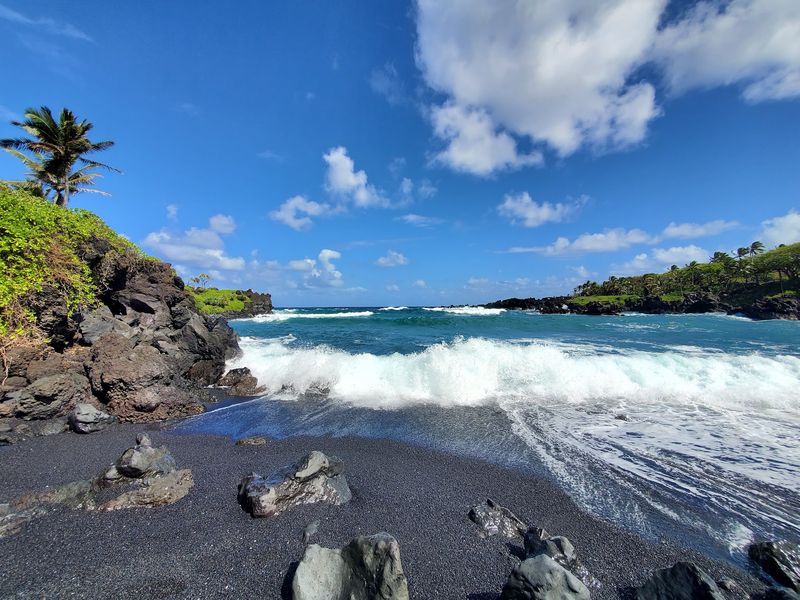
Waiʻānapanapa State Park sits along Maui’s famous Road to Hana, and it packs an impressive amount of geological variety into a relatively compact coastal area. The black-sand beach here is small but surrounded by features that keep visitors exploring well beyond the shoreline.
Sea arches, rocky coves, blowholes, and coastal walking paths all form part of the park experience. The visual contrast between intensely green tropical plants, black volcanic rock, and bright blue Pacific water is one of the most striking natural combinations in Hawaii.
Out-of-state visitors must reserve timed parking and entry through Hawaii’s official state-park reservation system. Reservations open up to 30 days in advance, and spaces can sell out quickly, so booking early is strongly recommended.
Travelers should approach Waiʻānapanapa as a broader coastal and geological destination rather than a conventional beach. Ocean conditions change rapidly here, and the park rewards those who come prepared to walk, explore, and observe rather than simply sunbathe.
Piha Beach, New Zealand
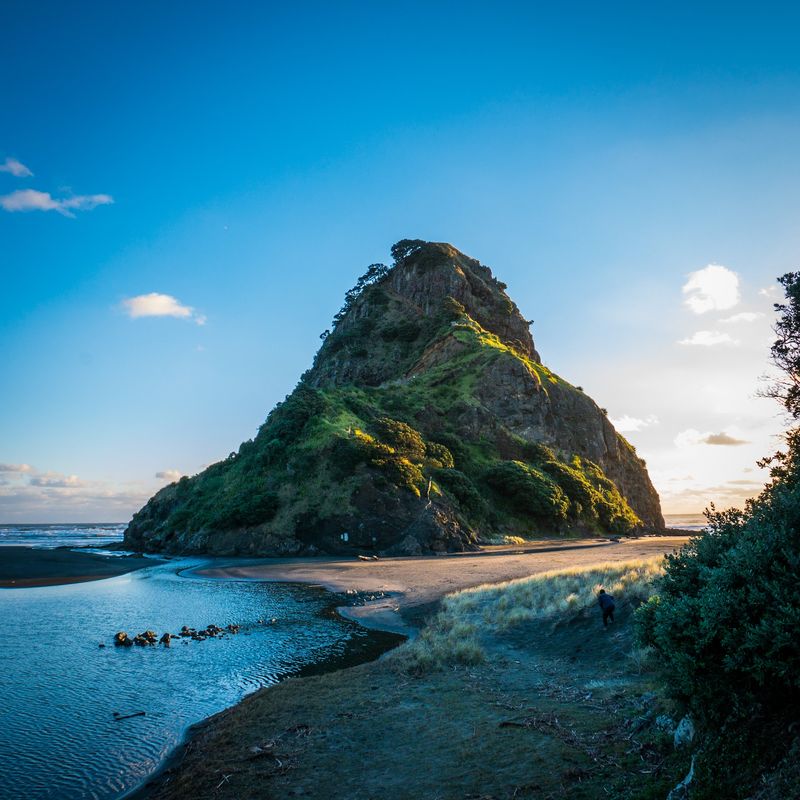
Piha is less than an hour west of Auckland, yet it feels like a completely different world from the city. The beach sits on New Zealand’s wild western coastline and draws surfers, hikers, and anyone who wants to see a genuinely untamed landscape without traveling far.
The dark color here comes not from fresh lava but from iron-rich sand, which gives the shore a slightly different texture and character than volcanic beaches in Hawaii or Iceland. Lion Rock, a large volcanic formation, divides sections of the beach and serves as an unmistakable landmark visible from almost anywhere on the shore.
New Zealand’s official tourism website describes Piha as a scenic black-sand surf beach surrounded by native forest, and the Tasman Sea waves fully live up to that reputation. On misty days, the dark sand and steep green slopes create a moody, atmospheric landscape.
Swimming should be limited to patrolled areas when lifeguards are present. Rips and currents are serious here, and the ocean should not be underestimated.
Playa de la Arena, Tenerife, Spain
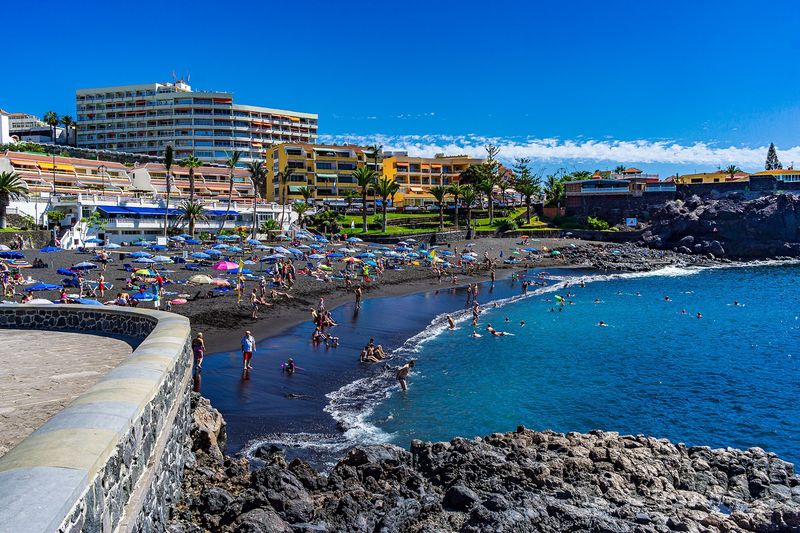
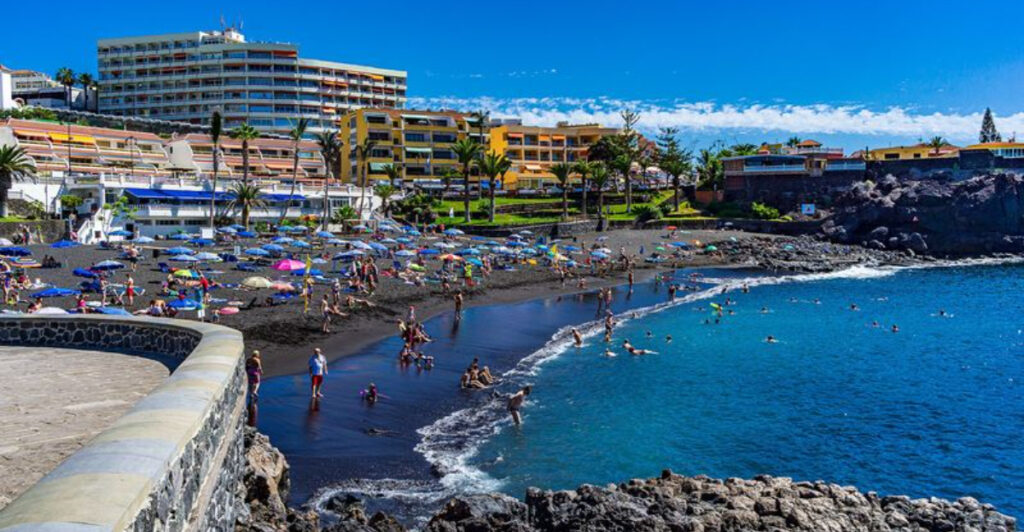
Tenerife’s volcanic origin shows up in many places across the island, but Playa de la Arena makes it especially easy to appreciate. Located in the resort town of Puerto de Santiago on the island’s western coast, the beach features naturally black volcanic sand framed by dark rocky outcroppings.
The pale foam of Atlantic waves rolling across the darker sand creates a sharp visual contrast that photographers tend to find very appealing. The Canary Islands’ official tourism website notes that the volcanic rocks surrounding the beach create good conditions for snorkeling and shallow-water exploration when sea conditions allow.
Unlike some remote black-sand destinations on this list, Playa de la Arena sits within a developed tourist area. Restaurants, accommodations, and services are readily available nearby, making it one of the more accessible entries here.
The dark sand absorbs considerable heat from the sun, so sandals or water shoes are worth packing. Beach flags indicate current conditions, and Atlantic swells can generate strong currents even on a calm, sunny afternoon.
Perissa and Perivolos, Santorini, Greece
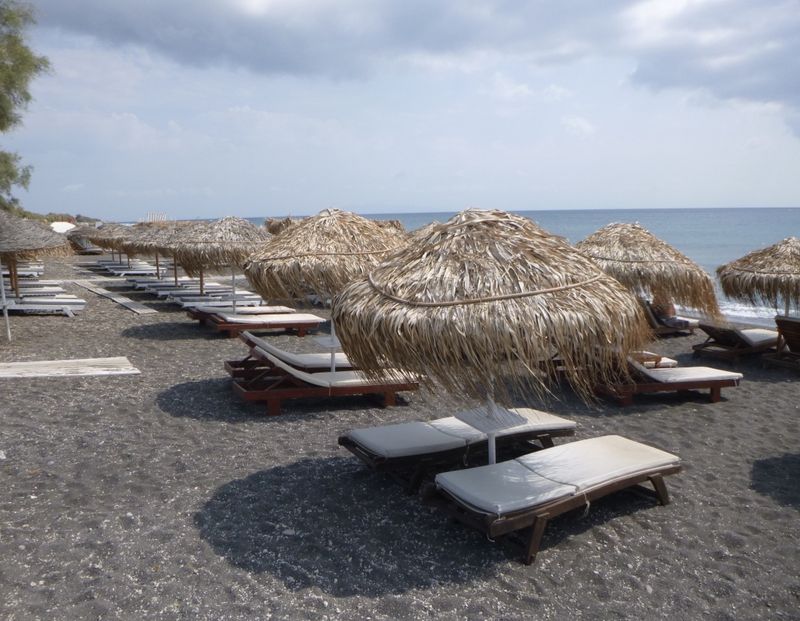
Santorini’s whitewashed villages and blue-domed churches get most of the attention, but the island’s southeastern coast tells a different geological story. Perissa, Perivolos, and Agios Georgios form a connected stretch of dark volcanic sand running for roughly five kilometers along the Aegean.
Greece’s official tourism organization describes this coastline as a well-developed beach area with water sports including windsurfing, water skiing, and scuba diving. Restaurants, accommodations, and seasonal beach services make the area very practical for travelers who want volcanic scenery without sacrificing convenience.
Mesa Vouno, a steep rocky formation, rises dramatically near Perissa and separates it from neighboring Kamari. The visual backdrop it creates gives the dark shoreline an added sense of scale and character that sets it apart from typical Greek beach destinations.
As with other volcanic beaches in warm climates, the black sand and pebbles absorb significant heat during peak afternoon hours. Footwear is genuinely useful here, particularly for anyone walking across the open beach between midday and late afternoon.
Miho-no-Matsubara, Japan
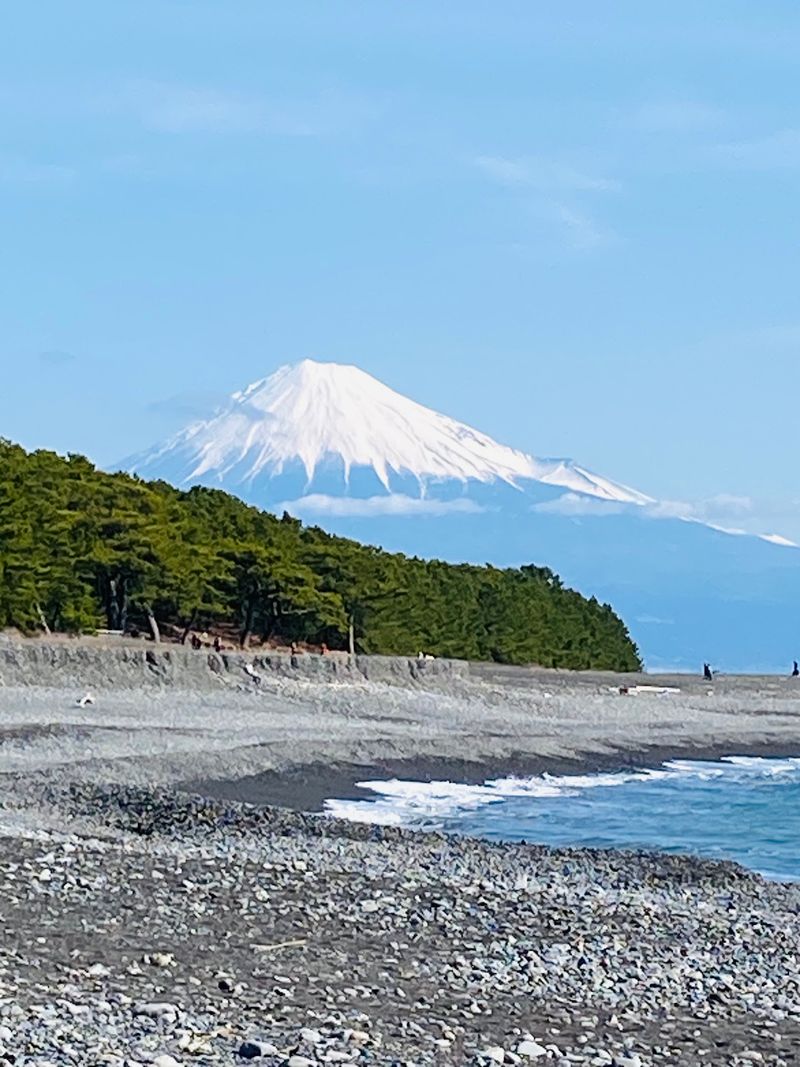
Japan’s most celebrated coastal view might not be what you expect from a black-sand entry. Miho-no-Matsubara, near Shizuoka, pairs a dark shoreline with a pine grove containing tens of thousands of trees, and on clear days the view across the water toward Mount Fuji is one of the most painted and photographed scenes in Japanese art history.
Japan’s national tourism organization describes the coastline as a seven-kilometer stretch of dark sand and pines with a direct sightline to Fuji. The site forms part of the broader cultural landscape associated with the mountain and has inspired legends for centuries.
One traditional story tells of a celestial maiden who hung her feathered robe on a pine tree while bathing at this very shore. That connection between the landscape and Japanese mythology adds a layer of meaning that purely geological beaches rarely carry.
The beach is best suited to walking, photography, and quiet sightseeing. Its restrained, contemplative character makes it a very different kind of black-sand experience compared with the dramatic cliffs of Iceland or the surf culture of New Zealand.
Lovina Beach, Bali, Indonesia
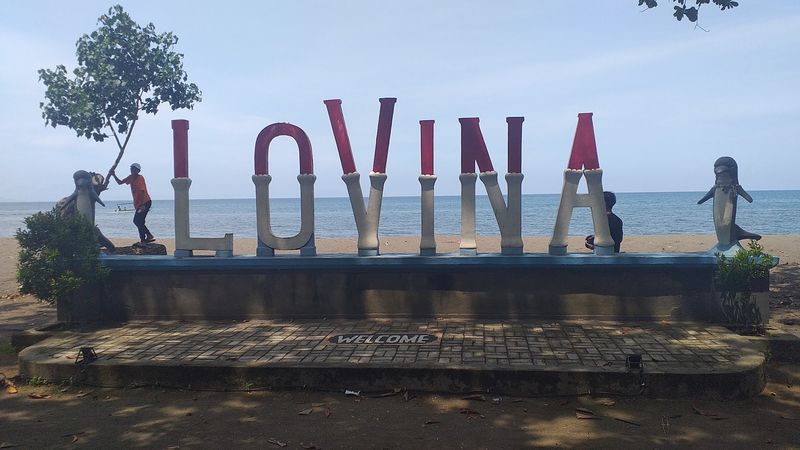
Northern Bali operates at a noticeably slower pace than the busy resort areas around Kuta and Seminyak, and Lovina’s gray-black volcanic shoreline reflects that difference. Fishing boats line sections of the coast, mountains rise inland, and the Bali Sea here is considerably calmer than the surf-heavy southern beaches.
Indonesia’s official tourism website promotes Lovina as a destination for snorkeling, diving, and bottlenose dolphin encounters. Early-morning dolphin excursions have become one of the area’s most recognized activities, drawing visitors who want to see marine wildlife in a relatively natural setting.
Lovina is not a single defined beach but rather a loose collection of coastal communities west of Singaraja, with Kalibukbuk serving as the main visitor hub. The spread-out nature of the area gives it a relaxed, unhurried feel that suits travelers looking for something quieter than a typical resort destination.
Anyone considering a dolphin tour should choose an operator that follows responsible wildlife practices. Visitors staying onshore can enjoy the dark sand, traditional boats, and colorful sunsets without any pressure to join an excursion.
Papenoʻo Beach, Tahiti
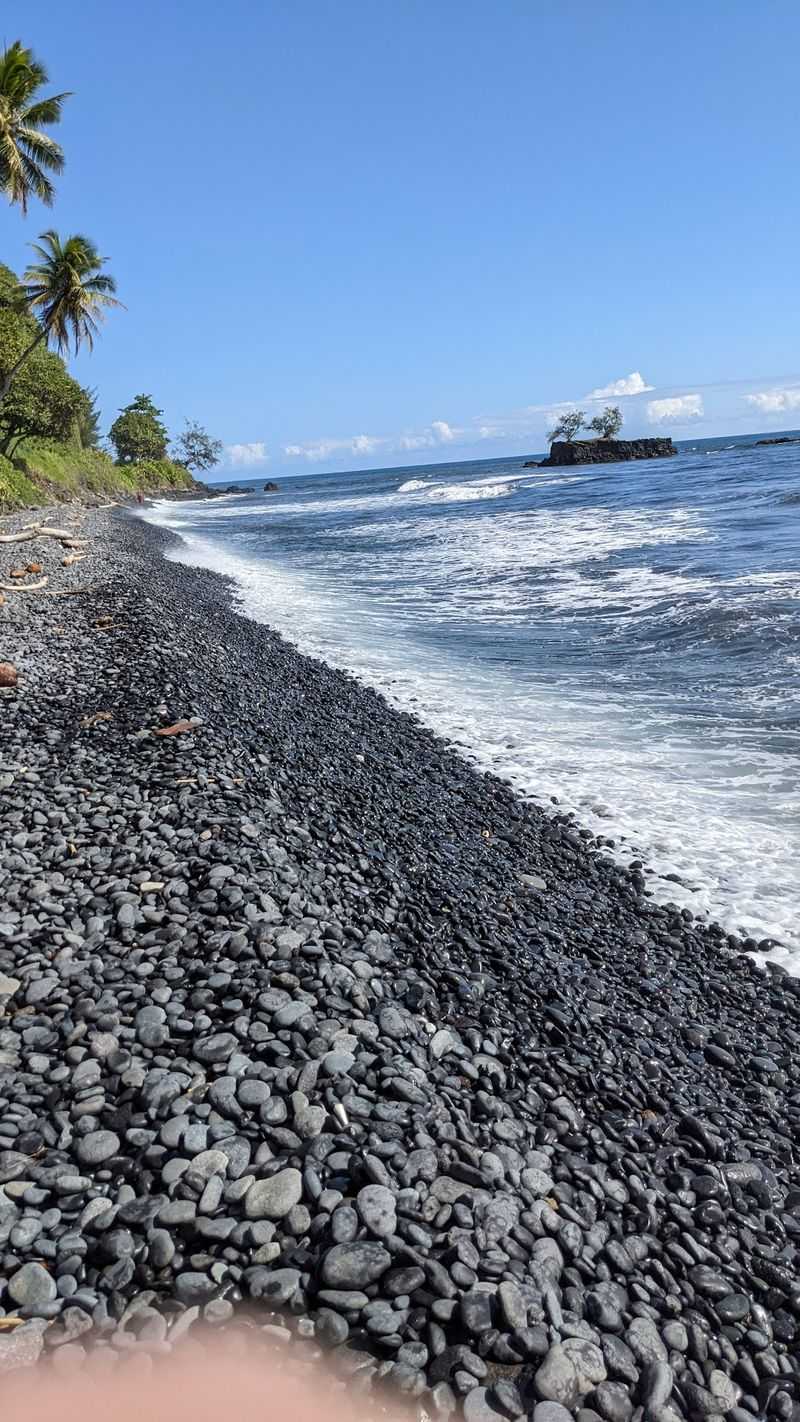
Tahiti is famous for enclosed turquoise lagoons, but Papenoʻo Beach on the island’s northern coast offers something rawer and less expected. Dark volcanic sand and pebbles stretch along the shore while lush mountain ridges rise directly behind the beach, creating a landscape that feels more remote than its location might suggest.
Tahiti Tourisme lists Papenoʻo as a visitor destination and describes it as a black-sand beach known for surfing. Regular Pacific swells make it a recognized spot for experienced surfers, and the open-ocean energy here is a sharp contrast to the calm, reef-protected waters on other parts of the island.
The setting can feel genuinely wild, particularly on overcast days when clouds hang low over the mountains and the surf runs strong. That moodiness is part of what makes Papenoʻo worth visiting for travelers who want Tahiti beyond the postcard version.
Visitors who are not experienced surfers should stay on shore. Currents, rocky areas, and shifting conditions can make the water challenging even for confident swimmers.
Milícias Beach, São Miguel, Azores
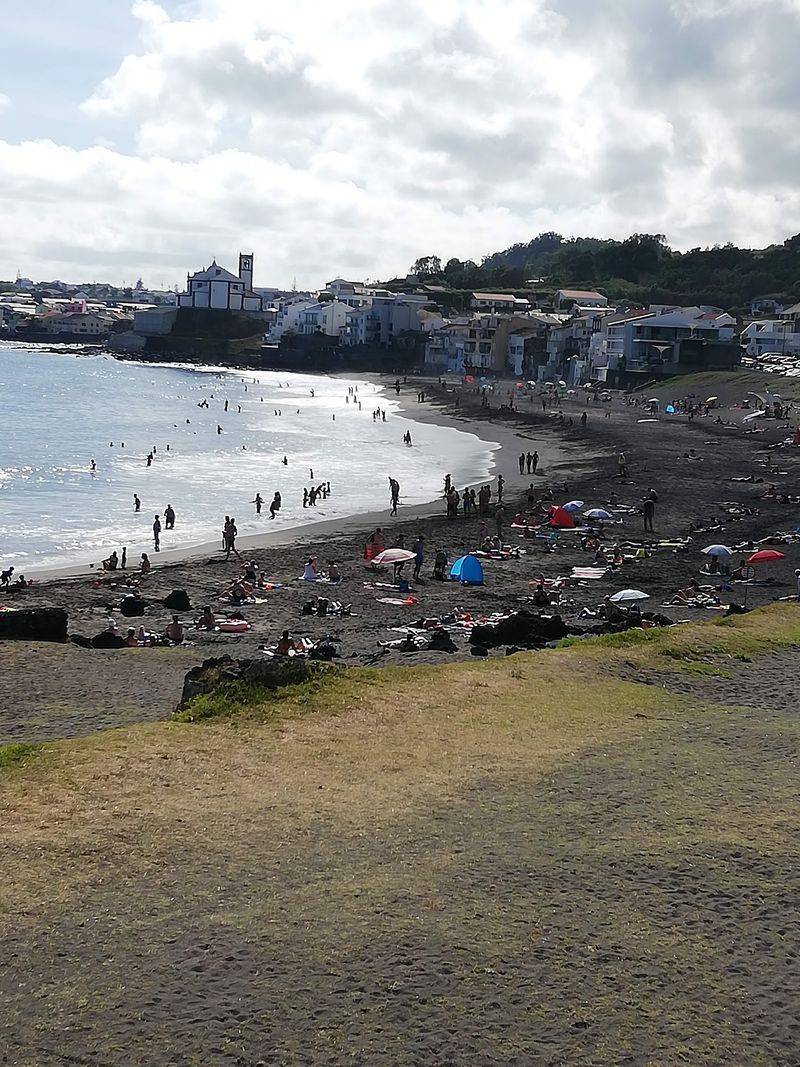
The Azores sit in the middle of the Atlantic Ocean, born entirely from volcanic forces, and that origin is written clearly across São Miguel’s coastline. Milícias Beach, also known as Praia Grande, lies near Ponta Delgada and offers one of the island’s most accessible dark-sand experiences.
The Azores’ official tourism organization identifies Milícias as one of São Miguel’s most recognized beaches specifically because of its volcanic characteristics and broad stretch of dark sand. The organization also notes that the water can be relatively pleasant for swimming, though conditions naturally shift with Atlantic weather patterns.
What makes Milícias particularly practical is its location near the island’s main city. Travelers passing through Ponta Delgada can incorporate the beach into a short coastal stop without rerouting an entire itinerary, which is not always possible with more remote black-sand destinations.
The dark shore reads especially well visually when the region’s green volcanic slopes and rolling Atlantic clouds form the background. It is the kind of scene that reminds you the Azores are unlike anywhere else in Europe.
Black Sands Beach and the Lost Coast, California
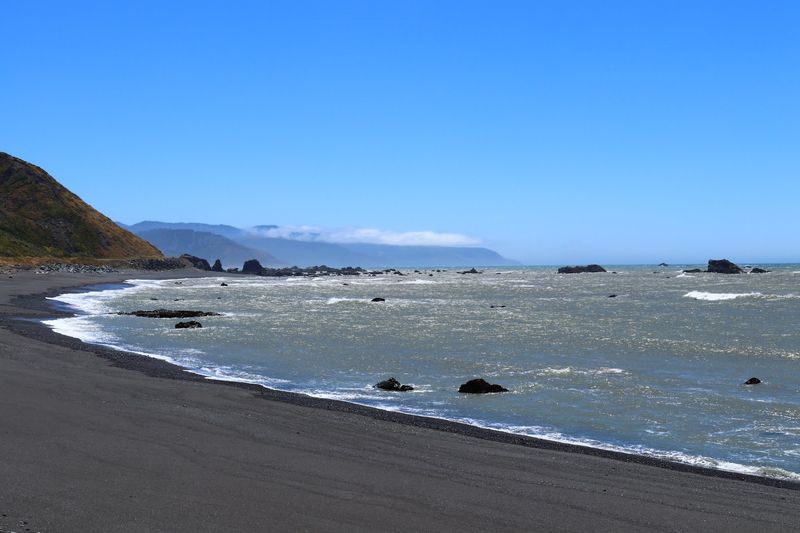
California’s Lost Coast is one of the most isolated stretches of shoreline in the contiguous United States, and Black Sands Beach near Shelter Cove captures exactly why. Steep King Range mountains drop almost directly into the Pacific here, leaving barely enough room for the dark, coarse shore below.
The Bureau of Land Management oversees the Lost Coast Trail and Black Sands Beach access area. Current visitor information identifies the beach as a trail access point and warns that portions of the coastline can become impassable at high tide, which is not a minor inconvenience but a genuine safety concern.
The sand here is actually coarse, weathered rock rather than the fine volcanic sand found on tropical islands. That distinction gives the beach a grittier, more rugged character that matches the surrounding wilderness perfectly.
Cold water, powerful surf, strong currents, and rapidly shifting tides mean this is not a casual swimming spot. Anyone planning to hike beyond the beach must study tide tables, check permit requirements, and come fully prepared for remote backcountry conditions.
Share this story