When people think of the world’s richest families, names like Rockefeller or Walton often come to mind. But some of the wealthiest dynasties on the planet stay far out of the spotlight, quietly building empires worth hundreds of billions of dollars.
These families own brands you use every day, from the beer you drink to the chocolate you love. Get ready to meet the powerful families behind some of the world’s biggest businesses.
1. Albrecht Family (Germany)
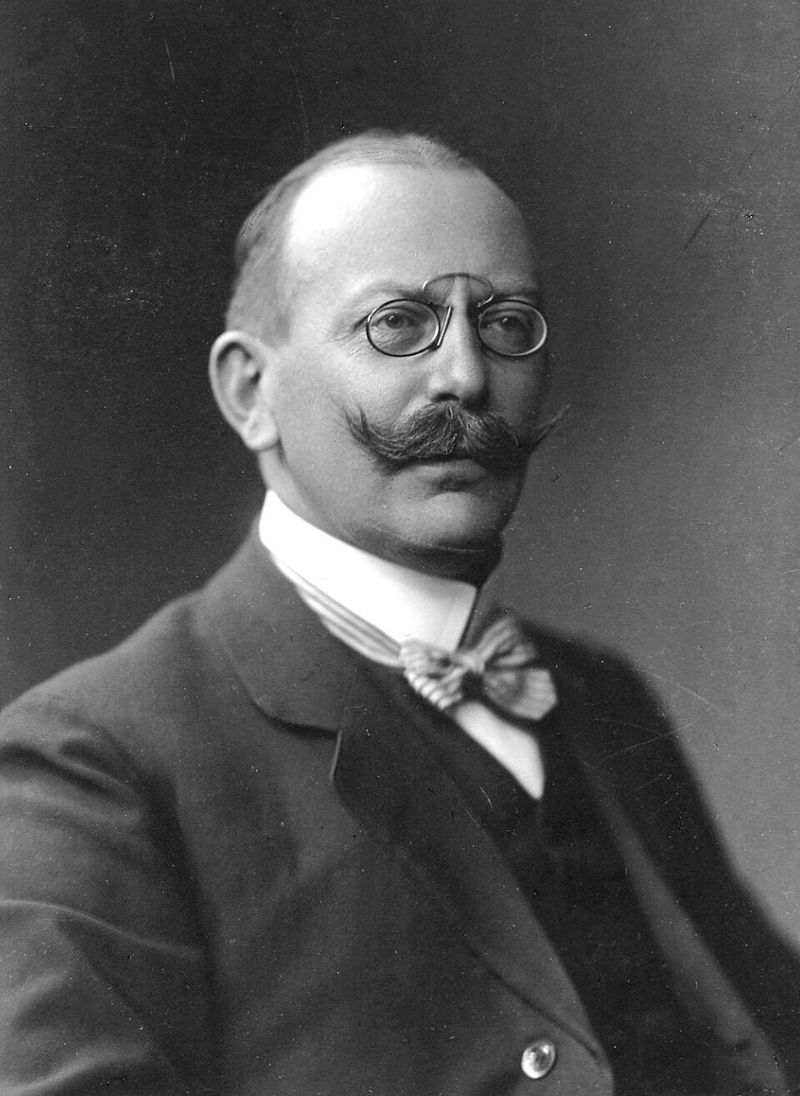
You have probably walked through an Aldi store without ever wondering who owns it. The Albrecht family built one of the most successful supermarket chains in the world, and they did it almost entirely out of public view.
Brothers Karl and Theo Albrecht founded Aldi in post-war Germany, turning a small family grocery store into a global retail giant.
Karl Albrecht became one of Germany’s richest people before his death in 2014, and the family’s combined fortune is estimated at over $30 billion. Aldi now operates thousands of stores across more than 20 countries.
The family is famously private, rarely giving interviews or appearing at public events.
Their business strategy focused on keeping prices low and operations simple, a formula that changed how millions of people shop for groceries worldwide.
2. Cargill-MacMillan Family (United States)
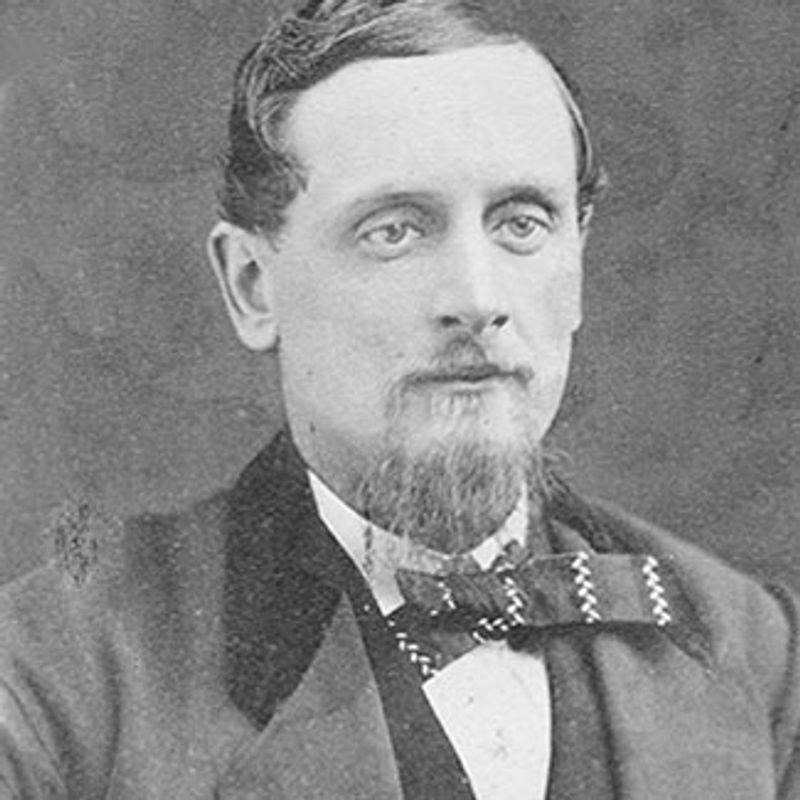
Most people have never heard of Cargill, yet it is the largest privately held company in the United States by revenue. The Cargill and MacMillan families, descendants of the company’s founders, control this agricultural giant that handles everything from grain trading to animal feed and food ingredients.
Founded in 1865 by William Wallace Cargill, the company has grown into a global powerhouse with over 150,000 employees working in 70 countries. The family’s combined wealth is estimated at around $50 billion, spread across roughly 100 heirs.
Because Cargill remains private, its finances are rarely scrutinized the way public companies are.
The family has consistently resisted pressure to take the company public, preferring to maintain control and privacy. Their business touches nearly every part of the global food supply chain, making them one of the most influential families most Americans have never heard of.
3. Van Damme, De Spoelberch and de Mevius Families (Belgium)

Behind every Budweiser, Stella Artois, and Corona is a group of Belgian families most people have never heard of. The Van Damme, De Spoelberch, and de Mevius families are major shareholders of AB InBev, the world’s largest brewing company.
Their combined stake in the company gives them enormous influence over the global beer industry.
AB InBev was formed through a series of massive mergers, including the 2008 acquisition of Anheuser-Busch, the iconic American brewer. The Belgian families trace their involvement in brewing back generations, long before the company became a multinational giant.
Their combined wealth runs into the tens of billions of dollars.
Despite owning a huge portion of the world’s most recognizable beer brands, these families maintain an extremely low public profile. Few outside of business circles even know their names, yet their influence on what the world drinks is enormous.
4. Reimann Family (Germany)

Krispy Kreme donuts, Panera Bread, Pret A Manger sandwiches, Keurig coffee, and Dr Pepper all share something in common: they are all owned or backed by the Reimann family through their investment vehicle, JAB Holding Company. This German family has quietly assembled one of the most impressive consumer brand portfolios in the world.
The family’s wealth is estimated at over $35 billion, and JAB Holding continues to expand its reach across food, beverages, and beauty. The Reimanns largely stay out of the news and allow professional managers to run their companies.
Their strategy of acquiring beloved everyday brands has proven remarkably effective.
One notable moment came in 2019 when the family publicly acknowledged their ancestors’ use of forced labor during World War II, a rare act of transparency that surprised many observers. The family donated funds to research and commemorate the victims of that dark history.
5. Mulliez Family (France)
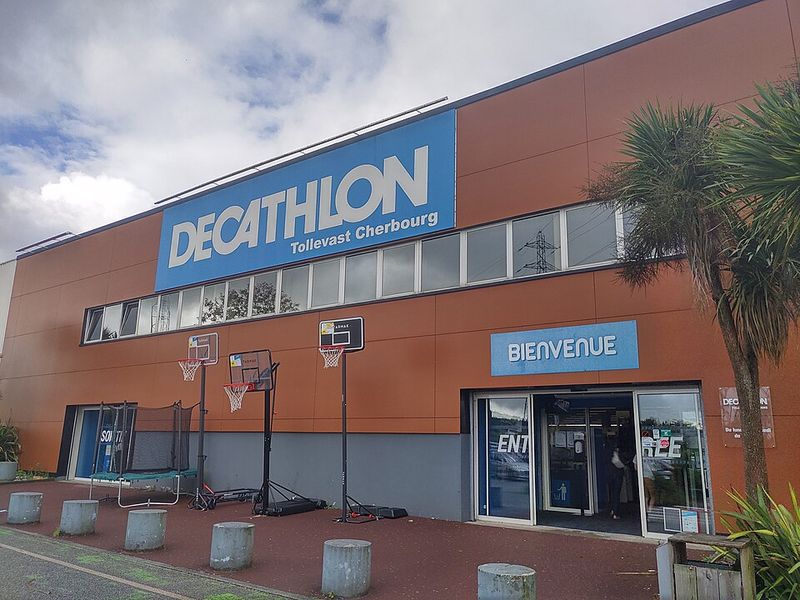
France’s Mulliez family runs one of the most diverse retail empires in Europe, yet they rarely appear on international wealth rankings. Their holdings include Decathlon, the world’s largest sporting goods retailer, as well as Auchan supermarkets, Leroy Merlin home improvement stores, and several other major retail chains.
The family operates as a tightly knit group, pooling resources through a shared family holding structure.
With over 700 family members involved in the business, the Mulliez clan functions almost like a small corporation unto itself. Their combined wealth is estimated at well over $35 billion.
Decathlon alone operates thousands of stores across dozens of countries, making it a truly global brand built on affordable sports equipment.
The family’s approach to business is rooted in long-term thinking and keeping control within the family. They rarely seek outside investors or media attention, preferring steady growth over flashy headlines.
6. Wallenberg Family (Sweden)
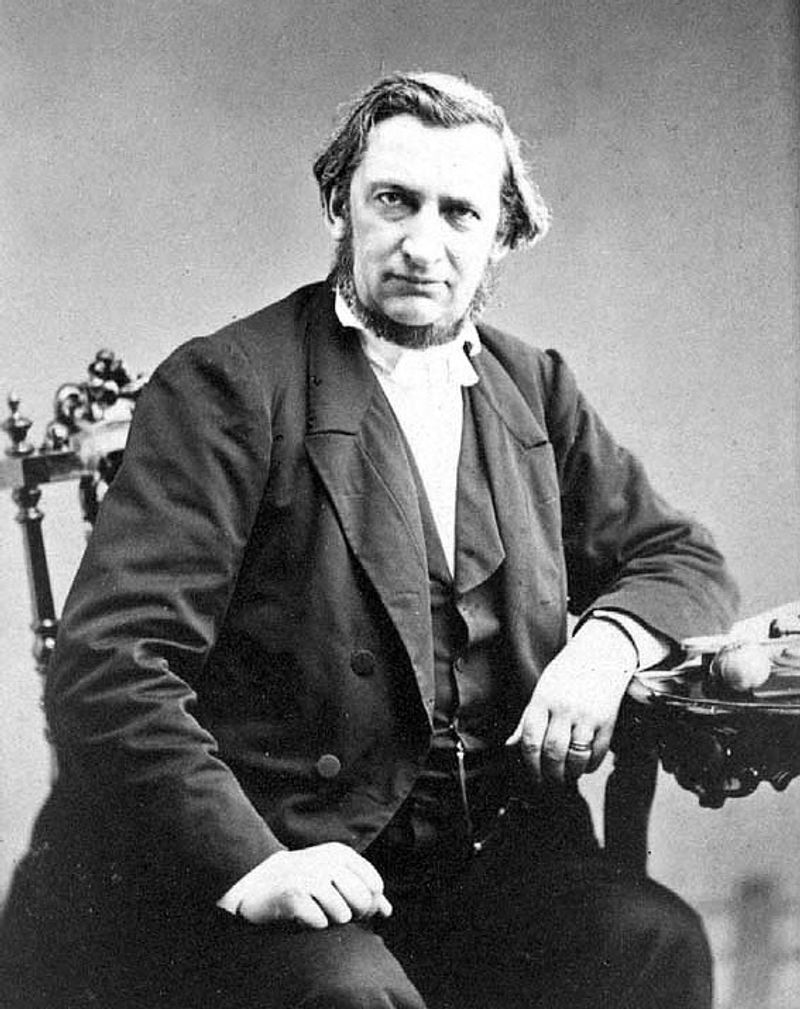
Sweden’s Wallenberg family is arguably the most powerful business dynasty most Americans have never encountered. For nearly 160 years, this family has controlled major stakes in some of Sweden’s largest and most important companies through their investment firm, Investor AB.
Their portfolio includes significant ownership in companies like Ericsson, ABB, AstraZeneca, and Atlas Copco.
The family’s influence stretches far beyond Sweden’s borders. At various points in history, the Wallenbergs have been credited with helping protect Jewish assets during World War II and shaping the economic development of an entire country.
The family’s patriarch, Andre Oscar Wallenberg, founded Stockholm Enskilda Bank in 1856, laying the foundation for generations of financial power.
Today, the family’s combined assets under management run into the hundreds of billions. They remain deeply involved in Swedish industry and philanthropy, quietly steering some of Europe’s most important businesses from behind the scenes.
7. Boehringer and von Baumbach Family (Germany)
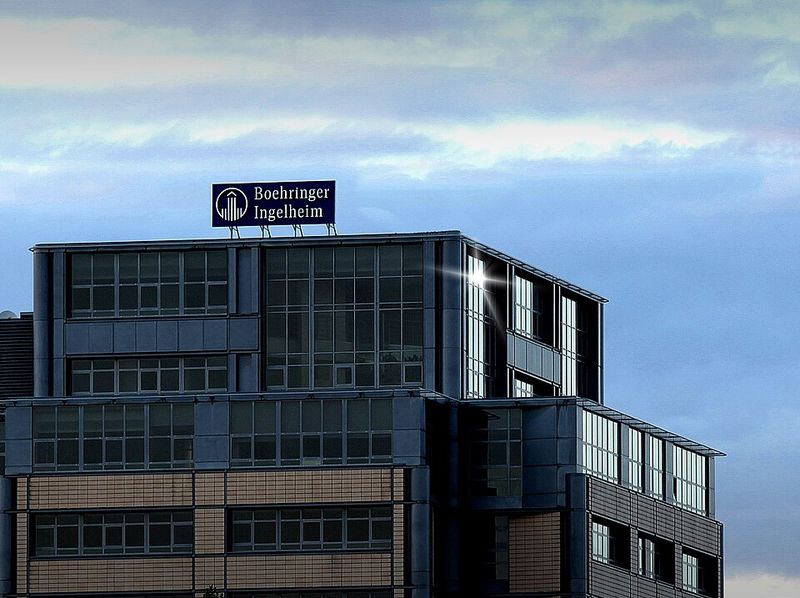
Boehringer Ingelheim is one of the world’s largest pharmaceutical companies, yet it remains entirely family-owned, a remarkable feat in an industry dominated by publicly traded giants. The Boehringer and von Baumbach families have maintained private control of the company since it was founded in 1885.
Today, it employs over 50,000 people and generates annual revenues exceeding $20 billion.
The company is known for producing treatments in areas like respiratory disease, cardiovascular health, and animal health. Unlike its competitors, Boehringer Ingelheim has never needed to answer to outside shareholders, giving the family full freedom to invest in long-term research.
That independence has allowed them to take scientific risks that publicly traded companies might avoid.
The family’s combined wealth is estimated at around $50 billion. Despite their immense fortune, the Boehringer and von Baumbach families keep an exceptionally low profile in both business and social circles.
8. Hartono Family (Indonesia)
Indonesia’s richest family built their fortune not in tech or real estate, but in cigarettes and banking. The Hartono family, led by brothers Robert and Michael Budi Hartono, inherited the Djarum clove cigarette company from their father and transformed it into one of Indonesia’s most profitable businesses.
From those profits, they made a strategic investment that changed everything.
The family bought a stake in Bank Central Asia during Indonesia’s 1998 financial crisis, when the bank was in serious trouble. That decision turned out to be one of the smartest investments in Southeast Asian history.
Bank Central Asia grew into Indonesia’s most valuable publicly listed bank, and the Hartono family’s stake is now worth tens of billions of dollars.
Their combined wealth is estimated at over $45 billion, making them consistently among the richest people in Asia. Yet outside Indonesia, very few people recognize their name or story.
9. Brenninkmeijer Family (Netherlands)
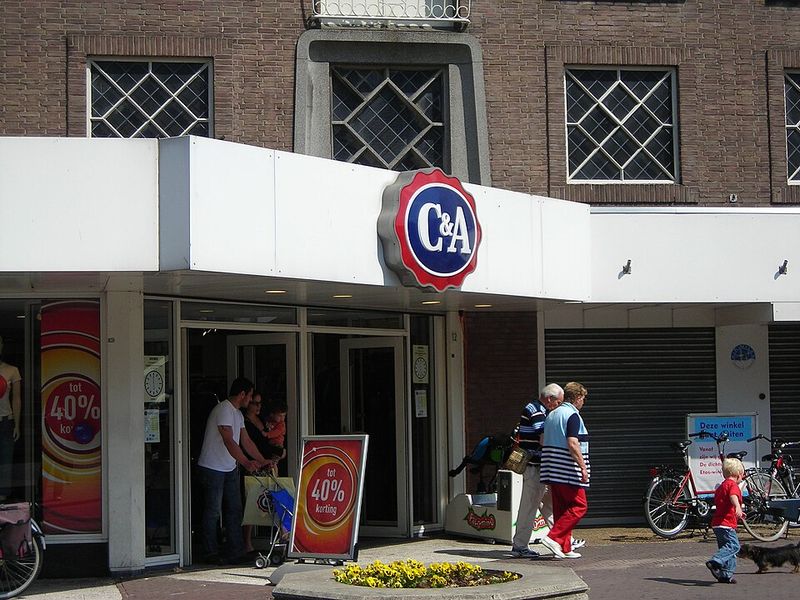
Walk past a C&A clothing store in Europe and you are walking past a piece of Brenninkmeijer family history. This Dutch family founded C&A in 1841, making it one of the oldest retail brands still operating today.
For nearly two centuries, the family has maintained strict privacy around their wealth and business operations, rarely speaking to the press or appearing at public events.
The Brenninkmeijers are known for their deeply held Catholic faith, which has shaped both their business culture and their approach to philanthropy. The family is estimated to be worth over $25 billion, with investments spread across retail, real estate, and private equity through their holding company, COFRA.
C&A operates hundreds of stores across Europe and Latin America.
The family’s commitment to secrecy is almost legendary in European business circles. Even their exact number of family members involved in the business is not publicly known.
10. Oeri and Hoffmann Family (Switzerland)
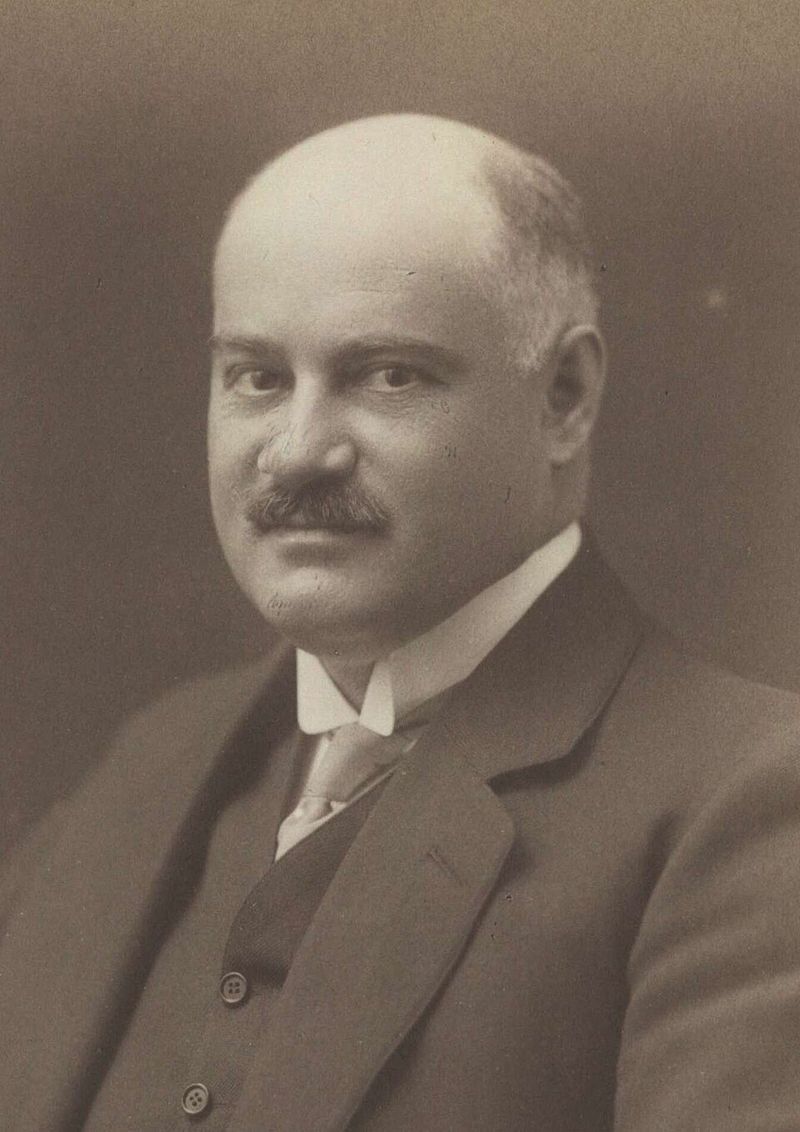
Roche is one of the most important pharmaceutical and diagnostics companies in the world, producing cancer treatments, blood tests, and medicines used by millions of people every day. What many people do not know is that the Hoffmann and Oeri families, descendants of the company’s founder Fritz Hoffmann-La Roche, still control a significant portion of the company more than 125 years after its founding.
Their combined stake in Roche gives them enormous influence over a company with a market capitalization exceeding $200 billion. Family member Andre Hoffmann has been particularly active as a vice chairman and public advocate for sustainable business practices.
The family’s wealth is estimated at well over $30 billion.
Roche’s headquarters in Basel, Switzerland, has been central to the company’s identity since its earliest days. The Hoffmann-Oeri connection to that legacy is a rare example of founding family influence surviving into the modern pharmaceutical era.
11. Quandt Family (Germany)
Every time someone drives a BMW, they are indirectly supporting one of Germany’s most powerful and private family dynasties. The Quandt family owns roughly 47 percent of BMW, making them the automaker’s largest shareholders by far.
Their stake is worth tens of billions of dollars, and it gives them significant influence over one of the world’s most prestigious car brands.
The family’s connection to BMW dates back to the 1950s, when industrialist Herbert Quandt made a bold decision to rescue the struggling automaker from bankruptcy. That risky move paid off spectacularly, and BMW went on to become a global symbol of engineering excellence.
Today, siblings Stefan Quandt and Susanne Klatten carry on the family’s BMW legacy.
Susanne Klatten is often listed as one of Germany’s richest people in her own right, with additional investments in chemical and pharmaceutical companies. The Quandt family’s combined wealth is estimated at over $35 billion.
12. Safra Family (Brazil/Switzerland)
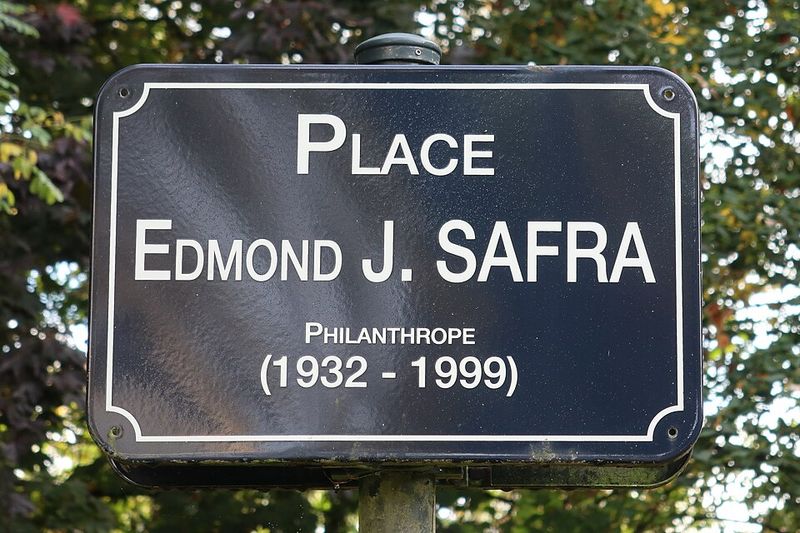
Banking dynasties do not get much more storied than the Safra family. Originally from Syria, the family migrated to Brazil and built one of the most respected private banking empires in the world.
The late Edmond Safra was considered one of the greatest private bankers of the 20th century, known for his extraordinary caution and his clients’ unwavering loyalty.
Today, the Safra Group controls Banco Safra in Brazil and J. Safra Sarasin in Switzerland, among other financial institutions.
The family also holds vast real estate assets across New York, London, and Geneva. Their combined fortune is estimated at over $25 billion, though the true figure may be higher given the private nature of their holdings.
Joseph Safra, who passed away in 2020, was long listed among the world’s wealthiest people. The family continues to manage their global banking and real estate interests with the same discretion that defined their founder’s approach to wealth.
13. Ferrero Family (Italy)
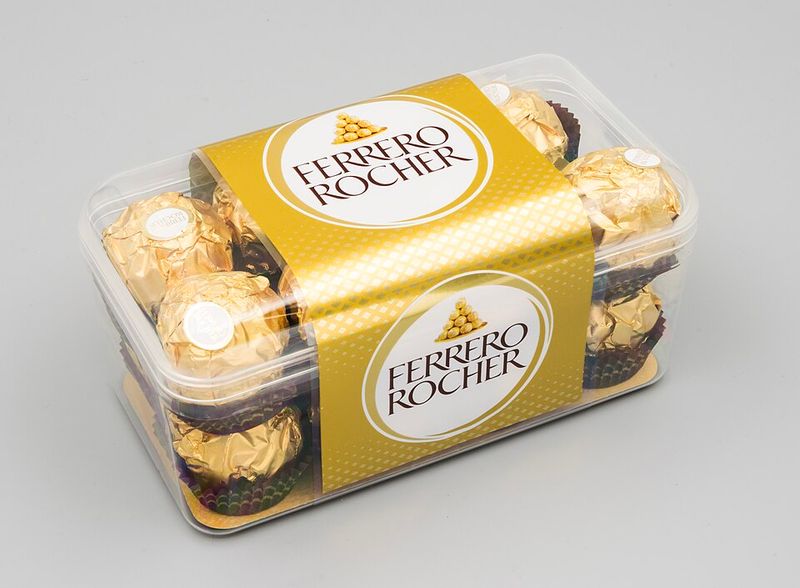
Few companies have created as many beloved treats as Ferrero. The Italian family behind Nutella, Kinder chocolate, Ferrero Rocher, and Tic Tac has built a confectionery empire that reaches into households around the world.
Pietro Ferrero founded the company in 1946 in Alba, a small town in northern Italy, and his family has controlled it ever since.
The Ferrero family is estimated to be worth over $40 billion, making them one of Europe’s wealthiest dynasties. The company remains entirely private, and family members are known for living relatively modest lifestyles compared to their enormous wealth.
Giovanni Ferrero, the current chairman, has continued expanding the business through acquisitions, including the purchase of brands like Butterfinger and Baby Ruth.
Nutella alone is a global phenomenon, with the Ferrero company reportedly using about 25 percent of the world’s annual hazelnut supply. That is a staggering figure for a product most people simply think of as a tasty spread.
14. Cox Family (United States)
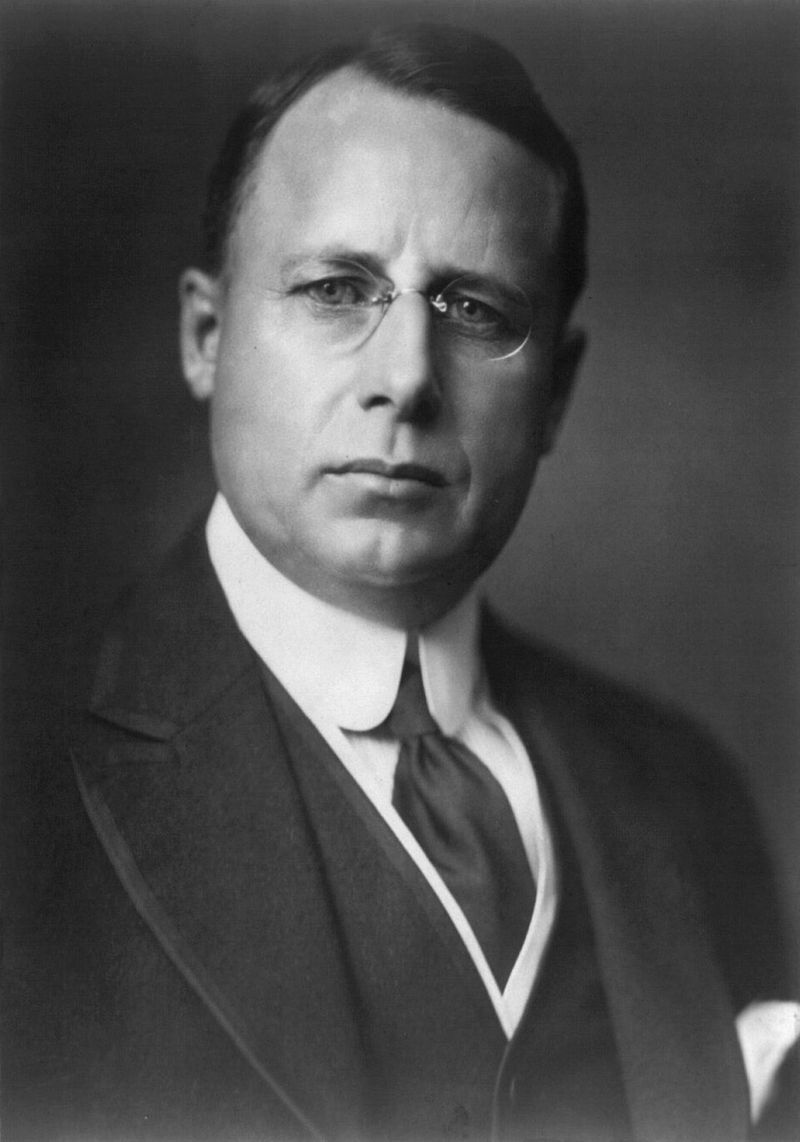
Cox Enterprises is a name most Americans have not thought much about, even though they likely interact with its services regularly. The Cox family controls this massive private company, which spans cable television, internet services, newspapers, and one of the largest automotive auction businesses in the country through Cox Automotive.
The company is headquartered in Atlanta, Georgia, and employs tens of thousands of people.
Anne Cox Chambers, daughter of founder James M. Cox, lived to be 100 years old and was long listed among America’s wealthiest people.
The family’s fortune is estimated at over $30 billion. Cox Automotive alone includes brands like Autotrader, Kelley Blue Book, and Manheim, making it a dominant force in the car-buying and selling industry.
The family has also been known for their commitment to philanthropy and community investment in Georgia. Their low profile is a deliberate choice, keeping the focus on their businesses rather than personal celebrity.
15. Rausing Family (Sweden)
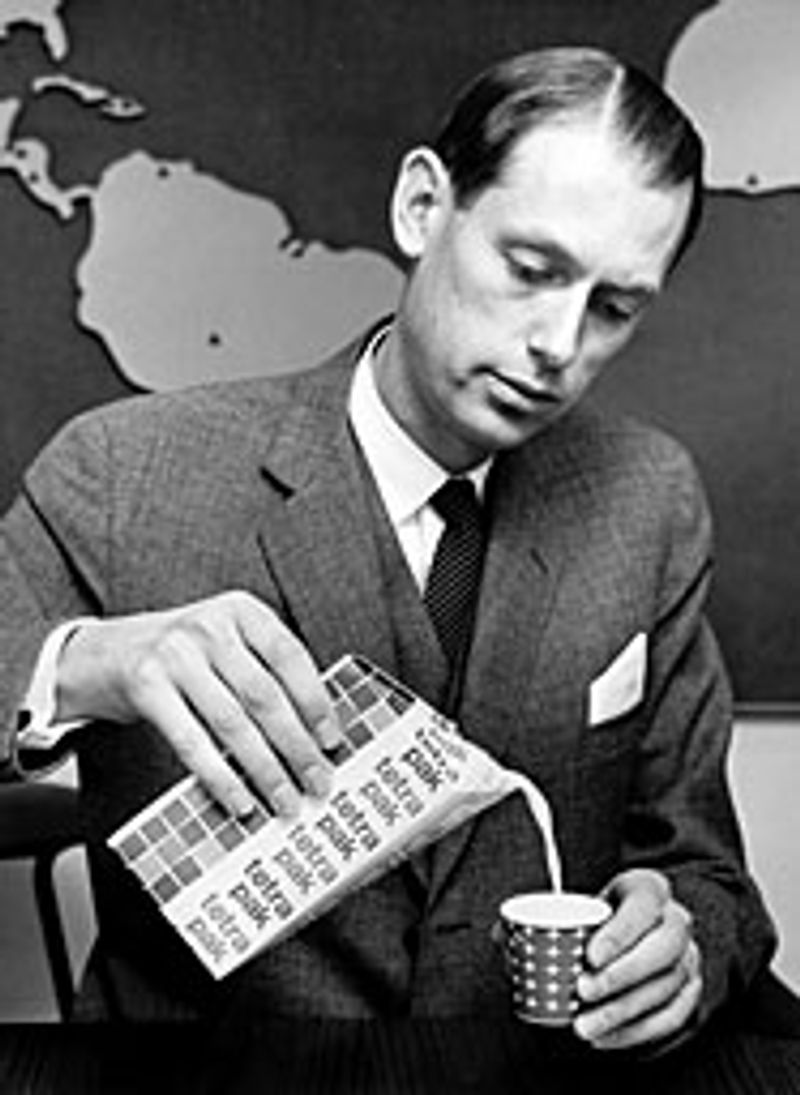
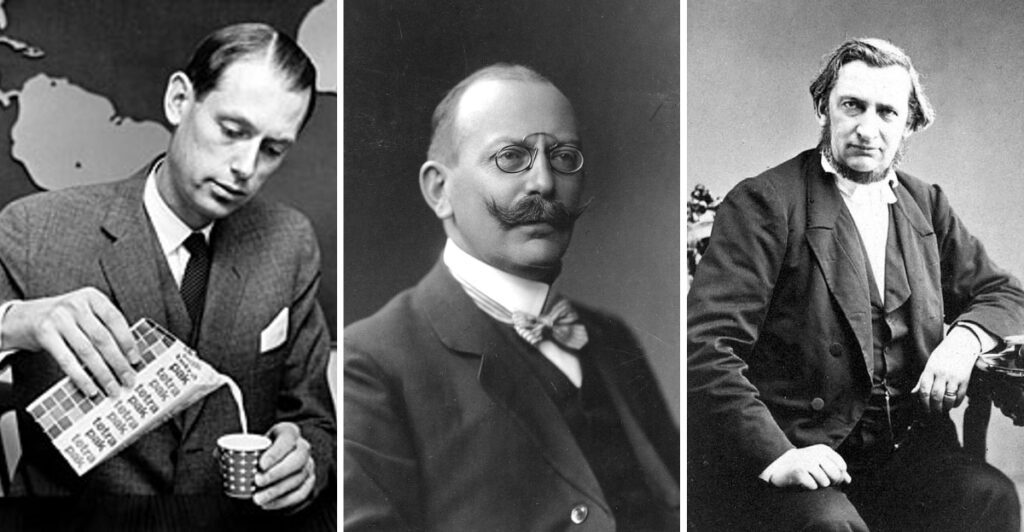
The next time you pour juice from a carton, you can thank the Rausing family. Ruben Rausing co-founded Tetra Pak in Sweden in the 1950s, inventing a revolutionary way to package liquid food products in lightweight, sterile cartons.
That invention changed how the world stores and ships beverages, soups, and dairy products, making fresh food available in places without refrigeration.
Tetra Pak grew into one of the most important food packaging companies on earth, processing over 200 billion packages per year. The Rausing family sold a portion of their business over the decades but retained enormous wealth from those transactions.
Hans and Gad Rausing, sons of the founder, each amassed personal fortunes exceeding $10 billion.
The family has faced its share of personal tragedies, including the high-profile death of Eva Rausing in 2012. Despite those challenges, the Rausing name remains synonymous with one of the most practical and world-changing inventions of the 20th century.
Share this story