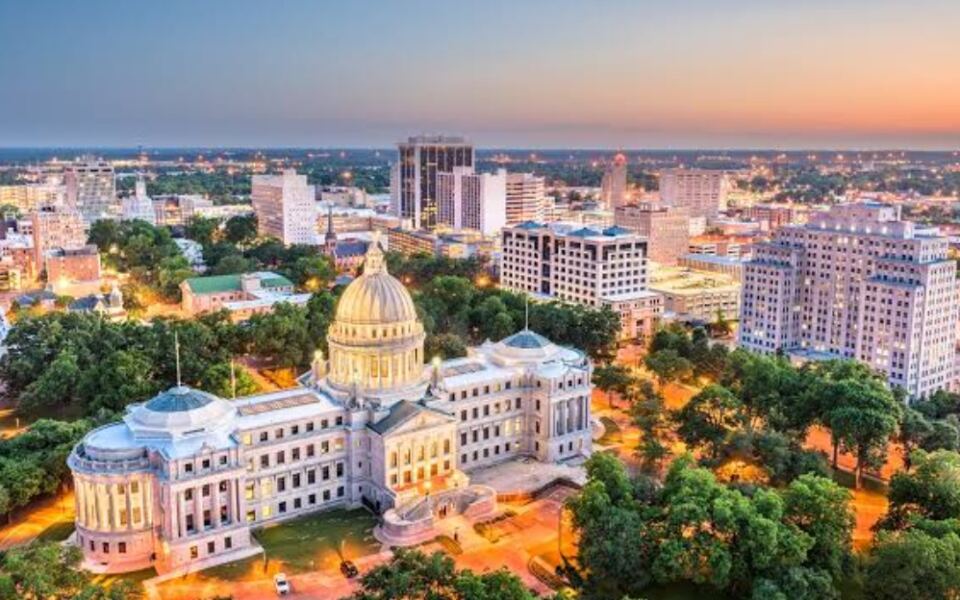
American history cannot be fully told without the stories of Black communities who shaped this country through struggle, creativity, and resilience. From the birthplace of civil rights leaders to neighborhoods that sparked cultural revolutions, these cities hold memories that still matter today.
Across the United States, certain places stand out as landmarks of Black life, achievement, and resistance. Here are 15 American cities with deep Black history worth knowing.
1. Atlanta, Georgia
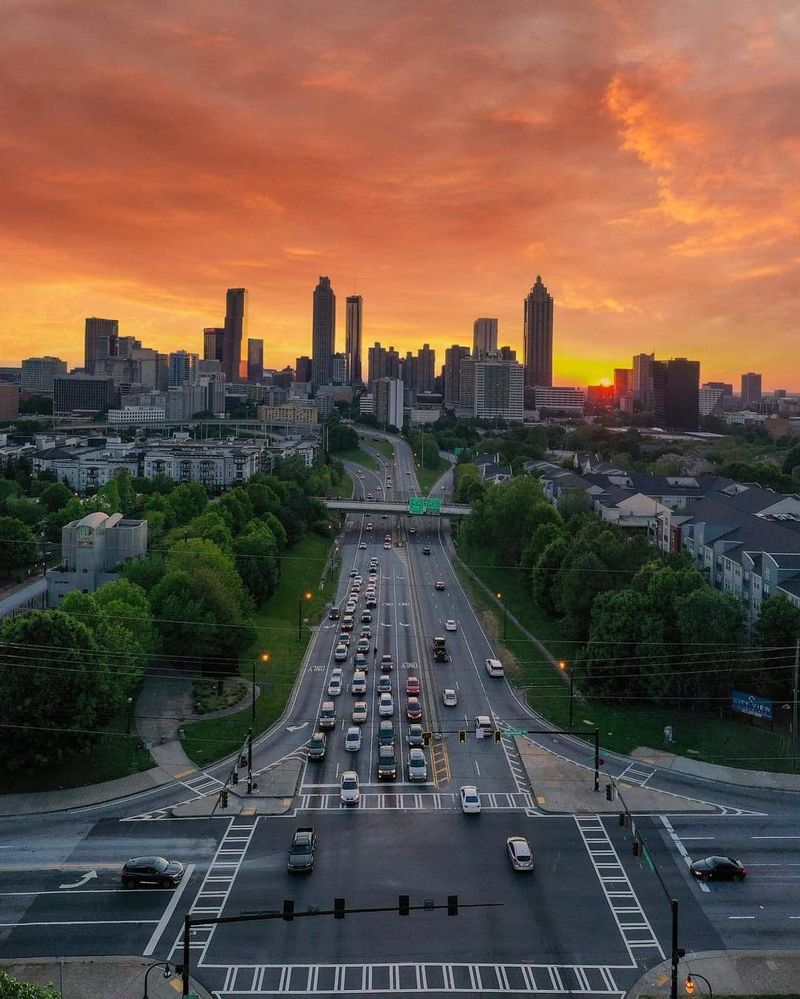
Few American cities are as deeply connected to Black history as Atlanta, Georgia. This city gave the world Martin Luther King Jr., born on Auburn Avenue in 1929.
His childhood home, church, and tomb are all preserved within the MLK National Historic District, drawing visitors from around the globe.
Sweet Auburn was once called the richest Negro street in the world by Fortune magazine. Black-owned businesses, banks, and churches lined the avenue during the early 20th century, making it a hub of prosperity and community pride.
The district represents what Black economic power looked like before segregation tried to crush it.
Atlanta is also home to a cluster of historically Black colleges and universities, including Morehouse and Spelman. These schools have educated generations of Black leaders, doctors, lawyers, and artists who went on to change the country in lasting ways.
2. Montgomery, Alabama
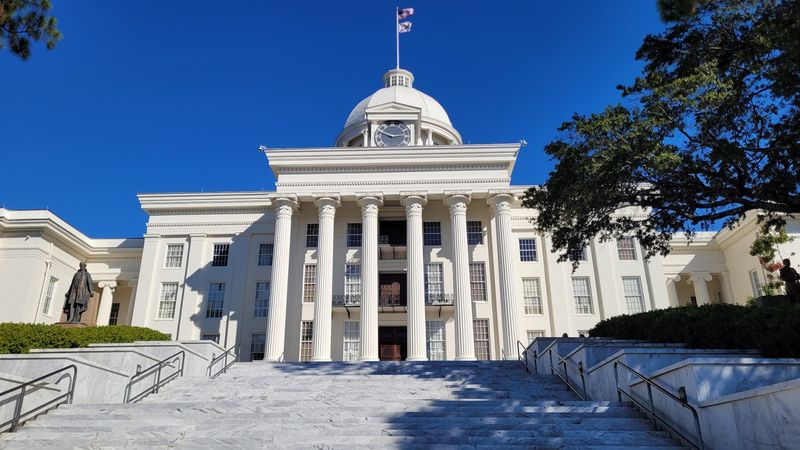
Montgomery, Alabama, sits at the heart of the modern Civil Rights Movement in a way few other cities can claim. On December 1, 1955, Rosa Parks refused to give up her bus seat, sparking a 381-day boycott that changed American law and history.
That act of courage started right here.
The city later became the endpoint of the Selma-to-Montgomery marches in 1965, where thousands walked more than 50 miles to demand voting rights. Those marches helped lead directly to the Voting Rights Act, one of the most important pieces of civil rights legislation ever passed in the United States.
Montgomery also preserves the story of the 1961 Freedom Riders at the historic Greyhound bus station. The Equal Justice Initiative, based here, runs the National Memorial for Peace and Justice, which honors victims of racial terror lynching across the country.
3. Birmingham, Alabama
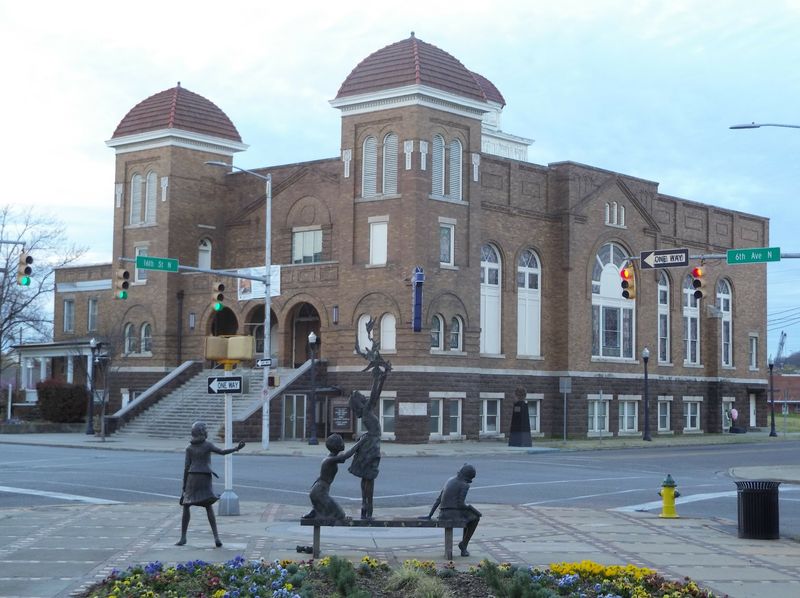
Birmingham carries a heavy and important place in American civil rights history. In the spring of 1963, civil rights leaders launched the Birmingham Campaign, using peaceful protest to challenge one of the most aggressively segregated cities in the South.
The images of fire hoses and police dogs turned on protesters shocked the nation and the world.
The Children’s Crusade brought thousands of young people into the streets, some as young as six years old. Their bravery forced the country to confront the brutal reality of segregation in a way that adult-led protests had not yet managed to do on the same scale.
On September 15, 1963, a bomb planted by white supremacists destroyed the 16th Street Baptist Church, killing four young girls. That tragedy became a turning point in the movement.
Today, the Birmingham Civil Rights Institute stands nearby as a powerful museum and memorial to those events.
4. Memphis, Tennessee
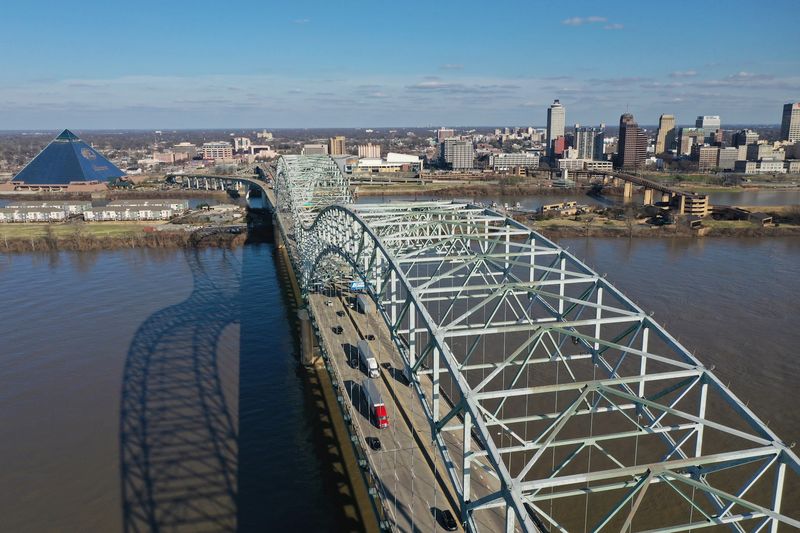
Memphis, Tennessee, holds a place in Black history that is both painful and profoundly rich. On April 4, 1968, Dr. Martin Luther King Jr. was assassinated on the balcony of the Lorraine Motel.
That site is now the National Civil Rights Museum, one of the most visited and respected civil rights landmarks in the country.
Long before that tragedy, Memphis was a center of Black music and culture. Blues legends like B.B.
King played Beale Street, and the city helped birth soul music through Stax Records, which recorded artists like Otis Redding and Isaac Hayes. Black musicians in Memphis created sounds that spread across the world.
The city also has a history of Black entrepreneurship and labor activism. Memphis sanitation workers went on strike in 1968, chanting “I Am a Man,” a protest that King was supporting when he was killed.
That strike remains a landmark moment in American labor history.
5. Washington, D.C.
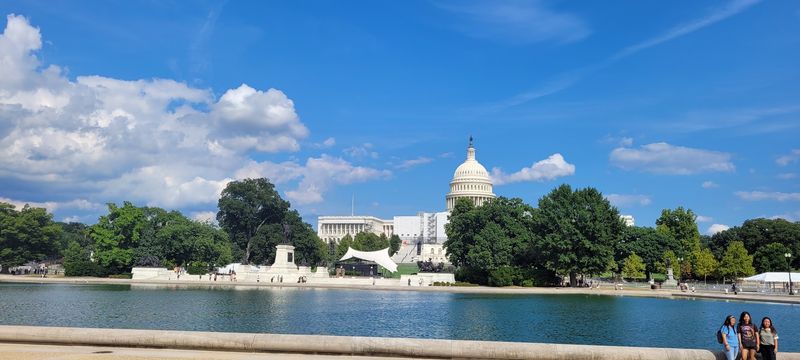
Washington, D.C., is where generations of Black political, intellectual, and cultural life have converged. Howard University, founded in 1867, has trained some of the most influential Black thinkers and leaders in American history, including Thurgood Marshall, who argued the Brown v.
Board of Education case before the Supreme Court.
The U Street corridor, once known as Black Broadway, was a thriving center of jazz, theater, and nightlife during the early 20th century. Duke Ellington grew up in this neighborhood, and the area hosted performers like Ella Fitzgerald and Louis Armstrong at a time when they were barred from performing in segregated white venues downtown.
The city is also home to the African American Civil War Memorial and sites connected to Carter G. Woodson, the father of Black History Month, and Mary McLeod Bethune, a pioneering educator and civil rights leader.
These figures shaped how America understands its own past.
6. New York City, New York
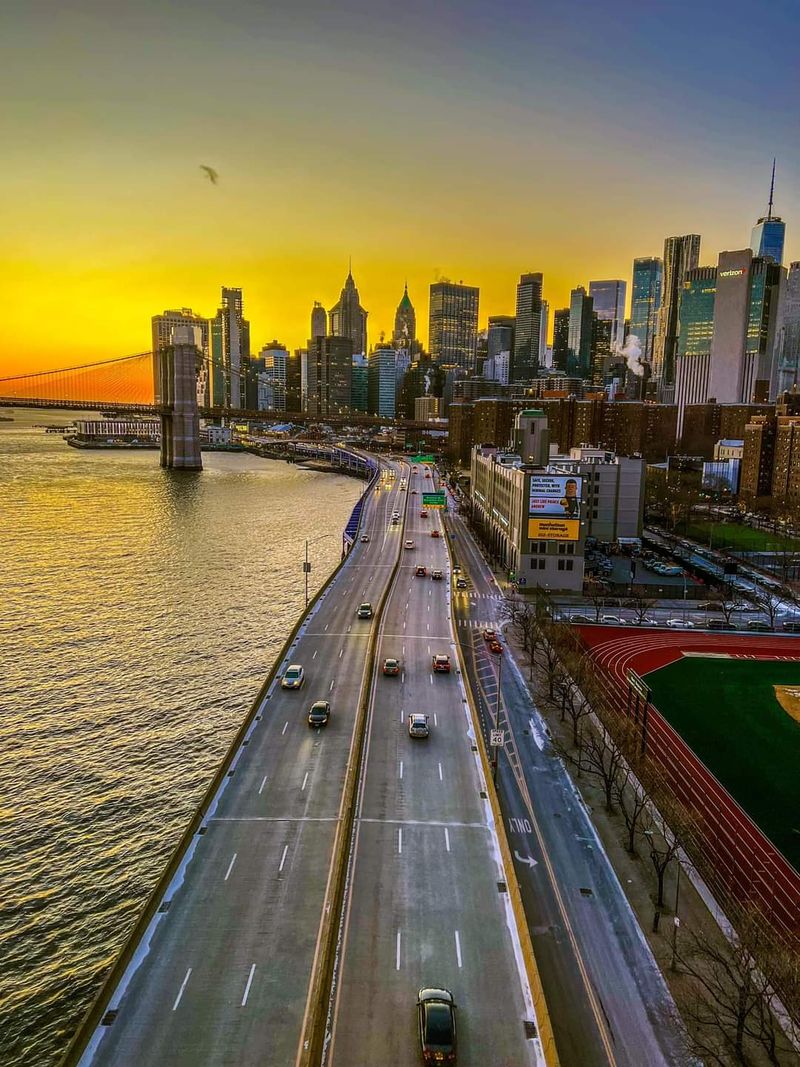
Harlem became one of the most important cultural centers in the world during the 1920s and 1930s. The Harlem Renaissance was an explosion of Black literature, art, music, and intellectual thought that reshaped American culture.
Writers like Langston Hughes and Zora Neale Hurston gave voice to the Black experience with power and beauty.
The Apollo Theater on 125th Street has launched the careers of countless Black artists, from Ella Fitzgerald to James Brown. Amateur Night at the Apollo became legendary, and the venue remains a living institution of Black musical history more than a century after it opened its doors to Black audiences.
New York City is also home to the African Burial Ground National Monument in Lower Manhattan, where the remains of more than 400 enslaved and free Black people were discovered in 1991. That site is a sobering reminder of Black life and death in colonial America, preserved now as a place of reflection and respect.
7. New Orleans, Louisiana
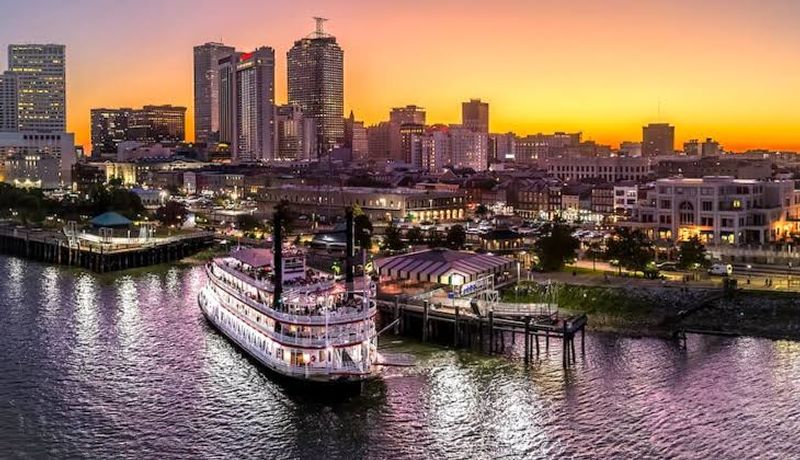
New Orleans is unlike any other city in America, and Black history is woven into everything that makes it distinctive. The city’s jazz music, Creole cuisine, Mardi Gras traditions, and unique architecture all grew out of African and African American cultural roots.
Without Black New Orleans, the city would simply not exist as the world knows it.
The Tremé neighborhood is widely recognized as the oldest continuously inhabited Black neighborhood in the United States. It was a place where free Black people owned property and built community long before the Civil War.
Second line parades and brass band funerals rooted in African tradition still move through its streets today.
Xavier University of Louisiana, founded in 1925 by Saint Katharine Drexel, is the only historically Black Catholic university in the country. It has long been one of the top producers of Black students who go on to earn medical degrees, contributing enormously to Black health and education nationwide.
8. Charleston, South Carolina
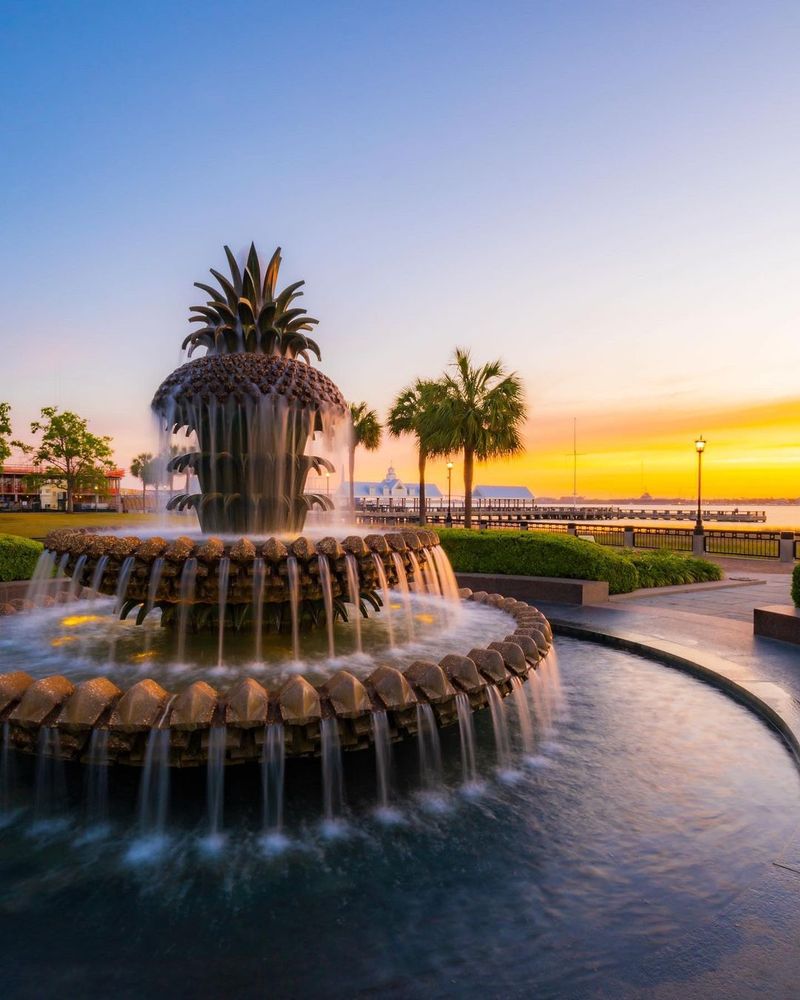
Charleston, South Carolina, holds one of the most complicated and important histories of any city in America. For decades, it was the busiest port of entry for enslaved Africans brought to North America, with an estimated 40 percent of all enslaved people passing through its harbor.
That history is documented at the International African American Museum, which opened in 2023.
The city was also a center of the domestic slave trade, where families were separated and sold to plantations across the South. Reconstruction brought dramatic change, as Black Charlestonians voted, held office, and built institutions during a brief but remarkable period of political participation after the Civil War.
The Gullah Geechee people, descendants of enslaved Africans from the Sea Islands region, have maintained distinct language, food, and spiritual traditions for generations. Their culture is a living connection to West African heritage and represents one of the most unique cultural communities in the entire United States.
9. Chicago, Illinois
Between the 1910s and 1970s, millions of Black Americans left the South and moved to northern cities in what historians call the Great Migration. Chicago received more of those migrants than almost any other city, and their arrival transformed the entire character of Black urban life in America.
The South Side became a world unto itself.
Bronzeville, sometimes called the Black Metropolis, became a center of jazz and blues music, Black-owned businesses, newspapers like the Chicago Defender, and political organizing. Figures like Ida B.
Wells, Richard Wright, and Gwendolyn Brooks all called Chicago home. The city produced an extraordinary concentration of Black intellectual and artistic talent.
Chicago’s Pullman district is part of the African American Civil Rights Network, recognizing the role of the Brotherhood of Sleeping Car Porters, the first Black labor union to sign a major contract with a U.S. corporation. That achievement, led by A.
Philip Randolph, was a landmark moment in the history of Black labor rights.
10. Detroit, Michigan
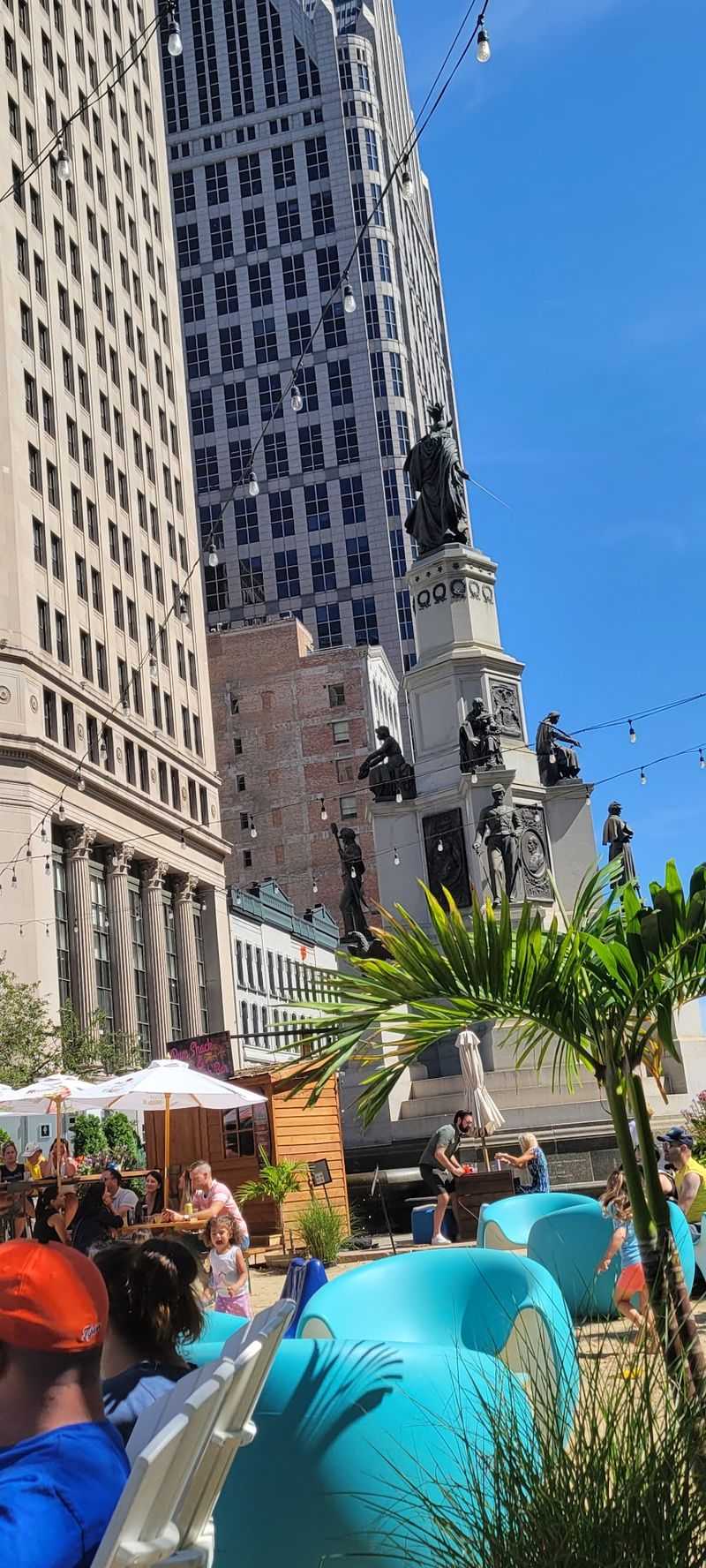
Detroit’s Black history is a story of migration, music, and resistance. The Great Migration brought hundreds of thousands of Black Southerners to the city, drawn by jobs in the booming auto industry.
By the mid-20th century, Detroit had one of the largest and most politically active Black urban communities in the United States.
Motown Records, founded by Berry Gordy in 1959, turned Detroit into the capital of Black popular music. Artists like Stevie Wonder, Diana Ross, Marvin Gaye, and the Temptations recorded at Hitsville USA, creating a sound that crossed racial lines and reached audiences around the world.
The Motown Museum on West Grand Boulevard still draws fans from everywhere.
Detroit’s Black community also built its own institutions in the face of discrimination. Dunbar Hospital, founded in 1918, was created specifically to serve Black patients and train Black doctors who were excluded from white hospitals.
That kind of community-driven response to inequality shaped the city’s identity for generations.
11. Philadelphia, Pennsylvania
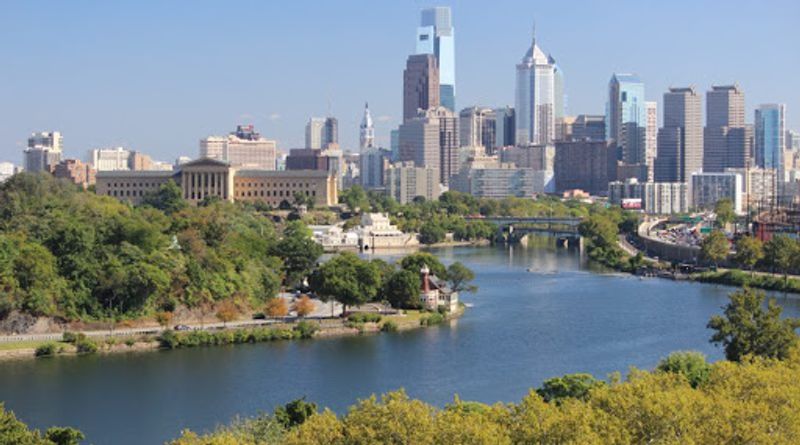
Philadelphia’s Black history stretches back further than almost any other American city. In the colonial era, free Black communities established churches, mutual aid societies, and schools that became foundations for organized Black life in the North.
Mother Bethel African Methodist Episcopal Church, founded in 1794 by Richard Allen, is the oldest property continuously owned by Black Americans in the country.
The city was a vital stop on the Underground Railroad, with activists like William Still, a free Black man, helping hundreds of freedom seekers escape slavery and documenting their stories. His records became one of the most important historical accounts of the Underground Railroad ever written.
Philadelphia was also home to Marian Anderson, the celebrated contralto whose 1939 concert at the Lincoln Memorial, after being denied use of Constitution Hall because of her race, drew 75,000 people. Her story captures both the barriers Black artists faced and the dignity with which they overcame them.
12. Richmond, Virginia
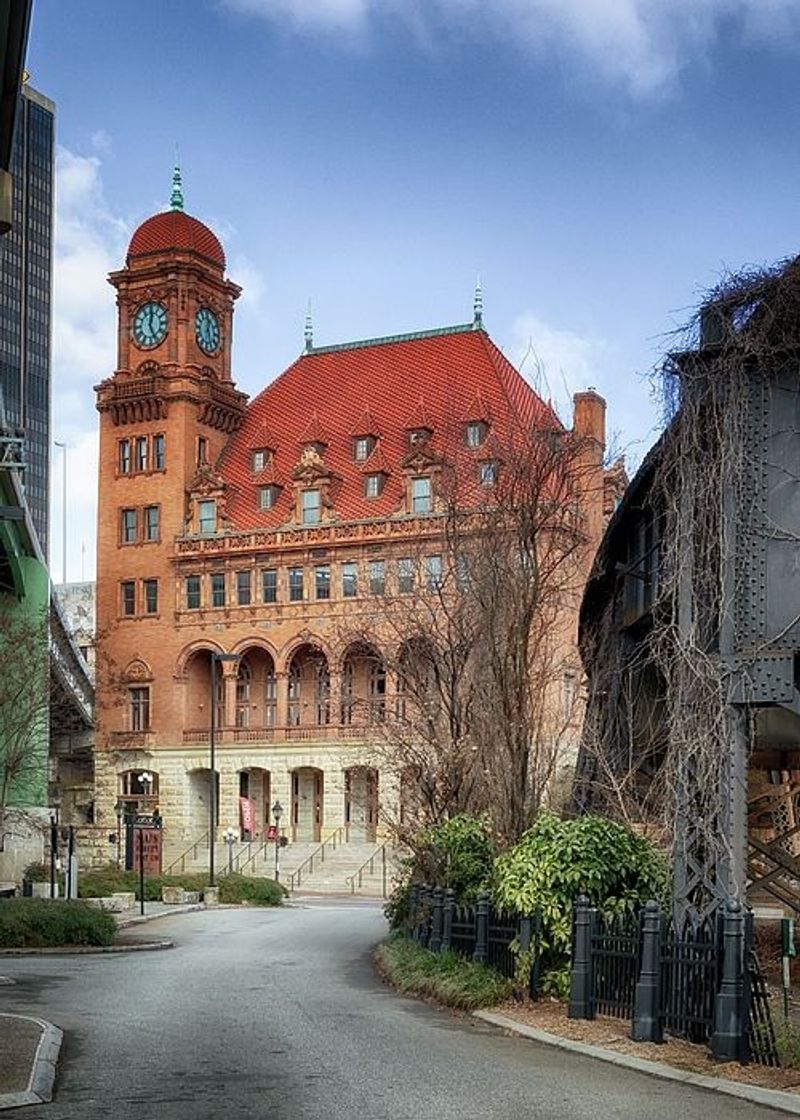
Richmond carries a layered and often painful history that is essential to understanding Black America. As the capital of the Confederacy from 1861 to 1865, it was also one of the largest markets for the domestic slave trade in the entire country.
Tens of thousands of enslaved people were bought and sold here, separated from their families and shipped deeper into the South.
Yet Richmond is also a place of Black resistance and triumph. When Union troops entered the city in April 1865, enslaved people flooded the streets in celebration.
Among the first Union soldiers to march into Richmond were members of the United States Colored Troops, a moment of profound symbolic power that the city now acknowledges more openly than it once did.
The Battle of New Market Heights, fought just outside Richmond in September 1864, saw Black Union soldiers display extraordinary courage. Fourteen men received the Medal of Honor for their actions that day, one of the largest single awards to Black soldiers in the war.
13. Baltimore, Maryland
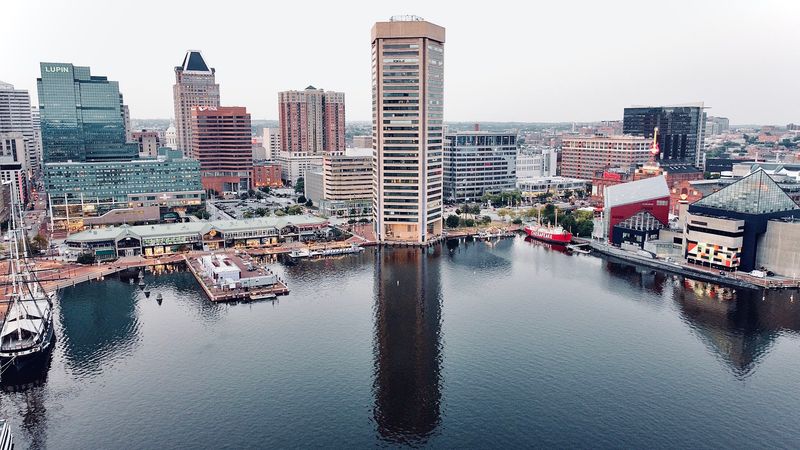
Baltimore produced some of the most powerful voices in the fight against American slavery. Frederick Douglass was born into slavery in Maryland and worked in Baltimore’s shipyards before escaping to freedom in 1838.
He went on to become the most famous abolitionist in the country, writing and speaking with an authority that came from lived experience no one could dispute.
The city’s Black community has a long and layered history that extends well beyond abolition. Baltimore was home to Billie Holiday, one of the greatest jazz and blues singers who ever lived.
It was also the city where Thurgood Marshall grew up, before he became the lawyer who won Brown v. Board of Education and later the first Black Supreme Court Justice.
Institutions like the Reginald F. Lewis Museum of Maryland African American History and Culture tell this full story with care and depth.
Baltimore’s Black heritage runs through its neighborhoods, churches, and schools in ways that continue to shape the city today.
14. Boston, Massachusetts
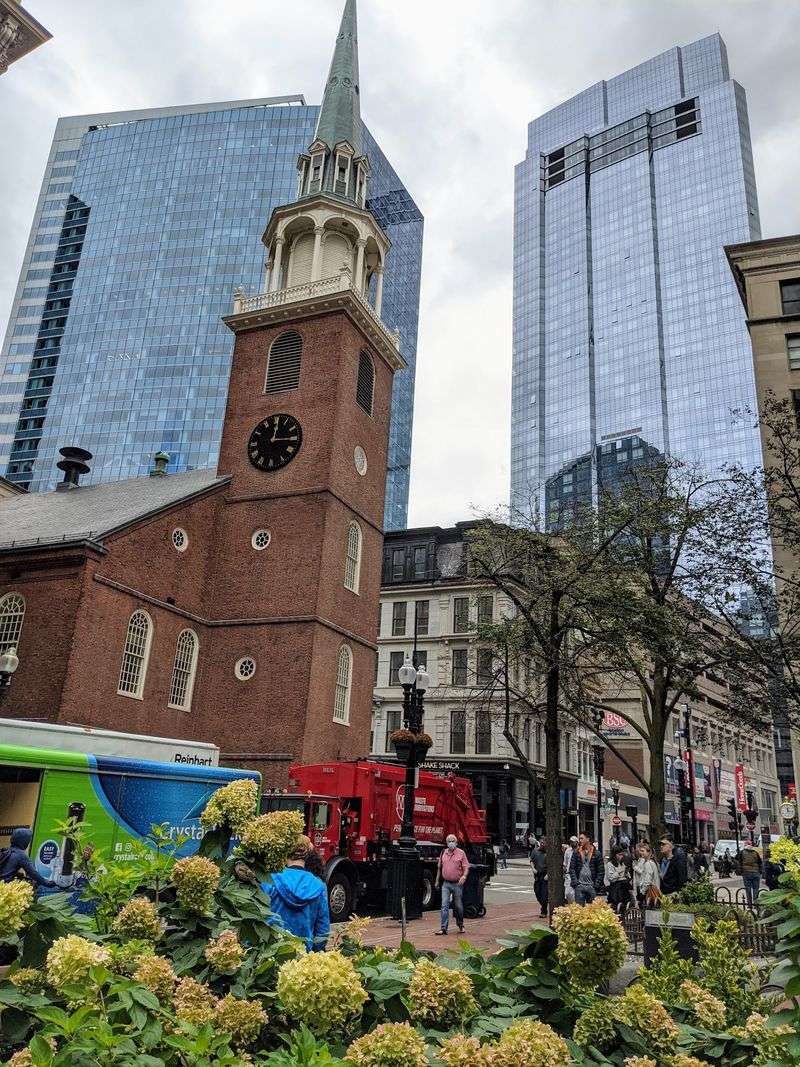
Boston may not be the first city people think of when it comes to Black history, but its role in abolition and the Underground Railroad was significant and early. The African Meeting House on Beacon Hill, built in 1806, is the oldest surviving Black church building in the United States.
It served as a gathering place for the free Black community and later as a recruitment center for the 54th Massachusetts Infantry, one of the first Black military units in the Civil War.
The 54th Massachusetts, led by Colonel Robert Gould Shaw, is commemorated by the Shaw Memorial on Boston Common, sculpted by Augustus Saint-Gaudens. That regiment’s bravery at the Battle of Fort Wagner helped convince skeptics that Black soldiers could and would fight with distinction.
The National Park Service preserves this history through the Boston African American National Historic Site, which includes 15 historic stops on the Black Heritage Trail. Walking that trail gives visitors a real sense of how a free Black community organized, worshipped, educated its children, and resisted slavery from the North.
15. Jackson, Mississippi
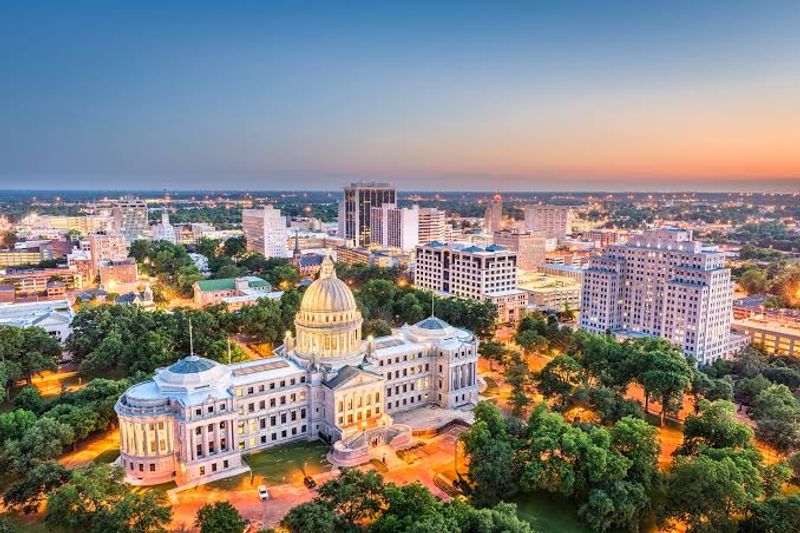
Jackson, Mississippi, stands as a city where the Civil Rights Movement was fought at enormous personal cost. Medgar Evers, the NAACP field secretary for Mississippi, worked tirelessly to document racial violence, register Black voters, and organize boycotts against segregated businesses in the city.
His courage made him a target.
On June 12, 1963, Evers was shot in the driveway of his own home in Jackson, just hours after President Kennedy addressed the nation about civil rights. His murder shocked the country and deepened the resolve of the movement.
His home is now a museum, preserved almost exactly as it was on the night he died.
Jackson was also a center of student activism, with young people from Tougaloo College and Jackson State University participating in sit-ins and marches throughout the 1960s. The city remains a place where Mississippi’s Black community fought back against one of the most violently oppressive systems of racial control in the entire country.
Share this story