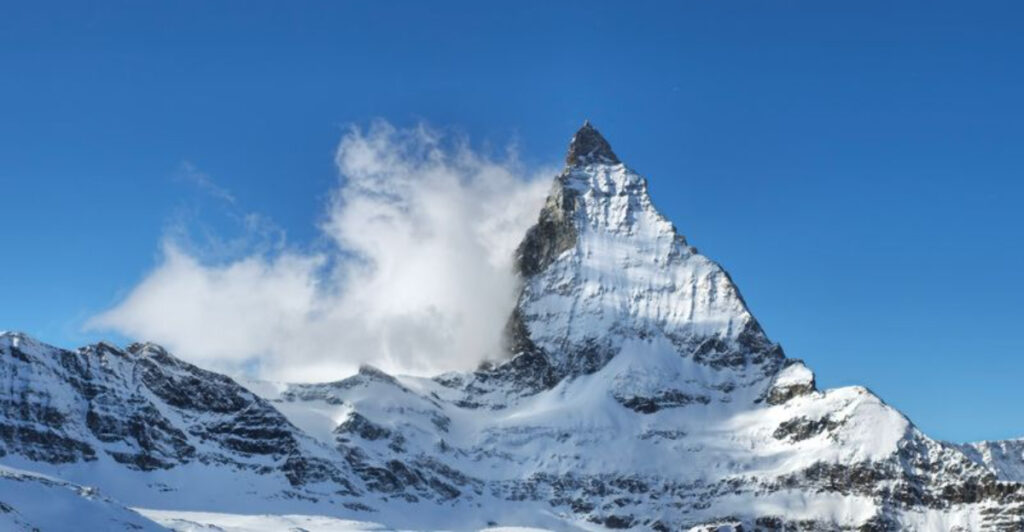
Some mountains are so dangerous that only the most experienced climbers dare to attempt them. From freezing temperatures and brutal storms to deadly avalanches and sheer vertical walls, these peaks have claimed hundreds of lives over the decades.
Whether you are a fan of adventure stories or just curious about the natural world, learning about these mountains gives you a real sense of how powerful and unforgiving nature can be. Here are 15 of the world’s deadliest mountains and what makes each one so incredibly challenging.
1. Annapurna I (Nepal)
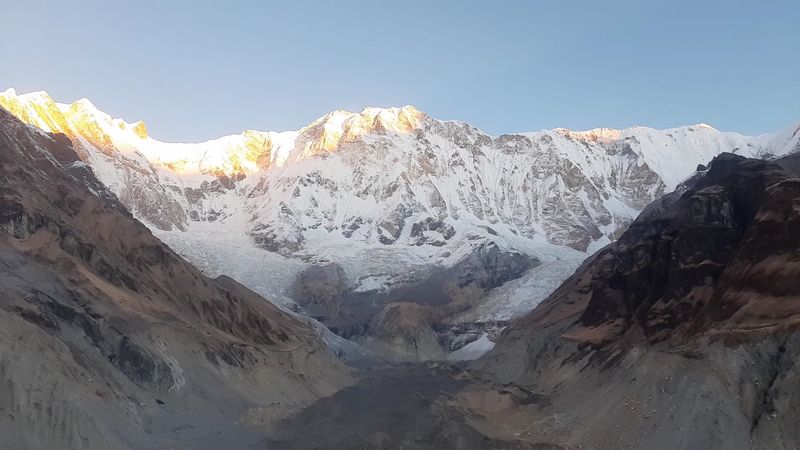
No mountain on Earth has a higher fatality rate among 8,000-meter peaks than Annapurna I. For every three climbers who reach its summit, roughly one does not come back.
That chilling statistic has made it the most feared mountain among professional alpinists worldwide.
Rising 8,091 meters above sea level in Nepal, Annapurna I presents climbers with massive avalanche zones, unpredictable weather, and terrain that shifts without warning. The South Face is considered one of the most technically difficult walls in all of mountaineering.
Even experienced teams have been caught off guard by sudden storms and collapsing seracs.
Maurice Herzog led the first successful ascent in 1950, making it the first 8,000-meter peak ever climbed. Yet decades later, the mountain still demands enormous respect.
Climbers who underestimate Annapurna I rarely get a second chance to reconsider.
2. K2 (Pakistan and China)
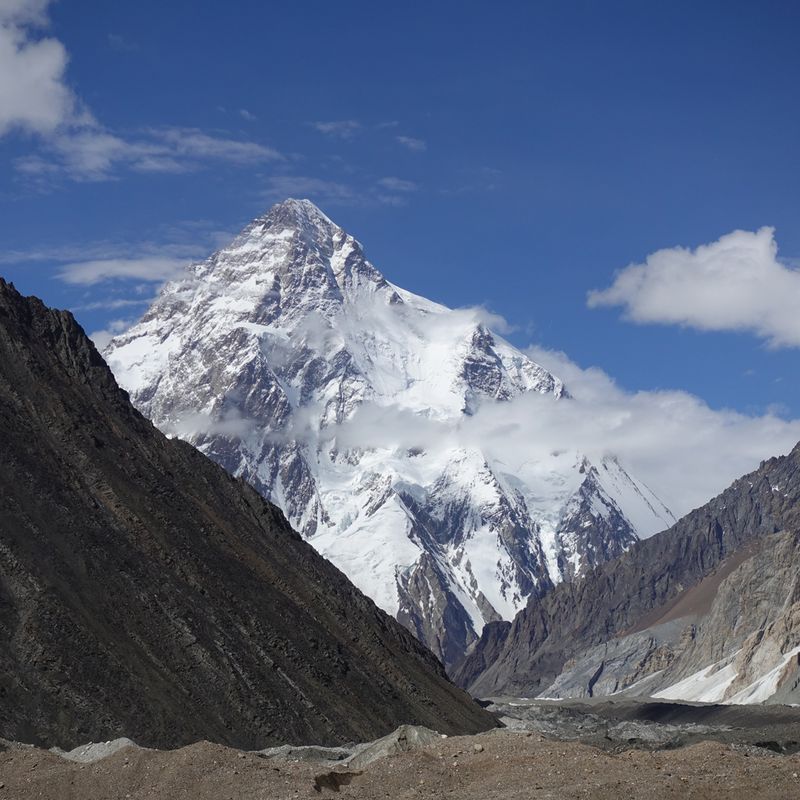
Nicknamed the “Savage Mountain” by climbers who have survived it, K2 is widely regarded as the most technically demanding of all 8,000-meter peaks. Standing at 8,611 meters, it is the second-highest mountain on Earth, but many seasoned alpinists consider it far harder to climb than Everest.
The routes on K2 are brutally steep, exposed to ferocious winds, and threatened by hanging glaciers that can release without any warning. The Bottleneck, a narrow couloir near the summit, has been the site of several fatal accidents, including a catastrophic 2008 event that killed 11 climbers in a single day.
K2 sits on the border between Pakistan and China, deep in the Karakoram Range. Fewer than 400 people have ever stood on its summit.
The mountain has a fatality rate of around 23 percent, making every successful climb a genuine triumph against the odds.
3. Nanga Parbat (Pakistan)
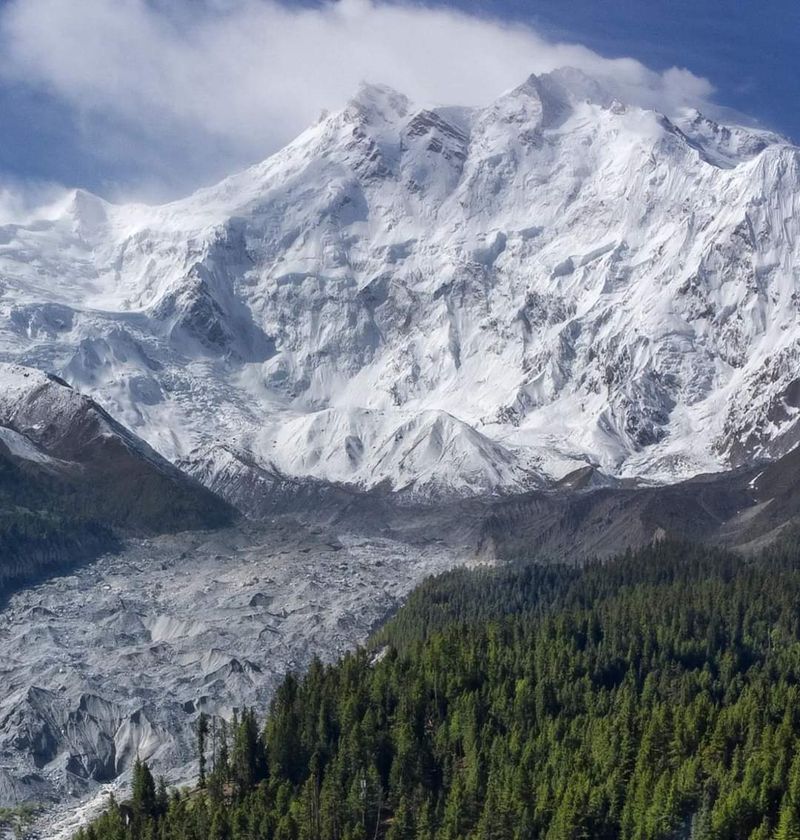
Called the “Killer Mountain” for good reason, Nanga Parbat has one of the bloodiest histories in mountaineering. Before its first successful summit in 1953, the mountain had already claimed the lives of more than 30 climbers in failed attempts, earning its dark nickname from the global climbing community.
At 8,126 meters, it is the ninth-highest mountain in the world and sits at the western anchor of the Himalayas in Pakistan. Its three massive faces, the Rupal, Diamir, and Rakhiot, each present unique and extreme dangers.
The Rupal Face is the tallest mountain face on Earth, rising nearly 4,600 meters in a near-vertical wall.
Avalanches, rockfall, and sudden weather changes make every route on Nanga Parbat a serious gamble. A tragic 2013 attack by militants at base camp added yet another grim chapter to this mountain’s already harrowing story.
4. Mount Everest (Nepal and China)
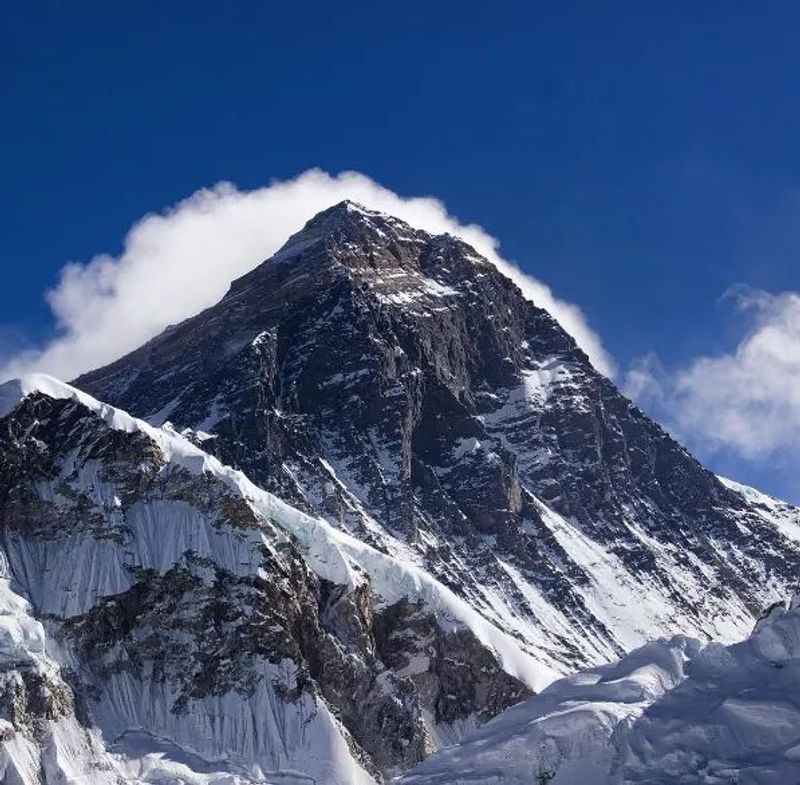
Mount Everest stands at 8,849 meters, making it the highest point on Earth. More than 300 people have died on its slopes since records began, and their bodies often remain frozen in place because recovery is nearly impossible at such extreme altitudes.
The mountain sits on the border between Nepal and China.
Altitude sickness, frostbite, falls, and avalanches are the leading causes of death. Overcrowding has also become a serious issue in recent years, with long queues of climbers waiting at dangerous high-altitude sections like the Hillary Step.
Spending too long in the “death zone” above 8,000 meters quickly drains the body’s ability to function.
Despite the risks, Everest attracts thousands of hopeful climbers each year. Many are experienced mountaineers, but some are not.
Good preparation, quality gear, and a reliable guiding team are absolutely essential for anyone who hopes to return safely from the world’s tallest mountain.
5. Kangchenjunga (Nepal and India)
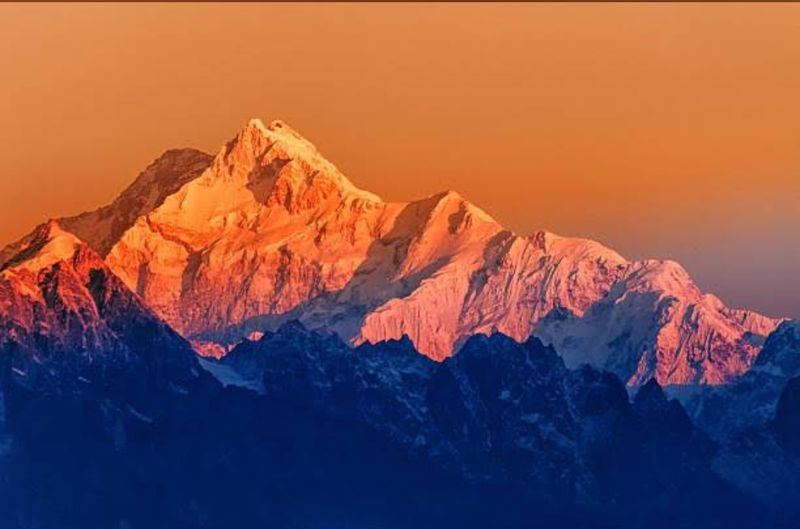
Towering at 8,586 meters, Kangchenjunga is the third-highest mountain in the world and one of the least-climbed 8,000-meter peaks. It straddles the border between Nepal and India, and local communities in Sikkim consider its summit sacred ground.
Out of respect for those beliefs, most climbers stop just short of the very top.
The mountain’s remote location and harsh conditions make it a serious challenge even for elite mountaineers. Massive avalanche slopes, unpredictable storms, and complex glaciated terrain create constant hazards throughout the climbing season.
Weather systems can shift rapidly, trapping climbers at high altitude with little warning.
Kangchenjunga was first climbed in 1955 by a British expedition led by George Band. The fatality rate sits around 20 percent, which places it firmly among the world’s most dangerous peaks.
Fewer than 300 people have ever reached its summit, a number that reflects just how formidable this mountain truly is.
6. Dhaulagiri I (Nepal)
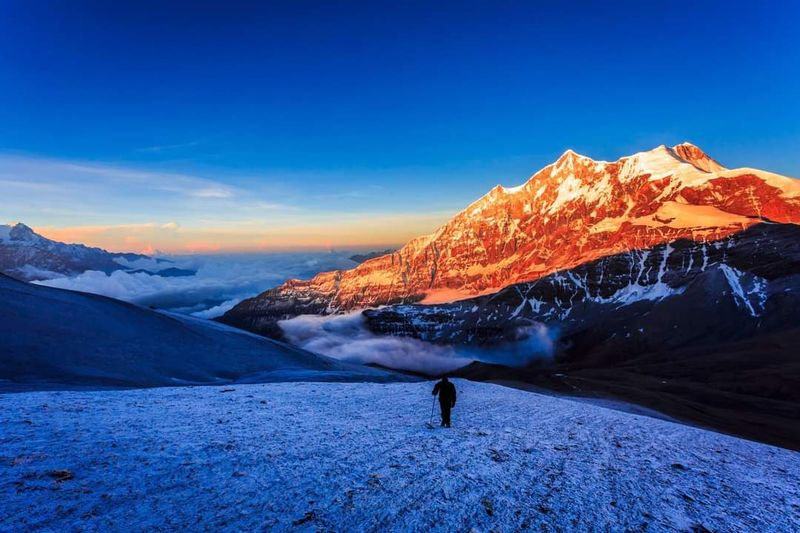
Dhaulagiri I surprised the entire mountaineering world when it was first discovered. For years, explorers believed it might be the highest mountain on Earth before more accurate surveys placed it at 8,167 meters, making it the seventh-highest peak globally.
It rises sharply from the surrounding valleys of Nepal, creating one of the most dramatic vertical rises on the planet.
The mountain is notorious for its icefalls, crevasse fields, and avalanche-prone slopes that make safe passage extremely difficult. Routes on Dhaulagiri are long and exposed, leaving climbers vulnerable to sudden storms and extreme cold for extended periods.
The northeast ridge is considered one of the most technically demanding sections of any 8,000-meter route.
First summited in 1960 by a Swiss-Austrian team, Dhaulagiri I has a fatality rate hovering around 15 percent. Climbers who attempt it must be prepared for multi-week expeditions in deeply remote terrain with very limited rescue options.
7. Makalu (Nepal and China)
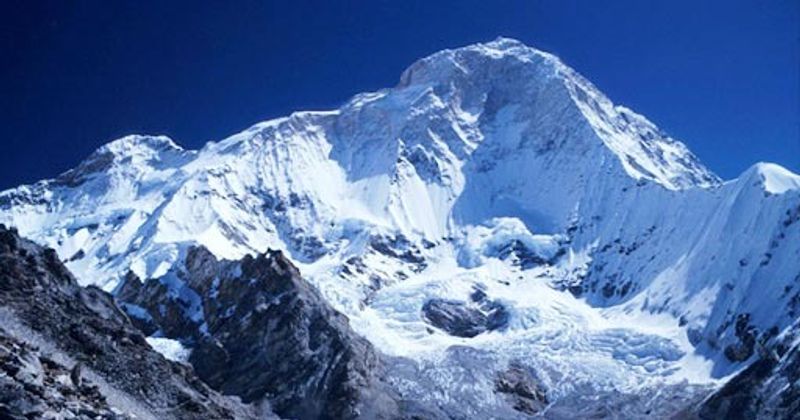
Makalu looks like a perfect four-sided pyramid rising to 8,485 meters on the Nepal-China border. That striking shape is not just beautiful to look at from a distance; it signals exactly why the mountain is so difficult and dangerous to climb.
Every ridge is sharp, steep, and brutally exposed to wind and cold.
Climbers on Makalu face a route with very few flat or sheltered sections. The upper mountain requires advanced technical skills, particularly on the Makalu La col and the summit pyramid itself.
Thin air, high winds, and the sheer steepness of the terrain combine to create one of the most physically demanding ascents in the Himalayas.
First climbed in 1955 by a French expedition, Makalu has a success rate of under 30 percent, one of the lowest among all 8,000-meter peaks. Fewer than 500 people have reached the top, and around 25 climbers have lost their lives in the attempt.
8. Manaslu (Nepal)
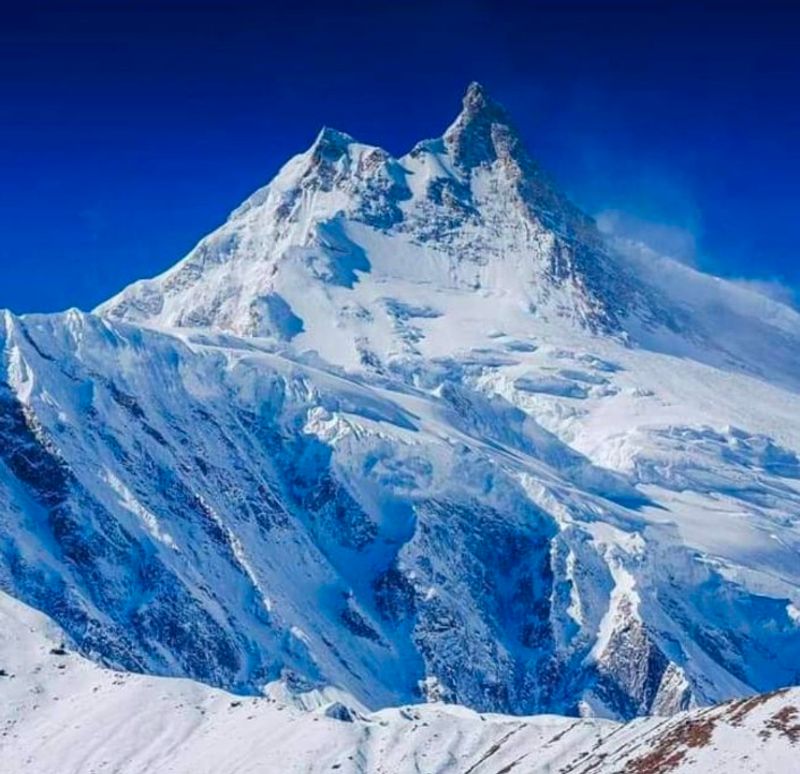
Manaslu has grown in popularity over the past decade as an alternative to more crowded routes on Everest and other well-known peaks. Standing at 8,163 meters in the Gorkha District of Nepal, it attracts a growing number of guided expeditions each year.
But increasing foot traffic has not made the mountain any safer.
Avalanches are the single greatest threat on Manaslu. A massive avalanche in 2012 struck a high camp and killed at least 11 climbers, reminding the world that popularity does not reduce danger.
Deep crevasses and unstable seracs add to the constant risk throughout the climbing season.
First summited by a Japanese team in 1956, Manaslu was closed to foreign climbers for many years after that. Today, it remains one of the more accessible 8,000-meter peaks in terms of permit cost, but accessibility should never be confused with safety.
Careful planning and experienced guides are non-negotiable here.
9. Gasherbrum I (Pakistan and China)
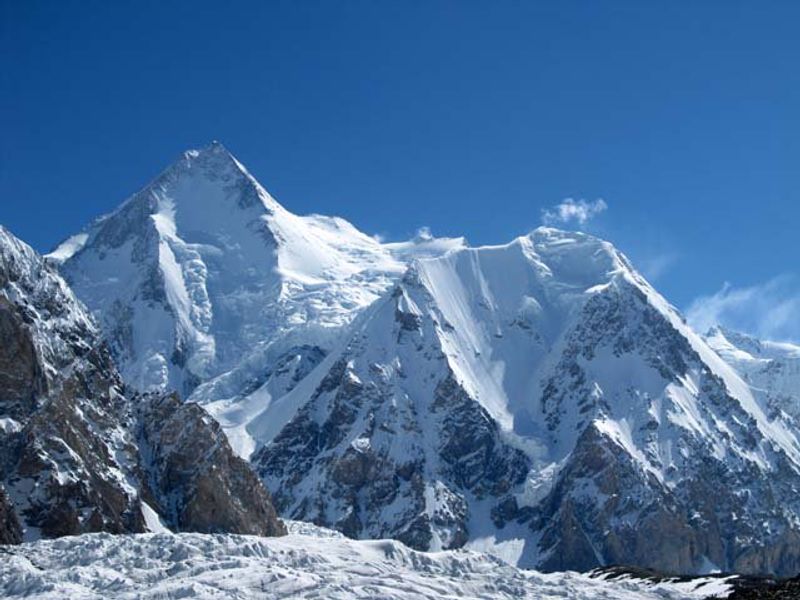
Hidden away in the vast Karakoram Range on the Pakistan-China border, Gasherbrum I is one of the most remote 8,000-meter peaks in the world. Its name is often translated from Balti as “beautiful mountain,” but anyone who has attempted to climb it knows that beauty and danger go hand in hand here.
Rising to 8,080 meters, Gasherbrum I demands serious technical skill. The route involves long stretches of exposed glacier travel, steep ice couloirs, and sections of rock that become extremely treacherous in poor weather.
Objective hazards like crevasses and falling ice are present throughout the climb.
First climbed in 1958 by an American team led by Pete Schoening, the mountain sees relatively few attempts each year compared to more accessible peaks. Its fatality rate sits around 15 to 20 percent.
The combination of remoteness and technical difficulty makes any rescue operation on Gasherbrum I extraordinarily challenging.
10. Broad Peak (Pakistan and China)
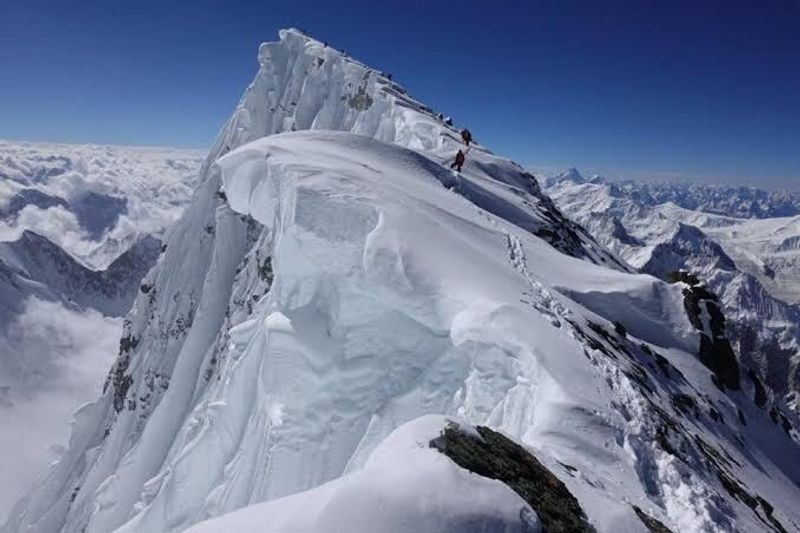
Broad Peak gets its name from the unusually wide summit plateau that stretches across its top, making it look almost flat compared to the sharp spires typical of the Karakoram. But do not let that broad silhouette fool you.
At 8,051 meters, this mountain is a serious and deadly objective that has humbled many experienced climbers.
Weather on Broad Peak can shift from calm to catastrophic in just a few hours. Sudden storms, white-out conditions, and extreme cold at high altitude have caught many teams off guard.
The final push to the summit involves a long and exhausting traverse that leaves climbers dangerously exposed for extended periods.
First climbed in 1957 by an Austrian team, Broad Peak sits next to K2 in the Karakoram Range. The proximity to K2 often draws climbers looking to combine both peaks in a single expedition, but that ambition significantly increases the physical toll and the overall risk.
11. Eiger (Switzerland)
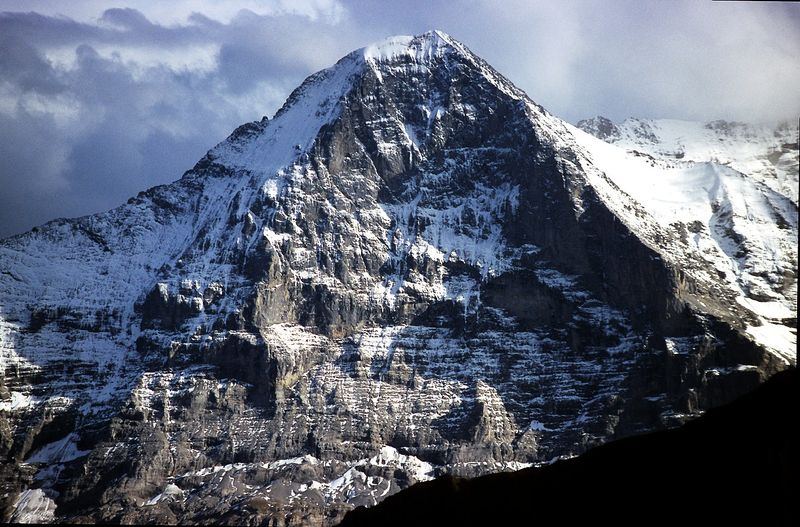
The Eiger’s North Face, known in German as the Nordwand, has been called “the last great problem of the Alps.” Rising nearly 1,800 meters above the Swiss village of Grindelwald, this vertical wall of limestone, ice, and loose rock has been drawing and defeating ambitious climbers since the 1930s. Early attempts ended in disaster so often that locals nicknamed it the “Mordwand,” meaning murder wall.
Rockfall, sudden ice storms, and avalanches pour down the face without warning. The rock itself is notoriously unstable, and drainage channels carved into the mountain for a nearby railway tunnel can release freezing water onto climbers mid-route.
The combination of objective hazards is nearly unmatched in European mountaineering.
The North Face was first climbed in 1938 by a German-Austrian team after years of fatal attempts. Today, skilled alpinists can complete the route in a single day, but the Eiger still claims lives regularly.
Its legend only grows with each passing season.
12. Matterhorn (Switzerland and Italy)
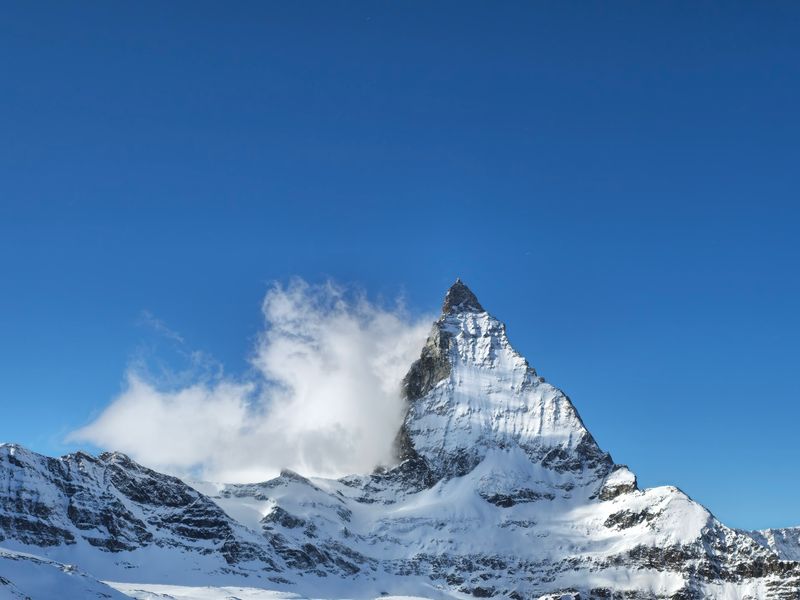
Few mountains in the world are as instantly recognizable as the Matterhorn. Its near-perfect pyramid shape rising 4,478 meters above the Swiss-Italian border has made it one of the most photographed peaks on Earth.
But behind that iconic image lies a mountain that has killed more than 500 people since climbing began there in the 1800s.
The first ascent in 1865 led by Edward Whymper ended in tragedy when four members of his team fell to their deaths on the descent. That story set the tone for the Matterhorn’s reputation.
Loose rock, rapidly changing weather, and icy ridges remain the primary dangers for climbers today.
Around 3,000 people attempt the Matterhorn each summer, many of them underestimating the technical demands of the climb. The Hornli Ridge, the most popular route, still requires solid alpine skills and the right conditions.
Overconfidence on this peak has proven fatal more times than anyone would like to count.
13. Mont Blanc (France and Italy)
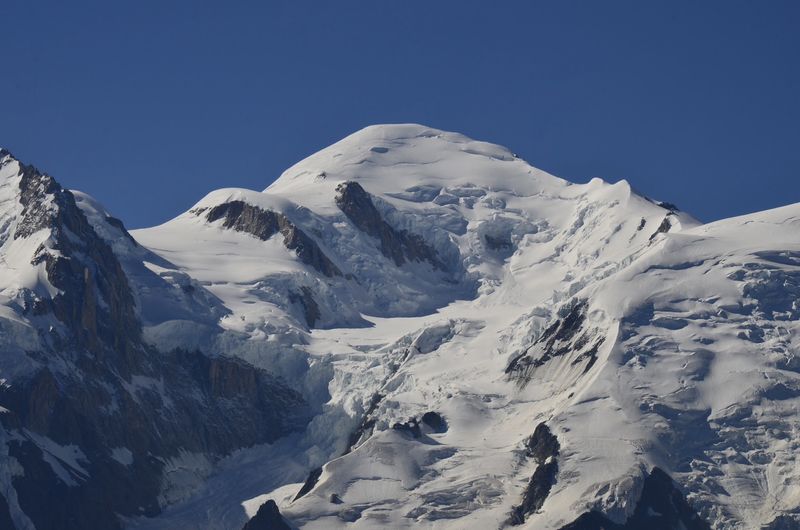
Mont Blanc holds the title of Western Europe’s highest peak at 4,808 meters, and it is also one of the most climbed high mountains in the world. That popularity comes at a steep price.
Estimates suggest that around 100 people die on Mont Blanc every single year, giving it one of the highest annual death tolls of any mountain globally.
Rockfall has become an increasingly serious hazard as warming temperatures cause permafrost to melt and previously stable sections of the mountain to collapse. Sudden storms, whiteout conditions, and avalanches also contribute to the high death count.
The mountain’s accessibility draws many climbers who lack the experience needed to handle its rapidly changing conditions.
First summited in 1786 by Jacques Balmat and Michel Paccard, Mont Blanc has a long and storied climbing history. Local authorities in Chamonix regularly urge climbers to check conditions carefully and hire certified guides before attempting the summit.
The mountain does not forgive poor preparation.
14. Mount McKinley – Denali (Alaska, USA)
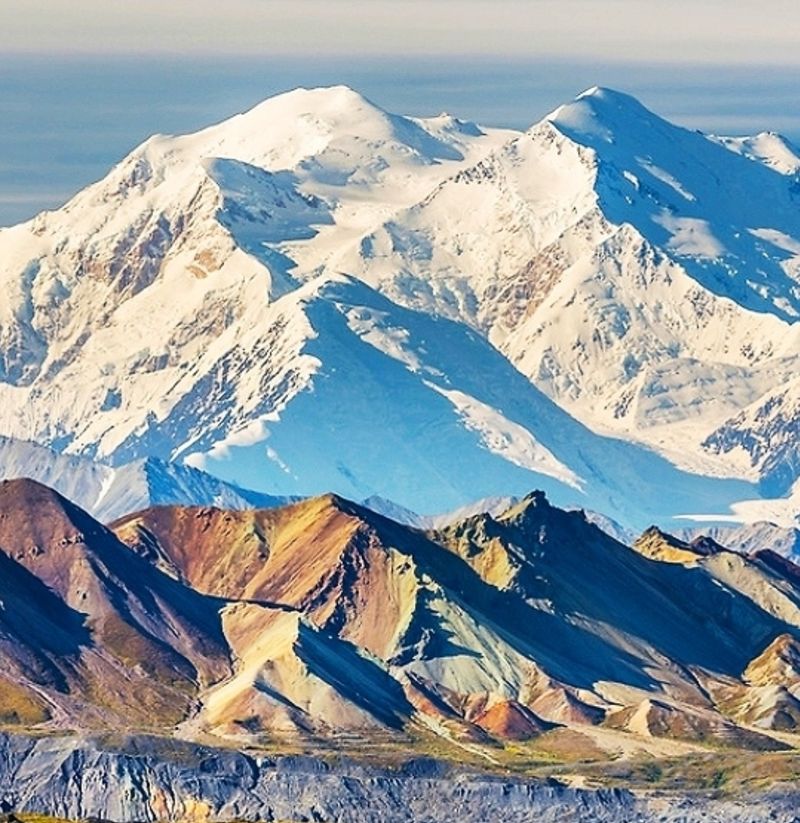
Denali stands at 6,190 meters and is the highest peak in North America. Located deep in the Alaskan wilderness, it is one of the coldest mountains on Earth due to its high latitude.
Temperatures on the upper mountain can plunge to minus 60 degrees Celsius, and wind chills make conditions feel even more extreme.
Storms on Denali arrive fast and can pin climbers in their tents for days at a time. The mountain’s remoteness means that rescue operations are costly, slow, and sometimes impossible.
Many climbers who underestimate the cold suffer severe frostbite, losing fingers, toes, or worse before they can be evacuated.
First summited in 1913 by Hudson Stuck and his team, Denali attracts around 1,000 climbers per year. The National Park Service requires all climbers to register and pay a fee, which helps fund search and rescue operations.
Even so, the mountain claims several lives each season without fail.
15. Mount Vinson (Antarctica)
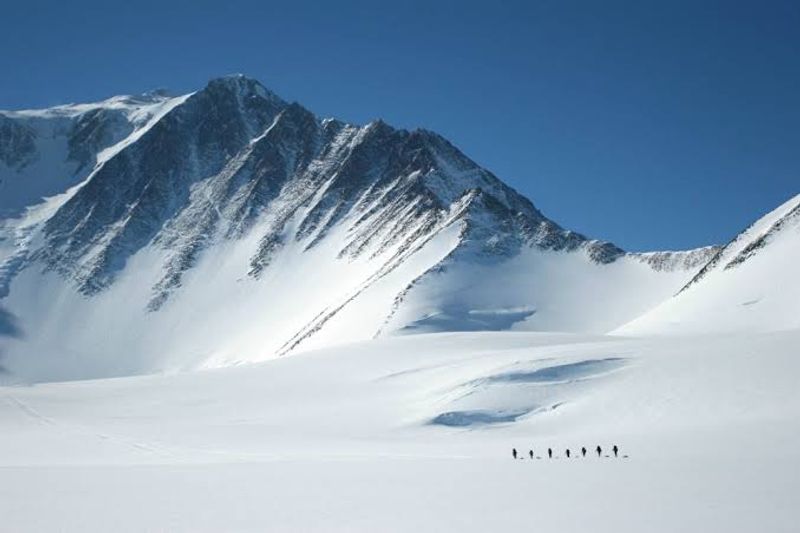
Mount Vinson is the highest peak on the continent of Antarctica, reaching 4,892 meters above sea level. Compared to the other mountains on this list, it has claimed relatively few lives, but the conditions surrounding it make any emergency a potential death sentence.
There are no nearby hospitals, no quick evacuation routes, and very limited rescue resources anywhere on the continent.
Temperatures at Vinson regularly drop below minus 40 degrees Celsius, and the Antarctic plateau generates fierce katabatic winds that can appear without warning. The extreme isolation means climbers must be entirely self-sufficient, carrying all their food, fuel, and emergency gear for the entire expedition.
Most climbers reach Vinson as part of the Seven Summits challenge, the goal of climbing the highest peak on every continent. The logistical cost alone makes it one of the most expensive mountaineering objectives in the world.
Getting there requires a charter flight to a remote Antarctic airstrip, and that flight is entirely dependent on weather conditions cooperating.
Share this story