Some New Jersey places do not need bright signs or big promises to stay with people. In Sussex County, a farm animal sanctuary has become a home for hundreds of rescued animals, each with a name, a story, and a daily routine built around care rather than use.
The place matters because it gives people a close look at what rescue work can mean beyond headlines and hashtags. Keep reading, because this Wantage sanctuary is not a polished attraction with a script, but a working refuge where compassion has muddy boots, weekend hours, and a very real need for support.
A Wantage refuge with a real address
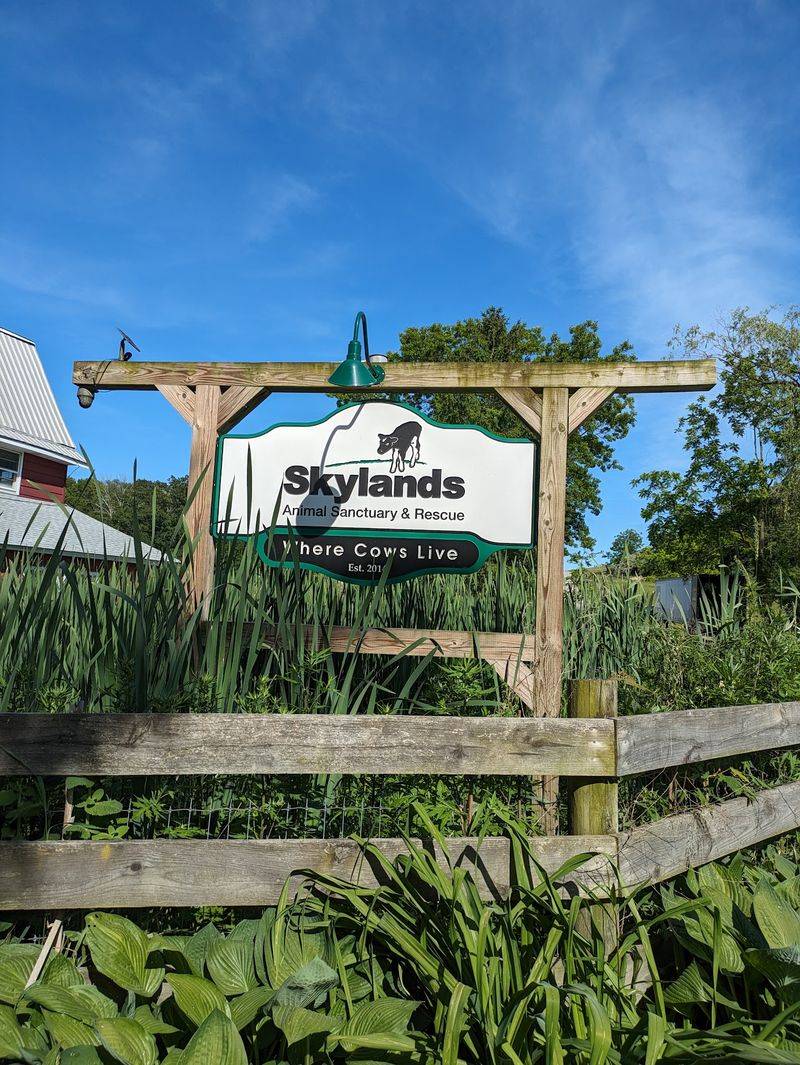
The road to understanding this place starts with a simple location: Skylands Sanctuary & Animal Rescue is at 50 Compton Rd, Wantage, NJ 07461, in Sussex County, New Jersey, United States.
That address matters because this is not a vague feel-good idea floating around online. It is a real animal rescue service in rural North Jersey, with operating hours, gates, volunteers, animal care routines, and the daily responsibilities that come with sheltering a large group of farm animals.
Skylands is known as a sanctuary for rescued farm animals, including animals who came from difficult farm-industry situations or managed to get away before being brought into care. The organization is tied closely to founder Mike Stura, whose name appears often in accounts of the sanctuary, along with Mary, who is frequently connected with operations, tours, and volunteer coordination.
The sanctuary has drawn strong public attention, with a 4.8-star Google rating across 180 reviews, but its real identity is simpler than any number. It is a place where animals are treated as individuals, not as products, and where a New Jersey farm becomes a quiet argument for second chances.
A rescue mission built around second chances
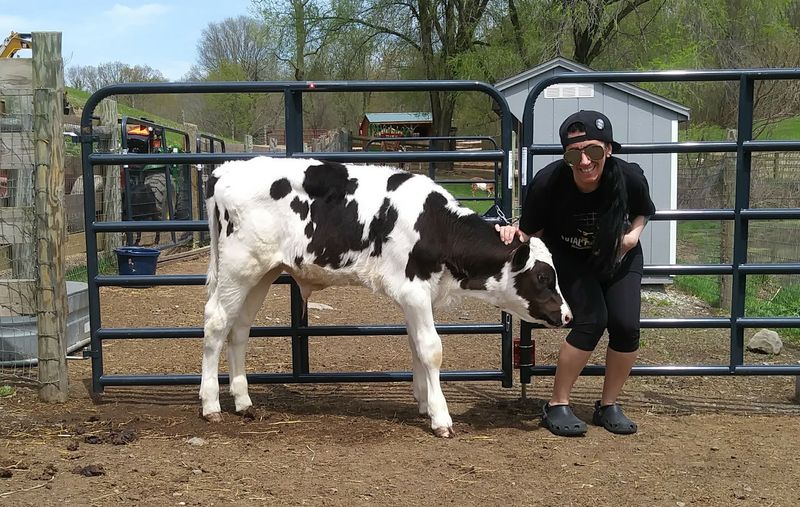
Not every farm in New Jersey is trying to sell something, and that is part of what makes Skylands stand apart. Its mission centers on animals who needed a safe place after rescue, escape, or removal from harmful conditions.
The sanctuary is often described through the stories of individual animals, not through a general list of species. Regulars mention that animals there have names and histories, which changes the way people think about them during a visit or volunteer day.
One of the better-known animals connected with Skylands is Freddy, remembered for escaping from a facility in Queens, New York, before being rescued. His story has become part of the sanctuary’s wider public identity, showing how one animal’s unusual path can bring attention to many others.
That focus on second chances gives the place its emotional center without turning it into a staged attraction. The animals are not props for a quick outing.
They are the reason the sanctuary exists, and every tour, volunteer shift, and donation circles back to their care.
For New Jersey readers used to hearing outsiders reduce the state to traffic jokes, Skylands offers a better local headline: a working sanctuary in Wantage where rescue is a daily practice.
The Sussex County setting behind the gates
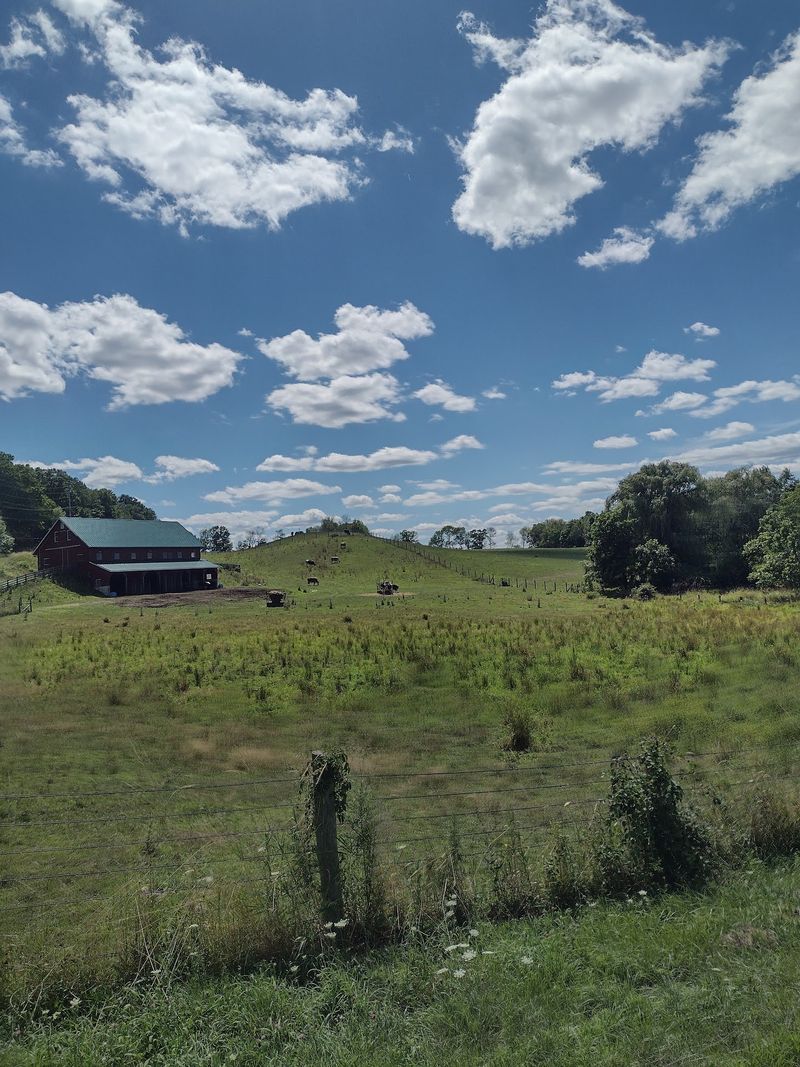
Sussex County gives Skylands the kind of room a sanctuary needs, and that room is part of the story. Wantage sits in the northern part of New Jersey, away from the state’s busier urban corridors, which helps explain why this animal rescue feels rooted in farm country rather than roadside entertainment.
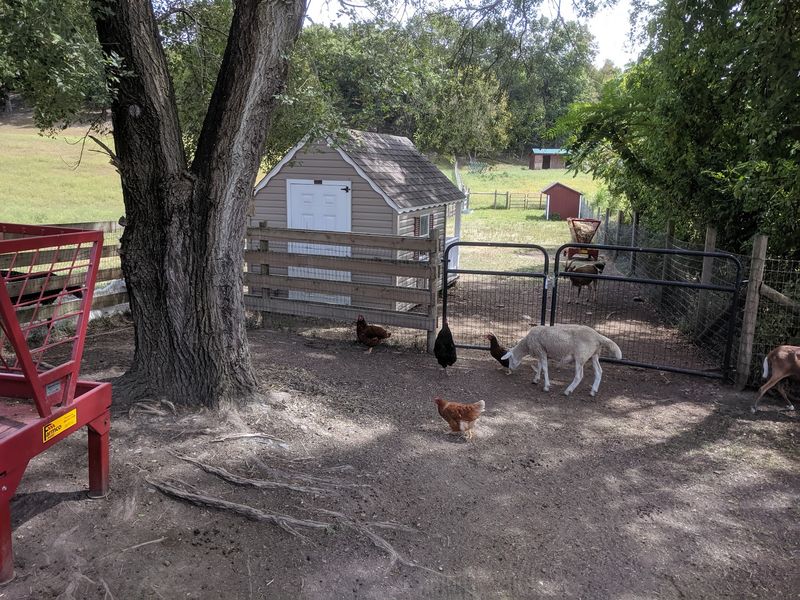
The grounds are often described as well kept, with space where animals can move through routines shaped around care. That detail matters because a sanctuary caring for hundreds of animals depends on order, maintenance, and a lot of unglamorous work behind every calm moment.
People who have spent time there often mention the farm setting as part of what makes the experience meaningful. The landscape is not just background.
It supports the basic purpose of the place, giving rescued animals a home that is not centered on production.
That rural location also makes planning important. A casual drive-by approach may not work, especially because public hours are limited and the sanctuary’s schedule has changed at times.
For day-trippers, the setting is a reminder that North Jersey still has pockets where animal care, farmland, and volunteer energy meet in one very local way. The charm is not manufactured, which is exactly why it deserves a little planning.
Four hundred animals, four hundred stories
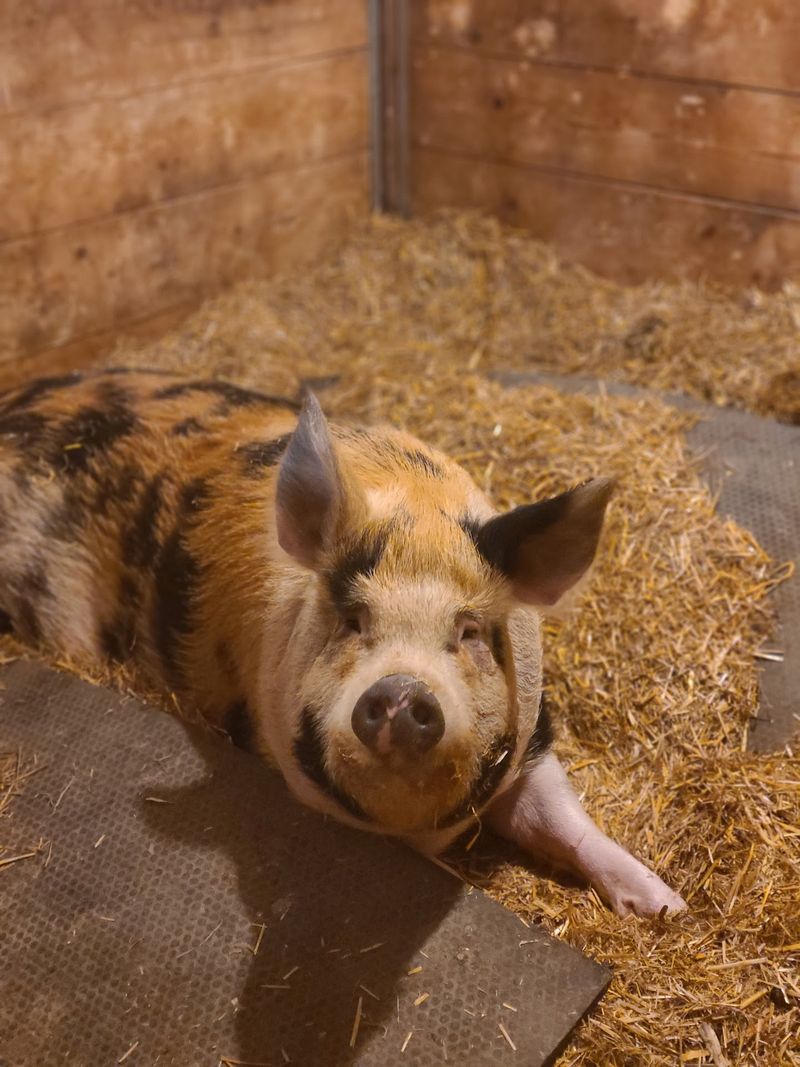
A number can make people pause, and at Skylands the number is around 400 farm animals. That is a lot of daily care, a lot of feeding routines, a lot of medical attention when needed, and a lot of names to remember.
The sanctuary’s appeal comes from the way that large number becomes personal. Accounts of visits often point out that the animals are known as individuals, each connected to a story that explains how they ended up there.
That approach changes the tone of a visit. A cow, goat, chicken, rooster, or other farm animal is not presented as part of a display.
The focus lands on personality, recovery, and the long-term commitment required after a rescue has already made the news or caught attention online.
Caring for hundreds of animals also means Skylands is not a casual hobby farm. It is an active rescue operation with all the responsibility that comes after the happy update.
The practical side includes staffing, volunteers, supplies, cleaning, coordination, and the constant reality that animals need care every day.
That is where the sanctuary becomes especially compelling. The rescue moment may get applause, but the home that follows is the harder promise, and Skylands is built around keeping it.
Names that turn animals into neighbors
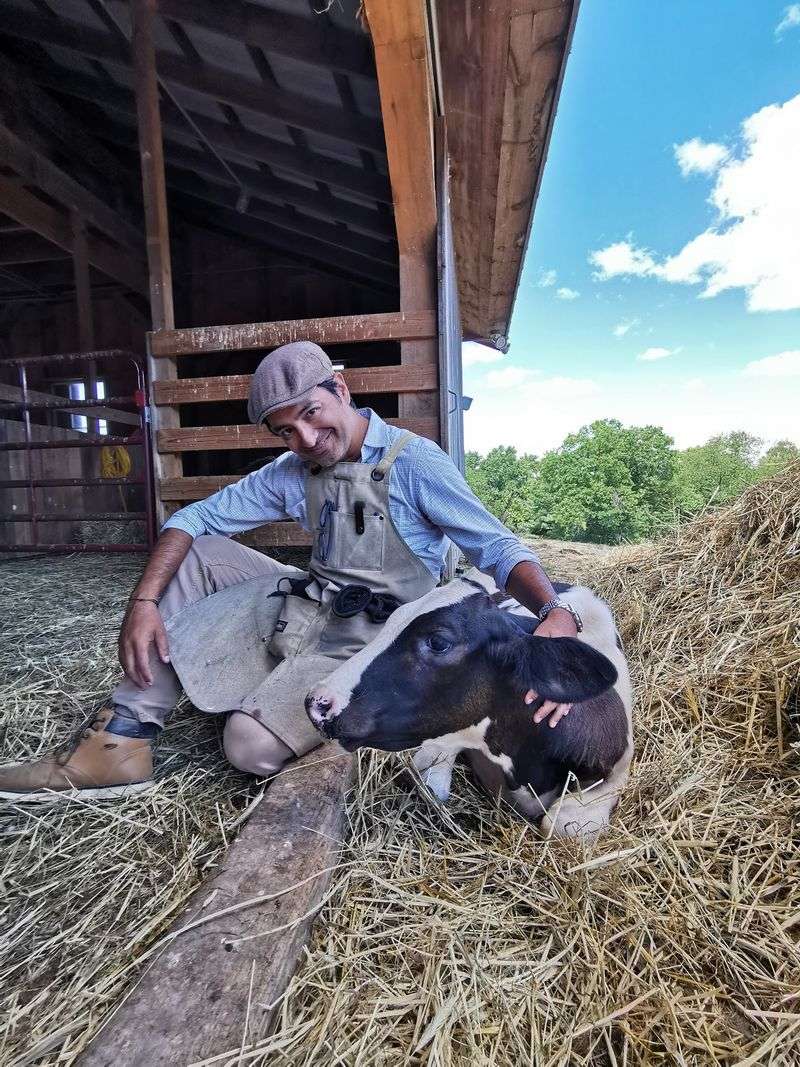
Something shifts when an animal has a name, and Skylands leans into that shift. The sanctuary is known for presenting animals through individual stories, which makes the experience feel less like a tour of a farm and more like meeting residents.
Regulars often mention that the animals’ backstories are part of what stays with them. Staff and volunteers share information about rescues, personalities, and how certain animals came to be protected, giving the visit a purpose beyond a quick photo stop.
That personal framing matters because it supports the sanctuary’s larger message. Farm animals are often discussed in groups, categories, or industries, but Skylands treats them as specific beings with histories and needs.
The effect can be powerful without needing big speeches. A name, a rescue story, and a clear explanation of the care involved can do plenty of work on their own.
There is also a New Jersey kind of directness to it. No glittery packaging, no overproduced theme, no need for a mascot costume.
Just a sanctuary saying, in practical terms, that animals who were once overlooked are now known.
That may be the heart of the place: not every second chance is dramatic, but every second chance needs someone to remember who it belongs to.
The people keeping the mission moving
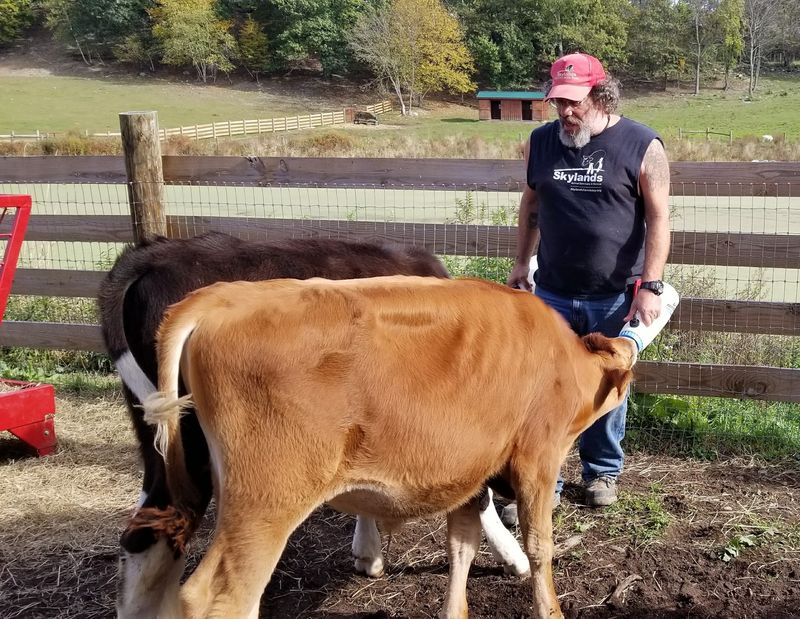
Behind every peaceful animal sanctuary is a schedule that probably does not care about weekends. At Skylands, the people connected with the work are a major part of why the place has built such a loyal following.
Founder Mike Stura is closely associated with the sanctuary’s rescue efforts and animal care mission. Mary is also frequently mentioned in connection with operations, volunteer experiences, and tours, which points to the teamwork required to keep a place like this running.
The praise around Skylands often centers on dedication rather than polish. People describe staff and volunteers as deeply committed, knowledgeable, and focused on the animals’ well-being.
That matters because sanctuary work is not built on cute moments alone. It requires routine labor, decision-making, communication, physical tasks, and the patience to care for animals whose needs can vary widely.
The human side of Skylands is also part of its local identity. New Jersey has plenty of places that impress through size or spectacle, but this one earns attention through effort.
For anyone thinking about supporting the sanctuary, the staff and volunteer structure is a reminder that help can be practical. A working rescue does not run on good intentions alone, though good intentions are a pretty decent place to start.
Volunteer days with washable boots
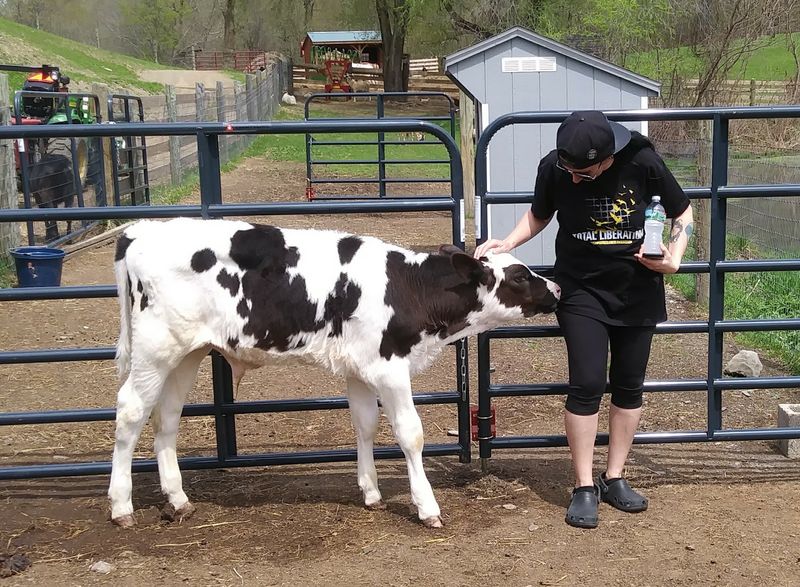
The most useful fashion tip connected to Skylands is wonderfully unglamorous: wear washable boots. That little piece of advice says plenty about the kind of place this is.
Volunteering at the sanctuary is not described as a passive activity. People who have helped there talk about spending time with the animals, learning from staff, and taking part in the rhythm of a real farm animal rescue.
That can make the experience more meaningful than a standard outing, especially for people who want to support the mission with their time. It also means expectations should be practical.
Farm sanctuary work may involve ground conditions, chores, and a willingness to follow instructions.
Families have volunteered and visited, and first-time volunteers often come away with a clearer understanding of what it takes to care for rescued farm animals. The work gives the sanctuary a community layer, turning supporters into participants rather than distant admirers.
Still, volunteering should be arranged with care. Because public access can be limited and communication has not always matched people’s travel plans, it is smart to confirm details through the sanctuary’s official website before heading out.
Boots may not sound glamorous, but at Skylands they are practically a passport.
Tours that explain more than they show
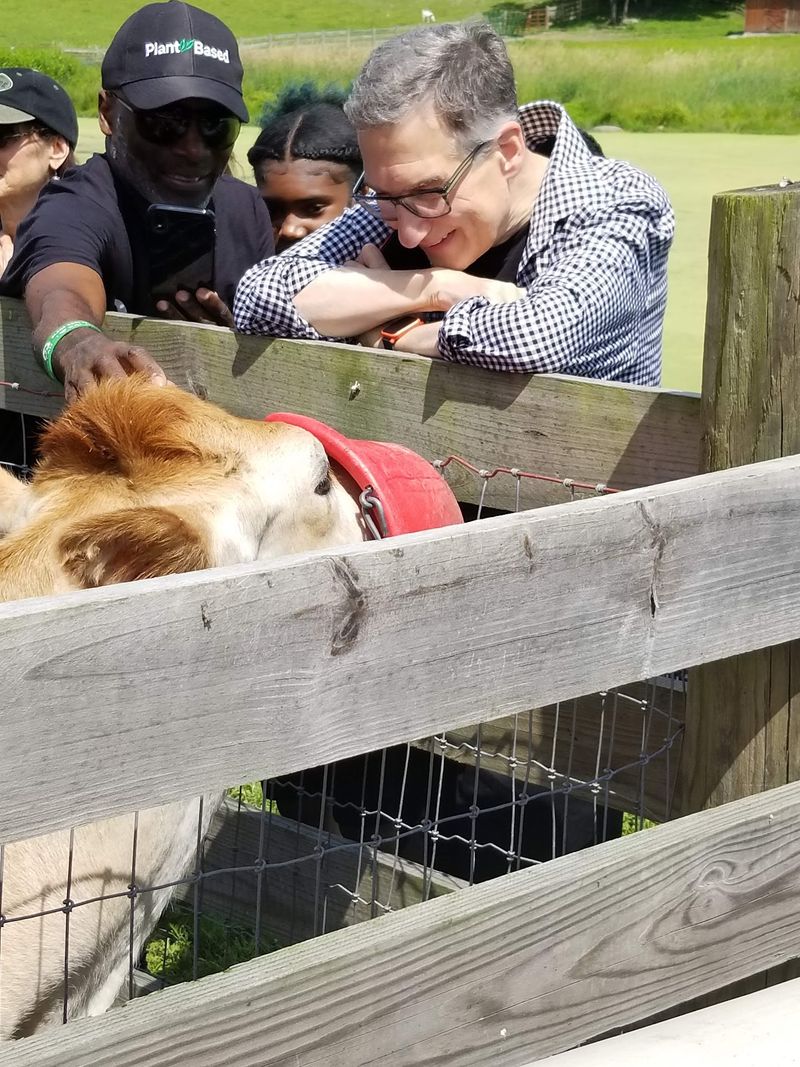
A good tour at Skylands is not only about seeing animals. It is about understanding why they are there, how they arrived, and what daily care looks like after rescue.
Past guests have described tours led by staff members including Mary and Grace, with information shared about the farm and the animals. Mike is also associated with telling rescue stories, which are an important part of the sanctuary’s educational role.
The strongest value of a tour comes from context. Without it, a person might see a pasture and miss the long chain of decisions, costs, and labor behind that peaceful scene.
Skylands also uses these moments to connect animal rescue with larger choices about how people view farm animals. The sanctuary has a vegan identity, and its message encourages compassion toward animals who are often treated through an industry lens.
Practical caution belongs here too. There have been past frustrations from people who tried to confirm tours or access and did not get clear information before making a long trip.
That does not erase the value of the sanctuary’s work, but it does make planning essential. Check the official site, look for current event details, and avoid assuming a tour is happening unless the sanctuary has clearly posted or confirmed it.
A vegan sanctuary with a clear point of view
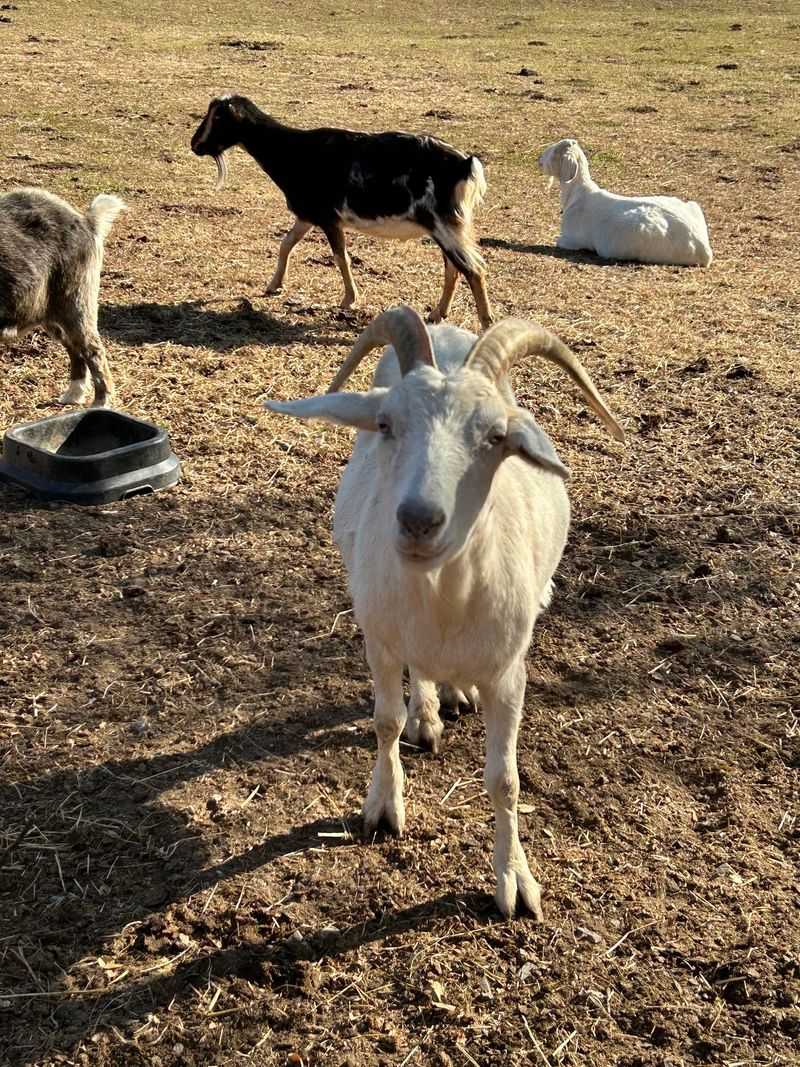
Skylands does not hide the values behind its work, and that clarity is part of the experience. The sanctuary is often identified as a vegan animal sanctuary, with a mission focused on animals living free from exploitation.
That point of view shapes how the animals are discussed. They are not framed as entertainment, production, or background decoration.
They are treated as beings whose lives matter beyond usefulness to people.
Some people leave the sanctuary thinking more seriously about their own choices, especially after hearing rescue stories and learning how individual animals arrived there. The educational side is not separate from the care side.
It grows directly from it.
That may feel different from a typical family farm stop, and that is the point. Skylands is not trying to be a petting zoo, a theme farm, or a casual roadside attraction.
The mission is direct, sometimes challenging, and rooted in compassion for animals who were given a different path. New Jersey has room for all kinds of animal-related destinations, but this one asks for more than a quick glance.
The message is simple enough for younger guests to understand and serious enough for adults to keep thinking about later: rescue is not only an event, it is a responsibility.
A calm fit for animal lovers
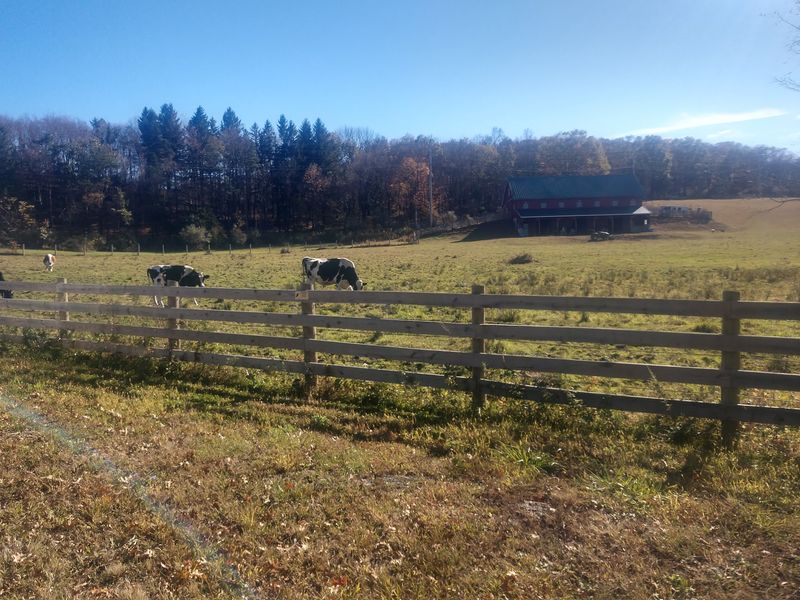
Animal lovers are the obvious audience for Skylands, but the best fit is a little more specific. This sanctuary suits people who want a thoughtful visit, not a busy attraction packed with constant programming.
Families have found meaning there, especially when children can learn that rescued animals have names, routines, and care needs. Adults who already care about animal welfare may find the sanctuary especially engaging because the visit connects emotion with real work.
The atmosphere described around Skylands is peaceful, caring, and centered on the animals. That does not mean every moment is tidy or perfectly organized, because this is a functioning rescue with living beings and changing needs.
Guests who arrive with flexible expectations are likely to understand the place better. The sanctuary is not designed around convenience first.
Its priority is the animals, and public access has to fit around that care.
That makes it a strong match for patient day-trippers, volunteers, and people who appreciate mission-driven places. It may be less suitable for anyone expecting a highly managed attraction with constant staff availability and a predictable entertainment schedule.
Skylands asks people to meet it on its own terms. For the right person, that is not a drawback.
It is the whole reason to go.
Weekend hours and access realities
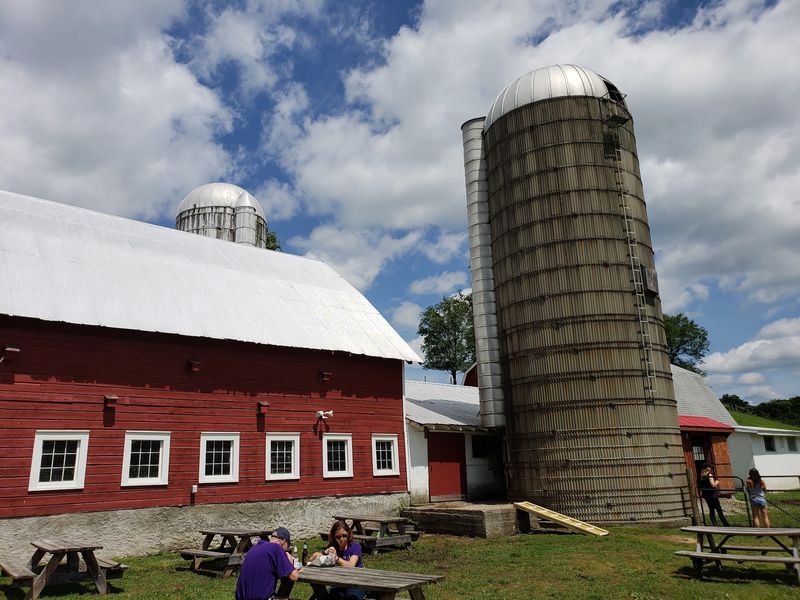
The most important visiting detail is also the easiest one to overlook: Skylands has limited public hours. Google Maps lists the sanctuary as closed on Monday, Tuesday, Wednesday, Thursday, and Friday, with Saturday and Sunday hours from 11 AM to 1 PM.
Those short weekend hours make this a destination that needs planning, not a last-minute detour. The sanctuary’s Google listing also notes that it opens at 11 AM Saturday, which reinforces the narrow window for public access.
There is no admission price listed in the provided data, so travelers should not assume cost details without checking directly through the sanctuary’s official website. The website listed for Skylands is skylandssanctuary.org, and it is the best place to look for current events, tour information, and support options.
Access has caused frustration for some people in the past when hours, tour details, or communication did not line up with travel plans. That is worth taking seriously, especially for anyone driving a long distance.
The practical move is simple: verify before leaving home. Check the website close to your intended visit, look for current postings, and avoid treating old tour information as guaranteed.
A sanctuary can be wonderful and still require a backup plan. In New Jersey travel, that is not pessimism.
That is just good car-key wisdom.
A short-hop day trip with careful timing
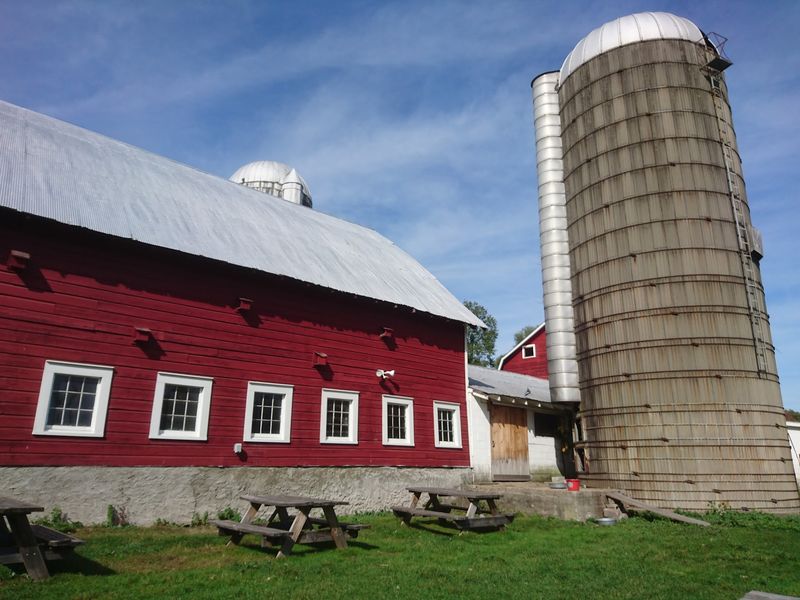
A trip to Skylands works best when it is treated as a focused North Jersey outing. Wantage is in Sussex County, and the sanctuary’s limited weekend hours mean the day should be planned around that two-hour window.
One past account mentioned staying at Minerals resort hotel, described as about 10 minutes away and convenient for that trip. That detail can be useful for people considering a longer Sussex County weekend, though travelers should still confirm lodging details independently.
For many New Jersey residents, the sanctuary may fit as a short-hop day trip rather than a full vacation plan. The appeal is not an all-day lineup of attractions at one address.
It is the chance to support and learn about a specific rescue mission in a rural part of the state.
Because access details can change, the smartest itinerary has breathing room. Check the official website, confirm any event or volunteer arrangement, and keep expectations realistic if traveling from farther away.
Wantage also rewards the kind of traveler who does not need every stop to be flashy. Skylands offers a New Jersey story with depth, local pride, and purpose.
The visit is easiest when the clock is respected. Two public hours can pass quickly, and farm animals are famously unimpressed by anyone’s traffic excuses.
A soft verdict for a sanctuary worth supporting
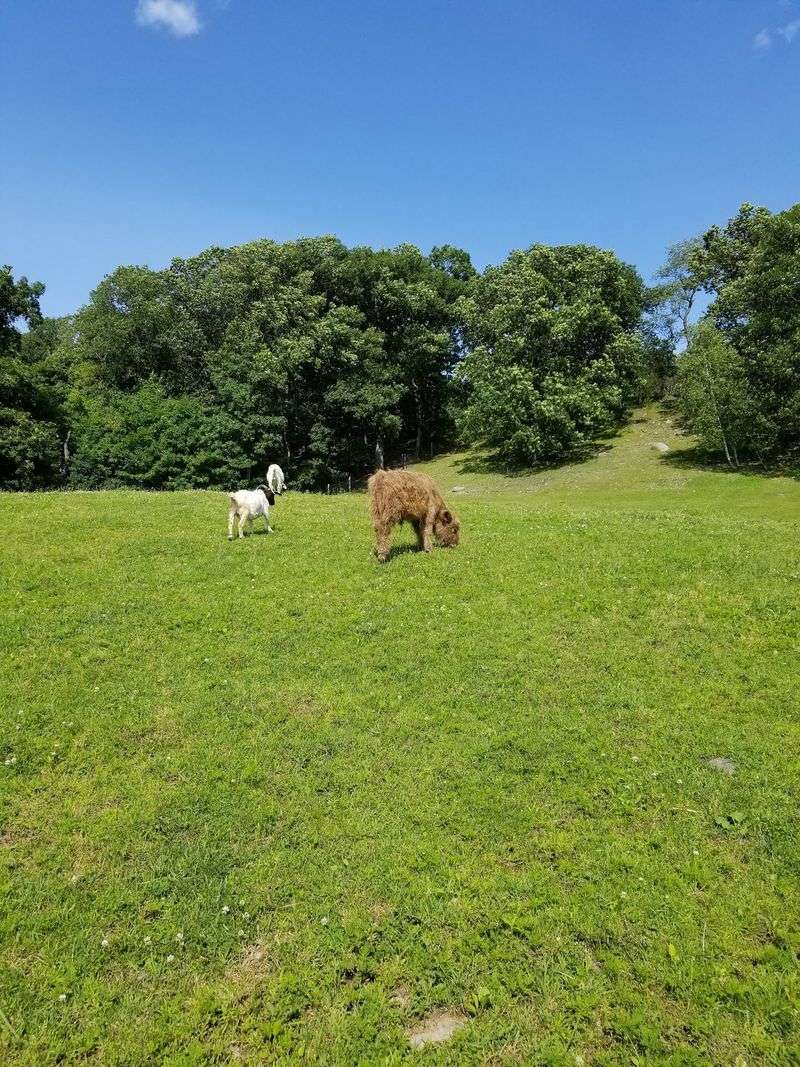
Skylands Sanctuary & Animal Rescue is not the kind of New Jersey place that needs to shout for attention. Its story is strong because it is practical, ongoing, and centered on hundreds of animals who were given a safer home.
The sanctuary’s strengths are clear: a mission with conviction, animals treated as individuals, dedicated people, volunteer opportunities, and a Sussex County setting that gives the work room to happen. Its limitations are also part of the honest picture, especially the short public hours and the need to confirm access before making a long drive.
That balance makes Skylands feel real. It is not a perfect attraction polished for maximum convenience, and it should not be judged as one.
It is a working rescue, and the animals come first.
For New Jersey residents who like their local discoveries with substance, this Wantage sanctuary offers something meaningful without leaving the state. It proves that an ordinary rural address can hold a story big enough to change how people think about farm animals.
The best verdict is simple: go thoughtfully, check the current details, respect the mission, and support the work if it speaks to you. Some places are worth visiting because they entertain.
Skylands is worth knowing because it cares.
Share this story