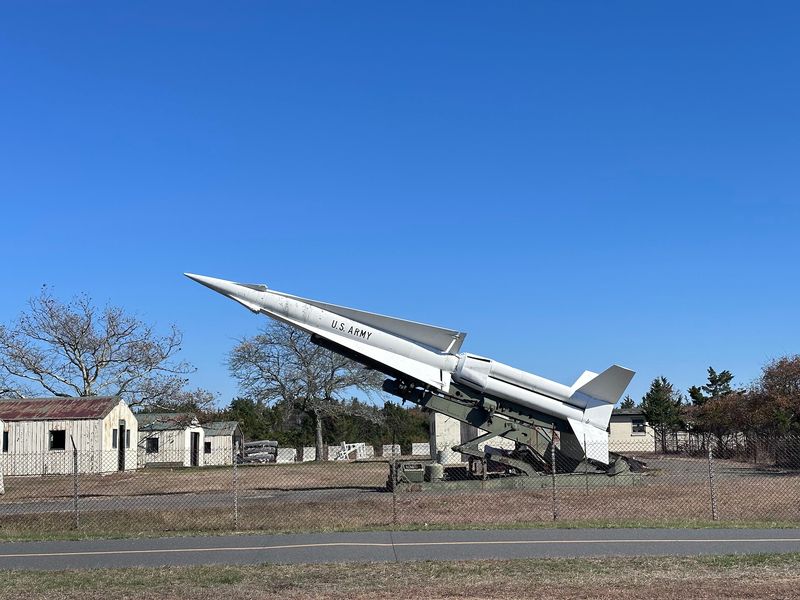
New Jersey has a talent for hiding big history in plain sight. Along the road near Sandy Hook, a former missile launch area still points back to a time when the state helped guard New York during the Cold War.
The old equipment is not tucked behind museum glass, which makes the place feel direct, unusual, and easy to understand. Keep reading and the story turns from a roadside curiosity into a compact lesson on defense, geography, and why this corner of Highlands still grabs attention.
The Roadside Launch Area In Highlands
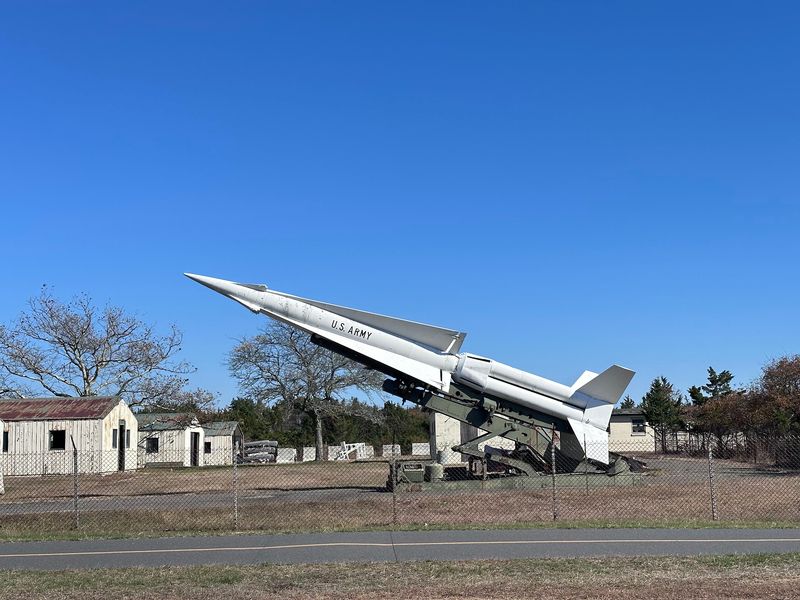
A missile site is not what most people expect to find near a familiar New Jersey shore route, which is exactly why Nike Missile Site NY-56, Launch Area, makes such a sharp first impression. The site is at Old Dune Trail, Highlands, NJ 07732, in Highlands, New Jersey, United States, near the Sandy Hook area.
Officially listed as a historical place, the launch area is connected to the former Nike missile defense system that once formed part of the protection network around the New York Defense Area. The location mattered because this stretch of New Jersey sits close to the entrance of New York Harbor, a strategic position during the Cold War.
The site is easy to understand at a glance because some missile equipment can be seen near the main road leading toward Sandy Hook. That roadside visibility gives the place a rare quality: it does not ask travelers to decode a hidden plaque before realizing something serious once happened here.
For New Jersey residents, the stop works as a reminder that the state was not just near national history. It was part of the system that helped shape it, one launch area at a time.
A Cold War Job With New York In Mind
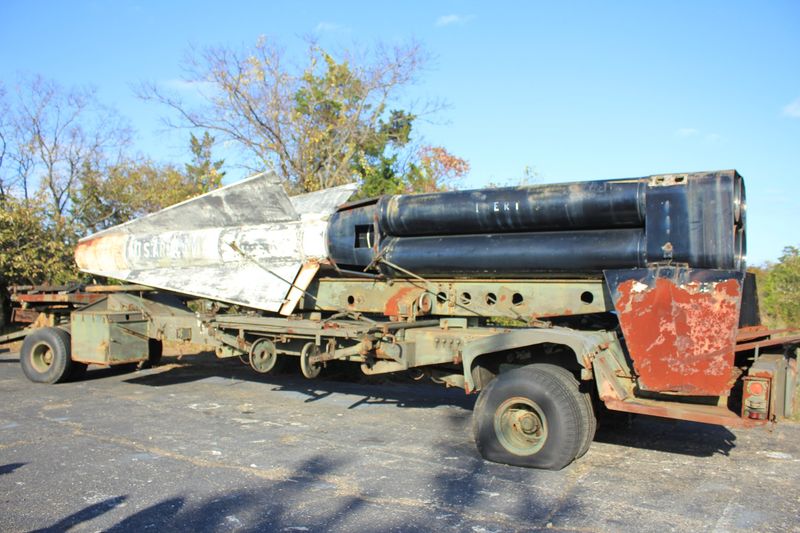
During the Cold War, geography gave this piece of Highlands a larger role than its quiet setting might suggest. Nike Missile Site NY-56 belonged to the broader system of Nike missile installations deployed across the United States, including sites assigned to defend the New York area.
The basic idea was straightforward: place anti-aircraft missile sites around major cities and important regions, then keep them ready as part of a layered defense network. New York, with its harbor and national importance, drew special attention, and New Jersey had the coastline and high ground that made defense planning possible.
People who stop here often focus on the visible missile equipment, but the larger story sits in the planning behind it. NY-56 was not a random military leftover; it was one small part of a national program built around alertness, technology, and uneasy questions about the future.
The name can cause a small double take because Nike also means sneakers to many people today. At this site, though, Nike refers to the missile system, not sports gear, which makes the learning curve quick and a little unexpectedly funny.
Missiles Set Up For A History Lesson
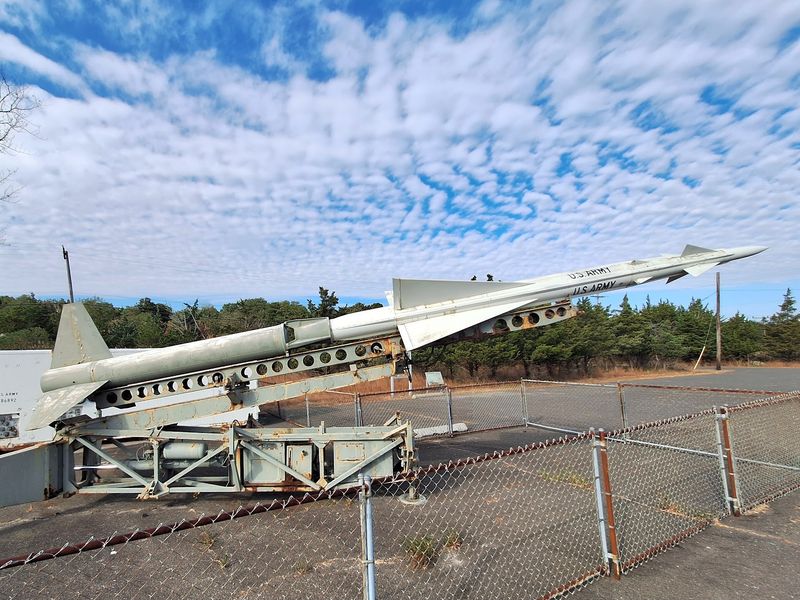
The most attention-grabbing feature here is simple: the missiles are set up in a way that helps people understand their former purpose. Several public comments about the site point to how unusual it is to see Nike rockets and related Cold War equipment at close range.
That matters because military history can easily turn into a blur of dates, acronyms, and diagrams. A physical display changes the pace.
The equipment gives scale to the story without requiring a long lecture before the basic point lands.
Some people describe the setup as a strong draw for military history fans, while others see it as a quick but memorable roadside stop. The site may not have the polish of a large museum, and that modest quality is part of the experience for many people who come across it while already traveling through the area.
The launch area is best understood as a compact outdoor history stop rather than a full-day attraction. Give it that role, and the place makes more sense: a short, specific encounter with the machinery of a tense era.
Sandy Hook Context Around The Site
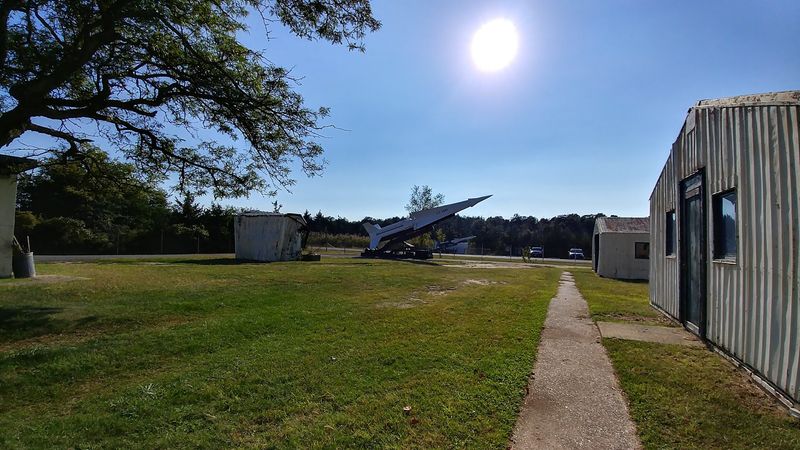
Sandy Hook already carries layers of military history, so the launch area fits into a bigger local pattern rather than standing alone. The area around Highlands and Sandy Hook has long been tied to coastal defense, harbor protection, and federal land with unusual historic uses.
That broader setting helps explain why a Nike site would be here. Defense planners valued locations that could support protection around New York Harbor, and this part of New Jersey offered a useful position close to the water routes that mattered.
Travelers often pair the site mentally with the Sandy Hook military base area because the missiles can be spotted along the main road leading that way. The result is a stop that feels connected to a larger route, not a detour that exists without context.
New Jersey does this kind of surprise well. A beach day, a drive through Highlands, or a trip toward Sandy Hook can suddenly turn into a lesson about national defense.
The state’s range is on display here, with shoreline recreation and Cold War infrastructure sharing the same map.
A Compact Stop Rather Than A Big Museum
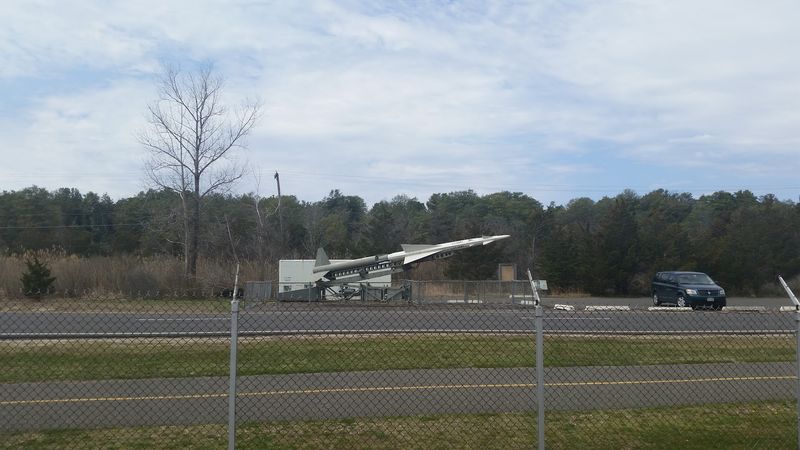
Not every historic place needs a lobby, timed ticket, or a gift counter to make its point. NY-56 works more like an outdoor marker with real hardware, giving curious travelers a focused look at one part of the Cold War defense network.
That small scale is important for planning. Some people find the site fascinating because the missile display and setting deliver the story quickly.
Others may feel there is not enough here to justify a long trip by itself, especially if they prefer larger museums with many exhibits.
The better approach is to treat the launch area as a meaningful add-on to a Highlands or Sandy Hook outing. It rewards a short pause, especially for anyone who enjoys military history, unusual New Jersey places, or roadside history that does not feel overproduced.
There is a practical charm in a place that does one thing clearly. NY-56 does not try to stretch itself into more than it is, and that honesty keeps expectations in the right lane.
A Place Built For Curious Passersby
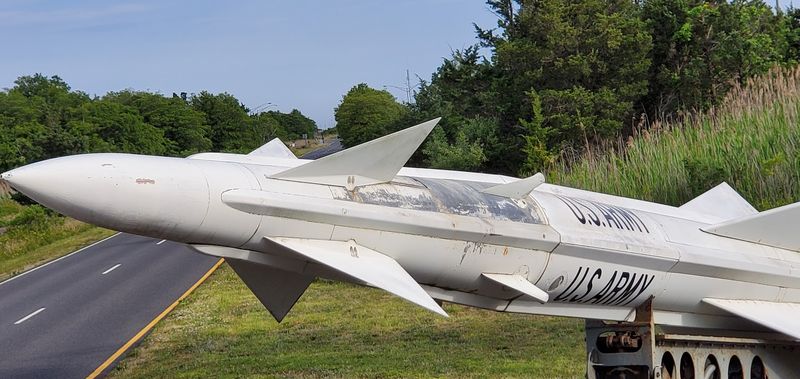
A lot of people first notice the site while going past it, and that accidental discovery is part of its pull. The missiles are close enough to the route that the place can register even before someone has searched for Cold War history in Monmouth County.
Roadside historic sites have a special advantage: they lower the effort needed to learn something. A person can be on the way to Sandy Hook, spot the equipment, and suddenly realize that New Jersey once held a front-line role in protecting the New York area.
The site’s visibility also makes it appealing for repeat local curiosity. It is the kind of place that can sit in the background for years before someone finally stops to learn what it is.
That delayed recognition gives the visit a small reward, especially for residents who have passed the area more than once.
NY-56 is not hidden in the usual sense, but it can still feel overlooked. New Jersey has plenty of places like that: plain on the surface, oddly memorable once the backstory catches up.
Military History Without A Long Lecture
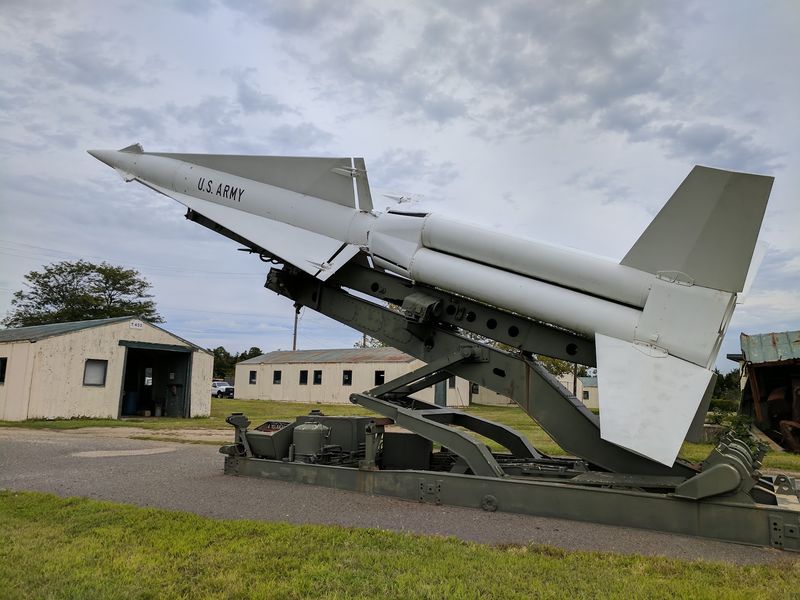
Military history fans get the clearest payoff here, but the site is not limited to specialists. The presence of the missiles and Cold War equipment gives beginners a starting point, even if they arrive knowing almost nothing about the Nike program.
The site has been described by people who have spent time there as informative, especially when guidance or interpretation is available through the project connected with NY-56. The official website listed for the place, ny56nike.weebly.com, is a useful resource for anyone who wants more background before or after stopping by.
One detail often associated with discussions of this site is the broader Nike network across the United States. NY-56 was part of that nationwide story, but its local job tied it directly to the New York Defense Area and the strategic concerns of the region.
That balance makes the place accessible. A person can spend a few minutes learning the basics or use the stop as a doorway into a much deeper topic.
Either way, the hardware keeps the lesson from floating away into textbook territory.
The Nuclear Age Shadow In The Background
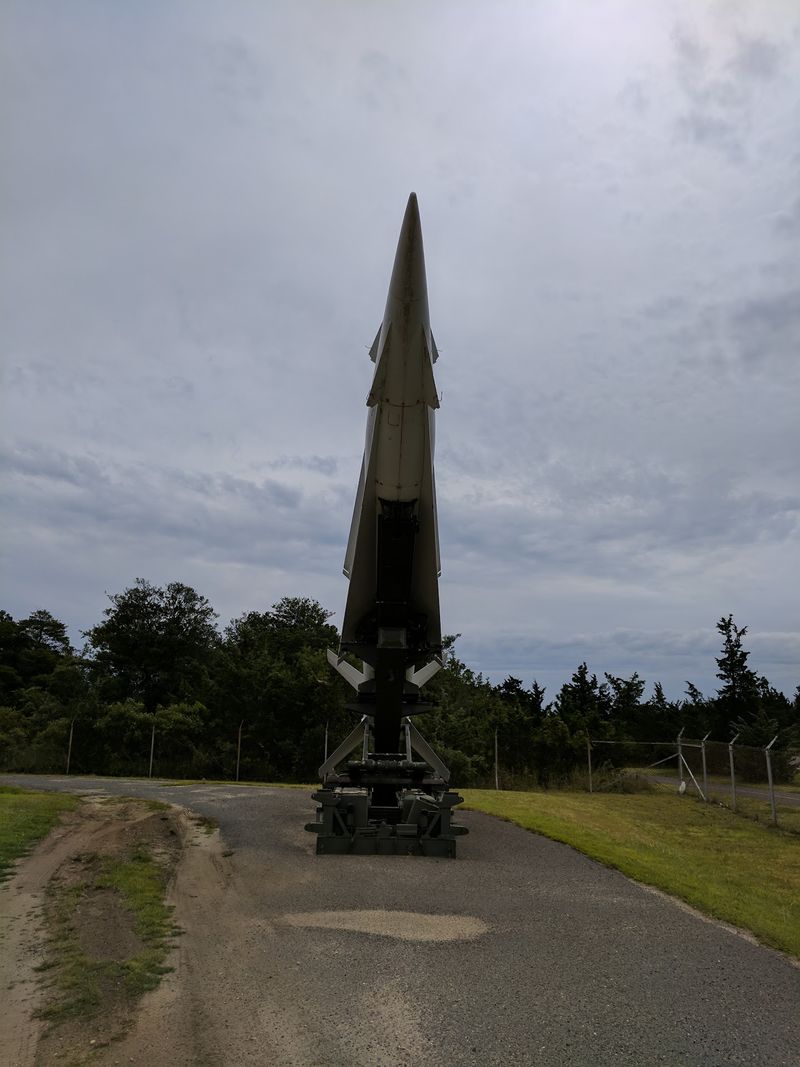
The site carries a serious subject, even though the stop itself is compact and approachable. Several people connect NY-56 with the larger reality of the nuclear age, which is one reason the place can feel more thought-provoking than its roadside footprint suggests.
Careful wording matters here because public comments about the site include different understandings of what the missiles represented. The visible equipment is tied to the Nike anti-aircraft missile system, and the broader Cold War context often leads people to think about nuclear-era defense planning.
That tension is part of what makes the place worth discussing. It shows how communities near major cities were connected to national strategy, not just by headlines but by actual sites placed into the landscape.
NY-56 does not need dramatic storytelling to hold attention. Its value comes from how ordinary the setting can seem next to the subject it represents.
A former launch area near a shore route says plenty about the era that produced it, and it does so without turning the visit into a heavy experience.
A Quirky Name That Starts Conversations
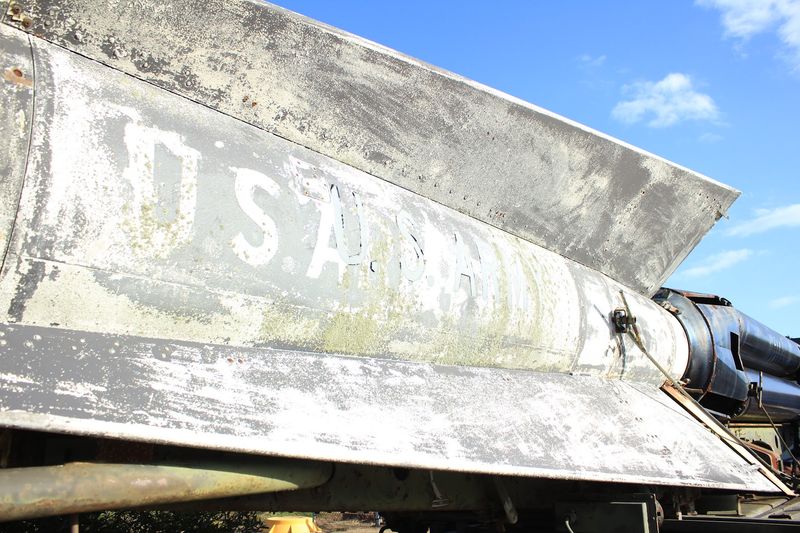
The word Nike can send modern brains in the wrong direction for half a second. More than one person has joked about expecting sports gear instead of missile history, and that little misunderstanding can actually help open the door to learning.
In this case, Nike refers to the U.S. missile program, not the athletic brand. The name came from a defense system that placed missiles around major American cities and strategic areas during the Cold War.
That small naming twist gives NY-56 a useful entry point for families, casual travelers, and anyone who likes history with a built-in conversation starter. A place that begins with a name mix-up can quickly turn into a discussion about why New Jersey had missile sites in the first place.
The humor should not overshadow the subject, but it does make the stop less intimidating. Cold War history can sound dense before it becomes personal, and this site has a way of moving people from a chuckle to a real question in under a minute.
Best Fit For History Buffs And Local Explorers
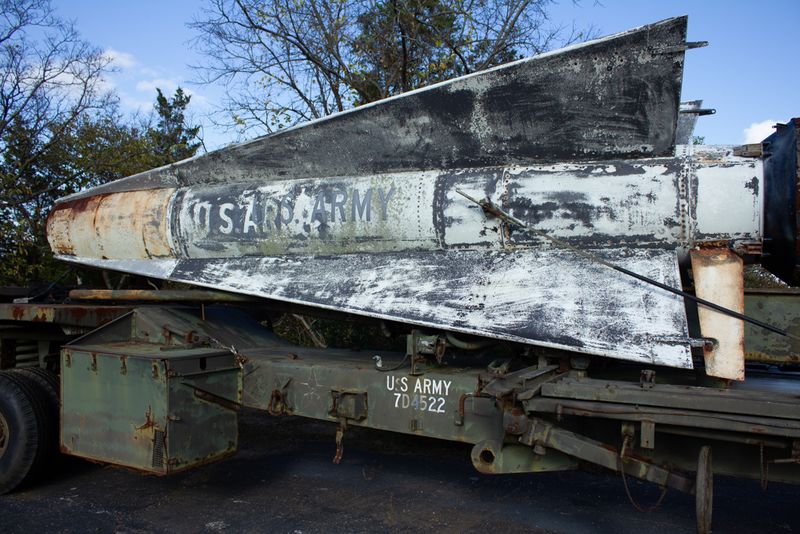
History-minded travelers are the obvious audience, but they are not the only ones who may appreciate the stop. Local explorers who enjoy odd corners of New Jersey can find plenty to like in a place that connects shore-area travel with national defense planning.
The site tends to suit people who enjoy short, self-directed stops. It is also a good fit for anyone already headed toward Sandy Hook, since the launch area can be folded into a broader outing without turning the day into a complicated itinerary.
Military fans often respond to the equipment itself, especially the chance to see missiles from close range. Casual travelers may focus more on the surprise factor, because a former launch area near a well-known New Jersey route is not exactly an everyday sight.
Anyone expecting a large indoor museum may want to adjust plans before arriving. NY-56 is better for curious people than for checklist travelers.
It rewards attention, patience, and a willingness to let one compact site carry a bigger story.
Hours That Make Planning Simple
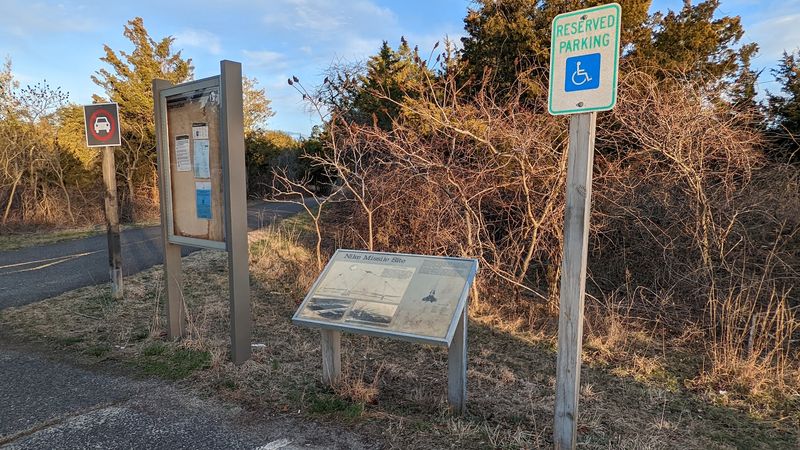
The schedule is refreshingly straightforward. Google Maps lists Nike Missile Site NY-56, Launch Area, as open daily from 5 AM to 8 PM, with the same hours on Saturday, Sunday, Monday, Tuesday, Wednesday, Thursday, and Friday.
No admission cost is provided in the supplied place data, so travelers should avoid assuming paid or free access beyond what they can verify before going. The official website, ny56nike.weebly.com, is the best listed online resource for deeper site background and any project-specific information.
Because the place works well as a short outdoor stop, the easiest plan is to connect it with time in Highlands or the Sandy Hook area. That approach keeps the visit flexible and prevents the site from carrying the full weight of a day trip.
Practical travelers should also remember that historic outdoor places can change in access or condition over time. A quick check before leaving is a small task, but it can save the day from becoming a New Jersey-style scavenger hunt with too many question marks.
Getting There Through A Familiar Shore Corridor
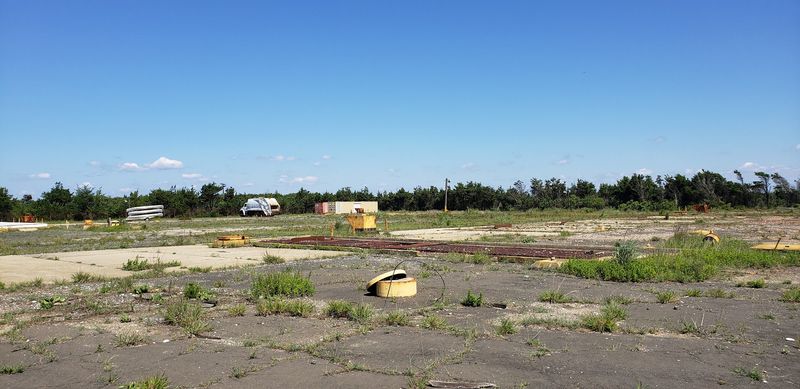
The address places the site on Old Dune Trail in Highlands, which makes it part of a familiar Monmouth County shore corridor. Travelers heading toward Sandy Hook can use the launch area as a quick history stop along the way rather than treating it as a remote destination.
Several people note that the missiles are visible near the main road leading to the Sandy Hook military base area. That visibility helps first-timers confirm they are in the right place and reinforces the idea that the site is woven into the road experience.
The location is especially useful for short-hop day-trippers from elsewhere in New Jersey. It offers a specific, unusual stop without requiring a complicated plan, and it adds a historical layer to a route many residents already recognize.
As with any small historic location, the smartest move is to keep expectations practical. Know the address, check current access details, and treat the site as one meaningful chapter in a Highlands or Sandy Hook outing.
The road does a lot of the storytelling here, provided travelers know what they are looking at.
A Quiet Verdict On An Overlooked New Jersey Relic
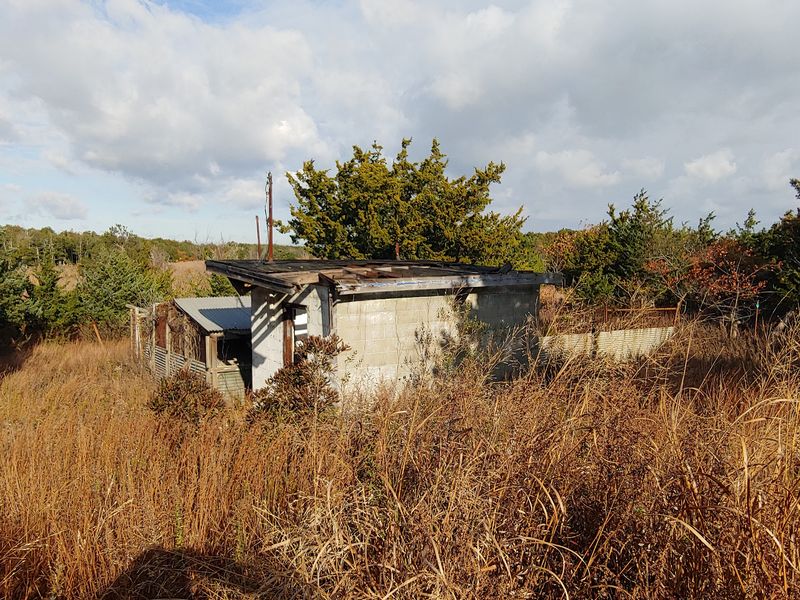
NY-56 is not trying to be grand, and that may be the most honest thing about it. The launch area gives New Jersey a small but powerful reminder of how the state’s coastline and communities fit into a national defense story centered partly on New York.
The site works best for travelers who value context over spectacle. A few missiles, a former launch area, and a strategic location near Sandy Hook are enough to explain why this place still earns attention from military history fans and curious locals.
It is also a useful antidote to lazy ideas about New Jersey being only highways, beaches, and commuter towns. Here, the state appears as a place of planning, pressure, and purpose, with an overlooked historic site sitting right beside a route people still use.
The soft verdict is simple: do not build an entire day around NY-56 unless Cold War history is the main goal, but do make room for it when Highlands or Sandy Hook is already on the map. Some places do not need to shout to prove they matter.
Share this story