New Jersey has a place where an animal encounter comes with a lesson most people never get in school. It is not a zoo, not a petting farm, and not a roadside stop built for quick photos.
In Jackson Township, a nonprofit education center gives wolfdogs a safer path after situations that ordinary shelters often cannot handle. Keep reading and the details get even better: guided tours, real rescue work, strict rules for a reason, and a chance to learn why these animals need people who understand them.
A Jackson Township rescue with a clear purpose
The address belongs right at the start because this is not a vague animal attraction floating somewhere in the pines. Howling Woods Farm is at 1371 W Veterans Hwy, Jackson Township, NJ 08527, in Ocean County, New Jersey, United States.
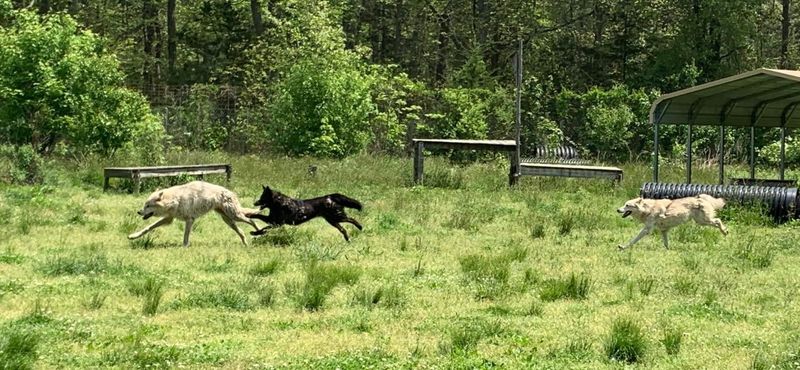
The place is listed as an education center, and that label matters. Its work centers on wolfdogs, which are wolf-dog hybrids that can be difficult for ordinary shelters, owners, and local systems to manage without specialized knowledge.
Howling Woods Farm is also described as a 501(c)(3) nonprofit, with its mission tied to rescue, care, and public education. Guests come for a guided experience, but the bigger point is learning why these animals are not the same as household pets, even when some are social and willing to interact.
That mix of access and caution gives the farm its identity. It is a place where curiosity is welcome, but the animals set the pace, and the humans are expected to follow the rules.
For New Jersey residents who like finding unusual local places with substance, this one checks a rare box. It is actually visitable, locally rooted, and built around a rescue story that gives the trip a reason beyond a weekend photo stop.
The wolfdogs most shelters cannot simply place
Some animals arrive with needs that do not fit neatly into a standard shelter checklist. Wolfdogs can fall into that category because their behavior, care needs, legal concerns, and public misunderstandings can make placement far more complicated.
Howling Woods Farm focuses on wolfdogs that have been surrendered, overbred, or found in situations where they needed a more suitable home. That mission gives the farm a role that is different from a traditional adoption center or a casual animal exhibit.
The guides often explain the difference between wolves, dogs, and wolfdogs in practical terms. That education helps guests understand why owning one is not a simple status choice or a shortcut to having a wild-looking pet at home.
There is a responsible tone running through the experience. Interaction may happen, but it is framed by safety, respect, and the individual animal’s comfort, not by a promise that every guest will get the same moment.
That is where the rescue becomes especially useful as a New Jersey day trip. It gives people access to an animal many have only heard about, while also making the case that admiration and ownership are two very different things.
Guided tours that turn curiosity into context
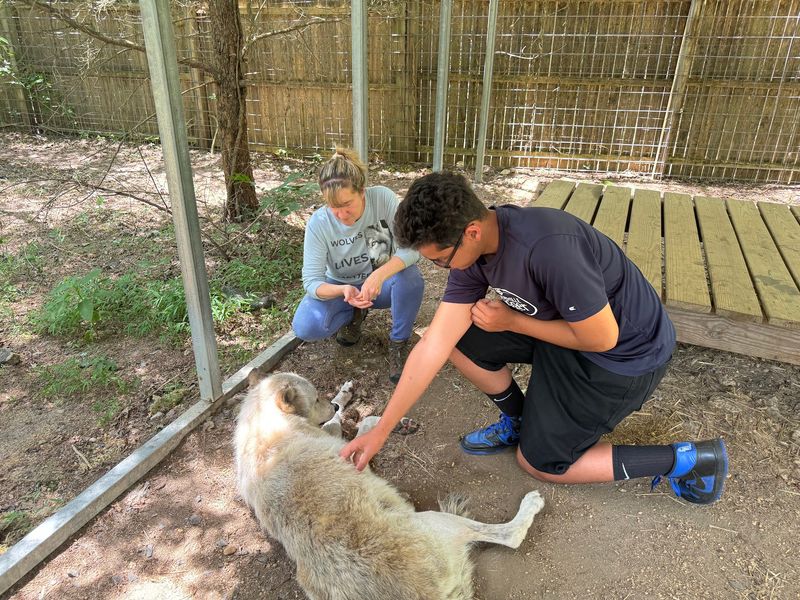
A good guide can turn a simple animal visit into a much smarter hour. At Howling Woods Farm, guests consistently point to the guides and volunteers as a major reason the experience feels organized and meaningful.
Tours are not treated as a rushed lap past enclosures. Guides explain the animals, answer questions, and share context about wolfdogs, rescue needs, and appropriate behavior around them.
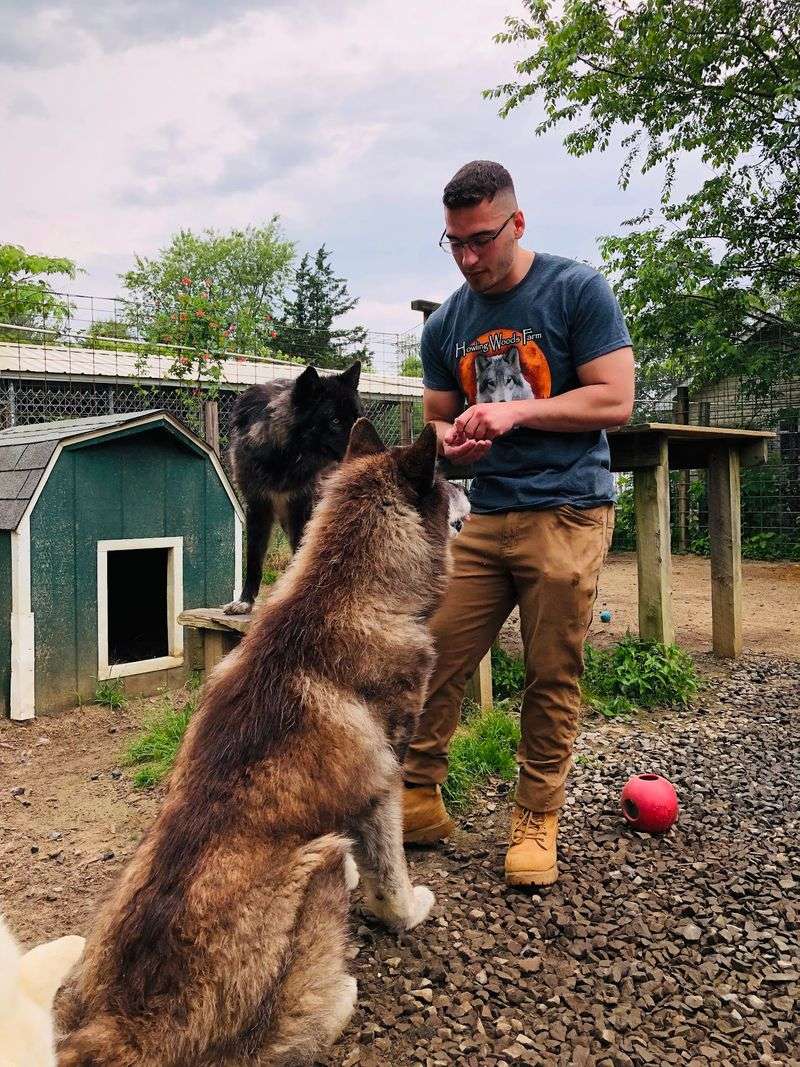
Several guests mention that the tours include personal stories about individual animals, which helps the information stay grounded. Names such as Aristous, Buddy, Holly, and Oberon appear in guest accounts, showing how much personality people associate with the animals they meet.
The tone is educational without becoming stiff. Families, couples, and repeat guests all describe learning quite a bit, especially about how to interact safely and how to read boundaries during the visit.
That structure is what separates the farm from a quick roadside curiosity. The guided format gives the animals protection, gives guests a better understanding, and gives the whole visit a purpose beyond standing near a fence with a camera.
Close encounters with rules that matter
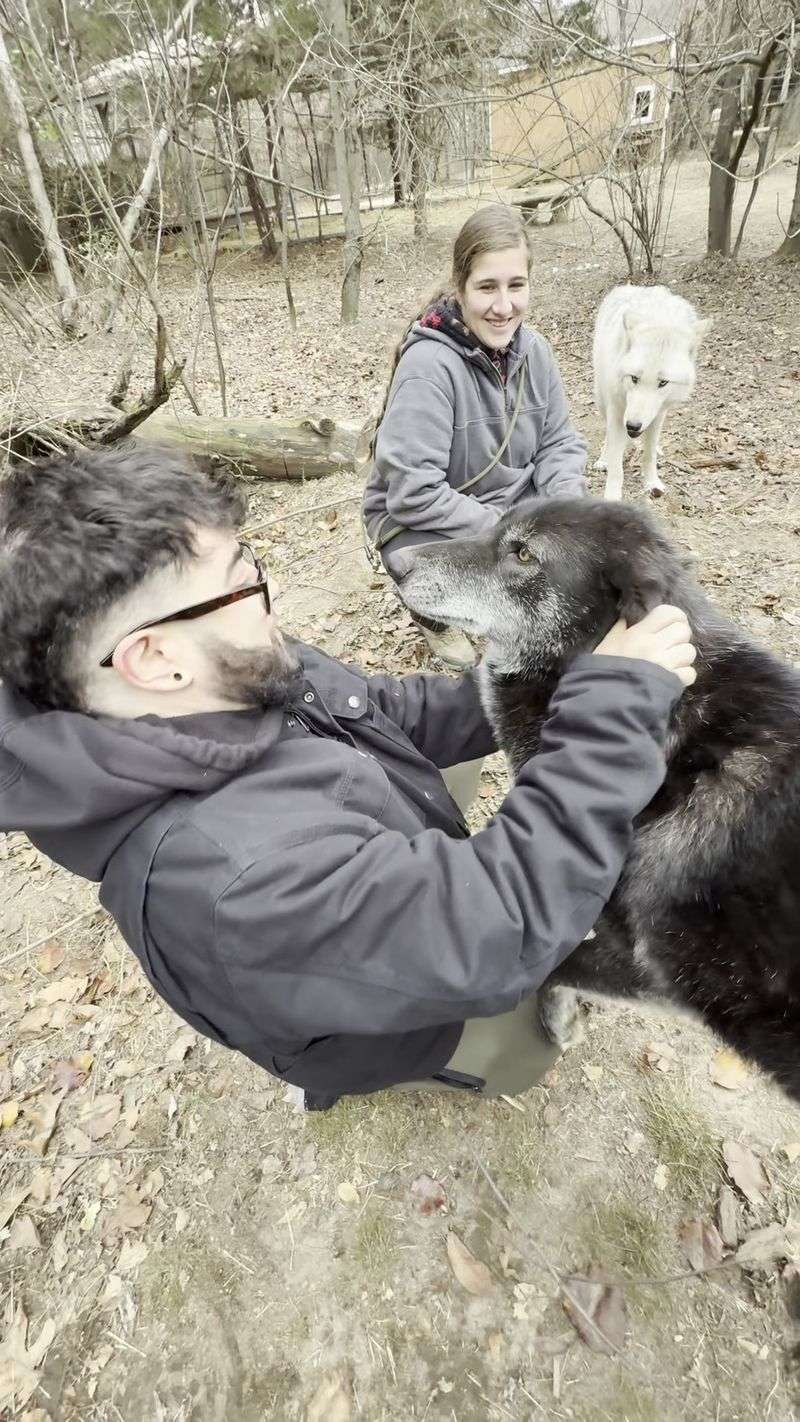
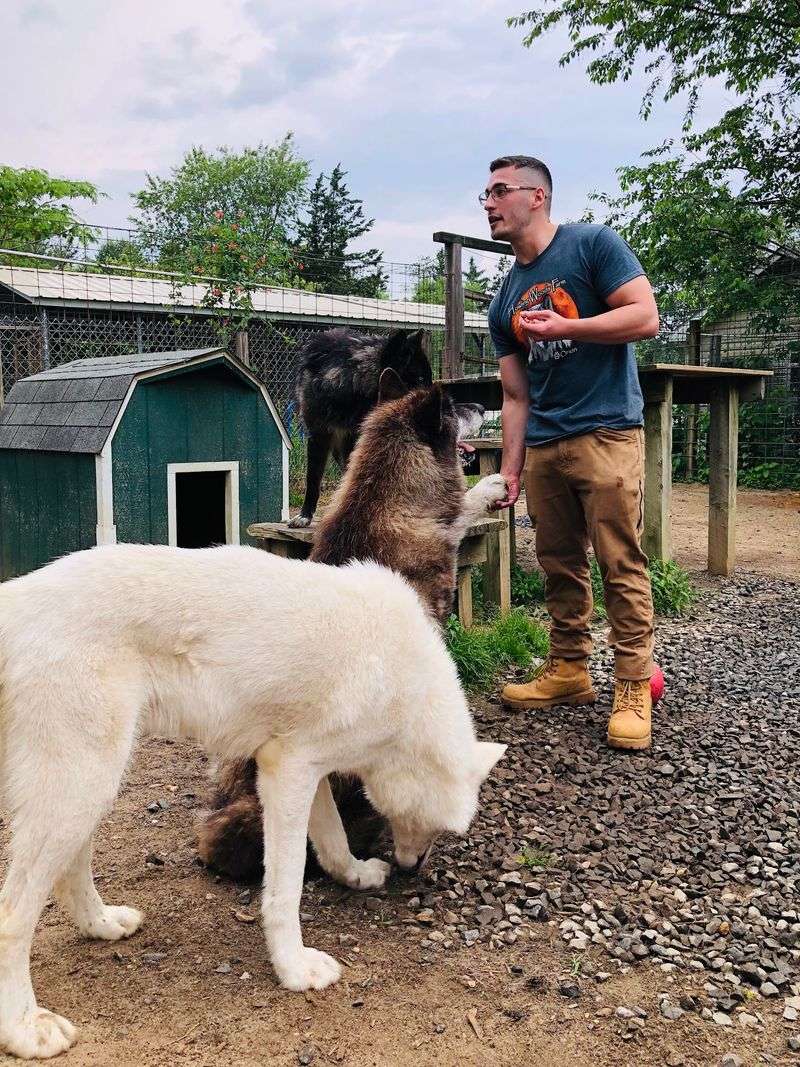
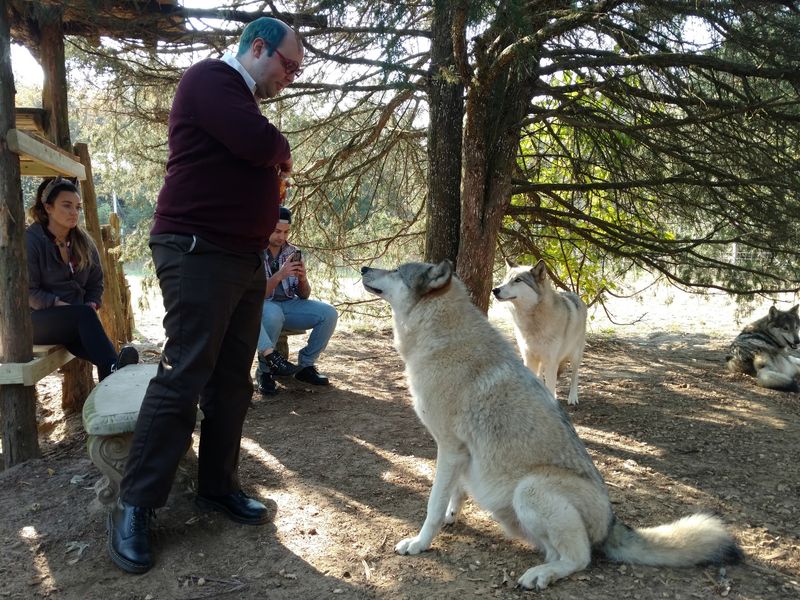
The headline detail is the one that makes people lean forward: guests may be able to interact with some wolfdogs. That can include petting or taking pictures when the animals choose to come close and when guides allow it.
Howling Woods Farm is careful about that access. The experience is not a free-for-all, and several practical rules are in place because the animals are powerful, individual, and deserving of controlled routines.
Guests have mentioned strict attire requirements, so planning ahead is part of the visit. The rules are not decorative, and they are not there to make the day difficult; they support safety for people and animals.
Guides also explain how to engage with the wolfdogs during the tour. That may include where to stand, how to behave, and when to let an animal decide whether contact happens.
This is the part that makes the farm feel unusual without feeling careless. The possibility of contact adds excitement, but the boundaries remind everyone that rescue work is not entertainment on demand.
For families and animal lovers, that lesson may be the most valuable souvenir. Respect gets treated as part of the experience, not a footnote at the end.
Volunteers who know every animal as an individual
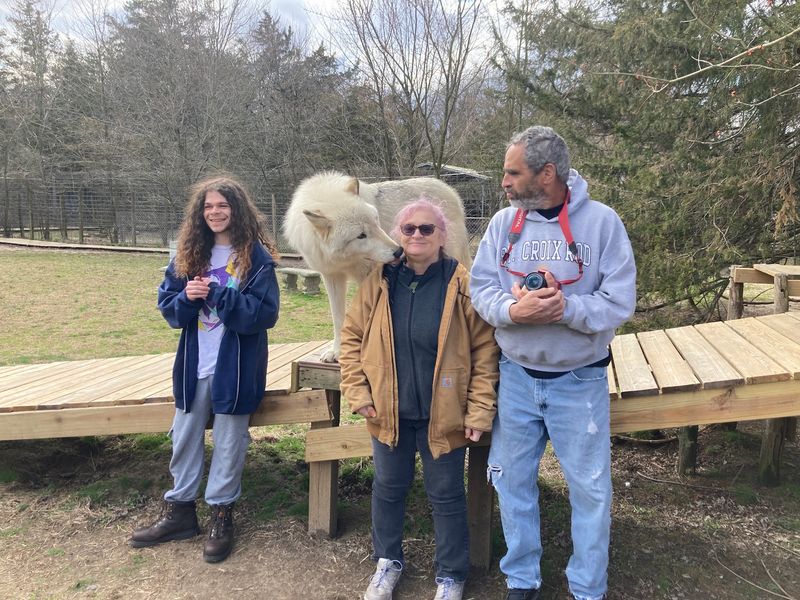
Plenty of animal places have staff, but Howling Woods Farm is repeatedly associated with volunteers who know the animals closely. That detail changes the feel of the tour because the information comes from people involved in daily care.
Guests often mention that the volunteers are knowledgeable, patient, and clearly invested in the animals. The guides do more than recite facts; they explain personalities, routines, and the reasons certain boundaries exist.
That personal knowledge matters with wolfdogs. Each animal can respond differently, and the tour works best when the humans leading it understand who is social, who needs space, and how each enclosure should be handled.
The nonprofit setup also gives the volunteer work extra weight. Admission donations and gift shop purchases are described as supporting the animals, which makes the visit feel connected to ongoing care rather than a one-time transaction.
There is a community quality to the place, but not in a polished theme-park way. It feels more like a local rescue where the people involved have chosen a demanding mission and then invited the public to learn from it.
That human side is a big part of why the farm stands out in New Jersey. The wolfdogs draw people in, but the volunteers help them leave with a clearer understanding.
A family-friendly outing with a serious lesson
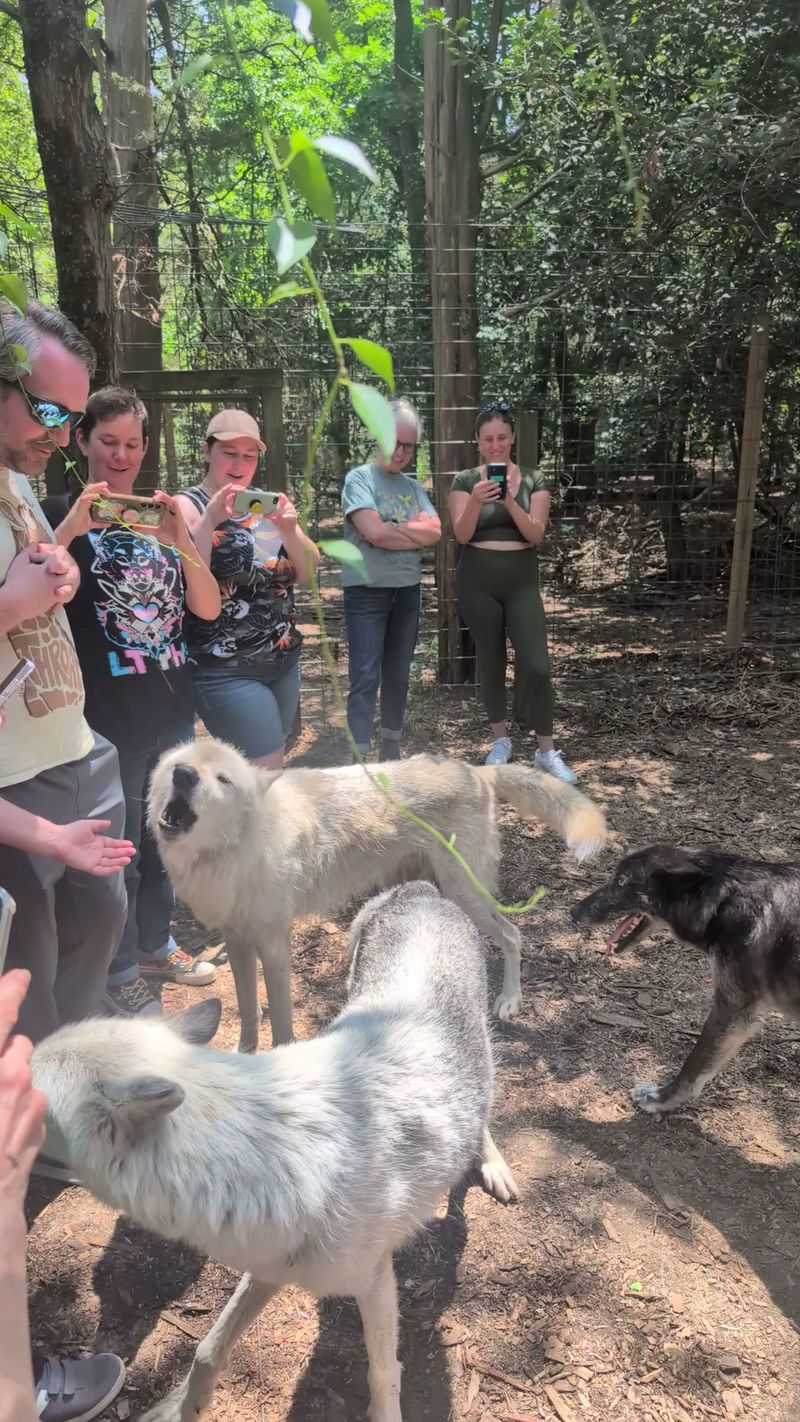
Kids who love animals can get a lot out of this place, but adults are not just tagging along as chauffeurs. Howling Woods Farm seems to land well with mixed-age groups because the tour combines animal access with clear explanations.
One group described a visit with three children and three adults, with time spent in several different enclosures. That points to the farm’s appeal as a shared outing rather than an experience aimed at only one age group.
The educational angle keeps the visit from becoming a simple meet-and-greet. Guests learn why wolfdogs need special handling, how the farm approaches interactions, and why rescue organizations like this one exist.
That makes it especially useful for families who want an animal experience with some substance. Children can be excited by seeing wolfdogs up close, while adults can appreciate the responsible structure behind the tour.
The farm is still best suited to guests who can follow instructions. Since attire rules, guide directions, and animal boundaries are part of the visit, families should be ready to treat the tour as a guided educational appointment.
For New Jersey parents searching for something different from the usual weekend rotation, this is a strong candidate. It has enough novelty to feel special and enough purpose to make the trip feel worthwhile.
Booking details, donation cost, and arrival tips
Planning matters here, and the first rule is simple: appointments are required. Guests need to call in advance to book a tour, and walk-up expectations are not the right strategy for this kind of place.
The tour cost is described as a minimum payment or donation of $30 per person, with one guest noting an hour-long tour at that amount. Credit cards are accepted, according to a recent guest account.
Hours are not included in the available data, so the safest move is to confirm directly through the official website or by calling before making the drive. Since appointments are required, the schedule should be handled as part of the booking process.
Arrival has a few local-road quirks. Guests mention that the parking area is off-road, that very low cars may have trouble, and that the turn is not strongly marked.
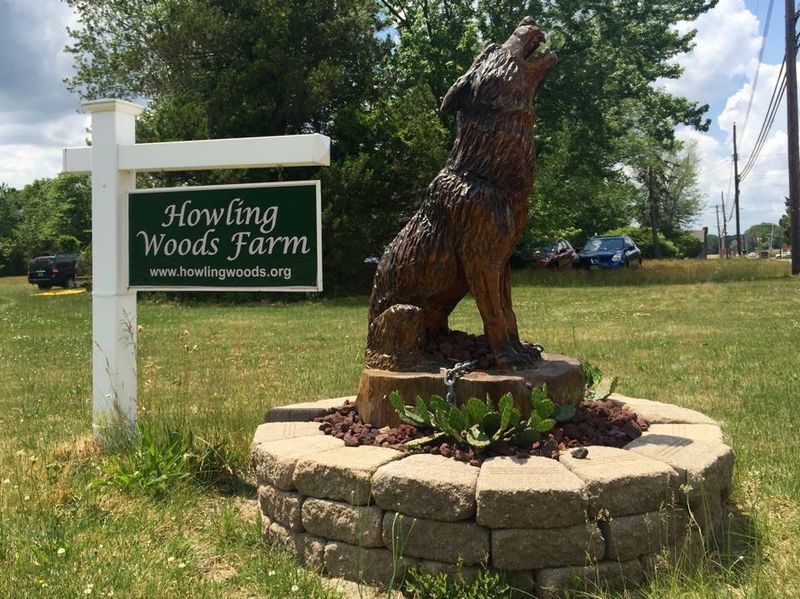
A wolf statue near the entrance has been mentioned as a useful visual cue. That is a small detail, but it can save a little uncertainty when a rural driveway starts playing hard to get.
In practical terms, Howling Woods Farm works best as a planned stop rather than a spontaneous detour. Book ahead, follow the attire rules, give yourself extra arrival time, and let the guides take it from there.
A soft verdict for New Jersey animal lovers
By the end of the visit, the farm’s best argument is not just that wolfdogs are fascinating. It is that New Jersey has a place willing to do the complicated work behind the fascination.
Howling Woods Farm gives guests access to animals that most people rarely meet in a structured, guided setting. The experience is built around education, rescue, and respectful interaction rather than casual novelty.
Animal lovers will likely find the strongest pull here, especially those interested in wolves, dogs, rescue work, or unusual nonprofit destinations. It also suits New Jersey day-trippers who prefer a stop with a real mission over something built only for a quick outing.
The farm may not be for people who dislike rules, appointments, or guided formats. Those boundaries are part of what makes the visit possible, and they help protect the animals that the organization serves.
As a local find, it feels both surprising and very New Jersey in the best way: practical, passionate, and not interested in pretending the work is simple. The wolfdogs may bring people to the gate, but the education is what gives the trip staying power.
For anyone willing to plan ahead and follow directions, Howling Woods Farm offers a rare look at rescue work most shelters cannot take on. That makes it more than a stop in Jackson Township; it is a reminder that some of the state’s most memorable places come with a purpose.
Share this story