Mastodon bones, an ancient spear point, limestone bluffs, creekside trails, and 431 acres of Missouri countryside come together at a historic site with a remarkable story buried beneath its soil. Located roughly 30 minutes south of St. Louis, this seemingly peaceful property became internationally significant after archaeologists uncovered evidence connecting early humans with American mastodons more than 10,000 years ago.
The breakthrough came in 1979, when scientists discovered a Clovis spear point directly among mastodon bones in the Kimmswick Bone Bed. The find provided the first confirmed evidence in eastern North America that Clovis people and these enormous Ice Age animals occupied the same landscape. Today, visitors can explore the original excavation area, see a full-size mastodon replica, examine fossils from other extinct creatures, and hike three trails across the surrounding property.
Here’s why Mastodon State Historic Site is one of Missouri’s most fascinating places to explore – and why a discovery made here changed our understanding of prehistoric North America.
Where History Literally Rises from the Ground
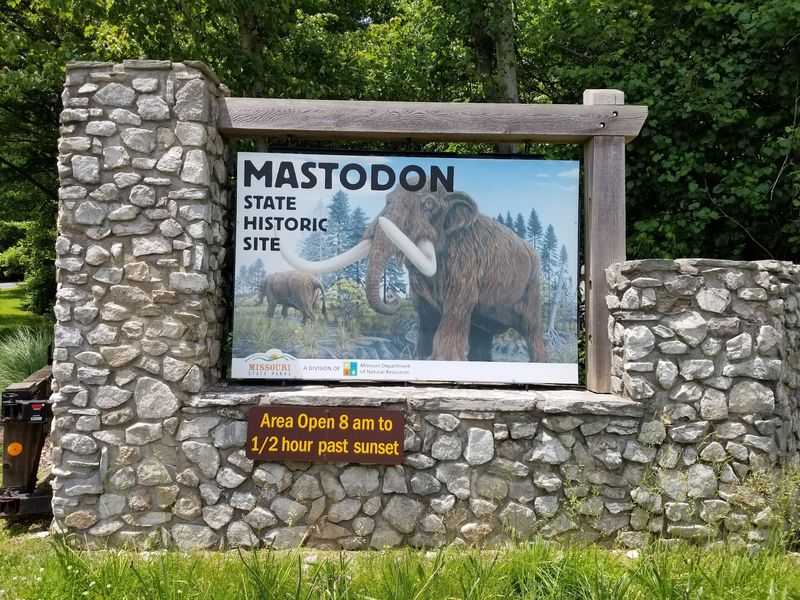
Most historic sites ask you to use your imagination. This one hands you the evidence. Mastodon State Historic Site sits at 1050 Charles J. Becker Drive, Imperial, Missouri 63052, roughly 30 minutes south of downtown St. Louis via I-55 South at Exit 186.
The 431-acre property is managed by Missouri State Parks and protects one of the most scientifically important prehistoric locations in eastern North America. The grounds are open daily, year-round, from 8 a.m. to one-half hour after sunset, so there is plenty of flexibility for planning your visit.
Admission to the outdoor grounds is completely free, which makes it an easy choice for families, hikers, and history lovers on any budget. The museum carries a modest $4 fee for adults, while children under 15 get in free. Before heading out, check the seasonal museum hours online, since schedules shift between winter and warmer months and the site closes on select state holidays.
Inside the Museum: Ice Age Creatures Up Close
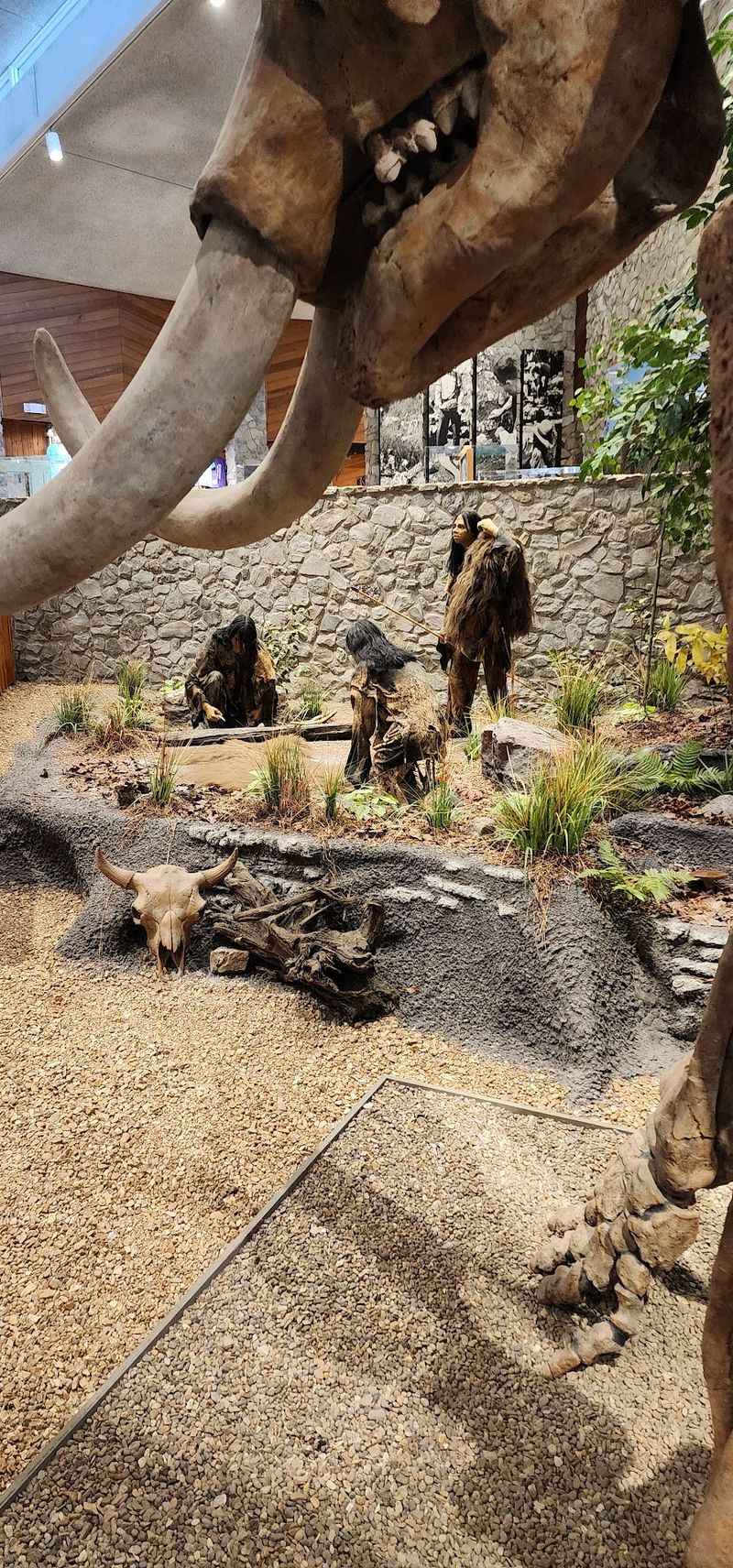
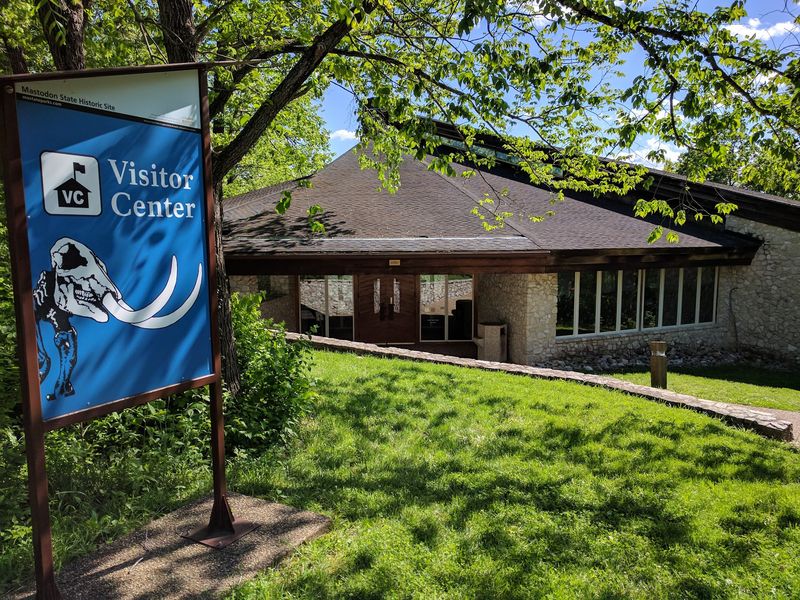
The museum at Mastodon State Historic Site is compact but genuinely impressive. A full-size replica of an American mastodon skeleton greets visitors and immediately sets the tone for everything that follows. Seeing the sheer scale of the creature in three dimensions is a very different experience from reading about it in a textbook.
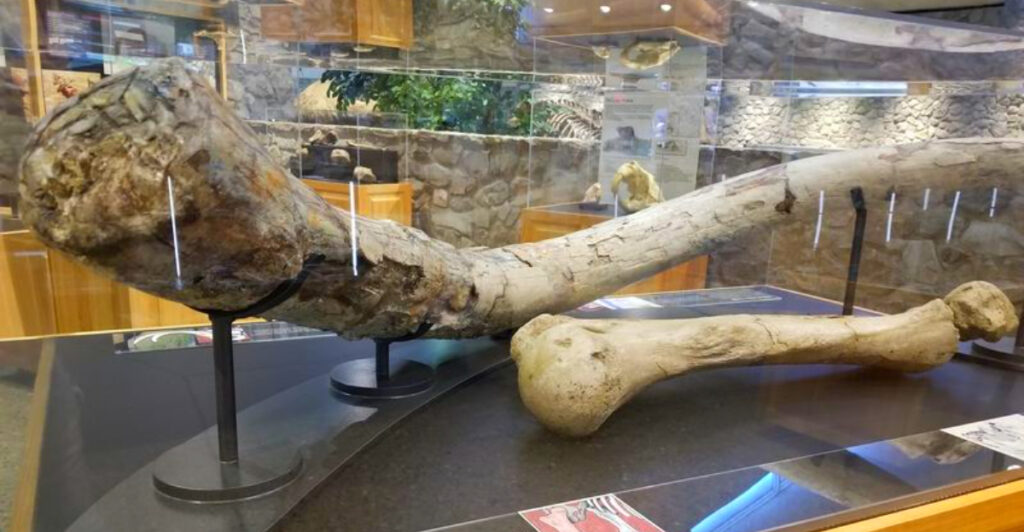
The exhibits walk visitors through the natural and cultural history of Missouri’s Ice Age, covering the animals that roamed the region and the Native American hunters who pursued them. Fossil displays include remains of giant ground sloths, peccaries, and other extinct Pleistocene creatures that once called this area home.
A 15-minute interpretive video provides solid context before you explore the rest of the exhibits, and interactive displays give younger visitors a hands-on way to engage with the material. Museum hours during the main season, March 16 through November 15, run Wednesday through Saturday from 9 a.m. to 4:30 p.m. and Sunday from noon to 4:30 p.m. The museum stays closed on Mondays and Tuesdays throughout that period.
The Bone Bed That Rewrote Prehistoric History
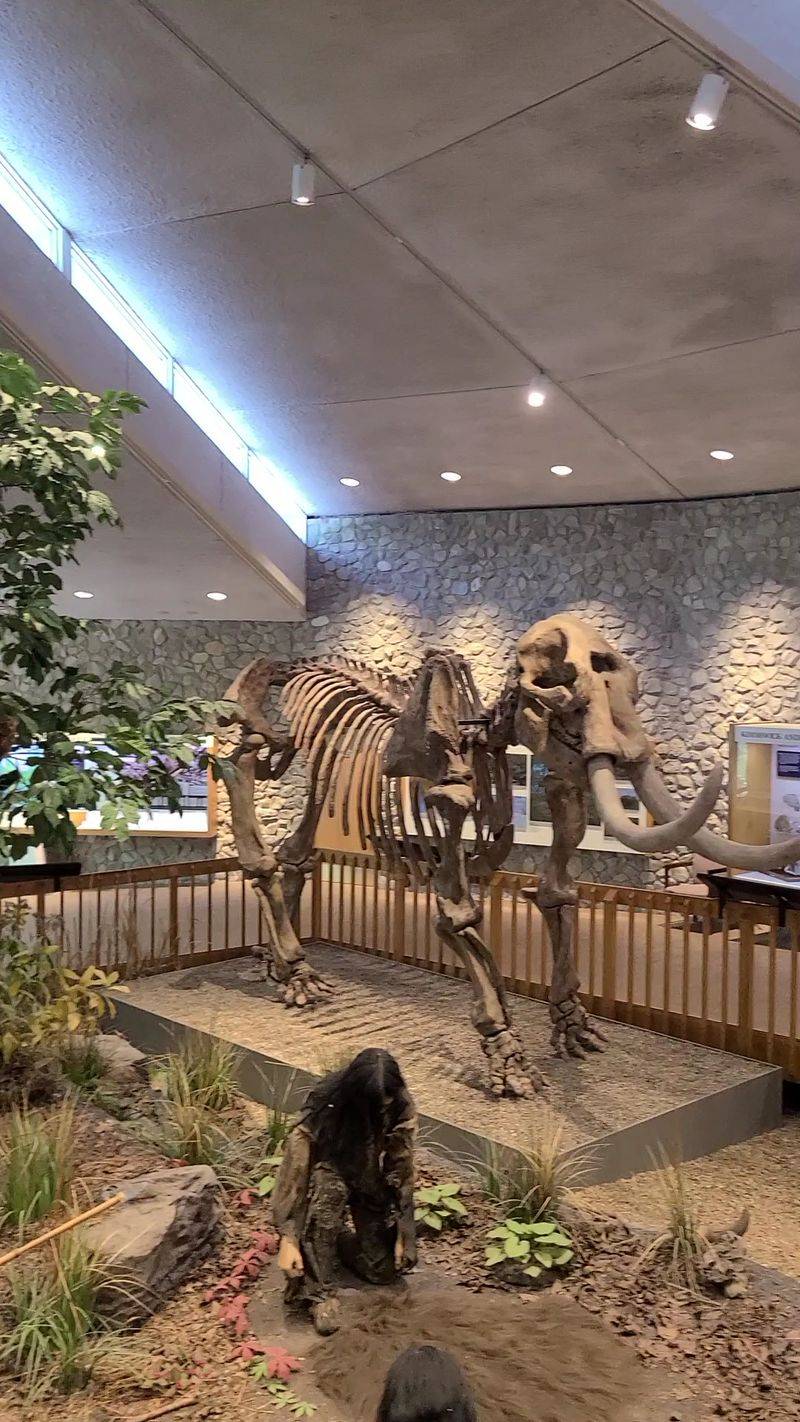
Back in 1979, a team of scientists made a discovery so significant that it reshaped what researchers thought they knew about early humans in North America. They uncovered a stone Clovis spear point resting directly among mastodon bones in a layer of earth called the Kimmswick Bone Bed.
That single find confirmed, for the first time in eastern North America, that Clovis-culture people and American mastodons actually shared the same landscape more than 10,000 years ago during the late Pleistocene epoch. Before that discovery, the connection between humans and mastodons in this region was largely theoretical.
The Kimmswick Bone Bed was officially added to the National Register of Historic Places on April 14, 1987. The bone bed itself covers less than five acres at the surface, yet the archaeological evidence found within its upper three feet of deposits has had an outsized impact on the scientific world. That is a lot of history packed into a small patch of Missouri soil.
A 19th-Century Showman and the Missouri Leviathan
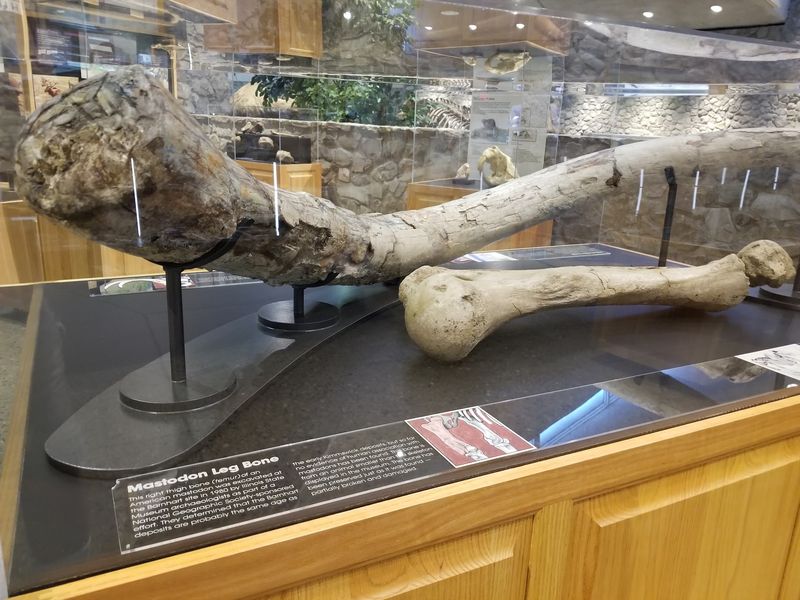
Long before modern science sorted things out, a St. Louis museum owner named Albert C. Koch arrived at this site in 1839 with shovels, ambition, and a flair for drama. He excavated bones from the area and announced to the world that he had found an entirely new creature, which he dramatically named the Missouri Leviathan.
Koch assembled the bones into a towering skeleton and took it on tour, drawing crowds who had never seen anything like it. The spectacle was impressive, but the science was shaky. British anatomist Richard Owen later examined the remains and correctly identified them as belonging to an American mastodon, not some exotic new beast.
The bones had first been reported in the early 1800s, and the site attracted renewed nationwide attention around the time of the 1904 World’s Fair. Early excavations were not always carefully documented, which created lingering questions about human presence at the site that would not be answered for another century. Koch’s theatrical instincts, it turns out, were better than his taxonomy.
Three Trails, Three Very Different Adventures
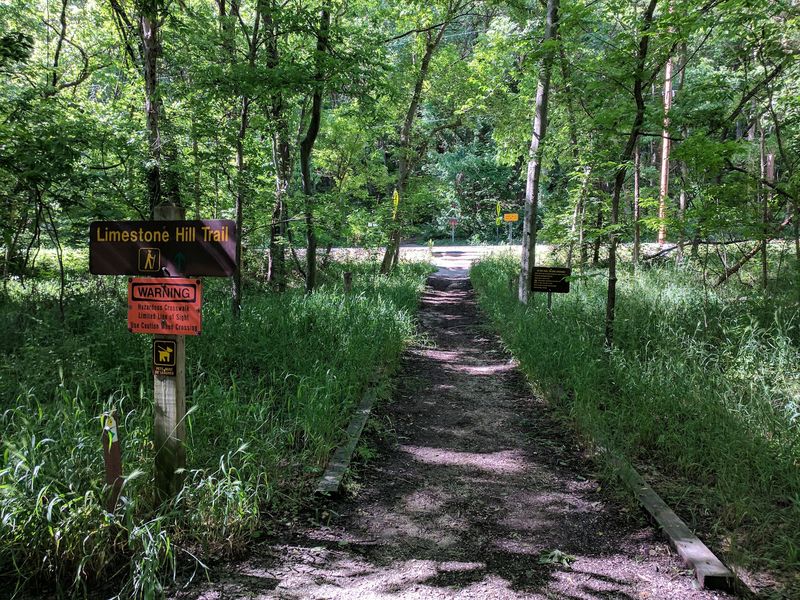
Three trails cover the 431-acre property, and each one offers a noticeably different experience. The Wildflower Trail is an 0.8-mile loop with a dirt and gravel surface that leads directly to the original Kimmswick Bone Bed excavation site. Most visitors can complete it in about 45 minutes, especially if they stop to take in the surroundings along the way.
The Spring Branch Trail is a paved, ADA-accessible path that stretches three-quarters of a mile and follows Rock Creek at an easy, relaxed pace. Families with strollers or visitors with mobility considerations will find this one particularly welcoming. The overhanging trees keep much of the route shaded on warmer days.
The Limestone Hill Trail is the most demanding of the three, covering 2 miles with roughly 300 feet of elevation gain, rocky outcrops, and loose gravel underfoot. The views from the limestone bluffs are worth the effort, but sturdy footwear is not optional on this one. Each trail tells a slightly different story about the land, which makes hiking all three a rewarding goal for repeat visitors.
Rock Creek: Where Kids Become Junior Explorers
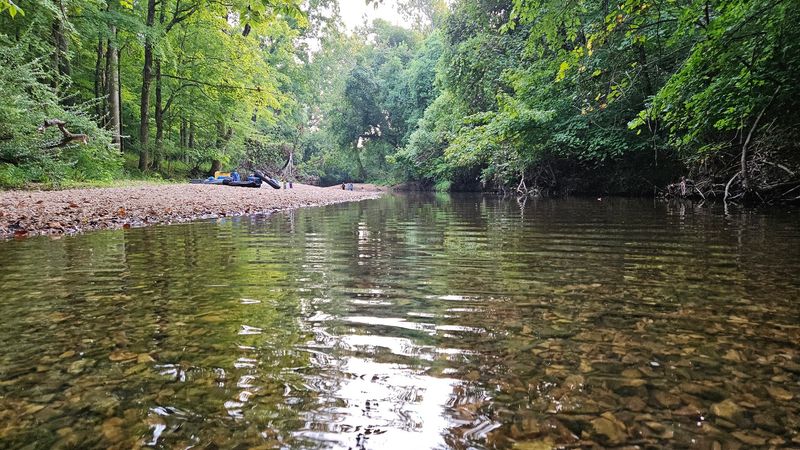
Rock Creek runs through the property and has quietly become one of the most popular attractions on the entire site. The water is shallow, rarely exceeding three feet, and the current moves gently enough that young children can wade and splash without concern. On warm weekends, families spread out along the banks and settle in for hours.
The creek bed is full of smooth pebbles and interesting rocks, and kids regularly turn the shallow water into an impromptu geology lesson. Crawdads appear in the quieter sections away from the most-trafficked spots, and small fish dart through the clearer stretches near the overhanging trees.
The surrounding trail area stays relatively shaded thanks to the tree canopy above, which makes the creek a practical retreat on hot Missouri summer days. The Spring Branch Trail runs nearby, so the transition from water play to a short nature walk is seamless. Bringing a change of clothes for younger visitors is one of those tips that sounds optional until it is absolutely necessary.
Wildflowers, Birds, and the Quieter Side of the Site
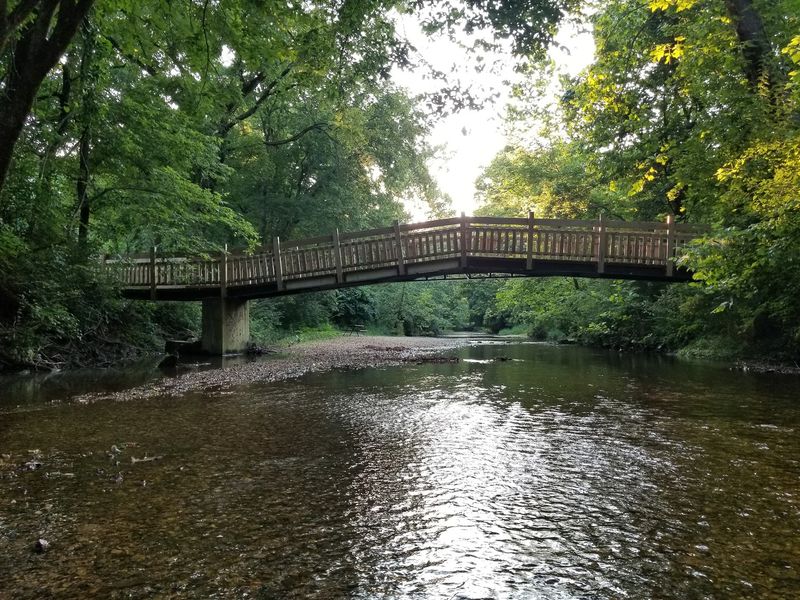
Beyond the fossils and the bone bed, the site has a genuinely peaceful natural character that rewards visitors who slow down and look around. A dedicated wildflower garden draws a steady stream of butterflies and birds throughout the warmer months, giving the property an almost meditative quality when the trails are not crowded.
Spring and fall are the most visually rewarding seasons to visit. Spring brings blooming wildflowers and mild temperatures that make the trails comfortable without requiring much preparation. Fall transforms the canopy into the kind of color that makes stopping to take photographs feel mandatory rather than optional.
The site sits close to a major interstate, but several spots along the trails feel genuinely removed from road noise, particularly in the wooded sections near the creek. That contrast between suburban proximity and natural quiet is one of the more unexpected pleasures of the property. Birders will find the combination of woodland, creek corridor, and open garden areas productive across multiple seasons, making the wildflower trail worth walking even when the museum is closed.
Family Programs That Make Prehistory Personal
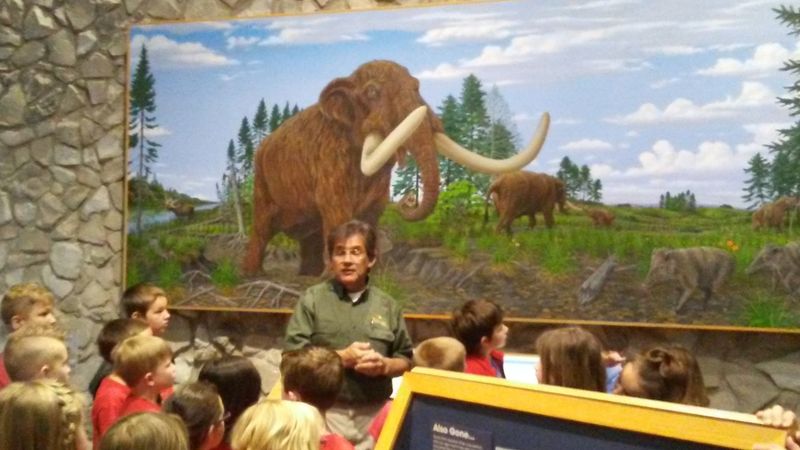
The site runs a free weekly toddler program that has become a genuine local favorite among families with young children. The session typically includes a story, a hands-on craft activity, and time to explore the museum in a relaxed, kid-friendly setting. It costs nothing to attend, which makes it an easy recurring outing for parents in the St. Louis metro area.
Scavenger hunts are another popular option for families visiting the museum. Kids work through a series of clues tied to the exhibits, which turns a passive visit into an active investigation. The format works surprisingly well across a wide age range, from early elementary through middle school.
Museum staff are consistently described as knowledgeable and approachable, which makes a real difference when curious kids start asking questions that go beyond the exhibit labels. The gift shop carries geology books and other educational items at reasonable prices, so leaving with something to extend the learning at home is genuinely easy to do. The staff’s enthusiasm for the subject is contagious in the best possible way.
Picnics, Playgrounds, and Practical Visitor Tips
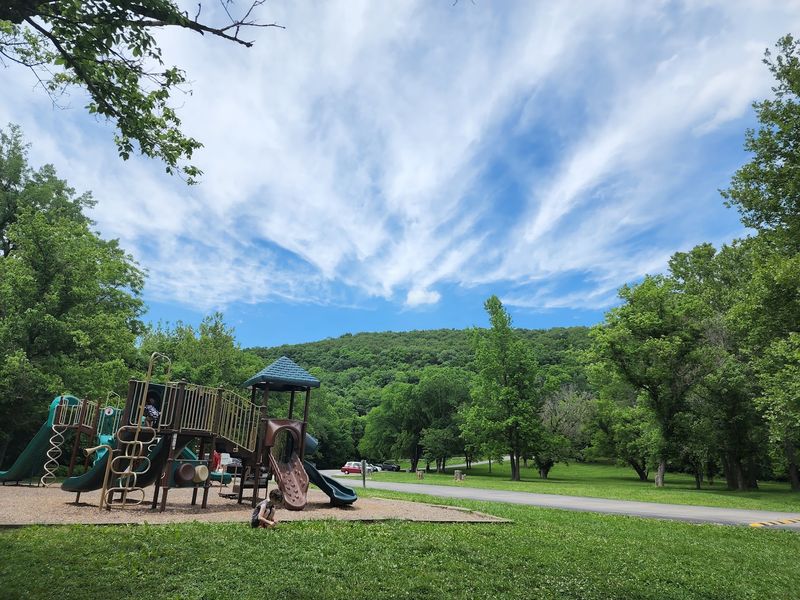
The grounds include a picnic shelter, individual picnic tables, and a playground, making the site a complete half-day or full-day outing without needing to leave the property for a meal break. The pavilion provides shade and a comfortable place to eat, and the tables near the playground keep younger kids within easy view during lunch.
Dogs are welcome on the outdoor grounds as long as they stay on a leash no longer than six feet, and owners are expected to clean up after their pets. The trails are generally manageable for leashed dogs, though the Limestone Hill Trail requires sure-footed pets given the rocky terrain and elevation changes.
A few practical tips make the visit smoother: wear sturdy shoes on any trail beyond the paved Spring Branch route, carry water especially in summer, and apply insect repellent before heading into the wooded sections. The site closes promptly at one-half hour after sunset, so timing your arrival with enough daylight to enjoy the trails and the museum is worth planning ahead. Arriving mid-morning on a weekday tends to be the quietest window.
Why This Small Missouri Site Carries Such Big Scientific Weight
The Kimmswick Bone Bed covers less than five acres at the surface, which makes it easy to underestimate. But the evidence found within its upper three feet of deposits fundamentally changed the scientific understanding of when and where early humans lived alongside Ice Age megafauna in North America. That is a remarkable amount of impact for a site that fits inside a small neighborhood park.
Community members, local leaders, and conservation advocates worked together to have the land acquired by the state in 1976, a coordinated effort that came during the construction of Interstate 55 and saved the site from potential destruction. That preservation effort turned out to be one of the more consequential acts of local civic action in Missouri history.
The site holds a 4.7-star rating across more than 2,200 visitor reviews, which reflects something genuine: people leave feeling like they actually learned something. A place that connects a casual afternoon walk to a discovery that reshaped North American archaeology is rare by any standard. The story that started here more than 10,000 years ago is still drawing people in, and that is a pretty good sign that it is worth telling.
Share this story