Wong Kar-wai has a gift for turning ordinary city corners into something unforgettable. His films are set in real places across Asia, and many of those locations, along with others that share the same visual DNA, still exist today. Narrow alleys, neon-lit storefronts, old buildings squeezed next to modern towers, and streets that come alive after dark are all part of what makes his cinematic world so compelling. The good news is that you do not need a film crew or a famous director to experience these places.
From the vertical city packed inside a single Hong Kong building to a retro Osaka neighborhood frozen somewhere between the 1950s and now, these 13 destinations offer the kind of layered, photogenic urban character that makes you stop, look around, and wonder if someone is filming you. Spoiler: they might be. Keep reading to find out which spot you should visit first.
1. Chungking Mansions, Hong Kong, Hong Kong
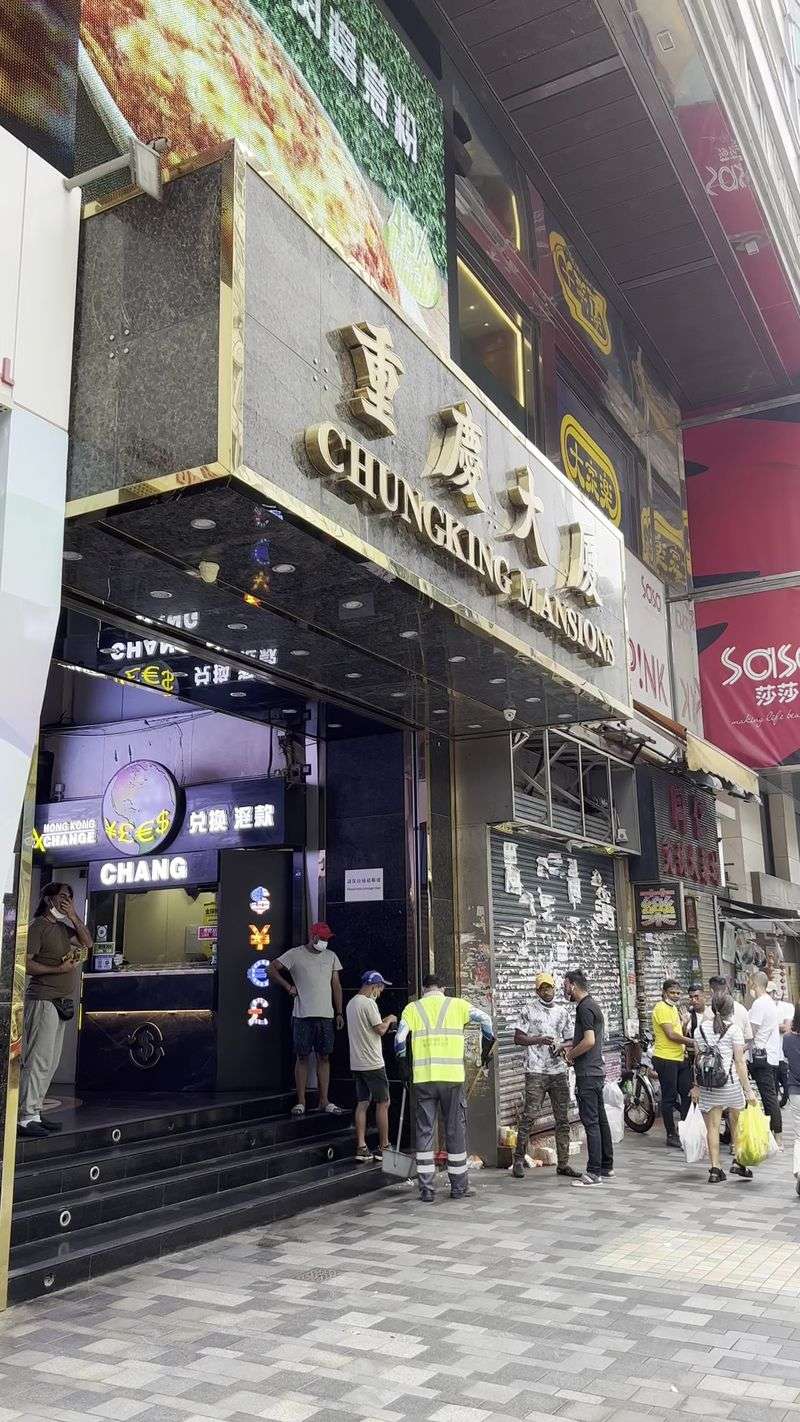
No single address in Hong Kong packs more of the world into one building than this 17-story block on Nathan Road. Chungking Mansions houses around 1,980 guestrooms spread across more than 110 individually owned accommodations, making it the city’s largest concentration of budget guesthouses by a significant margin.
The ground and first floors run a dense mix of retail shops, money changers, and restaurants, many of them serving Indian and Nepalese food. Upper floors are reached by notoriously slow elevators or narrow staircases, and each corridor leads to a different cluster of businesses and lodgings.
Roughly 120 nationalities pass through the building in a single year, and it functions as a major low-cost trading hub, particularly for mobile phones heading to African and South Asian markets. Wong Kar-wai used the building prominently in Chungking Express, which means visiting here doubles as a film location tour without any extra effort.
2. Central-Mid-Levels Escalators, Hong Kong, Hong Kong
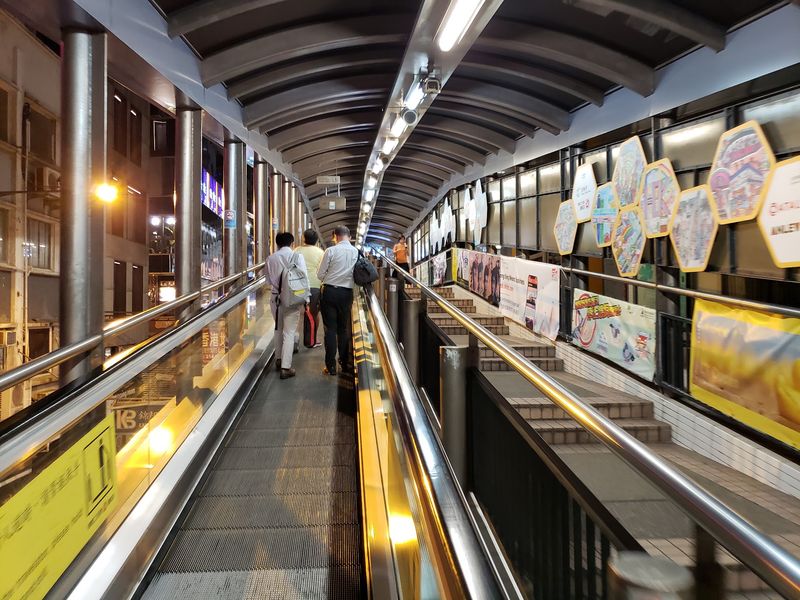
At over 800 meters long and climbing more than 135 meters in elevation, this is the world’s second-longest outdoor covered escalator system, and it happens to double as one of Hong Kong’s most entertaining ways to watch the city go by. Opened in 1993, it was built to connect the Central business district with the residential Mid-Levels neighborhood above.
The system runs downhill from 6 AM to 10 AM for morning commuters, then switches direction and runs uphill from 10:20 AM until midnight. A full one-way trip takes between 20 and 25 minutes, though most people walk on the moving sections to speed things up.
Along the route, 18 escalators and three inclined walkways pass cafes, restaurants, apartment windows, and street-level shops at a comfortable pace. The escalators also appear in Chungking Express, giving film fans another reason to ride the full length rather than hopping off early.
3. Temple Street Night Market, Hong Kong, Hong Kong
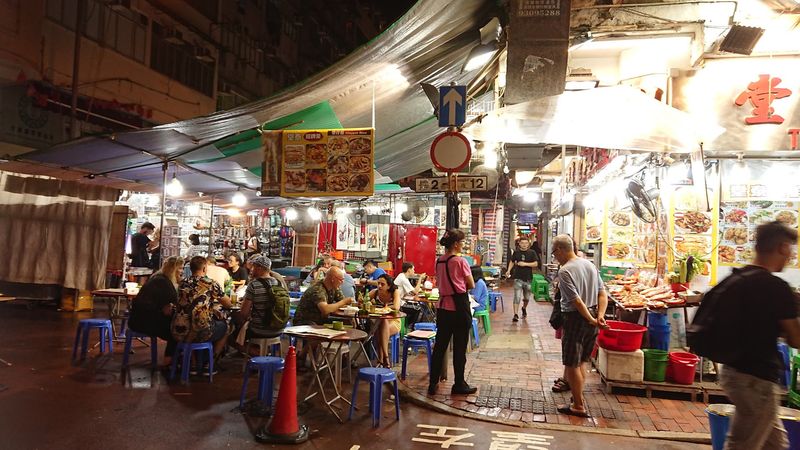
Named after the Tin Hau Temple that splits it into two distinct sections, Temple Street earns its reputation as a classic Hong Kong night market by delivering on almost every front. After sunset, the street fills with stalls selling souvenirs, clothing, accessories, and traditional crafts, alongside open-air dai pai dong eateries dishing out claypot rice, fish balls, and spicy skewers.
Beyond the shopping and food, the market area also attracts street performers and fortune-tellers, who set up near the temple and engage with curious passersby. The mix of commerce, culture, and impromptu Cantonese Opera performances gives the street a personality that goes well beyond a standard tourist market.
The market operates until around midnight, and the Yau Ma Tei location makes it easy to reach. Wandering without a fixed destination is genuinely the best strategy here, because the most interesting corners tend to appear just when you think you have seen everything.
4. Tai Kwun, Hong Kong, Hong Kong
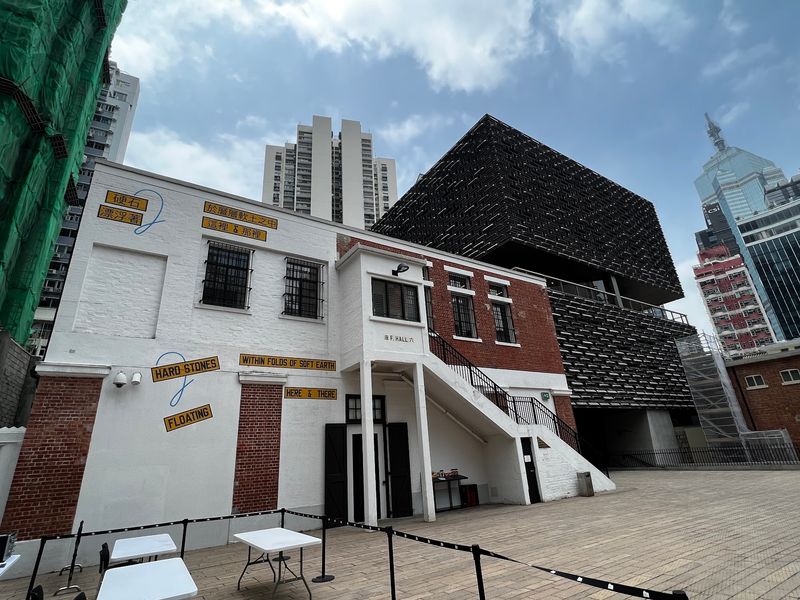
For over 180 years, this site in Central served as the Central Police Station, Central Magistracy, and Victoria Prison before reopening in 2018 as one of Hong Kong’s most ambitious heritage projects. The name Tai Kwun translates loosely to “big station” in Cantonese, which gives a reasonable sense of the scale involved.
The complex contains 16 carefully restored heritage buildings featuring Classical and Neoclassical architectural styles from the late 19th and early 20th centuries. Two new contemporary structures, the JC Contemporary art gallery and the JC Cube auditorium, were added during the decade-long conservation effort, creating a deliberate contrast between old masonry and modern design.
The large Prison Yard and Parade Ground courtyards now host exhibitions and performances, while the surrounding buildings house galleries, concept stores, cafes, and dining venues. Visiting toward evening gives the stone courtyards and surrounding Central streets a noticeably quieter, more reflective character than the daytime crowds allow.
5. Ximending, Taipei, Taiwan
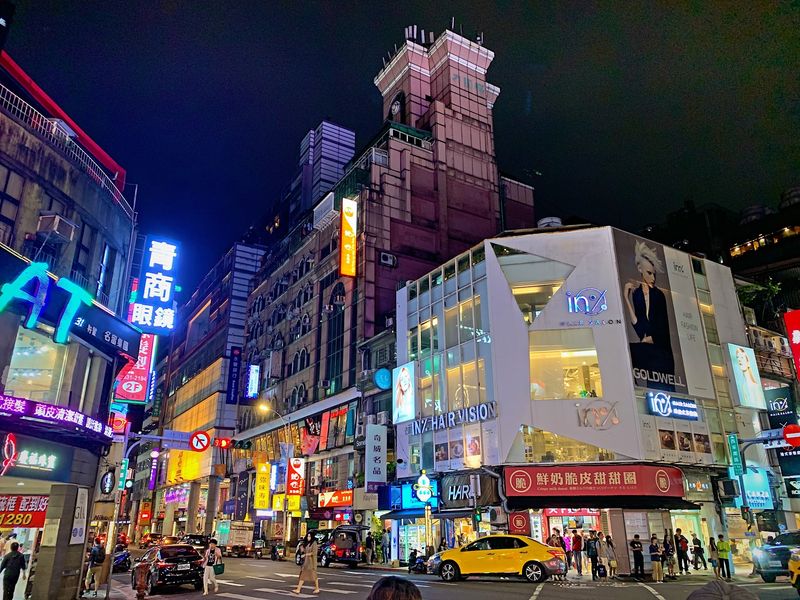
Taipei’s answer to a full-volume urban experience, Ximending runs on foot traffic, giant signs, and a near-constant flow of people that peaks well after dark. The pedestrian streets are lined with cinemas, restaurants, clothing stores, and entertainment venues, and the visual density of competing signs and lit-up facades creates a commercial landscape that somehow remains navigable.
The district has long been a hub for youth culture in Taipei, and that energy is visible in the mix of shoppers, diners, street performers, and people simply hanging around on any given evening. International chains sit alongside local restaurants and specialty shops, giving the area a layered commercial character.
The smaller side streets branching off the main pedestrian zone are worth exploring deliberately, because they shift from the high-volume commercial spectacle into quieter, more personal urban scenes. Ximending rewards visitors who resist the urge to stay only on the main drag and instead take the first interesting turn they find.
6. Huashan 1914 Creative Park, Taipei, Taiwan
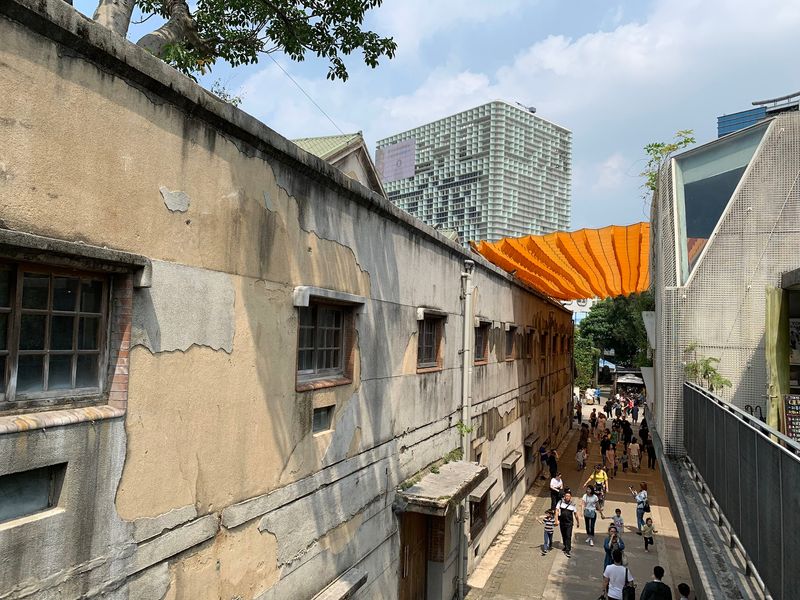
Originally built in 1914 as a Japanese sake distillery and later repurposed as the Taihoku Winery, Huashan 1914 Creative Park carries more than a century of industrial history in its weathered red-brick walls and steel-frame structures. The site was first revived for cultural use in 1999 and fully reopened as a creative park in 2005.
Today, the complex hosts rotating art exhibitions, live performances, cultural shops, cafes, and restaurants, all integrated into the original industrial architecture without erasing its rough-edged character. Admission to the outdoor areas is free, and they remain accessible around the clock, while indoor venues operate on specific schedules.
The park’s appeal lies in the contrast between its preserved industrial heritage and the contemporary creative work displayed inside it. Unlike the commercial intensity of Ximending nearby, Huashan 1914 offers a slower, more contemplative experience that suits visitors who want to look at things closely rather than simply move through them quickly.
7. Shinjuku Golden-Gai, Tokyo, Japan
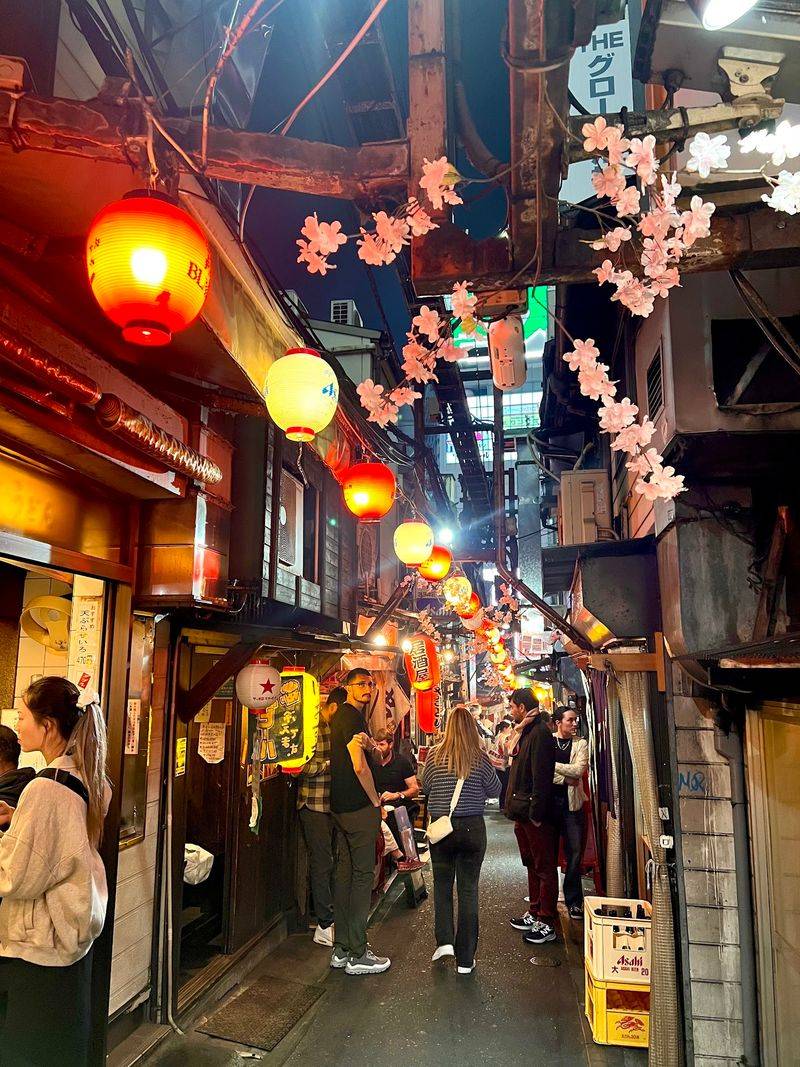
Golden-Gai occupies a surprisingly small footprint in Shinjuku, consisting of just six narrow lanes packed with more than 200 micro-bars, each typically seating between five and ten people around a counter. The area developed after World War II and has retained its compact, low-rise character despite the modern skyscrapers that surround it on all sides.
Each bar tends to have its own theme, ranging from jazz and punk rock to classic Japanese aesthetics, often decorated with movie posters, vinyl records, or concert memorabilia that reflect the owner’s specific interests. Some establishments are regulars-only affairs, but a growing number actively welcome first-time visitors and display English menus near the door.
One practical note worth knowing before visiting: the alleys run on private roads, and photography or video recording for any purpose generally requires permission from the local business promotion association. Golden-Gai offers a version of Tokyo nightlife that prioritizes conversation and intimacy over volume and spectacle.
8. Omoide Yokocho, Tokyo, Japan
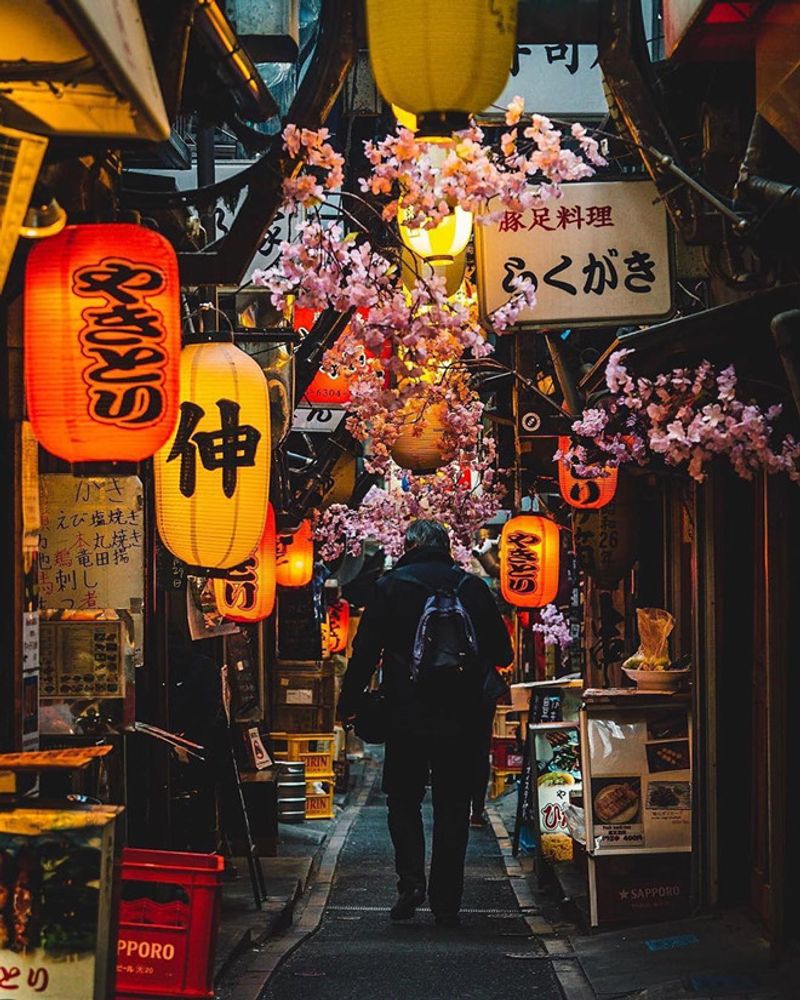
A short walk from Shinjuku Station’s west exit, Omoide Yokocho compresses roughly 80 tiny restaurants and izakayas into two narrow alleyways where the counters are close enough that neighboring diners are practically sharing meals. The name translates to Memory Lane, a reference to its post-war origins as an informal street-food quarter.
Most establishments specialize in yakitori (grilled skewers) and motsuyaki (grilled offal), along with ramen and soba, and the majority open in the late afternoon and stay busy until midnight. The alley becomes particularly animated after dark when lanterns are lit and charcoal grills are running at full capacity.
Practical advice from experienced visitors: bring cash, come in a small group, and plan to visit two or three different spots rather than committing to one place for the whole evening. The compact seating means you will be sitting close to strangers, which tends to produce surprisingly good conversations by the end of a meal.
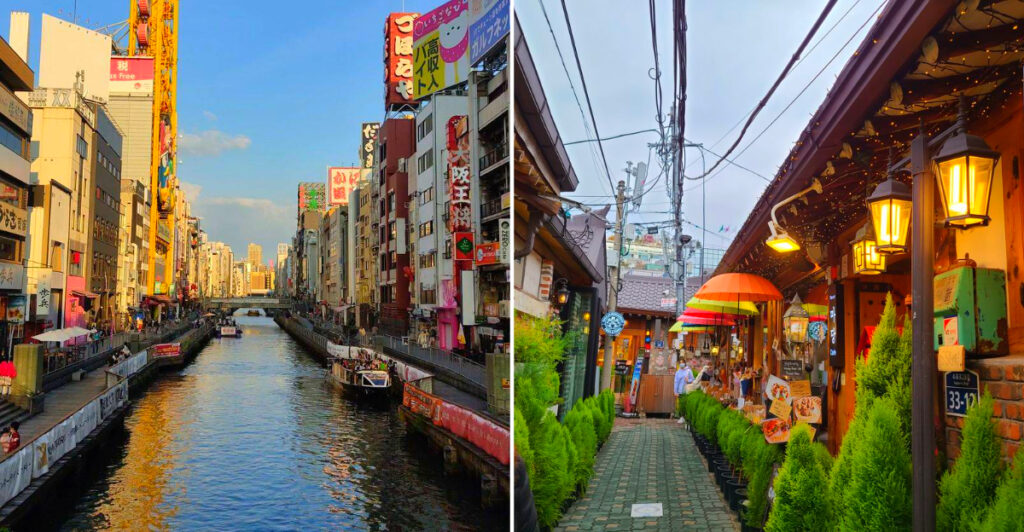
9. Dotonbori, Osaka, Japan
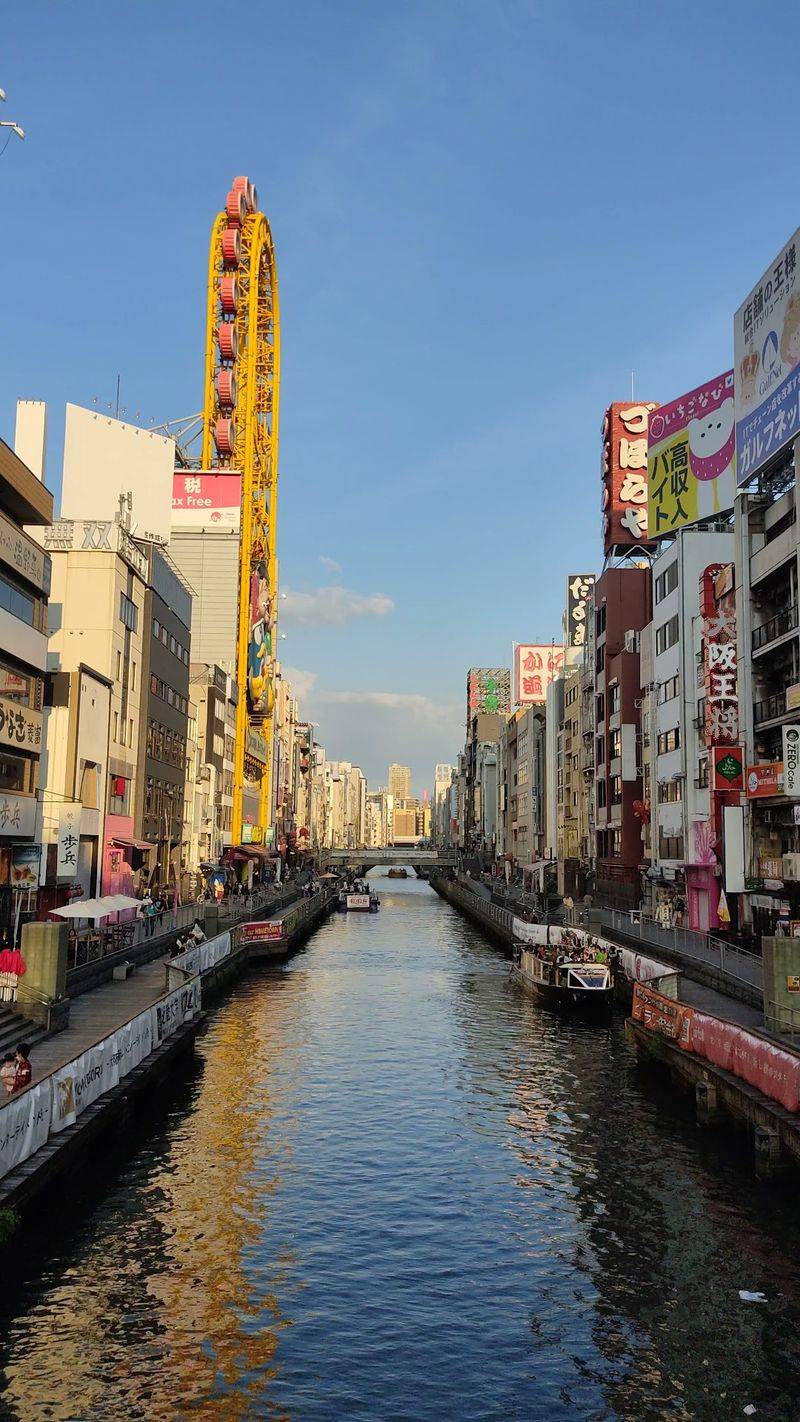
Dotonbori has been Osaka’s official entertainment district since 1621, when the area around the Dotonbori Canal was designated for kabuki and bunraku puppet theaters. Today it trades theater stages for restaurant facades and enormous illuminated signs, but the commitment to spectacle has not changed much in four centuries.
The Glico Running Man billboard and the giant mechanical crab above Kani Doraku are the most photographed landmarks, though the real draw for most visitors is the food. Osaka’s kuidaore culture, which translates roughly to “eat until you drop,” is fully on display here through street stalls and restaurants serving okonomiyaki, takoyaki, and fresh seafood.
The canal promenade is the best vantage point for taking in the full visual scale of the district, particularly after sunset when the neon signs reflect across the water. Dotonbori is genuinely busier and louder than most places on this list, but that density is entirely the point.
10. Shinsekai, Osaka, Japan
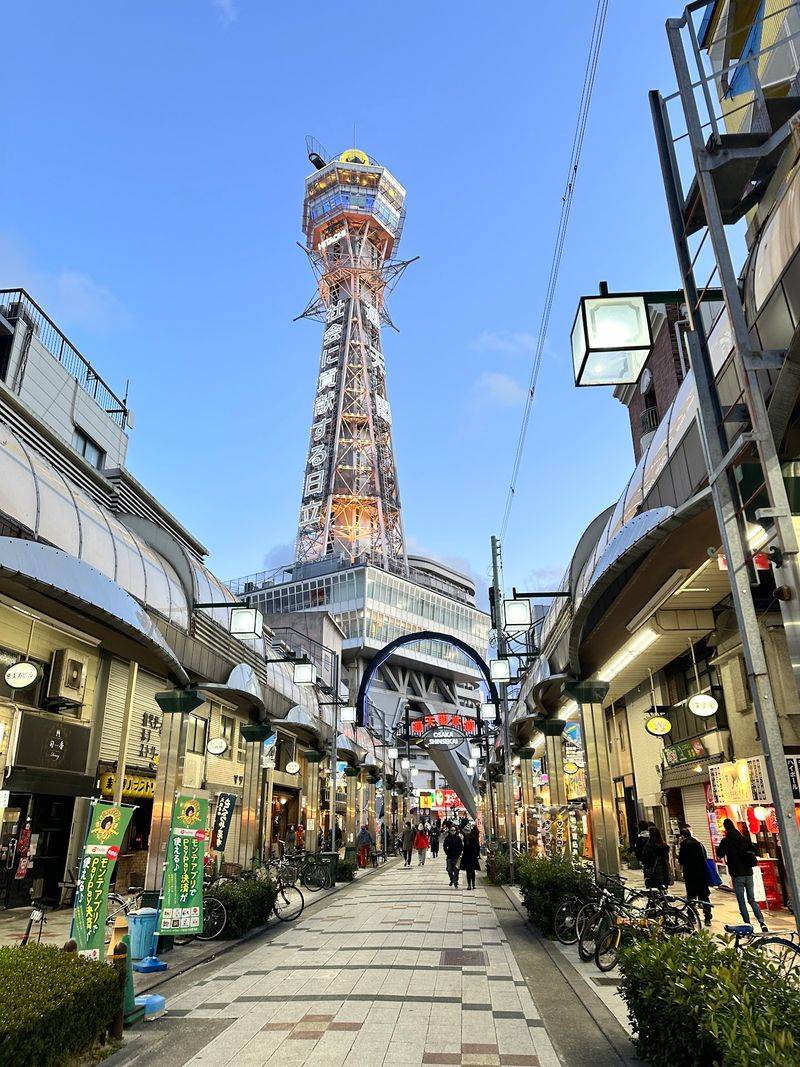
Established in 1912 and designed with an unusual dual inspiration, Shinsekai’s northern section was modeled after Paris while its southern half drew from Coney Island. The Eiffel Tower-inspired original structure is long gone, but the 103-meter Tsutenkaku Tower that replaced it in 1956 still defines the neighborhood’s skyline and offers a 91-meter observation deck with panoramic city views.
The district is best known for kushikatsu, a local specialty of deep-fried skewers made from meat, seafood, and vegetables, served at the many small restaurants that line the streets around the tower. The Janjan Yokocho food alley and several retro arcades add to the neighborhood’s deliberately old-fashioned character.
Shinsekai reads as a deliberate counterpoint to Osaka’s polished shopping districts. Its retro signage, tightly packed storefronts, and working-class personality give it a visual texture that feels genuinely different from the rest of the city, and the evening illumination of both the streets and the tower makes the contrast even more striking.
11. Euljiro Nogari Alley, Seoul, South Korea
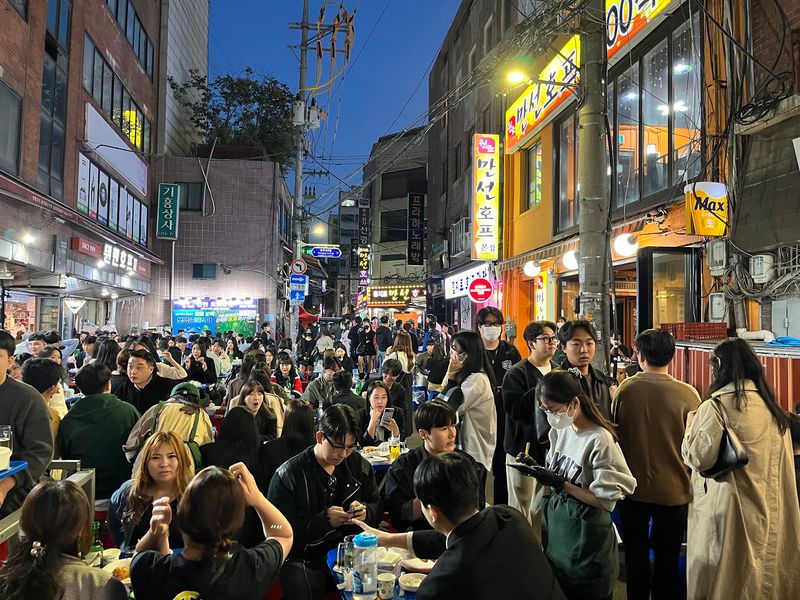
The first pub in this central Seoul alley, Eulji OB Bear, opened in 1980, and its popularity prompted a cluster of similar establishments to open nearby, gradually cementing the area’s identity as a gathering spot for after-work crowds. The alley gained wider recognition during the IMF economic crisis as an affordable place to eat and socialize.
Today, the narrow passageways fill up quickly in the evening with a notably mixed crowd: office workers, young couples, and older regulars all sharing outdoor tables while ordering nogari (dried pollack) and golbaengi (sea snails), the neighborhood’s signature snacks. The pricing remains accessible, which keeps the social atmosphere genuinely unpretentious.
The surrounding Euljiro district still carries traces of its industrial past through workshops, printing businesses, and aging building facades that have not been replaced by newer construction. That combination of working-district history and lively after-dark activity produces a street-level texture that Seoul’s newer neighborhoods, despite their considerable appeal, have not yet managed to replicate.
12. Ikseon-dong Hanok Village, Seoul, South Korea
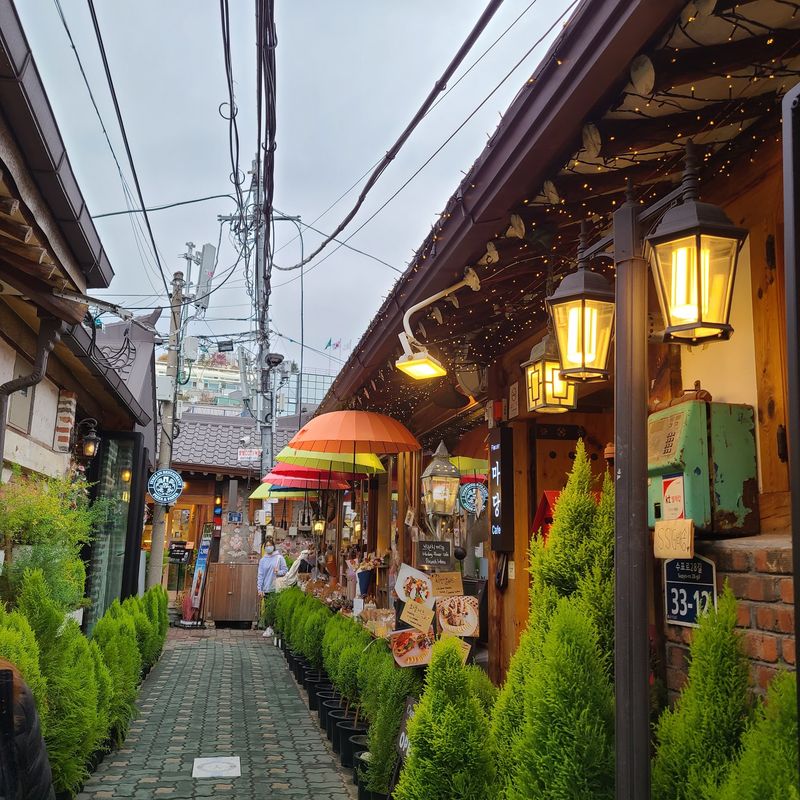
Seoul’s oldest designated hanok village has a specific origin story that sets it apart from similar historic neighborhoods. In the 1920s, a developer named Jung Se-gwon subdivided the area into smaller lots and built traditional Korean houses intended for ordinary residents rather than aristocrats, with a deliberate goal of preserving Korean architectural identity during a period of rapid Japanese urban expansion.
Those 100-year-old houses now contain trendy cafes, boutique shops, and small restaurants, their interiors redesigned while the tiled roofs, low doorways, and narrow lane layouts remain intact. The human scale of the neighborhood is one of its most distinctive qualities, particularly when compared to the tower-heavy districts that surround it.
Weekday afternoons offer a noticeably quieter experience than weekends, when the lanes can become crowded enough to slow exploration. Visiting around dusk captures the neighborhood at its most photogenic moment, when the shift from daylight to warm interior lighting gives the hanok facades a more intimate and considered character.
13. Yaowarat Road, Bangkok, Thailand
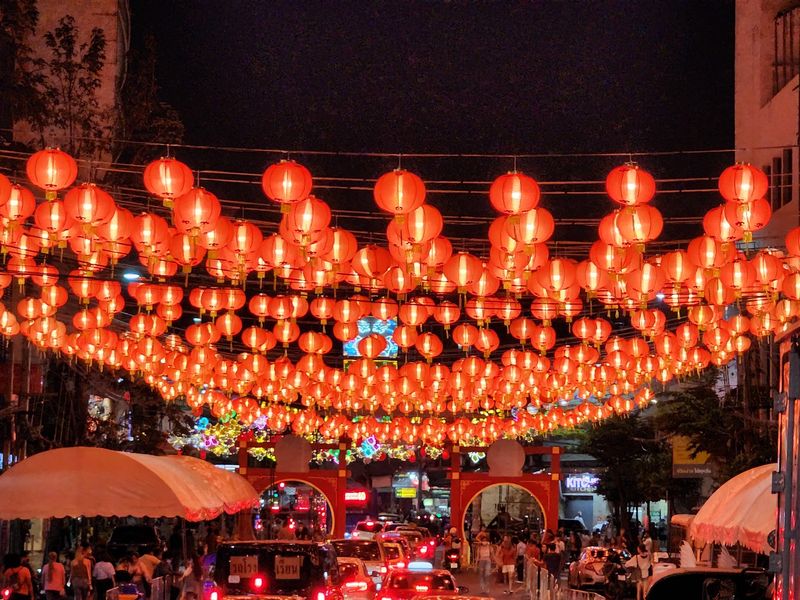
Constructed in 1892 under King Rama V, Yaowarat Road stretches approximately 1.5 kilometers through the Samphanthawong District and has functioned as the commercial backbone of Bangkok’s Chinatown ever since. During the day, the street operates as a working corridor of gold shops and wholesale merchants, with business conducted in a fairly straightforward and transactional manner.
After dark, the character shifts considerably. Chinese and Thai neon signs rise above traffic while food vendors and street-side restaurants draw large crowds onto sidewalks that quickly become dense with pedestrians, diners, and portable cooking setups. The culinary focus is on Teochew and Cantonese dishes, including fresh seafood, noodles, and curries that reflect the community’s heritage.
Weekend evenings and events like Chinese New Year bring the heaviest crowds and the most dramatic visual density. The MRT Wat Mangkon station provides direct access for visitors arriving by public transport, which is strongly recommended given how congested the surrounding streets become once the evening food scene reaches full capacity.
Share this story