Some countries pack millions of people into surprisingly small spaces, making everyday life there very different from what most of us know. Population density, which measures how many people live per square kilometer, tells us a lot about how cities are built, how resources are shared, and how cultures develop.
Countries with the highest density often have fascinating histories, creative city planning, and unique ways of managing limited land. From tiny island nations to thriving city-states, these 15 countries top the global charts for population density.
1. Monaco
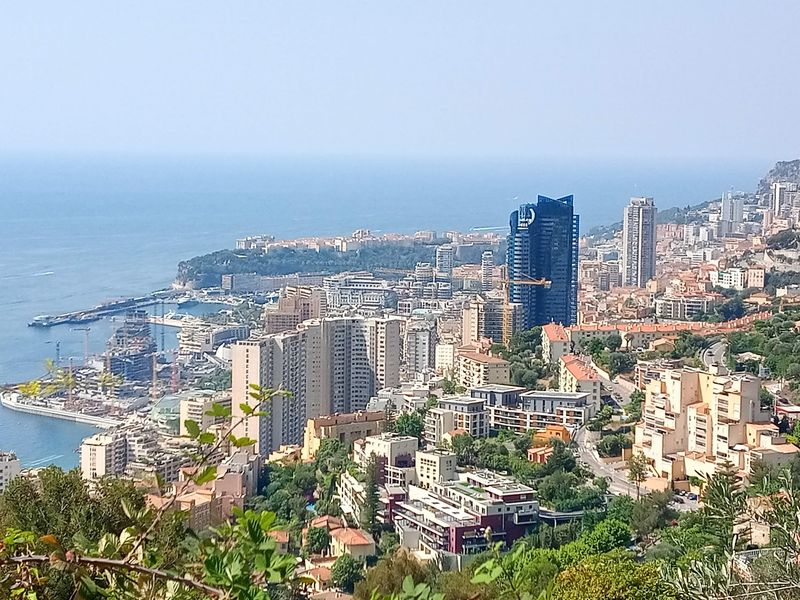
Squeezed between France and the Mediterranean Sea, Monaco is the world’s most densely populated country, with around 25,800 people living in every square kilometer. That is an almost unbelievable number for a place smaller than New York’s Central Park.
Yet Monaco somehow manages to feel glamorous, not crowded.
The tiny principality is famous for its casino, Formula 1 Grand Prix race, and stunning waterfront. Buildings here are stacked vertically, with luxury apartments rising high above the sea.
Space is so precious that Monaco has actually expanded its land by reclaiming territory from the ocean.
Despite its size, Monaco has one of the highest GDP per capita figures in the world. Its residents enjoy excellent public services, low crime rates, and a Mediterranean climate.
Monaco proves that a small footprint does not have to mean a lower quality of life.
2. Singapore
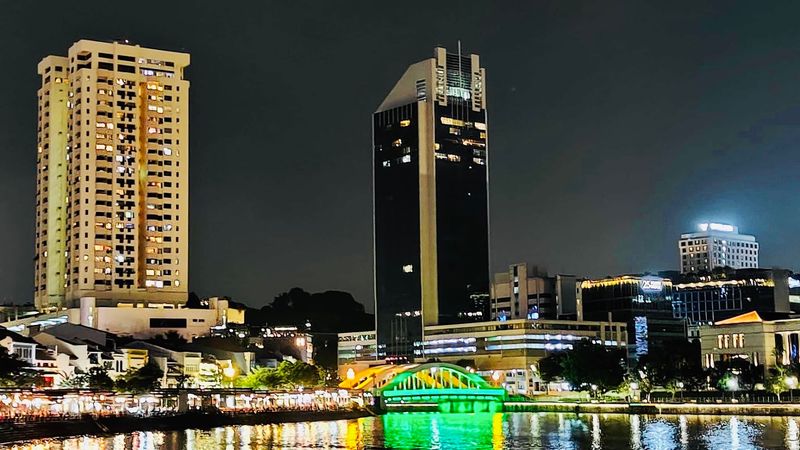
Singapore is a true urban marvel. With roughly 8,800 people per square kilometer, this Southeast Asian city-state has turned limited land into one of the most efficient and livable places on Earth.
What was once a small fishing village is now a global financial hub.
The city is famous for its spotless streets, strict laws, and incredibly organized public transport system. Green spaces are carefully woven between skyscrapers, giving residents breathing room even in such a compact environment.
Gardens by the Bay, with its towering Supertrees, is a perfect example of Singapore’s creative use of space.
Singapore’s diverse population includes Chinese, Malay, Indian, and Western communities all living side by side. Four official languages are spoken here: English, Mandarin, Malay, and Tamil.
This cultural blend, combined with top-tier infrastructure, makes Singapore one of the most admired nations in the world.
3. Bahrain
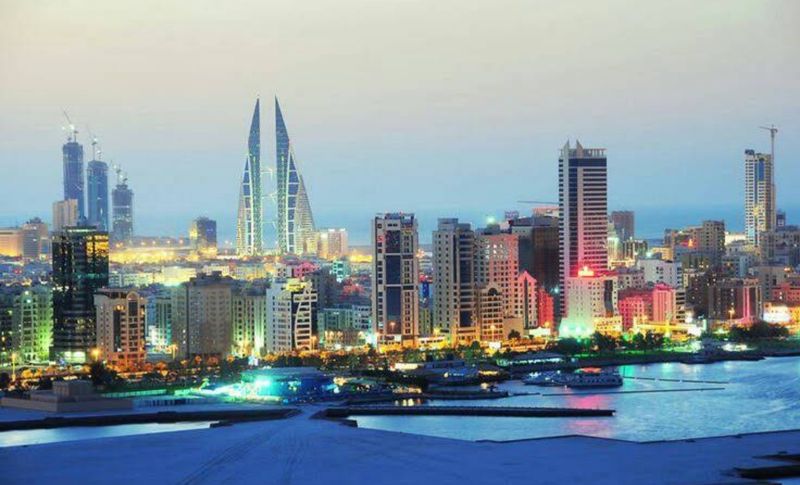
Bahrain is a small island nation nestled in the Persian Gulf, and with about 2,140 people per square kilometer, it ranks among the world’s most densely populated countries. What makes this figure even more striking is that much of Bahrain’s land is desert, meaning people are concentrated in a relatively small habitable zone.
Manama, the capital city, buzzes with activity. Gleaming towers stand next to traditional souks, and modern highways cut through ancient neighborhoods.
Bahrain has long served as a trading hub, connecting the Arabian Peninsula to the wider world for thousands of years.
Oil wealth transformed Bahrain dramatically during the 20th century, funding massive infrastructure projects and attracting a large expatriate workforce. Today, roughly half of Bahrain’s population consists of foreign workers.
This mix of cultures creates a vibrant, fast-moving society that balances tradition with rapid modernization in a very compact space.
4. Maldives
Most people picture the Maldives as a paradise of overwater bungalows and empty white beaches. The reality for locals is quite different.
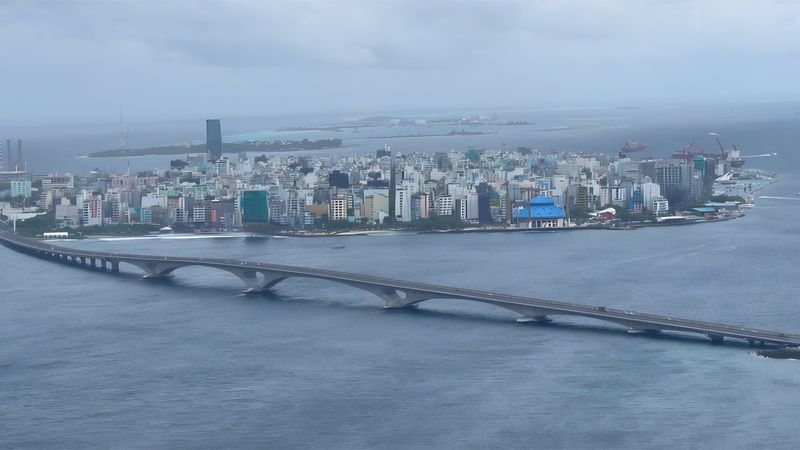
With around 1,780 people per square kilometer, the Maldives is one of the most densely populated countries on the planet, especially on its capital island, Male.
Male is one of the most crowded cities in the world by area. Narrow streets wind between tightly packed buildings, and every inch of land is used efficiently.
The island has virtually no room to expand outward, so buildings grow taller instead. Residents navigate this compact urban environment with motorcycles and small boats.
The Maldives faces a unique challenge beyond crowding: rising sea levels threaten to swallow its low-lying islands entirely within decades. The government has already begun building an artificial island called Hulhumale to house future generations.
Few countries face a more urgent combination of density and climate vulnerability.
5. Malta
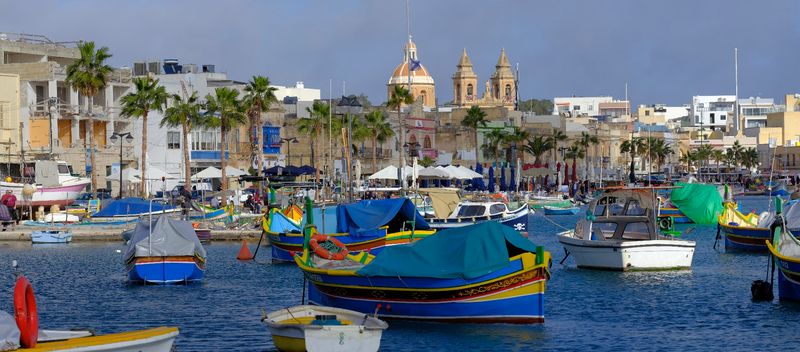
Malta is a tiny Mediterranean archipelago with a history that stretches back thousands of years. With approximately 1,750 people per square kilometer, it is one of the most densely populated countries in Europe.
Despite its size, Malta punches well above its weight in history, culture, and economic activity.
Valletta, Malta’s capital, is one of the smallest capital cities in the European Union, yet it was designated a European Capital of Culture in 2018. The city’s honey-colored limestone buildings and baroque churches tell stories of Phoenicians, Romans, Arabs, Crusaders, and the British, all of whom once ruled this strategic island.
Tourism is a major driver of Malta’s economy, with millions of visitors arriving each year to explore ancient temples, crystal-clear diving spots, and vibrant nightlife. The Maltese people are known for their warmth and resilience.
Living on a small, busy island has shaped a community that is tightly knit and resourceful.
6. Bangladesh
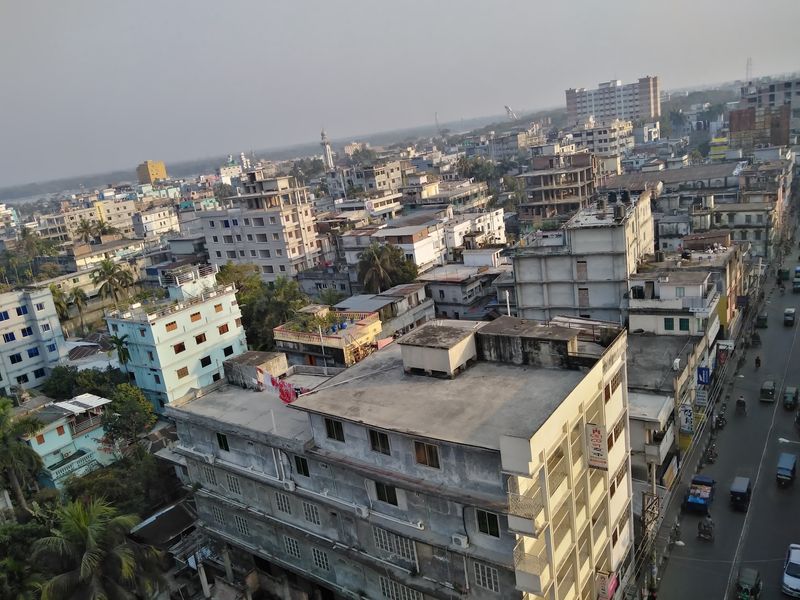
Bangladesh is home to over 170 million people living in a country roughly the size of the state of Iowa. With a density of around 1,365 people per square kilometer, it is the most densely populated large country in the world.
Dhaka, its capital, is one of the most crowded cities anywhere on Earth.
Life in Bangladesh is shaped by the mighty rivers that crisscross the land. The Ganges, Brahmaputra, and Meghna rivers bring fertile soil that supports rice farming, feeding millions.
But these same rivers also cause devastating floods that displace communities every monsoon season.
Despite the challenges of overcrowding and climate vulnerability, Bangladesh has made remarkable progress in recent decades. Child mortality has dropped, literacy rates have risen, and the garment industry has lifted millions out of poverty.
Bangladesh’s story is one of resilience, showing how a densely packed nation can still move forward with determination.
7. Barbados
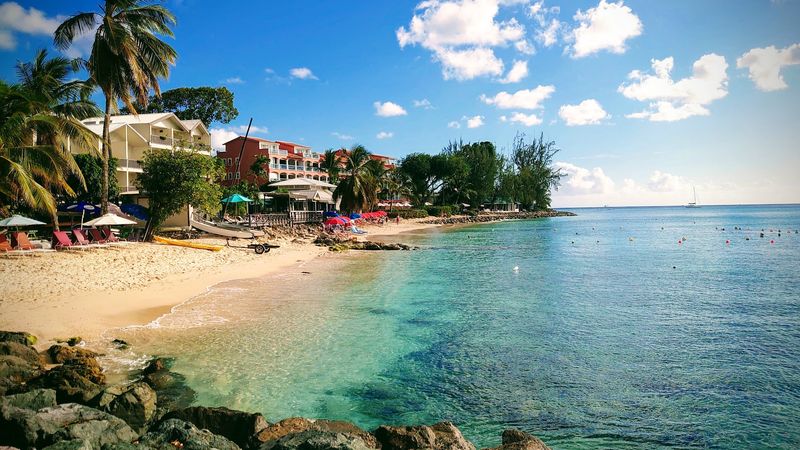
Barbados is a small Caribbean island nation with a big personality. Sitting at around 657 people per square kilometer, it is one of the most densely populated countries in the Western Hemisphere.
Despite its compact size, Barbados manages to offer a high standard of living compared to many of its regional neighbors.
The island gained independence from Britain in 1966 and has since built a stable democracy and a strong tourism economy. Bridgetown, the capital, is a UNESCO World Heritage Site, recognized for its well-preserved colonial architecture and historic harbor.
The city blends old-world charm with modern Caribbean energy.
Barbadians, often called Bajans, are known for their lively culture, including cricket, calypso music, and the famous Crop Over festival. The island also produces world-renowned rum.
Fitting so much culture, history, and community spirit into such a small space is part of what makes Barbados genuinely special.
8. Mauritius
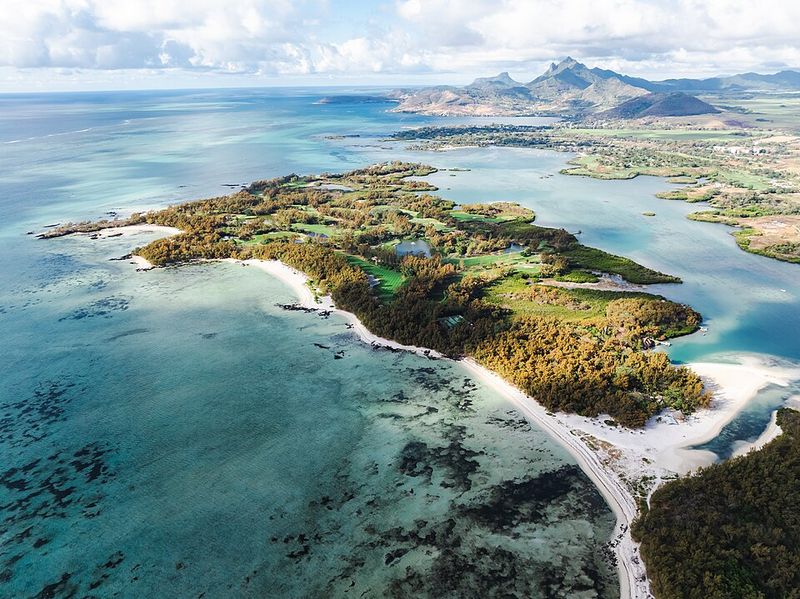
Floating in the Indian Ocean off the eastern coast of Africa, Mauritius carries a density of roughly 625 people per square kilometer. It is a small island nation that has transformed itself from a colonial sugar-producing territory into one of Africa’s most prosperous and stable economies.
Port Louis, the capital, is a busy commercial hub where Chinese, Indian, French, and African influences blend seamlessly. The city’s markets overflow with spices, fabrics, and street food that reflect the island’s wonderfully mixed heritage.
Mauritius has no indigenous human population; everyone arrived as settlers, traders, or migrants over the past few centuries.
The country is often praised as a model for development in the African region. High literacy rates, a growing financial services sector, and a welcoming attitude toward foreign investment have helped Mauritius stand out.
Its beaches and biodiversity also attract eco-tourists eager to spot rare wildlife found nowhere else on Earth.
9. Rwanda
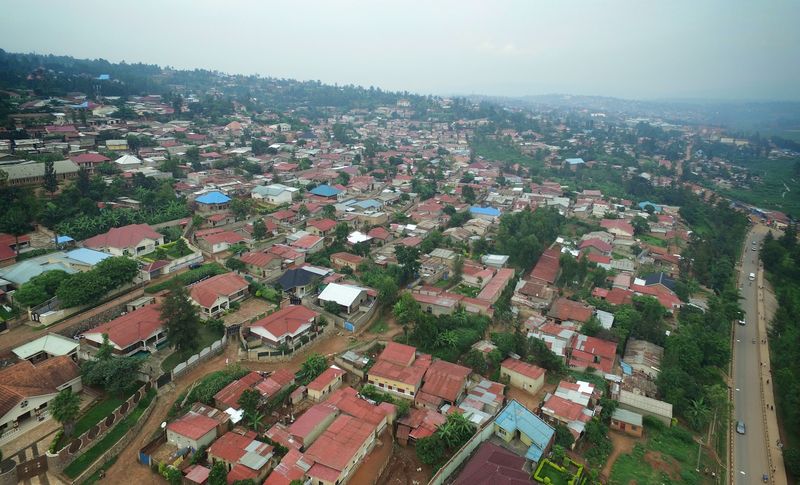
Rwanda is often called the Land of a Thousand Hills, and those rolling hills are packed with people. With a density exceeding 600 people per square kilometer, Rwanda is the most densely populated country on the African mainland.
Every hillside seems to hold a village, a church, or a farm.
Kigali, the capital, has earned a reputation as one of Africa’s cleanest and best-governed cities. Plastic bags are banned, streets are regularly cleaned by community volunteers, and public services are steadily improving.
This orderly city stands as a symbol of Rwanda’s remarkable recovery after the devastating genocide of 1994.
President Paul Kagame’s government has prioritized economic growth, technology investment, and gender equality. Today, Rwanda has one of the highest proportions of women in parliament anywhere in the world.
The country’s transformation from tragedy to progress is one of the most extraordinary stories of the 21st century.
10. Nauru
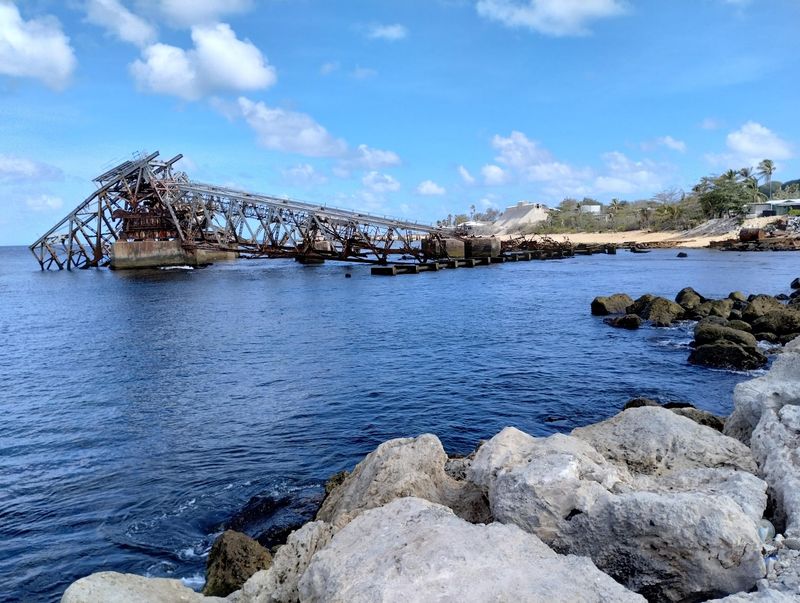
Nauru might be the least-known country on this list, but its story is one of the most fascinating. This tiny Pacific island, barely 21 square kilometers in size, has a population density of around 590 people per square kilometer.
It is the world’s smallest island nation and the third-smallest country overall.
During the 20th century, Nauru was one of the richest countries per capita in the world, thanks to massive phosphate deposits beneath its surface. Mining that phosphate brought enormous wealth, but it also stripped away most of the island’s interior, leaving behind a barren, cratered landscape that looks almost lunar.
When the phosphate ran out, Nauru’s economy collapsed. The country now faces high rates of obesity, diabetes, and unemployment.
Nauru serves as a cautionary tale about the dangers of relying on a single resource without planning for the future. Its dense population has very few economic options left.
11. Lebanon
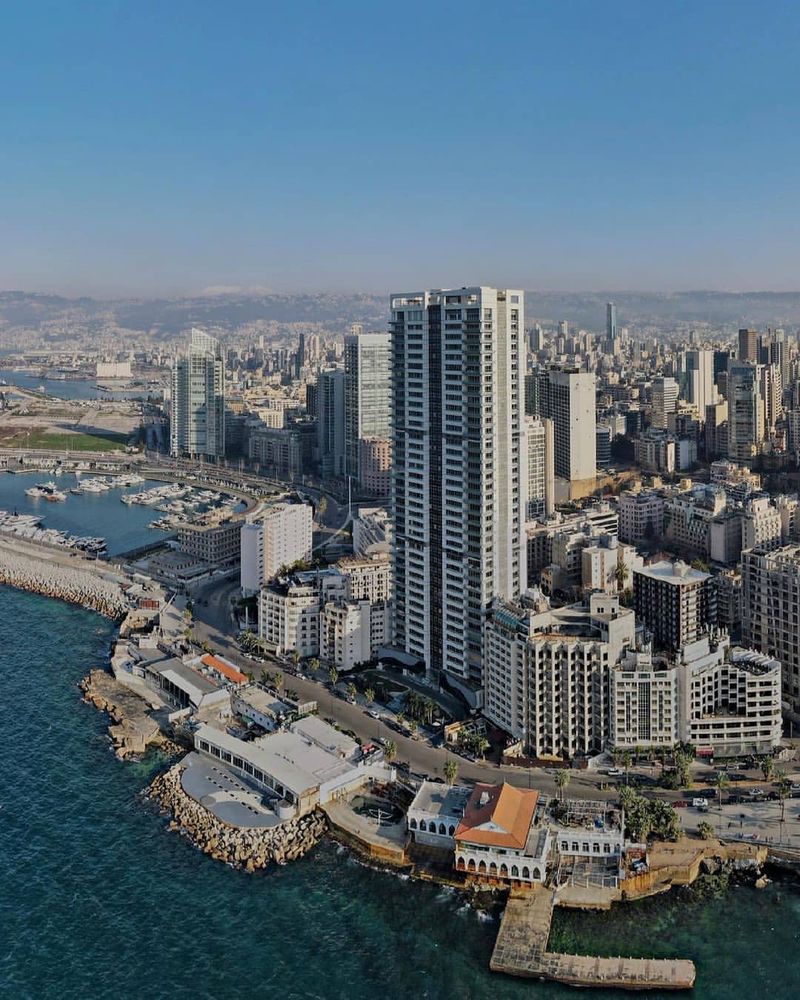
Lebanon packs around 570 people into every square kilometer, making it one of the most densely populated countries in the Middle East. Much of that population is concentrated along the narrow coastal strip where Beirut, the capital, sprawls dramatically between the Mediterranean Sea and the Lebanon Mountains.
Beirut was once called the Paris of the Middle East, a cosmopolitan city known for its vibrant cafe culture, fashion, and nightlife. Decades of civil war, regional conflict, and political instability have tested the city deeply.
The catastrophic port explosion in August 2020 caused massive destruction and deepened an already severe economic crisis.
Despite these hardships, Lebanon’s people are known for their creativity, resilience, and strong sense of identity. Lebanese cuisine, music, and art have spread across the globe through a large diaspora community.
The country’s complex story reflects what happens when a densely populated, resource-limited nation faces relentless political and economic pressure.
12. Burundi
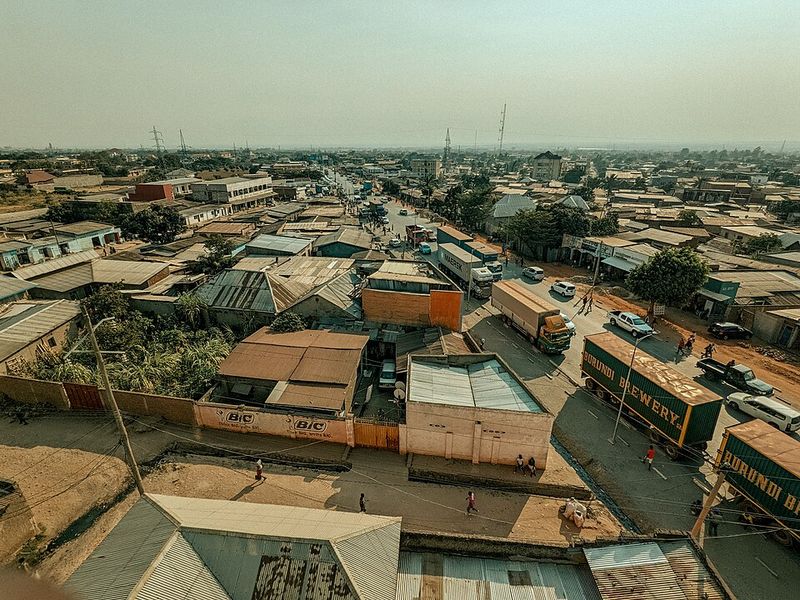
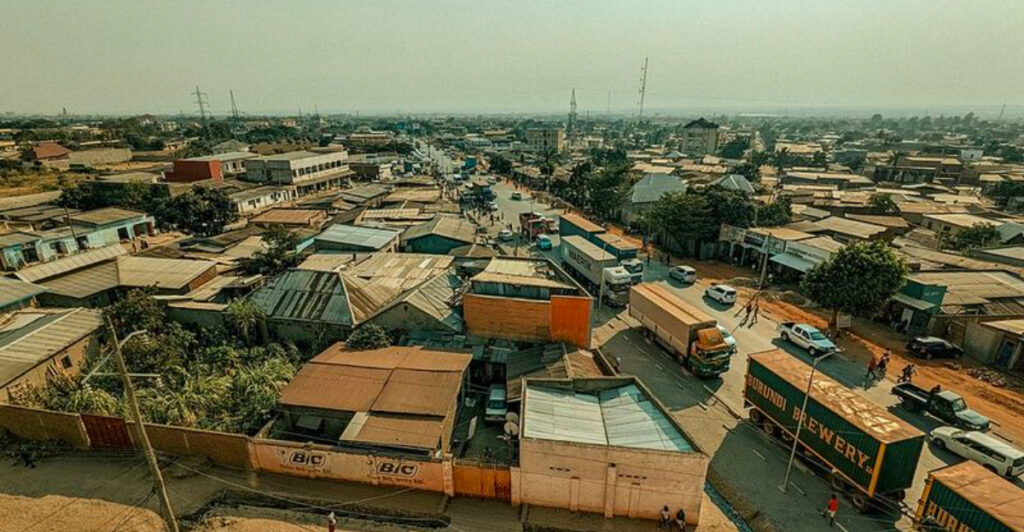
Burundi is a small, landlocked country in central Africa with a density of around 560 people per square kilometer. Despite being one of the most densely populated nations on the continent, it is also one of the poorest in the world.
The combination of high population density and limited resources creates significant daily challenges for its people.
Most Burundians live in rural areas and depend on subsistence farming to survive. The country’s hilly landscape makes large-scale agriculture difficult, and frequent droughts and soil erosion reduce crop yields.
Access to clean water, healthcare, and education remains limited for millions of citizens.
Yet Burundi’s culture is rich and deeply rooted. The country is famous for its royal drummers, a UNESCO-recognized tradition where performers play massive drums in synchronized, powerful rhythms.
These drumming ceremonies are tied to Burundian identity and spiritual life. Culture here is not a luxury but a lifeline that holds communities together.
13. San Marino
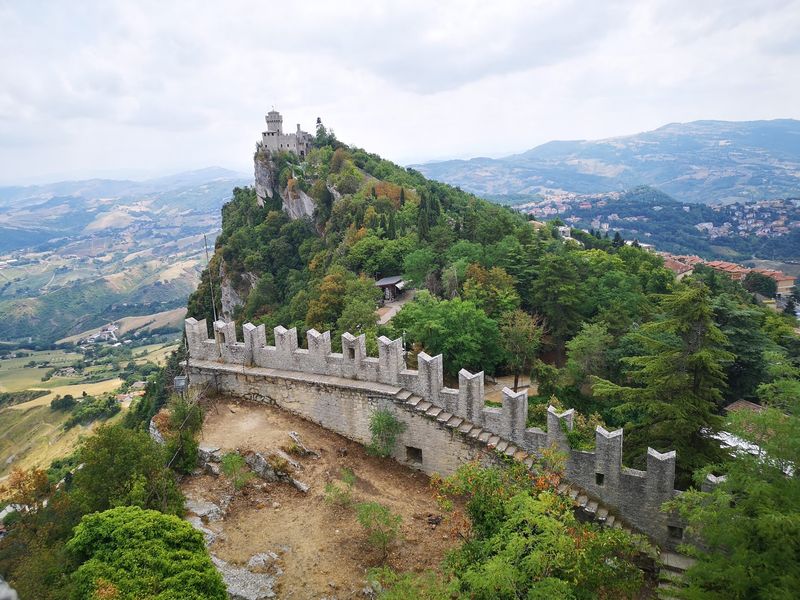
San Marino claims to be the world’s oldest republic, having maintained its independence since 301 AD. Perched atop Mount Titano inside Italy, this tiny nation has a density of roughly 550 people per square kilometer.
Its hilltop capital, also called San Marino, is a remarkably well-preserved medieval city.
Despite being landlocked within Italy and covering just 61 square kilometers, San Marino functions as a fully independent state with its own government, military, and currency. It has one of the highest rates of car ownership in the world and virtually no national debt, making it one of Europe’s more financially stable micro-states.
Tourism is the backbone of San Marino’s economy, drawing visitors who come to walk cobblestone streets, visit ancient fortresses, and enjoy panoramic views of the Adriatic coast on clear days. The country also earns revenue from selling postage stamps and coins to collectors worldwide.
Tiny in size, enormous in historical character.
14. Netherlands
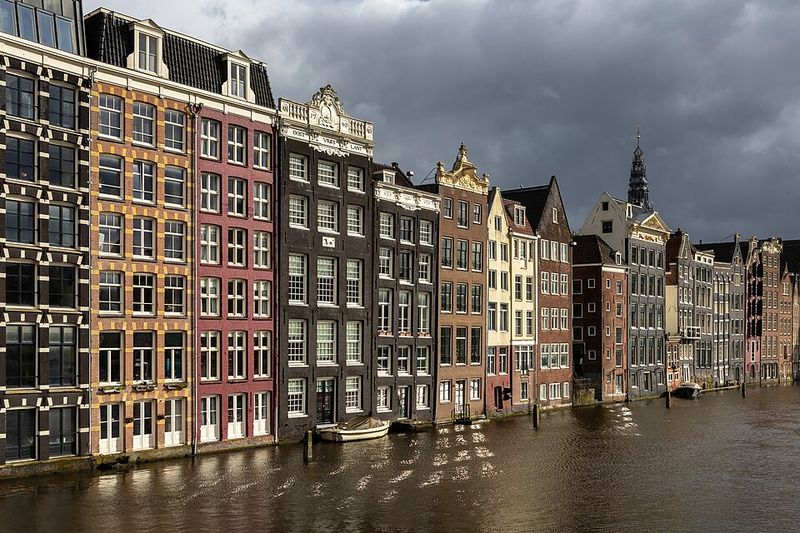
The Netherlands has approximately 540 people per square kilometer, making it the most densely populated country in continental Europe that is not a micro-state. What is truly impressive is that the Dutch have not just managed this density but have turned it into a model for smart, sustainable urban living.
About a third of the Netherlands sits below sea level, land that was literally reclaimed from the ocean using an elaborate system of dikes, pumps, and canals. This engineering feat is one of the greatest in human history.
The Dutch have been managing water and space for centuries, and that ingenuity is baked into national culture.
Amsterdam, The Hague, and Rotterdam are among Europe’s most livable cities. Cycling infrastructure is world-class, public transport is reliable, and green spaces are plentiful despite the density.
The Netherlands consistently ranks high on global happiness and quality-of-life indexes, proving that smart planning can make even a crowded country feel spacious.
15. South Korea
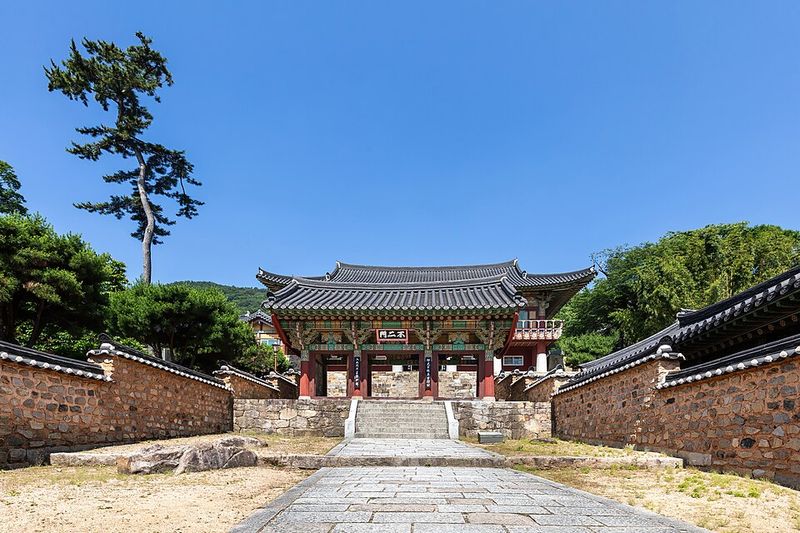
South Korea rounds out this list with a density of around 530 people per square kilometer. Most of that population is concentrated in the Seoul Capital Area, home to roughly half of the country’s 51 million people.
Seoul itself is one of the largest and most technologically advanced cities in the world.
South Korea’s rise from a war-torn, impoverished country in the 1950s to a high-tech global powerhouse is known as the Miracle on the Han River. Companies like Samsung, Hyundai, and LG transformed the economy, while Korean pop music, cinema, and cuisine have taken the world by storm in recent decades.
Managing such a concentrated population requires exceptional infrastructure, and South Korea delivers. Its internet speeds are among the fastest globally, its subway systems are models of efficiency, and its healthcare system is widely respected.
South Korea shows that high density, paired with strong investment in people and technology, can produce extraordinary national outcomes.
Share this story