A glassy mountain lake, miles of forest trails, sandy swimming beach, and thousands of acres of Pocono wilderness make this Pennsylvania escape seem peaceful enough. But beneath the scenery is a past most visitors would never guess.
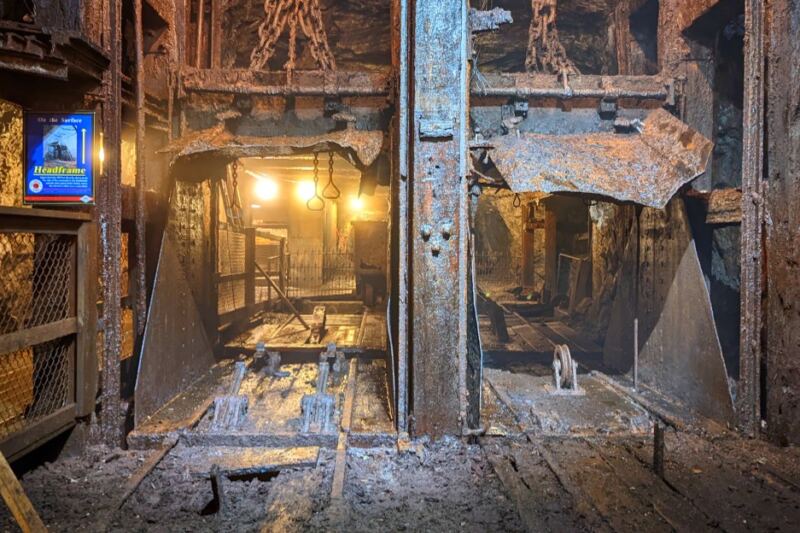
Long before kayakers and campers arrived, this land served a very different purpose – one involving military training, German prisoners of war, and an industry that once shipped as many as 150 boxcars of ice a day from the surrounding area.
Today, it’s one of the Poconos’ quieter year-round escapes, and its story is far more surprising than the calm water suggests.
A Place With More History Than You Might Expect
Most people arrive at Tobyhanna State Park expecting nothing more than a pretty lake and some walking trails, but the ground beneath their feet holds a remarkable story. The park, officially established in 1949, sits at 114 Campground Rd, Tobyhanna, PA 18466, right in the heart of Monroe and Wayne counties in northeastern Pennsylvania.
Before it became a recreational haven, this land served as the Tobyhanna Military Reservation, acquired by the federal government in 1912. During World War I, the site trained tank and ambulance corps, and later hosted artillery training for the National Guard. Even more striking, the reservation housed German prisoners-of-war during World War II.
After the U.S. Army Corps of Engineers managed the land from 1946 to 1948, the Commonwealth of Pennsylvania took over and transformed it into the park visitors enjoy today. The very name “Tobyhanna” comes from an American Indian word meaning “a stream whose banks are fringed with alder,” a quiet nod to the natural world that outlasted every chapter of human history here.
Glaciers Did the Heavy Lifting Here
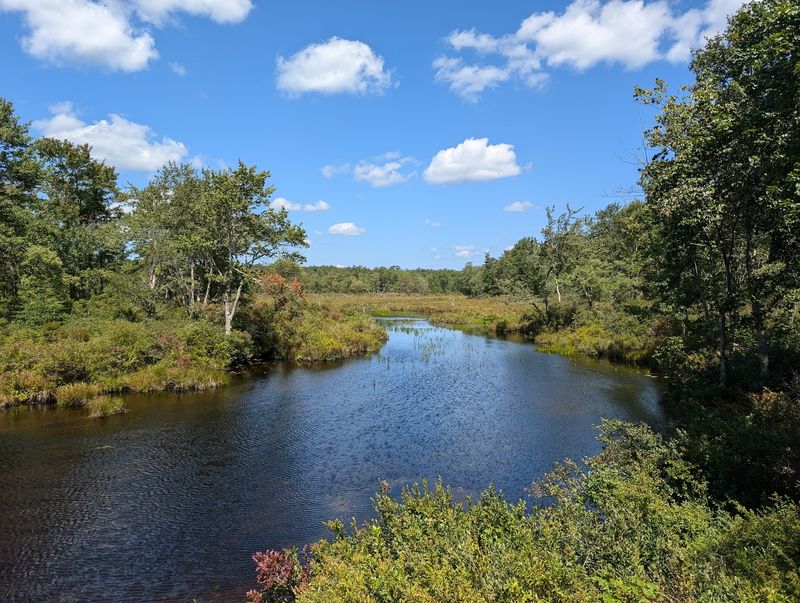
Long before any soldier or ice harvester set foot here, glaciers were doing serious landscaping work across the Pocono Plateau. Over 20,000 years ago, massive sheets of ice carved and shaped the land, leaving behind the rocky soils, rolling terrain, and distinctive wetlands that define Tobyhanna State Park today.
The result is a living mosaic of ecosystems packed into one place. Dense evergreen forests give way to sphagnum bogs and expansive wetlands, creating habitats that support an impressive variety of plant and animal life. The Black Bear and Bender Swamps Natural Area within the park is a particularly striking example of these ancient ecological remnants.
Wildlife is genuinely abundant here. White-tailed deer appear with almost casual regularity along the trails, while beavers, muskrats, minks, foxes, coyotes, and raccoons prefer the quieter corners of the park. Black bears are also known residents, reminding every visitor that this is very much a working wilderness, not just a scenic backdrop for a Sunday stroll.
Tobyhanna Lake: The Heart of It All
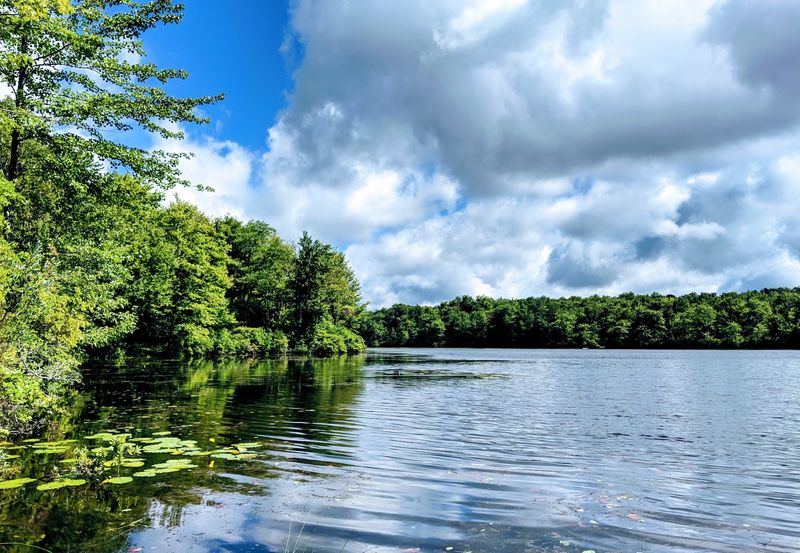
There is something almost magnetic about Tobyhanna Lake. At 170 acres, it is large enough to feel expansive but intimate enough that you never feel lost on it. The water stays calm most days, making it ideal for kayaking, canoeing, paddleboarding, and rowing at a relaxed pace.
Only electric-powered and non-powered boats are permitted on the lake, which is a deliberate and wonderful choice. The absence of roaring motors means the loudest sound you are likely to hear is the dip of a paddle or the call of a heron overhead. Boat rentals are available from Memorial Day weekend through Labor Day, so you do not need to own your own equipment to enjoy a full day on the water.
For anglers, the lake offers a warmwater fishery stocked with bass, pickerel, yellow perch, catfish, and both brook and brown trout. An ADA-accessible fishing pier in the day-use area ensures the experience is open to everyone. Up to 78 overnight boat mooring spaces are available by permit for those who want to stay close to the action.
Ice, Industry, and a Surprising Frozen Legacy

Here is a fact that tends to stop people mid-trail: the same lake that draws kayakers and anglers today was once the engine of a booming industrial operation. From roughly 1900 to 1936, ice harvesting was big business in the Tobyhanna area, and the lakes here were central to it all.
During winter, workers cut enormous blocks of ice from the frozen surface and stored them in large barn-like structures along the shore. That ice was then loaded onto railroad boxcars and shipped to East Coast cities, where it kept food fresh in early refrigerators and supplied hospitals as far away as Florida. At the peak of the operation, up to 150 boxcar loads of ice left the Tobyhanna area every single day.
Knowing this history makes a winter visit feel layered in a way that a simple cold-weather hike does not. The same frozen surface that once fueled commerce now hosts ice fishermen, skaters, and snowshoers, a quiet transformation that says a great deal about how time and nature reclaim a landscape.
Trails That Reward Every Kind of Walker
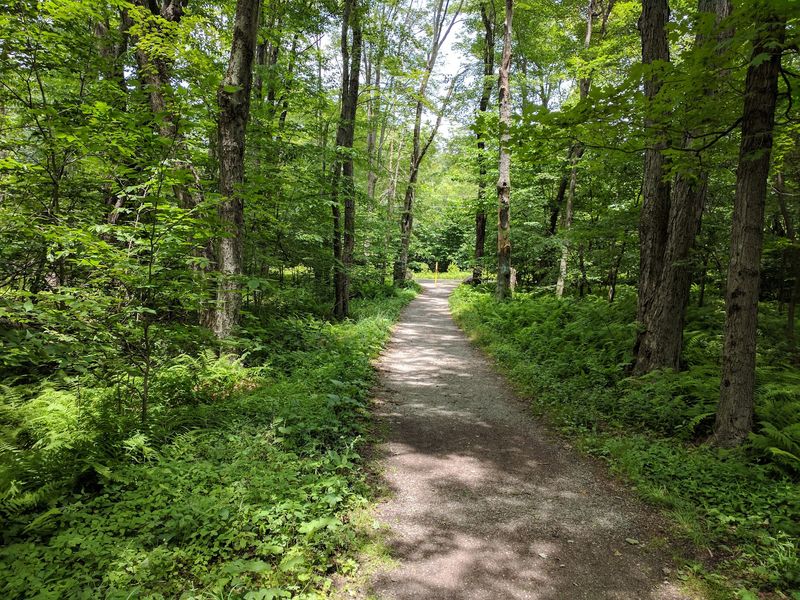
With over ten miles of blazed trails winding through the park, there is genuinely something for every pace and preference. The Lakeside Trail is the crowd favorite for good reason. This 5.1-mile loop follows the perimeter of Tobyhanna Lake, features partially paved sections, and stays relatively flat throughout, making it accessible for strollers, casual walkers, and even cyclists.
For a more rugged outing, the Range Trail covers 2.75 miles one way through wooded terrain, crosses a gentle stream, and passes through boulder fields and sections of Bender Swamp. The Frank Gantz Trail is the adventurous option, stretching 3.2 miles and connecting directly to neighboring Gouldsboro State Park. That connection effectively doubles your trail options for the day, opening up another ten miles of paths next door.
The Yellow Trail is the most demanding of the bunch, and the park strongly recommends proper hiking boots for anyone attempting it. Fall is arguably the best time to tackle any of these routes, when the foliage turns the entire forest into something that feels almost theatrical in its color.
Summer at the Beach: Simple Pleasures Done Right
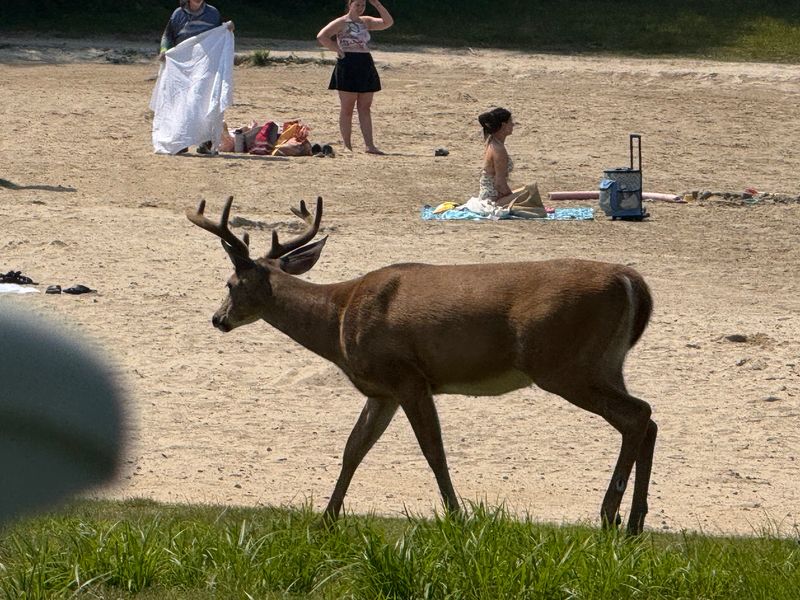
A sandy swimming beach on a warm Pocono afternoon is one of those simple experiences that needs very little explanation. The beach at Tobyhanna State Park typically opens on Memorial Day weekend and stays accessible through mid-September, welcoming visitors from 8 AM until sunset each day.
There are no lifeguards on duty, so swimmers take personal responsibility for their safety, but the calm nature of the lake makes it a generally manageable environment for families. Restrooms and changing areas are conveniently located nearby, and the transition from trail to towel to water happens with very little friction.
Picnic tables and charcoal grills are positioned close to the beach, which means a full day here can include a proper cookout without anyone needing to drive anywhere. One practical note worth mentioning: geese are frequent visitors to the beach area and leave their mark on the grass, so sandals you do not mind getting a little grassy are a smarter choice than bare feet for the walk down.
When the Lake Freezes, the Fun Does Not Stop
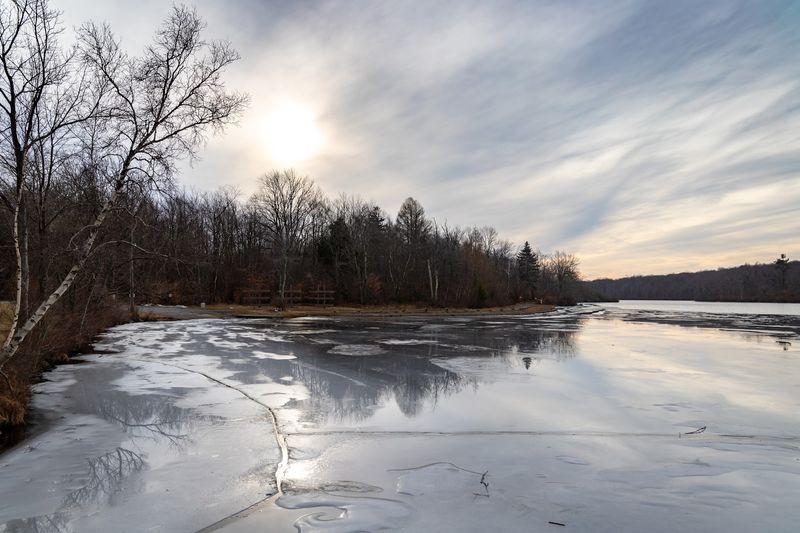
A lot of parks feel abandoned once the temperature drops, but Tobyhanna has a different personality in winter. The frozen lake becomes a destination of its own, drawing ice fishermen who drill through the surface in search of bass, perch, and stocked trout. The key safety rule is straightforward: at least four inches of ice for a single person, seven inches for a small group before anyone steps out.
Near Parking Area 3, a designated 1.2-acre section of the lake serves as a natural ice skating area when conditions allow. The park does not monitor ice thickness, so personal judgment and caution are essential. Cross-country skiing on the Lakeside Trail is a genuinely lovely winter experience, gliding through snow-covered forest with the frozen lake occasionally visible through the trees.
Snowshoers are equally well served by the trail network, and snowmobilers have a dedicated 5.1-mile stretch of the Lakeside Trail to enjoy. You will need to bring your own machine, as rentals are not available, but the trail delivers the kind of quiet, snow-muffled scenery that makes the cold feel entirely worth it.
Camping Here Feels Like the Real Thing
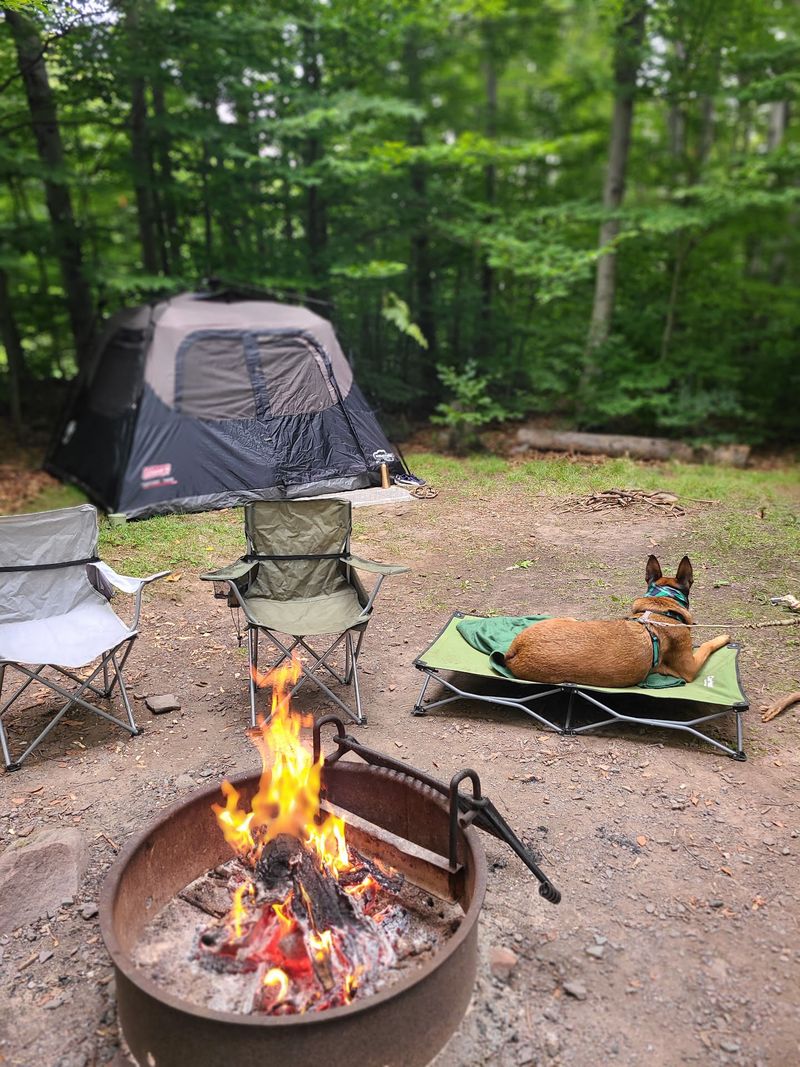
The campground at Tobyhanna State Park has 140 individual sites and runs from April through October, covering the full arc from spring wildflowers to autumn color. Sites closest to the lake are the most sought after, and for good reason: waking up a few steps from the water, with early morning mist still sitting on the surface, is the kind of thing that makes you want to stay an extra night.
The bathroom facilities are modern, regularly cleaned, and genuinely well maintained, which is not something every state park campground can claim. Showers are available, and fellow campers tend to be a friendly, family-oriented crowd. Things generally quiet down by 10 PM, creating an atmosphere that actually allows for real rest.
Dogs are welcome on most campsites as long as they stay leashed, which makes this a solid option for travelers with four-legged companions. One practical heads-up: there is no camp store on site, so stocking up on firewood and supplies before you arrive saves a trip into town. Reserve your site in advance for summer weekends, as spots fill quickly.
Picnics, Playgrounds, and Unhurried Afternoons
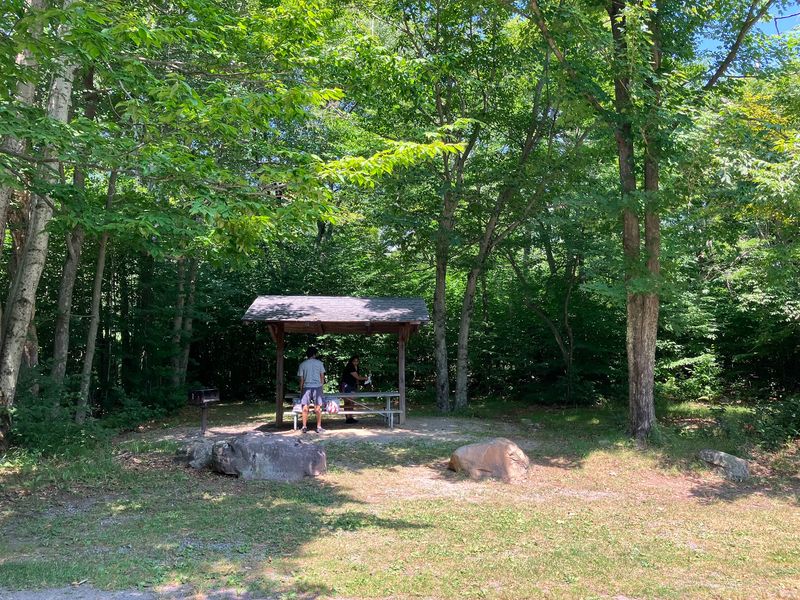
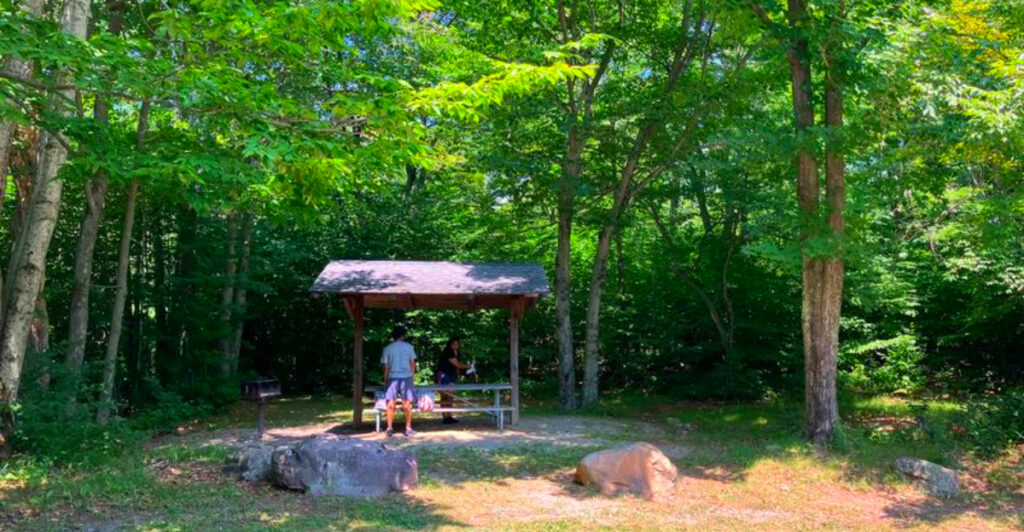
Not every great outdoor experience requires a ten-mile hike or a full day on the water. Sometimes the best version of a park visit is a long lunch at a picnic table with a view, and Tobyhanna delivers that option effortlessly. Multiple day-use areas are equipped with picnic tables and charcoal grills, inviting visitors to slow down and actually enjoy a meal outdoors.
Families with young children have two playgrounds to work with. One sits near the swimming beach, making it easy to rotate between splashing in the lake and burning energy on the climbing structures. A second playfield near Parking Lot 4 offers open space for kicking a ball around or setting up a casual game.
The marina dock is another underrated spot worth exploring. It stretches out over the water and gives a lovely elevated view of the lake and the tree line beyond. There is a pleasant unhurried quality to an afternoon spent moving between the dock, a picnic table, and the shoreline that reminds you why parks like this exist in the first place.
Wildlife Watching: Patience Gets Rewarded
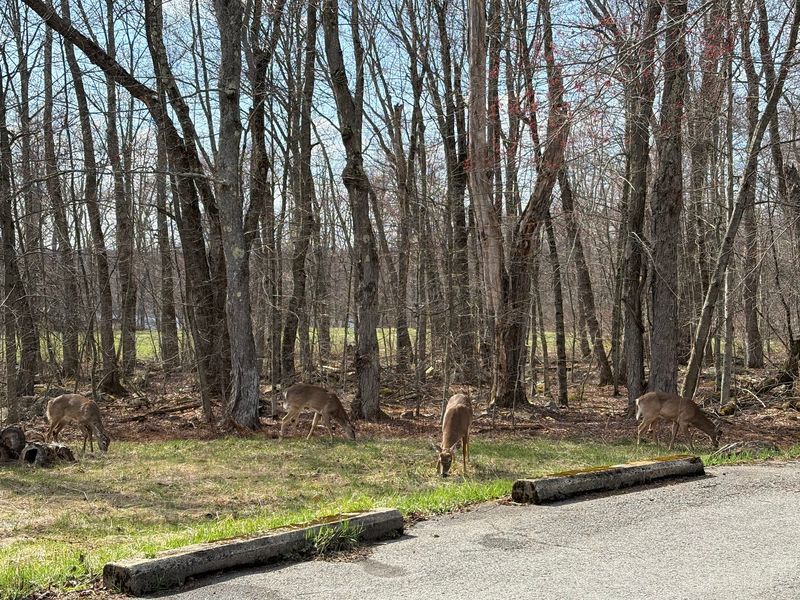
The park’s ecological diversity makes it one of the better wildlife watching destinations in northeastern Pennsylvania, and you do not need to venture far from the main trails to see something worth stopping for. White-tailed deer appear regularly along the Lakeside Trail, often close enough that you can hear them moving through the underbrush before you spot them.
Beavers are a particular highlight. The wetland areas and quieter coves of the lake provide ideal habitat, and patient observers are frequently rewarded with a sighting near dawn or dusk. Muskrats, minks, foxes, and raccoons round out the furbearer population, while wild turkeys are a common sight in the forested sections of the park.
Black bears are present in the area, and the park takes this seriously. Proper food storage is not optional when camping, and maintaining a respectful distance from any wildlife you encounter is both a safety rule and a matter of basic courtesy toward the animals. Binoculars and a camera with a zoom lens are genuinely useful additions to your pack here.
Planning Your Visit: What to Know Before You Go
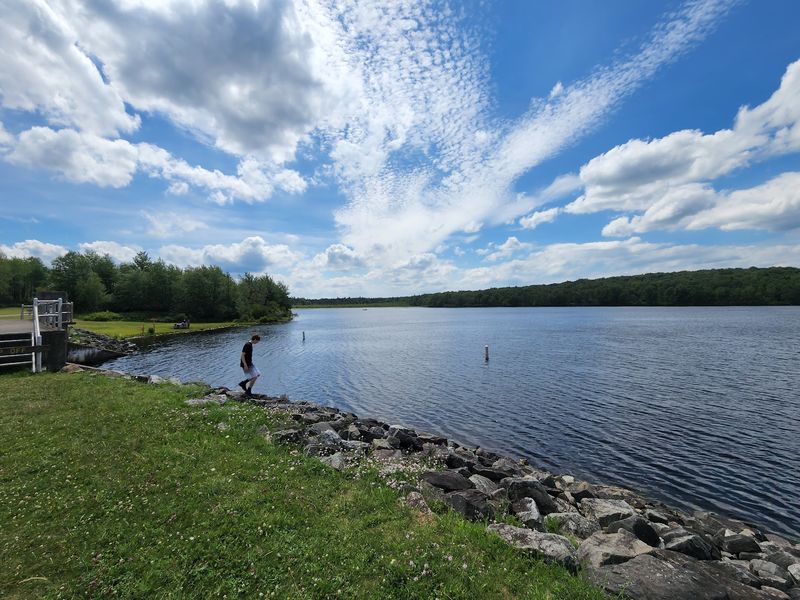
Tobyhanna State Park is open year-round from sunrise to sunset, and there is no entrance fee, which immediately puts it in a category of accessible outdoor destinations that does not require any budget gymnastics to enjoy. Day-use areas generally close at dusk, so checking the park office for specific facility hours is worth a quick call if you have questions.
Proper footwear matters more here than at many parks. The wetland sections of some trails can be muddy, and the Yellow Trail in particular demands sturdy hiking boots. Leashed dogs are welcome on all trails and most campsites, but they are not permitted on the swimming beach, so plan your beach days with that in mind.
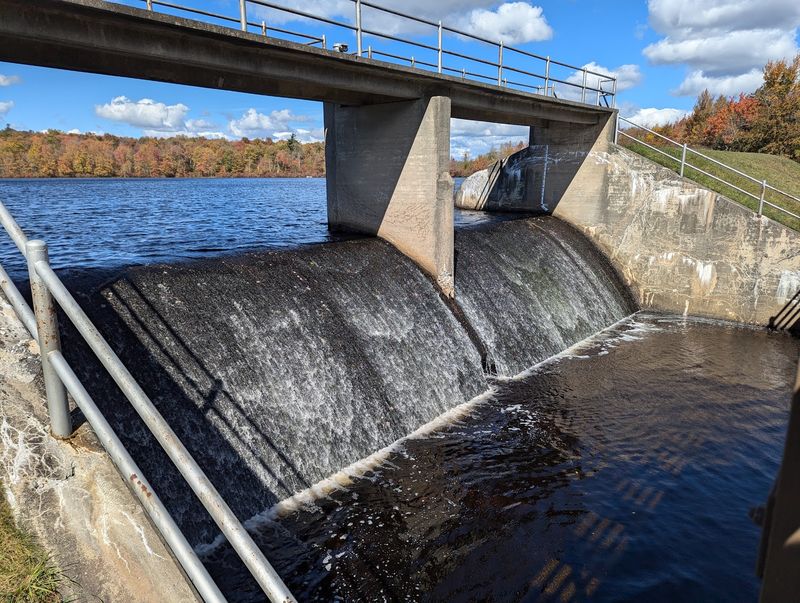
One significant heads-up for future planning: from Spring 2027 through December 31, 2028, Tobyhanna Lake will undergo a rehabilitation project involving dam maintenance and dredging. All lake-related activities, including swimming, boating, and fishing, will be suspended during this period. The trails and campground will remain fully open, so land-based adventures will still be very much on the table throughout the project.
Share this story