A place in Medford gives New Jersey wildlife a second chance while giving people a reason to slow down for a few hours. It is part animal hospital, part nature center, and part trail outing, which is a rare mix for a day trip that does not feel overplanned.
Kids can learn why a hawk, owl, turtle, or raccoon might need human help, while adults get a closer look at the serious work behind wildlife care. Keep reading, because this South Jersey refuge has a story, a mission, and enough practical details to make planning easy.
The Woodford Story In The Pines
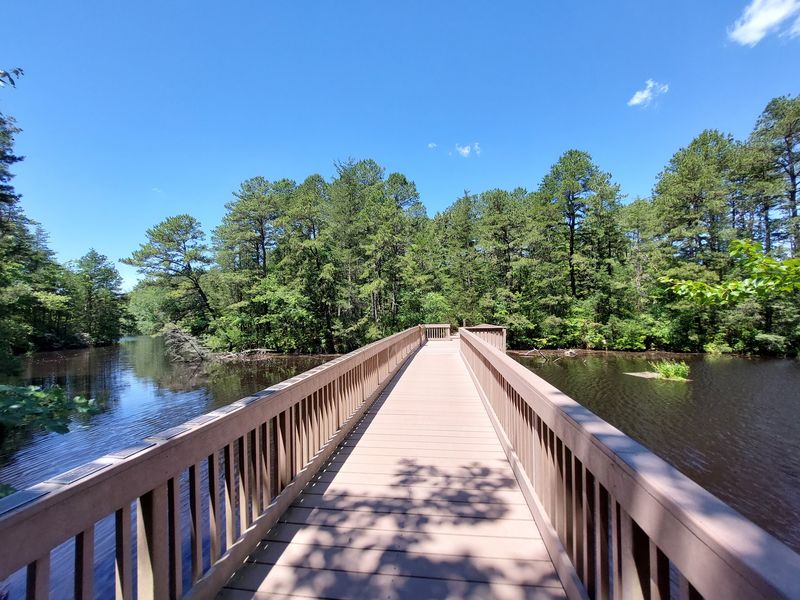
Long before it became a favorite school-trip memory or a family afternoon plan, the refuge began with land and a local commitment. The available information traces its roots to 1951, when Jim and Betty Woodford purchased the land, and to 1957, when Cedar Run Wildlife Refuge was founded.
That history helps explain why so many people talk about it as a Medford institution rather than a new attraction trying to grab attention. It has been woven into school groups, scouting projects, family visits, animal drop-offs, and local fundraising events for decades.
The refuge’s work also reaches far beyond what a casual guest sees in an afternoon. One shared account notes that the Wildlife Hospital treats more than 6,300 wild animals each year, with the refuge relying on support rather than government funding, according to that same locally shared information.
Those numbers make the place feel less like a pleasant side trip and more like a serious South Jersey resource. The public-facing side gives people trails and animal learning areas, while the behind-the-scenes work focuses on rehabilitation.
History here does not sit in a glass case. It keeps showing up in the way families bring children, adults return after childhood visits, and community members support the refuge because they understand what it does for native animals.
Wildlife Care Behind The Public Path
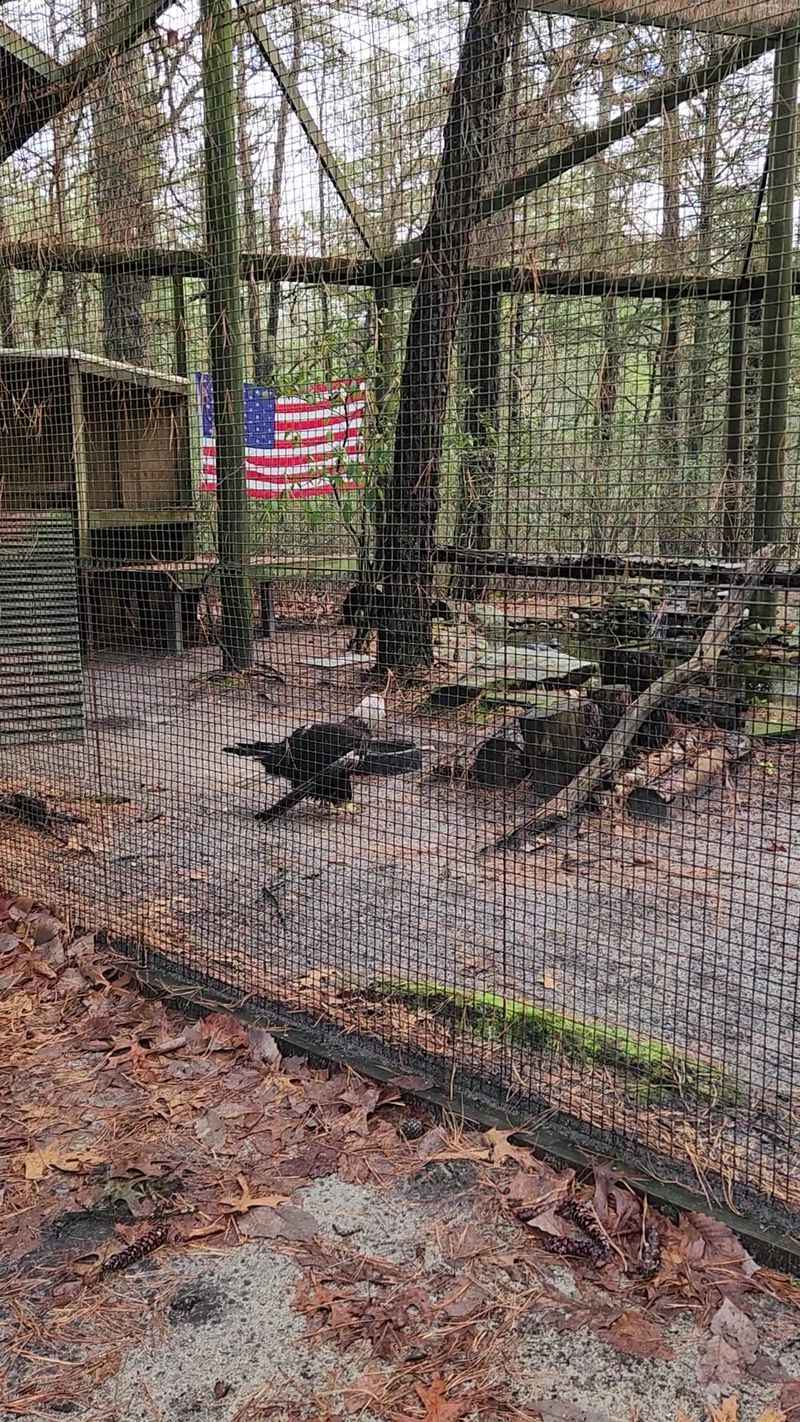
A gull, a baby owl, or another native animal in trouble can turn an ordinary day into a search for qualified help. Woodford Cedar Run Wildlife Refuge is repeatedly described as a wildlife rescue and rehabilitation resource, especially for people in South Jersey who may not know where to turn.
The public information shared by the refuge and community accounts makes one thing clear: animal intake is handled carefully. People mention calling first, dropping off injured wildlife, and learning that safety procedures matter for both the patient and the animals already in care.
That careful process is part of what separates a wildlife hospital from a regular nature stop. The goal is not casual handling or close contact.
The goal is proper care, reduced stress for the animals, and appropriate rehabilitation when possible.
Updates may also be possible after a waiting period, based on shared experiences, though the exact timing can depend on the situation. The focus remains on the animals first, especially young wildlife that may need extended monitoring.
For the casual guest, this part of the refuge adds weight to the visit. Every sign, enclosure, and program connects back to a larger job: helping native wildlife while teaching people how complicated that work can be.
Animal Ambassadors With Real Backstories
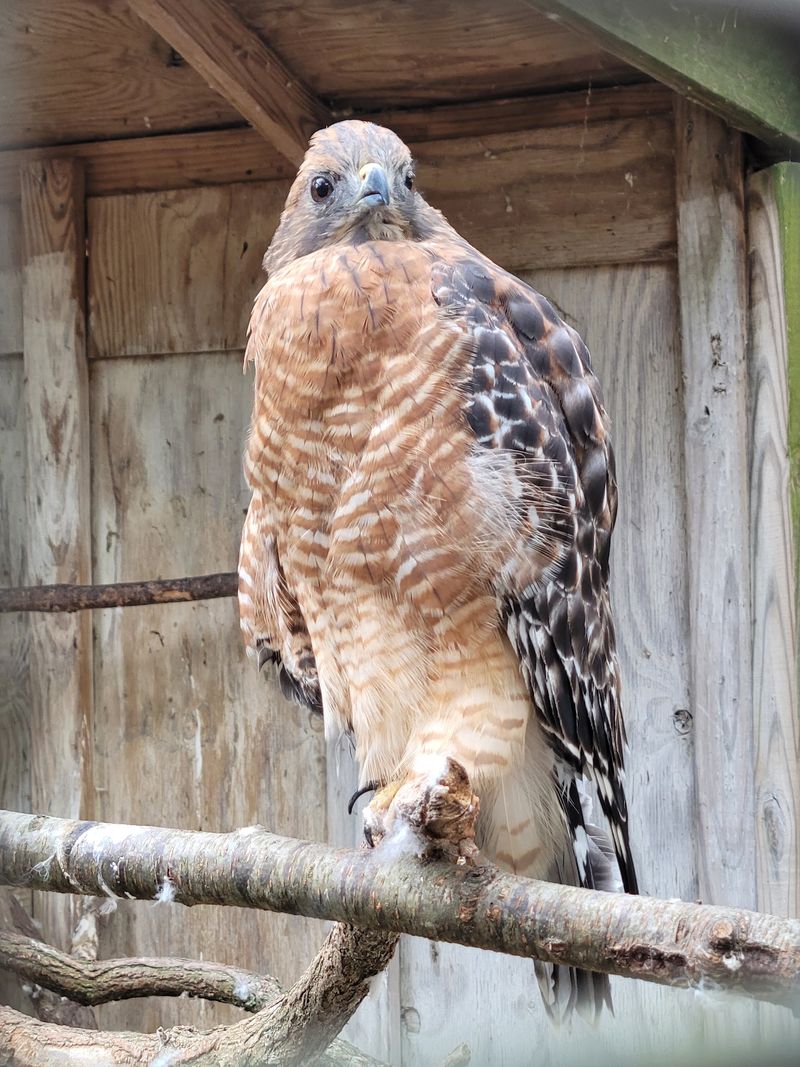
Not every animal at the refuge is on a temporary stay. Some wildlife cannot safely return to the wild, so the refuge gives them a public education role as ambassadors for their species.
That is where the animal housing area becomes especially meaningful. Guests can read short messages on enclosures that explain how individual animals came to the refuge and why they remain there, turning each stop into a small lesson rather than a quick glance.
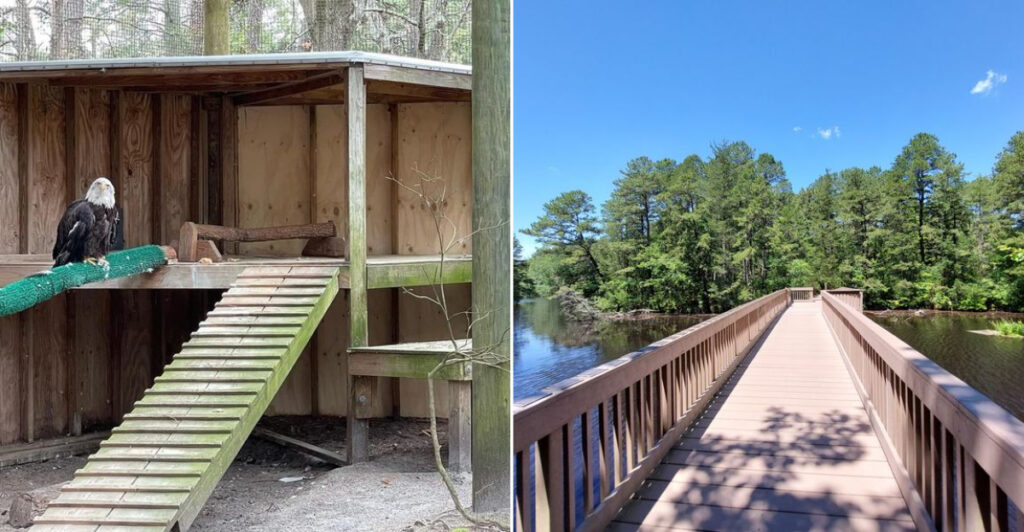
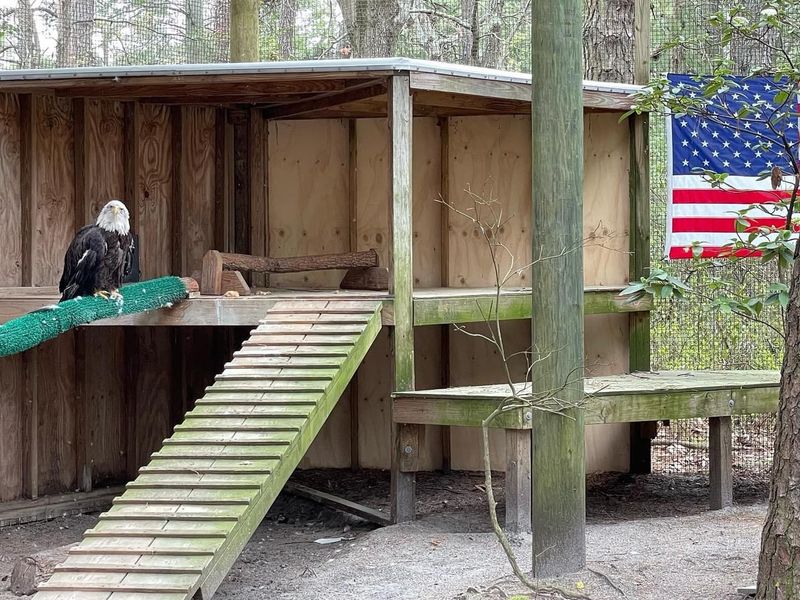
Birds are a major draw. Shared visitor accounts mention bald eagles, hawks, owls, turkey vultures, crows, and ravens, along with other animals that help children and adults connect names in books or lessons with real native wildlife.
The refuge also includes a reptile room inside the Nature Center, according to the owner response information in the available data. That indoor element gives the visit another layer, especially for families who want more than the outdoor trail loop.
Quiet signs around the animal areas are another important detail. They remind guests that wildlife responds to noise and activity, so respect is part of the experience.
The best takeaway is not just that animals are present, but that their stories are treated as teaching tools.
Trails That Make The Visit Bigger
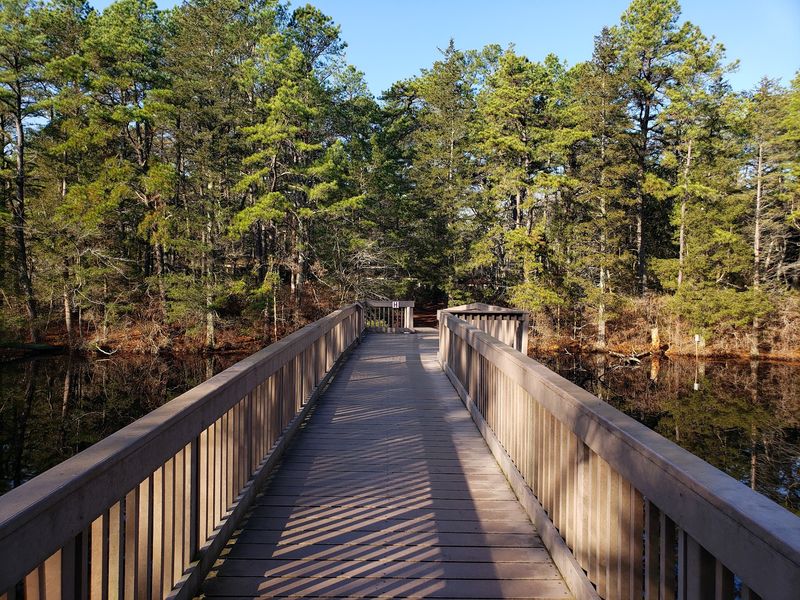
The trails are the reason many people stretch a quick animal stop into a fuller outing. Woodford Cedar Run Wildlife Refuge includes multiple nature trails, and one local account mentions more than 3 miles of hiking trails on the property.
That trail network changes the rhythm of the visit. A family can learn about animals near the housing area, then shift into a walk through the refuge property without leaving the same destination.
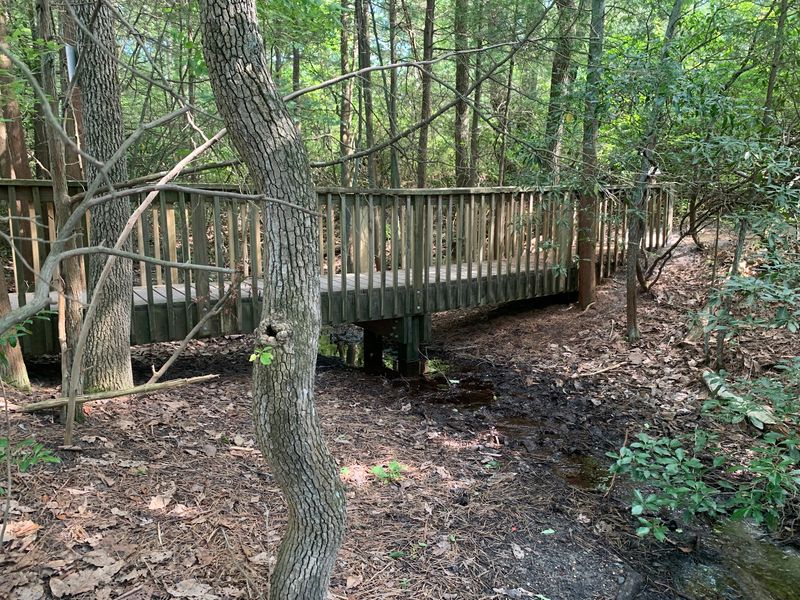
Several details are worth knowing before planning the footwear and stroller strategy. Shared experiences mention boardwalk sections closer to the Nature Center, but also note that some trail areas have uneven or tricky footing, so strollers may not work for the entire route.
The white trail has been described as short and well kept, which may help families with younger children choose a manageable option. The Story Book Trail also gets attention from families because it adds an educational activity to the walk.
Tick awareness belongs in the plan as well. Past visitors have mentioned signs warning about ticks, and the refuge’s response confirmed that spray can be useful during tick season.
A little preparation keeps the trail part of the day from becoming a comedy of avoidable mistakes.
Learning That Does Not Feel Like Homework
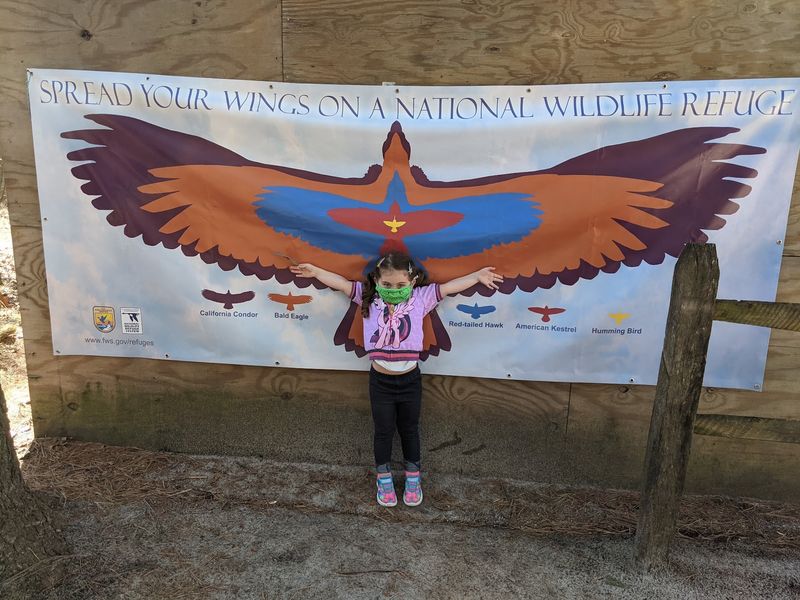
School groups, scout troops, campers, and curious families all fit naturally here because the refuge turns wildlife education into something concrete. The signs do a lot of the heavy lifting, giving short explanations that are easy to follow without turning the visit into a lecture marathon.
Programs add another layer for groups that want a guided experience. Shared accounts mention birthday programming, scout animal habitat activities, tours of animal housing areas, and staff members answering questions in a way that keeps kids involved.
Middle schoolers, young children, and adults all appear in the available visitor accounts, which says something useful about the range. The refuge does not depend on flashy entertainment.
It relies on animals, stories, staff knowledge, and the simple fact that native wildlife is more interesting when people understand what they are seeing.
The Nature Center also includes exhibits, a reptile room, and a gift shop, according to shared information from a local visitor account and the refuge’s response. Those indoor features help round out the visit before or after the trails.
Parents may appreciate that the educational tone is built into the place rather than forced. A child can arrive excited about owls or turtles and leave knowing that rescue, rehabilitation, and habitat all matter in New Jersey.
A Day Trip For Kids, Adults, And Quiet Planners
Some places are kid-friendly because they tolerate children. Cedar Run seems more useful than that, because children can actually understand much of what is happening around them.
Families mention toddlers recognizing animals from books, middle school groups enjoying the visit, and young explorers liking the Story Book Trail. That broad age range makes the refuge a practical choice for grandparents, parents, teachers, and local organizers looking for an outing with a built-in purpose.
The property also has a pavilion and playground access mentioned in a birthday party account, along with programming that let children meet animals and tour housing areas. Those details point to a place that can handle structured group visits as well as low-key family time.
Adults are not just along for supervision duty, either. The animal backstories, rehabilitation mission, and trail system give grown-ups enough substance to stay engaged.
South Jersey locals who remember school trips or childhood visits often frame the refuge as a familiar place worth revisiting.
The atmosphere works best for people who can respect the refuge’s rules and the animals’ needs. Quiet signs are part of the visit, and that is not a buzzkill.
It is the whole point of being in a place where care comes before entertainment.
Simple Hours And Planning Notes
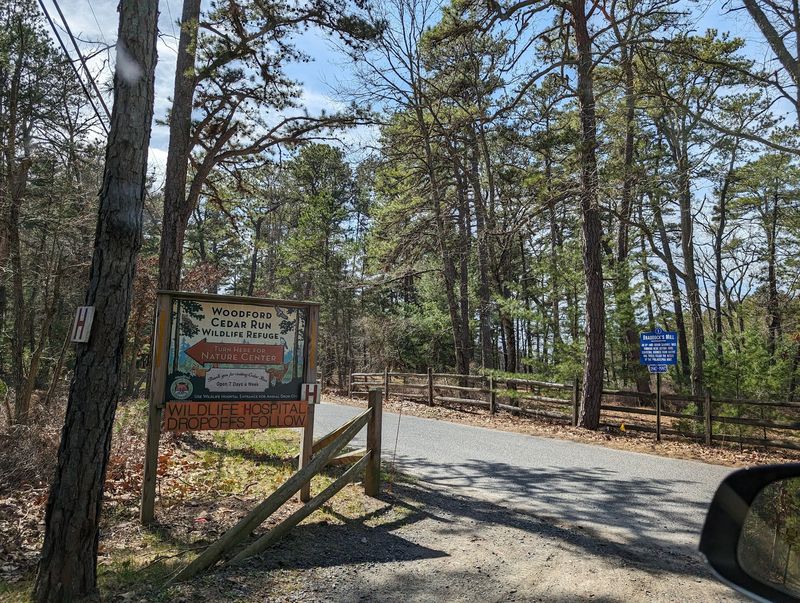
A good local outing should not require a spreadsheet, and the listed hours here are easy to remember. Woodford Cedar Run Wildlife Refuge is open daily from 10 AM to 4 PM, based on the provided Google Maps information.
The available data does not provide a current admission price, so the safest planning move is to check the official website before going. The website listed for the refuge is cedarrun.org, and it is also the best place to look for programs, events, ticket details, and any seasonal updates.
Getting there is straightforward for South Jersey residents because the refuge sits in Medford, away from the bigger city pace but still reachable as a short-hop day trip. The address, 4 Sawmill Rd, Medford, NJ 08055, should be used for navigation.
A few practical details can improve the day. Plan for trail conditions that may include boardwalk sections and uneven areas, consider tick precautions during the relevant season, and remember that not every path may suit a stroller from start to finish.
People bringing injured wildlife should not treat the public visit plan as the same thing as animal intake. Calling ahead is mentioned in shared experiences and is a wise step, because wildlife care has safety procedures that protect both animals and people.
A Local Refuge Worth Defending
New Jersey does not need to shout to prove it has range. A place like Woodford Cedar Run Wildlife Refuge makes the point quietly, through injured wildlife care, kid-friendly learning, and trails that give a Medford afternoon more depth than expected.
The soft verdict is simple: go for the animals, stay longer for the mission. The refuge works because it lets people see native wildlife in a way that is educational rather than casual, and it gives context for why rehabilitation centers matter.
It is especially well suited for families, school groups, scout groups, local nature fans, and adults who want a day trip with more purpose than a basic walk. The animal ambassador signs, reptile room, Nature Center, and trails all add up to a visit that can be short or stretched into a fuller outing.
The most important thing is to arrive with the right expectations. This is a refuge, not a theme park, and the rules around quiet behavior and respectful viewing help protect the animals that live or recover there.
For South Jersey, Cedar Run is one of those places that makes local pride feel earned. It heals, teaches, and welcomes people onto its trails, which is a pretty strong resume for one address in Medford.
A Medford Refuge With A Clear Mission
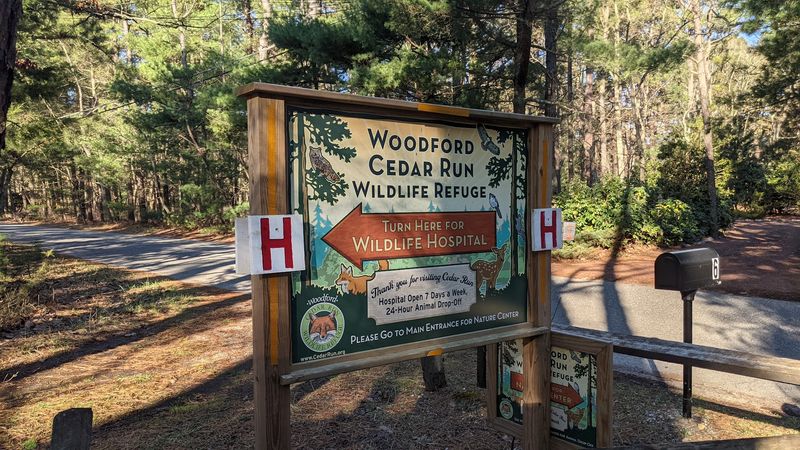
The address belongs right up front because this is a real-deal South Jersey stop, not a vague dot on a weekend wish list. Woodford Cedar Run Wildlife Refuge is at 4 Sawmill Rd, Medford, NJ 08055, in Burlington County, New Jersey, United States.
Its identity is refreshingly direct: it is a wildlife refuge with a Nature Center, wildlife housing area, reptile room, hiking trails, and a wildlife hospital and rehabilitation center. The refuge is open seven days a week from 10 AM to 4 PM, based on the available listing details.
That combination gives the place a different kind of purpose than a standard park. People can come to learn about native wildlife, walk the trails, and understand why some animals on the property cannot safely return to the wild.
The property also matters because South Jersey residents mention taking injured native animals there when help is needed. Staff members are described as careful, kind, and knowledgeable during those moments, which is no small thing when a person arrives with a bird or animal in distress.
For New Jersey day-trippers, the appeal is simple: this is an outing with a reason behind it. The trails are not just trails, and the animal areas are not just displays.
Everything points back to care, education, and a practical role in local wildlife rescue.
Share this story