
Smoking may be on the decline worldwide, but in some countries it is still as common as morning coffee. The World Health Organization estimates that tobacco kills more than 7 million people every year, and that number includes about 1.6 million non-smokers who breathe in second-hand smoke.
From the Balkans to the Pacific Islands, certain countries stand out for having smoking rates that are shockingly high compared to the global average. Here are the 15 countries where tobacco use remains most widespread.
Lebanon

Nearly half of all adults in Lebanon smoke tobacco, making it the most tobacco-saturated country on the planet. An estimated 47.4% of people age 15 and older currently smoke, placing Lebanon well above every other nation in this ranking.
That figure is not just a statistic; it shapes daily life in visible, unmistakable ways.
Walk into almost any social gathering in Beirut and the scent of cigarettes or waterpipe smoke is part of the atmosphere. Both cigarettes and waterpipes have deep roots in Lebanese social culture, and separating the habit from the social ritual is a genuine challenge for public-health officials.
WHO data have consistently flagged Lebanon as an outlier in global tobacco comparisons. The exact percentage shifts slightly depending on whether a survey counts only cigarettes or includes waterpipes and other smoked products.
Either way, the conclusion stays the same: Lebanon sits at the top of this list by a wide margin, and meaningful reduction will require serious, sustained policy effort.
Timor-Leste

Tucked into the eastern tip of the Indonesian archipelago, Timor-Leste carries a smoking rate that would shock most of the developed world. An estimated 43.4% of adults smoke tobacco, giving the young nation the second-highest prevalence on this list.
For a country still building its health infrastructure, that burden is enormous.
The gender split here is dramatic. WHO data for countries with very high smoking rates often reveal that male prevalence is far above the national average, while female rates are comparatively low.
In Timor-Leste, the combined figure of 43.4% almost certainly masks male smoking rates that are extraordinarily high on their own.
That kind of demographic concentration matters for policy. Cessation programs, awareness campaigns, and tobacco taxes all need to be designed with the actual smoking population in mind, not just a blended national number.
Timor-Leste is a clear example of why looking past the headline figure reveals a far more complex and urgent public-health picture than the average alone can tell.
Serbia

Serbia holds the third spot with an estimated 39.6% of adults smoking, and the country wears that ranking as part of a broader regional identity. The Balkans have become one of the most concentrated clusters of high-smoking nations anywhere in Europe, and Serbia sits right at the heart of it.
WHO’s latest European tobacco assessment names Serbia and North Macedonia as the top two highest-prevalence countries in the entire WHO European Region. That region already smokes more than the global average, so leading it is a significant distinction.
Serbian cafes, restaurants, and social spaces have long been places where lighting up is entirely ordinary.
What makes Serbia’s situation particularly complex is the relatively high smoking rate among women compared to many other high-prevalence countries worldwide. In much of the developing world, smoking is almost exclusively a male habit.
In southeastern Europe, women smoke at rates that are genuinely comparable to men, which broadens the public-health challenge and requires gender-inclusive approaches to any meaningful reduction strategy.
North Macedonia
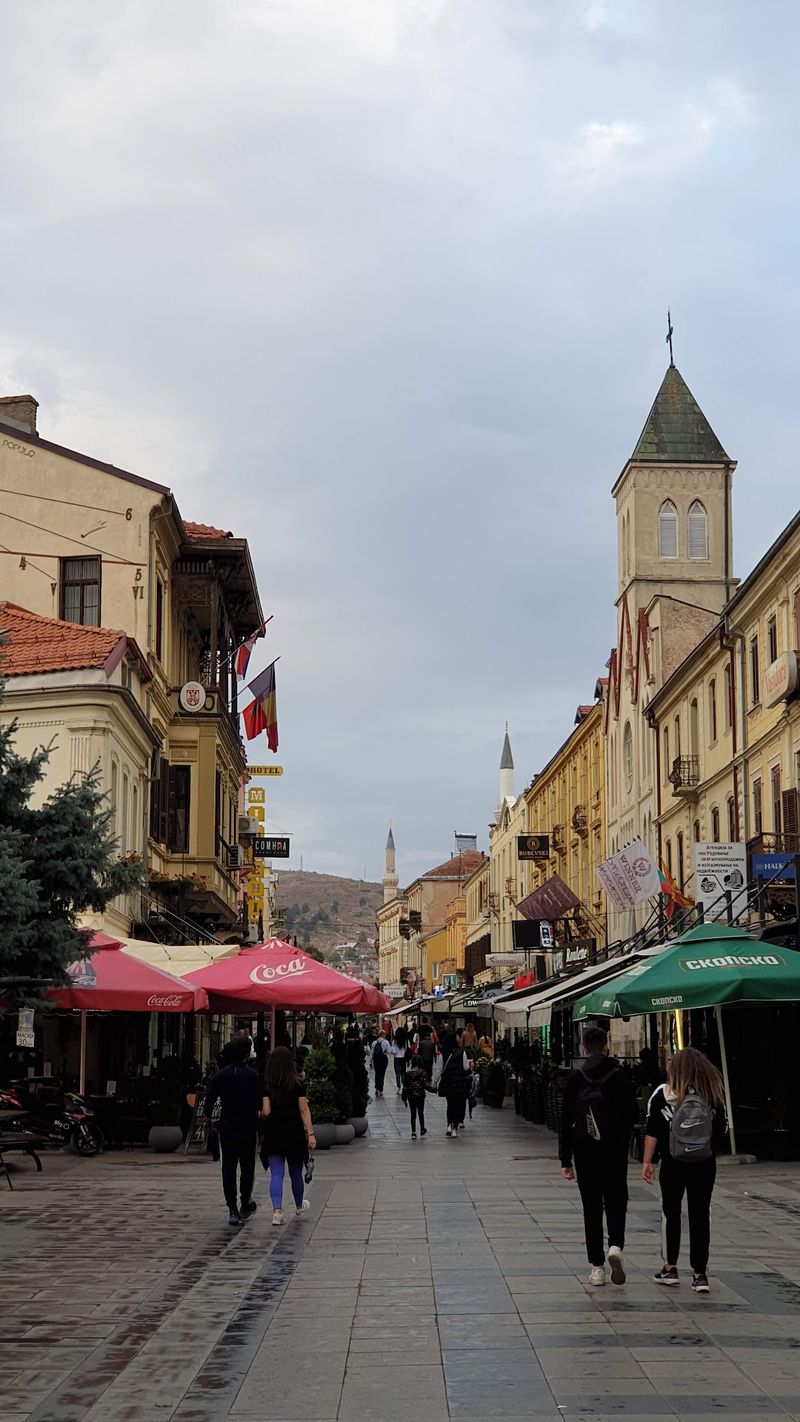
Just a fraction of a percentage point behind Serbia, North Macedonia clocks in at an estimated 39.5% smoking prevalence. That razor-thin gap between the two neighbors is almost statistically meaningless, but it does confirm that the two countries share a deeply similar tobacco culture rooted in geography, history, and social norms.
WHO specifically groups North Macedonia among European countries where tobacco-use prevalence exceeds 30%, placing it in the highest-prevalence tier on the continent. Northern European nations have been cutting smoking rates for decades, but progress in southeastern Europe has been far slower and more uneven.
The contrast within a single continent is remarkable. A person living in Iceland or Norway has roughly a one-in-six chance of being a smoker.
A person living in North Macedonia faces odds closer to two-in-five. WHO projects that southern and southeastern Europe will remain among the slowest-improving subregions through 2030, meaning the gap between Europe’s north and south is unlikely to close quickly.
North Macedonia is a vivid illustration of why continental averages can hide very different realities.
Papua New Guinea

Papua New Guinea brings the Pacific into sharp focus on this list, with an estimated 39% of adults currently smoking. That places it fifth globally and makes it the highest-ranked Pacific nation in the ranking.
For a country with limited healthcare infrastructure spread across rugged terrain and hundreds of islands, a smoking rate that high creates compounding challenges.
Access to cessation support is uneven at best in many parts of Papua New Guinea. Geographic isolation means that health services, which are already stretched thin, struggle to reach communities where tobacco use is most entrenched.
The result is a population exposed to the long-term consequences of smoking without reliable access to the tools that could help them quit.
Tobacco-related illnesses, including cardiovascular disease, chronic respiratory conditions, and multiple cancers, place a heavy load on health systems that are already under-resourced. Papua New Guinea’s position near the top of this list is a reminder that high smoking prevalence is not just a European or Middle Eastern phenomenon.
The Pacific carries its own serious tobacco burden, and it deserves far more global attention than it typically receives.
Bulgaria
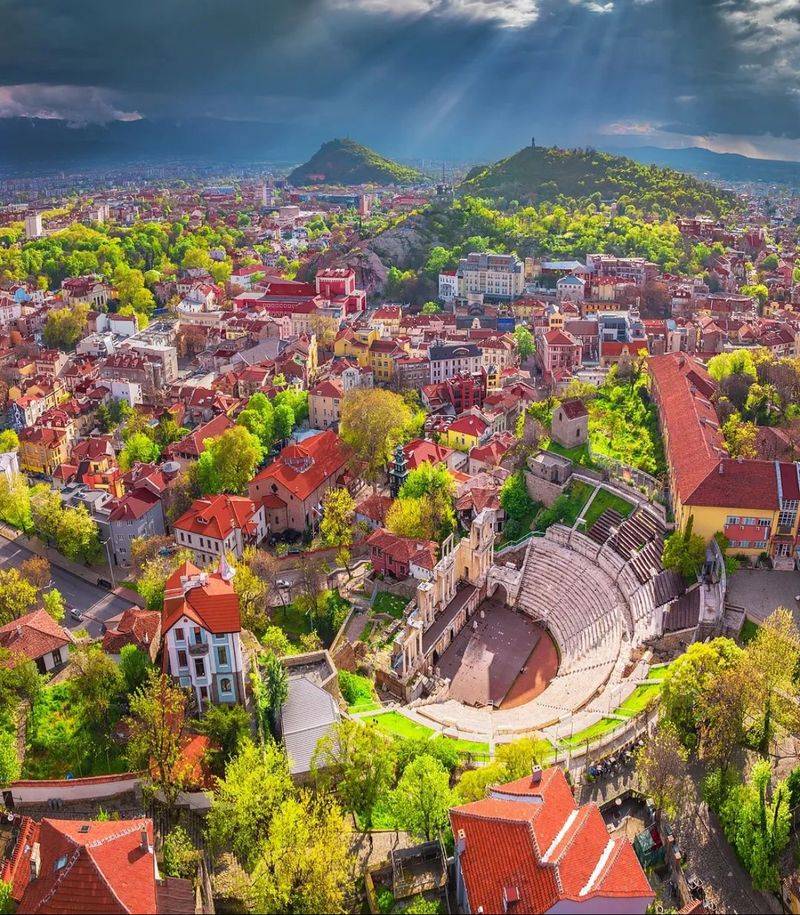
Bulgaria sits at sixth place with an estimated 38.8% smoking prevalence, and the number feels almost stubbornly resistant to change. While much of Europe has made real progress reducing tobacco use over the past two decades, Bulgaria has stayed well above the regional average year after year.
WHO estimates that current tobacco use across the European Region fell from 34.9% in 2000 to 24.1% in 2024. That is meaningful progress on paper, but Bulgaria never really followed the downward curve.
Smoking has remained woven into social and cultural life in ways that make it harder to shift through policy alone.
The economic dimension also plays a role. Tobacco products in Bulgaria have historically been cheaper relative to income than in Western European countries, reducing the deterrent effect of price.
Combine that with strong social acceptance of smoking in public spaces and relatively lower public awareness of cessation resources, and the persistence of high prevalence starts to make more sense. Bulgaria’s story is essentially a case study in how structural and cultural factors can keep a country stuck even when the broader regional trend is moving in the right direction.
Solomon Islands
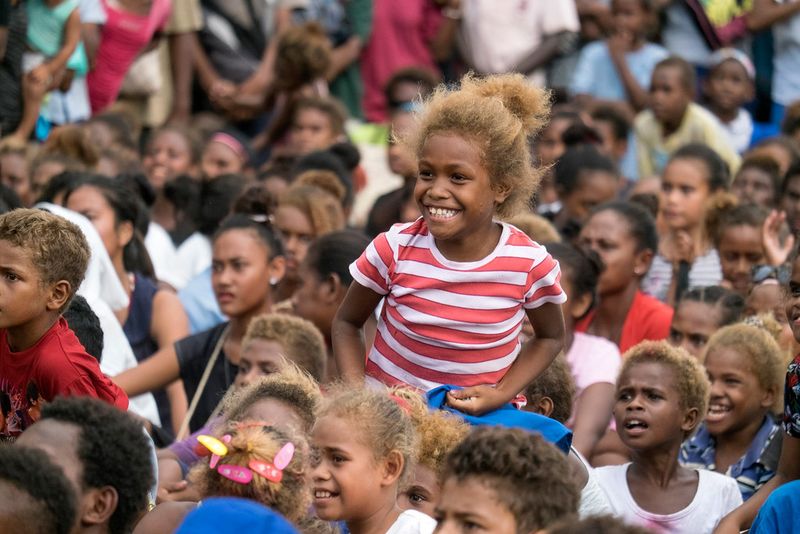
The Solomon Islands may be small in population, but their smoking rate is anything but modest. An estimated 38.3% of adults smoke, earning the archipelago the seventh spot on this global list.
That puts this Pacific nation ahead of many far larger countries where tobacco control has been a policy priority for years.
Small island health systems face a unique problem when smoking rates are this high. The long-term consequences of tobacco use, heart disease, lung cancer, stroke, and chronic obstructive pulmonary disease, require specialized care that is difficult and expensive to provide in remote island settings.
When a large share of the adult population smokes, the cumulative demand on those systems grows in ways that are hard to manage.
WHO describes tobacco as one of the biggest preventable public-health threats in the world, and for small nations like the Solomon Islands, that threat is amplified by limited resources. Preventing new smokers from starting is almost always more cost-effective than treating tobacco-related illness after the fact.
Building that prevention capacity in a geographically scattered island nation is one of the quieter, less-discussed challenges in global tobacco control.
Montenegro

Montenegro proves that you do not need a large population to make a big impression on a global smoking ranking. With an estimated 37.3% of adults smoking, this small Adriatic nation holds eighth place and contributes to what is arguably the most geographically concentrated cluster of high-smoking countries in the world.
Count the Balkan entries in this top 15 and the pattern is impossible to ignore. Serbia, North Macedonia, Bosnia and Herzegovina, Croatia, Bulgaria, and Montenegro all appear within the first 12 spots.
That is not a coincidence. Shared history, cultural norms around tobacco, similar regulatory environments, and comparable economic conditions have all contributed to keeping smoking rates elevated across the region.
WHO’s regional projections suggest that southern Europe will see the slowest decline in tobacco use of any European subregion through 2030. Montenegro, sitting at the geographic heart of that area, is unlikely to be an exception.
Progress is possible, but it tends to come slowly in places where smoking is deeply embedded in social identity and where tobacco-control enforcement has historically been inconsistent. The road to lower prevalence is long, and Montenegro has a considerable distance to travel.
Bosnia and Herzegovina

Sarajevo’s famous coffee culture has a persistent companion: cigarettes. Bosnia and Herzegovina ranks ninth with an estimated 36.8% smoking prevalence, and anyone who has spent time in the country’s capital will tell you that observation is backed up by daily experience.
Smoking and socializing are deeply intertwined here in ways that feel almost inseparable.
Four of the first nine countries on this list are located in the western or central Balkans, and Bosnia and Herzegovina is one of them. That geographic concentration is consistent with WHO data showing persistently elevated tobacco use across southeastern Europe.
The regional pattern is not accidental; it reflects decades of similar social norms, limited tobacco taxes, and slower adoption of smoke-free policies compared to Western Europe.
High baseline prevalence does not make reduction impossible, but it does mean the starting point is significantly harder. Countries beginning from a 37% prevalence need to achieve far larger absolute reductions to reach the global average than countries that are already sitting at 20%.
Bosnia and Herzegovina faces that uphill challenge, and the pace of change so far suggests it will require stronger political will than has been demonstrated to date.
Kiribati

Kiribati is one of the world’s most remote and low-lying nations, a collection of atolls scattered across the central Pacific. It is also the third Pacific island country in the top 10, tied with Bosnia and Herzegovina at an estimated 36.8% adult smoking prevalence.
For a nation already facing existential threats from rising sea levels, a tobacco burden of this scale adds another layer of pressure to an already strained situation.
Island health systems in Kiribati are not equipped to handle high volumes of tobacco-related illness. Specialist care for lung cancer or advanced cardiovascular disease often requires medical evacuation to larger countries, which is both expensive and logistically complicated.
Prevention is not just the preferred approach here; for many patients, it is the only realistic one.
WHO’s warnings about tobacco apply everywhere, but they carry particular weight in places like Kiribati where the safety net is thin. The organization notes there is no safe level of exposure to second-hand smoke, meaning the health risk extends beyond the roughly one-in-three adults who smoke directly.
Kiribati’s position in this ranking is a quiet but urgent call for targeted international support in tobacco prevention.
Andorra

Andorra is best known for its mountain scenery, ski slopes, and duty-free shopping. Its appearance at number 11 on a global smoking ranking is considerably less expected.
An estimated 35.6% of adults smoke, placing this tiny Pyrenean nation among the highest-prevalence countries in the WHO European Region.
The duty-free angle is worth thinking about. Andorra’s status as a low-tax jurisdiction means tobacco products are cheaper there than in neighboring France or Spain.
Lower prices tend to support higher consumption, and Andorra’s unique economic situation may be one reason its smoking rate has stayed elevated relative to the surrounding region.
Andorra’s presence on this list challenges the assumption that high smoking rates are primarily a lower-income-country problem. National wealth matters less than the specific combination of price, regulation, cultural norms, and historical consumption patterns that shapes tobacco behavior in any given place.
Countries can be prosperous, small, and scenic while still carrying a significant tobacco burden. Andorra is proof that no country, regardless of size or income level, gets an automatic pass when it comes to public health outcomes tied to tobacco use.
Croatia
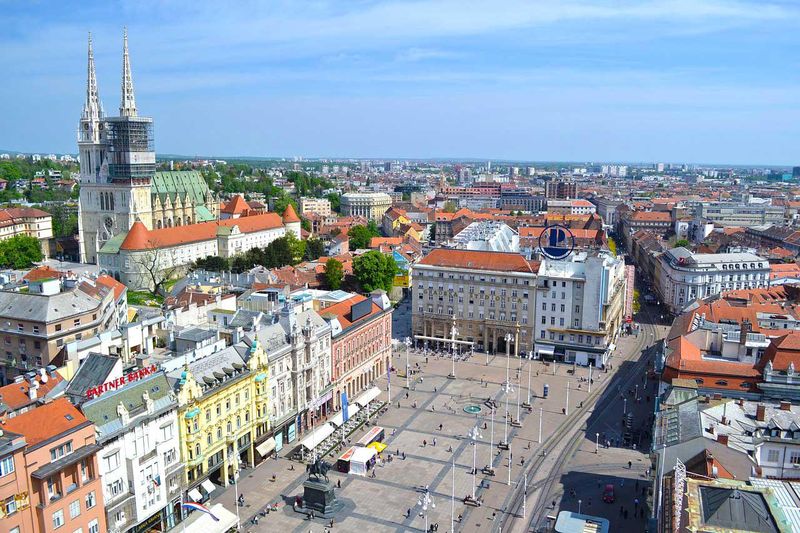
Croatia holds the 12th spot with an estimated 34.5% of adults smoking, which means roughly one in three people over 15 lights up regularly. That alone would be notable, but Croatia brings an extra wrinkle: it also has one of the highest reported e-cigarette usage rates in Europe.
WHO’s 2023 European assessment cited a 12% adult e-cigarette prevalence in Croatia, among the highest figures in the region. That creates a complicated picture for public-health policy.
Reducing traditional cigarette use while a parallel nicotine market is growing rapidly means that overall nicotine dependence may not be declining as fast as cigarette numbers alone suggest.
Tobacco-control strategies built around cigarette reduction need to evolve when newer nicotine products are gaining ground simultaneously. Croatia is a useful case study in that challenge.
The country is not simply dealing with a legacy smoking problem; it is navigating a shifting nicotine landscape where old tools may not be sufficient. Getting the policy framework right in that environment requires more nuance and up-to-date evidence than many governments have historically been willing to invest in.
Jordan

Jordan is the second Middle Eastern country on this list, following Lebanon, with an estimated 34% of adults currently smoking. The figure places Jordan well above the global average and highlights how tobacco use in the Middle East carries a different texture than in Europe or the Pacific.
Waterpipe smoking is a significant factor in Jordan and across the broader region. When surveys count only cigarettes, they can substantially undercount total tobacco exposure.
WHO’s smoking definitions can include cigarettes, waterpipes, cigars, bidis, kreteks, and other smoked products, and the specific indicator used affects how numbers compare across countries and studies.
That definitional complexity is one reason Jordan’s exact ranking can shift slightly between different data sources. What stays consistent is the broad pattern: tobacco use in Jordan is high by global standards, and waterpipe sessions that can last for hours expose users and those around them to significant smoke.
Public health campaigns in Jordan increasingly need to address both forms of tobacco, not just the cigarette, if they want to make a meaningful dent in overall exposure and the health consequences that follow from it.
Palestine
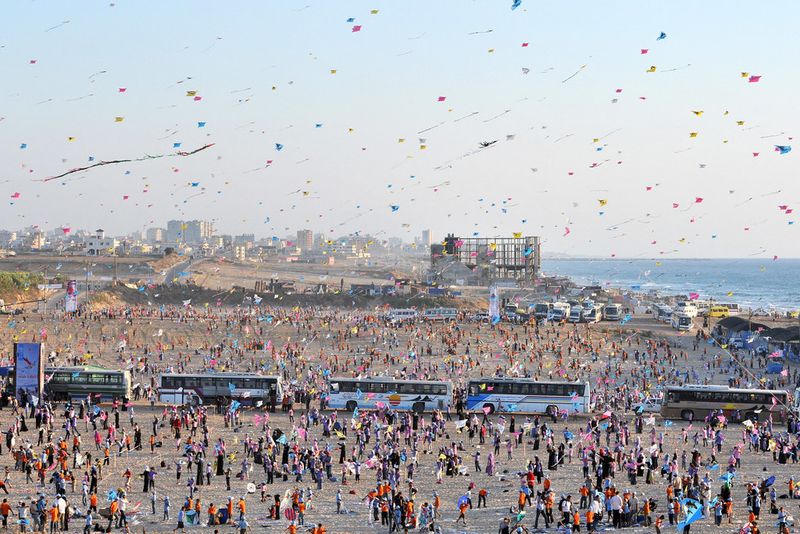
Palestine ranks 14th with an estimated 33.7% smoking prevalence among adults age 15 and older. The number places it firmly in the high-prevalence category, and like Jordan, it reflects a regional tobacco culture where smoking is socially normalized across a wide range of settings and age groups.
Gender differences are especially pronounced in many Middle Eastern countries. Male smoking rates can be dramatically higher than female rates, meaning the combined national figure of 33.7% may conceal a male prevalence that is substantially more alarming.
Designing effective tobacco-control policy without understanding that split is like trying to navigate with only half a map.
WHO’s standardized estimates are designed to make cross-country comparisons more meaningful, but the organization is careful to note that the quality of national survey data still affects the precision of each modeled figure. Palestine’s public-health system operates under extraordinary constraints, which makes collecting reliable, high-quality tobacco data harder than in more stable settings.
What the available evidence consistently shows, however, is that tobacco use is a serious and widespread problem that deserves sustained attention regardless of the other pressures competing for policy resources.
France

France may be the most surprising name on this entire list. Known globally for wine, cuisine, and cultural sophistication, France also carries an estimated 33.6% adult smoking prevalence, placing it 15th among the world’s highest-smoking nations.
For a wealthy Western European country with a strong healthcare system, that figure raises real questions.
WHO’s latest European assessment puts France considerably above neighbors like the United Kingdom, Norway, and Iceland in tobacco prevalence. The gap within Western Europe alone is striking.
Countries sharing similar income levels and healthcare capacity can end up with very different smoking rates when their tobacco tax structures, advertising restrictions, smoke-free policies, and cultural attitudes diverge over decades.
France has made progress on tobacco control in recent years, including plain packaging laws and tax increases, but the results have been slower to materialize than in some comparable countries. Cultural attachment to the cigarette as a social accessory runs deep in French popular identity, from cafe terraces to cinema.
Changing behavior that is tied to cultural self-image takes time and persistent policy pressure. France is living proof that national wealth and a sophisticated health system are not enough on their own to bring smoking rates down to the levels seen in the most successful tobacco-control countries.
Share this story