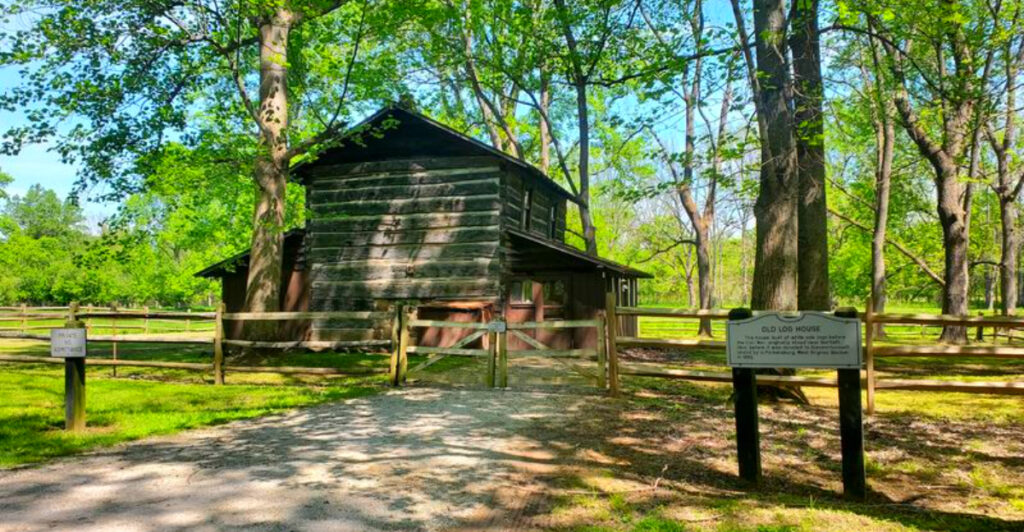
West Virginia is the kind of place that rewards curious travelers who slow down and look closely. Civil War earthworks still survive on remote mountain ridges, frontier log forts recall a much earlier struggle for survival along the Ohio River, and ancient Indigenous mounds rise from the landscape with quiet authority. The Mountain State played a central role in some of the most dramatic chapters of American history, from the political debates that created a brand-new state during wartime to a daring abolitionist raid that shook the entire nation. What makes these sites especially worthwhile is that they are not just markers or plaques.
They are places where you can walk the actual ground, see surviving structures, and piece together a story that textbooks rarely tell in full. The 12 sites ahead range from well-known national parks to off-the-beaten-path mountain battlefields, and every single one is worth the trip.
1. Harpers Ferry National Historical Park, Harpers Ferry, West Virginia
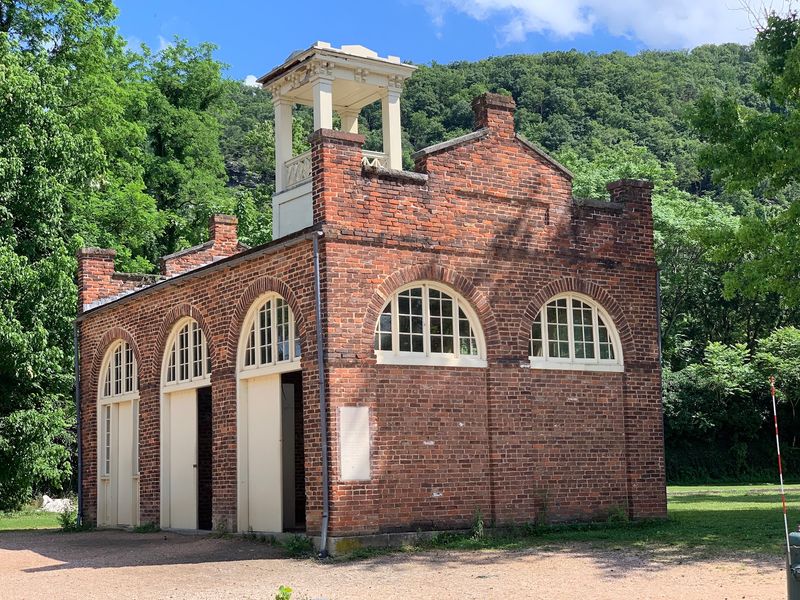
John Brown’s 1859 raid on the federal arsenal here was one of those moments that changed everything, and Harpers Ferry preserves that story with remarkable depth and physical detail.
The national historical park covers multiple themes, including Civil War history, 19th-century industry, the early labor movement, and the long struggle for civil rights, particularly through the legacy of Storer College. Lower Town, the preserved 19th-century village with brick buildings tucked beneath steep wooded slopes, is the main draw for most visitors, and it genuinely looks the part.
John Brown’s Fort, Jefferson Rock, and the various park museums each offer a distinct angle on the history. Over 20 miles of trails connect the town to surrounding ridges and river overlooks. The Appalachian Trail passes directly through the park, giving hikers an extra reason to linger. Few American historic sites pack this many significant stories into one compact, walkable area.
2. Droop Mountain Battlefield State Park, Hillsboro, West Virginia
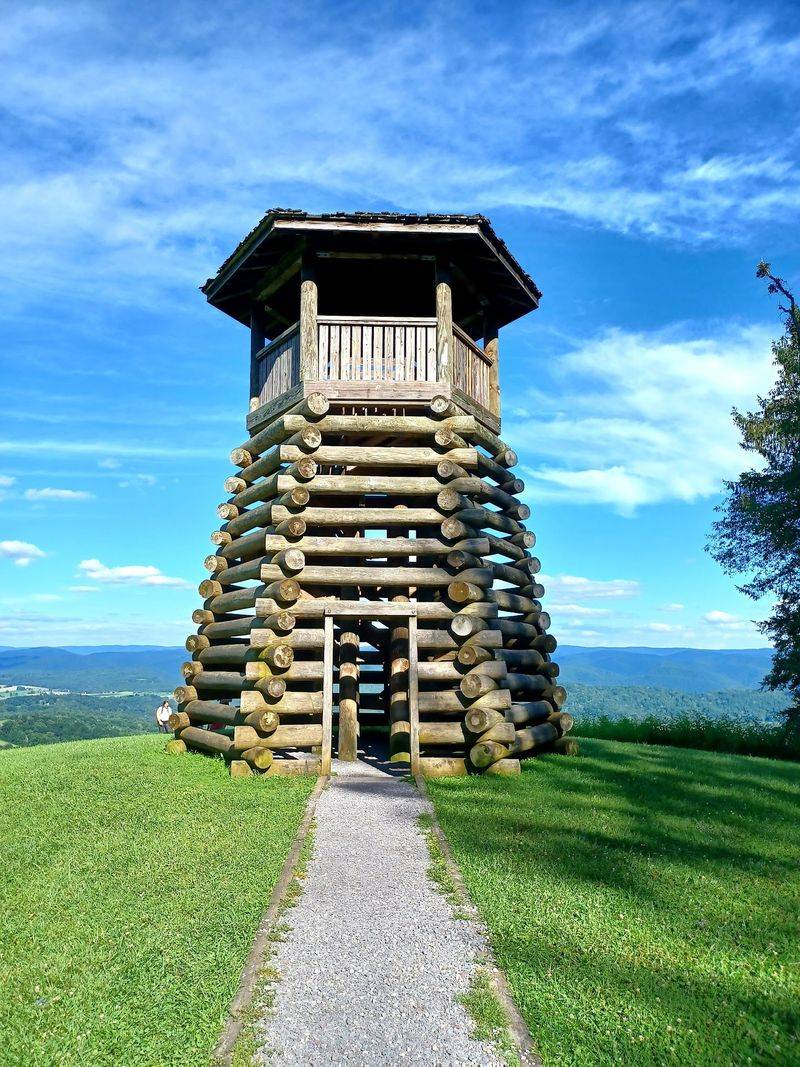
West Virginia’s first designated state park, established in 1928, also happens to preserve the scene of the last major Civil War battle fought entirely within the state’s borders.
On November 6, 1863, Union forces under Brigadier General William W. Averell defeated Confederate troops led by Brigadier General John Echols at this elevated Pocahontas County location. The Union victory effectively ended organized Confederate resistance in southeastern West Virginia, making the outcome strategically significant beyond just the immediate engagement.
Today the park offers eight trails totaling 3.3 miles, many forming scenic loops through mature forest. A lookout tower at the summit rewards the climb with sweeping views of the surrounding Allegheny Highlands. The on-site museum displays Civil War artifacts, and picnic areas provide a relaxed setting for families. The combination of preserved battlefield landscape, mountain scenery, and genuine historical weight makes Droop Mountain one of the most satisfying stops on any West Virginia history itinerary.
3. Carnifex Ferry Battlefield State Park, Summersville, West Virginia
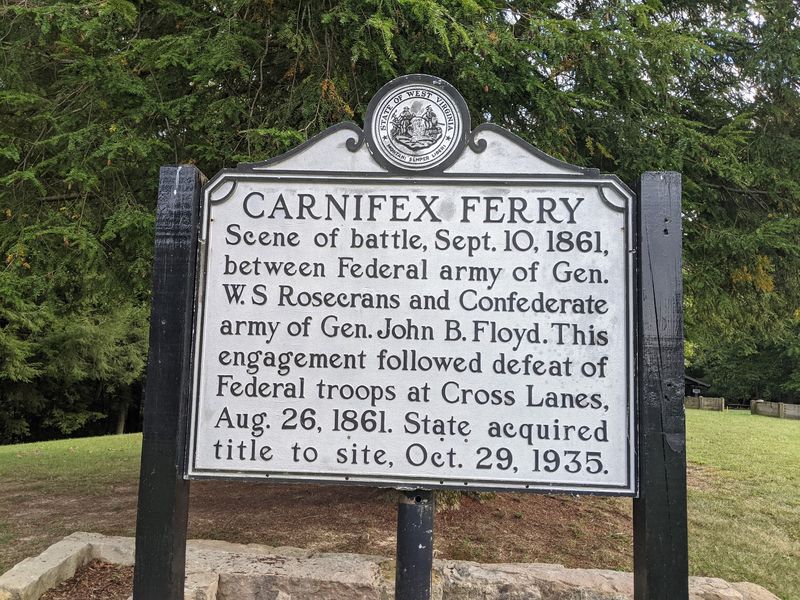
Perched on the rim of the dramatic Gauley River Canyon, this 156-acre park is the kind of place where the scenery and the history compete for your attention in equal measure.
The Battle of Carnifex Ferry took place on September 10, 1861, when Union forces under Brigadier General William S. Rosecrans forced Confederate troops commanded by Brigadier General John B. Floyd to withdraw from their entrenched positions around the Henry Patterson farm. That outcome helped secure the path toward West Virginia statehood, making this a politically significant site as well as a military one.
Visitors can tour the restored Patterson House Museum, which stood between the opposing forces during the battle. Multiple scenic overlooks provide views down into the Gauley River gorge, and interpretive hiking trails cross the battlefield terrain. The park is also an official Civil War Discovery Trail site, and annual reenactments on odd-numbered years bring the history to life in a hands-on way.
4. Rich Mountain Battlefield, Mabie, West Virginia
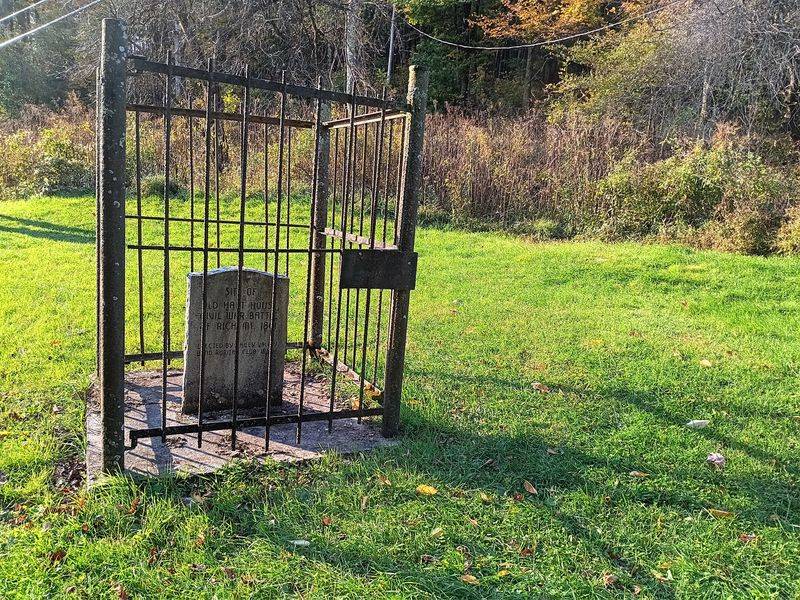
Rock-carved soldier graffiti from 1861 still survives at the Hart Farm on Rich Mountain, and that single detail says more about the human experience of this campaign than most battlefield markers ever could.
The July 11, 1861 battle here was a crucial early Union victory in the struggle for western Virginia, and it launched Major General George B. McClellan to national prominence almost overnight. The battlefield encompasses over 440 acres and is divided into several distinct areas, including the Hart Farm where the main fighting occurred and Camp Garnett to the west, where Confederate earthworks are still visible.
A half-mile walking trail with interpretive signage guides visitors through the Hart Farm site, while the Beverly Heritage Center serves as the main interpretive hub with exhibits and guided tour options. The rural mountain setting, largely unchanged from the 1861 campaign, gives Rich Mountain a quiet authenticity that more heavily developed battlefield parks rarely match.
5. Historic Philippi Covered Bridge, Philippi, West Virginia
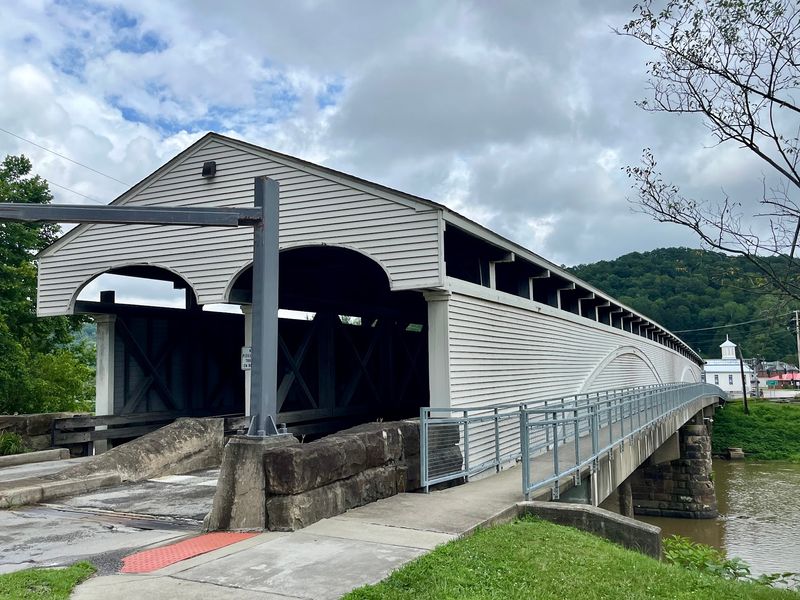
Built in 1852 by master bridge builder Lemuel Chenoweth, the Philippi Covered Bridge holds a distinction that no other covered bridge in the country can claim: it still carries active U.S. highway traffic, making it the only two-lane covered bridge in continuous use as part of the numbered U.S. highway system.
Its Civil War credentials are equally notable. On June 3, 1861, Union forces used the bridge as a staging point during the so-called Philippi Races, widely considered the first land engagement of the Civil War involving organized troops. Both sides crossed this same structure during the conflict, making the bridge a literal common ground between opposing forces.
A fire in 1989 caused serious damage, but a meticulous 1991 restoration returned the bridge to its 1861 appearance while adding modern structural reinforcements beneath the historic wooden exterior. The result is a living landmark where contemporary traffic literally rolls through a piece of Civil War history every single day.
6. West Virginia Independence Hall, Wheeling, West Virginia
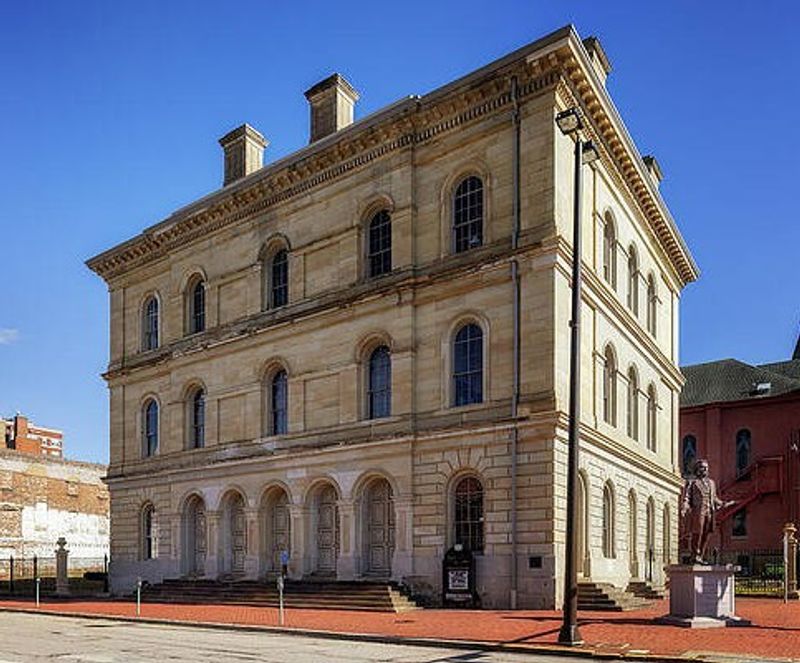
Every state has a birthplace, and for West Virginia, that address is a Renaissance Revival building in downtown Wheeling that started life as a federal custom house in 1859.
The building’s wrought-iron framing was a construction innovation at the time, foreshadowing techniques that would later define skyscraper design. Far more significantly, its third-floor federal courtroom hosted the Wheeling Conventions of 1861 to 1863, the political debates and votes that established the Reorganized Government of Virginia loyal to the Union and ultimately led to West Virginia becoming the 35th state on June 20, 1863.
Today the meticulously restored building operates as a free museum, giving visitors access to period rooms including the original post office and Governor Pierpont’s office. A display of 14 original Civil War battle flags adds a tangible military dimension to what is primarily a political history site. The downtown setting and stately architecture make it a very different experience from the state’s wooded battlefields.
7. Grave Creek Mound Historical Site, Moundsville, West Virginia
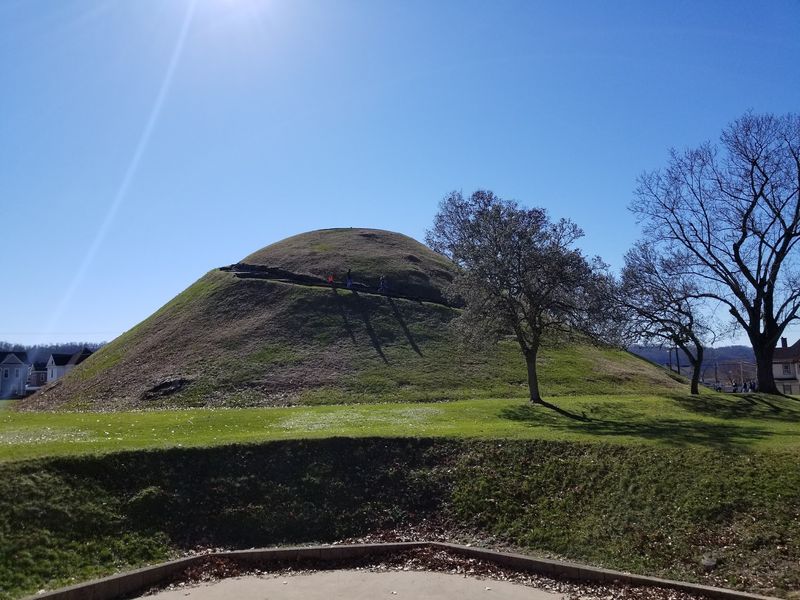
Rising nearly 69 feet above the surrounding landscape, the Grave Creek Mound is one of the largest conical burial mounds in the Western Hemisphere, and it was built entirely by hand by the prehistoric Adena people between approximately 250 and 150 B.C.
The sheer scale of the project is staggering. Constructing the mound required moving an estimated 57,000 to 60,000 tons of earth, all without metal tools or wheeled vehicles. The Adena people who built it were part of a sophisticated culture that occupied the Ohio Valley for centuries before European contact, and the mound served as a burial site for members of high social status within their community.
The adjacent Delf Norona Museum, opened in 1978, interprets the site through hundreds of Native American artifacts and exhibits on Adena lifeways. A cast skeleton of the stegodon, West Virginia’s state fossil, adds an unexpected prehistoric angle. This is genuinely one of the most impressive ancient structures in the eastern United States.
8. Blennerhassett Island Historical State Park, Parkersburg, West Virginia
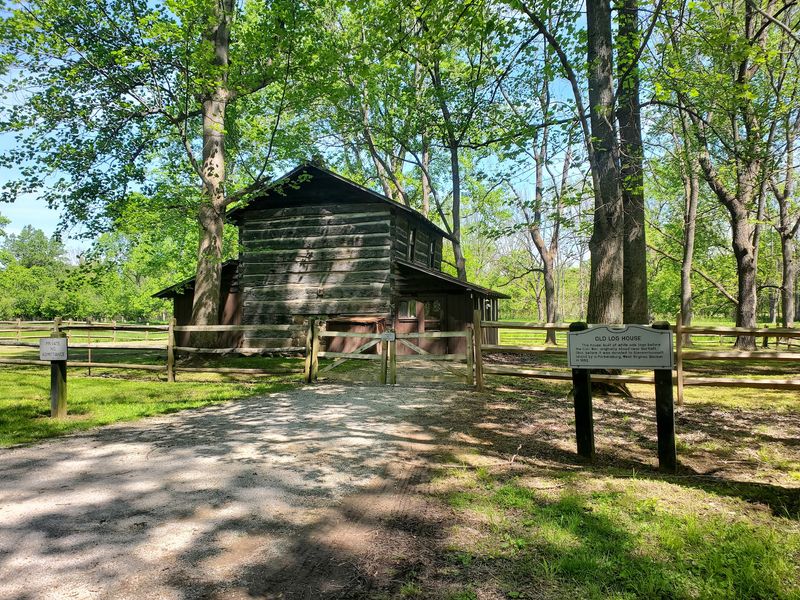
The only way to reach Blennerhassett Island during the operating season is by boarding the Island Belle sternwheeler in Parkersburg, and that 20-minute river crossing sets the tone for everything that follows.
The island’s history centers on Harman and Margaret Blennerhassett, wealthy Irish aristocrats who built what was described as the most beautiful home in the West on this Ohio River island in 1798. Their story took a dramatic turn when they became entangled with Aaron Burr’s controversial early 19th-century military expedition to the Southwest, an episode that led to accusations of treason against both Burr and Harman Blennerhassett.
The original mansion burned in 1811, but a detailed replica built on the original foundations in the 1980s is available for guided tours. Horse-drawn wagon rides, the Putnam-Houser House, and the Blennerhassett Museum of Regional History in Parkersburg round out the experience. Archaeological finds on the island date back approximately 13,000 years, adding a deep prehistoric layer to an already layered story.
9. Camp Allegheny Battlefield, Bartow, West Virginia
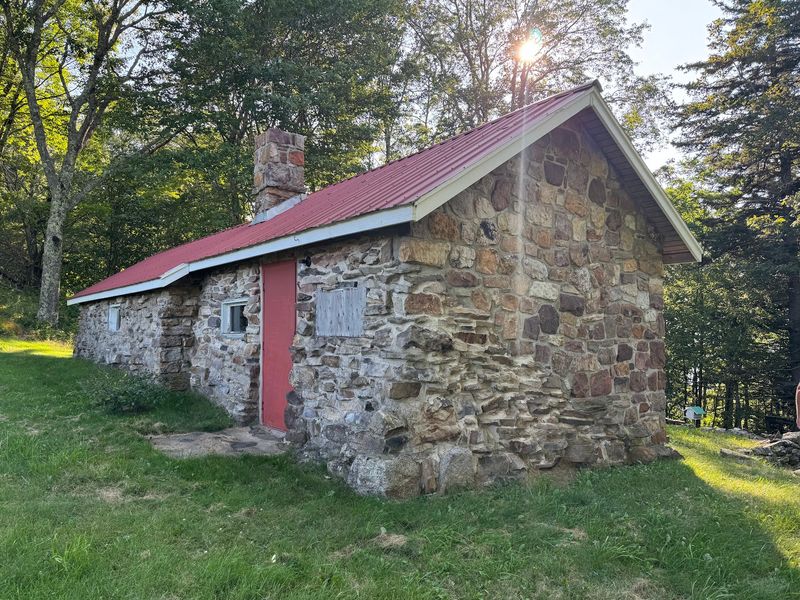
At roughly 4,400 feet above sea level, Camp Allegheny was one of the highest military encampments of the entire Civil War, a logistical challenge that shaped every aspect of the 1861-62 campaign in this corner of the Allegheny Mountains.
Confederate forces under Colonel Edward Johnson held the strategic position along the Staunton-Parkersburg Pike, successfully repelling a Union attack on December 13, 1861. Despite that defensive success, the brutal winter conditions and the near-impossibility of supplying troops at such elevation forced a Confederate withdrawal in April 1862.
The battlefield today sits within the Monongahela National Forest and is remarkably well-preserved. Remnants of defensive earthworks, gun positions, and chimney falls from winter cabins are still visible on the landscape. Historical markers and interpretive waysides guide exploration, and the remote setting gives visitors a visceral sense of how difficult campaigning in these mountains actually was. The site is listed on the National Register of Historic Places, reflecting its genuine historical significance.
10. Cheat Summit Fort, Huttonsville, West Virginia
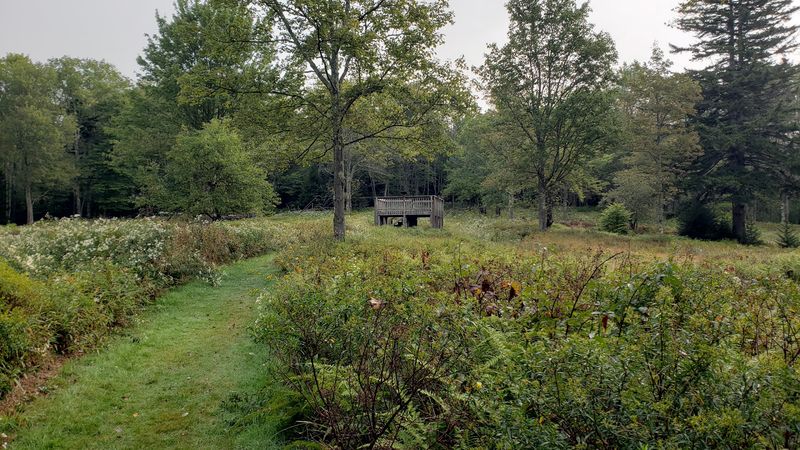
General Robert E. Lee’s first offensive operation of the Civil War ended in failure here, and the remnants of the fort that stopped him are still visible in the forest today.
Federal troops built Cheat Summit Fort in the summer of 1861 at approximately 4,000 feet elevation to control the vital Staunton-Parkersburg Turnpike, making it the highest known Union fortification in the eastern theater. In September 1861, Lee launched the Cheat Mountain Campaign to capture the position, but poor coordination, difficult terrain, and stubborn Union resistance combined to turn the operation into a significant Confederate setback.
The Union garrison that held the fort then endured one of the coldest and wettest winters on record at that elevation, with disease and harsh conditions taking a serious toll. Today, pit-and-parapet earthworks, cabin sites, and collapsed chimney mounds remain visible within the Monongahela National Forest. The site is protected and listed on the National Register of Historic Places, and the rugged terrain itself narrates the history as effectively as any exhibit.
11. Bulltown Historic Area, Napier, West Virginia
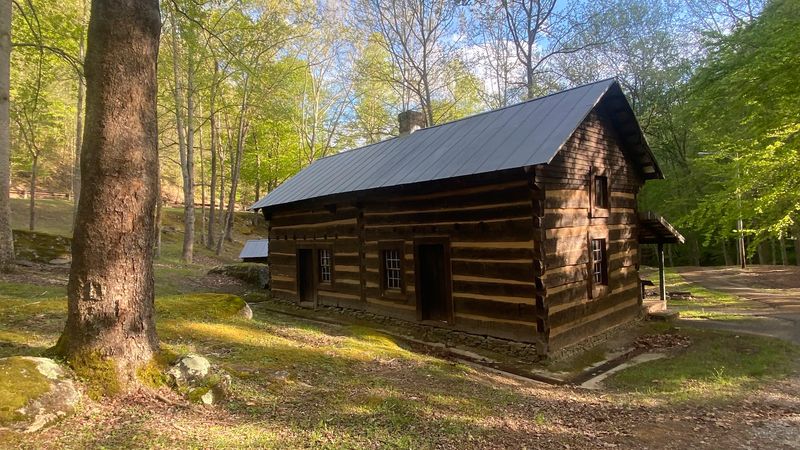
Named for a Delaware Indian chief known as Captain Bull, the Bulltown Historic Area has layers of history that stack up in ways you might not expect from such a quiet corner of central West Virginia.
The area developed into a local industrial center before the Civil War made it a strategic point along the Weston and Gauley Bridge Turnpike. On October 13, 1863, Union soldiers successfully defended their fortifications against a Confederate attack led by Colonel William L. Jackson, a victory that kept communications open between northern West Virginia and the Kanawha Valley.
Managed today by the U.S. Army Corps of Engineers as part of Burnsville Lake, the site preserves Union trenches, the burial site of seven Confederate soldiers, and intact sections of the turnpike road. Several 19th-century log structures, including the historic Cunningham House, contribute to an authentic village character. A visitor center with exhibits and seasonal programs makes Bulltown a genuinely rewarding stop for travelers who enjoy heritage sites without large crowds.
12. Fort Randolph, Point Pleasant, West Virginia
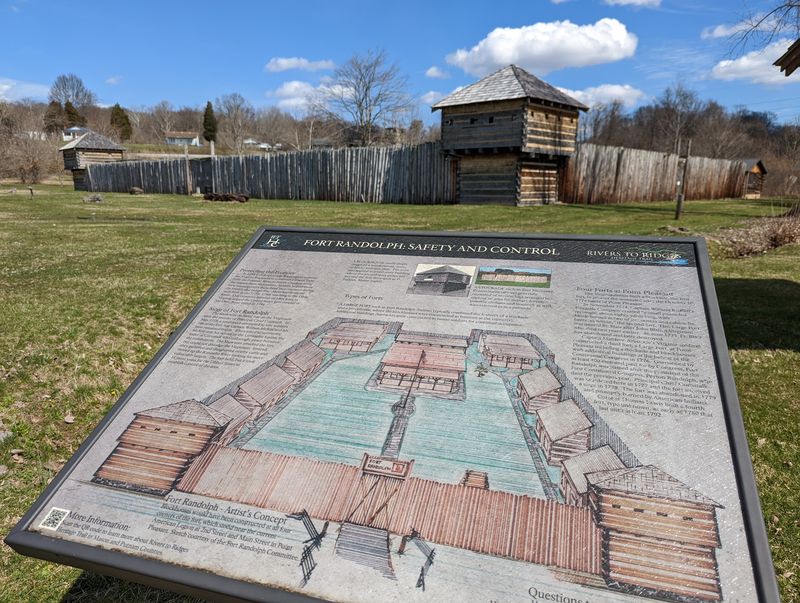
Built in May 1776 at the confluence of the Ohio and Kanawha Rivers, Fort Randolph was named after Continental Congressman Peyton Randolph and served as a critical defense post for the Virginia frontier during the American Revolution.
The fort carries a particularly heavy historical weight because of what happened there in November 1777. Shawnee Chief Cornstalk, who had actively worked to maintain neutrality during the Revolutionary War, was killed by militiamen while held at the fort. The event triggered a retaliatory siege in May 1778, when Wyandot and Mingo warriors attacked the post for a full week before withdrawing. The garrison held.
Today a meticulous reconstruction of the fort, featuring a complete log stockade with blockhouses, cabins, and a trading post, stands in Krodel Park about a mile from the original site. Dedicated in 1974 during the American Revolution Bicentennial, the reconstructed fort hosts public events and living history demonstrations throughout the year, making it an active and accessible finale to any West Virginia history tour.
Share this story