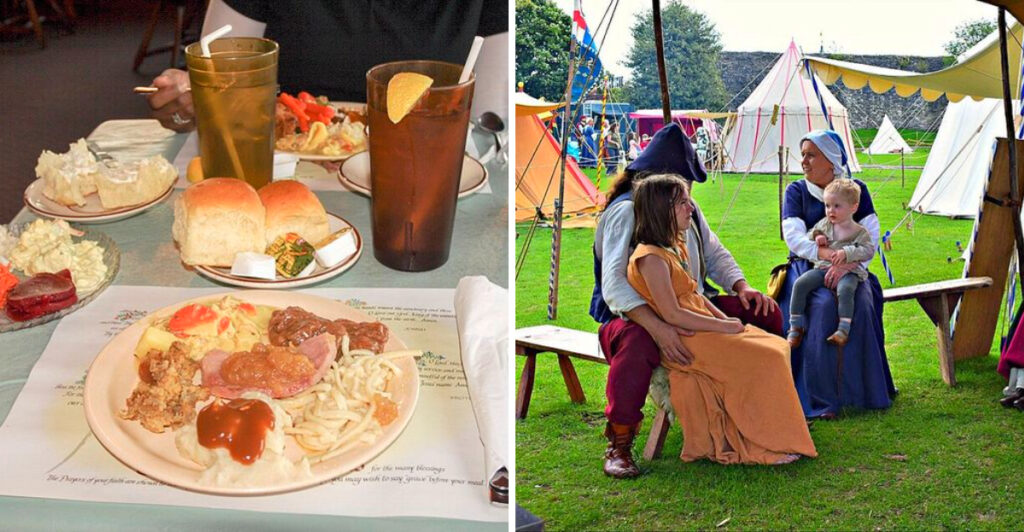
Amish food has long captured the imagination of people who picture big farmhouse tables loaded with homemade pies and fresh-baked bread. But not everything you have heard about Amish cooking is accurate.
Some popular beliefs are rooted in real tradition, while others are more marketing than history. Here are 15 facts that help separate what is true from what is simply a good story.
1. There Is No Single Amish Diet
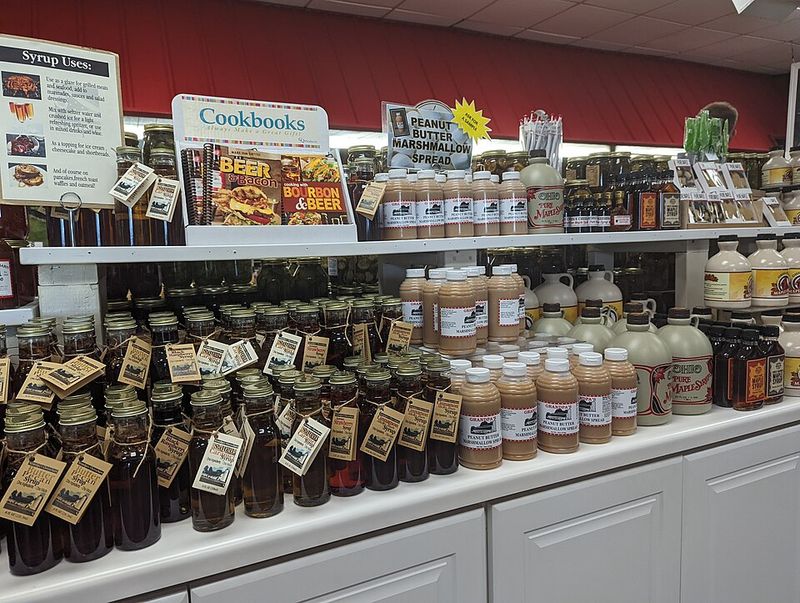
Amish communities are spread across more than 30 U.S. states, and each one has its own food traditions. What families eat in Lancaster County, Pennsylvania, can look very different from what is served in Holmes County, Ohio, or in an Indiana settlement.
Food choices depend on the local community, the region’s farming culture, and even the specific church district a family belongs to. Some groups are more conservative and stick closely to older recipes, while others have adopted newer cooking methods and ingredients over time.
There is no official Amish cookbook that every family follows. Recipes are passed down through generations and vary widely from one household to the next.
Calling all Amish food the same would be like saying every Italian family eats the same pasta dish. The variety is part of what makes Amish culinary tradition so rich and interesting to explore.
2. Pennsylvania Dutch Food Has German Roots
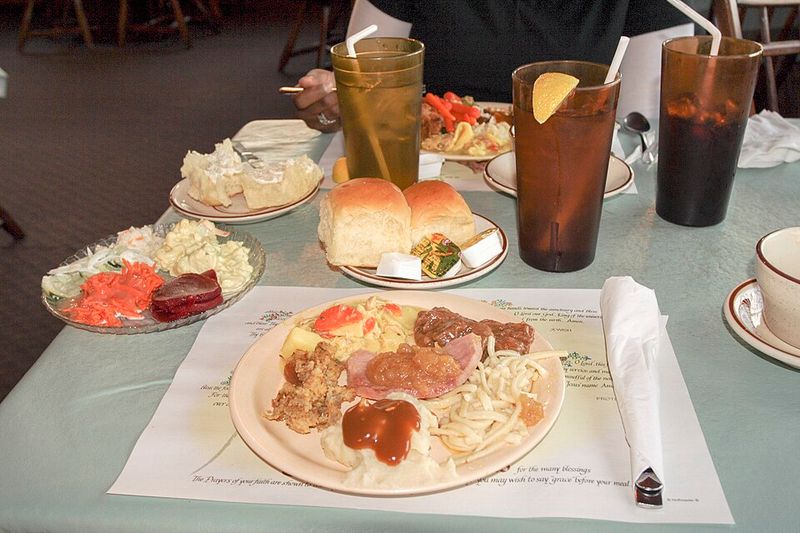
Much of what people call Amish food actually comes from a broader Pennsylvania Dutch culinary tradition, which has strong ties to German-speaking immigrants. Many Amish and Mennonite families trace their ancestry to regions like the Rhineland, Alsace, and Switzerland, and they brought their cooking habits with them when they settled in America.
Dishes like sauerkraut, sausages, potato dumplings, and vinegar-based salads all reflect German and Swiss food culture. These flavors and techniques were preserved over generations because Amish communities tend to maintain close-knit traditions rather than adopting outside influences quickly.
Understanding this German heritage helps explain why so many Pennsylvania Dutch recipes feel hearty and filling. The original settlers were farming families who needed calorie-rich meals to sustain hard physical labor.
That practical approach to cooking, rooted in European tradition, still shapes the food you find in Amish communities across the country today.
3. ‘Pennsylvania Dutch’ Doesn’t Actually Mean Dutch
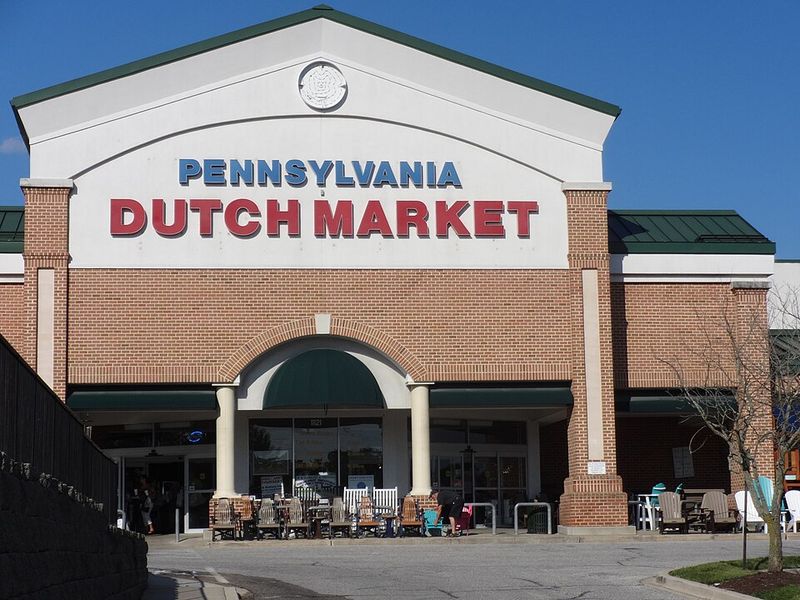
Here is something that trips up a lot of people: the word “Dutch” in Pennsylvania Dutch has nothing to do with the Netherlands. It comes from the German word “Deutsch,” which simply means German.
Early English-speaking settlers misheard or adapted the term, and the name stuck over the centuries.
Pennsylvania Dutch refers to the German-speaking communities, including Amish and Mennonite groups, who settled in Pennsylvania starting in the late 1600s and 1700s. Their language, customs, and food all reflect Central European origins, not anything from Holland.
This mix-up matters when talking about food because it helps explain the actual cultural roots of dishes like shoofly pie, scrapple, and chow-chow. Knowing the true background gives you a clearer picture of where these recipes came from and why they taste the way they do.
Language and food history are more connected than most people realize.
4. Shoofly Pie Is a Pennsylvania Dutch Classic
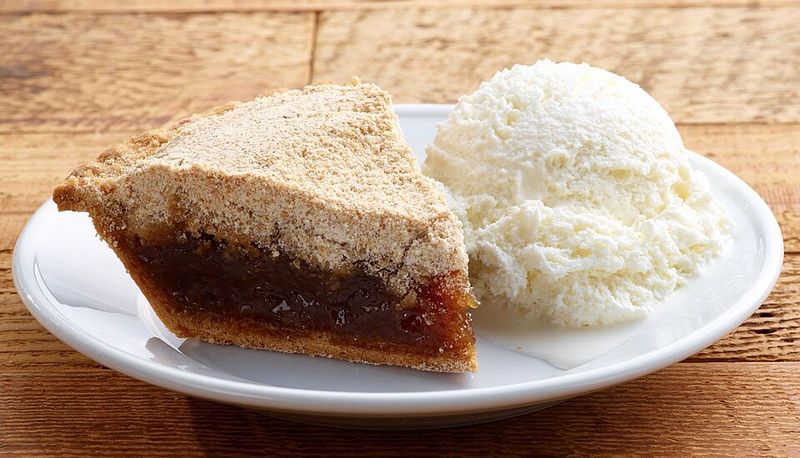
Shoofly pie is one of the most recognizable foods associated with Amish and Pennsylvania Dutch cooking. Made with a molasses-based filling and a crumbly streusel topping, it has a rich, sweet flavor that is unlike most other American pies.
Some versions are wet-bottomed and gooey, while others are drier and more cake-like.
The name is believed to come from the need to shoo away flies attracted to the sweet molasses filling while the pie cooled on a windowsill. Whether or not that story is entirely accurate, it adds a charming bit of folk history to the recipe.
Shoofly pie was originally considered a breakfast food, often eaten alongside coffee or dunked into a hot drink. Over time it became a dessert staple at community meals and farmers markets.
Today it remains a beloved symbol of Pennsylvania Dutch baking, and you can find it sold across Amish country.
5. Whoopie Pies Are Popular in Amish Country, but Their Origin Is Disputed
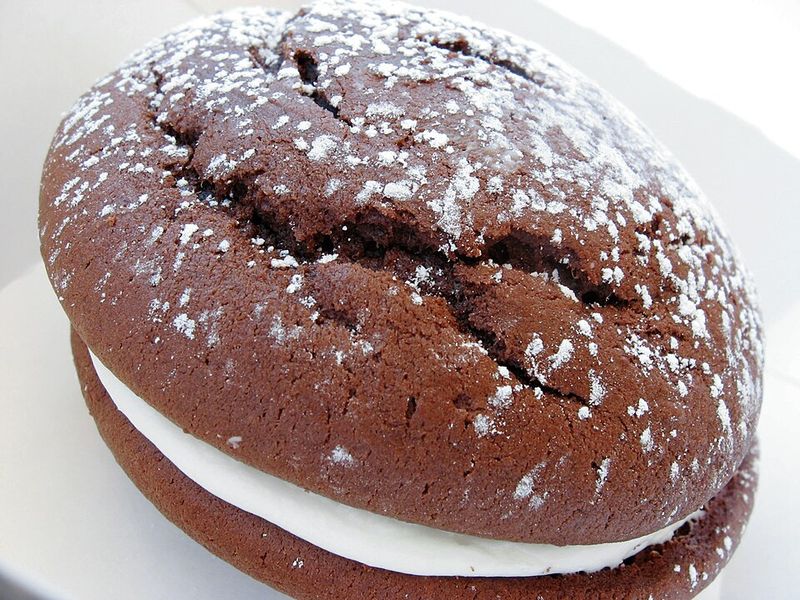
Whoopie pies, those soft sandwich cookies filled with sweet cream, are a popular treat in Amish country, especially in Pennsylvania and Maine. Both states claim to have invented them, and the debate has been going on for decades without a clear winner.
Pennsylvania bakers often tie whoopie pies to Amish tradition, saying that farm wives made them from leftover cake batter and packed them in children’s lunchboxes. When kids found them, they supposedly shouted “whoopie!” out of excitement.
Maine, on the other hand, credits the Labadie’s Bakery in Lewiston as an early originator from around the 1920s.
Regardless of who invented them first, whoopie pies are genuinely popular in Amish communities and are commonly sold at roadside stands and markets. Flavors have expanded far beyond chocolate over the years, including pumpkin, red velvet, and gingerbread.
They are a fun and tasty part of the regional food scene.
6. Food Preservation and Canning Remain Important Traditions
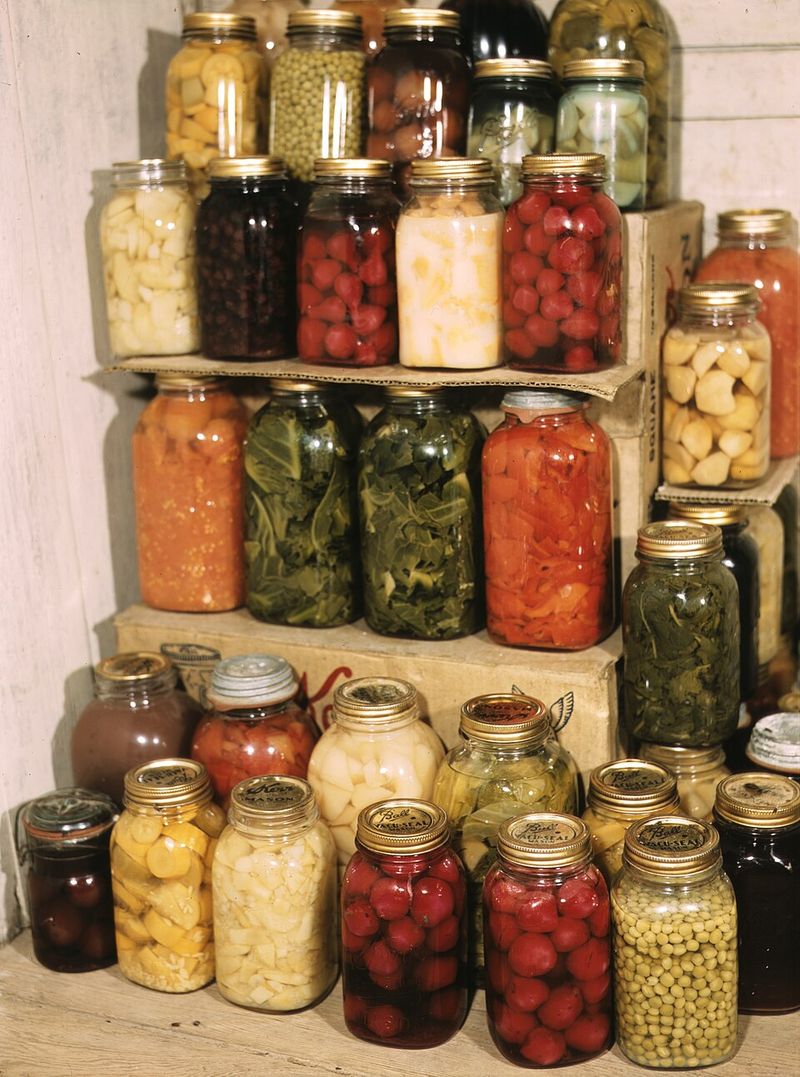
Walk into a traditional Amish home and you are likely to find a cellar or pantry stocked with dozens of jars filled with preserved fruits, vegetables, jams, and pickles. Canning and food preservation are not just hobbies in these communities; they are practical, time-honored skills passed from mothers to daughters across generations.
Before modern refrigeration became common, preserving food was essential for surviving the winter months. Even though some Amish homes now have access to propane-powered refrigerators, the tradition of canning remains deeply valued.
It connects families to their agricultural roots and reduces dependence on grocery stores.
Community canning days, where neighbors gather to process large batches of produce together, are still practiced in many settlements. The work is shared, and so is the food.
This cooperative spirit is central to Amish culture, and the rows of gleaming jars lined up on a pantry shelf represent both hard work and community care.
7. Many Amish Families Grow Some of Their Own Food
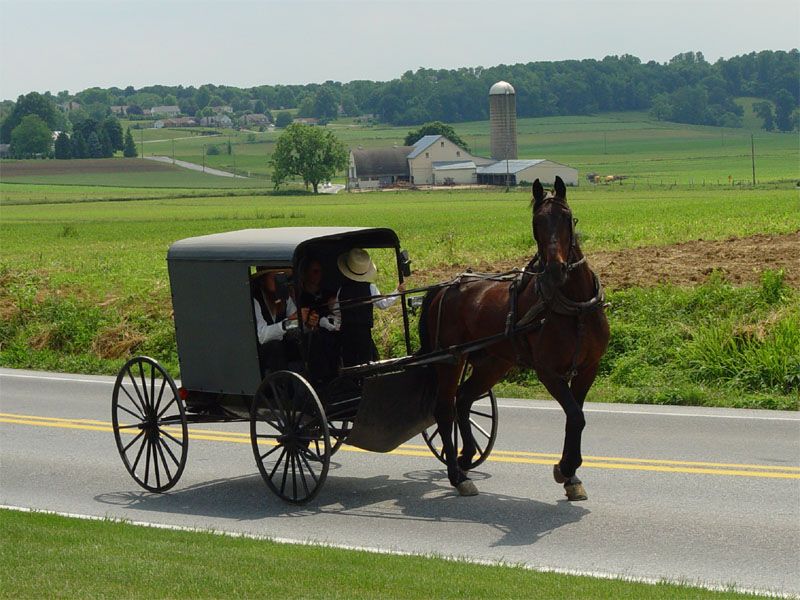
Gardening is a central part of life for many Amish families, who often maintain large kitchen gardens alongside their farming operations. Tomatoes, beans, corn, squash, potatoes, and herbs are common crops grown right at home and used fresh throughout the growing season.
Growing your own food fits naturally into the Amish value of self-sufficiency and simplicity. Buying everything from a store is seen by many in the community as unnecessary when the land can provide.
That said, the degree to which families grow their own food varies quite a bit depending on the size of the property and the family’s circumstances.
Not every Amish household has a large farm. Some live on smaller plots or work off the land in other ways.
Still, even modest gardens are common. The connection between growing, preserving, and cooking food is strong in Amish culture, making mealtime a direct reflection of the season and the soil.
8. Chicken Pot Pie Often Has No Pie Crust
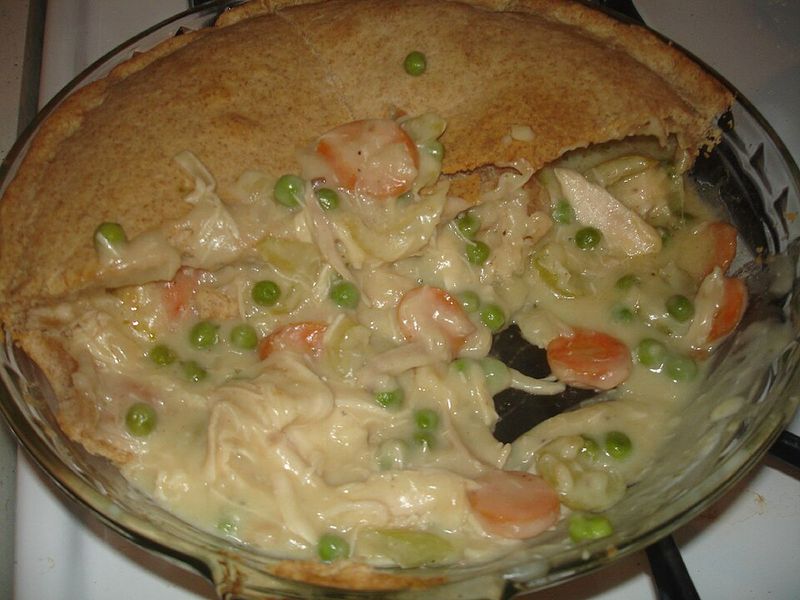
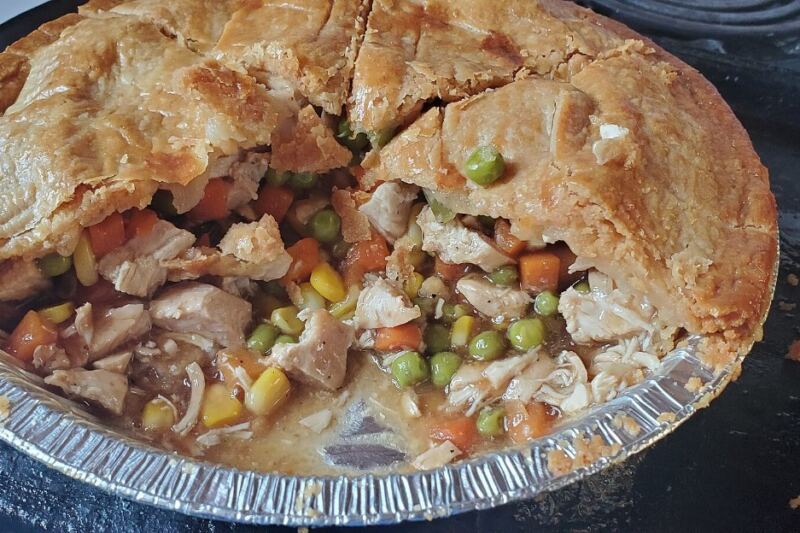
If you order chicken pot pie at an Amish restaurant expecting a flaky pastry crust on top, you might be surprised. In Pennsylvania Dutch cooking, chicken pot pie is actually a hearty soup or stew made with thick, hand-cut egg noodle squares, tender chicken, and vegetables simmered in a savory broth.
There is no crust involved. The dish gets its name from the pot it is cooked in and the old meaning of “pie” as a layered or mixed dish, rather than the baked pastry version most Americans picture today.
The noodles are the star of the show, and they give the dish a satisfying, stick-to-your-ribs quality.
This version is sometimes called “bott boi” in the Pennsylvania Dutch dialect. It is a cold-weather comfort food that has been warming up Amish and Pennsylvania Dutch families for generations.
Many people who try it for the first time are genuinely surprised by how different and delicious it is.
9. Homemade Bread and Baked Goods Are Traditional Staples
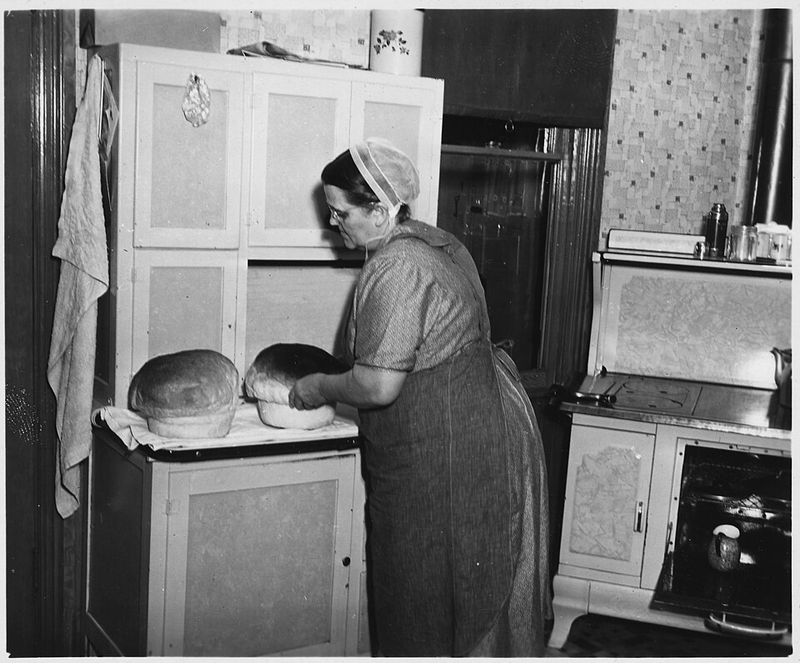
Fresh-baked bread is a cornerstone of traditional Amish cooking, and many families still bake their own loaves several times a week. The smell of bread rising in a wood-fired oven is part of daily life in many Amish homes, and the skill of baking from scratch is taught early to children in the household.
Beyond basic bread, Amish bakers are known for cinnamon rolls, soft pretzels, cookies, cakes, and pies. Farmers markets across Pennsylvania, Ohio, and Indiana regularly feature Amish-made baked goods that draw long lines of eager customers.
The quality comes from simple, high-quality ingredients and time-tested methods.
Baking is not just about feeding the family. It is also a way to earn income, with many Amish women selling goods from home or at market stands.
The tradition of homemade baking reflects both the community’s love of good food and its practical approach to supporting the household economy.
10. Scrapple Is a Traditional Pennsylvania Dutch Food
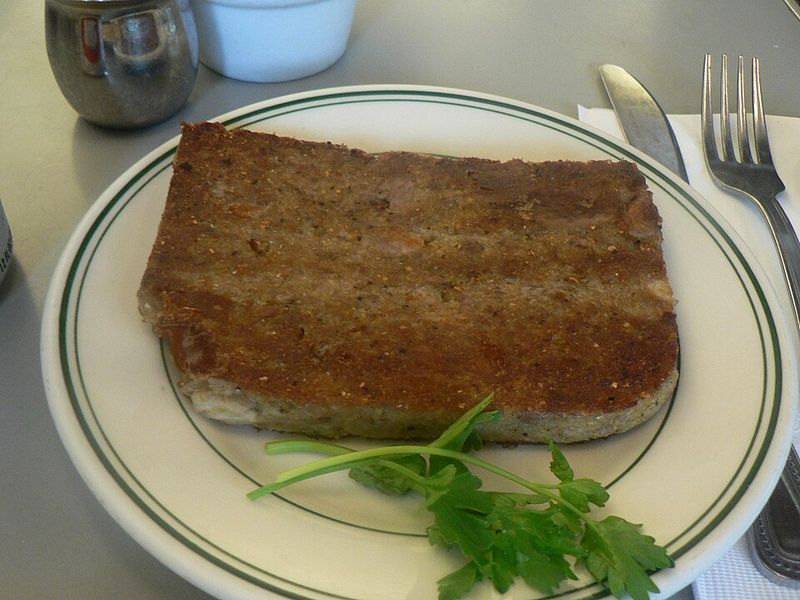
Scrapple might not sound glamorous, but it has been a beloved breakfast staple in Pennsylvania Dutch country for centuries. Made from pork scraps, cornmeal, and spices pressed into a loaf and then sliced and pan-fried, scrapple is a classic example of the “waste nothing” cooking philosophy that shaped early American farm life.
The dish traces its roots to German immigrant traditions of using every part of the animal. Butchering season in the fall was when scrapple was traditionally made, using the parts of the pig that did not go into sausages or other cuts.
Spices like sage, thyme, and black pepper give it a savory, distinctive flavor.
Today scrapple is sold in grocery stores across the mid-Atlantic region and remains a point of regional pride. Some people love it crispy on the outside with a soft center, served alongside eggs and toast.
It is definitely an acquired taste, but one with a rich and practical history.
11. Chow-Chow Is a Pickled Vegetable Relish
Chow-chow is a tangy, sweet-and-sour pickled relish made from a mix of vegetables like green tomatoes, cabbage, onions, peppers, and green beans. It is a staple condiment in Pennsylvania Dutch cooking and shows up alongside everything from hot dogs to roasted meats at Amish community meals.
The exact ingredients vary from family to family and region to region, which is part of what makes chow-chow so interesting. Some versions lean sweeter, while others are more vinegary and sharp.
Making chow-chow at the end of the harvest season was a practical way to use up the last of the garden vegetables before winter set in.
Despite its odd-sounding name, chow-chow has a long history in American food culture beyond just Amish communities. It appears in Southern cooking as well, though the recipes differ.
In Pennsylvania Dutch country, a jar of homemade chow-chow on the table is as common and welcoming as salt and pepper.
12. Apple Butter Doesn’t Contain Butter
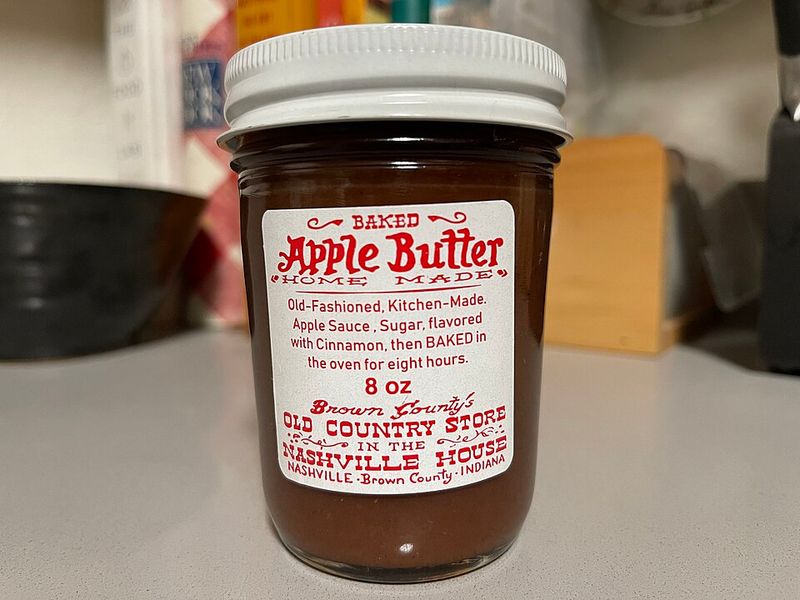
Despite the name, apple butter contains zero dairy butter. The word “butter” in this case refers to the thick, spreadable consistency of the finished product, not to any actual butter ingredient.
Apple butter is made by slowly cooking down apples with sugar and warm spices like cinnamon, cloves, and allspice until the mixture becomes deeply concentrated and smooth.
Making apple butter is a long-standing tradition in Amish and Pennsylvania Dutch communities. Community apple butter-making days, where neighbors gather around large copper kettles to stir batches for hours over an open fire, are still celebrated in some areas as seasonal social events.
The result is a rich, deeply flavored spread that is perfect on fresh bread, biscuits, or pancakes. Because it is cooked down so thoroughly, apple butter has a long shelf life when properly canned, making it ideal for preserving the apple harvest.
It remains one of the most popular products sold at Amish country markets.
13. Potato Filling Combines Potatoes and Bread
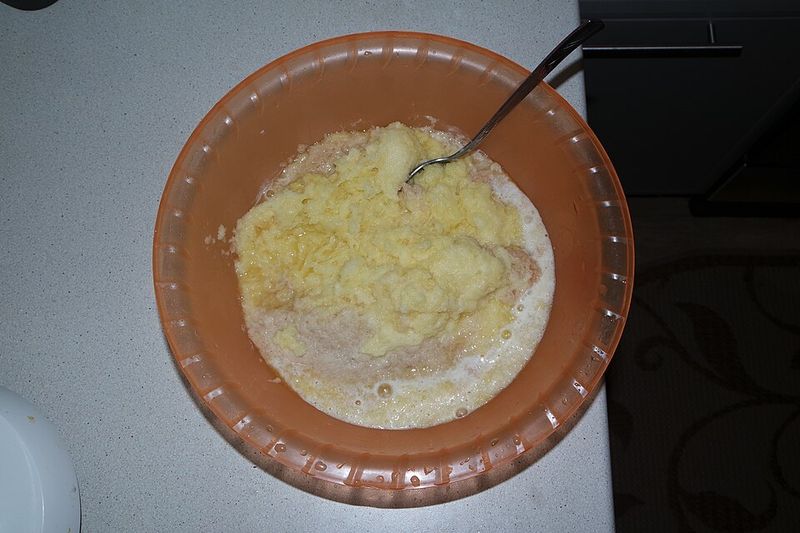
Potato filling is one of those Pennsylvania Dutch dishes that sounds simple but turns out to be genuinely surprising. Unlike regular mashed potatoes or stuffing, potato filling is a combination of both, blending mashed potatoes with bread cubes, celery, onions, eggs, and butter into a single rich and satisfying casserole.
The dish is a staple at holiday meals and large community gatherings in Amish and Pennsylvania Dutch households. It often appears alongside roasted chicken or turkey, serving as both a side dish and a comfort food all in one.
The bread adds a soft texture and soaks up all the savory flavors around it.
Some families add parsley or other herbs to brighten the flavor, while others keep it simple and classic. Either way, potato filling is the kind of dish that disappears quickly at a potluck.
It is hearty, filling, and deeply tied to the cooking traditions that have defined Pennsylvania Dutch cuisine for generations.
14. Amish Food Isn’t Automatically Organic or Healthy
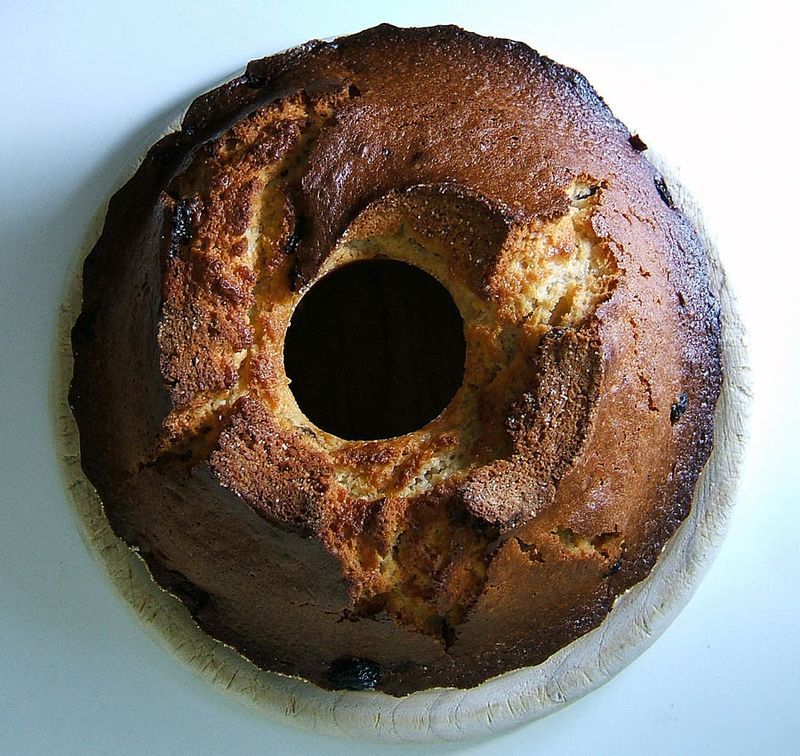
Many people assume that because Amish families grow some of their own food and live close to the land, their diet must be organic, clean, and nutritionally balanced. That assumption does not always hold up.
Traditional Amish cooking is hearty farmhouse food, meaning it is often rich in calories, fat, and sugar, designed to fuel hard physical labor.
Dishes like scrapple, potato filling, and shoofly pie are delicious, but they are not low-calorie health foods. Many recipes call for generous amounts of butter, lard, cream, and sugar.
These ingredients made sense historically when families spent long days doing demanding physical work outdoors.
Additionally, not all Amish farmers use organic growing methods, and some communities do purchase commercially processed ingredients from grocery stores. The idea that Amish food is automatically wholesome or chemical-free is more of a marketing image than a consistent reality.
Like any food tradition, it has both nutritious and indulgent sides.
15. Food Labeled ‘Amish-Style’ Isn’t Necessarily Made by Amish People

Walk through any grocery store and you will likely spot products with labels like “Amish-style,” “Amish country,” or “made with Amish tradition.” These labels are appealing because they suggest handcrafted quality and old-fashioned goodness. However, most of these products are made by large commercial food companies with no direct connection to actual Amish communities.
The term “Amish” is not legally protected in the way that labels like “organic” or “certified humane” are. That means any company can use it in marketing without meeting any specific standard.
The result is a lot of products that borrow the Amish name for its wholesome image without any genuine cultural link.
This does not mean those products are bad, but buyers should know what they are actually purchasing. If you want food genuinely made by Amish families, your best bet is to visit an Amish farmers market, a roadside stand, or a community-run store directly.
The real thing is worth seeking out.
Share this story