Many of the foods on dinner tables around the world began with Indigenous farmers who spent thousands of years growing and improving wild plants. Their careful work gave us staples like potatoes, corn, and chocolate.
Today these foods shape dishes in Italy, India, China, and nearly everywhere else. Here is a look at 15 of them and the peoples who first cultivated them.
1. Potatoes
Walk through a market in the Peruvian highlands and you may see hundreds of potato varieties, in purple, yellow, red, and even speckled skins. Indigenous Andean peoples began domesticating potatoes roughly 8,000 years ago near Lake Titicaca.
They did more than grow them. Farmers developed freeze-drying methods, leaving potatoes out in the cold nights and warm days to make chuño, a food that can be stored for years.
After Spanish ships carried potatoes to Europe in the 1500s, the crop slowly spread across the continent. It fed growing populations in Ireland, Germany, and Russia because it grew well in poor soil and produced plenty of calories from small plots.
Today potatoes are one of the most widely eaten crops on Earth. French fries, gnocchi, and mashed potatoes all trace back to Andean farmers and their patient breeding of a wild, bitter tuber.
2. Maize (Corn)
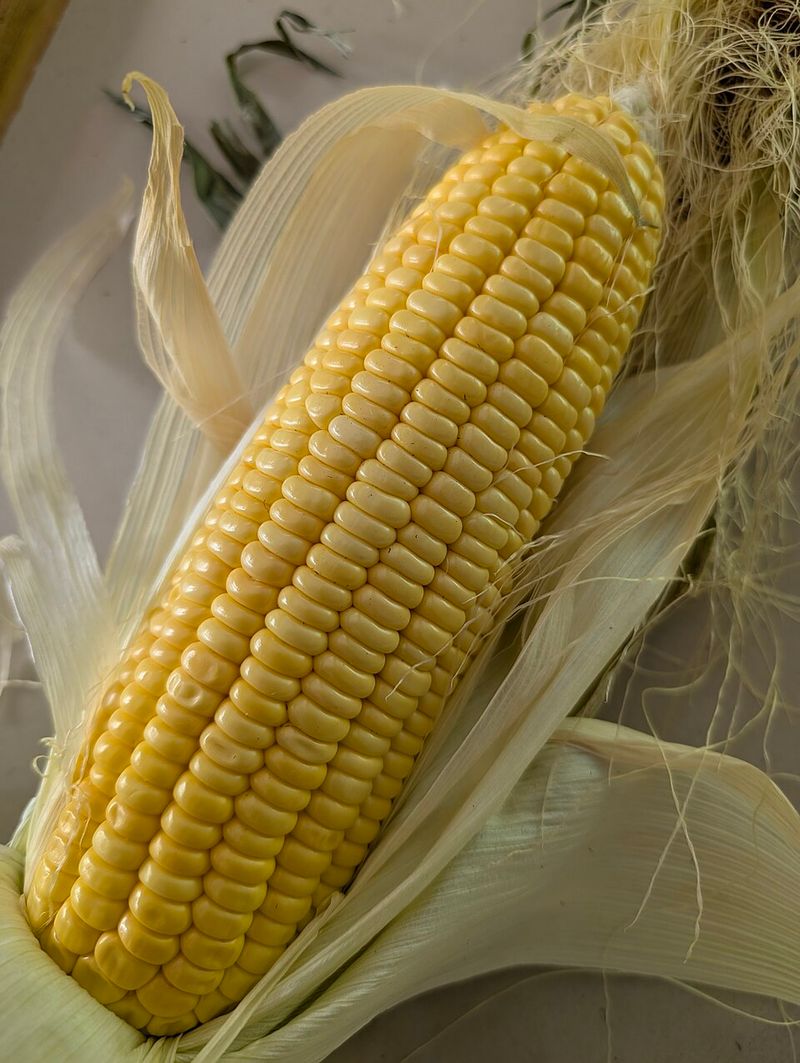
Corn started as a scruffy grass called teosinte, with only a few hard kernels on each stalk. Indigenous peoples in what is now southern Mexico began selecting the best plants about 9,000 years ago, slowly shaping the large cob we know today.
Maize became the center of life in Mesoamerica. Cooks soaked it in lime or ash water, a process called nixtamalization, which made it easier to grind and unlocked key nutrients.
That method gave us masa for tortillas and tamales.
Europeans carried corn across the oceans, and it took root in Africa, Asia, and Europe. Polenta in Italy, cornmeal porridge in Africa, and popcorn at the movies all come from this crop.
It remains one of the most grown cereals in the world, used for food, animal feed, and fuel.
3. Tomatoes
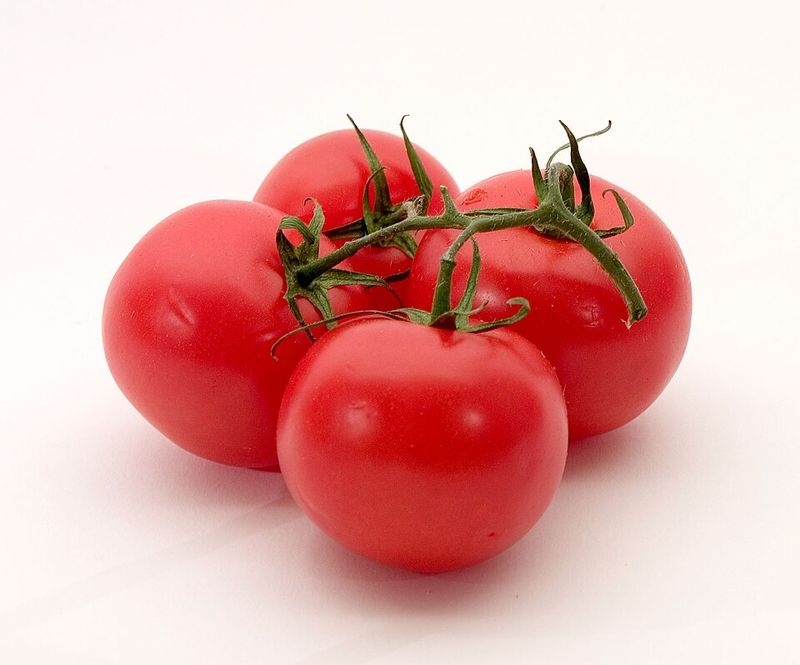
Imagine Italian cooking without tomato sauce. For centuries, that was reality, because tomatoes only arrived in Europe after the 1500s.
Indigenous societies in western South America and Mesoamerica first grew and cultivated them. The Nahuatl word tomatl gave us the name, and Aztec cooks mixed tomatoes with chilies to make early salsas.
Europeans were wary at first. Some thought the fruit was poisonous because it belongs to the nightshade family, and it spent years mostly as a garden curiosity.
Eventually Mediterranean cooks embraced it, and the tomato became the base of pizza, pasta sauce, and countless stews. Today it is grown on every continent except Antarctica.
Next time you enjoy ketchup or a bowl of gazpacho, you are tasting a gift from Indigenous American farmers.
4. Cacao (Chocolate)
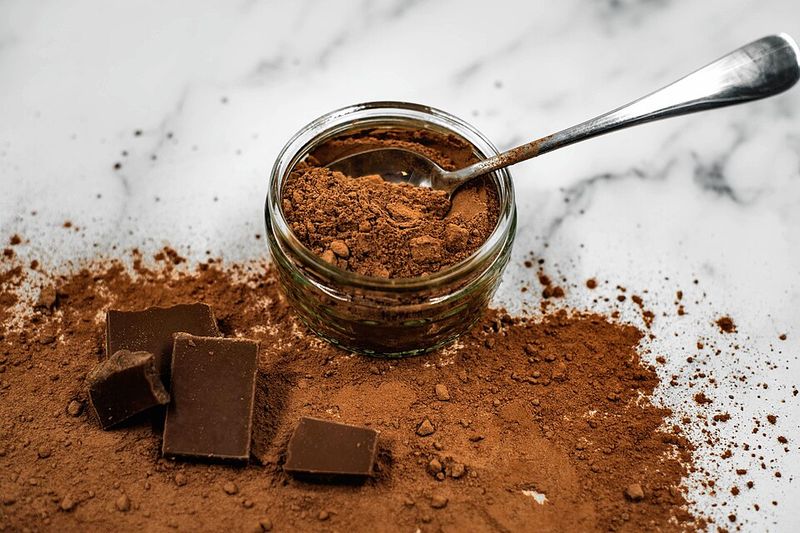
Long before candy bars, chocolate was a bitter, frothy drink poured between vessels to build a thick foam. Early Indigenous societies in the tropical Americas, including the Maya, prepared it for ceremonies and daily life.
Cacao beans were so valued that they served as a form of money. Cooks often flavored the drink with chili, vanilla, or honey rather than sugar.
Spanish travelers brought cacao home in the 1500s, and Europeans began sweetening it. Over time, new machines turned the beans into solid bars, and chocolate became a treat around the globe.
Today West Africa grows most of the world’s cacao, but the plant itself began in the Americas. Its scientific name, Theobroma, means food of the gods, a fitting title for a crop with such a long story.
5. Chili Peppers
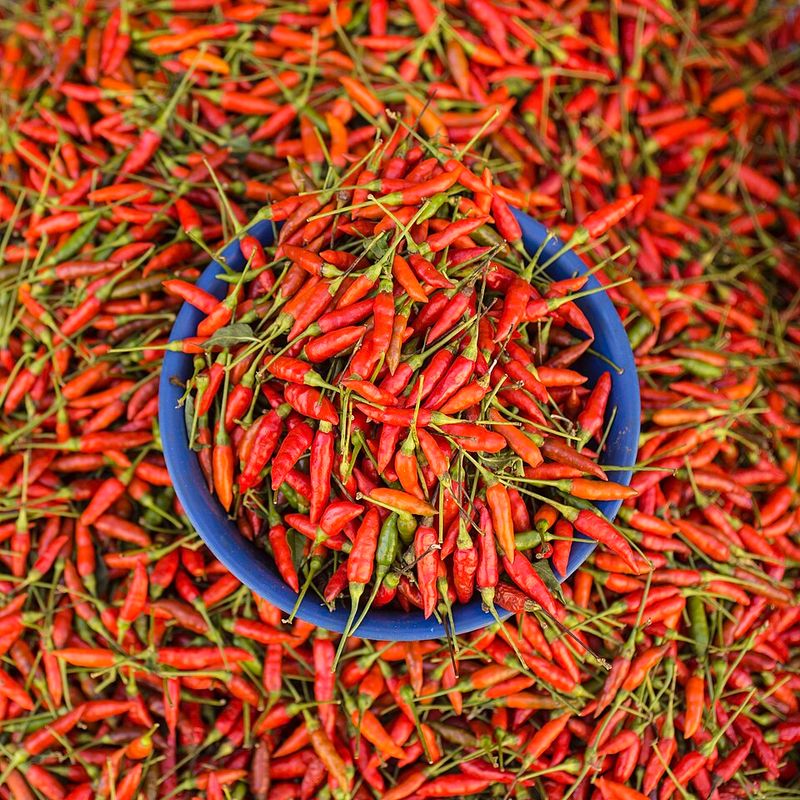
Few ingredients have traveled as fast or as far as the chili pepper. Indigenous peoples in Central and South America were growing chilies thousands of years ago, adding heat and flavor to nearly every meal.
When Portuguese and Spanish traders carried them across the seas, cooks in Asia and Africa welcomed them. Before then, many regions relied on black pepper or ginger for spice.
Think of Thai curries, Indian vindaloo, Korean kimchi, and Hungarian paprika. All of them depend on a plant that began in the Americas.
The heat comes from a compound called capsaicin, which tricks the mouth into feeling warmth. Birds do not feel it at all, so they spread the seeds freely.
Chilies also add vitamin C to meals, making them useful as well as tasty.
6. Vanilla
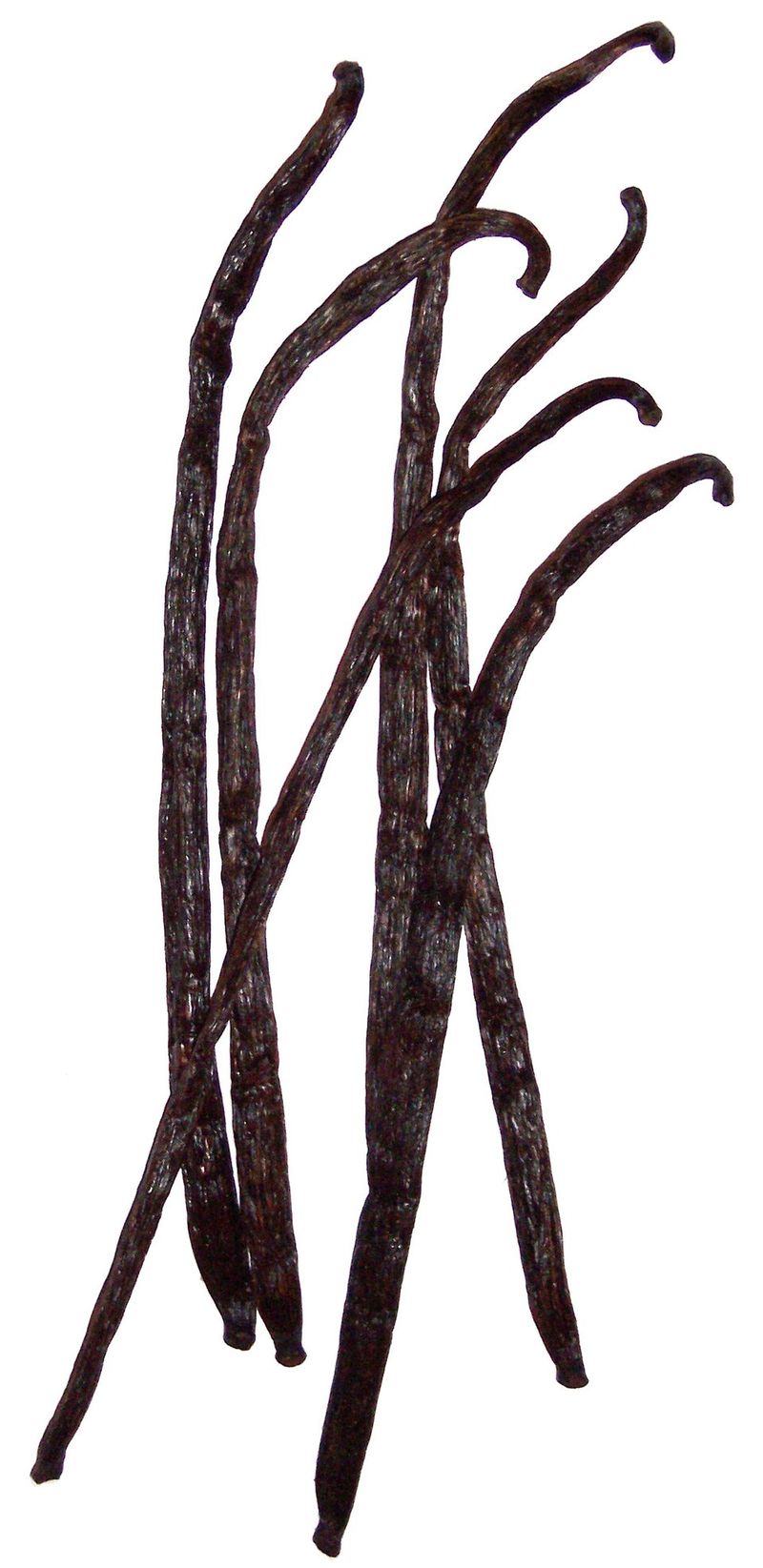
Here is a surprise: vanilla comes from an orchid. The plant grows as a climbing vine, and each flower opens for only a single day.
The Totonac people of eastern Mexico were among the first to cultivate it. They later shared it with the Aztecs, who used it to flavor chocolate drinks.
Spanish explorers took vanilla to Europe, but growers struggled to produce beans elsewhere because the right insects were missing. In 1841, a young enslaved boy named Edmond Albius on Reunion Island developed a hand pollination method that is still used today.
Because each flower must be pollinated by hand, vanilla is one of the most expensive spices in the world. It brings warmth to ice cream, cakes, and perfumes, and its story reaches back to Totonac farmers in Mexico.
7. Cassava (Manioc)
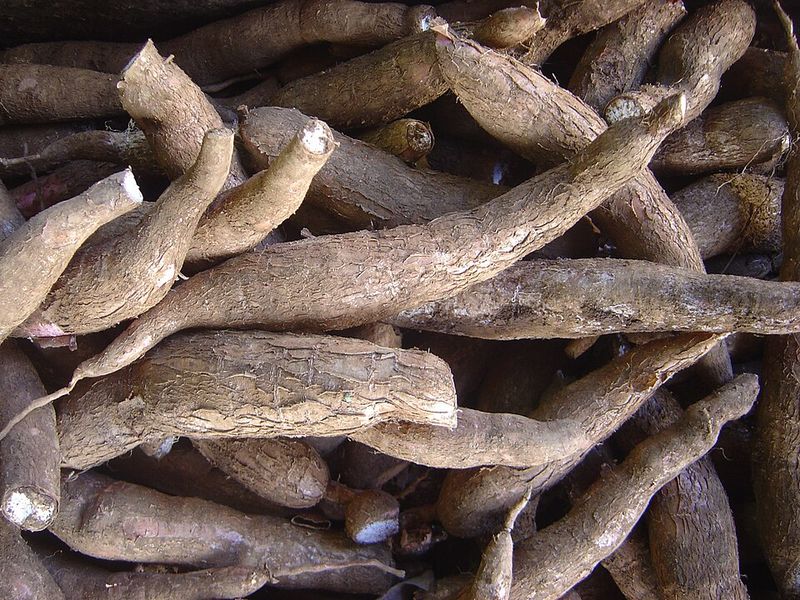
Cassava looks like a rough brown log, yet it feeds hundreds of millions of people today. Indigenous Amazonian peoples first domesticated this starchy root in tropical South America thousands of years ago.
Raw cassava can contain harmful compounds, so cooks learned to grate, squeeze, and cook it carefully. These skills made it safe and turned it into flour, flatbreads, and tapioca.
Portuguese traders brought cassava to Africa in the 1500s, where it became a major staple. It grows well in poor soil and survives dry spells, which makes it dependable for farmers.
Nigeria is now the largest producer in the world. Dishes like Brazilian farofa, Nigerian garri, and tapioca pearls in bubble tea all come from this humble root and the knowledge of Amazonian communities.
8. Peanuts
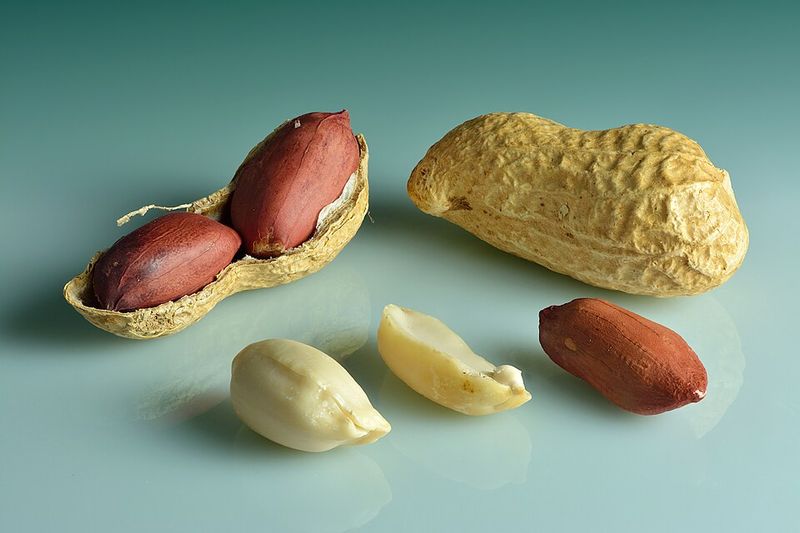
Peanuts are not true nuts at all. They are legumes, related to beans, and they ripen underground after the flower stalk bends down and pushes into the soil.
Indigenous South American farming societies were growing peanuts thousands of years ago. Archaeologists have found ancient peanut remains in Peru, and early peoples even left them as offerings.
Traders carried peanuts to Africa and Asia, where cooks fell in love with them. West African groundnut stew, Indian chutneys, and Thai satay sauce all show how the crop found new homes.
In the United States, farmers like George Washington Carver promoted peanuts as a way to restore tired soil, since legumes add nitrogen back to the ground.
Today peanut butter sandwiches and snacks make this South American crop a daily favorite across the world.
9. Sweet Potatoes
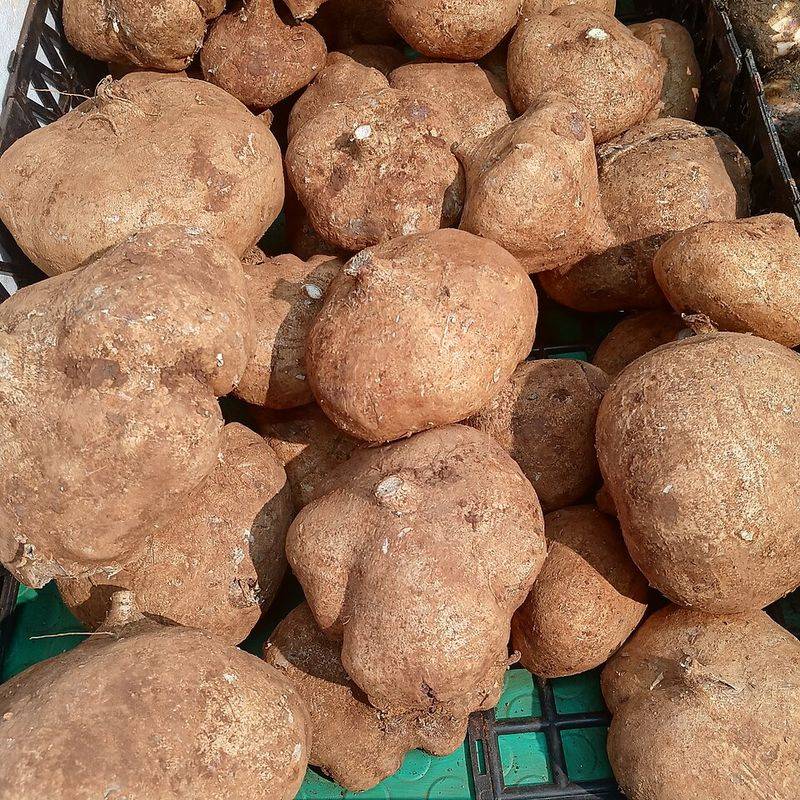
Sweet potatoes have a quiet superpower: they grow almost anywhere warm and need little care. Indigenous peoples in the tropical Americas cultivated them long ago, and remains found in Peru are thousands of years old.
Their travels are a puzzle. Sweet potatoes appeared across the Pacific islands well before European ships arrived, and scientists still study how they made the journey.
Later, explorers spread them through Asia and Africa. In China, they helped feed families during hard times, and in Japan they became a beloved street snack, roasted over hot stones.
Rich in fiber and vitamin A, orange varieties are also nutritious. You can bake them, mash them, or turn them into fries.
Thanksgiving casseroles in America and purple sweet potato desserts in Okinawa both come from this adaptable root.
10. Quinoa
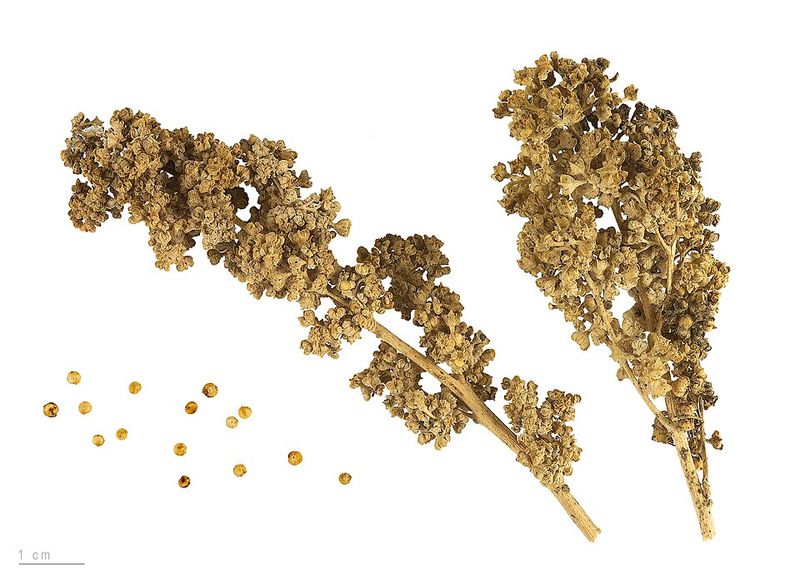
At more than 12,000 feet above sea level, few crops can survive. Quinoa not only grows there but thrives, which is why Andean peoples called it the mother grain.
Indigenous farmers in the Andes domesticated quinoa about 5,000 years ago. The seeds are actually from a plant related to spinach, though people cook them like a grain.
Quinoa contains all nine essential amino acids, which is rare in plant foods. That made it a dependable source of protein in mountain communities.
Spanish colonizers once discouraged its use, but Andean families kept growing it. In recent decades, it has become popular in salads, soups, and breakfast bowls around the world.
The United Nations even named 2013 the International Year of Quinoa to recognize its value.
11. Pineapples
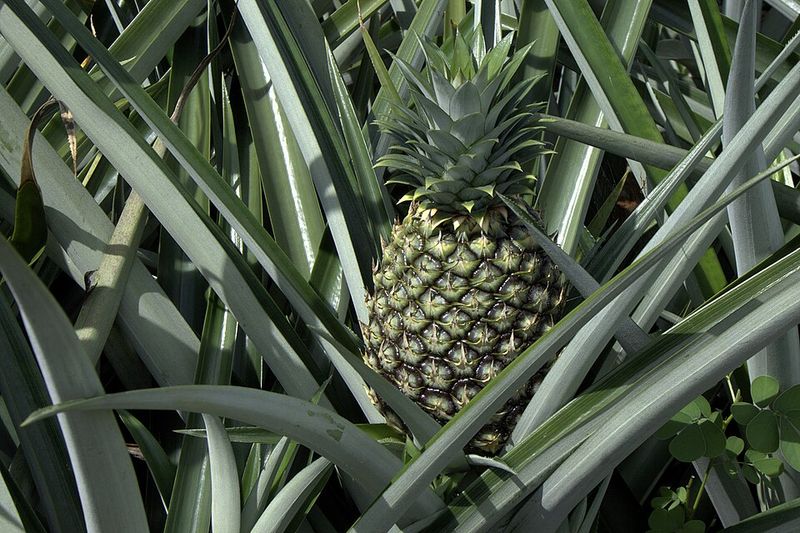
When European sailors first tasted pineapple, they were amazed. The fruit became a symbol of welcome and wealth, and hosts in the 1700s sometimes displayed one as a centerpiece.
Indigenous South American peoples cultivated it long before that, probably in the region around present-day Brazil and Paraguay. The Tupi-Guarani word nana, meaning excellent fruit, is the root of its name in many languages.
Indigenous communities spread the plant through the Caribbean, where Columbus encountered it in 1493. Later, growers brought it to Hawaii, Asia, and Africa.
Pineapple now flavors pizza toppings, juices, and Southeast Asian curries. It also contains bromelain, an enzyme that softens meat, which is why cooks use it in marinades.
A sweet, tangy fruit with an old history, it still carries traces of its South American roots.
12. Common Beans
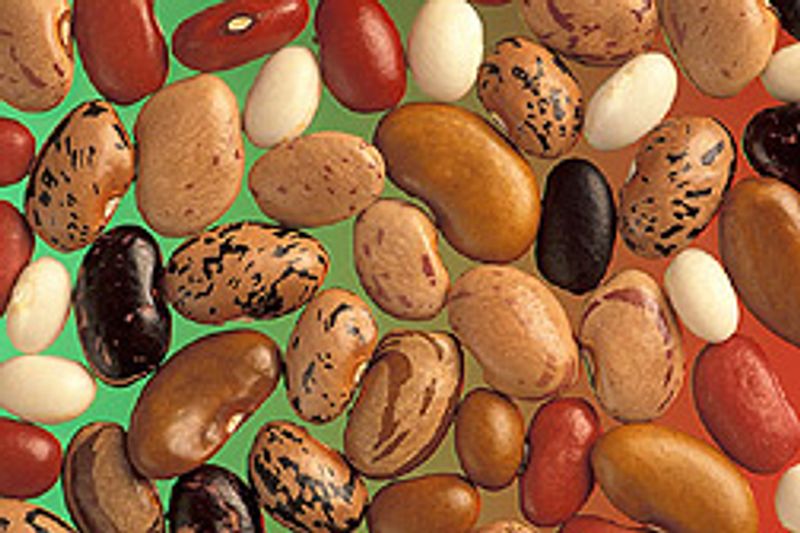
Black, pinto, kidney, navy: all of these are the same species. Indigenous farmers in Mesoamerica and the Andes domesticated common beans separately, creating the many varieties we eat today.
Beans were a key part of the famous Three Sisters planting method used across North America. Corn gave the vines something to climb, beans enriched the soil, and squash leaves shaded the ground.
Together, corn and beans also make a balanced meal, giving people carbohydrates and protein.
After 1492, beans spread to Europe, Africa, and Asia, where they joined local cooking. Tuscan white bean soup, Brazilian feijoada, and Indian rajma all rely on them.
They are cheap, filling, and easy to store, which explains why beans remain a staple for billions of people worldwide.
13. Squash and Pumpkins
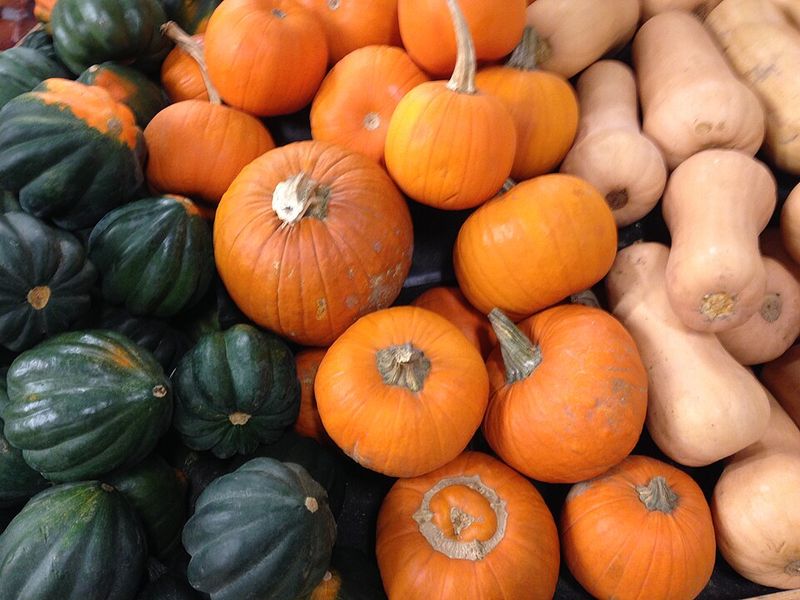
Some of the oldest cultivated plants in the Americas are squashes. Seeds found in Mexican caves date back over 8,000 years, which means squash was farmed before corn or beans.
Indigenous agricultural societies across the continent grew many types, from small gourds to giant pumpkins. They ate the flesh, roasted the seeds, and even used the flowers in cooking.
Squash blossoms still appear in Mexican quesadillas and Italian fried appetizers. The seeds, known as pepitas, are a popular snack and a source of healthy fats.
European settlers learned to grow squash from Native neighbors, and it soon spread to other continents. Pumpkin pie, butternut soup, and zucchini bread are modern results of that exchange.
Hardy and storable through winter, squash helped feed communities long before refrigerators existed.
14. Sunflowers
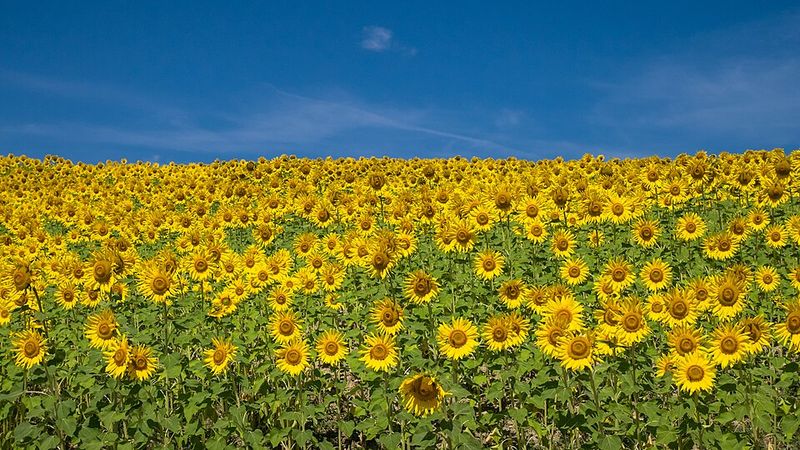
Sunflowers look like pure decoration, but Indigenous North American peoples turned them into serious food. Archaeological evidence shows they were cultivated in eastern North America around 4,000 years ago.
Communities ground the seeds into flour, pressed them for oil, and ate them roasted. Some also used the plants for dyes and medicine.
Spanish explorers took sunflower seeds to Europe in the 1500s. Over time, farmers in Russia bred varieties with more oil, and the crop became a major source of cooking oil.
That Russian breeding then returned to North America, where sunflowers are grown widely today.
Sunflower seeds are now a common snack at ballgames, a topping on bread, and the base of sunflower butter. Few flowers can claim such a useful and cheerful history.
15. Avocados
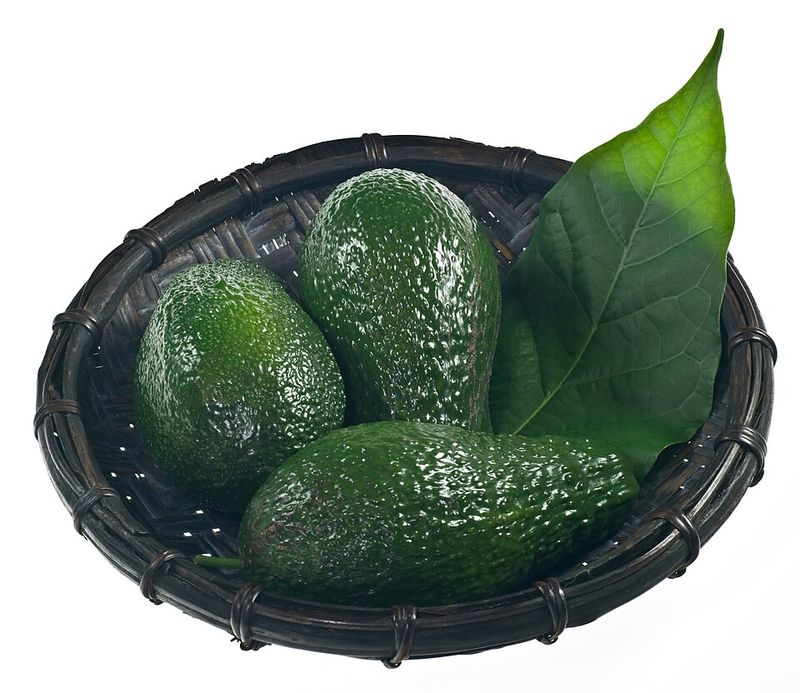
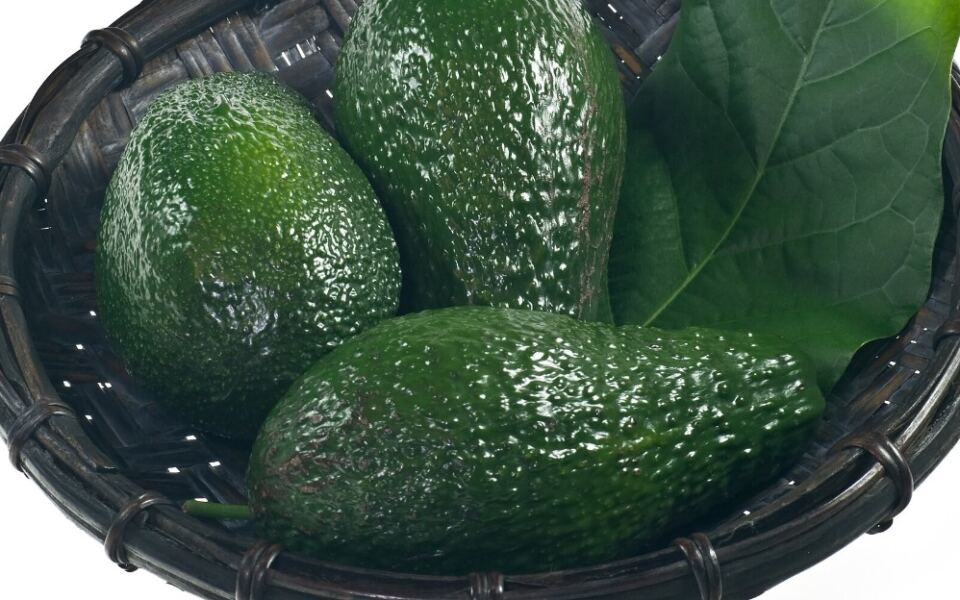
Creamy, rich, and a little buttery, avocados have an old story. Indigenous peoples of Mexico and Central America were eating them thousands of years ago, and wild avocado remains found in Mexico are about 10,000 years old.
The Aztec word ahuacatl gave us the name, and it was also used for a part of the body, which led to some playful legends. Cooks mashed the fruit into early versions of guacamole.
Europeans took time to warm up to avocados. California growers began planting them in the 1800s, and the Hass variety, found by a mail carrier in the 1920s, took over the market.
Today avocados top toast, fill sushi rolls, and blend into smoothies. They contain healthy fats and fiber, making them a lasting favorite that began with Indigenous growers.
Share this story