Traveling on a budget does not mean settling for less. Some of the world’s most fascinating countries still offer incredible food, rich history, and jaw-dropping scenery at prices that feel almost too good to be true.
Whether you’re a first-time traveler or a seasoned explorer watching your wallet, knowing where to go makes all the difference. These 14 countries are proving in 2026 that your money can stretch further than you’d expect, delivering full-on adventures without the full-on price tag.
Laos
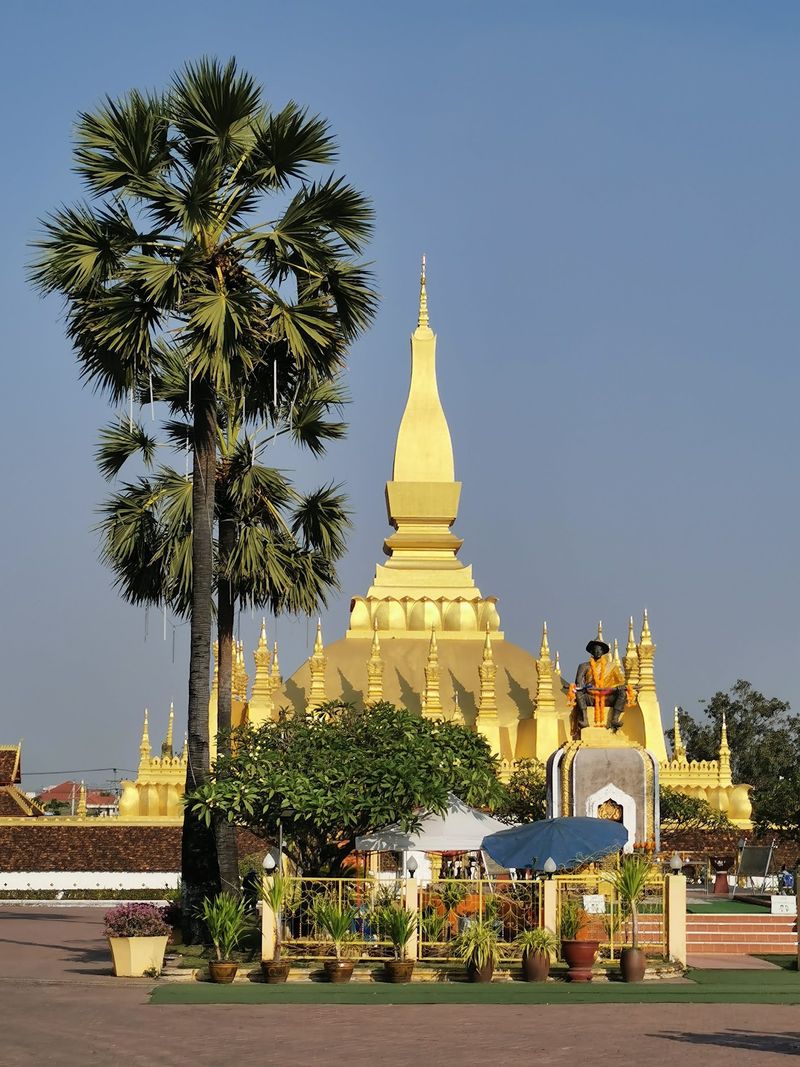
Laos moves at its own pace, and that slower rhythm is part of what makes it so appealing for travelers who want to stretch their money without feeling rushed. The country is landlocked and less visited than its neighbors, which keeps prices low and the atmosphere genuinely relaxed.
Luang Prabang, a UNESCO World Heritage town, offers temple visits, waterfalls, and riverside dining at costs that are hard to believe.
Accommodation in Laos ranges from basic guesthouses under fifteen dollars to charming boutique stays that rarely exceed forty. Local food like sticky rice with grilled meats or noodle soups keeps daily food budgets comfortably under ten dollars.
Tuk-tuks and shared minivans connect most towns affordably.
The Kuang Si Falls near Luang Prabang charges a small entrance fee and delivers a turquoise tiered waterfall experience that genuinely impresses. Laos rewards patient, curious travelers with quiet beauty and very little financial pressure.
Indonesia
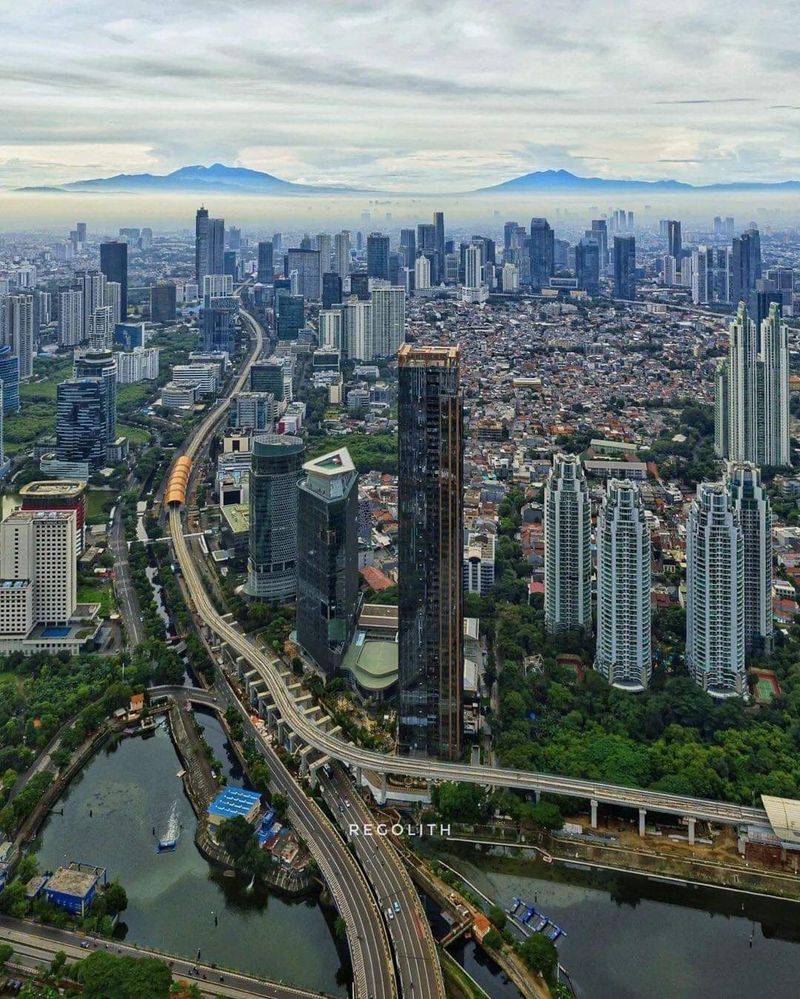
Indonesia is 17,000 islands of opportunity for budget travelers. Bali gets the most attention, but the real value spreads across the archipelago, from the volcanic landscapes of Java to the pristine beaches of the Gili Islands and the orangutan forests of Borneo.
Getting between islands is manageable with domestic flights that regularly drop to bargain prices when booked in advance.
In Bali, the Ubud area offers affordable guesthouses, yoga retreats, and traditional food at prices that have stayed competitive despite growing tourism. A full meal at a local warung rarely exceeds three dollars.
Renting a scooter for the day typically costs around five dollars and opens up significant flexibility for exploring.
Beyond Bali, cities like Yogyakarta offer access to Borobudur and Prambanan temples at low entrance fees, with street food markets that run into the night. Indonesia’s sheer size means a traveler could spend months here without repeating an experience.
Malaysia
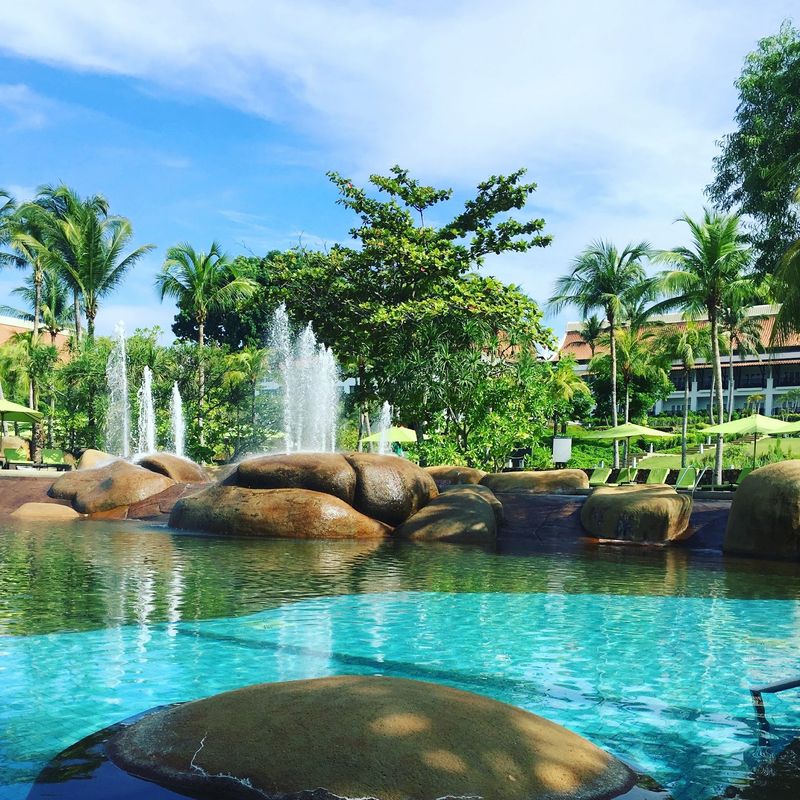
Malaysia is one of Southeast Asia’s most underrated budget destinations. Kuala Lumpur offers world-class food courts, free-entry landmarks like the Batu Caves, and a metro system that makes getting around cheap and simple.
The city’s Jalan Alor street food corridor is a reliable spot for affordable local dishes like char kway teow, satay, and roti canai at street-level prices.
Beyond the capital, the island of Penang is widely considered one of Asia’s top food destinations. George Town’s UNESCO-listed heritage streets are walkable and packed with murals, shophouses, and hawker stalls where a full meal costs under four dollars.
Langkawi offers beach resorts at prices significantly lower than comparable destinations in Thailand.
The country’s infrastructure is reliable, English is widely spoken, and the ringgit exchange rate continues to favor visitors from North America and Europe. Malaysia also benefits from strong air connectivity, making it easy to combine with nearby destinations without overspending on flights.
India
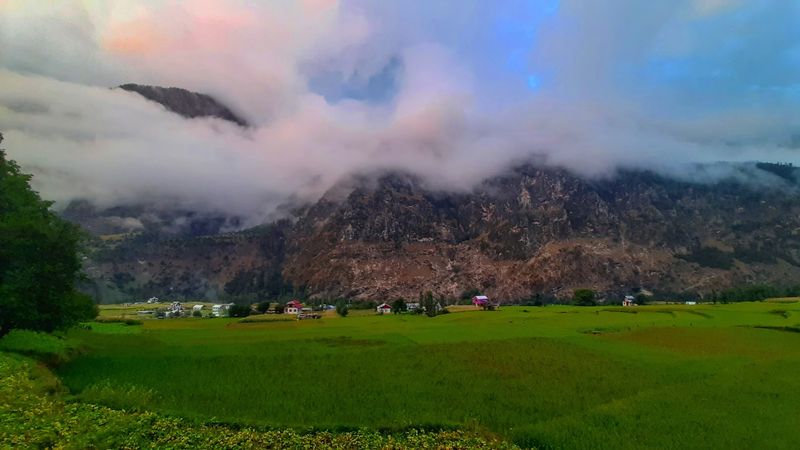
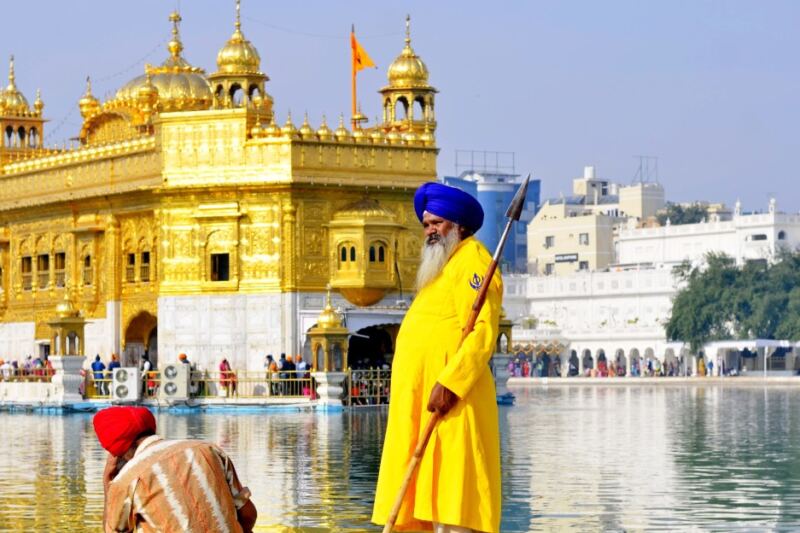
India is one of those rare destinations where a tight budget and an extraordinary experience are not in conflict. The country offers ancient temples, desert forts, Himalayan foothills, tropical backwaters, and coastal beaches, all within one remarkably affordable travel ecosystem.
A budget traveler can live well here for twenty to thirty dollars a day, including accommodation, food, and local transport.
Train travel in India is a genuine highlight. The rail network connects virtually every corner of the country at low cost, and booking a sleeper class ticket for an overnight journey is both practical and memorable.
Local thali meals, which include multiple dishes served on a single plate, typically cost one to three dollars at roadside restaurants.
Rajasthan remains one of the most photogenic regions, with cities like Jaipur, Jodhpur, and Udaipur offering ornate architecture, colorful markets, and palace hotels that offer heritage stays at accessible prices. India rewards travelers who embrace its organized chaos with remarkable value.
Vietnam
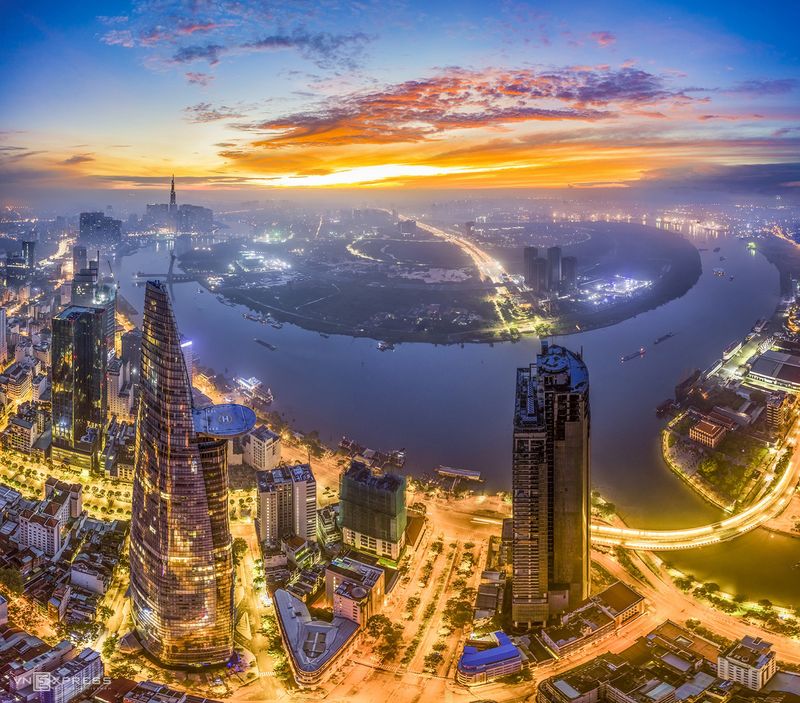
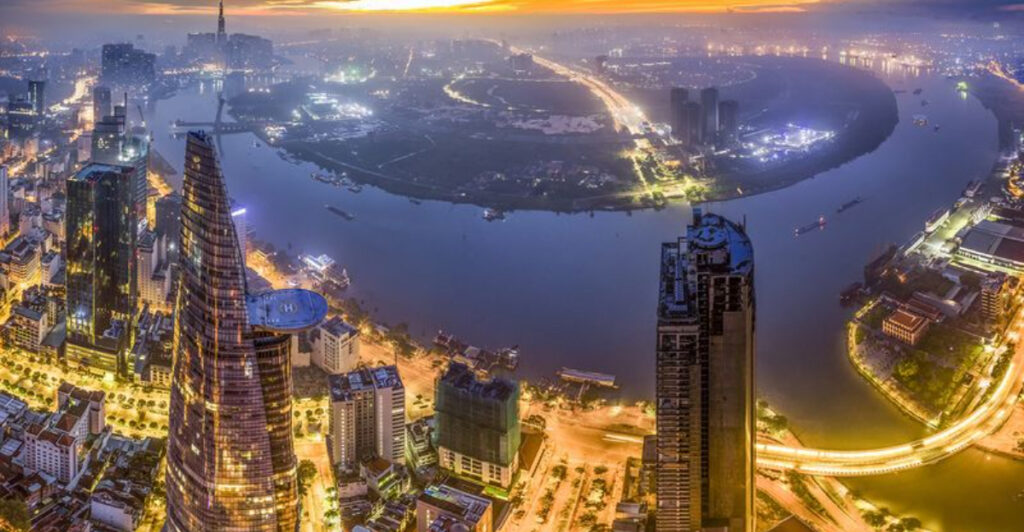
Few countries pack this much variety into such an affordable package. Vietnam runs the full range from mountain highlands in the north to bustling riverside markets in the south, and the cost of moving between them is remarkably low.
A sleeper train between Hanoi and Ho Chi Minh City costs a fraction of what a similar journey would run in Europe.
Street food is where the real value lives. A bowl of pho, a plate of banh mi, or a fresh spring roll platter can cost under two dollars from a street stall, and the quality rivals anything you’d find in a sit-down restaurant.
Guesthouses in smaller towns like Hoi An or Hue regularly offer clean, comfortable rooms for under twenty dollars a night.
The country’s geography rewards slow travelers who take their time exploring each region. Vietnam in 2026 remains one of the most rewarding budget destinations on the planet.
Sri Lanka
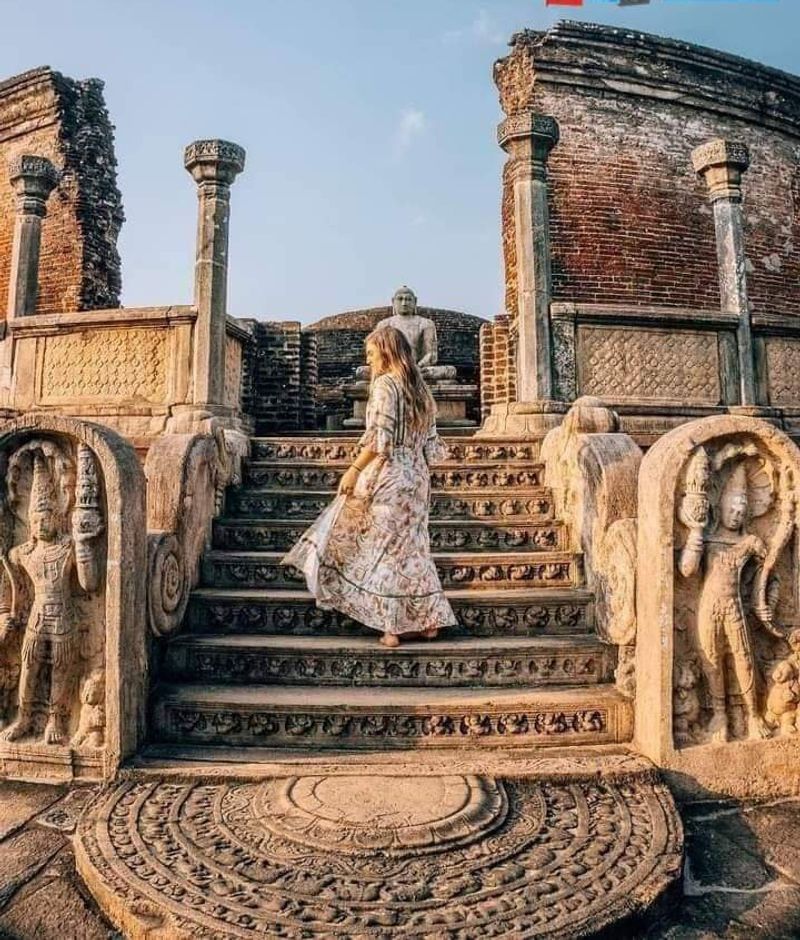
Sri Lanka packs a striking amount of diversity into a relatively small island. Ancient ruins, tea country highlands, wildlife-rich national parks, and Indian Ocean beaches are all within a few hours of each other, and getting between them by train or bus remains very affordable.
The famous train ride through the hill country between Kandy and Ella is considered one of the world’s great rail journeys and costs just a few dollars in second class.
Food in Sri Lanka is built around rice, coconut, and spice, and a full local meal at a small restaurant or roadside spot rarely exceeds two dollars. Street snacks like kottu roti or hoppers are filling, flavorful, and cheap.
Guesthouses in smaller towns offer clean rooms with breakfast included for fifteen to twenty-five dollars.
National park entrance fees are higher than local prices, but wildlife sightings of elephants and leopards in parks like Yala make the cost feel entirely reasonable. Sri Lanka rewards travelers who plan a little and spend wisely.
Albania
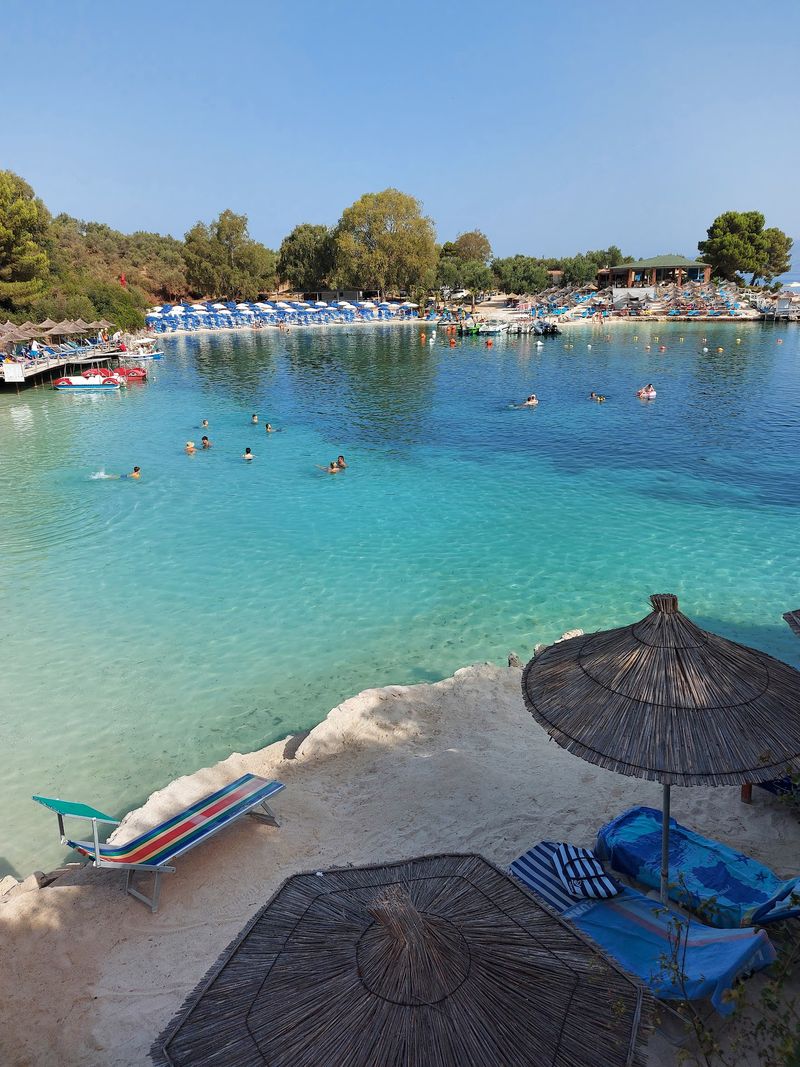
Albania is quietly becoming one of Europe’s most talked-about budget destinations, and for good reason. The Albanian Riviera stretches along the Ionian Sea with beaches that rival those of nearby Greece at a fraction of the cost.
Towns like Saranda, Himara, and Dhermi offer clean beaches, fresh seafood restaurants, and affordable guesthouses that make a week on the coast very manageable on a modest budget.
The capital, Tirana, has transformed significantly over the past decade into a lively, colorful city with free museums, affordable coffee shops, and a walking-friendly center. The city’s Blloku neighborhood is popular for cafes and casual dining.
A full meal with a main dish and sides at a local restaurant typically runs three to six dollars.
Inland, the ancient city of Berat and the Ottoman-era town of Gjirokastra are both UNESCO World Heritage Sites with low or no entrance fees. Albania’s combination of history, coastline, and low daily costs makes it one of Europe’s strongest budget picks heading into 2026.
Georgia
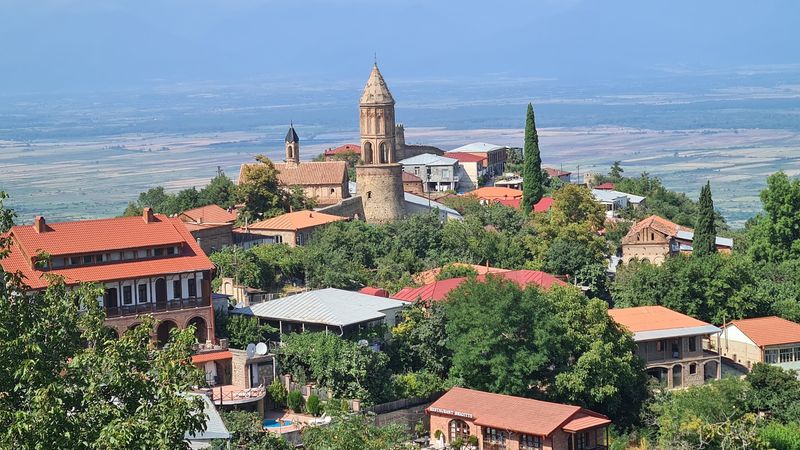
Georgia sits at the crossroads of Europe and Asia, and it offers a travel experience that genuinely feels unlike anywhere else. The capital, Tbilisi, is a city of winding cobblestone streets, sulfur bathhouses, and a food culture that has earned serious international attention in recent years.
A traditional Georgian meal of khachapuri, khinkali dumplings, and roasted meats at a local restaurant costs very little by Western standards.
Accommodation in Tbilisi ranges from well-reviewed hostels under fifteen dollars to boutique guesthouses in the Old Town for thirty to fifty dollars a night. The country’s wine regions, particularly Kakheti, offer vineyard visits and tastings at minimal cost.
Georgia is one of the few places where the food, landscape, and cultural depth all exceed what the price tag suggests.
The Caucasus mountain region around Kazbegi delivers dramatic alpine scenery with hiking trails and guesthouses that keep outdoor adventure affordable. Georgia’s combination of ancient churches, mountain villages, and distinctive cuisine makes it genuinely hard to leave.
Romania
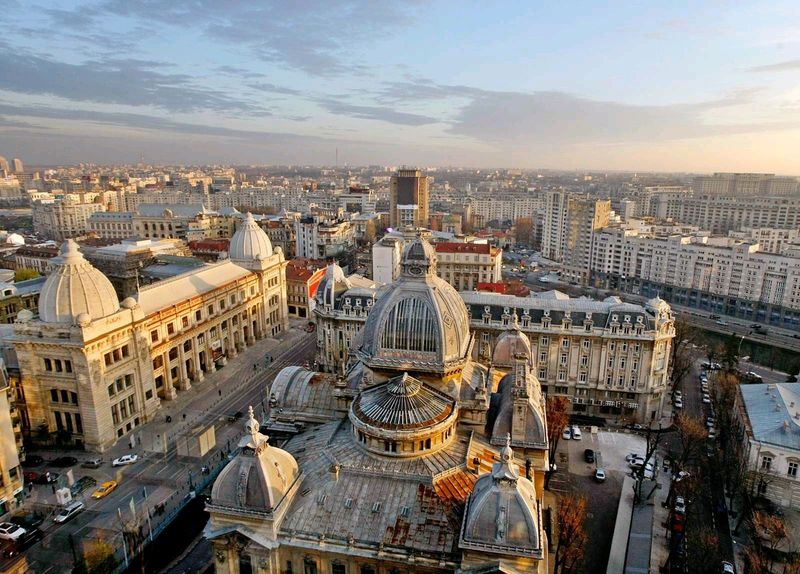
Romania is one of Central Europe’s most underappreciated destinations, and its affordability compared to Western European neighbors continues to attract travelers looking for real value. Transylvania alone offers medieval fortified towns, castles, and forested mountain scenery that rivals anything in Austria or Switzerland at a dramatically lower daily cost.
The historic center of Sibiu and the walled city of Sighisoara are both walkable, charming, and essentially free to explore.
Bucharest, the capital, has a dense collection of museums, parks, and grand architecture, including the enormous Palace of the Parliament, one of the largest administrative buildings in the world. A metro ticket costs under fifty cents, and a sit-down meal at a traditional Romanian restaurant typically runs four to eight dollars for a full plate.
The Danube Delta in eastern Romania is one of Europe’s largest and most biodiverse wetlands, offering boat tours and birdwatching at prices well below comparable nature destinations on the continent. Romania in 2026 continues to deliver genuine European culture at non-European prices.
Serbia
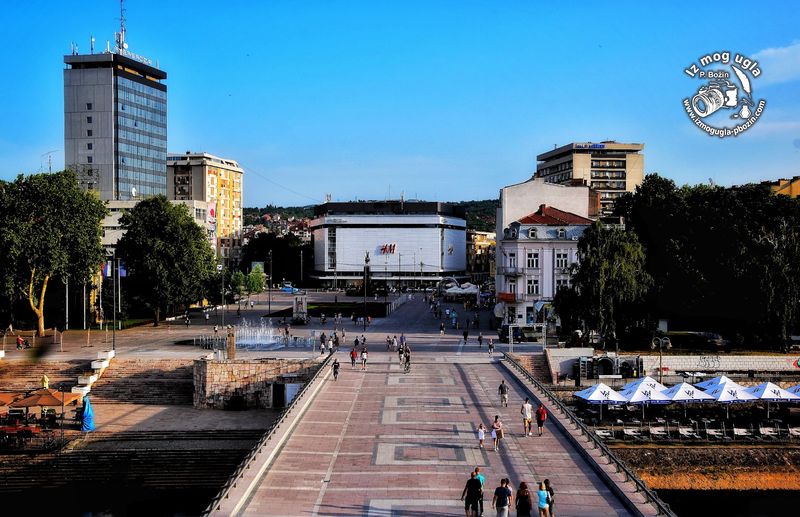
Serbia does not get the same tourist traffic as its Balkan neighbors, which is precisely what keeps prices low and the atmosphere genuinely local. Belgrade is a city that operates on its own energy, with a cafe culture, fortress parks, and a riverside scene that locals take seriously.
The Kalemegdan Fortress offers sweeping views over the confluence of the Sava and Danube rivers at no cost.
Food in Serbia is hearty and affordable. Cevapi, pljeskavica, and burek from street bakeries are filling and inexpensive.
A full sit-down meal at a local kafana, which is a traditional Serbian restaurant, typically costs five to ten dollars including bread, soup, and a main dish. Accommodation in Belgrade runs low compared to other European capitals, with solid guesthouses available for fifteen to twenty-five dollars per night.
Outside Belgrade, the town of Novi Sad and the Uvac Canyon in southwest Serbia are worth the short journey. Serbia rewards travelers who look past the obvious European destinations and invest a little curiosity.
Bulgaria
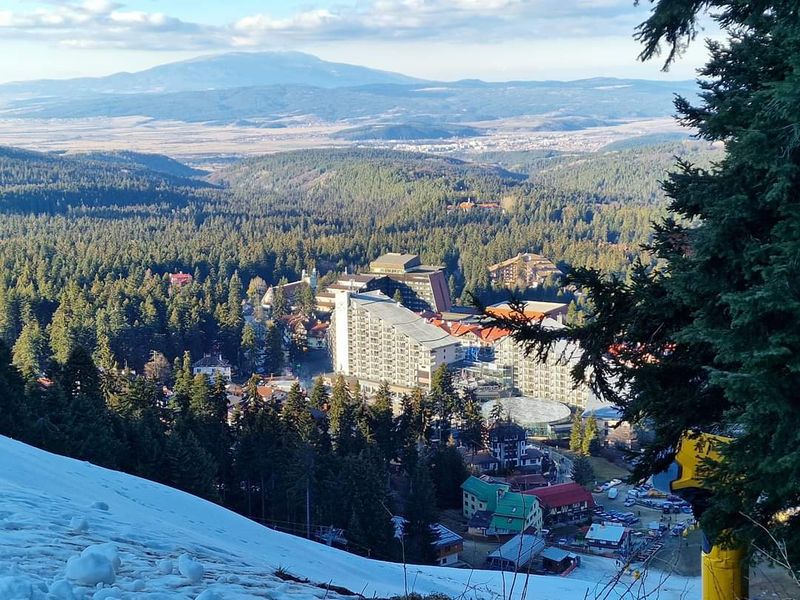
Bulgaria is one of the European Union’s most affordable member states for travelers, offering a combination of Black Sea beaches, mountain hiking, and ancient history at prices that feel more like Southeast Asia than Southern Europe. The city of Plovdiv, named a European Capital of Culture in 2019, has a beautifully preserved Old Town filled with colorful Revival-period houses, Roman ruins, and a thriving arts scene that charges very little for most of its experiences.
Sofia, the capital, offers a compact walkable center where major landmarks like the Alexander Nevsky Cathedral, the Rotunda of St. George, and the National History Museum can fill several days without significant expense. A local lunch at a traditional mehana restaurant runs three to six dollars for a full meal.
Public transport within cities costs under fifty cents per ride.
The Rhodope Mountains and the Rila Monastery, a UNESCO World Heritage Site, are accessible by affordable bus from Sofia. Bulgaria’s mix of coast, mountains, and history makes it a strong all-season budget option in 2026.
Turkey
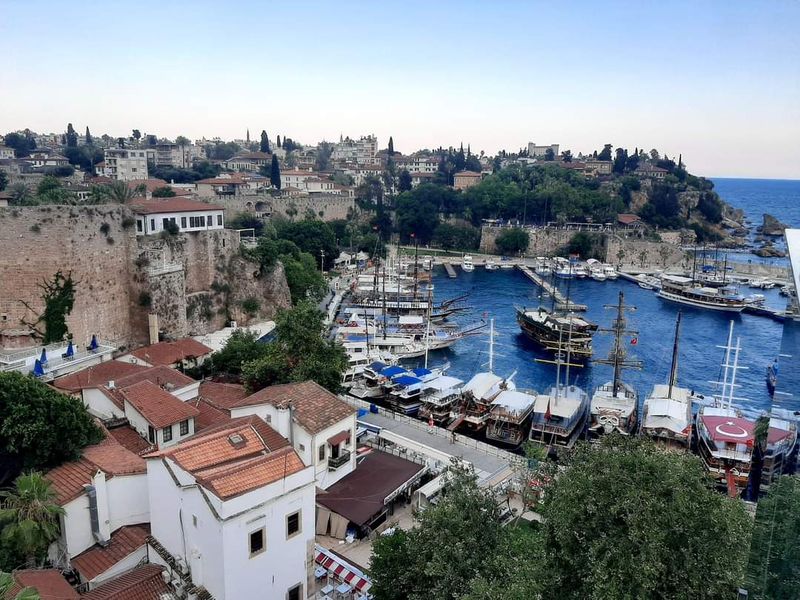
Turkey has emerged as one of the world’s most compelling budget destinations in recent years, partly due to currency dynamics that have made everyday costs significantly lower for visitors paying in dollars or euros. Istanbul alone offers enough history, food, and culture to fill two weeks, and much of it is accessible on a modest daily budget.
The Grand Bazaar and Spice Market are free to walk through, and a simit bread ring from a street cart costs almost nothing.
Cappadocia’s cave hotels and fairy chimney landscapes are genuinely unique, and while hot air balloon rides carry a premium, the region itself is affordable to explore by local bus or rental scooter. A bowl of lentil soup or a plate of gozleme flatbread from a local spot runs under two dollars in most towns outside of Istanbul’s tourist core.
The Aegean and Mediterranean coasts offer beach towns like Kas and Akyaka that provide clean water, fresh fish restaurants, and affordable pensions. Turkey in 2026 continues to offer extraordinary value for travelers who plan ahead.
Guatemala
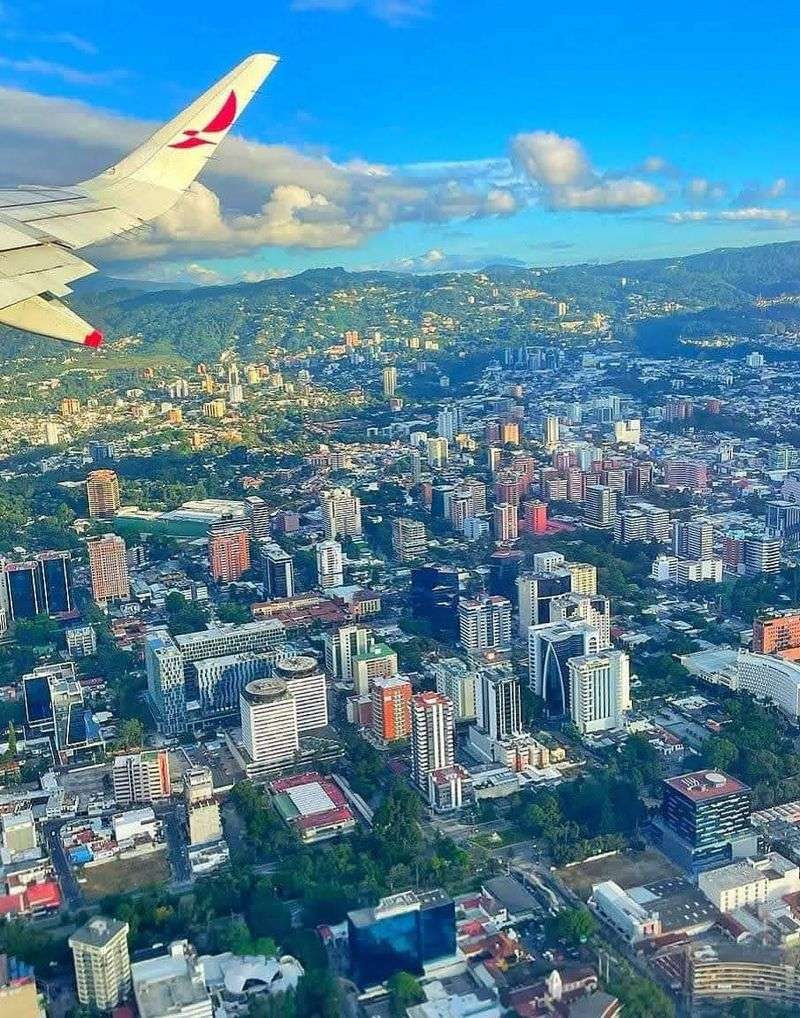
Central America’s most visually dramatic country continues to offer serious value for budget travelers willing to venture beyond the well-worn path. Lake Atitlan, surrounded by three volcanoes and a string of small Mayan villages along its shores, is one of the most photographed landscapes in the Western Hemisphere.
Ferries between villages cost one to two dollars, and guesthouses in towns like San Marcos or San Pedro regularly run fifteen to twenty dollars a night.
Antigua, Guatemala’s colonial gem, has cobblestone streets, Spanish language schools, and a collection of baroque churches and ruins that are largely free to walk among. A full meal at a local comedor, which is a small family-run eatery, costs two to four dollars.
Fresh tropical fruit from market stalls is practically free by comparison.
The ancient Mayan site of Tikal in the northern jungle requires a longer journey but remains one of the most impressive archaeological sites in the Americas. Guatemala’s combination of indigenous culture, volcanic scenery, and colonial architecture at very low daily costs makes it a standout for 2026.
Argentina
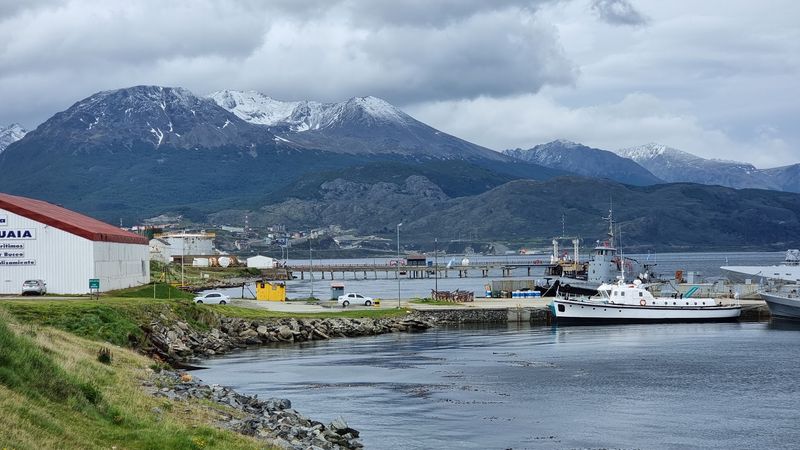
Argentina’s ongoing economic situation has created an unusual window of opportunity for international travelers, where the combination of the official exchange rate and widely available parallel market rates has made the country significantly more affordable than its quality of life would suggest. Buenos Aires, a city famous for its European-influenced architecture, steak culture, and tango heritage, can be explored very affordably when costs are managed well.
A full parrilla dinner with grilled beef, chimichurri, and sides at a neighborhood restaurant runs remarkably low by any international standard.
Patagonia, which covers the southern stretch of Argentina, offers some of the most dramatic wilderness scenery on Earth. Los Glaciares National Park, home to the Perito Moreno Glacier, charges a park entrance fee but rewards visitors with an extraordinary natural spectacle.
Buses between major Patagonian towns are long but affordable.
The wine region of Mendoza, at the foot of the Andes, offers vineyard visits and tastings at prices that make it genuinely accessible. Argentina in 2026 is a rare case where a world-class destination aligns with a budget-friendly moment.
Share this story