Some of the world’s most famous travel destinations are famous for a reason. But fame comes with a price, and that price is usually a crowd.
If you have ever stood in a line stretching around a viewpoint, waited an hour for a restaurant table, or paid peak-season prices just to share a beach with hundreds of strangers, you already know the feeling. The good news is that for nearly every iconic destination on the planet, there is a less-visited alternative that offers a similar experience with far fewer people around.
These 15 destinations give you the architecture, the food, the scenery, or the culture you are chasing, without requiring you to fight for a spot to enjoy it.
Instead of Santorini, Greece, Try Naxos
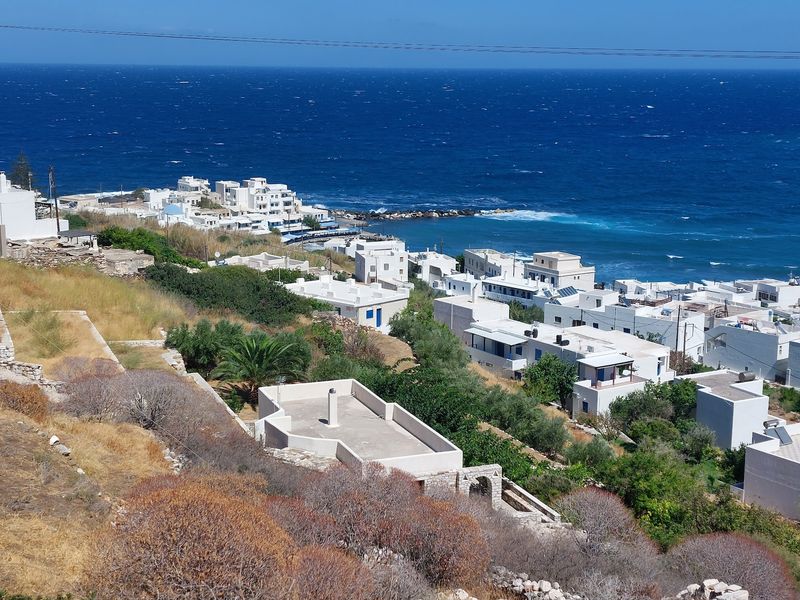
Santorini gets the postcards, but Naxos gets the space. The largest island in the Cyclades offers the same whitewashed villages, blue-skied Aegean setting, and Greek island rhythm without the shoulder-to-shoulder crowds that define Santorini during peak summer months.
The Portara, a massive marble gateway from an unfinished ancient temple dedicated to Apollo, stands at the edge of a small peninsula and is one of the most striking ancient sights in the entire Cyclades. It requires no ticket, no timed entry, and no waiting in line.
Inland, the island opens into mountain villages, farms, and archaeological sites that most island-hoppers never bother to explore. Long sandy beaches stretch along the western coast, and ferry connections from Athens run regularly, with high-speed options making the crossing as short as three and a half hours.
Naxos rewards travelers who want more than one iconic view to carry home.
Instead of Barcelona, Spain, Try Valencia
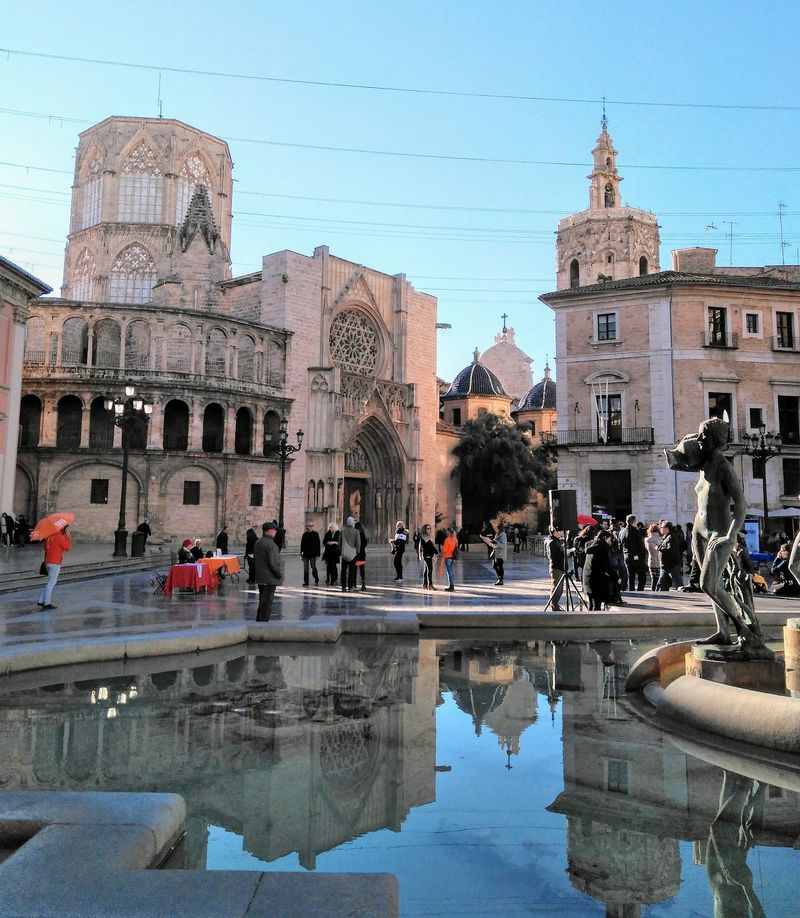
Valencia does not apologize for being Spain’s third-largest city. It has beaches, a stunning historic center, futuristic architecture, and a culinary identity so strong that the entire world borrowed its most famous dish.
Paella originated here, along the rice-growing shores of Albufera Natural Park, just south of the city. Eating it in Valencia feels entirely different from eating it anywhere else, partly because the local versions tend to stay truer to the original recipe and partly because the context matters.
The City of Arts and Sciences is one of the most visually striking modern architectural complexes in Europe, while the Turia Gardens stretch through the city along a former riverbed converted into a long green park. Malvarrosa Beach is easily reachable by public transport.
Visit Valencia’s official tourism portal lists beaches, museums, historic plazas, and cultural events throughout 2026, making trip planning straightforward for first-time visitors and return travelers alike.
Instead of Bruges, Belgium, Try Ghent
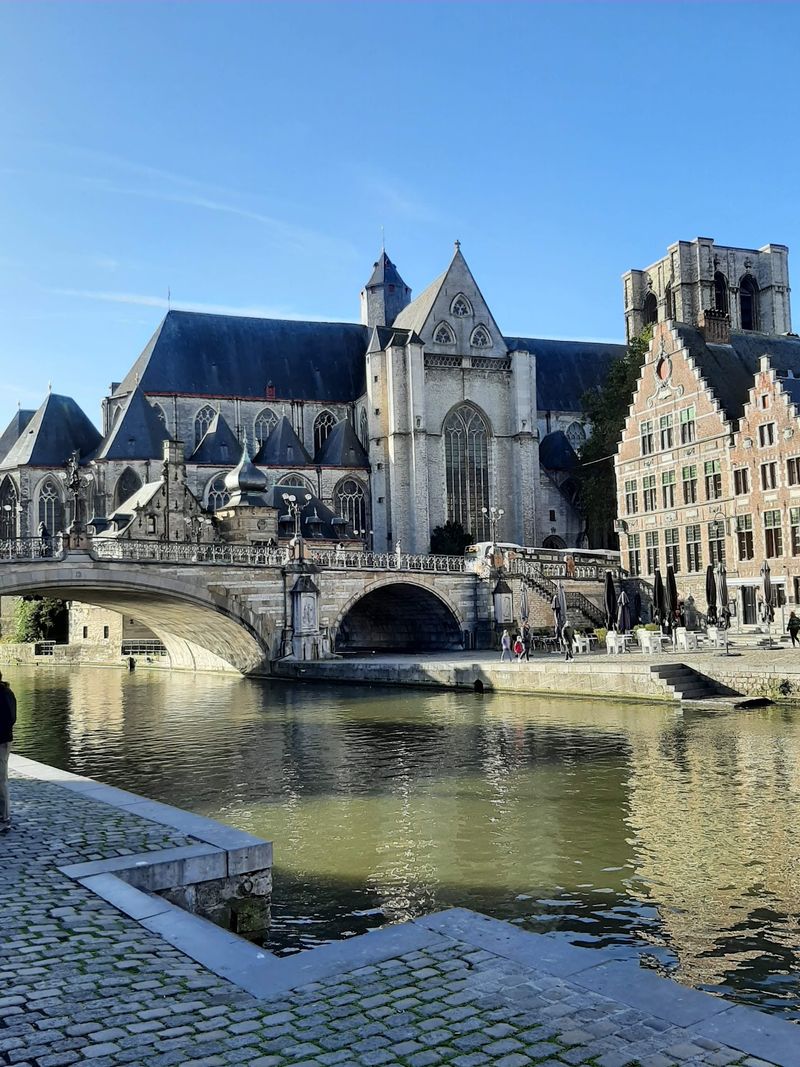
Bruges fills up fast, and for good reason. But Ghent, about 45 minutes away by train, offers a comparable medieval streetscape with a livelier, less tourist-dependent atmosphere woven through the city.
The Castle of the Counts, known locally as Gravensteen, sits right in the middle of the city and is one of the best-preserved medieval fortresses in the whole of Western Europe. It is the kind of structure that stops you mid-conversation when you first spot it rising above the surrounding streets and rooftops.
Ghent also holds one of the most celebrated works of early European art. The Ghent Altarpiece, associated with brothers Hubert and Jan van Eyck and completed in the 15th century, is displayed in St. Bavo’s Cathedral and draws visitors from around the world.
Ghent’s official tourism organization continues operating visitor services, tours, and cultural programs in 2026, keeping the city well-equipped for international travelers.
Instead of Dubrovnik, Croatia, Try Sibenik
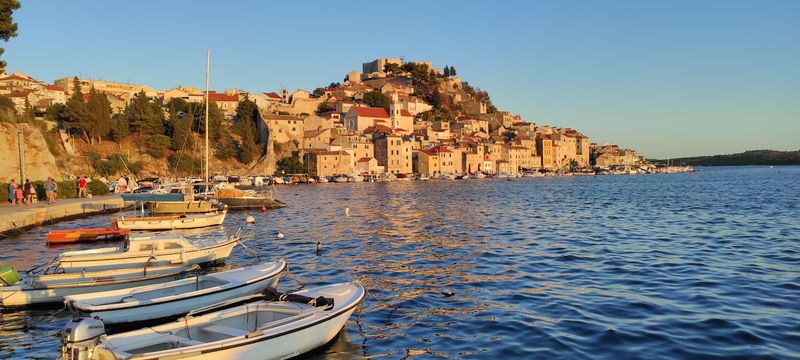
Croatia’s coastline is long, and Dubrovnik is only one chapter of it. Sibenik, positioned roughly halfway up the Dalmatian coast, offers a genuinely historic stone city that has been drawing people to this stretch of the Adriatic for centuries.
The Cathedral of St. James, a UNESCO World Heritage Site, is the city’s most celebrated monument and one of the finest examples of Renaissance architecture in the entire region. The old town surrounding it is compact enough to explore on foot, with staircases, narrow passages, and small squares connecting different levels of the hillside city.
Three historic fortresses ring the area and provide elevated views across the coast and toward nearby islands. Sibenik also works well as a base for visiting Krka National Park, which sits a short drive inland and features river waterfalls, swimming areas, and forested canyon scenery.
The city’s tourism board remains active in 2026, with current visitor information and accommodation listings available online.
Instead of Florence, Italy, Try Bologna
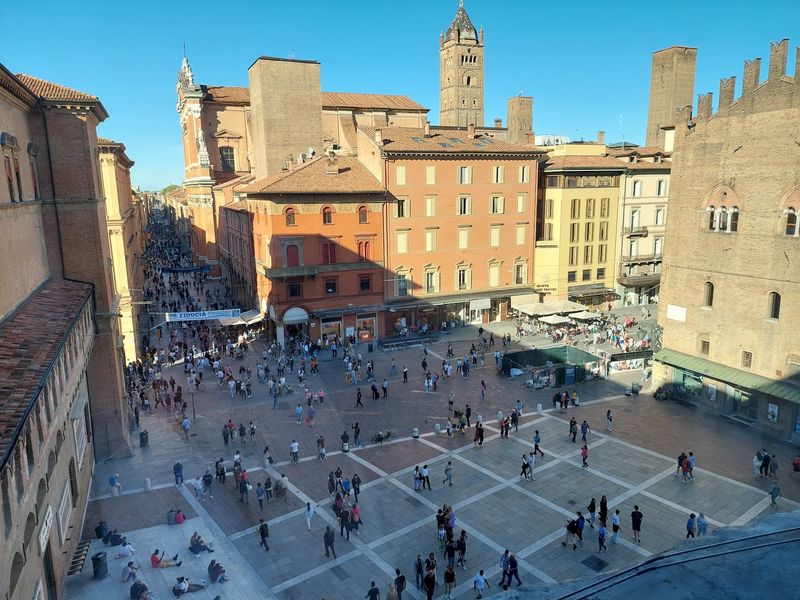
Bologna earns its place on this list twice over. First, the architecture: miles of historic covered porticoes run through the city, creating a pedestrian experience unlike anything else in Italy.
Piazza Maggiore anchors the historic center, and medieval towers still rise above the rooftops nearby.
Second, the food. Bologna sits within the Emilia-Romagna region, which is responsible for Parmigiano Reggiano, traditional balsamic vinegar from Modena, prosciutto di Parma, mortadella, and a handmade pasta tradition that locals take seriously.
Tagliatelle al ragu, the regional ancestor of what the world calls Bolognese, is the dish most visitors come to try in its original form.
The city also hosts one of Europe’s oldest universities, giving it an intellectual energy and year-round population that keeps neighborhoods lively outside of tourist season. Bologna’s official tourist office has an active 2026 calendar of exhibitions, city tours, and cultural programs for visitors arriving throughout the year.
Instead of Kyoto, Japan, Try Kanazawa
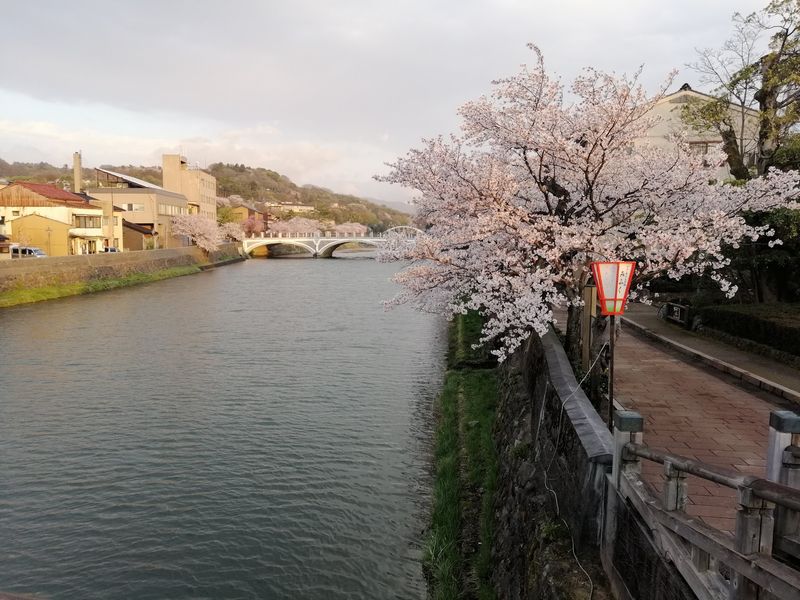
Kanazawa sat largely off the international tourist radar for years, which is part of what makes it so appealing. The city was a major cultural center during Japan’s Edo period and managed to avoid significant wartime destruction, leaving it with a well-preserved historic fabric that feels genuinely old rather than reconstructed.
Kenrokuen, considered one of Japan’s three great landscape gardens, anchors the city’s sightseeing circuit. It covers roughly 11.4 hectares and changes dramatically with each season, from plum blossoms in late winter to snow-laden pine trees in January.
Gold leaf production is strongly associated with Kanazawa. According to the Japan National Tourism Organization, the city accounts for the overwhelming majority of Japan’s domestic gold leaf output.
Traditional craft districts, samurai and geisha heritage neighborhoods, the Omicho market, and contemporary museums round out a city that rewards slow exploration over rushed sightseeing. Kanazawa’s official travel portal remains active in 2026 with current visitor resources and itinerary ideas.
Instead of Paris, France, Try Lyon
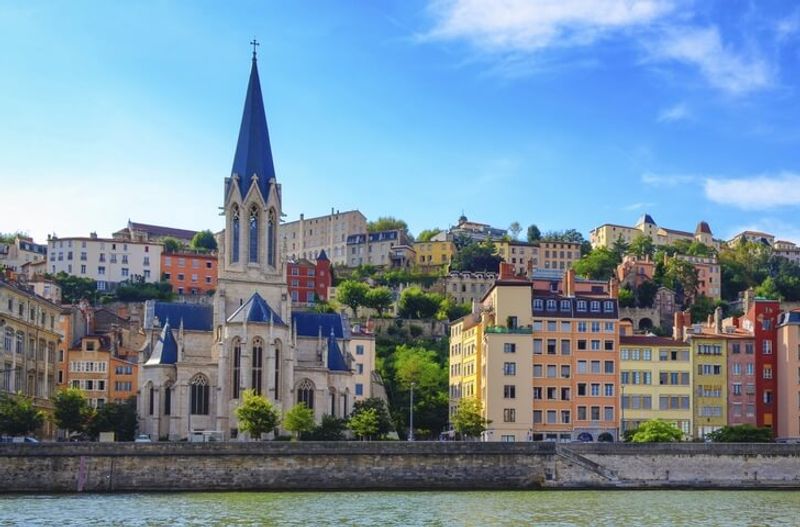
Paris is irreplaceable, and nobody is claiming otherwise. But Lyon makes a compelling case for travelers who want French culture, beautiful urban architecture, and food that stands among the best on the continent, without the pressure of navigating one of the world’s most visited cities.
Vieux Lyon, the Renaissance district along the Saone River, contains some of the finest Renaissance-era urban architecture in France. The neighborhood is also known for its traboules, covered passageways that cut between buildings and connect streets in unexpected ways.
Roman ruins, grand 19th-century squares, and two rivers give the city a layered, visually interesting landscape.
Lyon’s bouchons are the real draw for food-focused travelers. These traditional Lyonnaise restaurants serve regional dishes built around quality local ingredients, and the city’s broader culinary reputation draws serious food travelers from around the world.
Lyon’s official tourism office offers city cards, guided tours, river cruises, and visitor services throughout 2026.
Instead of Banff National Park, Try Kootenay National Park
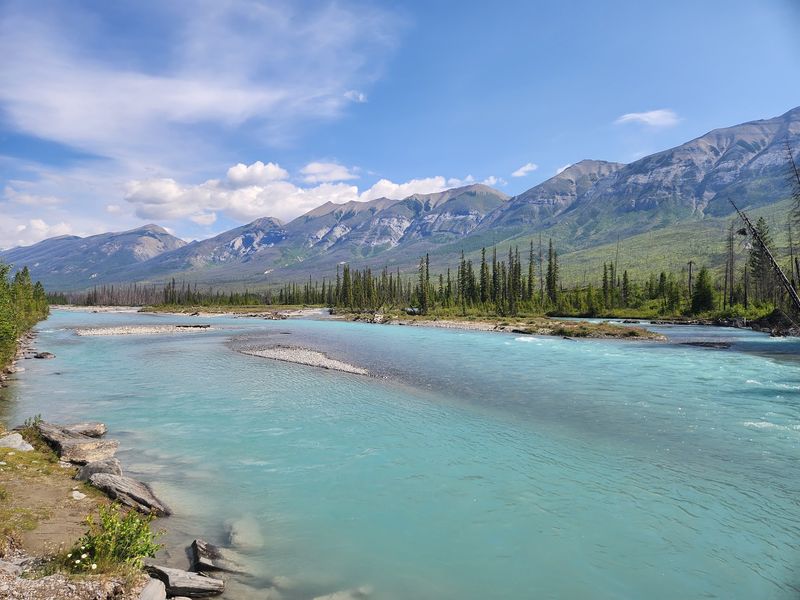
Banff is spectacular, and the parking lots, shuttle queues, and booked-solid campgrounds during July and August will confirm exactly how many people agree with that assessment. Kootenay National Park shares the same mountain range and comparable scenery, but without the same visitor pressure concentrated at famous viewpoints.
The park spans a remarkable range of landscapes, from dry grasslands and ponderosa pine forests near the Columbia Valley to high alpine terrain, glaciers, and dramatic river valleys. The Banff-Windermere Highway, which runs through the park, is one of the Canadian Rockies’ most scenic drives and connects Kootenay to its more famous neighbors.
Radium Hot Springs, located within the park, offers a geothermal pool open to the public. Parks Canada lists Kootenay as open and welcoming visitors in 2026 and notes that the park is included in the 2026 Canada Strong Pass free admission program during part of the summer.
Visitors should check current fire restriction notices before arrival.
Instead of Iceland’s Golden Circle, Try the Azores
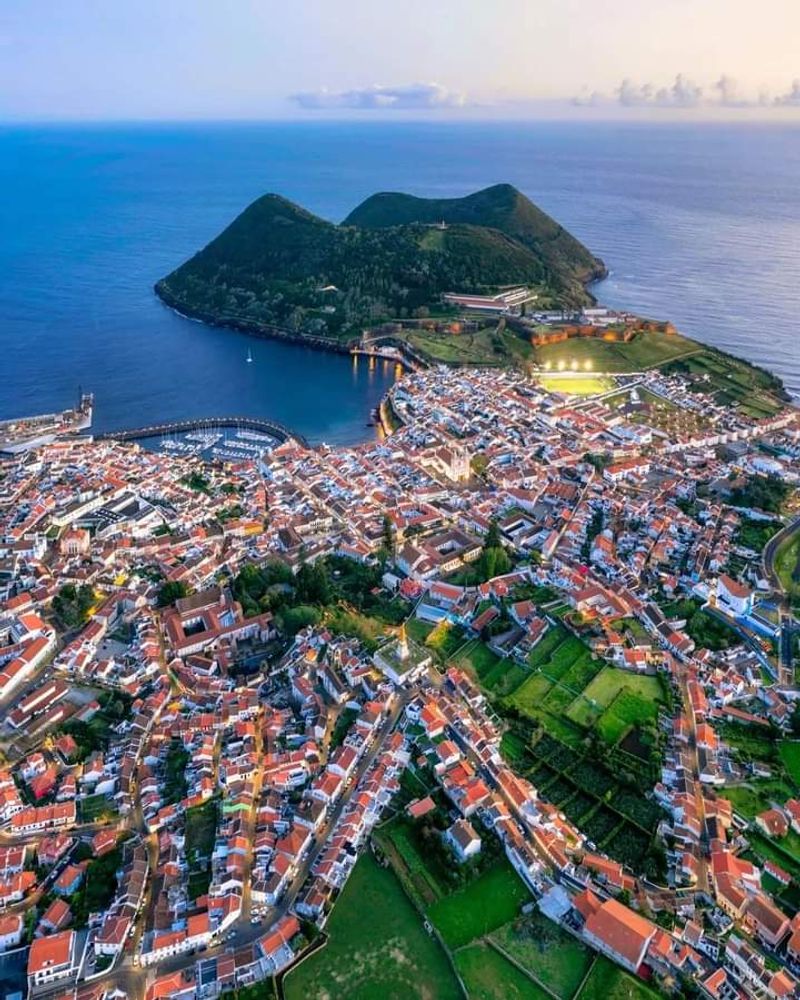
The appeal of Iceland’s Golden Circle comes down to a specific combination: volcanic geology, dramatic green landscapes, geothermal activity, waterfalls, and a feeling of standing somewhere genuinely wild. The Azores, a Portuguese archipelago of nine volcanic islands in the mid-Atlantic, offer a version of that experience in a warmer, more accessible package.
Sao Miguel is the most visited island and the easiest starting point. The Sete Cidades twin crater lakes, the Furnas geothermal valley with its bubbling hot springs and thermal pools, and the Lagoa do Fogo viewpoints are among the island’s most striking natural features.
The island is compact enough to cover a lot of ground in a few days.
Other islands in the archipelago offer whale-watching opportunities, vineyard landscapes on volcanic terrain, and hiking across dramatic coastlines. The official Visit Azores portal provides current inter-island transportation details, accommodation listings, and activity bookings for 2026 visitors planning trips throughout the archipelago.
Instead of Bali, Indonesia, Try Lombok
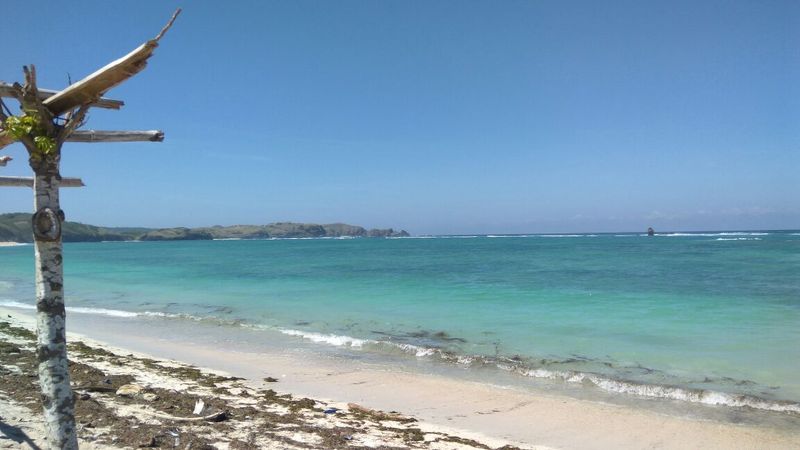
Mount Rinjani is the first thing worth knowing about Lombok. At 3,726 meters, it is one of Indonesia’s highest peaks and creates a dramatic volcanic presence that shapes the island’s entire character, from its crater lake to the rivers and fertile landscapes that spread toward the coast.
Lombok’s beaches range from the surf-friendly breaks near Kuta in the south to quieter stretches along the north and west coasts. The Gili Islands, three small islands just off Lombok’s northwest shore, are reachable by short boat transfer and offer snorkeling, clear water, and a very different pace from the mainland.
The island’s Sasak people have their own distinct culture, craft traditions, and cuisine that set Lombok apart from Bali in ways that go well beyond geography. Indonesia’s official tourism portal lists active transportation connections, accommodation options, and visitor attractions across Lombok for 2026 travelers.
The island works well both as a standalone destination and as part of a broader Indonesian island itinerary.
Instead of Cinque Terre, Italy, Try Camogli
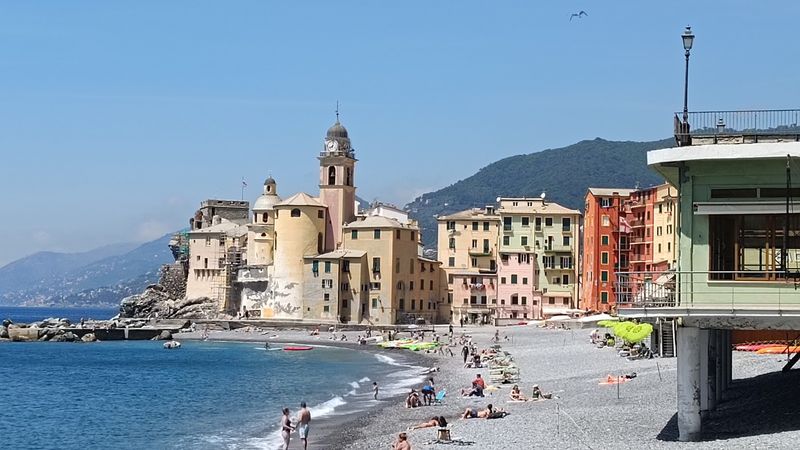
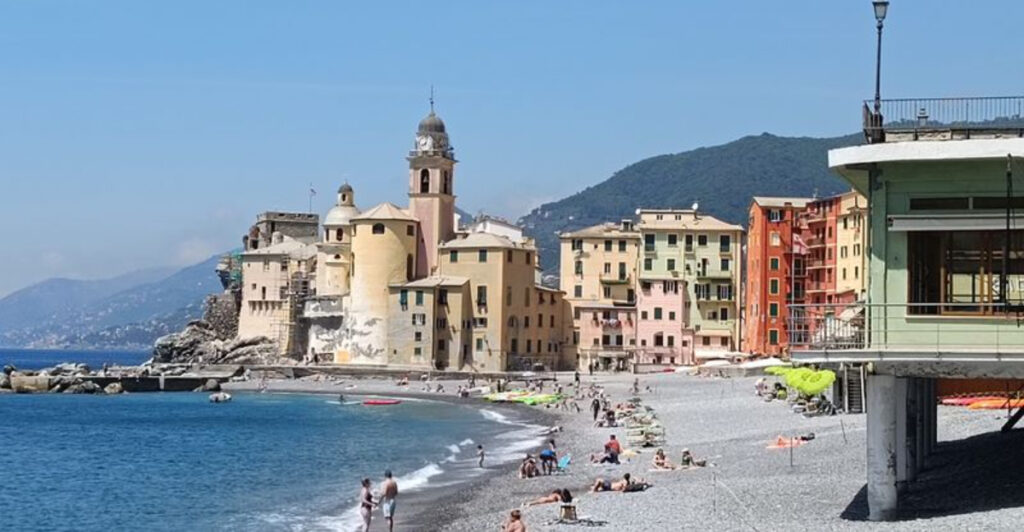
Camogli sits on the Ligurian coast east of Genoa, and its appearance is exactly what you picture when someone says Italian fishing village. Tall, narrow buildings painted in warm shades of yellow, orange, and red line the waterfront above a pebble beach and a small working harbor.
The town serves as a practical base for exploring the landscapes around the Portofino peninsula, including walking routes toward San Rocco, Punta Chiappa, and the trails connecting to Santa Margherita Ligure. Italy’s official tourism portal highlights the Dragonara Castle and the scenic coastal walking paths as key attractions for visitors arriving in the area.
Seafood is central to the local food culture, and the restaurants along the harbor specialize in Ligurian preparations that reflect the region’s cooking traditions. Unlike Cinque Terre’s five villages, which now require timed entry passes during peak periods, Camogli remains more relaxed to visit.
It pairs well with nearby coastal destinations for travelers building a Ligurian itinerary.
Instead of the Amalfi Coast, Try Puglia
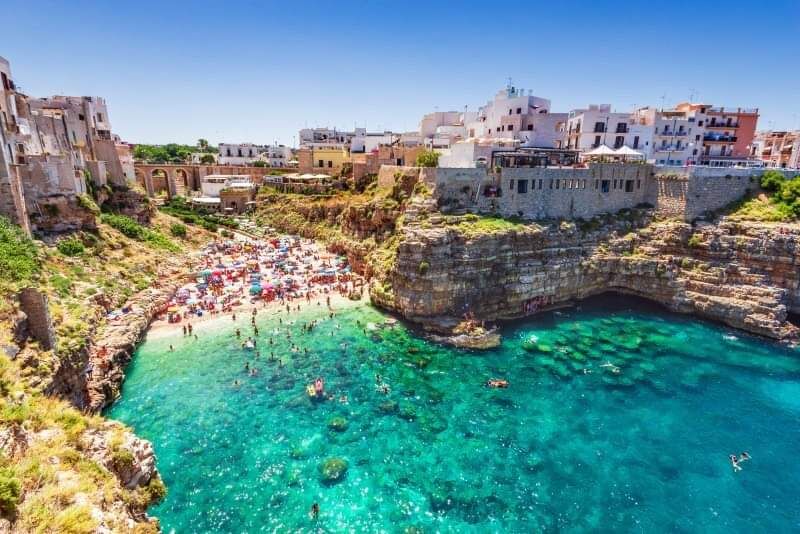
Puglia is a road trip destination in the best possible sense. The region stretches across the heel of Italy’s boot, and driving through it reveals a landscape of olive groves, limestone plains, whitewashed hilltop towns, and coastline on two different seas.
Alberobello’s trulli, the distinctive circular stone houses with conical roofs, are unlike anything else in Italy and are recognized as a UNESCO World Heritage Site. Ostuni’s whitewashed old town sits above the surrounding countryside on a limestone ridge.
Lecce, sometimes called the Florence of the South, is filled with elaborately decorated Baroque churches and palaces built from the region’s warm golden stone.
Both the Adriatic and Ionian coasts offer beach options, from rocky coves to long sandy stretches, depending on where you are in the region. Puglia’s official regional tourism portal is active in 2026, listing accommodations, cultural events, itineraries, and attractions across the region, including the 2026 Locus Festival scheduled for the summer season.
Instead of Prague, Czechia, Try Tallinn, Estonia
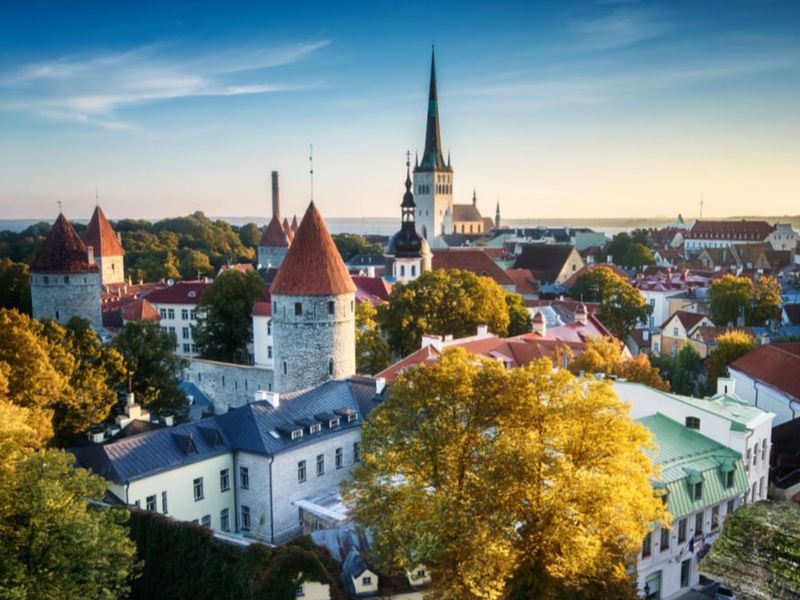
Tallinn’s Old Town is one of the best-preserved medieval city centers in Northern Europe, and the comparison to Prague is inevitable once you see the towers, the cobbled streets, the Gothic churches, and the market square at the heart of it all. The difference is that Tallinn still feels like a city where people live rather than a backdrop built entirely for visitors.
Town Hall Square serves as the social and geographic center of the Old Town, surrounded by merchant houses and overlooked by one of the oldest functioning town halls in the region. The upper town on Toompea Hill adds another layer of history, with views across the lower city’s rooftops.
Estonia’s well-known digital culture and creative neighborhoods sit just outside the medieval walls, giving the city a modern dimension that makes it interesting beyond the historic core. The official Visit Tallinn portal has an active 2026 calendar listing concerts, festivals, sporting events, and exhibitions alongside current attraction and accommodation information for visitors.
Instead of Malta’s Busiest Resorts, Spend More Time on Gozo
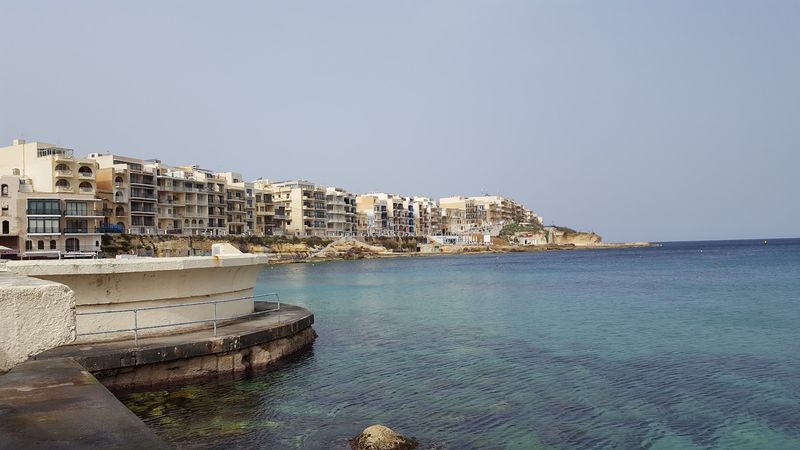
Gozo is technically part of Malta, reachable by a short ferry crossing from the main island, but it operates at a noticeably different pace. The landscape is greener, the villages are quieter, and the overall feeling is closer to a rural Mediterranean island than a resort destination.
Victoria, the island’s small capital, sits at the center of Gozo and is dominated by its Citadel, a fortified hilltop settlement with roots going back centuries. The views from the Citadel walls stretch across the island and out toward the surrounding sea, making it one of Gozo’s most rewarding stops.
The island also contains the Ggantija temples, among the oldest freestanding stone structures on Earth and a UNESCO World Heritage Site. Coastal swimming areas, historic churches, and countryside walks fill out the itinerary for visitors who want more than a beach day.
Malta’s official tourism organization is actively promoting Gozo in 2026, with current events, attraction details, and booking resources available online.
Instead of Venice, Italy, Try Ljubljana, Slovenia
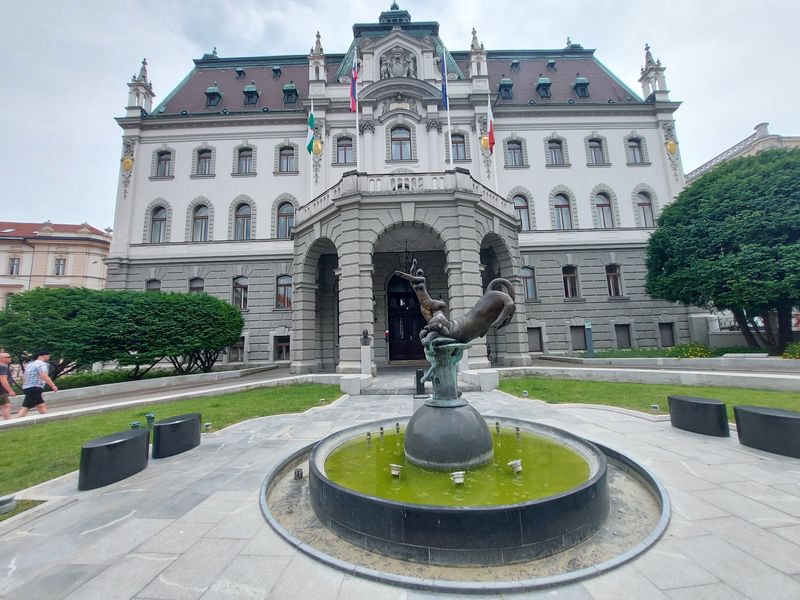
Ljubljana is not Venice, and it is not trying to be. But travelers drawn to the idea of a European city built around water, walkable streets, bridges, outdoor cafes, and a historic castle overhead will find a lot to enjoy in Slovenia’s capital.
The Ljubljanica River runs through the center of the city, and the pedestrian-friendly streets along its banks are lined with restaurants, cafes, and market stalls that make wandering feel like the natural way to spend an afternoon. The Triple Bridge, designed by architect Joze Plecnik, connects the riverfront to the old town and is one of the city’s most photographed spots.
Ljubljana Castle sits above the city on a forested hill and is reachable by funicular or on foot. The city retained its Slovenia Green Destination Platinum label in 2026, reflecting its commitment to sustainable tourism.
The official tourism organization lists river cruises, walking tours, food experiences, cycling routes, and day trips throughout Slovenia for visitors building a broader itinerary.
Share this story