
Nomadic life is one of the oldest ways humans have lived on Earth, and it is still practiced in surprising corners of the world today. From the sweeping grasslands of Central Asia to the red sands of the Arabian desert and the frozen tundra of the Arctic, communities still move with the seasons, care for livestock, and carry traditions that go back generations.
These cultures are not museum pieces. They are living, breathing ways of life that travelers can respectfully experience firsthand.
Whether you are drawn to sleeping in a felt yurt under a star-filled sky, riding horses across open steppe, or learning about reindeer herding from an Indigenous family, this list covers countries where nomadic culture is real, accessible, and worth your time. Each destination offers something different, so read through carefully and see which one calls to you.
Mongolia
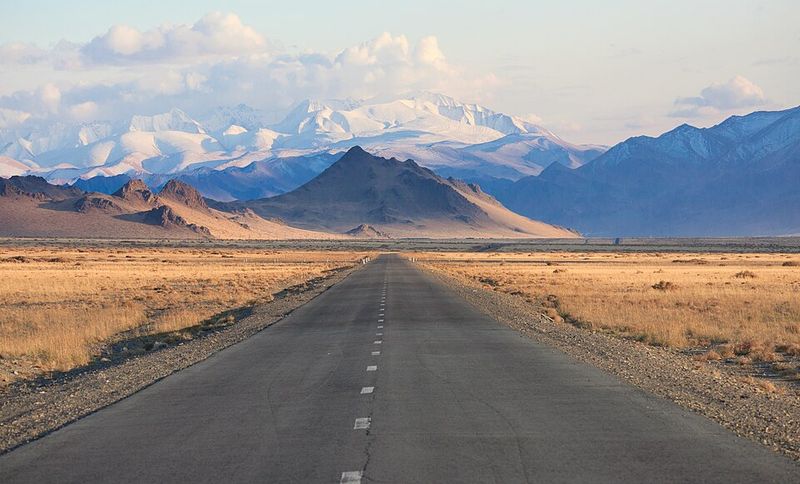
No country on Earth is more closely linked to nomadic life than Mongolia. Outside the capital Ulaanbaatar, vast stretches of grassland remain home to pastoral families who move their livestock between seasonal grazing areas throughout the year.
Horses, sheep, goats, cattle, and camels are all central to rural life here.
The traditional ger, a circular felt dwelling often called a yurt outside Mongolia, is still widely used by these families. Travelers can arrange multi-night stays with nomadic households in places like the Orkhon Valley, Gorkhi-Terelj National Park, and the Gobi Desert.
Beyond simply sleeping in a ger, many tours invite visitors to help with livestock, learn about dairy production, ride horses, and eat meals alongside host families. For anyone who wants to understand how mobility, animals, and family life connect in a deeply practical way, Mongolia is the most complete destination on this entire list.
Kyrgyzstan
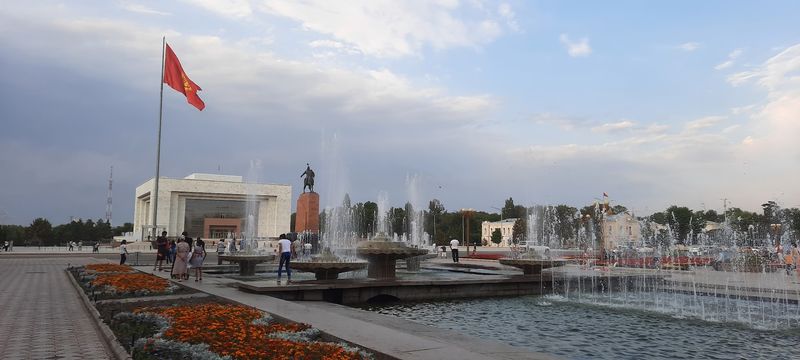
High in Kyrgyzstan’s Tian Shan mountains, seasonal pastoralism becomes impossible to miss every summer. The best place to experience it is Song-Kul Lake, a high-altitude body of water ringed by enormous grasslands called jailoo, which simply means summer pastures in Kyrgyz.
From June through September, herding families bring horses, sheep, and cattle up into these mountain meadows and live in traditional felt yurts. Visitors can stay in family-run yurt camps, go horseback riding across the open landscape, eat home-cooked Kyrgyz meals, and learn about traditional crafts and horse culture.
The country’s community-based tourism network makes it relatively straightforward to spend money directly with local families rather than through large tour operators. Active 2026 itineraries also include yurt-building demonstrations, traditional nomadic games, and eagle-hunting displays.
If you are looking for a destination where pastoral life feels genuinely present rather than staged for cameras, Kyrgyzstan belongs near the top of your travel list.
Kazakhstan
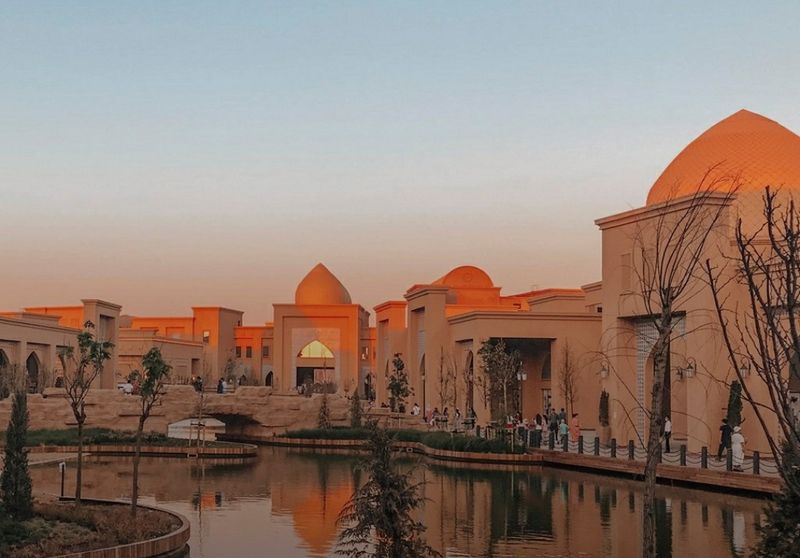
Kazakhstan’s relationship with nomadic culture is more about heritage than active daily practice, and the country’s own tourism materials are refreshingly honest about that distinction. Centuries of Kazakh identity developed around mobile pastoralism, horseback riding, and the yurt, but widespread collectivization during the 20th century largely ended full-time nomadic life.
What travelers find today is a rich cultural legacy kept alive through ethnographic villages called ethno-auls. Near Astana and in other parts of the country, visitors can enter traditionally decorated yurts, eat classic Kazakh food, watch demonstrations involving horses and hunting birds, and learn about customs that shaped the steppe for generations.
One active tourism experience near Astana combines a visit to an ethno-aul with eagle-hunting demonstrations and a traditional meal inside a yurt. Kazakhstan is not the place to witness families roaming open land as historical nomads once did, but it remains an excellent destination for understanding the culture that way of life created.
India

Ladakh might not be the first Indian destination that comes to mind, but the high-altitude Changthang Plateau in southeastern Ladakh is home to the Changpa, a pastoral community with a fascinating way of life. The Changpa traditionally move with herds of yaks, sheep, horses, and pashmina goats across one of the world’s highest inhabited landscapes.
Pashmina is central to their economy. The fine undercoat produced by these goats eventually becomes the cashmere wool used in textiles prized around the world.
India’s official tourism platform continues to describe Changpa herders living and working across this remote region.
The Changthang Nomadic Festival, scheduled for August 9-10 in 2026, showcases Changpa livestock traditions, Rebo tent houses, pashmina crafts, horse riding, food, and music. Travel to Changthang requires planning because of its extreme elevation and remote location, but few settings anywhere in Asia offer a more striking backdrop for learning about Himalayan pastoral culture.
Jordan
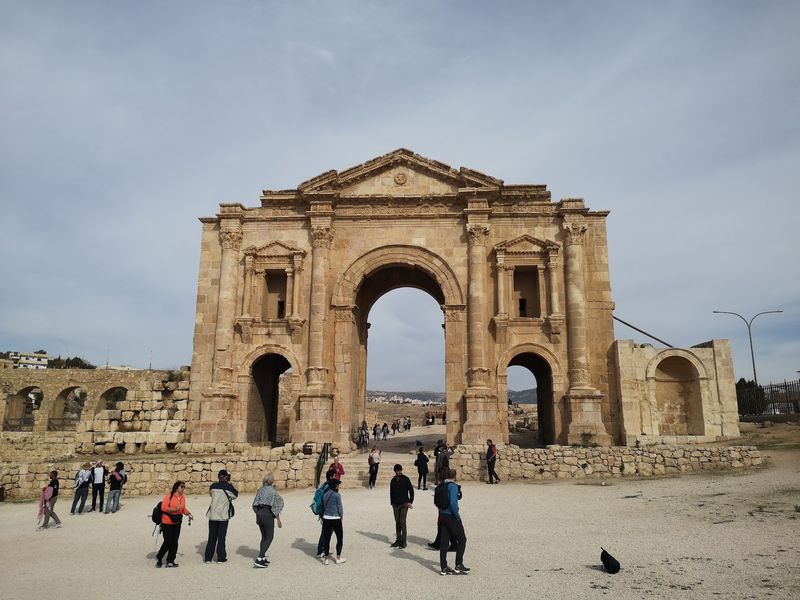
Wadi Rum’s red desert is one of the most accessible places in the Middle East to learn about Bedouin culture, and the landscape alone makes the trip worthwhile. Bedouin communities have navigated these desert environments for generations, relying on seasonal movement, extensive knowledge of water sources, livestock, and long-distance trade routes.
Today, many Bedouin families in Wadi Rum are directly involved in tourism. Jordan’s official tourism website currently promotes a specific Bedouin Life Experience, alongside camel riding, desert excursions, traditional food, and cultural activities.
Travelers can spend the night in desert camps surrounded by Wadi Rum’s towering sandstone formations, eat meals prepared by local hosts, and explore the landscape with Bedouin guides. Some camps lean toward luxury, while others are simpler and more personal.
If genuine cultural interaction matters more to you than photogenic dome tents, look for locally owned operations rather than large commercial camps. The difference in experience is significant.
Morocco
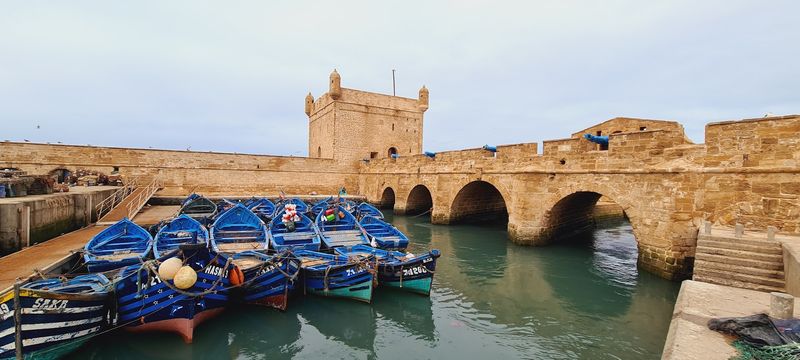
Southern Morocco gives travelers another layer of desert nomadic history, this time along the northern edge of the Sahara. Morocco’s official tourism organization actively encourages visitors to discover the lifestyle of nomadic tribes in the country’s southern regions, with Merzouga serving as one of the primary gateways.
Merzouga sits near the towering dunes of Erg Chebbi, one of the most photographed landscapes in North Africa. Camel excursions and overnight desert camps are widely available, ranging from basic bivouacs to elaborate tented hotels with private facilities.
The most rewarding trips go beyond the scenery and connect visitors to the people who have historically navigated this landscape.
Depending on the operator, travelers may learn about traditional food, music, camel handling, water management, and the practicalities of living in an extremely dry environment. Morocco’s tourism authority continues to confirm that camel excursions and desert camping near Merzouga are actively operating for visitors each season.
Oman
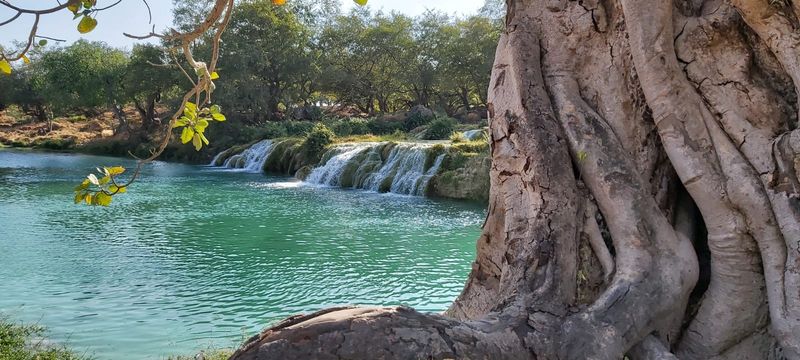
A’Sharqiyah Sands, sometimes called Wahiba Sands internationally, is one of Oman’s most striking landscapes and has long been associated with Bedouin communities who traditionally moved through its dunes. Oman’s official tourism platform currently lists desert camping, camel trekking, and visits to Bedouin villages among the activities available in this region.
Travelers can stay at desert camps, cross enormous dunes by camel or four-wheel drive, and spend evenings watching the sun drop behind the sand. The area is most comfortable between roughly September and April, when temperatures are far more manageable than during the summer months.
What sets Oman apart from some of its neighbors is that parts of A’Sharqiyah Sands can still feel remarkably quiet once you move away from the main roads and larger commercial camps. Oman’s tourism organization also specifically reminds visitors to respect the customs of Bedouin communities, which signals a thoughtful approach to how these experiences are offered and managed.
United Arab Emirates

Dubai’s skyline of glass towers makes it easy to overlook the fact that Bedouin traditions are part of the UAE’s cultural foundation. Long before oil wealth reshaped the Arabian Peninsula, desert-adapted communities were moving with livestock, reading stars for navigation, and building entire social structures around the rhythms of the land.
Today, visitors can explore that history through organized heritage programs. Dubai’s official tourism platform currently promotes the Al Marmoom Bedouin Experience, where travelers can join camel caravans, learn about desert plants and animals, watch Arabic coffee preparation, eat a Bedouin-style meal, and spend time in a recreated Bedouin village.
Dubai’s 2026 tourism guide lists it as an active attraction.
This is primarily a heritage experience rather than a window into modern nomadic life. Even so, it provides useful context for understanding what daily existence looked like across this region before rapid urbanization changed everything.
It is a thoughtful stop for curious travelers visiting Dubai.
Qatar

Qatar pairs one of the world’s most modern cities with a surprisingly accessible window into Bedouin heritage. Khor Al Adaid, the country’s remarkable inland sea where desert dunes meet saltwater, is one of the most striking places to experience it.
Visit Qatar encourages travelers to book desert safaris and spend the night in Bedouin-style camps in this area.
Qatar’s tourism organization also explains how today’s annual winter camping tradition grew directly from the historical practice of Bedouin tribes moving across the desert with livestock and setting up temporary camps. That context makes the experience feel more grounded than simply sleeping in a tent for novelty.
Visitors can also explore Bedouin heritage through Al Sadu weaving, a textile craft historically practiced by Bedouin women. Current cultural workshops in Doha teach travelers about the craft and its significance.
Like the UAE, Qatar is best understood as a place to engage with preserved Bedouin heritage rather than widespread contemporary nomadism.
Norway

Northern Norway forms part of Sápmi, the traditional homeland of the Indigenous Sámi people, and reindeer herding remains a living practice rather than a historical footnote here. Not all Sámi people are or were nomadic, since coastal communities traditionally relied more on fishing and farming.
But reindeer-herding Sámi developed distinct patterns of seasonal movement, following their herds between grazing areas across vast northern landscapes.
Norway’s official tourism organization confirms that many Sámi still earn a living from reindeer herding and that travelers can participate in experiences involving herders, traditional lavvu tents, Sámi food, and storytelling. Seasonal reindeer migration experiences are also available in some areas.
The regions around Kautokeino, Karasjok, and Alta are particularly important centers of Sámi culture. Choosing Sámi-owned tourism businesses is especially important here, since these are Indigenous cultural encounters and not themed attractions.
The landscape is extraordinary, and the cultural depth makes Norway one of the most rewarding stops on this list.
Sweden
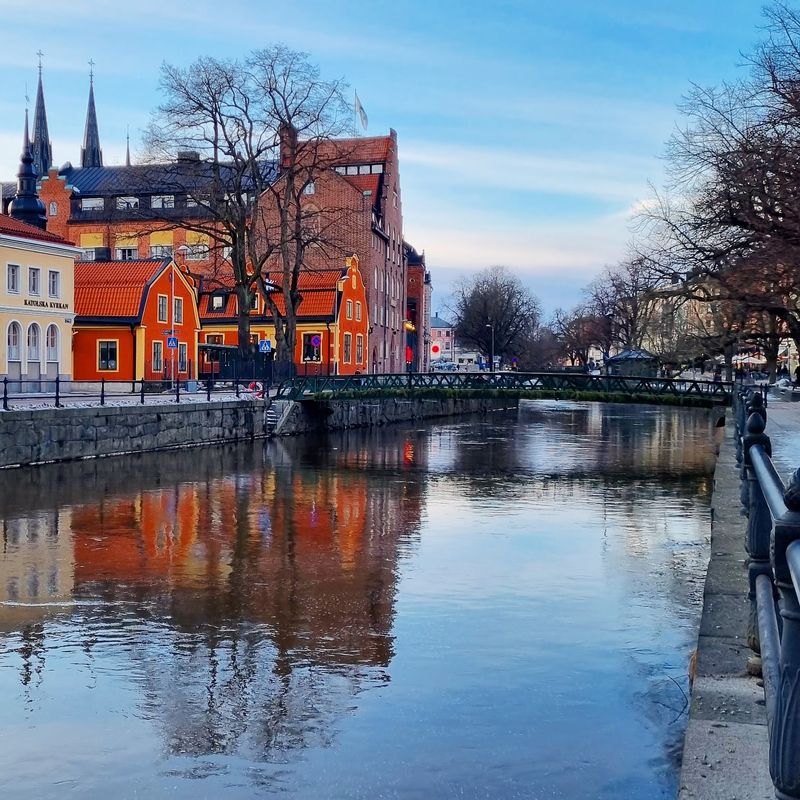
Cross into Swedish Lapland and you find another living piece of Sápmi. Sweden’s official tourism organization currently lists around 40 small-scale businesses offering Sámi-led cultural experiences, many combining tourism with active reindeer husbandry.
That number signals a genuine network of options rather than a single staged attraction.
Around Jukkasjärvi and Kiruna, visitors can meet reindeer, learn about herding practices, eat Sámi food, and hear traditional storytelling from hosts whose families have maintained these practices across generations. One of the best-known operators, Nutti Sámi Siida, runs experiences throughout the year, while other family-run lodges offer more remote stays across the region.
Some programs even allow visitors to spend time near freely roaming reindeer in open forest landscapes. Visit Sweden continued promoting these types of stays into the 2025-2026 travel period.
For travelers who want Indigenous-led tourism combined with genuine Arctic wilderness rather than a resort experience, Swedish Lapland offers a compelling and carefully managed option.
Finland
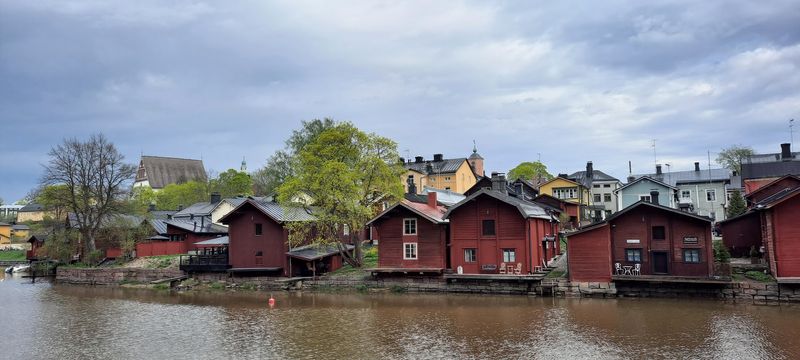
The town of Inari in Finnish Lapland is one of the most important Sámi cultural centers in Scandinavia. It is home to Siida, the Sámi Museum and Nature Centre, which provides deep historical and cultural context for anyone interested in understanding how Sámi communities have lived across this landscape over centuries.
Visit Finland actively encourages travelers to engage with Sámi culture in respectful ways and directly warns about the risks of commercialization and cultural misappropriation. That kind of honesty from a national tourism body is worth paying attention to when choosing experiences.
A currently listed experience in Kilpisjärvi allows guests to meet and feed reindeer while learning about the annual cycle of reindeer herding from a Sámi family. The experience operates year-round.
As elsewhere in Sápmi, the most accurate framing is reindeer pastoralism and historic seasonal mobility rather than sweeping nomadism. Finland rewards travelers who approach it with curiosity and genuine respect for the people sharing their culture.
Namibia
Northern Namibia is home to one of Africa’s most visually distinctive pastoral cultures. The Ovahimba, commonly known as the Himba, have traditionally depended on cattle and goats while living across the remote Kunene Region.
Some communities remain semi-nomadic today, moving with their herds in response to rainfall and grazing conditions.
Namibia’s official tourism organization identifies places like Swartbooisdrift as home to seasonal populations of semi-nomadic Himba and Herero people. Cultural visits are available in the region, but choosing the right kind of experience matters significantly here.
Visit Namibia explicitly notes that visiting Ovahimba communities should be done with sensitivity and respect for local traditions.
Near Puros, a conservancy-managed Himba demonstration settlement allows visitors to learn about traditional practices including craft making and the preparation of red ochre, the mixture of butterfat and pigment central to Himba identity. Community-managed projects like this one ensure that local people control how their culture is presented and benefit directly from tourism.
Share this story