Europe is home to some of the most powerful and important World War II sites on the planet. From underground command bunkers to open beaches where history changed, these places bring the past to life in ways that no textbook ever could.
Whether you are a history enthusiast planning a dedicated trip or simply curious about the events that shaped the modern world, visiting these sites offers a perspective that stays with you long after you leave. This list covers 12 real, open, and genuinely remarkable destinations across Europe where you can walk through history, understand its scale, and pay your respects to the people who lived it.
Normandy American Cemetery and Omaha Beach, Normandy, France
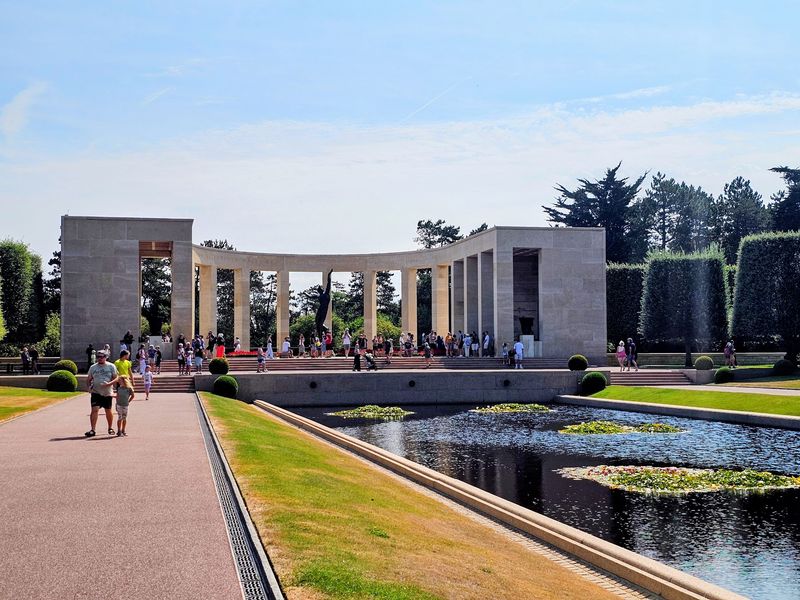
Standing at the Normandy American Cemetery above Omaha Beach is one of those experiences that puts history into immediate, tangible perspective. The cemetery holds the graves of 9,389 American military dead, while the Walls of the Missing honor another 1,557 service members whose remains were never recovered or identified.
The visitor center does an excellent job of explaining the Normandy campaign and the human stories behind it. Beyond the cemetery itself, the surrounding region offers a remarkable amount of additional history to explore, including German defensive positions, military museums, memorials, and other D-Day landing sectors.
Omaha Beach remains publicly accessible nearby, and standing on that stretch of sand helps you understand what the Allied forces faced on June 6, 1944. The cemetery is open daily except January 1 and December 25, generally from 9 a.m. to 5 p.m.
No admission fee is charged, making it one of Europe’s most accessible major memorial sites.
Churchill War Rooms, London, England
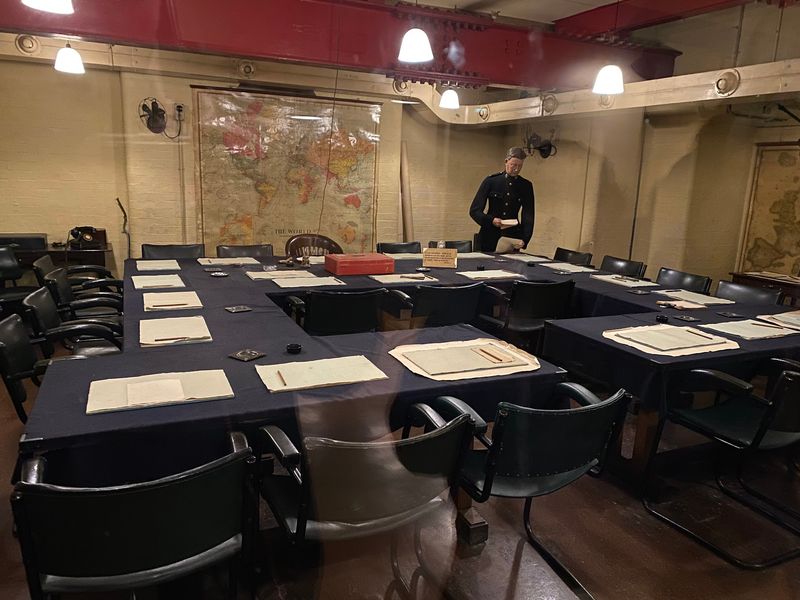
Beneath the streets of central London, tucked under layers of concrete and history, sits the underground headquarters where Winston Churchill and senior British officials directed major aspects of Britain’s war effort. The Churchill War Rooms have been preserved almost exactly as they were when the war ended, which makes the experience feel genuinely immediate.
The Map Room is one of the most memorable spaces in the complex. Pins, charts, and communications equipment remain in place, offering a vivid window into the nerve center of wartime British decision-making.
The museum also includes material devoted to Churchill’s life and leadership across the broader conflict.
Churchill War Rooms operates as part of Imperial War Museums, and tickets are currently available for visits through March 2027. During June, July, and August, the museum opens at 9 a.m.
The same early opening applies on Fridays and Saturdays throughout the rest of the year. Booking ahead is recommended, especially during peak travel months.
Bletchley Park, Milton Keynes, England
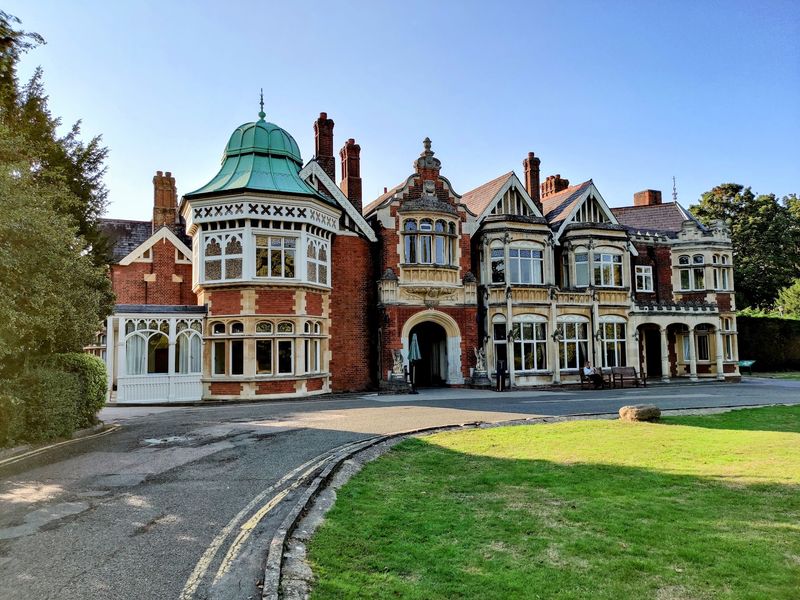
Some of World War II’s most consequential work happened not on a battlefield but in a country estate in Buckinghamshire. Bletchley Park was Britain’s secret codebreaking headquarters during the war, home to mathematicians, linguists, engineers, and intelligence specialists who worked around the clock to decrypt enemy communications.
Alan Turing is the most famous name connected to Bletchley, but the operation involved thousands of people whose contributions remained classified for decades. Visitors today can explore restored wartime huts and blocks while learning about Enigma communications, Bombe machines, and the enormous intelligence effort that supported Allied operations including D-Day.
The exhibitions are well-organized and genuinely fascinating, even for visitors who arrive with no background in cryptography. Bletchley Park is open daily for most of the year.
For the 2026 summer season, published hours run from 9:30 a.m. to 5 p.m., with shorter winter hours and closures around Christmas. Checking the official site before visiting is always a good idea.
Auschwitz-Birkenau Memorial and Museum, Oświęcim, Poland
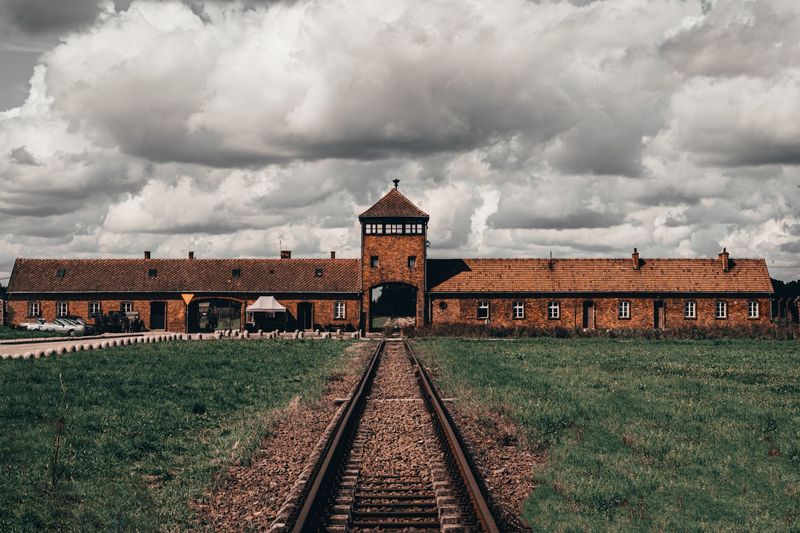
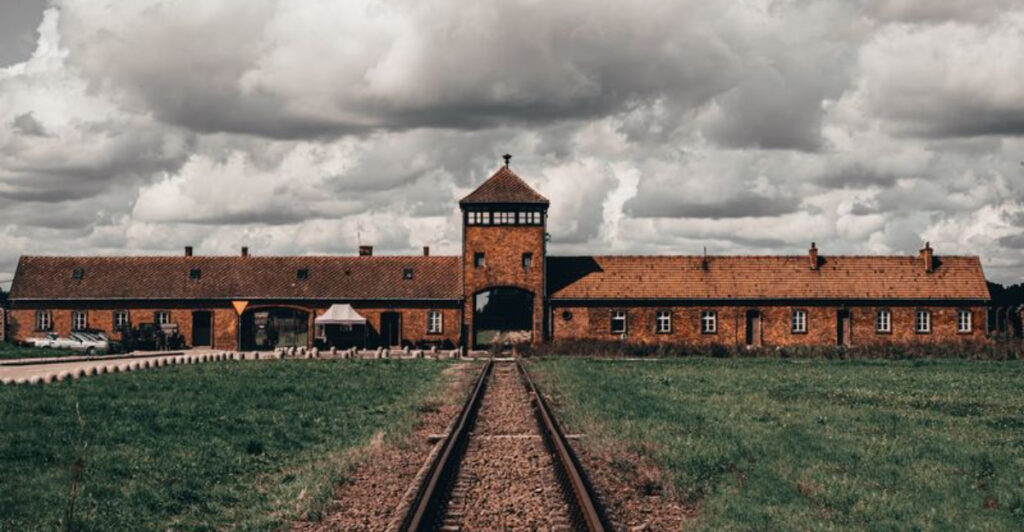
No other site in Europe carries the same historical gravity as Auschwitz-Birkenau. Established by Nazi Germany in occupied Poland, this complex became the largest concentration and killing center of the war.
Today it operates as a carefully preserved memorial and museum that draws visitors from across the world.
Walking through the grounds, you can see original barracks, prisoner blocks, barbed wire fences, watchtowers, and the ruins of gas chambers and crematoria. Exhibitions display belongings taken from victims, creating an experience that is deeply educational and sobering.
A typical visit covers both Auschwitz I and the much larger Auschwitz II-Birkenau site, giving a sense of the complex’s enormous scale. The memorial is open year-round except January 1, December 25, and Easter Sunday.
Because visitor numbers are limited, booking your personalized entry pass online well in advance is essential. Some sections may occasionally close for conservation.
Anne Frank House, Amsterdam, Netherlands
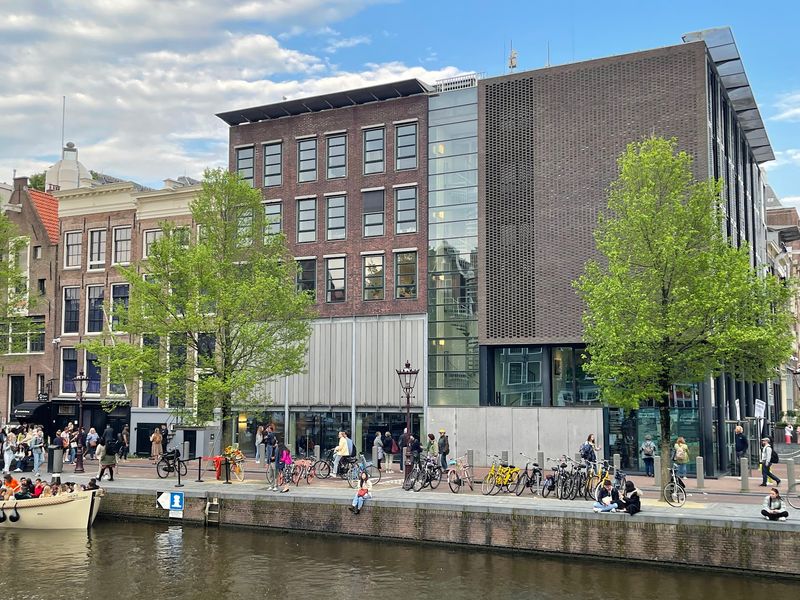
Most World War II history is told through armies, governments, and military campaigns. The Anne Frank House tells it through something far more personal: the daily life of a young girl and her family hiding from Nazi persecution in a concealed set of rooms behind a working business in Amsterdam.
Anne Frank, her parents, her sister, and four others remained hidden in what became known as the Secret Annex for more than two years. During that time, Anne kept the diary that would eventually become one of the most widely read personal accounts of the Holocaust.
Moving through the actual rooms where they lived, seeing the original photographs and documents, and reading the personal stories makes this one of Europe’s most intimate wartime memorial experiences. The museum is open daily, normally from 9 a.m. to 10 p.m.
Tickets are only sold online for specific time slots, released six weeks ahead every Tuesday. No tickets are sold at the entrance, so plan ahead.
Topography of Terror, Berlin, Germany
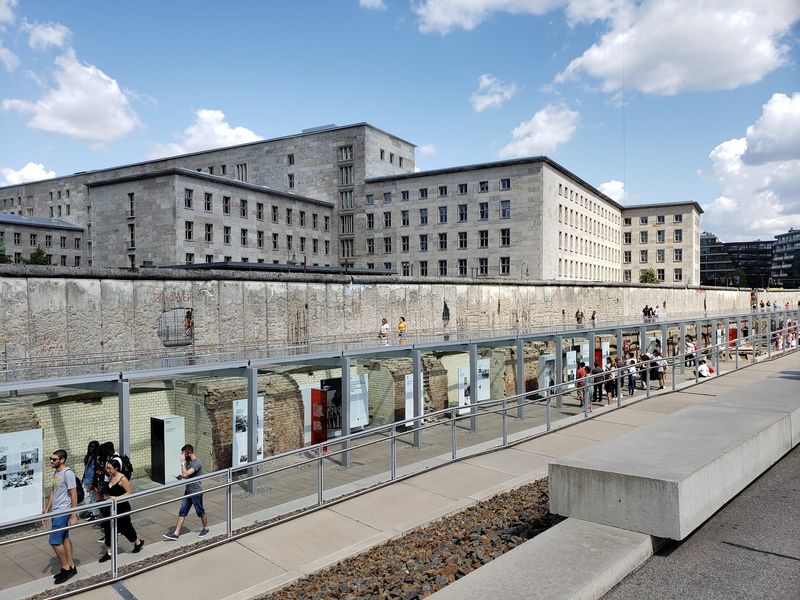
Berlin has no shortage of World War II history, but the Topography of Terror stands apart because of what it focuses on. Rather than covering battlefield history, this documentation center examines the organizations and individuals who built and operated Nazi Germany’s system of persecution, terror, and mass murder.
The museum occupies a historically significant site once used by the Gestapo and SS leadership. Its permanent exhibition covers the Nazi seizure of power, the structure of the SS and police apparatus, persecution inside Germany, crimes committed in occupied territories, and the regime’s final years.
Parts of the historic grounds can be explored outdoors as well.
For visitors trying to understand how Nazi repression was organized and administered rather than simply what happened on the front lines, this is one of the most important stops in Europe. The center opens daily from 10 a.m. to 8 p.m., with outdoor sections accessible until dusk.
Admission is free, which makes it easy to include in any Berlin itinerary.
Warsaw Rising Museum, Warsaw, Poland
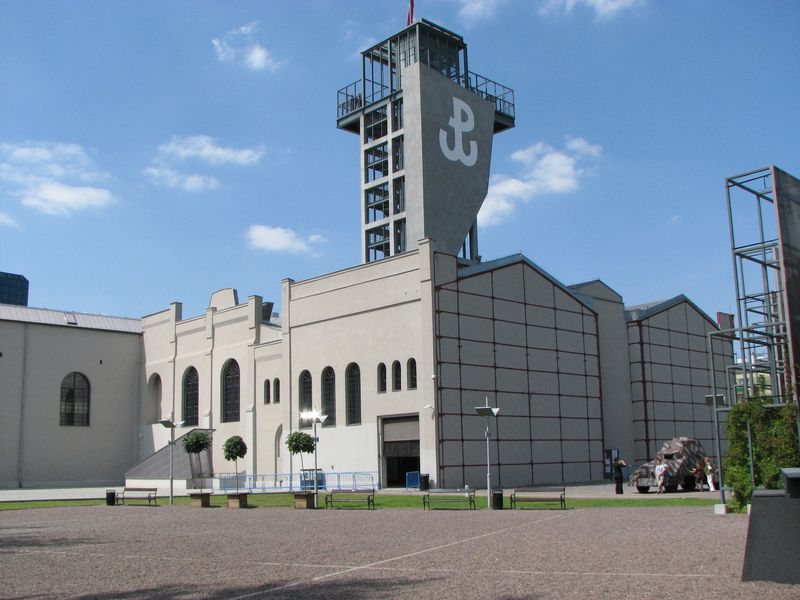
In August 1944, the Polish underground launched a major uprising against German occupation in Warsaw. The fighting that followed lasted 63 days and resulted in catastrophic losses for the city and its people.
The Warsaw Rising Museum brings that story to life through photographs, personal testimonies, artifacts, documents, and carefully recreated environments.
What sets this museum apart is its attention to the experience of ordinary residents, not just military participants. Resistance communications, underground activity, the progressive destruction of the city, and the difficult aftermath of the uprising are all covered with depth and care.
One of the most striking features is the museum’s presentation of how extensively Warsaw was destroyed, which helps visitors understand the remarkable scale of the city’s postwar reconstruction. The museum is open in 2026 with current hours on Monday, Wednesday, and Friday from 8 a.m. to 6 p.m., Thursday until 8 p.m., and weekends from 10 a.m. to 6 p.m.
The museum is closed Tuesdays.
Museum of the Second World War, Gdańsk, Poland
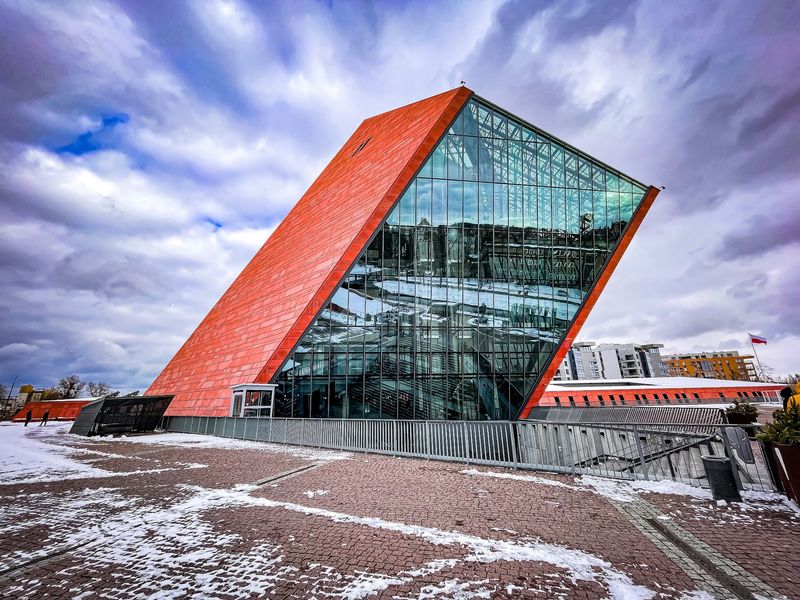
Gdańsk is a particularly meaningful location for a museum about World War II. Germany’s invasion of Poland on September 1, 1939, effectively started the European war, and the nearby site of Westerplatte saw one of the conflict’s opening battles.
That historical context gives the Museum of the Second World War an added layer of significance before you even step inside.
Unlike sites that focus on a single battle or military force, this museum takes a broader view. Its exhibitions examine the political circumstances that led to the war, occupation, combat, persecution, resistance movements, and the enormous consequences the conflict had for civilians across multiple countries.
Travelers with extra time can also visit Westerplatte, where additional visitor facilities and exhibitions are being developed and opened in stages. The main museum is currently open Tuesday through Sunday.
Tuesday hours run from 10 a.m. to 4 p.m., while Wednesday through Sunday it normally operates from 10 a.m. to 8 p.m. It is closed on Mondays and several specified holidays.
Bastogne War Museum and Battlefield Sites, Bastogne, Belgium
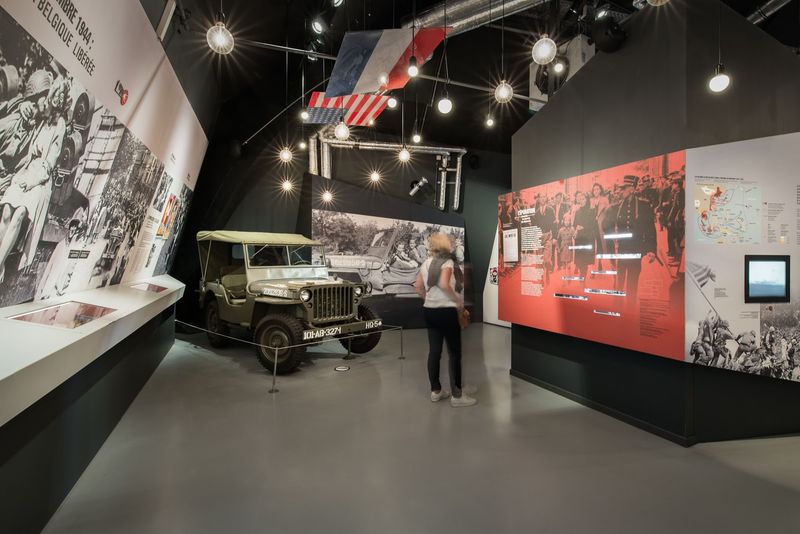
During the winter of 1944 to 1945, Bastogne became one of the most talked-about towns in the entire war. When German forces launched the Ardennes Offensive, American troops found themselves surrounded in and around Bastogne in what became a famous and brutal siege.
The modern Bastogne War Museum tells that story with real depth.
Rather than relying only on hardware and maps, the museum uses multimedia storytelling and personal accounts to put you inside the experience of both soldiers and civilians caught in the fighting. The context it provides for the broader Battle of the Bulge is genuinely useful for understanding why this campaign mattered strategically.
What makes Bastogne especially worth a day trip is that the museum connects to additional sites: the Bois Jacques battlefield and the Bastogne War Rooms, housed in a former U.S. headquarters. Combining all three gives you a visit that moves between museum exhibits and authentic terrain.
The attraction remains operational in 2026, with seasonal hours and ticket availability listed on its official site.
National Memorial to the Heroes of the Heydrich Terror, Prague, Czech Republic
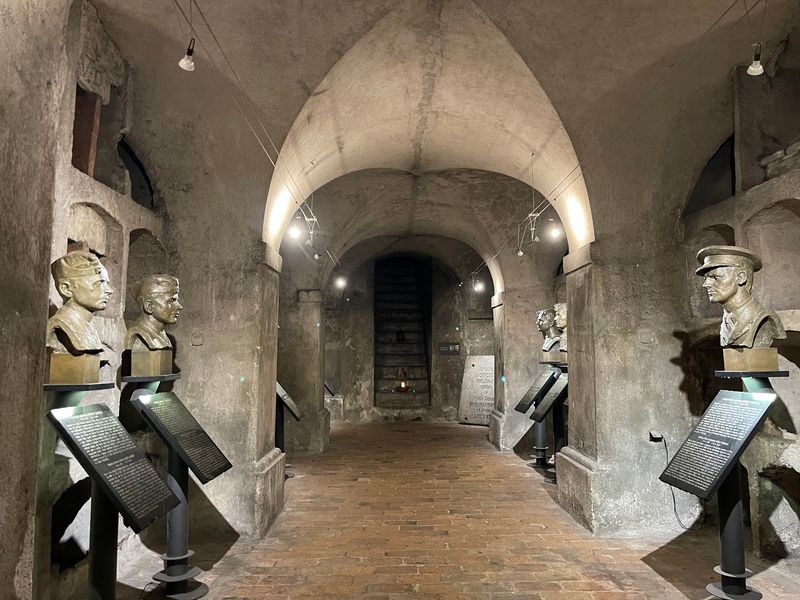
One of World War II’s most dramatic resistance stories unfolded beneath a Prague church in 1942. Czechoslovak paratroopers carried out Operation Anthropoid, targeting Reinhard Heydrich, one of the most powerful and feared Nazi officials in occupied Europe.
After the attack, several of the operatives involved took refuge in the Church of Sts Cyril and Methodius.
German forces eventually located them, and a desperate battle took place on June 18, 1942. The underground crypt where the final confrontation occurred now forms the heart of the National Memorial to the Heroes of the Heydrich Terror.
Bullet marks are still visible on the church exterior, preserved as a permanent reminder of what happened there.
The memorial covers Heydrich’s rule in occupied Czechoslovakia, the resistance operation, the paratroopers themselves, and the brutal Nazi reprisals that followed, including the destruction of the village of Lidice. The memorial is open year-round Tuesday through Sunday from 9 a.m. to 5 p.m., with last admission at 4:30 p.m.
Admission is free.
Lascaris War Rooms, Valletta, Malta
Malta’s role in World War II is often underappreciated by visitors who focus primarily on Western Europe. The island’s position in the central Mediterranean made it strategically critical, and it endured some of the heaviest bombing of any Allied territory during the conflict.
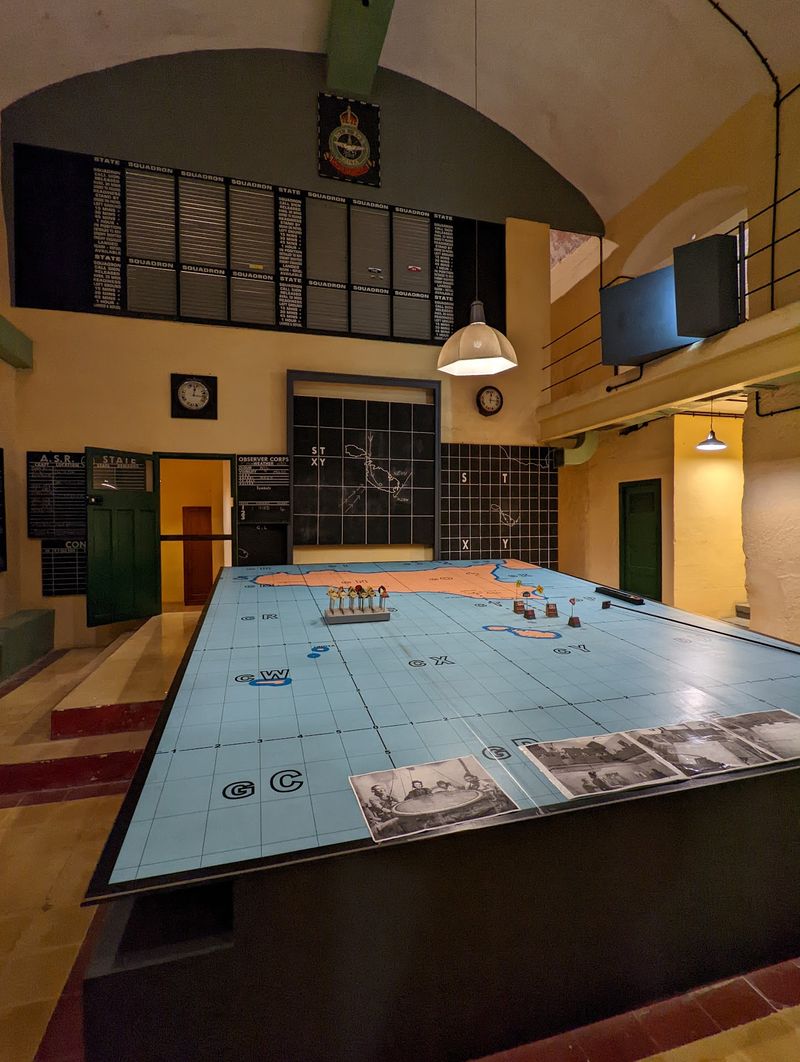
Deep beneath Valletta, the Lascaris War Rooms preserve part of the underground command complex where British and Allied forces coordinated their response.
Inside the tunnels, visitors can explore operational rooms connected to the Royal Air Force, anti-aircraft defense, and broader Mediterranean campaign planning. The underground setting itself communicates something important about how Malta’s military operations were conducted from fortified spaces carved out of the rock.
A particularly interesting addition to the visit is the Operation Husky museum included with admission, which covers the 1943 Allied invasion of Sicily, an operation closely tied to Allied planning based in Malta. Lascaris War Rooms is open Monday through Saturday from 9:30 a.m. to 5:30 p.m., with last admission at 5 p.m.
Guided tours and audio guides are available.
Hospital in the Rock, Budapest, Hungary
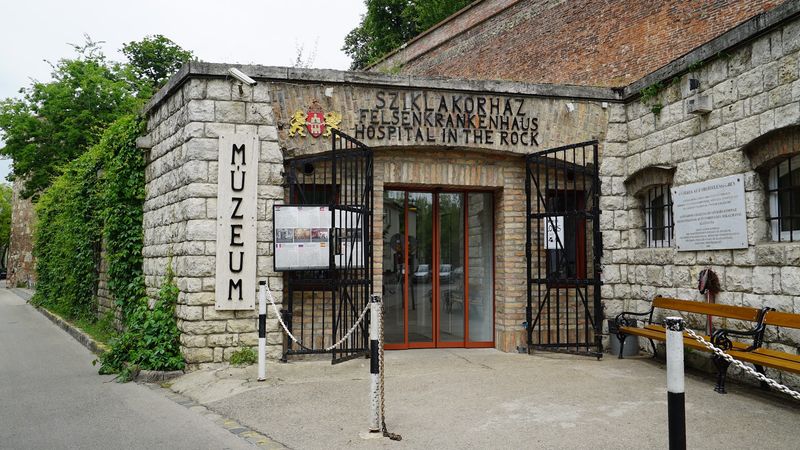
Budapest hides one of Europe’s most unusual World War II sites in the cave system beneath its famous Castle District. The Hospital in the Rock was developed underground to serve as an emergency medical facility during the war, providing a degree of protection while the city endured bombing and the devastating Siege of Budapest.
Visitors move through narrow corridors and preserved medical spaces, learning how doctors, nurses, and patients managed under extreme wartime conditions. The setting is unlike anything you will find in a conventional museum building, and the tight underground spaces add a layer of authenticity that is hard to replicate.
The site’s story extends beyond World War II as well. The facility continued operating during the Hungarian Revolution of 1956 and was later expanded as a nuclear bunker during the Cold War, which gives the museum a broader historical arc that connects multiple chapters of 20th-century European history.
Hospital in the Rock is open daily from 10 a.m. to 7 p.m., with visits available only as part of a guided tour. The final tour departs at 6 p.m.
Share this story