Some people are so devoted to their craft that they pursue it right up until their final moments. History is full of daring adventurers, fearless performers, and passionate record-breakers who gave everything to what they loved most.
Their stories are both inspiring and sobering, reminding us how deeply a person can commit to their calling. Here are 15 remarkable individuals who met their end while doing exactly what made them feel most alive.
1. Steve Irwin (1962-2006)
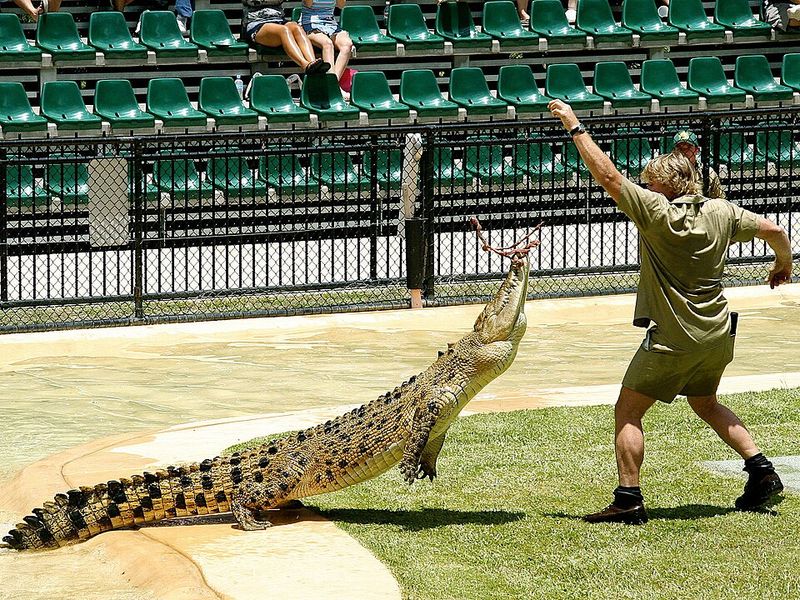
Few people have ever loved wildlife the way Steve Irwin did. Known worldwide as the “Crocodile Hunter,” he spent his life wrestling crocs, handling venomous snakes, and educating millions about the natural world with boundless enthusiasm.
On September 4, 2006, Irwin was snorkeling near Port Douglas, Australia, filming an underwater documentary called “Ocean’s Deadliest.” A short-tailed stingray, feeling threatened, thrust its barbed tail upward and pierced his heart. He died within minutes.
Stingray attacks are rarely fatal, which made the tragedy even more shocking to the world. Irwin had faced far more dangerous creatures throughout his career.
He left behind a conservation legacy that continues through Australia Zoo and the work of his family, who carry on his mission to protect wildlife every single day.
2. Amelia Earhart (1897-1937)
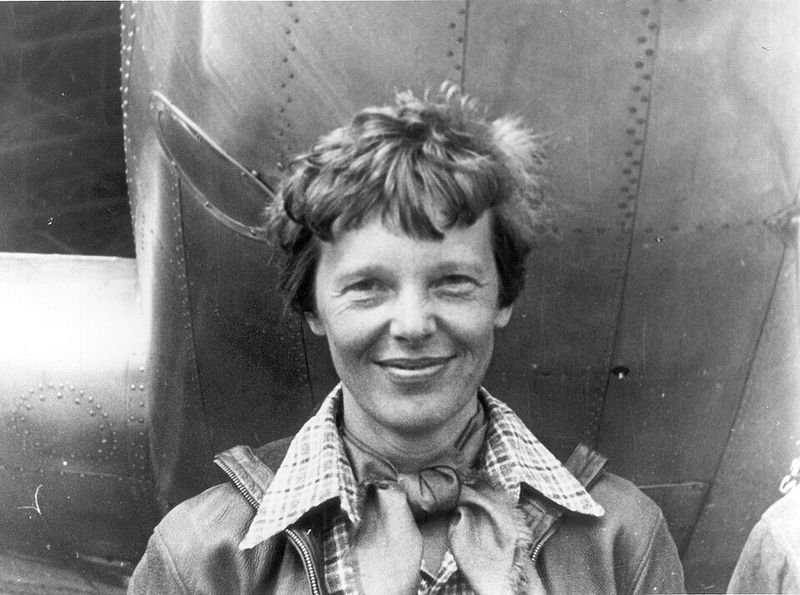
Amelia Earhart never let fear of the unknown keep her on the ground. She became the first woman to fly solo across the Atlantic Ocean and spent her life pushing aviation boundaries that most people thought were impossible to cross.
In 1937, she set out on an ambitious attempt to circumnavigate the globe along an equatorial route with navigator Fred Noonan. On July 2, their Lockheed Electra disappeared somewhere over the central Pacific Ocean near Howland Island.
No confirmed wreckage was ever recovered.
Theories about her fate range from crashing into the ocean to landing on a remote island. The mystery has captivated researchers and historians for nearly 90 years.
What remains clear is that Earhart vanished doing exactly what she was born to do: pushing herself and her aircraft toward the next horizon.
3. Ayrton Senna (1960-1994)
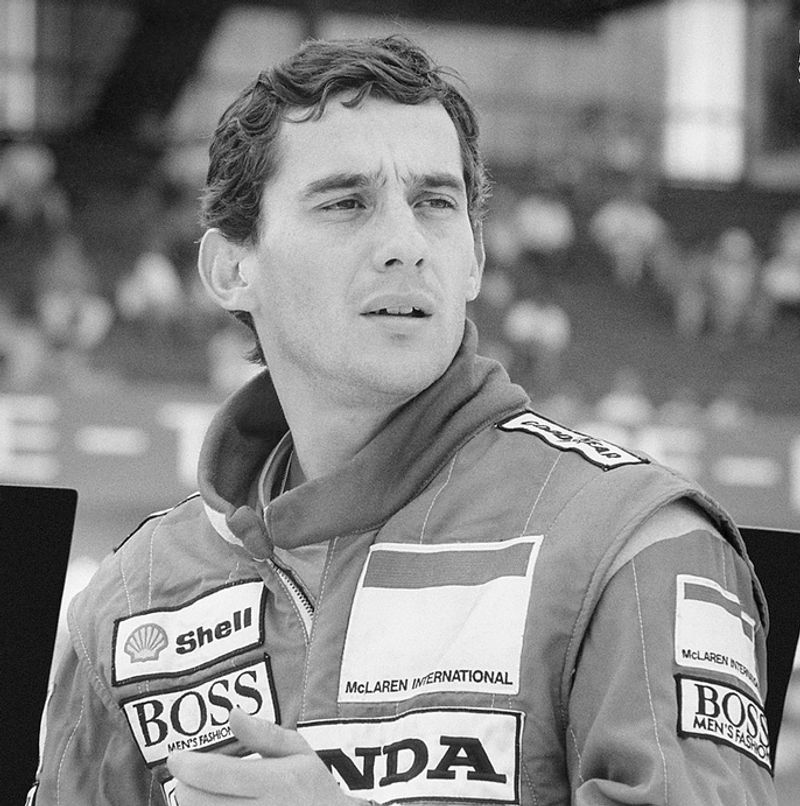
Ayrton Senna was not just a racing driver. He was an artist behind the wheel, a man who described driving at the limit as a spiritual experience that connected him to something greater than speed itself.
On May 1, 1994, during the San Marino Grand Prix at Imola, Italy, Senna’s Williams car veered off the track at the high-speed Tamburello corner and struck a concrete wall. He suffered fatal head injuries and was pronounced dead at a Bologna hospital that afternoon.
His death sent shockwaves through motorsport and triggered major safety reforms in Formula One racing. Senna had won three World Championships with McLaren and was widely considered the greatest driver of his generation.
Brazil declared three days of national mourning. His legacy continues to inspire drivers, fans, and anyone who has ever chased greatness with their whole heart.
4. Dale Earnhardt (1951-2001)
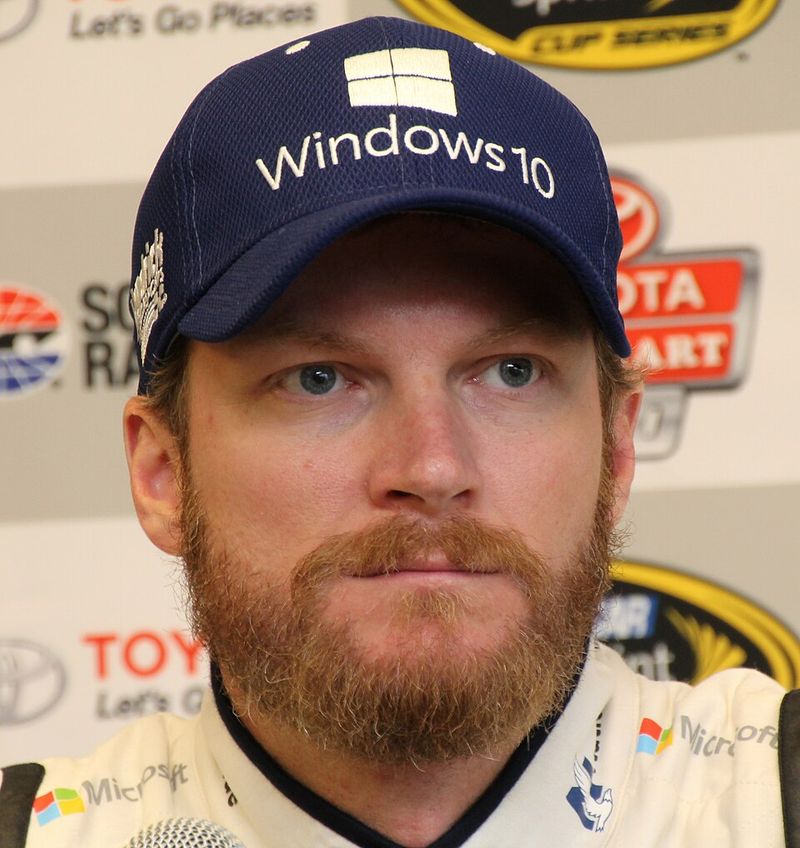
They called him “The Intimidator” for good reason. Dale Earnhardt raced with a fearless aggression that made him one of the most celebrated and feared competitors in NASCAR history, winning seven Cup Series championships over a legendary career.
On February 18, 2001, the final lap of the Daytona 500 ended in tragedy. Earnhardt’s car made contact with another vehicle and slid into the outside wall at high speed.
He died from a basilar skull fracture, a type of injury that would later lead to major safety improvements in stock car racing.
The NASCAR community was devastated. Earnhardt had been racing at Daytona, one of his most beloved tracks, where he had finally won the 500 in 1998 after 20 attempts.
He died at the sport’s biggest event, on its biggest day, doing the only thing he ever truly wanted to do.
5. George Mallory (1886-1924)
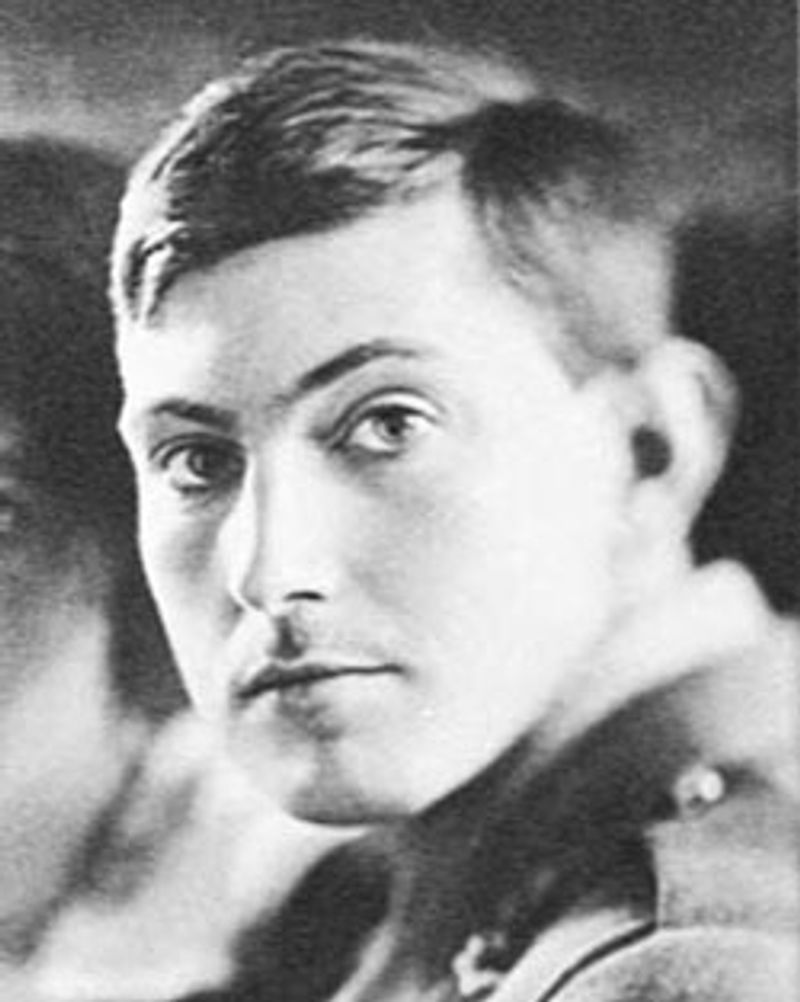
When asked why he wanted to climb Mount Everest, George Mallory gave one of the most famous answers in exploration history: “Because it is there.” That simple reply captured everything about a man who was utterly devoted to the mountains.
On June 8, 1924, Mallory and his climbing partner Andrew Irvine were last seen moving upward toward Everest’s summit through broken cloud. They never returned.
Whether they reached the top before dying remains one of mountaineering’s greatest unsolved mysteries.
Mallory’s body was discovered in 1999, frozen high on the mountain’s north face. The find reignited debates about who first summited Everest, nearly three decades before Edmund Hillary and Tenzing Norgay made their confirmed ascent in 1953.
Mallory’s passion for climbing was so absolute that he attempted the world’s highest peak three separate times, never once considering turning back permanently.
6. Karl Wallenda (1905-1978)
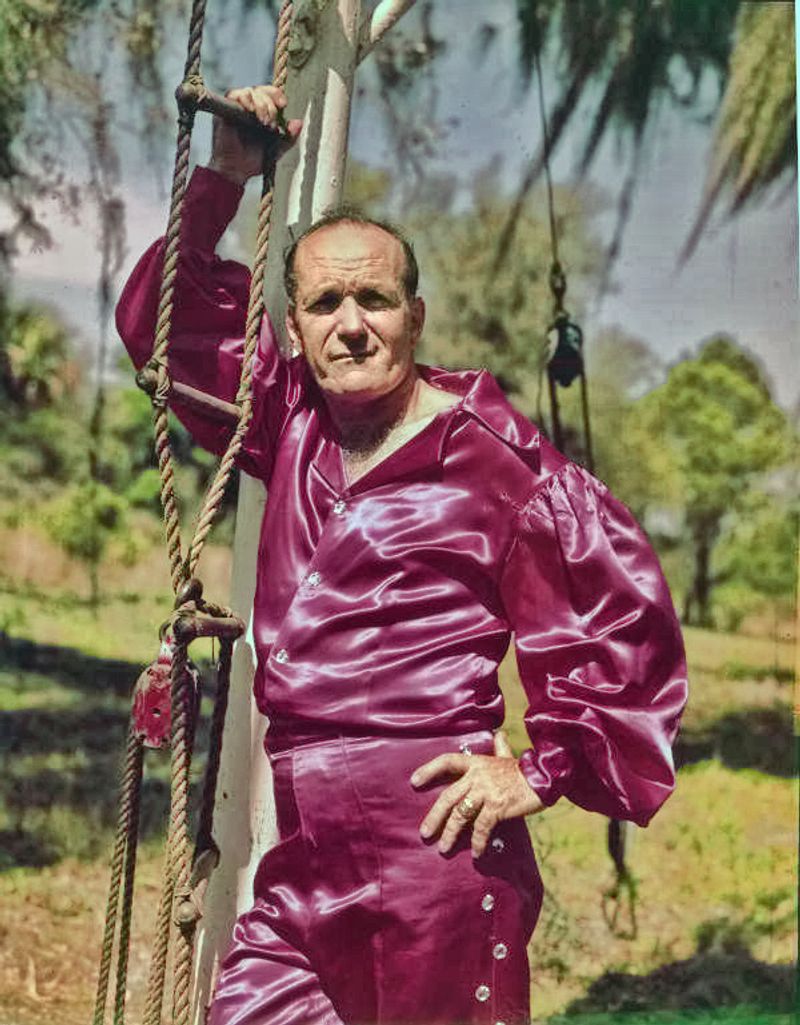
At an age when most people are enjoying retirement, Karl Wallenda was still walking tightropes between skyscrapers. The patriarch of the famous Flying Wallendas circus family had spent over five decades performing death-defying aerial feats without a safety net.
On March 22, 1978, at age 73, Wallenda attempted to walk a high wire stretched between two hotel towers in San Juan, Puerto Rico. Midway across, strong winds destabilized him and he fell approximately 10 stories to his death.
Witnesses said he fought to regain his balance before losing his grip on the bar.
Wallenda had survived falls, accidents, and the deaths of family members during performances throughout his career. He once said the wire was his life and everything else was just waiting.
In the end, he died exactly as he had lived: suspended above the world, doing the only thing that ever made him feel complete.
7. Donald Campbell (1921-1967)
Donald Campbell had speed in his blood. His father, Malcolm Campbell, had set land and water speed records before him, and Donald carried on that tradition with remarkable dedication, setting seven world speed records across land and water during the 1950s and 1960s.
On January 4, 1967, Campbell was attempting to break his own water-speed record on Coniston Water in England’s Lake District. His jet-powered Bluebird K7 reached over 300 miles per hour on the return leg of the run.
The craft suddenly somersaulted and disintegrated. Campbell was killed instantly.
His final radio transmission, recorded moments before the crash, remains haunting and calm. The wreck and Campbell’s remains were recovered from the lake in 2001.
He was given a proper burial near the lake he had loved. Campbell remains a symbol of British courage and the relentless human hunger to go faster than anyone thought possible.
8. Franz Reichelt (1878-1912)
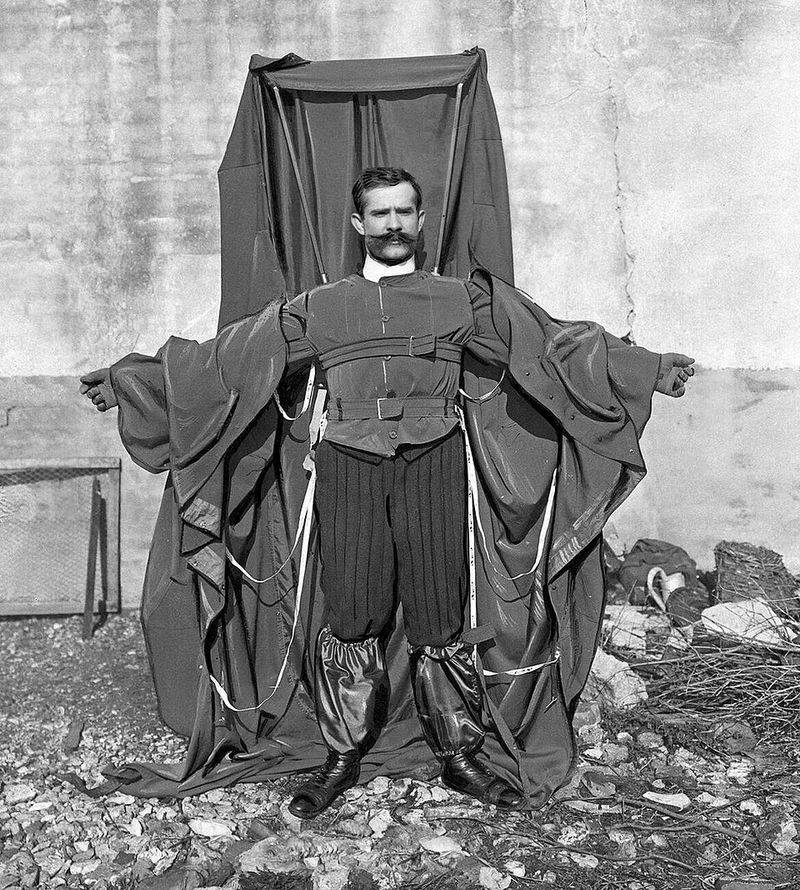
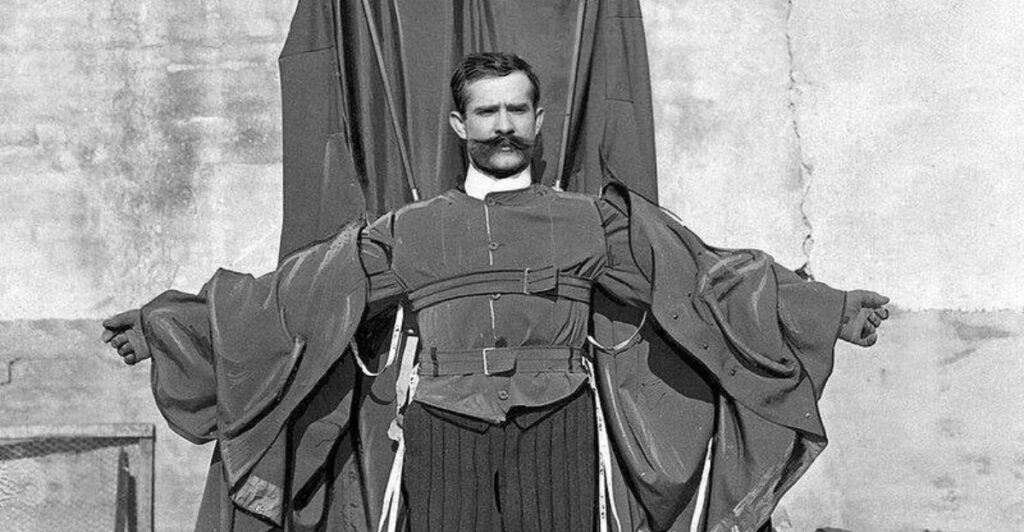
Franz Reichelt was a tailor with an inventor’s imagination and an aviator’s ambition. He became obsessed with creating a wearable parachute suit that could save pilots from crashing aircraft, and he tested his designs relentlessly in his Paris workshop.
On February 4, 1912, he received permission from French authorities to test his suit from the Eiffel Tower, telling them he planned to use a dummy. Instead, he showed up in person, wearing the suit himself.
Despite pleas from bystanders, he leaped from the first platform, approximately 187 feet above the ground. The suit failed completely and he fell to his death.
Newsreel footage of the jump survived and can still be watched today. Reichelt’s story is remembered as a cautionary tale about the line between bold innovation and reckless self-confidence.
Still, his passion for flight and his willingness to stake everything on his own invention is undeniably striking.
9. Tommy Cooper (1921-1984)
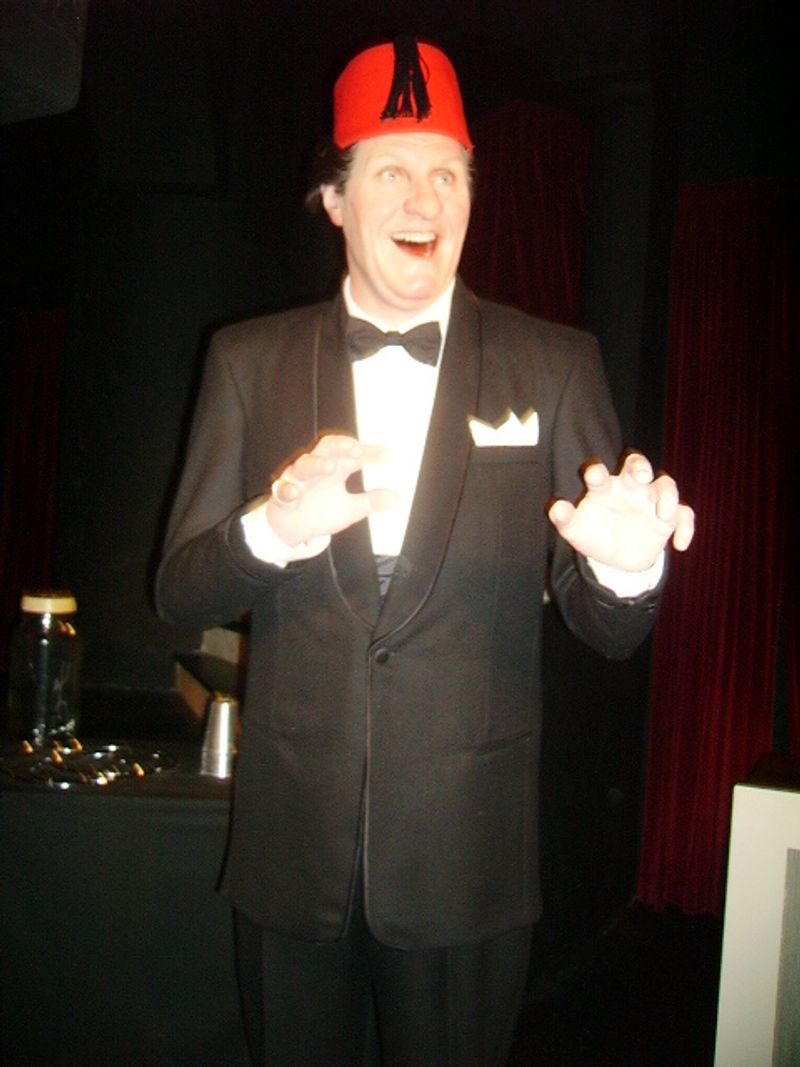
Tommy Cooper was one of Britain’s most beloved comedians, famous for magic tricks that went hilariously wrong on purpose. His bumbling, lovable stage persona made audiences laugh until they cried, and his signature red fez became one of the most recognizable props in entertainment history.
On April 15, 1984, Cooper was performing live on the ITV variety show “Live from Her Majesty’s.” Midway through his act, he slumped to the stage. The audience laughed, assuming it was part of the performance.
It was not. Cooper had suffered a massive heart attack and died shortly after being taken off stage.
Millions of viewers watched it happen in real time without realizing what they were seeing. Cooper was 63 years old.
Friends said he would have appreciated the dark irony of his exit: even in death, he managed to make an audience laugh. He performed right until his very last breath.
10. Moliere (1622-1673)
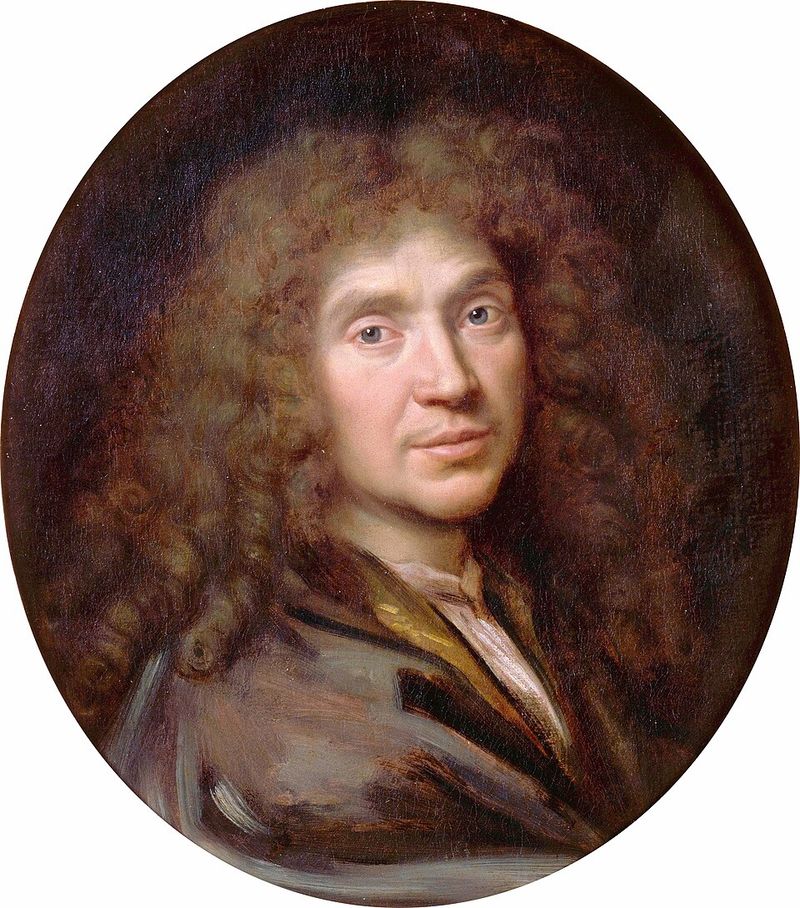
Jean-Baptiste Poquelin, known by his stage name Moliere, was the greatest comic playwright France ever produced. He wrote, directed, and performed in his own plays for decades, entertaining the court of King Louis XIV and ordinary Parisians alike with sharp, witty satire.
On February 17, 1673, Moliere was performing the lead role in his own play “The Imaginary Invalid,” a comedy about a hypochondriac obsessed with illness. During the performance, he began coughing up blood on stage.
He pushed through to the end of the show, then collapsed backstage and died within hours.
There is a grim irony in the fact that he died while playing a man terrified of dying. Moliere had reportedly been ill for some time but refused to cancel performances.
The French theatrical tradition of “the show must go on” has no more poignant example than this dedicated playwright’s final night.
11. Tiny Tim (1932-1996)
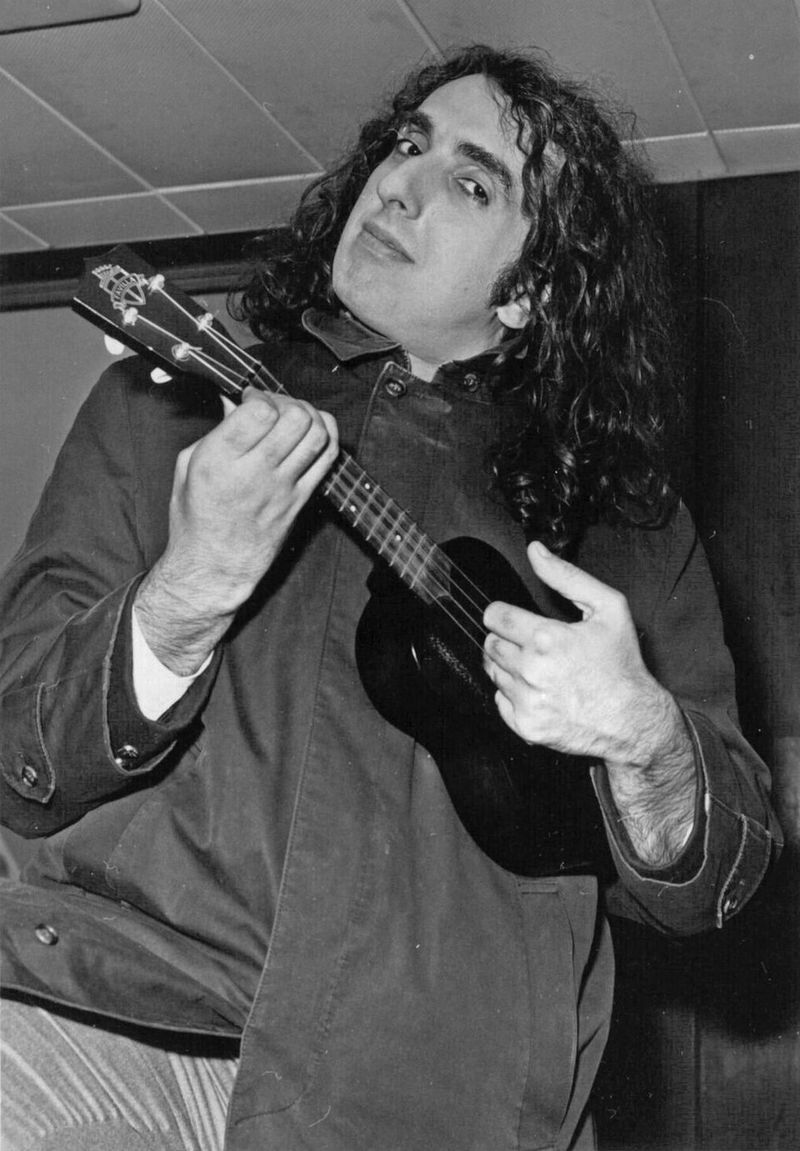
Tiny Tim was one of the most genuinely unique performers in American pop culture. His falsetto voice, ukulele playing, and nostalgic love for early 20th century music made him an unlikely star, but his 1968 hit “Tiptoe Through the Tulips” became one of the most recognizable novelty songs ever recorded.
On November 30, 1996, Tiny Tim was performing at a gala benefit for the Women’s Club of Minneapolis. While singing his famous song, he suffered a heart attack on stage.
He was helped to a chair and then taken to a hospital, where he died later that night at age 64.
His wife was present at the event and reportedly urged him not to perform that evening because he had not been feeling well. He insisted on going ahead.
Tiny Tim died doing the thing that had defined his whole unusual, joyful, one-of-a-kind life: singing for an audience.
12. Leslie Harvey (1944-1972)
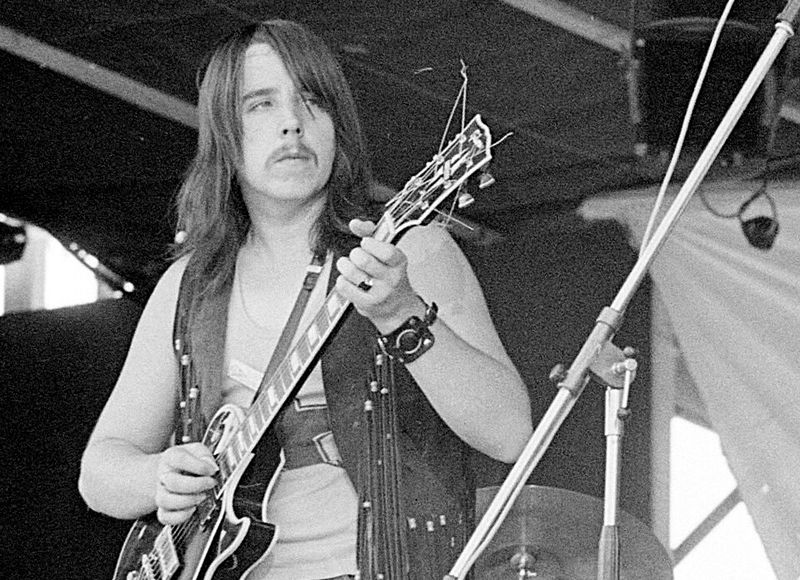
Leslie Harvey was the guitarist for the Scottish rock band Stone the Crows, a group that was building serious momentum in the early 1970s British rock scene. Those who saw him play described Harvey as a gifted musician with real star potential still ahead of him.
On May 3, 1972, Stone the Crows were performing at the Swansea Top Rank venue in Wales. Harvey touched a microphone that had not been properly grounded.
The electric shock killed him instantly on stage in front of the audience. He was just 27 years old.
His death led to increased awareness about electrical safety at live music venues and contributed to stricter regulations around stage equipment in the UK. Harvey’s older brother, Brian Harvey, was also a musician.
Leslie left behind a small but respected body of recorded work, a reminder of what a tragically brief career can still leave behind.
13. Owen Hart (1965-1999)
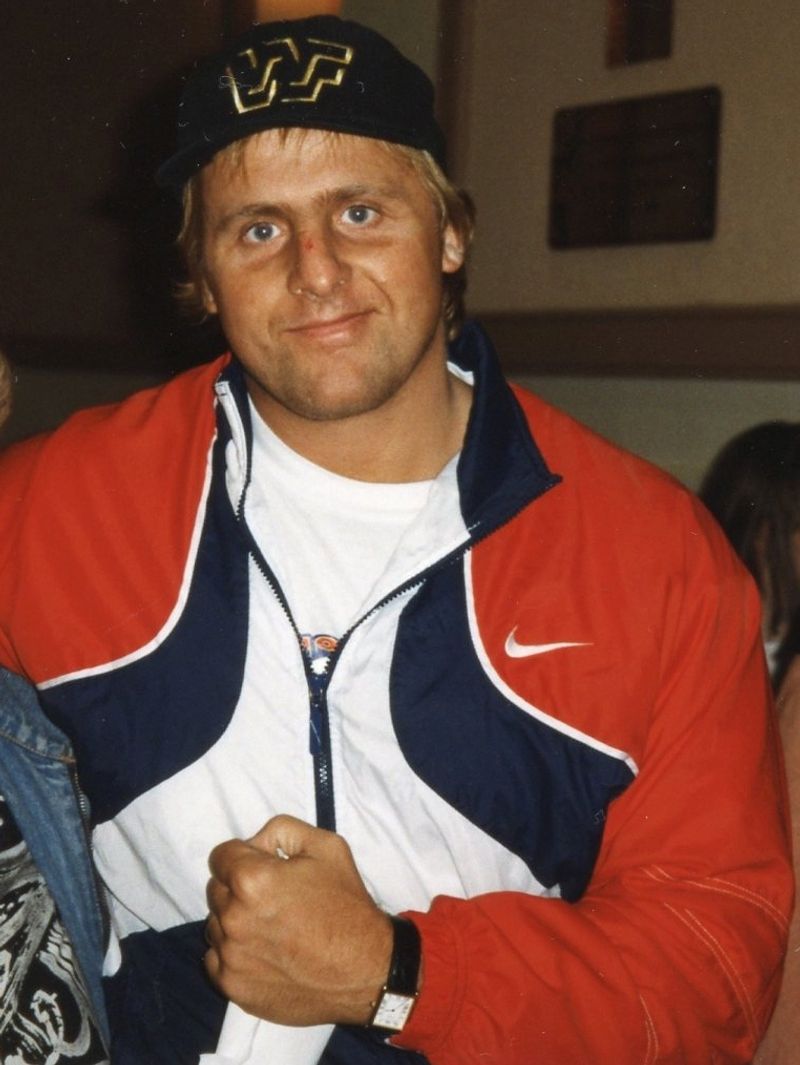
Owen Hart was one of professional wrestling’s most talented performers, beloved for his technical skill in the ring and his warm, playful personality outside of it. Colleagues consistently described him as one of the kindest people in the locker room, a sharp contrast to his mischievous on-screen character.
On May 23, 1999, Hart was set to make a dramatic entrance at WWF’s Over the Edge pay-per-view in Kansas City, Missouri. He was to be lowered from the arena’s rafters on a harness as part of his “Blue Blazer” superhero character.
A quick-release clip on the harness opened prematurely and Hart fell approximately 78 feet into the ring. He died from internal injuries.
The event continued after his death, a decision that remains controversial. Hart’s family later won a wrongful death lawsuit against the WWF.
His legacy endures through the memories of fans and the Hart wrestling dynasty he proudly represented.
14. Mark Sutton (1971-2013)
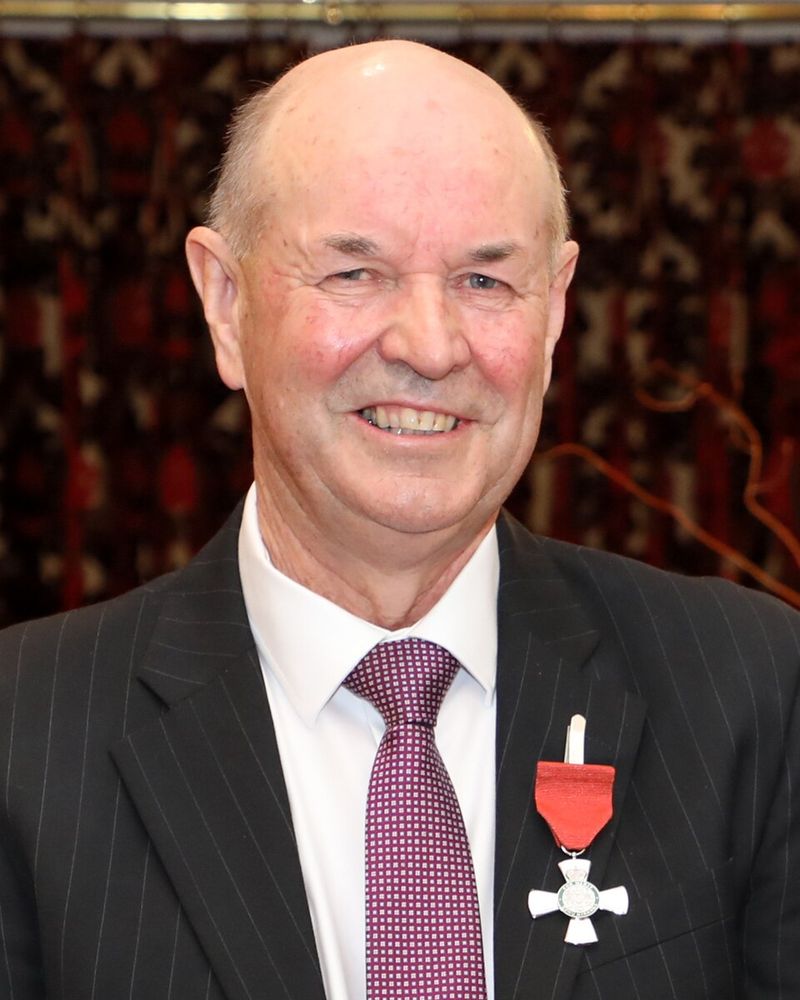
Mark Sutton became famous worldwide in 2012 when he parachuted into the London Olympics opening ceremony dressed as James Bond, alongside an actor playing Queen Elizabeth II. It was a stunt that captured the imagination of billions watching around the globe.
Sutton was an experienced skydiver and wingsuit pilot who had completed thousands of jumps. On August 15, 2013, he was flying a wingsuit through the Walenstadt region of the Swiss Alps with a group of fellow fliers.
He struck a ridge at high speed and was killed on impact. He was 42 years old.
Wingsuit flying is considered one of the most dangerous sports on earth, requiring pilots to navigate at speeds exceeding 100 miles per hour just feet from mountain terrain. Sutton knew the risks well and accepted them freely.
His friends remembered him as someone who lived more fully in his short life than most people do in twice the years.
15. Jessie Combs (1980-2019)

Jessie Combs called herself “the fastest woman on four wheels,” and she had the record to back it up. Known to television audiences as a co-host on “Mythbusters” and “All Girls Garage,” she was equally passionate about motorsports and pushing the limits of what a vehicle could do.
On August 27, 2019, Combs was attempting to break her own women’s land-speed record on the Alvord Desert dry lakebed in Oregon. Her jet-powered vehicle reached speeds estimated above 550 miles per hour before a front wheel failed.
The vehicle crashed and caught fire. Combs died at the scene at age 39.
Her partner, stunt coordinator Terry Madden, had helped build the car and watched the attempt from the lakebed. He later revealed that Combs knew the risks but felt compelled to keep going.
In 2020, Guinness World Records officially awarded her the women’s land-speed record, honoring the run that cost her everything.
Share this story