Around the world, hundreds of languages are disappearing, taking with them centuries of history, culture, and identity. Some tongues are now spoken by only a handful of elders, making every conversation a race against time.
These languages are not just words and grammar rules – they are living records of how different peoples understood the world around them. Learning about their stories reminds us why protecting linguistic diversity matters for all of humanity.
1. Yuchi – United States
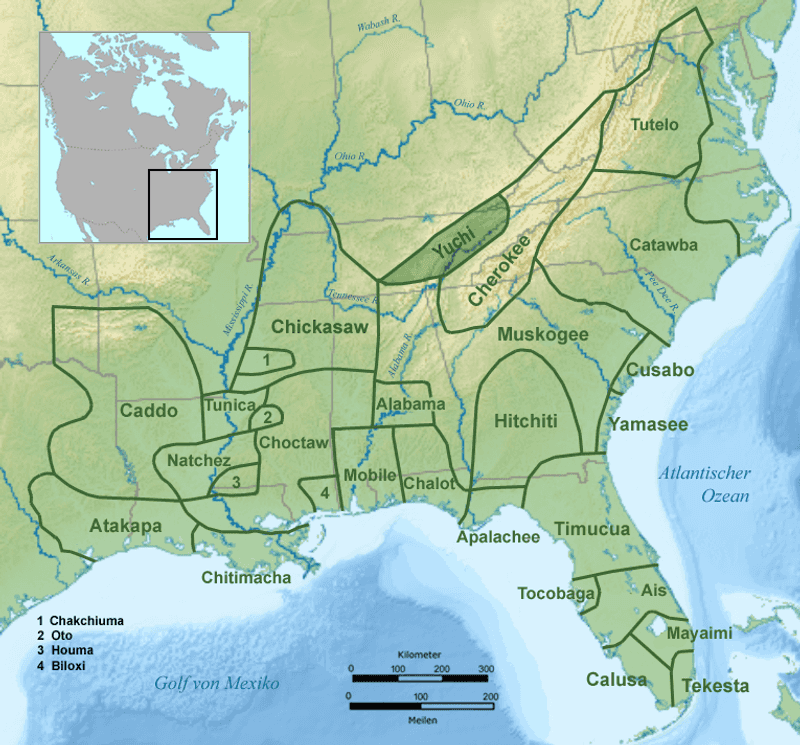
Yuchi is one of the most linguistically isolated languages in North America. It has no known relatives, meaning it stands completely alone in the world’s language family tree.
Spoken by the Yuchi people of Oklahoma, the language once thrived across the southeastern United States before forced relocation changed everything.
Today, only a small number of fluent speakers remain, most of them elderly. Tribal language programs have stepped in, offering classes and recordings to help younger generations reconnect.
Community members are determined to pass down not just vocabulary, but the songs, ceremonies, and stories tied to Yuchi.
Language nests – immersive programs where children spend time with fluent elders – have shown real promise. Every new learner represents a small but meaningful victory.
Yuchi’s survival depends on the passion of a community that refuses to let its voice go silent.
2. N|uu – South Africa
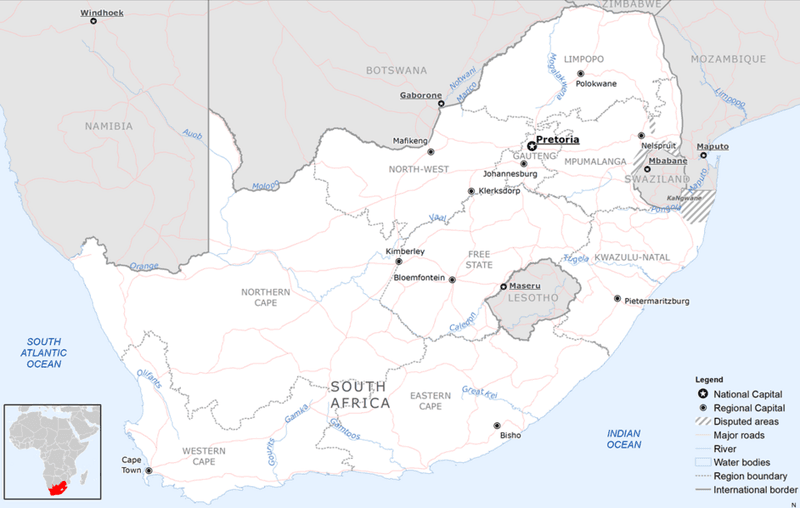
N|uu is a language famous for its extraordinary click sounds, some of the most complex phonetics found anywhere on Earth. Spoken by the San people of South Africa’s Northern Cape, it belongs to the Tuu language family and carries thousands of years of hunter-gatherer knowledge within it.
By the early 2000s, the language had fewer than ten speakers left. One of the most recognized figures in its revival was Ouma Katrina Esau, who dedicated her later years to teaching children in her community despite her advanced age.
Her efforts drew international attention and inspired linguists worldwide.
Recording sessions, dictionaries, and school programs have helped document N|uu before it fades entirely. The fight to preserve it is also a fight to honor the oldest human cultures on the planet.
Every click sound saved is a piece of ancient history kept alive.
3. Ainu – Japan
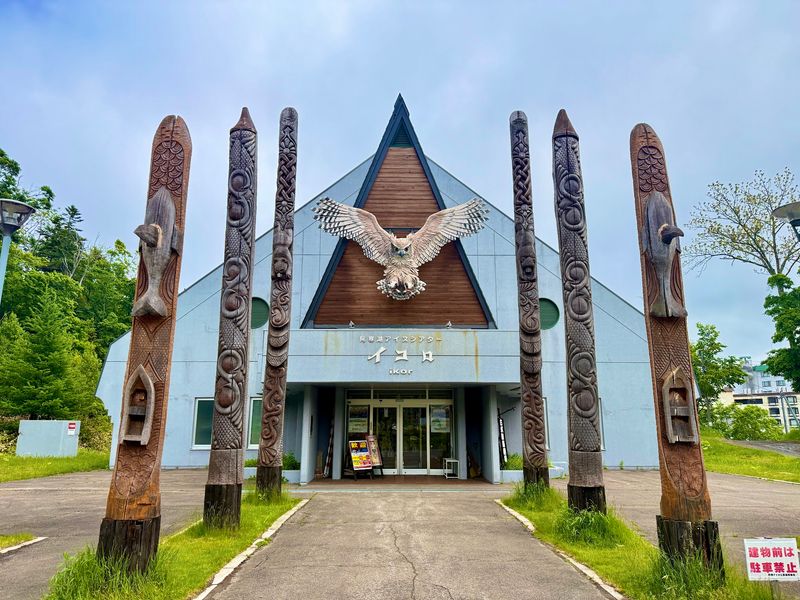
For centuries, the Ainu people of Hokkaido lived in harmony with the forests and rivers of northern Japan, and their language reflected that deep bond with nature. Ainu has no proven connection to Japanese or any other known language, making it a true linguistic mystery that researchers still study today.
Decades of forced assimilation policies nearly erased the language entirely. By the late 20th century, fluent speakers could be counted on one hand.
Japan officially recognized the Ainu as an indigenous people only in 2019, a milestone that gave new energy to revival efforts.
Language classes, cultural festivals, and a national museum dedicated to Ainu heritage have helped spark renewed interest, especially among younger generations. Oral traditions like yukar – heroic epic poems – are being recorded and shared widely.
The Ainu language is fragile, but its community is growing louder.
4. Ter Sami – Russia
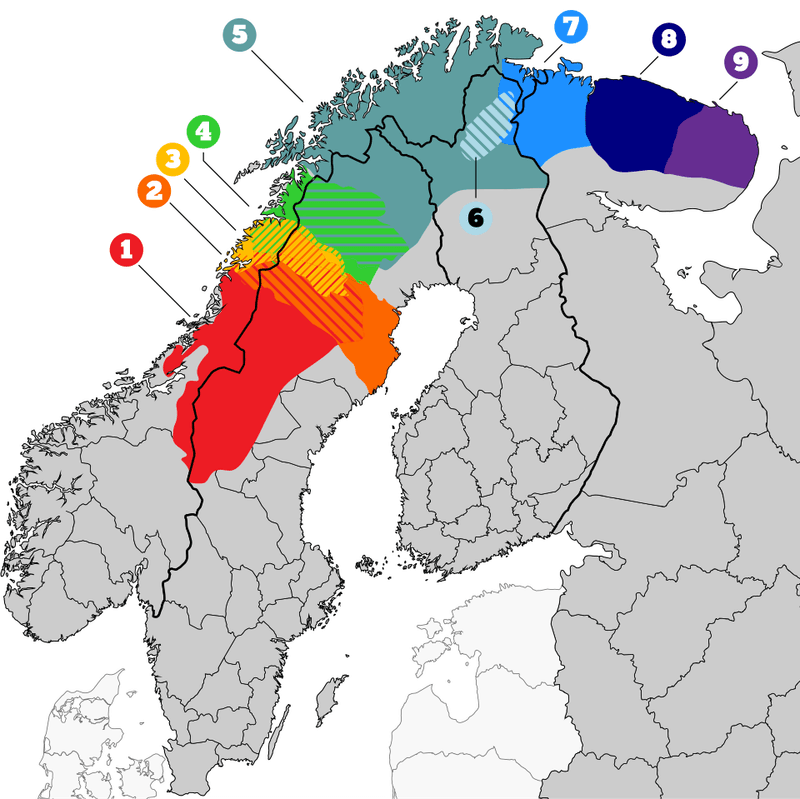
Ter Sami is one of the rarest languages in the entire Sami family, a group of indigenous tongues spoken across northern Scandinavia and Russia. Its homeland is the Kola Peninsula, a rugged stretch of Arctic land where the Ter Sami people have fished and herded reindeer for generations.
The language reached a critical point in the 20th century when Soviet policies forced communities into collective settlements, breaking apart the social networks that kept Ter Sami alive. By recent estimates, only a handful of native speakers remain, all elderly.
Linguists have worked urgently to document the language, recording grammar, vocabulary, and traditional stories before they are lost forever. Some younger Sami activists have begun learning Ter Sami as a second language, driven by cultural pride.
The road to revival is long, but documentation efforts ensure Ter Sami will not vanish without a trace.
5. Livonian – Latvia
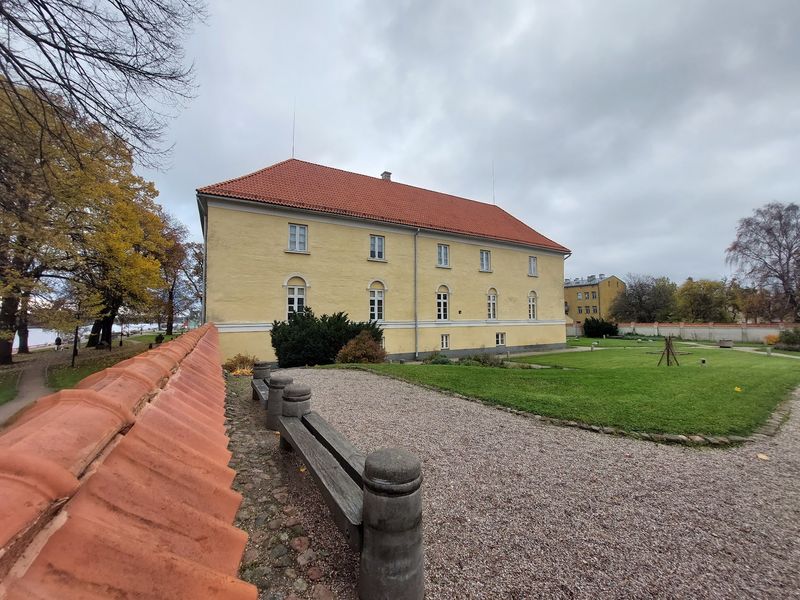
Livonian holds a special place in European history as one of the continent’s most endangered languages. Spoken along Latvia’s northern coastline, it belongs to the Finnic branch of the Uralic language family, making it a distant cousin of Finnish and Estonian rather than Latvian.
The last fully native Livonian speaker passed away in 2013, a moment that sent shockwaves through the linguistic community. However, the story did not end there.
A growing number of people with Livonian heritage have taken up learning the language, determined to keep it breathing.
Latvia officially supports Livonian culture through dedicated institutions, including a Livonian cultural center and annual heritage events along the Livonian Coast. New learners, textbooks, and online resources have given the language unexpected momentum.
Livonian may no longer have native speakers, but its revival community proves that a language can be reclaimed even after a painful loss.
6. Karaim – Lithuania
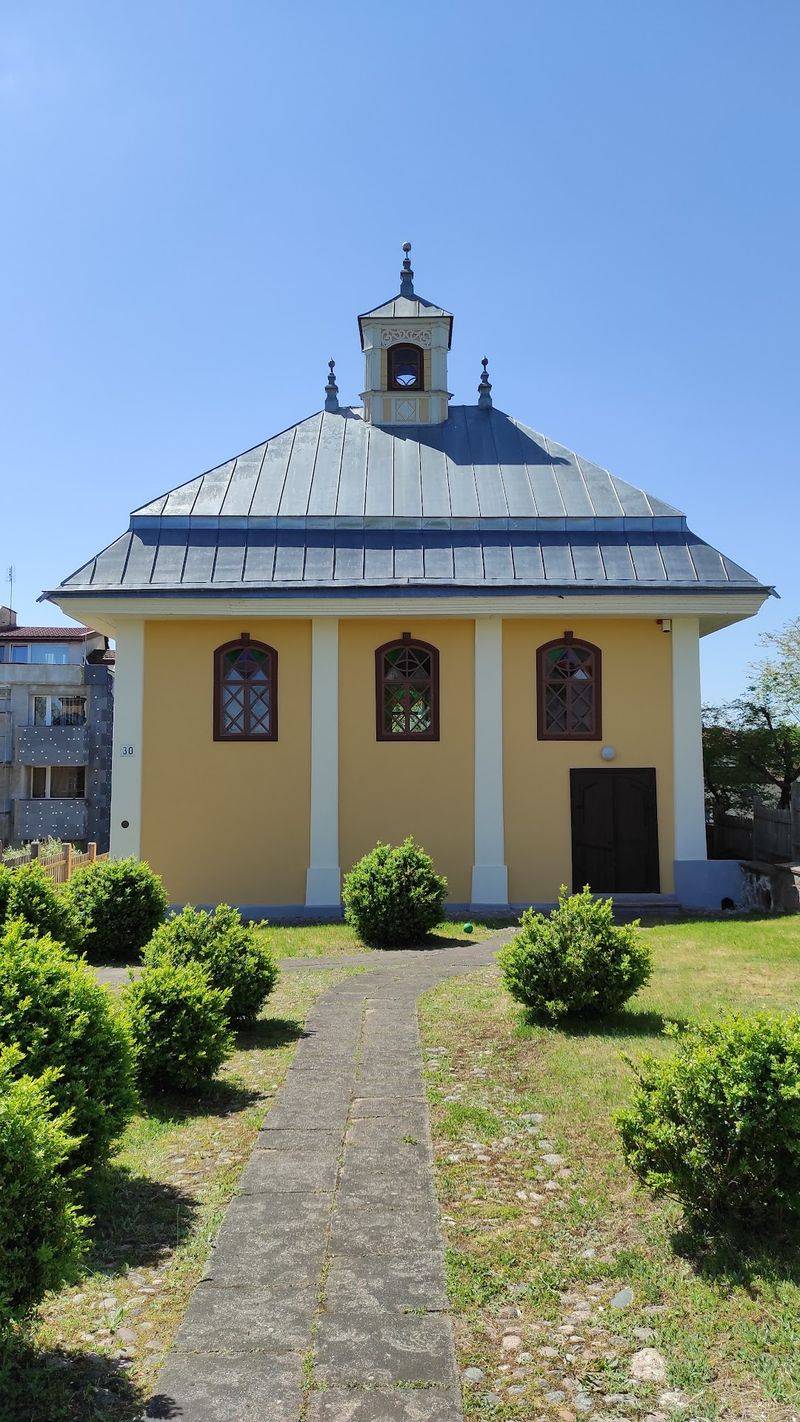
Karaim is a Turkic language with a history as layered as the communities that speak it. The Karaim people, a small ethnic and religious group, settled in Lithuania and Ukraine centuries ago after being brought there by Grand Duke Vytautas of Lithuania in the late 14th century.
The language survived wars, border changes, and the upheaval of the 20th century, but its speaker numbers dwindled dramatically. Today, only a tiny number of fluent speakers remain, mostly elderly members of the community in Trakai, Lithuania, a picturesque town that has long been the heart of Karaim culture.
Efforts to document and teach Karaim are ongoing, with dictionaries, prayer books, and cultural materials being preserved. The iconic Karaim kenesas – wooden prayer houses – still stand as symbols of resilience.
Younger community members are slowly reconnecting with a heritage that survived against extraordinary odds.
7. Chulym – Russia
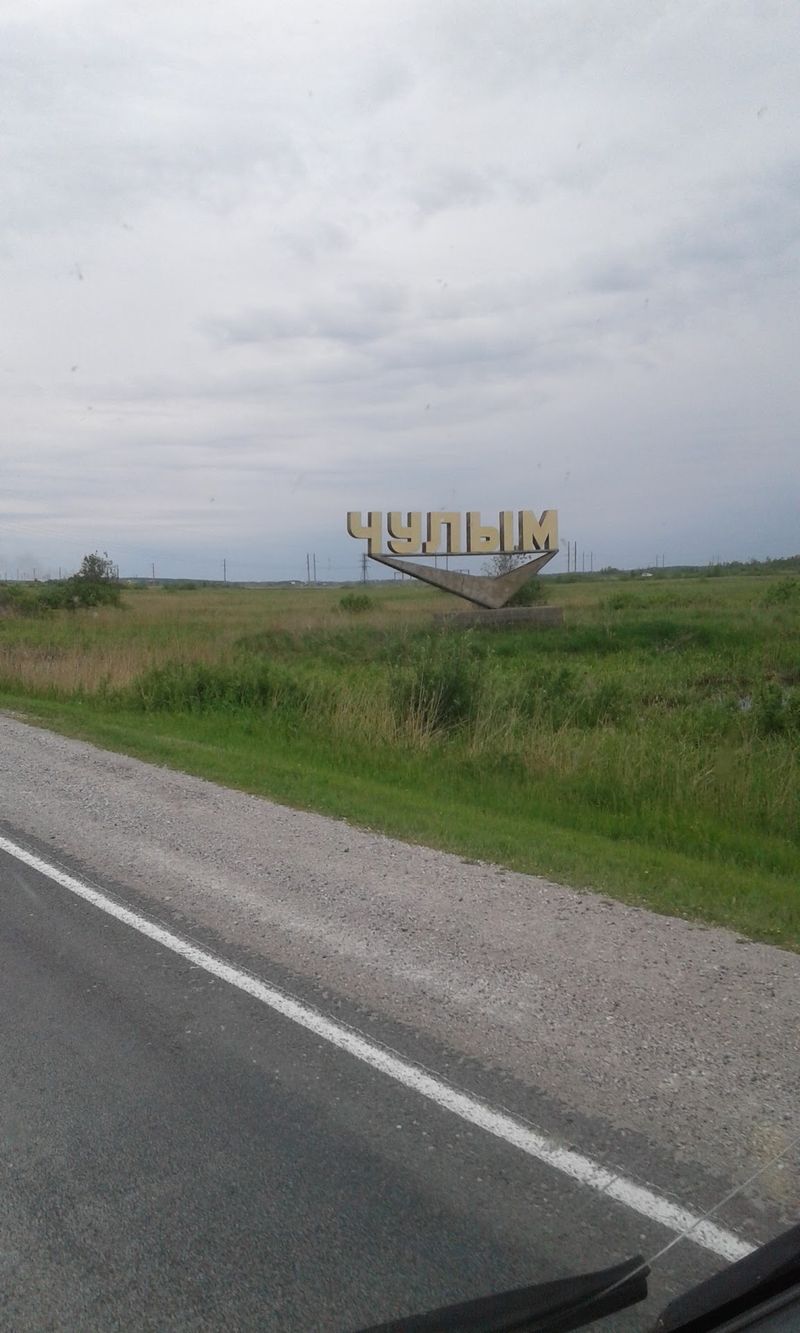
Along the banks of the Chulym River in western Siberia lives one of the world’s smallest language communities. Chulym, a Turkic language, was nearly invisible to the outside world until linguist Greg Anderson and his team documented it in the early 2000s, finding fewer than 35 speakers at the time.
The speakers they found were mostly elderly and lived in small, isolated villages surrounded by taiga forest. Russian had long replaced Chulym in everyday life, leaving the indigenous tongue confined to memory and occasional private conversation.
Many younger Chulym people had never heard their ancestral language spoken at all.
Anderson’s team worked closely with community members to create recordings, dictionaries, and teaching materials. Their collaboration sparked a small but meaningful local interest in reclaiming the language.
Chulym’s survival is uncertain, but the documentation work means future generations will at least have the tools to reconnect if they choose.
8. Tofa – Russia

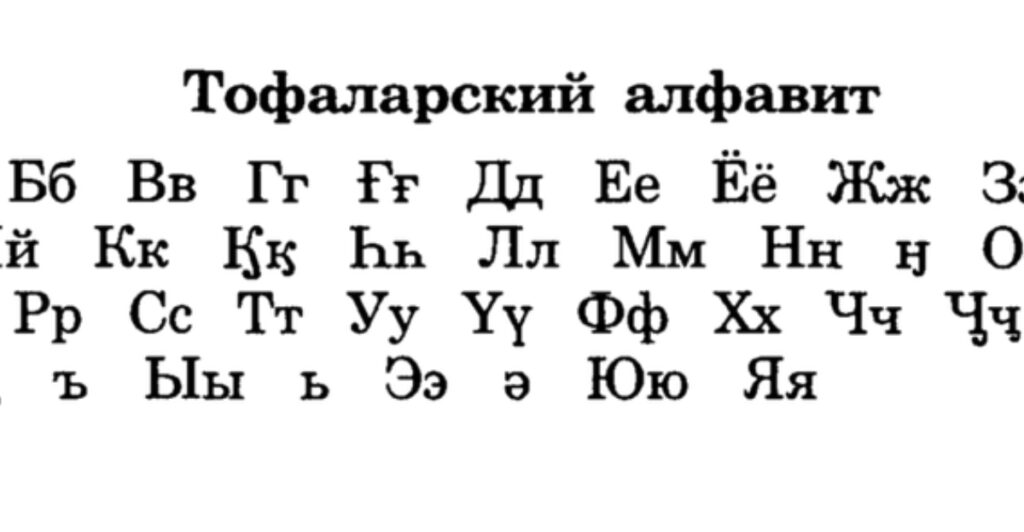
Deep in the Sayan Mountains of eastern Siberia, the Tofa people have herded reindeer and hunted for centuries, developing a language rich with terms for the natural world around them. Tofa, sometimes called Tofalar, belongs to the Turkic language family and carries within it an entire ecosystem of specialized vocabulary.
Soviet collectivization in the mid-20th century forced Tofa communities into centralized settlements, severely disrupting the transmission of language and culture across generations. By the 1990s, the number of speakers had dropped to just a few hundred, and today fluent speakers are far fewer still.
Linguists have recorded extensive audio and video materials documenting Tofa, capturing not just vocabulary but the ecological knowledge embedded in the language. Some younger Tofa individuals are engaging with these materials as a way to reconnect with their roots.
The mountains that shaped this language still stand, waiting for its return.
9. Ket – Russia
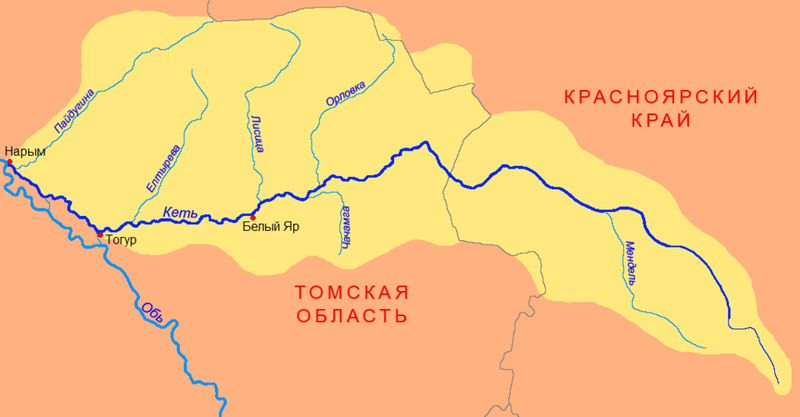
Ket is one of the most fascinating and puzzling languages ever studied. Spoken by the Ket people along the Yenisei River in central Siberia, it is the last surviving member of the Yeniseian language family.
Some researchers have proposed a distant connection between Ket and the Na-Dene languages of North America, a theory that hints at ancient human migrations across the Bering land bridge.
The language has a verb structure so complex that it took linguists decades to fully describe it. Noun classes, multiple evidentiality markers, and layered verb forms make Ket unlike almost anything else in the world’s languages.
Fewer than 200 people speak it today, nearly all of them older adults.
Russian has replaced Ket in most daily contexts, but documentation projects and a small number of dedicated researchers keep the language visible. Its survival is genuinely uncertain, yet its scientific importance ensures it will never be forgotten.
10. Manchu – China
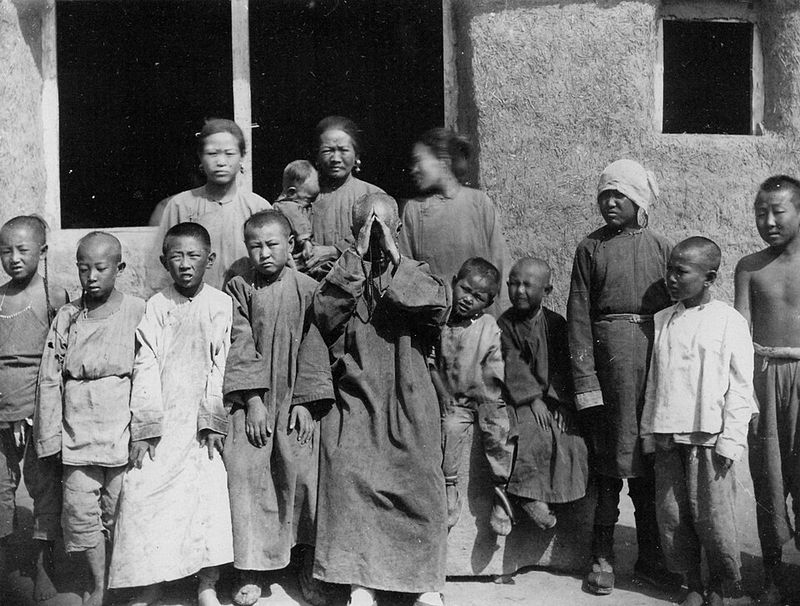
Manchu was once the official language of one of China’s most powerful dynasties. The Manchu people established the Qing dynasty in 1644, ruling China for nearly three centuries and leaving behind an enormous archive of documents written in the elegant vertical Manchu script.
Despite that imperial legacy, the language collapsed with shocking speed after the Qing dynasty fell in 1912. Assimilation into Han Chinese culture meant that Manchu children grew up speaking Mandarin, and within a few generations, the ancestral tongue was nearly gone.
Today, only a village called Sanjiazi in Heilongjiang Province is known to still have a small number of native speakers.
Scholars at Chinese and international universities are working to digitize historical Manchu texts and develop new teaching materials. University courses in Manchu script have attracted curious students across China.
The language that once echoed through the Forbidden City is being listened to once more.
11. Patwin – United States
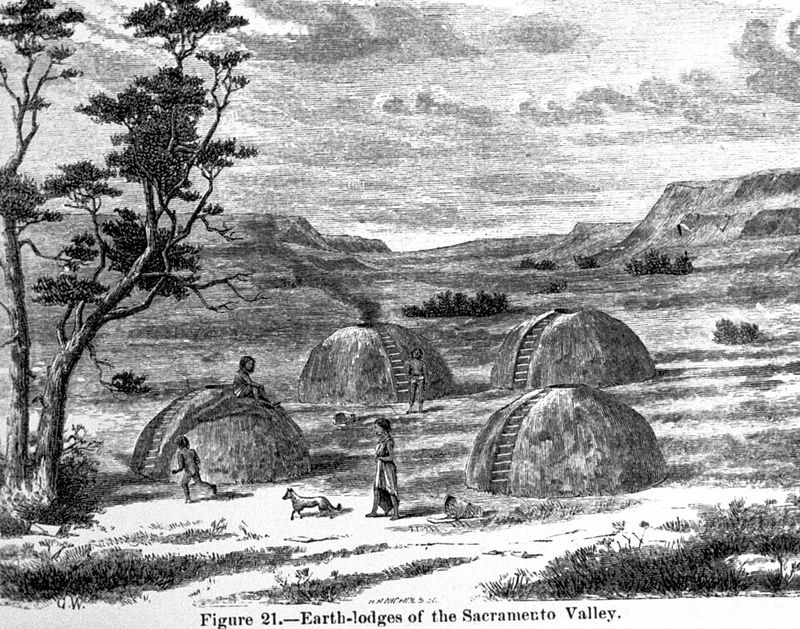
Before European settlers arrived in California, the Patwin people lived in the fertile Sacramento Valley, speaking a language that described their world with remarkable precision. Patwin belongs to the Wintuan language family and was once spoken across a wide stretch of northern California.
Spanish missions, then American settlement, devastated Patwin communities through disease, land loss, and forced cultural suppression. By the 20th century, the language had nearly disappeared from everyday life.
A small number of speakers managed to preserve fragments, but fluency became increasingly rare with each passing decade.
Tribal nations including the Yocha Dehe Wintun Nation have invested in language documentation and education programs in recent years. Recordings of elder speakers have been digitized, and language classes are offered to community members who want to reconnect.
The Sacramento Valley still holds the memory of Patwin in its place names, and its people are working to restore much more than that.
12. Wukchumni – United States
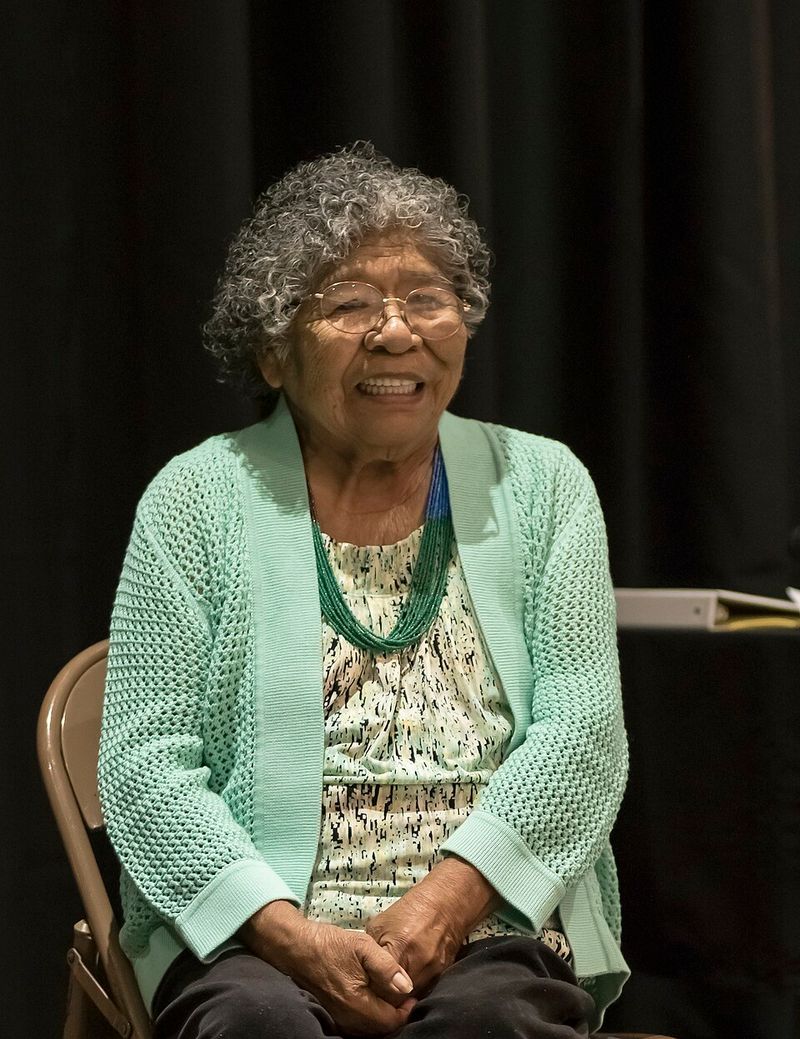
One woman’s determination became the most powerful force standing between Wukchumni and extinction. Marie Wilcox, a member of the Wukchumni people of California’s San Joaquin Valley, spent years compiling the first-ever dictionary of her language almost entirely on her own.
Her work was later documented in a short film that brought international attention to her extraordinary effort.
Wukchumni is a Yokutsan language, part of a family once spoken across a large swath of central California. Colonization, forced schooling, and displacement reduced the speaker community to almost nothing over two centuries.
By the time Marie began her dictionary project, she was one of the last fluent speakers left.
Her daughter and grandchildren have joined the effort, learning the language and helping to teach it to others. Small classes and community gatherings keep Wukchumni alive.
Marie’s story is proof that a single committed person can change the fate of an entire language.
13. Njerep – Cameroon
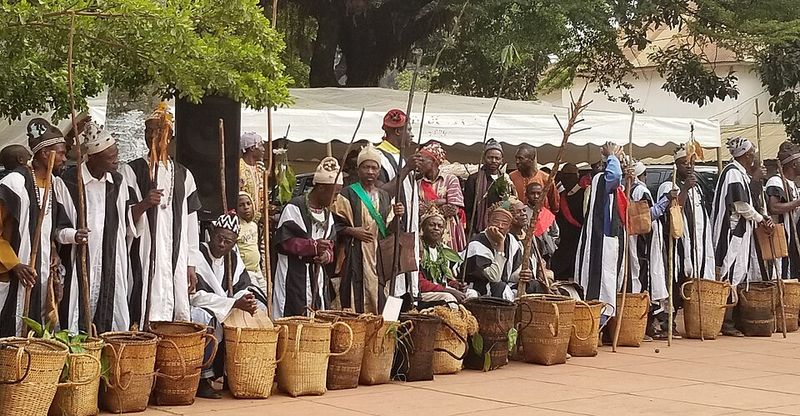
Njerep is considered one of the most critically endangered languages in all of Africa. Spoken in a small area of the Mambila Plateau in Cameroon, it belongs to the Bantoid branch of the Niger-Congo language family.
When researchers visited the community in the early 2000s, they found fewer than six people who could still speak it fluently.
The surrounding Mambila language had absorbed most of the community, leaving Njerep speakers with little reason to use their ancestral tongue in daily life. Younger generations grew up speaking Mambila and French, with Njerep becoming a relic known only to the oldest members of the group.
Linguistic documentation teams have recorded what remains of Njerep, preserving vocabulary, grammar structures, and oral traditions. Whether the language can be revived in any meaningful way is deeply uncertain.
What is certain is that losing Njerep would erase an irreplaceable piece of the world’s linguistic heritage.
14. Lemerig – Vanuatu
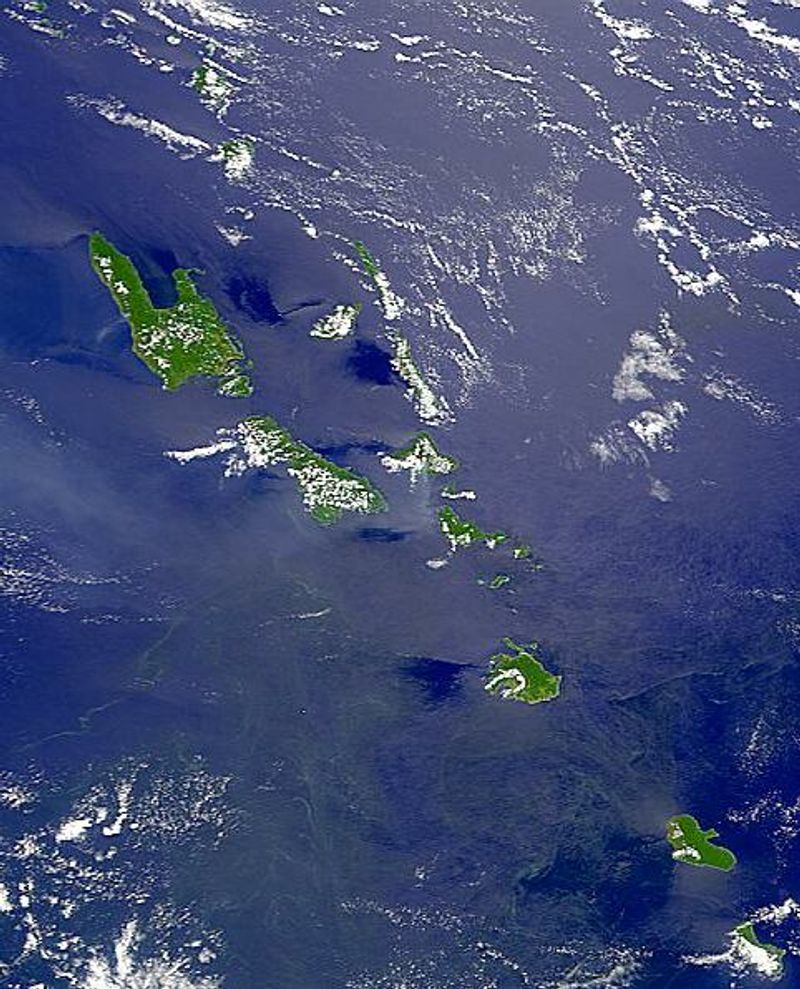
Vanuatu is one of the most linguistically diverse countries on Earth, packing over 100 languages into a small Pacific island chain. Yet even within that richness, Lemerig stands out as dangerously close to disappearing.
Spoken on the island of Vanua Lava, Lemerig had fewer than ten speakers recorded in recent surveys, with no children learning it as a first language.
The language belongs to the Oceanic branch of the Austronesian family and carries within it unique knowledge about the island’s ecology, traditions, and history. Neighboring languages have gradually replaced Lemerig in community life, leaving it with almost no functional role in daily communication.
Fieldwork by linguists from the Endangered Languages Project and other organizations has produced recordings and basic documentation of Lemerig. Community interest in preservation exists, though the practical challenges of revitalization on a remote island are significant.
Lemerig’s fate will depend on both outside support and local will to act.
15. Nuu-chah-nulth – Canada

Along the rugged western coast of Vancouver Island, the Nuu-chah-nulth people have lived for thousands of years, building a rich culture around the sea, cedar, and salmon. Their language, also called Nuu-chah-nulth, is a complex and beautiful tongue that encodes deep knowledge of the Pacific coast environment.
It was once spoken widely across 14 distinct tribal groups.
Residential schools in Canada caused devastating harm to Nuu-chah-nulth communities, stripping children of their language and cultural identity over multiple generations. By the late 20th century, fluent speakers had become a small and aging group.
The trauma left by those policies is still felt today.
Despite that painful history, revitalization efforts are gaining real ground. The First Voices platform has helped communities create digital archives, and language nests offer immersive learning for young children.
Nuu-chah-nulth is fighting back with the strength of a people who have always known how to navigate difficult waters.
Share this story