One surprisingly small Montana state park manages to fit a swimming beach, campground, boat launch, kayak rentals, and even a dedicated dog beach into just 10 acres. Its location on a mountain lake also puts visitors within reach of a 55-mile trail network, making it easy to combine time on the water with hiking or mountain biking.
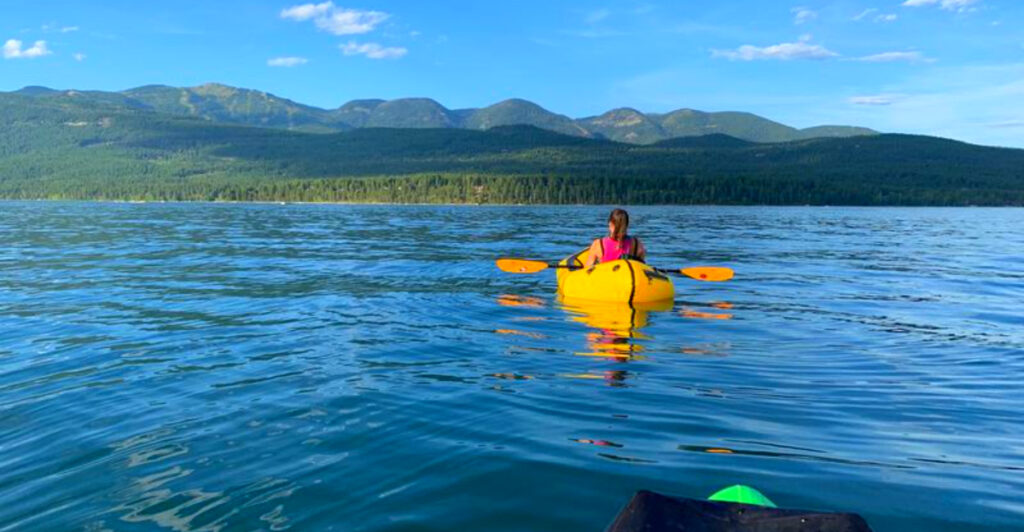
Summer is when the lake really becomes the main attraction. The water near shore can reach around 75 degrees, while typically calm conditions make it popular for kayaking and paddleboarding.
Staying overnight comes with one unexpected twist that is worth knowing before booking. And on the right clear night, campers may get an even bigger surprise overhead, when the Northern Lights occasionally appear above the lake.
Finding Your Footing on Whitefish Lake’s Shores
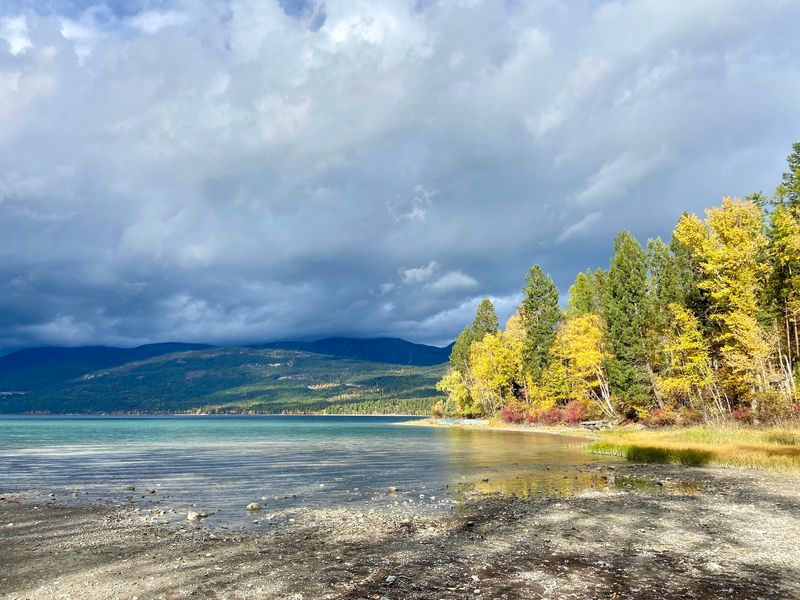
Whitefish Lake State Park sits at 1615 W Lakeshore Dr, Whitefish, MT 59937, roughly one mile west of downtown Whitefish on U.S. Highway 93, then one mile north.
The park occupies the south end of Whitefish Lake at an elevation of 3,012 feet, and its 10 acres feel surprisingly spacious once you are inside the tree line.
Locals have a telling habit of simply calling this place “State Park,” which says everything about how deeply it is woven into community life. The park is open 24 hours a day, every day of the year, so there is no awkward rush to beat a closing gate.
The day-use area and boat launch remain accessible throughout all four seasons, making this a legitimate year-round destination rather than a summer-only footnote. You can reach the park office at +1 406-862-3991, and the official site at fwp.mt.gov/stateparks/whitefish-lake has current fee and reservation details.
Why the Water Here Is Practically Begging You to Get In
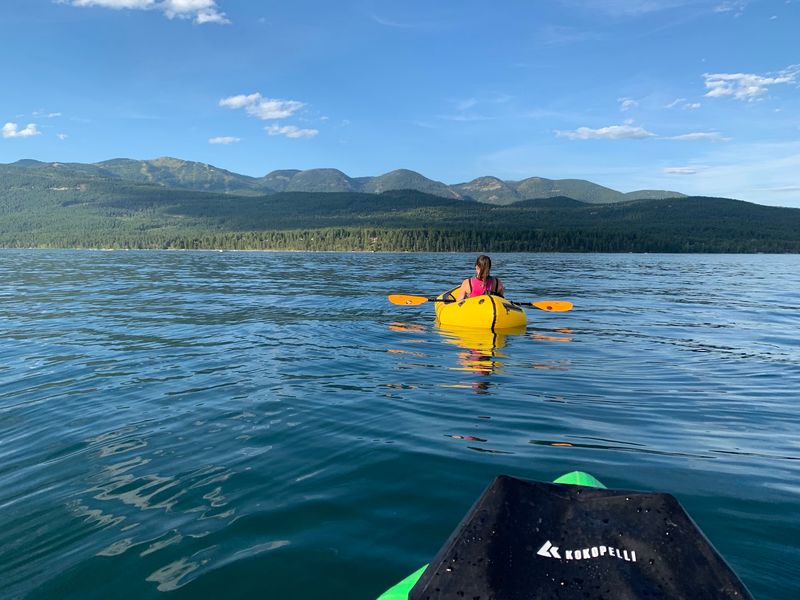
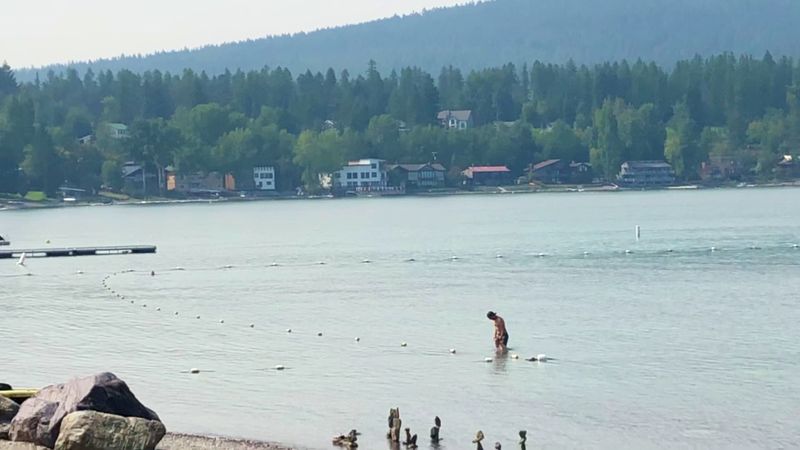
Whitefish Lake rarely sees strong winds, which keeps the surface unusually calm and makes it a natural playground for water-skiers, paddleboarders, and kayakers who want glassy conditions rather than choppy surprises. The roped-off swimming area features a mix of sand and rock underfoot, and the shallow water near shore warms to around 75 degrees Fahrenheit during peak summer, which is genuinely comfortable for extended swims.
A concrete boat launch, one of only two public launches on the entire lake, gives boaters a clean entry point. From June 15 through Labor Day, Tour Glacier runs seasonal rentals for stand-up paddleboards, kayaks, and pedal boats right on site, so you do not need to haul your own gear.
There is also a designated dog beach tucked beside the main swimming area, which is a thoughtful detail that keeps four-legged visitors happy without crowding the human side of the shore. The combination of amenities here is hard to beat anywhere in the Flathead Valley.
The Boat Launch Rule That Every Visitor Needs to Know
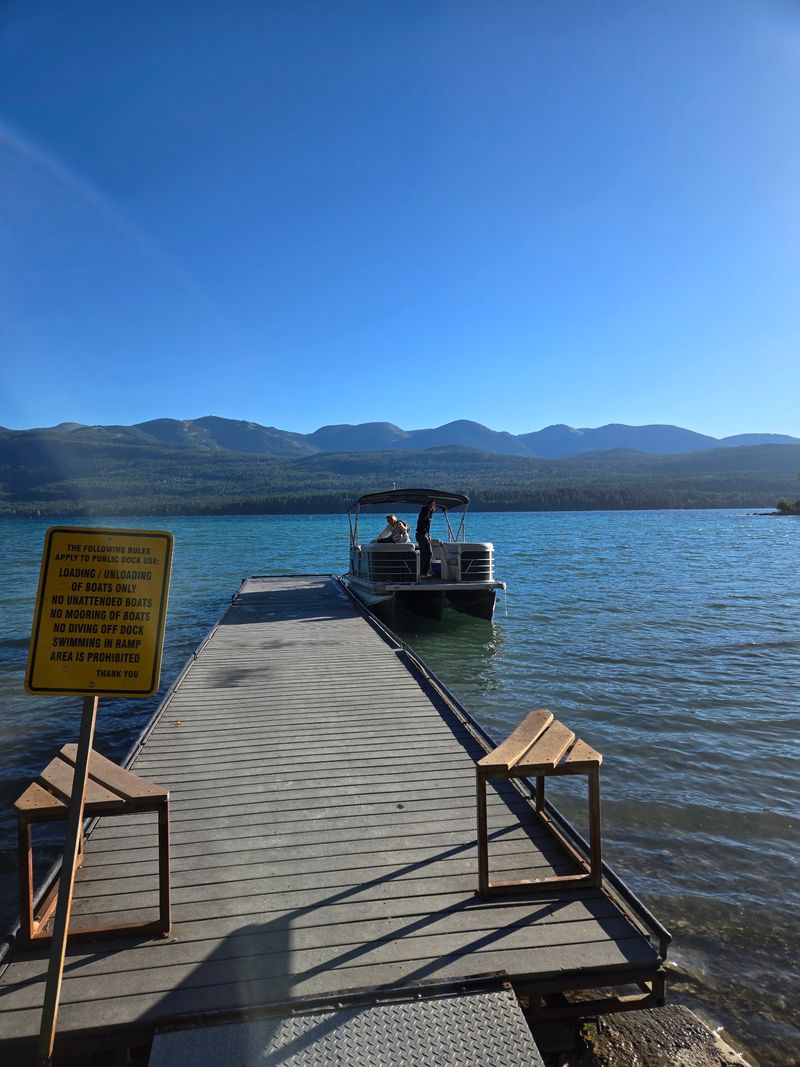
Before any watercraft touches the water at Whitefish Lake, it must pass a mandatory inspection, and that rule applies to both motorized and non-motorized vessels without exception. The inspection stations at the park typically operate from 7:00 AM to 10:00 PM between May and September, so planning your launch time around those hours is a smart move.
Certain watercraft classified as “high-risk” may also require decontamination before entering the lake. This is not bureaucratic red tape for its own sake.
Whitefish Lake serves as the primary source of domestic drinking water for the City of Whitefish and many lakeshore residents, which makes protecting it from aquatic invasive species genuinely critical.
Skipping the inspection is not an option, and rangers are consistent about enforcement. Arriving early gives you extra buffer time in case the inspection line is longer than expected on a busy summer weekend.
A little patience at the station saves a lot of headaches later on the water.
Camping Under the Pines With a Few Surprises Along the Way
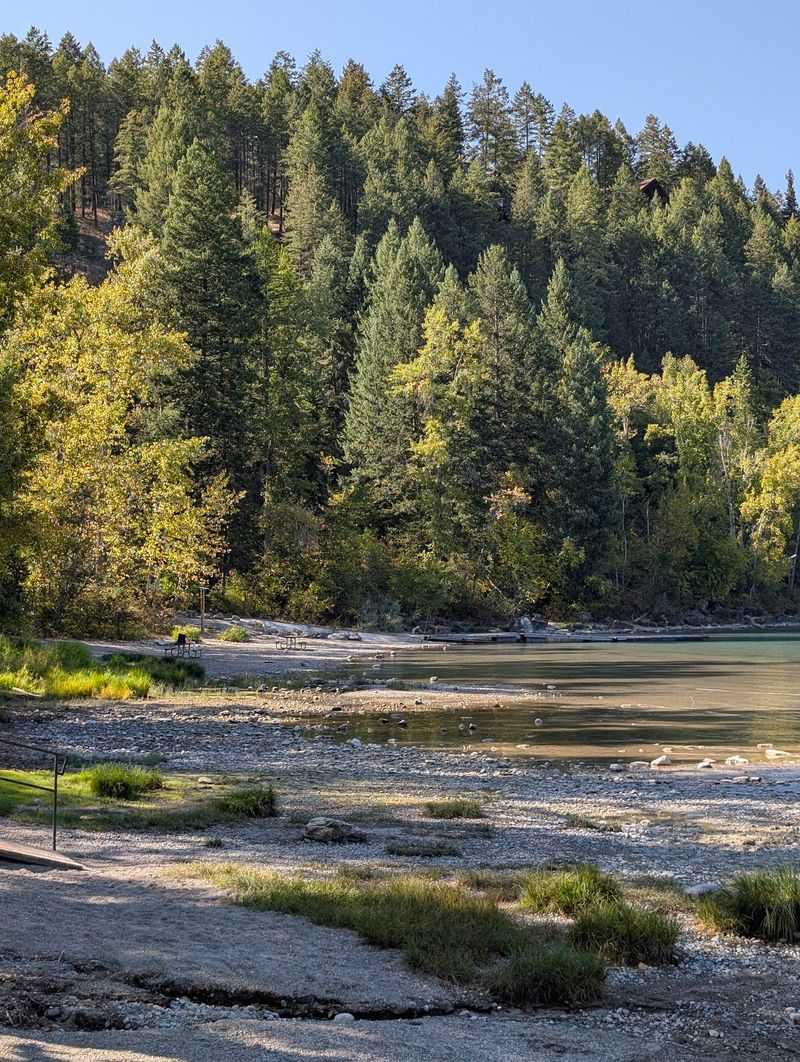
The campground at Whitefish Lake State Park offers 25 sites spread across an upper and lower loop, accommodating tent campers, RVs up to 40 feet, and a dedicated hike-bike site designed for cyclists traveling the Great Divide route. Many sites sit nestled among tall trees, giving each one a genuinely secluded feel even when the park is busy.
Amenities are solid for a 10-acre state park: flush toilets, showers on a token system ($3 for six minutes), bear-resistant lockers, grills, fire rings, firewood for sale, and ADA accessible facilities. The lower loop, sites 12 through 24, stays open year-round, while the upper loop and shower facilities typically close around October 5th and reopen in late April or early May.
Camping costs $15 per night, stays are limited to seven days within any 30-day period, and quiet hours run from 10:00 PM to 7:00 AM. Reservations fill fast in summer, so booking well ahead is essentially non-negotiable if you want a spot here.
That Sound You Hear at Midnight Is Not Thunder
Here is a detail that the reservation page does not always shout loudly enough: active railroad tracks run directly adjacent to the campground, and freight trains pass through roughly once an hour during the day and every few hours at night. The ground shakes.
The noise is real. Campers at sites 22, 23, and 24, which sit closest to the tracks near the boat launch, report the most intense experience.
For some visitors, especially kids who love trains, this is an unexpected bonus rather than a drawback. Watching a long freight train rumble past a mountain lake at dusk is genuinely dramatic in a cinematic kind of way.
For light sleepers, though, earplugs are not optional, they are essential gear. Requesting a site in the upper loop or farther from the tracks gives you a noticeably quieter night.
The park is transparent about this quirk when asked directly, so do not hesitate to call ahead and ask which sites have the most buffer from the tracks.
A Lake With Deeper Roots Than Most People Realize
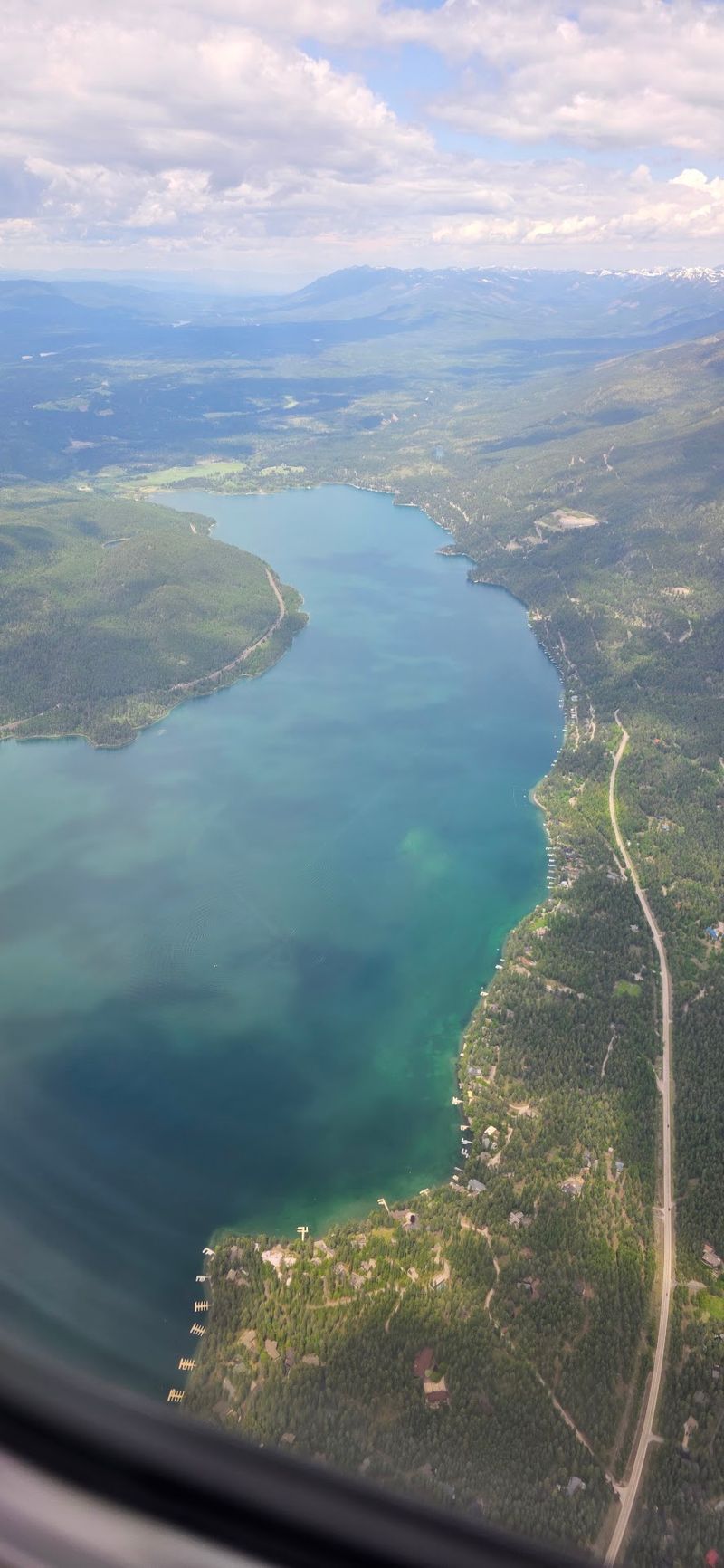
Whitefish Lake State Park became an official state park in 1960, but the lake’s human story stretches back much further. The Kootenai, Pend d’Oreille, and Bitterroot Salish peoples inhabited this region for centuries before European settlement, and the name “Whitefish Lake” itself comes from the Salish word “eplxyu,” meaning “has whitefish,” a reference to the Mountain Whitefish that still swim here today.
The lake played a central role in the regional timber industry, with logs floated across its surface to supply local sawmills. After the Great Northern Railway arrived in 1902, workers harvested ice from the lake and packed it in sawdust to refrigerate produce shipped by train from California.
That is a surprisingly industrial past for a place that now feels so peacefully natural.
Today the lake remains the primary domestic water source for the City of Whitefish, a relatively rare distinction in the Rocky Mountain region, and its water also irrigates local golf courses. History and hydration, all in one beautiful package.
Trails That Go Way Beyond the Shoreline
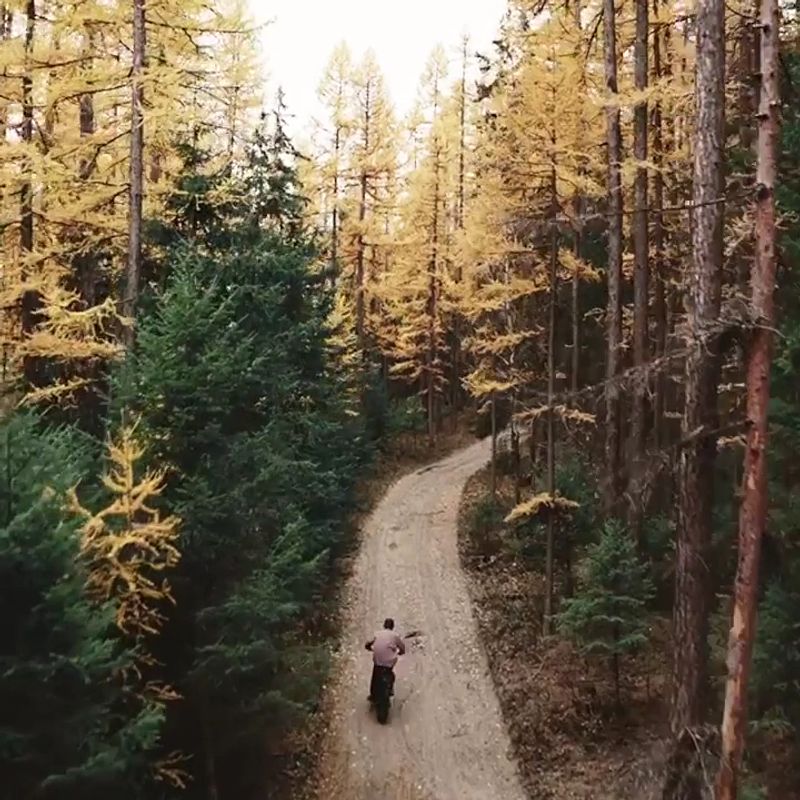
The park connects directly to the Whitefish Trail system, a remarkable 55-mile regional network that winds around Whitefish Lake and passes through state, federal, and private lands. This is not a simple loop around a pond.
The trail system delivers scenic overlooks of Woods Lake, Whitefish Lake, and the Whitefish Range, with terrain suitable for both casual hikers and serious mountain bikers.
Trailheads accessible from or near the park make it easy to transition from a morning swim to an afternoon hike without driving far. The variety of routes means you can tailor the day to your fitness level and still come away with genuinely impressive views.
Whitefish Mountain ski resort is also just a short drive away, which extends the park’s recreational reach deep into winter. And for those who want to go even bigger, Glacier National Park sits a short drive from Whitefish, offering everything from easy lakeside strolls to challenging ridge climbs with glacier views.
The mountain adventures available from this small lakeside park are almost absurdly plentiful.
What It Is Like to Cast a Line on This Particular Lake
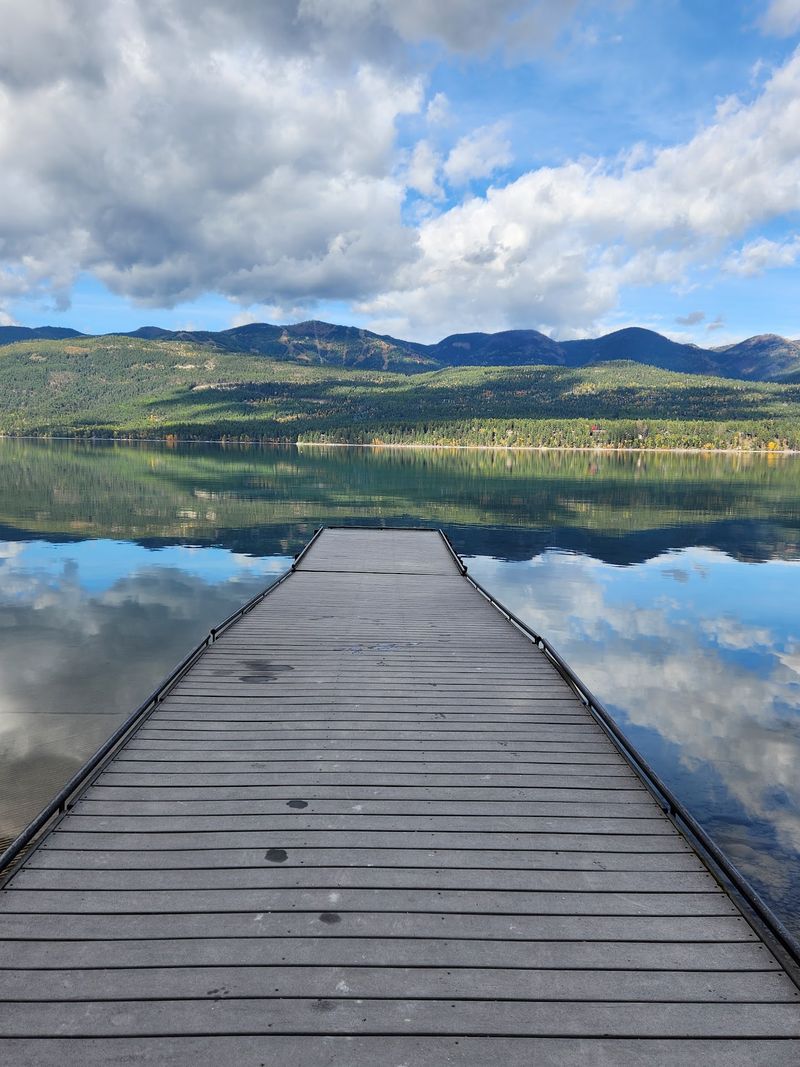
Whitefish Lake State Park holds a specific distinction worth knowing: it is the only Montana Fish, Wildlife and Parks managed site with direct access to Whitefish Lake, making it the go-to public entry point for anglers who want to reach these waters without owning lakefront property. That access matters when the fish include jumbo lake trout, bull trout, rainbow trout, and the mountain whitefish that gave the lake its name centuries ago.
Fishing from the shore near the park is a relaxed, low-key experience, especially on weekday mornings before the swimming crowd arrives. The calm, wind-resistant surface of the lake also makes fishing from a small boat or kayak a practical option, and the on-site boat launch gives anglers a clean entry.
Non-residents aged 15 and older need both a Conservation License and a Fishing License to fish in Montana, so sorting that paperwork before arrival keeps the morning stress-free. The trout do not wait for anyone to finish their license application at the dock.
The Natural Setting That Makes Everything Feel Worth It
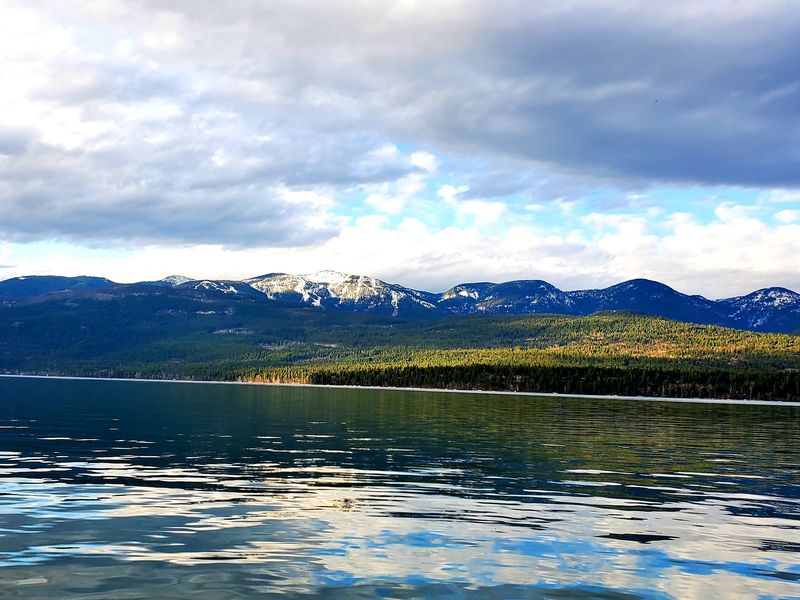
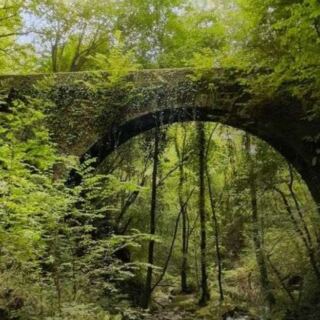
The mature woodland that surrounds the campground and beach at Whitefish Lake State Park is not just scenic backdrop. It creates a genuine sense of separation from the outside world, with old pines and lush understory vegetation buffering each campsite and softening the park’s compact footprint.
The forest feels lived-in and full rather than manicured.
Looking out across the lake toward the mountains is the kind of view that makes people stop mid-conversation and just stare for a moment. Sunsets over Whitefish Lake are particularly striking, with the Whitefish Range catching the last light while the water mirrors the colors back upward.
On clear late-summer nights, there is a real possibility of watching the Northern Lights ripple across the sky above the lake, which is the sort of unexpected reward that turns a good camping trip into an unforgettable one. The park’s wildlife viewing opportunities add another quiet layer to the experience, with the dense forest habitat supporting a variety of local species worth watching for between activities.
Visiting in Every Season Without Missing a Beat
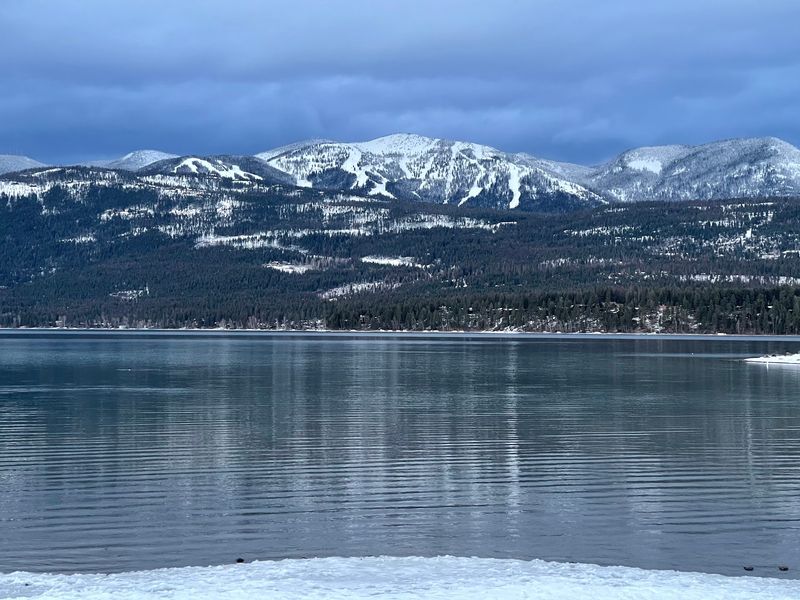
One of the underappreciated strengths of this park is its genuine year-round accessibility. The day-use area and boat launch stay open through all four seasons, and the lower loop of campsites, sites 12 through 24, remains available even in winter for hardy campers who do not mind cold mornings.
Summer is peak season, and the park earns that reputation fully. The shallow near-shore water reaches comfortable swimming temperatures, the rental concession is running, and the trails are at their most accessible.
Early fall is a quieter, often stunning alternative, with fewer crowds and the possibility of having the beach almost entirely to yourself.
Winter brings a completely different kind of beauty, including the rare experience of walking out onto a frozen lake surrounded by snow-capped peaks, which a few adventurous visitors have described as one of the most surreal and rewarding things they have done in Montana. Spring arrives gradually, with facilities reopening in late April or early May as the upper loop comes back online for the season.
The Fee Structure and Practical Details That Actually Matter
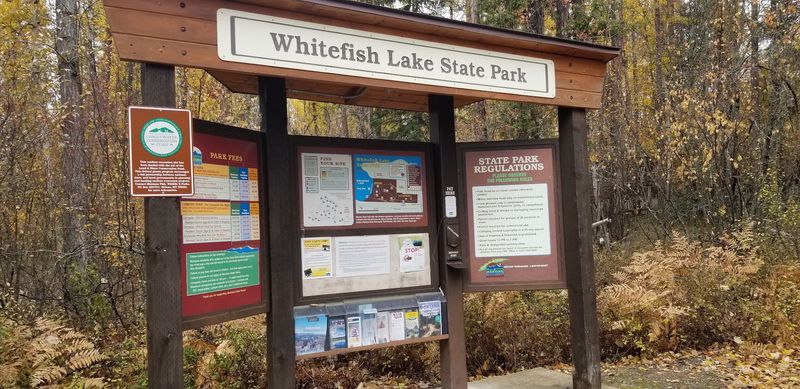
Montana residents who pay the annual $9 state parks fee with their vehicle registration typically enter at no additional daily cost. Non-residents pay a $5.00 day-use fee, and overnight camping runs $15.00 per night.
Those are reasonable numbers for what the park delivers, and most visitors find the value hard to argue with.
ADA accessible facilities and designated campsites are available, and visitors with a disability can present proof upon arrival to access those accommodations. Pets are welcome throughout the park but must remain on a leash at all times.
Campfires are permitted only in designated fire rings, and fireworks are strictly prohibited.
Check-in time for campsites is 2:00 PM, and check-out is 1:00 PM. Standard sites accommodate up to eight people and one camping unit, while double sites allow sixteen people and two units.
The park’s phone number is +1 406-862-3991, and the Montana FWP website handles online reservations, which are strongly recommended during any summer weekend.
Why This Small Park Leaves a Surprisingly Large Impression
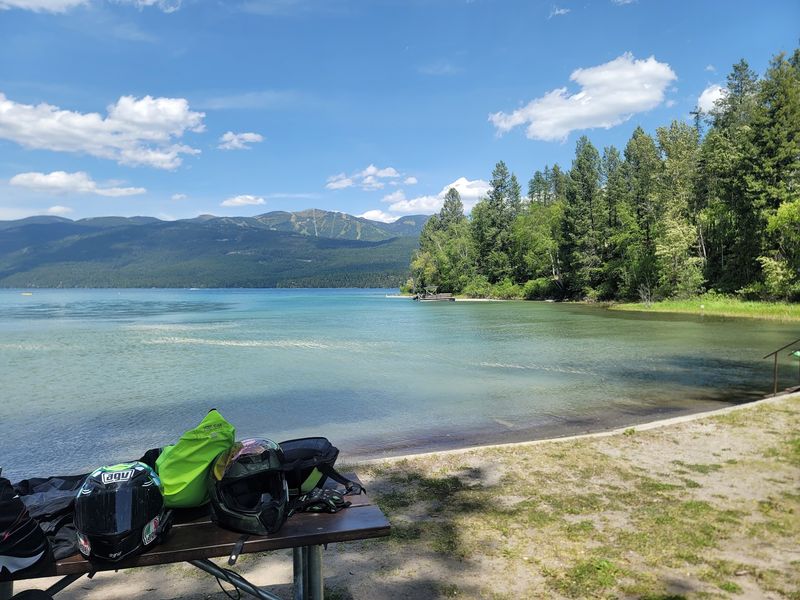
Ten acres is a modest footprint for a state park, but Whitefish Lake State Park manages to pack in a beach, a boat launch, a campground, a dog area, picnic shelters, rental watercraft, trail connections, and direct access to one of the most beautiful lakes in the northern Rockies. That combination is genuinely rare in one compact location.
The park earns a 4.2-star rating across hundreds of reviews, and the consistent themes in positive feedback center on the beauty of the lake, the quality of the beach, and the friendliness of the staff. The train noise is the most common caveat, and it is a real one worth planning around rather than dismissing.
What keeps people coming back, sometimes three days in a row, is the feeling that the lake and its surroundings are doing most of the heavy lifting.
Share this story