There is a giant fish standing guard along one of Minnesota’s most iconic stretches of highway, and it has been stopping road-trippers in their tracks for decades. The oversized walleye statue in Garrison, Minnesota, sits at the edge of Mille Lacs Lake with an expression that seems to say it knows exactly how big this lake really is.
Mille Lacs is one of the largest lakes in Minnesota, famous for its walleye fishing, and this sculpture captures that local pride in the most literal way possible. Whether you are passing through on a family road trip or making a dedicated detour, this roadside landmark has a way of turning a quick stop into a lasting memory.
The Giant Walleye Statue: A Roadside Legend
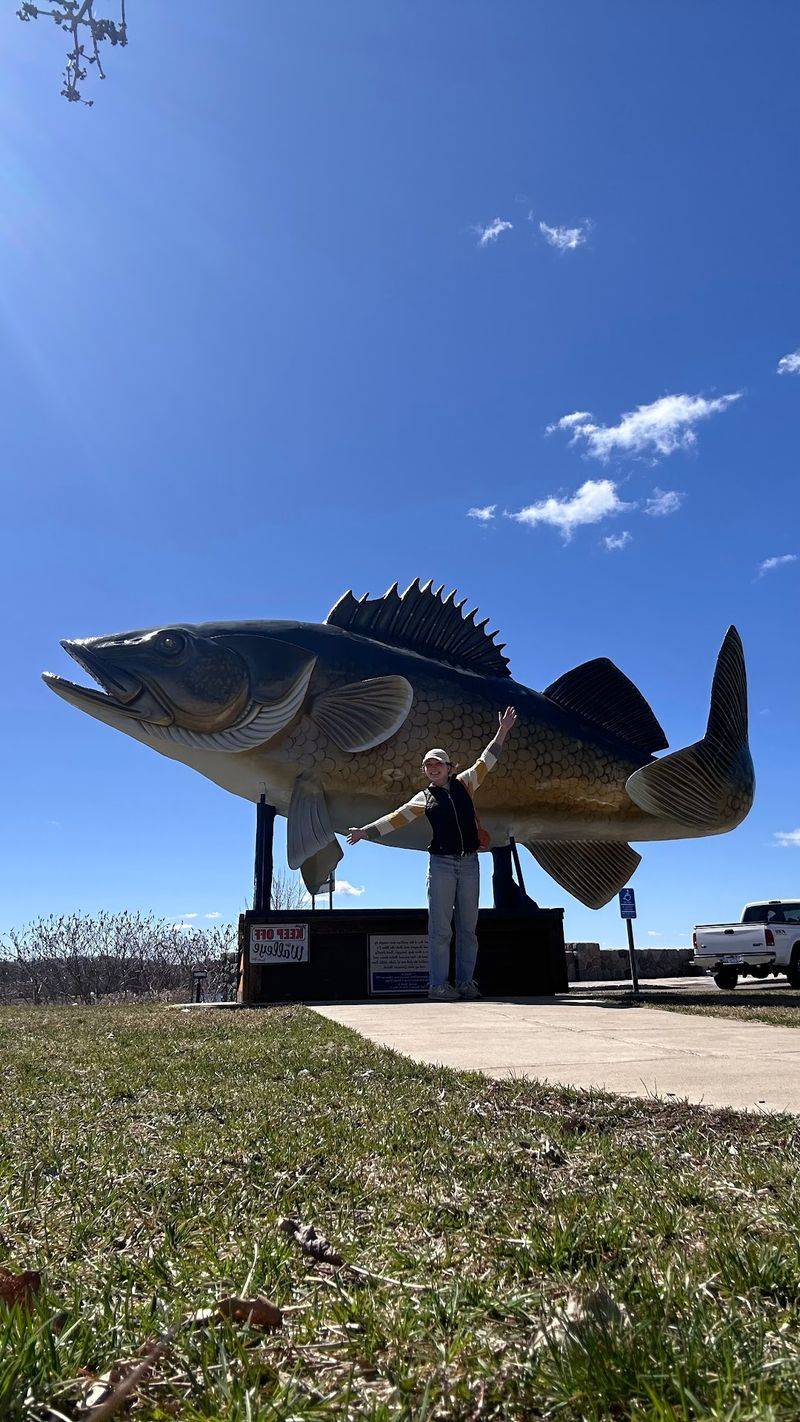
Few roadside attractions stop traffic quite like a massive fish sculpture perched at the edge of one of Minnesota’s most celebrated lakes. The Giant Walleye Statue in Garrison is exactly what it sounds like, and somehow that straightforwardness makes it even more charming.
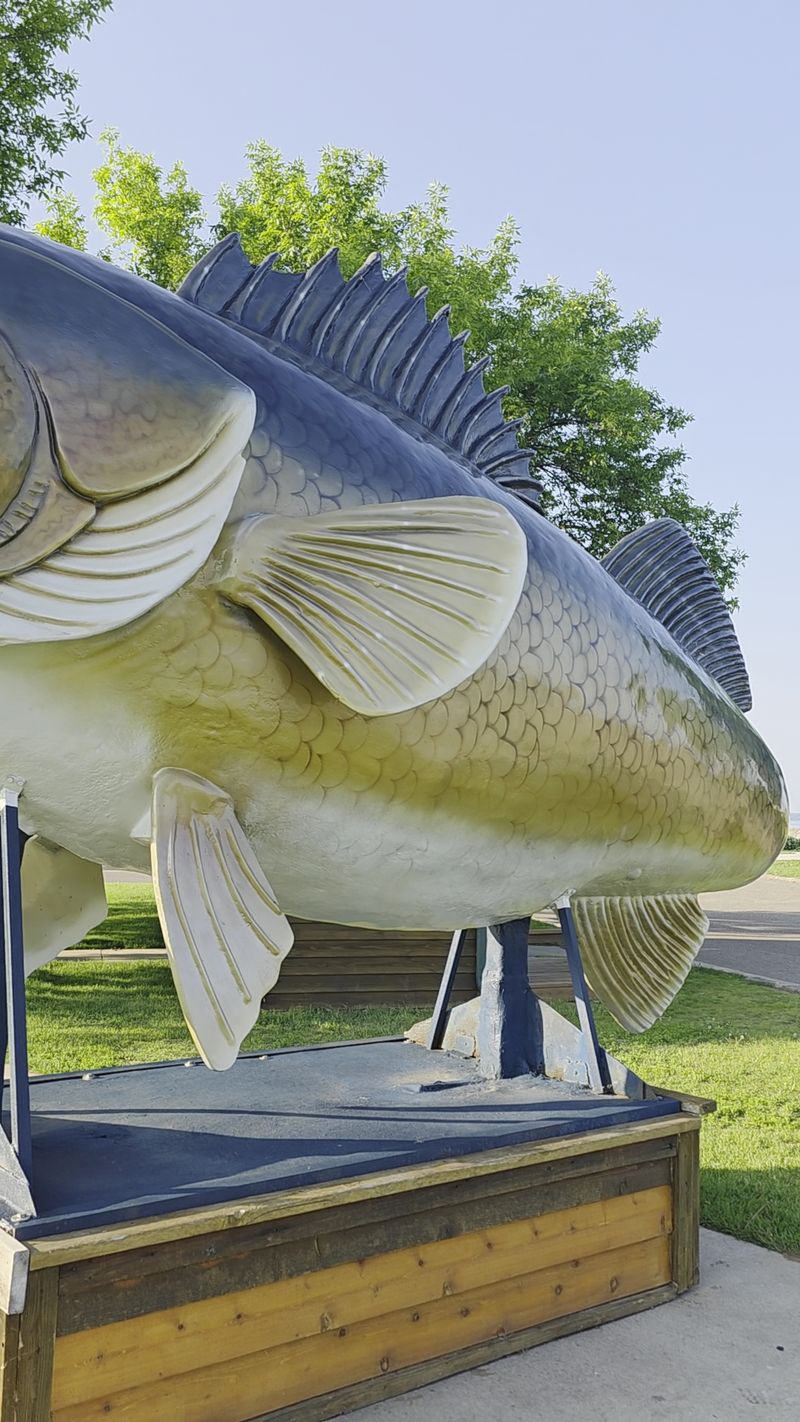
The sculpture captures the walleye’s sleek body, large glassy eyes, and distinctive fins with surprising detail for an outdoor landmark.
Locals and visitors alike have been posing for photos beside it for years. Some families make stopping here a tradition every time they pass through.
The statue sits at what many call “the fork,” a natural gathering point along the route through Garrison.
Its presence feels completely fitting for a town whose identity is so deeply tied to fishing culture. This is not just a quirky photo op.
It is a genuine symbol of community pride along the shores of Mille Lacs Lake.
Where Exactly You Will Find It
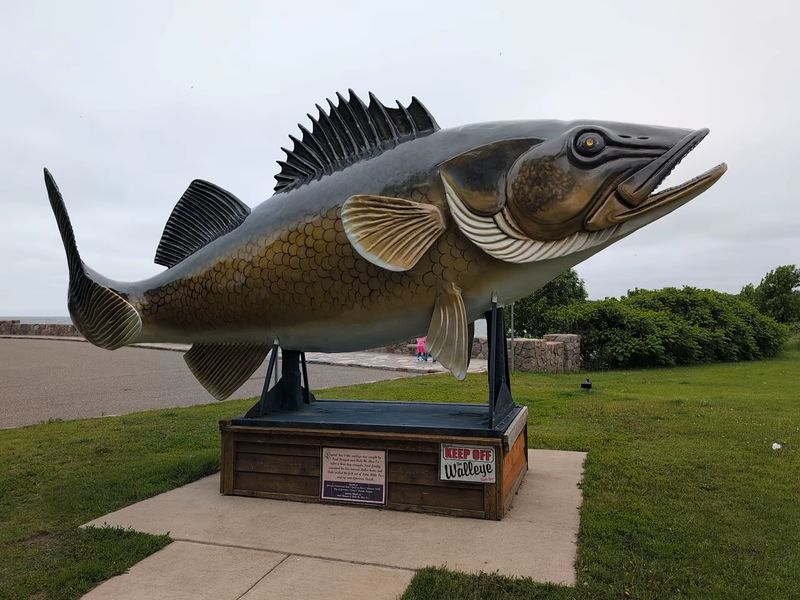
The statue stands in Garrison, Minnesota, a small town along the southern shore of Mille Lacs Lake. The Mille Lacs Lake Statue is located at Garrison, MN 56450, right along the main road through town where it curves near the lakefront.
You really cannot miss it because the fish is large enough to be spotted from a moving vehicle.
Garrison sits roughly two hours north of the Twin Cities, making it a popular stopping point for travelers heading to lake country. The location at the fork of the road gives it natural visibility, and the open view of Mille Lacs Lake directly behind the statue adds to the impact.
Parking is accessible nearby, and the area around the statue is open and walkable. The combination of the sculpture and the sweeping lake view makes this corner of Garrison one of the most photographed spots in the region.
The History Behind the Fishing Culture Here
Mille Lacs Lake has been a fishing destination for generations. The lake spans roughly 132,000 acres, making it the second-largest lake entirely within Minnesota’s borders.
Its shallow, nutrient-rich waters have long produced healthy populations of walleye, the fish that Minnesota anglers prize above almost all others.
Garrison grew up around this fishing culture. Resorts, bait shops, and guide services have been part of the local economy for decades.
The walleye is not just a popular fish here. It is practically the town mascot, which explains why the statue exists in the first place.
The decision to build a giant walleye sculpture was a natural extension of what Garrison already represented to the fishing community. Anglers from across the Midwest have made the trip to Mille Lacs Lake specifically to chase walleye, and the statue serves as a permanent, unmistakable tribute to that long tradition.
What Makes Mille Lacs Lake So Special
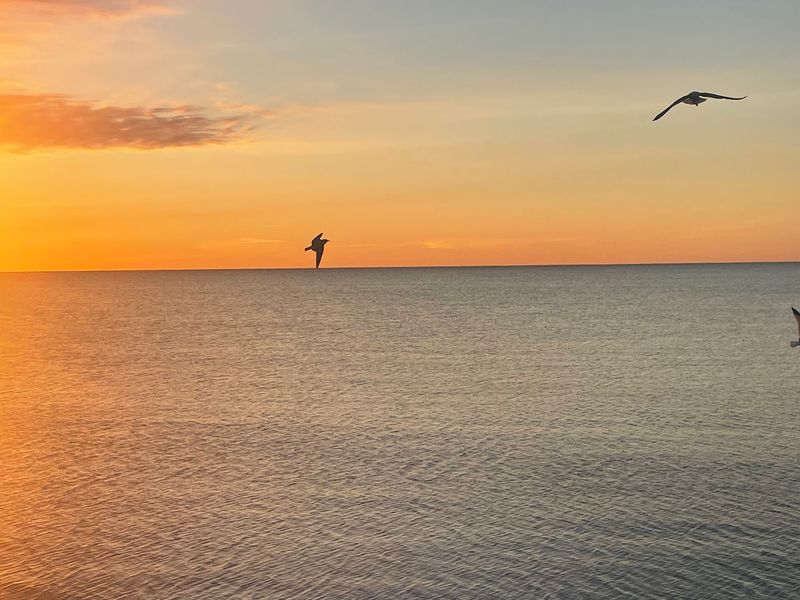
Standing beside the walleye statue and looking out at Mille Lacs Lake for the first time is genuinely impressive. The lake is so wide that the opposite shore is not visible, giving it an almost ocean-like feeling that surprises many first-time visitors.
The water sits calm and broad, stretching far beyond what the eye can comfortably follow.
The lake’s relatively shallow depth across much of its basin makes it productive for fish and spectacular for sunrises. Several visitors have noted that watching the sun come up over Mille Lacs from this spot is one of the more peaceful experiences available in central Minnesota.
Seagulls circle the area regularly, adding to that coastal atmosphere people often mention. The combination of open sky, wide water, and the quiet hum of a small lakeside town gives this spot a mood that is hard to find anywhere else in the region.
A Family Tradition That Spans Generations
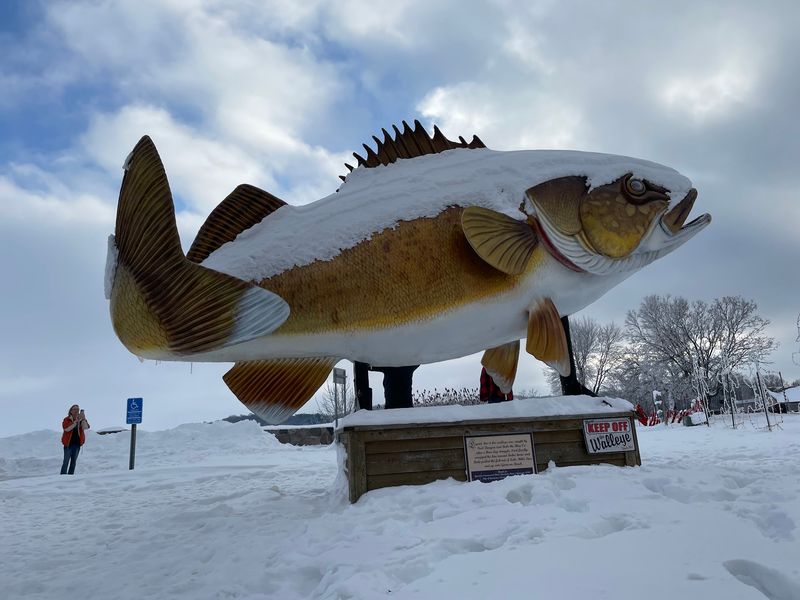
One of the most touching things about the Giant Walleye Statue is how many families have built it into their travel routines. Multiple generations of Minnesota families have stopped here on the way to cabins, camping trips, and fishing weekends.
For some, the walleye statue is the first landmark that tells them vacation has officially started.
There is something genuinely warm about a place that holds that kind of meaning for people across different age groups. Grandparents who stopped here as kids are now bringing their own grandchildren for the same photo.
The statue has witnessed a lot of family road trip history without ever moving an inch.
That generational pull is not something you can manufacture. It builds slowly over time as one family tells another, and the tradition spreads.
The walleye statue has earned its place in Minnesota road trip culture the old-fashioned way, by simply being there, year after year.
The View of the Lake From the Statue
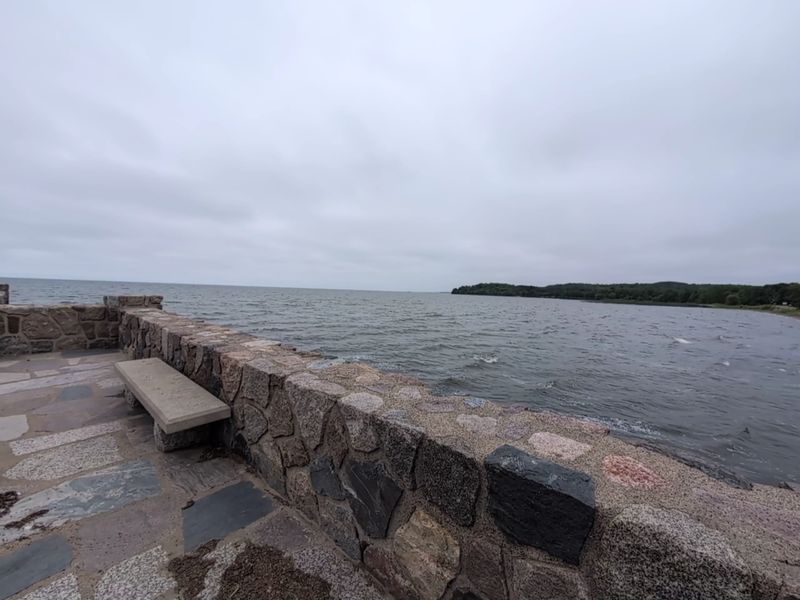
The lake view from the statue’s location is one of the main reasons people linger here longer than they planned. You get a wide, unobstructed look at Mille Lacs that feels almost cinematic.
The water shifts color depending on the time of day, moving from silver-gray in the morning to deep blue in the afternoon.
Sunsets are particularly worth catching from this spot. The sky over the western end of the lake catches color early, and the open waterfront gives you a clear sightline without trees or buildings blocking the view.
A few benches in the area make it easy to sit and take it all in.
In winter, the scene changes completely. Ice fishing houses appear across the frozen surface, and the lake takes on a stark, white stillness that has its own kind of beauty.
That seasonal shift keeps the view interesting no matter when you visit.
Ice Fishing Season and the Lake in Winter
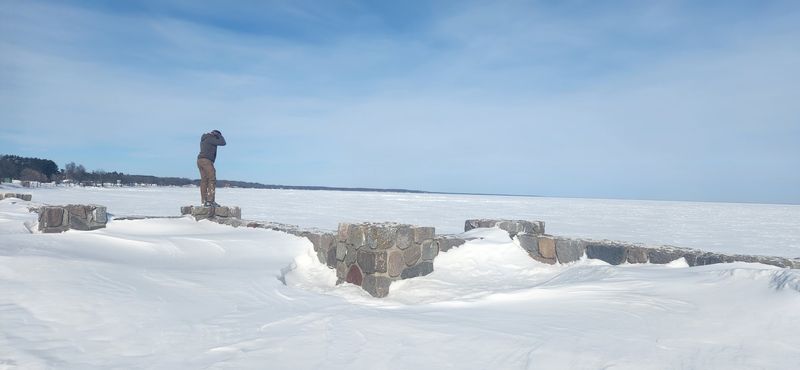
Winter transforms Mille Lacs Lake into one of the most active ice fishing destinations in the entire country. When the ice is thick enough to support vehicles, the lake fills with ice fishing houses that create a temporary village on the frozen surface.
Watching that scene from the shore near the walleye statue is a genuinely striking experience.
Anglers drive trucks and snowmobiles out onto the ice, hauling gear and shelters to their chosen spots. The walleye population that inspired the statue is the same population bringing those fishermen back every winter.
The lake has a reputation for producing quality walleye even in the coldest months.
The area around the statue stays accessible in winter, and the contrast between the big frozen lake and the small, quiet town of Garrison creates an atmosphere that feels uniquely Minnesota. Cold air, open ice, and the distant sound of snowmobiles make for a memorable sensory experience.
The Seagulls That Share the Space

One detail that catches many visitors off guard is the seagulls. They are a constant presence around the statue and the waterfront area, wheeling overhead and landing nearby with impressive confidence.
For a freshwater lake in central Minnesota, the seagull activity gives the spot a surprisingly coastal feeling.
Some visitors have made a habit of picking up french fries from a nearby fast food spot and tossing a few to the birds while enjoying the lake view. The seagulls are clearly accustomed to human presence and do not keep much distance.
They add a lively, almost theatrical energy to the stop.
That said, the birds do leave their mark on the statue itself. A few visitors have noted that the walleye sculpture could use a good cleaning now and then thanks to the resident gull population.
It is a small price for the atmosphere they bring to the waterfront.
Why the Walleye Is Minnesota’s Most Prized Fish
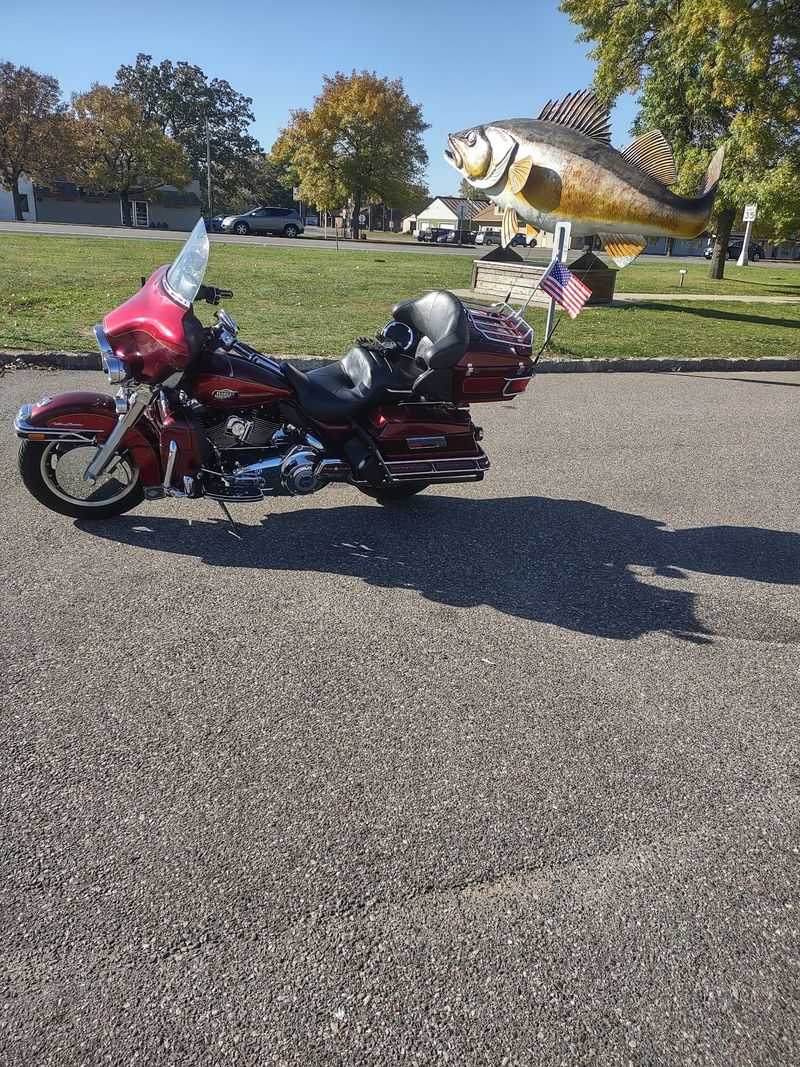
The walleye holds a special place in Minnesota’s fishing culture that goes beyond sport. It is the state fish of Minnesota, officially designated in 1965, and it represents the kind of angling experience that draws people to lakes like Mille Lacs year after year.
The fish is prized both for the challenge it offers and for its reputation as excellent table fare.
Walleye tend to feed in low-light conditions, which means early morning and evening trips often produce the best results. That behavior has shaped the rhythm of fishing life around Mille Lacs for generations.
Anglers wake before dawn, launch their boats in the quiet dark, and work the water as the sun comes up.
The Giant Walleye Statue captures this fish at an exaggerated scale that feels appropriate given its outsized importance to Minnesota’s outdoor identity. The sculpture is a tribute not just to a species, but to an entire way of life.
The Garrison Concourse and the Surrounding Waterfront
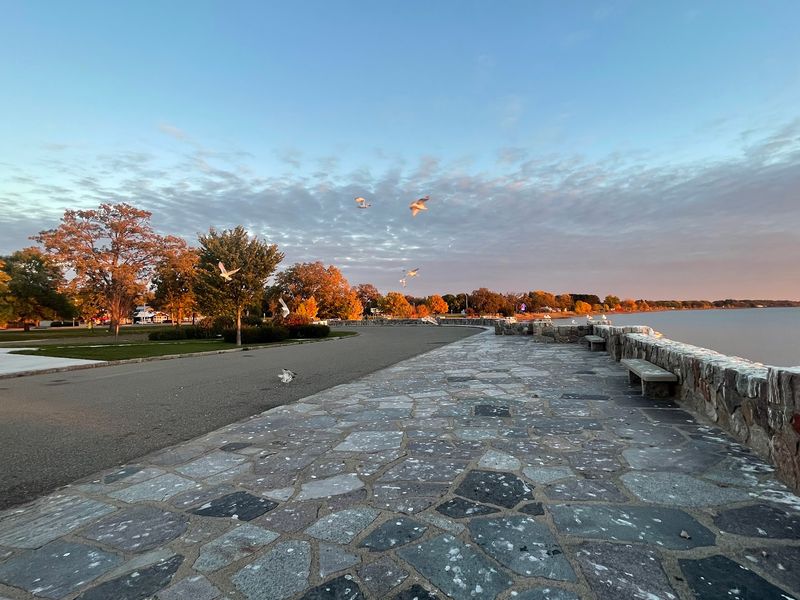
The area surrounding the walleye statue has a name among locals: the Garrison Concourse. It is a maintained waterfront space that runs along the edge of Mille Lacs Lake, giving visitors a comfortable place to walk, sit, and enjoy the scenery.
The open layout keeps the focus on the lake rather than on any particular structure.
Benches are positioned to take advantage of the water views, and the grassy areas nearby make it easy for kids to get out of the car and move around. Road trips with children benefit from stops like this, where there is enough space to stretch without needing a full activity planned.
The concourse also puts visitors within easy reach of local restaurants, shops, and resort areas that line the Garrison waterfront. It is the kind of public space that a small town builds slowly over time, shaped by the needs of people who keep coming back to the same lake.
Sunrise at the Statue: A Quiet Morning Ritual
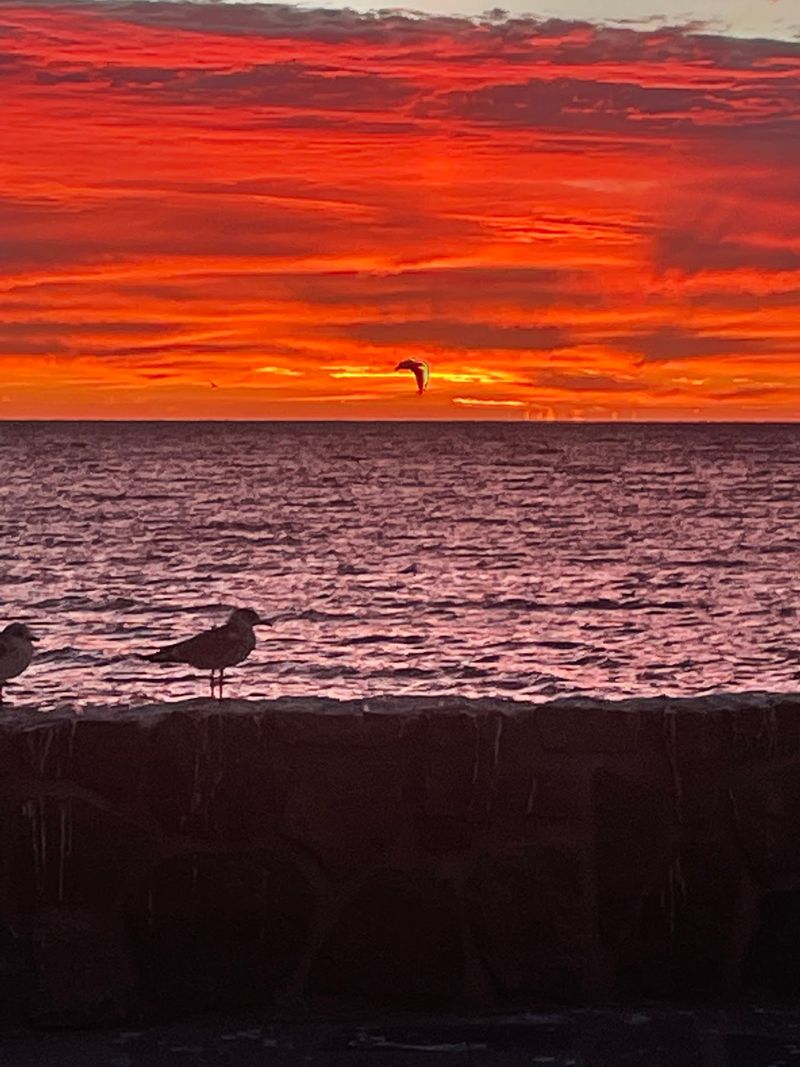
Early risers who make it to the walleye statue before the rest of the world wakes up get something special. The sunrise over Mille Lacs Lake from this spot has earned its own quiet reputation among people who have experienced it.
The light comes up over the water in shades of orange and pink that reflect across the surface in a way that photographs struggle to fully capture.
The morning hours are also when the lake feels most alive with fishing activity. Boats move out from nearby launches in the early gray light, heading to their spots before the sun is fully up.
Watching that happen from the shore while standing next to a giant walleye statue is a strangely perfect Minnesota moment.
The stillness of early morning here is a real contrast to the midday traffic that picks up along the main road. Getting there early is worth the effort on almost any clear day.
Practical Tips for Visiting the Walleye Statue
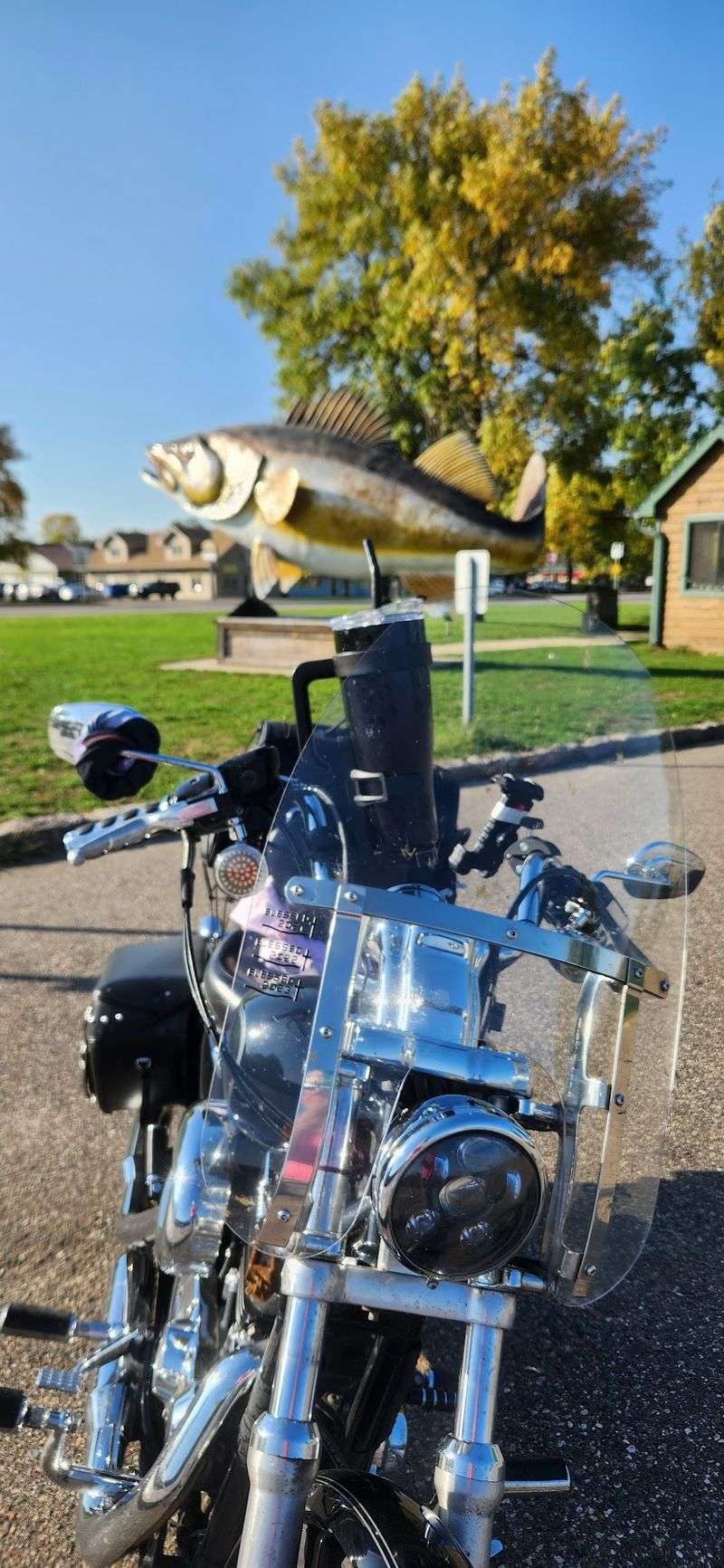
Visiting the walleye statue requires almost no planning, which is part of its appeal. The location is right along the main road through Garrison, making it a natural stopping point rather than a detour.
Parking is available nearby, and the statue is accessible year-round without any admission fee.
The best times to visit are early morning for the sunrise views or late afternoon when the light on the lake is warm and the activity around the waterfront picks up. Midday works too, especially if you are traveling with kids who just need a break from the car.
Bringing a camera is an obvious recommendation because the combination of the sculpture and the lake behind it makes for a genuinely good photo. The statue is large enough to frame well from several angles.
Plan a few extra minutes beyond the quick photo stop because the lake view has a way of holding your attention longer than expected.
Why This Small Town Landmark Deserves a Stop
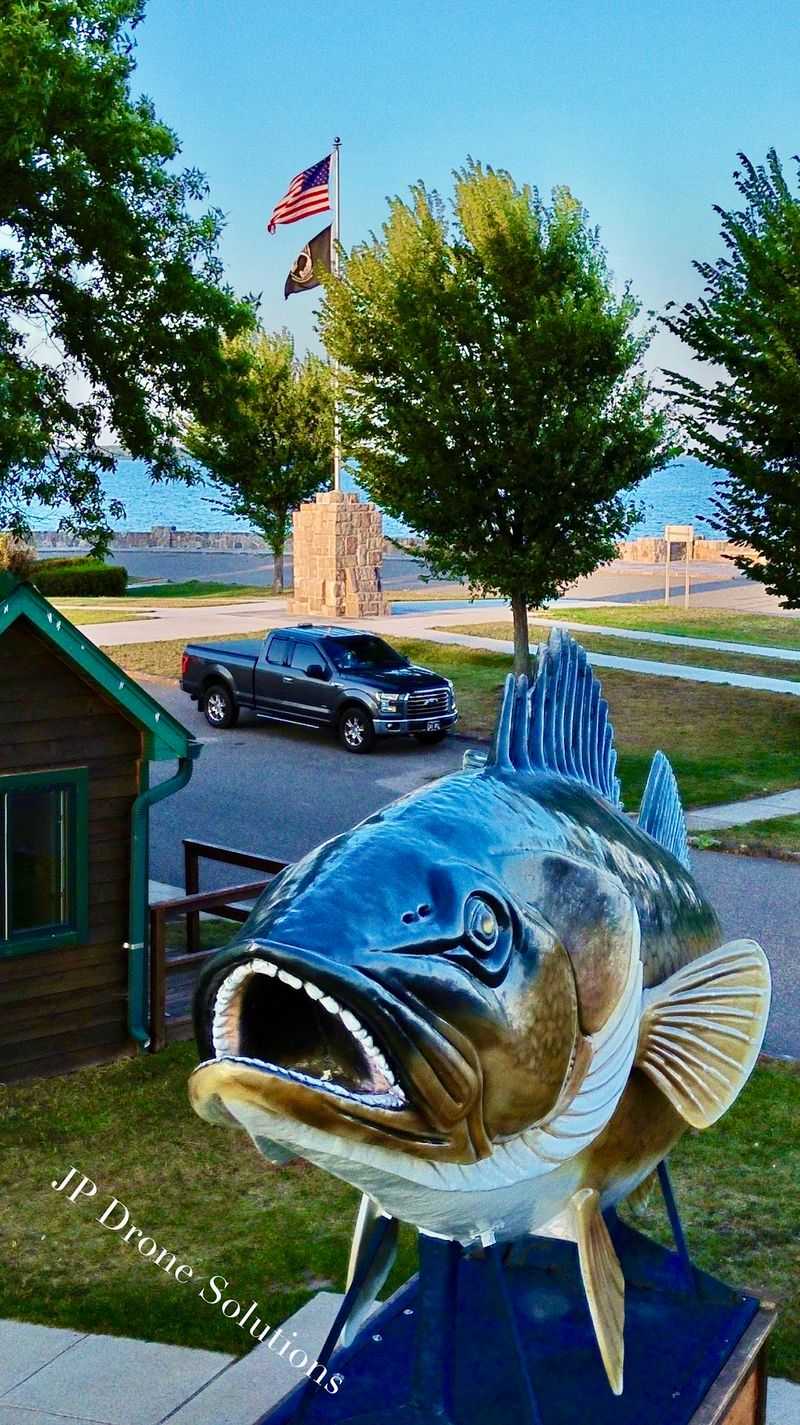
Not every landmark earns its place through size or spectacle alone. The Giant Walleye Statue works because it is honest.
It represents exactly what this part of Minnesota is about: big water, serious fishing, and a community that takes genuine pride in both. There is no pretension here, just a large fish and a beautiful lake.
The statue has been part of road trip culture in this region long enough to carry real nostalgic weight for many Minnesotans. People who grew up stopping here as children bring their own kids now.
That kind of continuity is rare and worth recognizing.
Garrison itself is a small town that does not need to oversell what it offers. The lake speaks for itself, and the statue says everything else that needs to be said.
Passing through without stopping feels like leaving a good story half-read. Give it five minutes and the lake will probably convince you to stay a little longer.
Share this story