The foods sitting in your refrigerator and pantry may seem completely ordinary, but some have surprisingly strange pasts. Everyday staples have been sold as medicine, carried by armies, transformed by accidents, and even blamed for disease.
Behind familiar foods are stories involving ancient civilizations, religious reformers, wartime shortages, and clever marketing. Read on to discover 15 everyday foods with histories that may change the way you look at your next meal.
1. Graham Crackers Started With a Moral Crusade
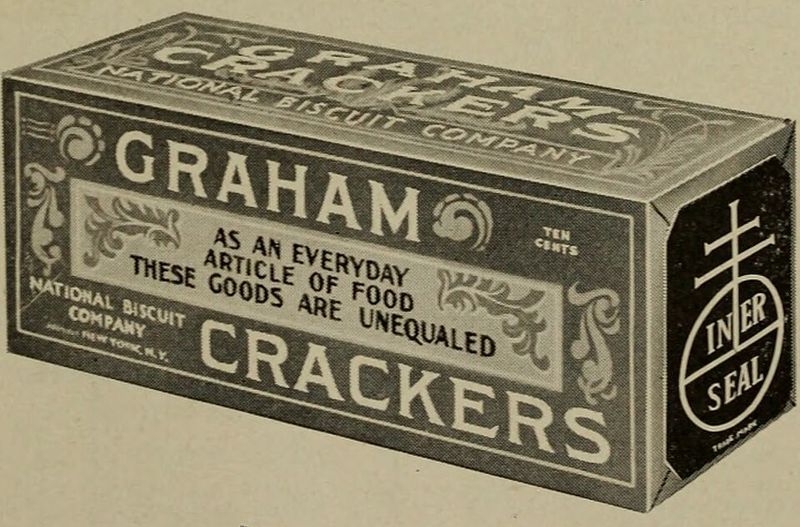
Most people grab graham crackers from the grocery store without giving them a second thought, but their origin sits squarely inside a 19th-century movement focused on diet and moral discipline. Presbyterian minister Sylvester Graham believed that plain, whole-grain food could reduce what he saw as unhealthy urges and promote a more virtuous life.
Graham promoted his ideas during the 1830s and 1840s, advocating for coarsely ground wheat flour and rejecting refined white bread. His followers, sometimes called Grahamites, adopted strict eating habits that included avoiding meat and processed foods.
The cracker that carries his name today would likely horrify him. Modern graham crackers are sweetened with sugar and honey, sometimes coated with chocolate.
Graham’s original vision was a dry, unsweetened, fiber-rich product meant to quiet appetites rather than satisfy them. Commerce transformed his health philosophy into a snack aisle staple.
2. Ketchup Was Once Sold as Medicine
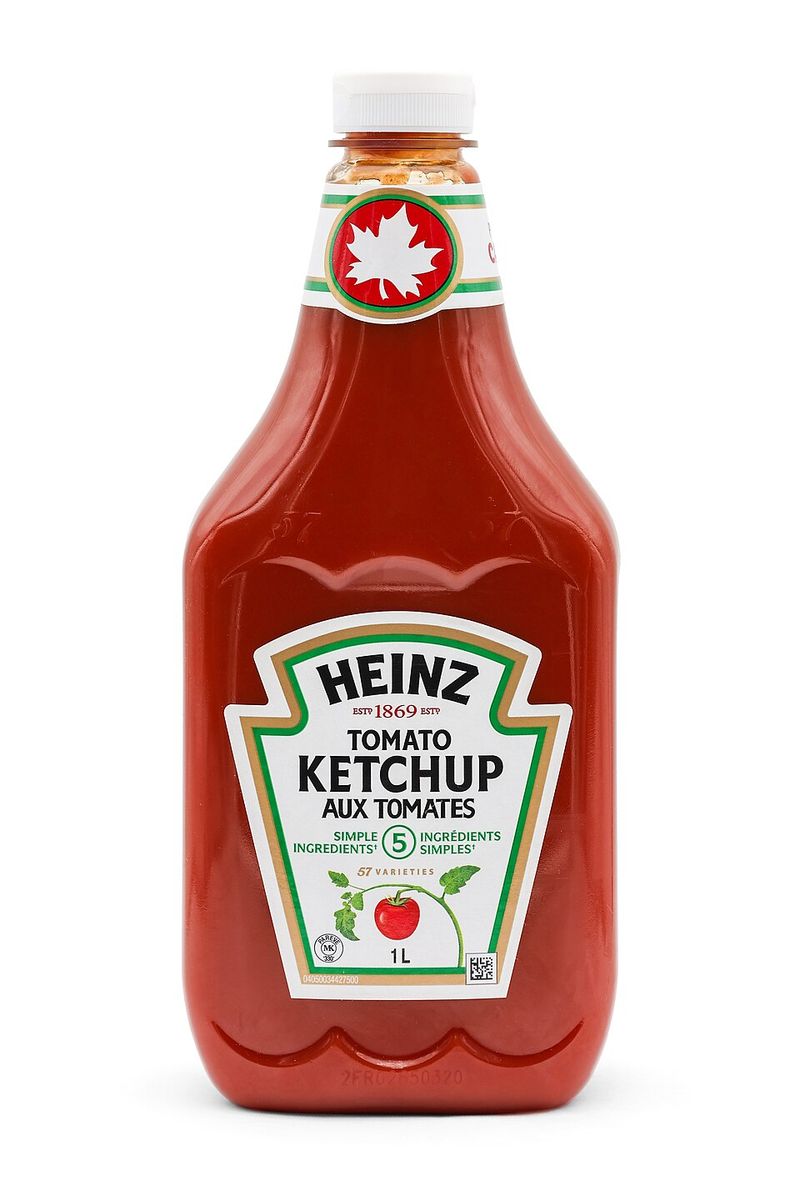
Before ketchup landed on diner tables, it had a surprisingly serious reputation in 19th-century American medicine. In the 1830s, Ohio physician John Cook Bennett publicly promoted tomatoes as a treatment for ailments including indigestion, diarrhea, and liver complaints.
His campaign helped drive demand for concentrated tomato preparations and even tomato pills sold through pharmacies.
These medicinal claims spread quickly because patent medicines were common and largely unregulated during that era. By the 1850s, scientific scrutiny had dismantled most of the health arguments.
The tomato’s reputation quietly shifted from cure-all to condiment.
Interestingly, many Americans had previously considered tomatoes dangerous due to their connection with the nightshade plant family. Bennett’s promotion actually helped normalize tomato consumption.
The medical fad faded, but it left behind a nation far more comfortable eating tomatoes in any form.
3. Corn Flakes Grew Out of a Health Movement
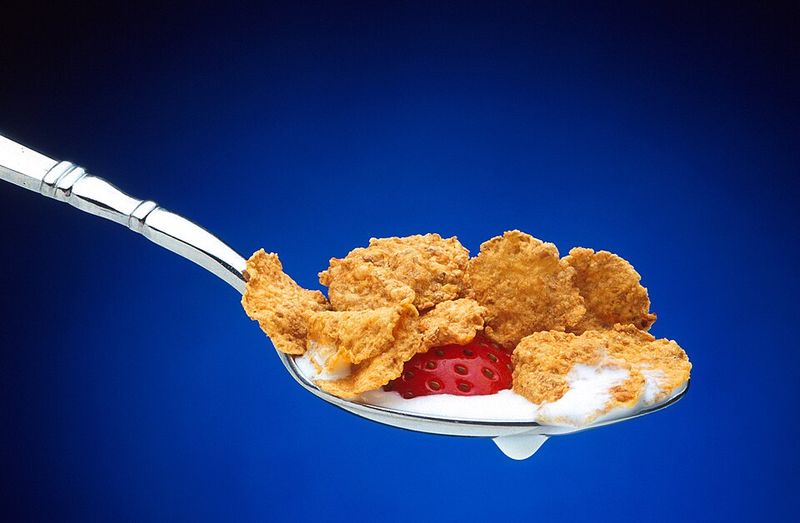
John Harvey Kellogg ran the Battle Creek Sanitarium in Michigan with a firm belief that diet could transform a person’s health. He and his brother Will developed flaked grain cereals in the 1890s as part of a strictly controlled meal program for their patients.
The goal was simple, digestible food that aligned with the sanitarium’s plant-based philosophy.
Will Kellogg saw a commercial opportunity that his brother resisted. After adding sugar to the recipe, Will launched the Battle Creek Toasted Corn Flake Company in 1906, which eventually became the Kellogg Company.
The two brothers famously disagreed over the commercial direction for years.
John Harvey Kellogg never fully approved of the sugared, mass-marketed version of his creation. He continued promoting his health ideas independently.
The cereal that started as a medical diet food became one of the most recognized breakfast brands in the world.
4. Coca-Cola Began as a Patent Medicine
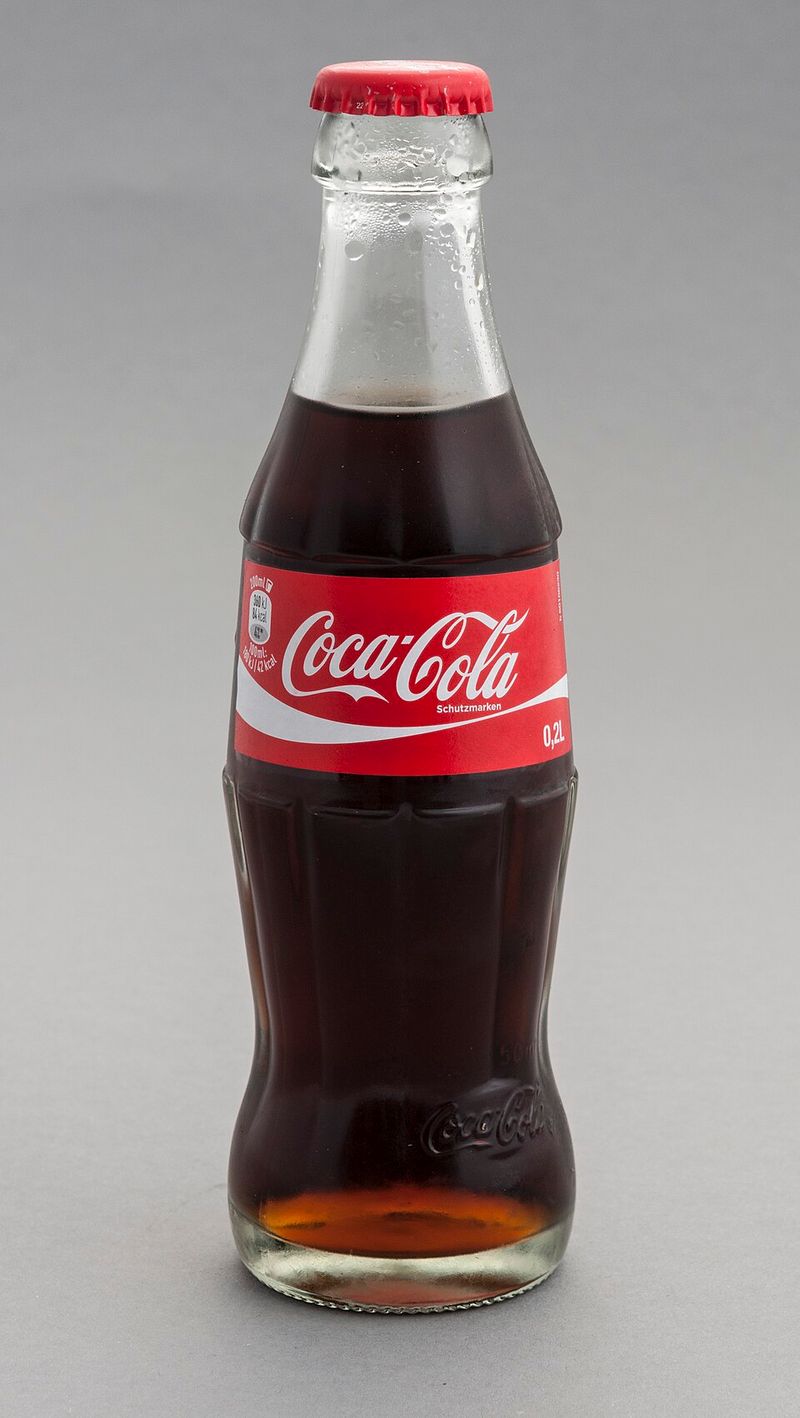
When pharmacist John Pemberton introduced his new syrup in Atlanta in 1886, he sold it at Jacob’s Pharmacy soda fountain and framed it with health-related language common to patent medicines of that period. Early advertisements pointed to the drink as a brain tonic and a remedy for headaches and exhaustion.
The original formula included an extract derived from coca leaves, which contained a stimulating compound, and kola nut extract for caffeine. These ingredients supported the energizing claims Pemberton made to customers.
The drink was mixed with carbonated water at the fountain and sold for five cents a glass.
Pemberton sold his rights to the formula before he could see its full commercial rise. Businessman Asa Candler acquired the brand and aggressively marketed it as a refreshing beverage rather than a medicine.
By the early 20th century, Coca-Cola had shed its medicinal identity almost entirely.
5. Margarine Was Created After Napoleon III Offered a Prize
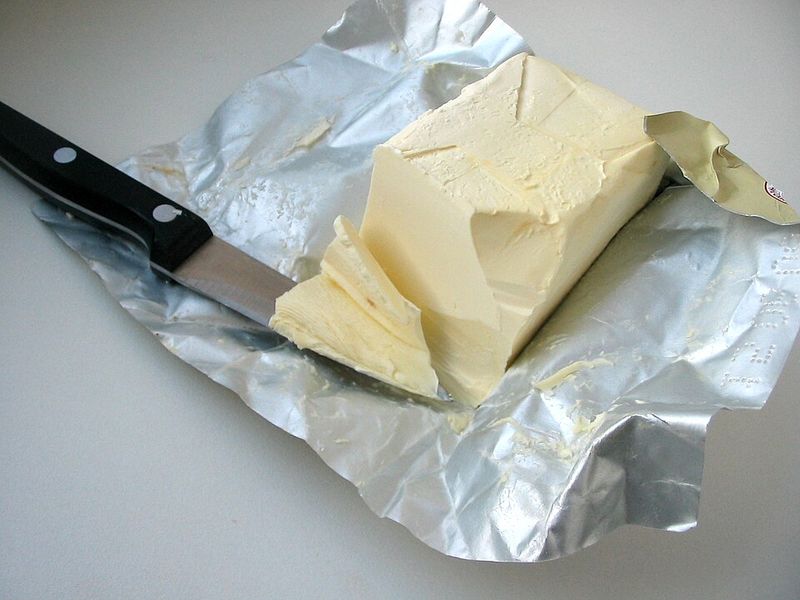
French Emperor Napoleon III faced a practical problem in the 1860s. Butter was expensive and difficult to store, making it unreliable for feeding soldiers and working-class families.
He offered a prize to anyone who could develop an affordable, stable substitute.
Chemist Hippolyte Mege-Mouiries accepted the challenge and patented his creation in France in 1869. His process used beef tallow and skimmed milk to produce a spreadable fat he called oleomargarine.
The name came from margaric acid, a fatty acid he worked with during his research.
The product spread to other countries quickly, though it faced fierce opposition from dairy industries that lobbied for restrictive laws. In the United States, some states required margarine to be dyed pink to make it less appealing.
Those restrictions were gradually lifted, and margarine became a common household product throughout the 20th century.
6. Potato Chips May Not Have Been Invented Out of Spite

The revenge story is entertaining: a chef named George Crum at a Saratoga Springs resort in 1853 allegedly sliced potatoes paper-thin after a difficult customer repeatedly returned his fried potatoes as too thick. The ultra-thin slices became a hit and the chip was born.
It is a clean, memorable story, which is partly why historians treat it with caution.
Printed recipes for thin fried potato slices appear in cookbooks that predate 1853, including an 1824 recipe in Mary Randolph’s “The Virginia Housewife.” These earlier references suggest the idea existed before Crum’s reported moment of frustration.
Saratoga Springs did play a real role in popularizing the snack, and Crum did run a successful restaurant. The chips became known as Saratoga chips and were sold in paper bags and tins.
Whether spite drove the invention or not, the snack found its audience and never looked back.
7. Sandwiches Took Their Name From an English Earl
John Montagu, the 4th Earl of Sandwich, did not invent the concept of putting food between bread. Flatbreads filled with various ingredients appear throughout ancient culinary history across multiple cultures.
What he contributed, somewhat accidentally, was his name.
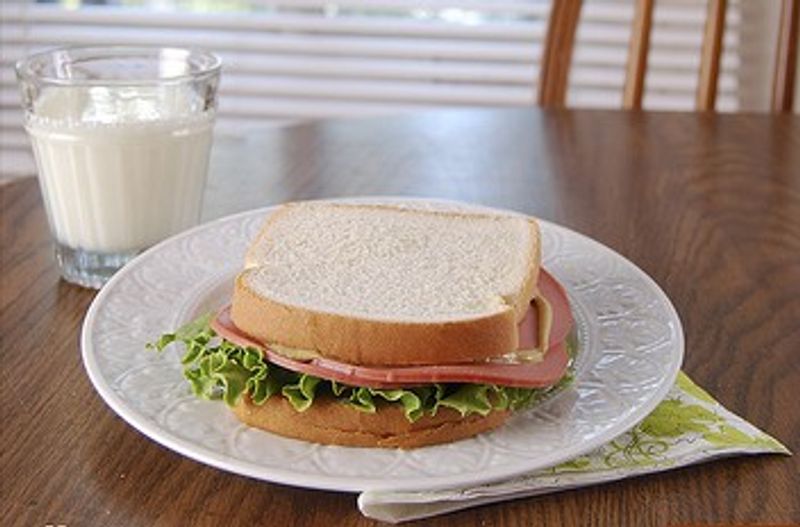
The story most often repeated says Montagu requested meat between bread slices in the 1760s so he could eat without leaving a card game or his work desk. His dining habit was apparently noticed enough that others began requesting “the same as Sandwich.” The name stuck.
Edward Gibbon, the historian, mentioned seeing Montagu eating in this manner in a 1762 journal entry, which gives the story some contemporary grounding. The term “sandwich” spread through English society and eventually crossed into other languages.
Today the word describes an enormous range of foods, most of which Montagu would probably not recognize.
8. Worcestershire Sauce Came From an Experiment Gone Wrong
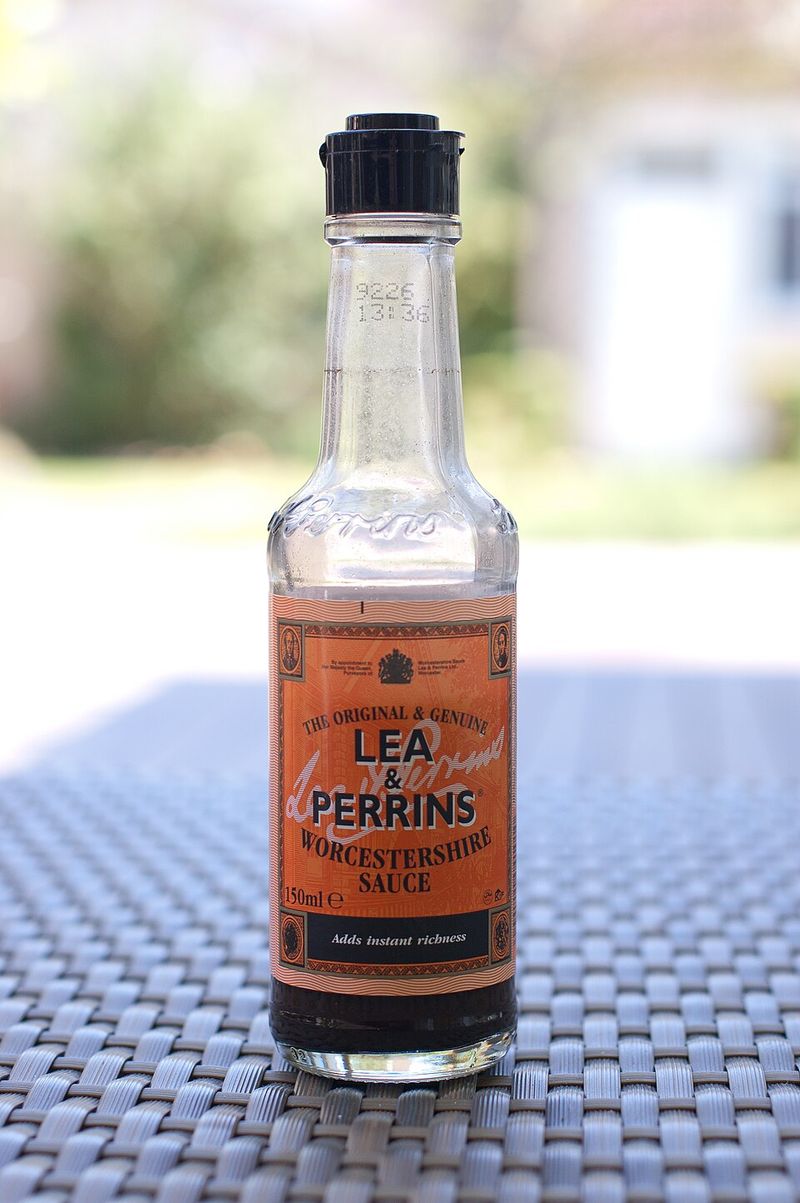
The Lea and Perrins origin story has been repeated for nearly two centuries. According to the company’s traditional account, a nobleman returning from India in the 1830s asked chemists John Wheeley Lea and William Henry Perrins to recreate a sauce he had encountered abroad.
The initial batch was reportedly unpleasant and set aside in barrels.
When the barrels were opened later, fermentation had changed the flavor significantly. The matured sauce tasted quite different from the original batch and was considered good enough to bottle.
Lea and Perrins began selling it commercially in 1837.
Historians have questioned some details of this account, and the nobleman’s identity has never been firmly established. What is clear is that the sauce contains fermented anchovies, vinegar, tamarind, and various spices.
Its complex flavor profile made it a popular addition to British cooking and eventually a globally recognized condiment.
9. Spam Became a Wartime Powerhouse
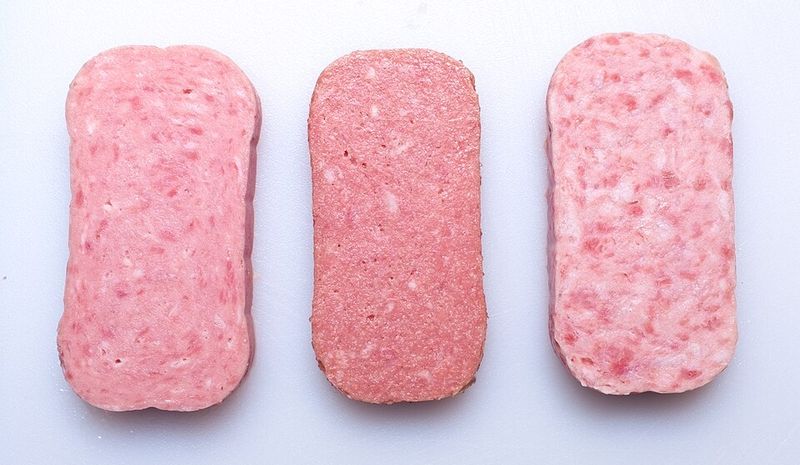
Hormel Foods introduced Spam in 1937 as a practical canned pork product for everyday consumers. Few could have predicted that a global conflict would turn it into an internationally recognized food.
During World War II, the U.S. military needed shelf-stable protein that could be shipped to troops and allied populations without refrigeration.
Spam met those requirements almost perfectly. The United States supplied enormous quantities of canned meat products through the Lend-Lease program, sending shipments to the United Kingdom, the Soviet Union, and Pacific territories.
In places like Hawaii and the Philippines, Spam became woven into local food culture in ways that outlasted the war by decades.
Hawaii today ranks among the highest per-capita consumers of Spam in the United States. Local dishes like Spam musubi, a rice and Spam roll wrapped in seaweed, reflect how deeply wartime supply chains shaped regional cuisine long after the conflict ended.
10. Instant Coffee Was Boosted by War
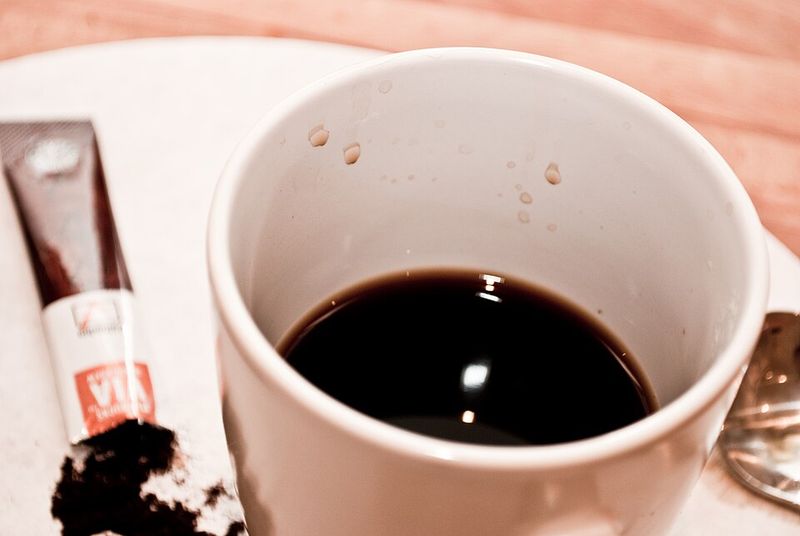
Soluble coffee concentrates had been experimented with since the 1770s, and several patents for powdered coffee appeared in the 19th century. However, widespread adoption required the kind of large-scale demand that only a major conflict could generate.
World War I provided exactly that.
The U.S. military began supplying American soldiers with instant coffee in significant quantities starting around 1917. It was lightweight, required no brewing equipment, and could be prepared quickly in field conditions.
Soldiers came home familiar with the product, which helped build a civilian market.
G. Washington Coffee, patented in 1909 by George Constant Louis Washington, was among the first commercially successful instant coffees.
The military’s bulk orders during the war gave manufacturers both revenue and exposure. Later improvements in spray-drying technology during the 1930s and 1940s made instant coffee taste considerably better, turning it into a permanent fixture in kitchens worldwide.
11. Carrots Weren’t Always Orange

Orange carrots are so standard today that it is easy to assume they were always the dominant variety. Botanical and historical records tell a different story.
Carrots cultivated in Central Asia and the Middle East centuries ago came primarily in purple, yellow, and white varieties. Orange carrots became more prominent in Europe during the 17th century.
A widely circulated claim suggests Dutch growers deliberately bred orange carrots to honor William of Orange, the Dutch royal house. Historians have found no solid documentary evidence to support this tidy explanation.
Orange varieties likely spread due to agricultural selection favoring their taste and storage qualities rather than political loyalty.
The shift toward orange carrots in European markets happened gradually over the 16th and 17th centuries. Today, purple and yellow heritage varieties are experiencing renewed interest among specialty growers and farmers’ market shoppers.
The orange carrot’s dominance is real, but its origin story is more complicated than the popular version suggests.
12. Tomatoes Were Once Feared by Some Europeans

Tomatoes arrived in Europe following Spanish contact with the Americas in the early 16th century. Their reception was uneven.
The plant belongs to the nightshade family, which includes several toxic species, and that botanical connection made some Europeans reluctant to trust the fruit as food.
There was also a practical problem involving wealthy diners. Tomatoes are acidic, and when served on pewter dishes, that acidity could cause the lead in the metal to leach into the food.
Affluent people who ate from pewter plates sometimes became ill after tomato-based meals, which reinforced suspicions about the fruit itself rather than the dinnerware.
Poorer Europeans who ate from wooden plates did not experience the same problem and adopted tomatoes into their diets more readily. By the 18th century, tomatoes had gained acceptance in Mediterranean cuisines.
Their full embrace across northern Europe took considerably longer, with acceptance growing steadily through the 19th century.
13. Lobster Was Once Far Less Glamorous
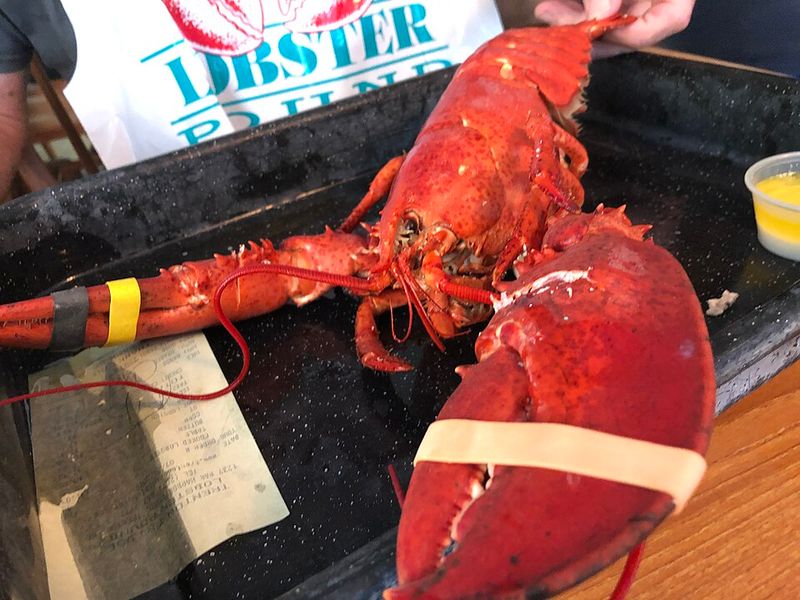
Lobster’s current status as a premium restaurant item is a relatively recent development. In colonial New England during the 17th and 18th centuries, lobsters were so plentiful along the coastline that they were considered low-status food.
They washed ashore in large numbers and were eaten by servants, prisoners, and those with limited means.
Some accounts from the period suggest that indentured servants negotiated contracts that limited how frequently they could be fed lobster, viewing it as undesirable repetitive food. Whether all such accounts are fully accurate, the historical consensus confirms that lobster carried no prestige during this era.
The shift began in the mid-19th century when railroad expansion allowed fresh lobster to be transported inland to urban markets where it was genuinely novel. Restaurants in cities far from the coast served it as a special item.
Changing transportation and perception turned a coastal staple into a luxury good within a few decades.
14. Pretzels May Have Begun as a Religious Food
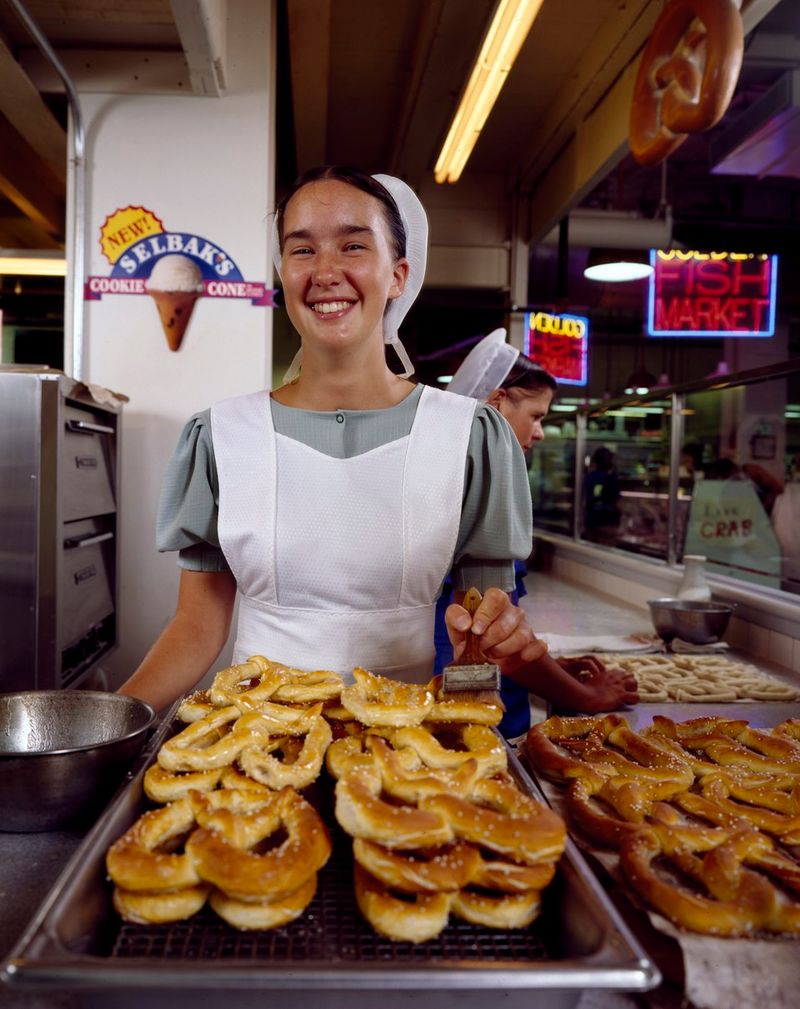
The pretzel’s shape and its association with Christian religious practice appear repeatedly in historical accounts, though the exact origin remains uncertain. One tradition places the pretzel’s creation in early medieval European monasteries, where simple baked goods made from flour, water, and salt fit within Lenten fasting guidelines that restricted richer ingredients.
The crossed or folded arms shape of the pretzel was said to represent arms folded in prayer, giving the bread symbolic meaning beyond its ingredients. Pretzels became associated with Lent and Easter in parts of Germany and surrounding regions.
Historical records do show pretzels appearing in German-speaking areas as early as the 12th century.
The popular story crediting a specific monk with inventing pretzels as rewards for children who memorized prayers lacks firm documentary support. Despite uncertain origins, the pretzel spread widely through European baking traditions and eventually became a staple of German-American food culture, particularly in Pennsylvania.
15. Popsicles Were Popularized by a Childhood Accident Story

Frank Epperson’s account of the Popsicle’s origin became one of the most repeated food invention stories in American popular culture. According to his telling, he was 11 years old in 1905 when he accidentally left a mixture of flavored soda powder and water outside with a stirring stick in it.
Overnight temperatures dropped and the mixture froze solid around the stick.
Epperson did not immediately commercialize the idea. He applied for a patent in 1923 and began selling the frozen treat at an amusement park in Alameda, California.
His children called them “Pop’s sicles,” which reportedly influenced the product name. He sold rights connected with the product to the Joe Lowe Company in 1925.
Some details of the 1905 story are difficult to verify through independent records, and historians note that frozen treats on sticks existed in various forms before Epperson’s patent. The childhood accident narrative, however, proved remarkably durable and became central to how the brand marketed itself for generations.
Share this story