Some of the biggest puzzles from history are not buried in secret vaults. They sit in deserts, on islands, in museums, and on hilltops, waiting for someone to crack the code.
This list gathers fifteen ancient mysteries, from scripts nobody can read to giant stone monuments that still raise questions. Each one has been studied by experts for years, and each one still has gaps in the story.
Some involve lost languages. Others involve clever engineering or buildings with purposes we only partly understand.
If you enjoy history, travel, or simply a good puzzle, these stops offer plenty to talk about. Keep this list handy for your next trivia night or road trip planning session.
The Indus Valley Script, Pakistan and India
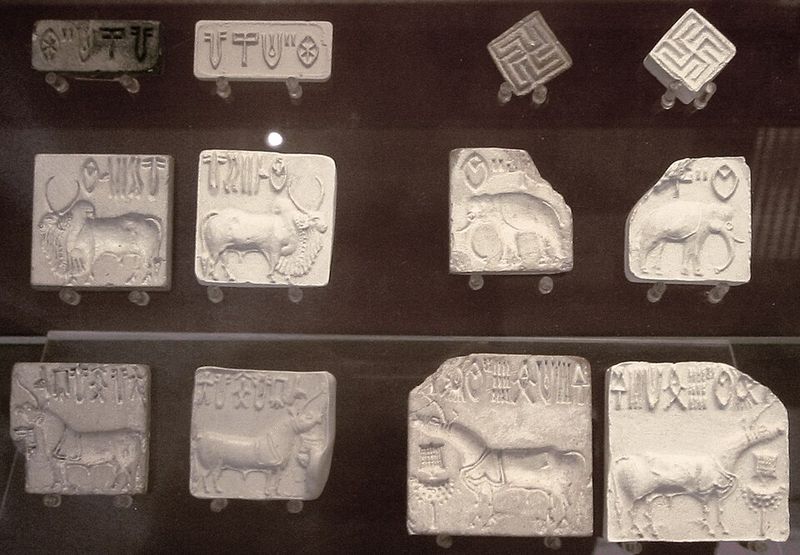
Thousands of tiny seals carry a message nobody alive can read. The Indus Valley Civilization built well-planned cities, yet its writing system has never been deciphered.
Most inscriptions are very short, just a handful of symbols on seals and other objects. Scholars have no long text to study and no bilingual translation to use as a key.
That makes it hard to even guess which language sits behind the signs.
Experts also debate whether every symbol stands for spoken language at all. Some think the marks could work in other ways.
Cracking the script could change what we know. It might reveal how the cities were governed, how trade worked, what people believed, and how families lived day to day.
For now, the seals keep their secrets, and researchers keep comparing patterns, hoping a lucky discovery will finally unlock them.
The Antikythera Mechanism, Greece
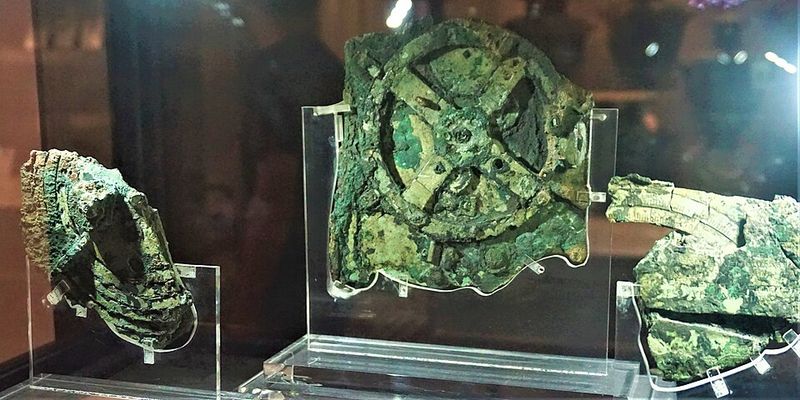
A lump of corroded bronze pulled from a shipwreck turned out to be packed with gears. Divers found it near the Greek island of Antikythera, and it still amazes people today.
Researchers have shown that the device could track astronomical cycles and predict eclipses. That is why many call it an early analog computer.
Only part of the original machine survives, though, so big questions remain. How was the full design arranged?
What else could it display? Who built it, and how many others existed?
Modern imaging and mathematical modeling keep adding pieces to the puzzle. Each new study helps experts picture how the missing sections might have looked.
It is a reminder that ancient Greek craftsmen worked with surprising skill, and that one small wreck find can rewrite what we assume about old technology.
The Nazca Lines, Peru
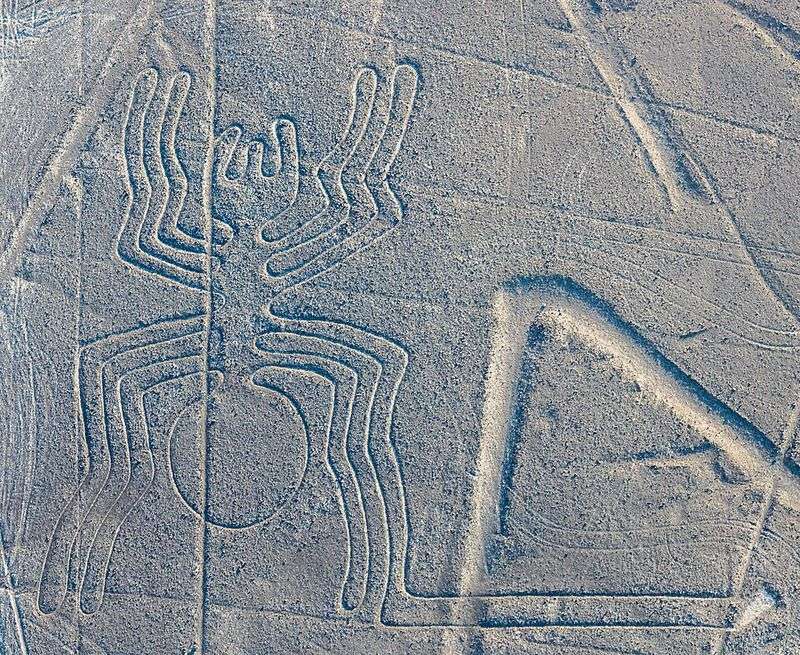
From the ground, the Nazca Lines look like faint scratches in the desert. From the air, they turn into giant animals, plants, and perfectly straight lines stretching across southern Peru.
Ancient societies created the designs over many centuries. Researchers link many of them to religious ceremonies and symbolic landscapes.
Beyond that, the picture gets fuzzy. Experts are still working out the exact meanings, and it seems different figures may have had different uses over time.
Archaeologists keep studying how the lines relate to nearby communities and the paths people walked. The goal is to understand why so much effort went into making images so large and so lasting.
UNESCO recognizes the site as a World Heritage property, which helps protect the fragile desert surface for future study.
The Phaistos Disc, Crete, Greece
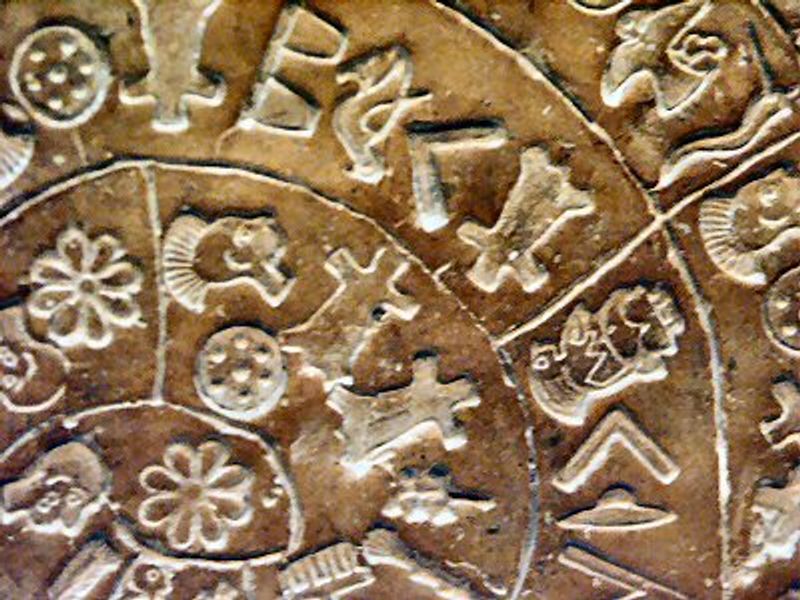
Clay disc stamped with tiny pictures in a spiral, that is the Phaistos Disc, found in 1908 at the Minoan palace of Phaistos on Crete.
Both sides carry symbols that look pressed into the clay rather than written by hand. That detail alone sets it apart from most ancient inscriptions.
Many researchers have offered translations over the years. None has won general acceptance among scholars.
The biggest obstacle is the small amount of text. With so few signs, there is not enough material to test a theory properly.
Its language, message, and purpose are all still open questions. Whether it is a prayer, a list, a game, or something else entirely, the disc remains one of the most famous riddles from the ancient Aegean.
Stonehenge, Wiltshire, England
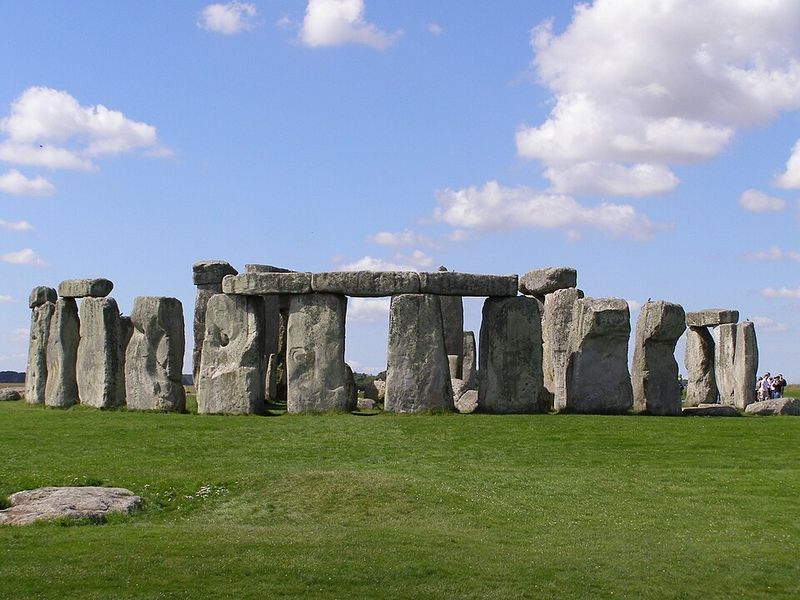
Stonehenge lines up with the summer and winter solstices, and that precision still gets people talking. Its massive standing stones were placed with real care on the plains of Wiltshire.
Archaeologists recognize that the monument had ceremonial and funerary importance. What they cannot yet say is exactly how its purpose shifted over time.
The people who built it also remain partly a mystery. How were those communities organized, and how did they gather the labor needed for such a project?
Work on nearby settlements, burial practices, and the wider prehistoric landscape keeps turning up fresh details. The stones are only one chapter, and the land around them tells the rest.
UNESCO lists Stonehenge as a World Heritage Site, so it is well studied, yet still full of unanswered questions.
Göbekli Tepe, Şanlıurfa, Turkey
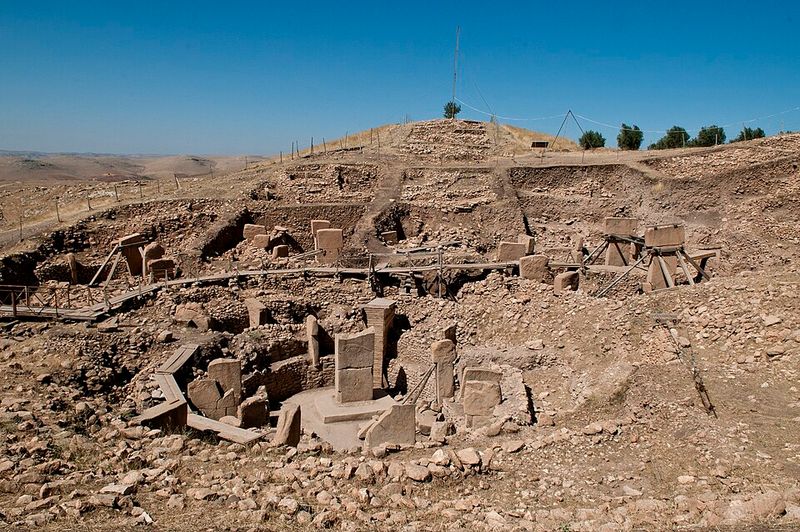
Dating to around 9600 BCE, Göbekli Tepe is older than farming villages once thought necessary for building big monuments. It rose when people were slowly shifting from hunting and gathering toward agriculture.
Giant T-shaped pillars stand in its stone structures, many carved with animals and other symbols. Researchers believe the buildings served communal and ritual purposes.
The exact meaning of the carvings, though, is still unclear. So is the way the community behind the site was organized.
Newer finds have shaken up old ideas. Evidence of domestic structures suggests the place was not used only for ceremonies, which complicates the earlier picture.
Each season of excavation adds nuance, and the hilltop near Şanlıurfa keeps challenging how we think about the start of settled life.
The Rongorongo Script, Rapa Nui, Chile
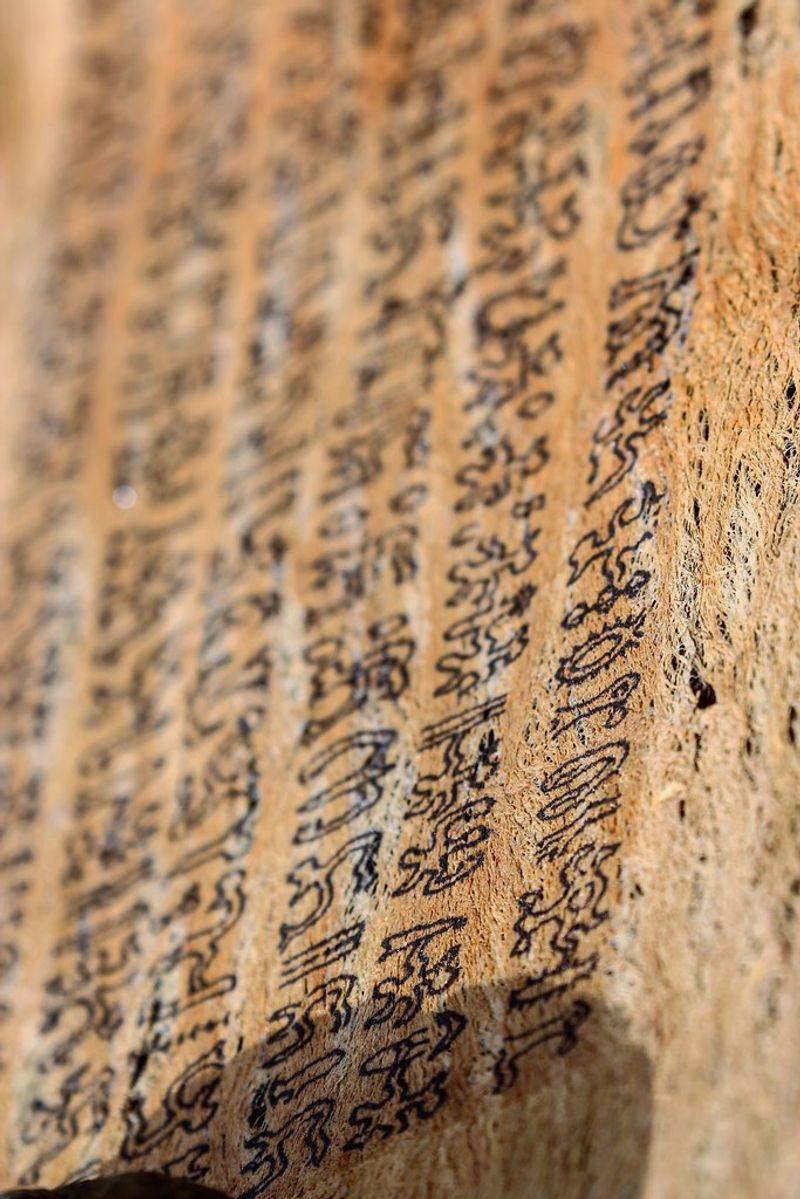
Only a few wooden objects survive from Rapa Nui with rows of strange carved figures. That script is called Rongorongo, and nobody has settled what it says.
The signs include humanlike forms, animals, and other distinct shapes. Scholars have not agreed on a decipherment.
They have not even confirmed that Rongorongo is a full writing system. It might record language, or it might serve another purpose, such as helping with memory.
Timing is another puzzle. Experts still ask when it developed and whether it arose independently on the island.
With so few examples left, there is little to compare, which makes progress slow. Every tablet is precious evidence, and each one reminds us how much knowledge can fade when only fragments remain.
The Great Pyramid’s Hidden Spaces, Giza, Egypt
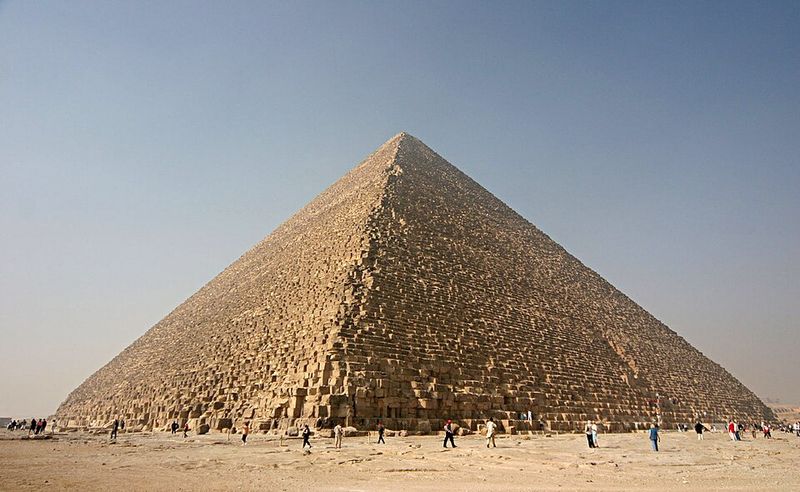
More than 4,500 years after construction, the Great Pyramid still has surprises. Noninvasive imaging has revealed spaces inside that nobody knew about.
One of them is a corridor behind the northern entrance area. Scientific studies published in 2025 explored it further using advanced geophysical methods.
Experts already understand a lot about how Egyptians built pyramids. Even so, the exact functions of some internal spaces are unknown.
That is what makes the findings exciting. A monument studied for centuries can still hide features, and new technology lets researchers look without damaging anything.
The pyramid at Giza teaches a useful lesson: famous does not mean fully solved. Future scans may answer old questions, and they will probably raise a few fresh ones too.
The Moai Statues, Rapa Nui, Chile
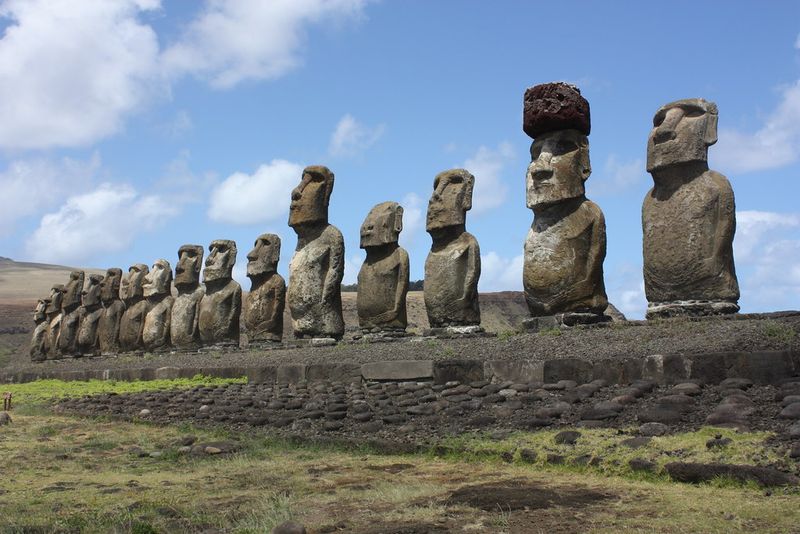
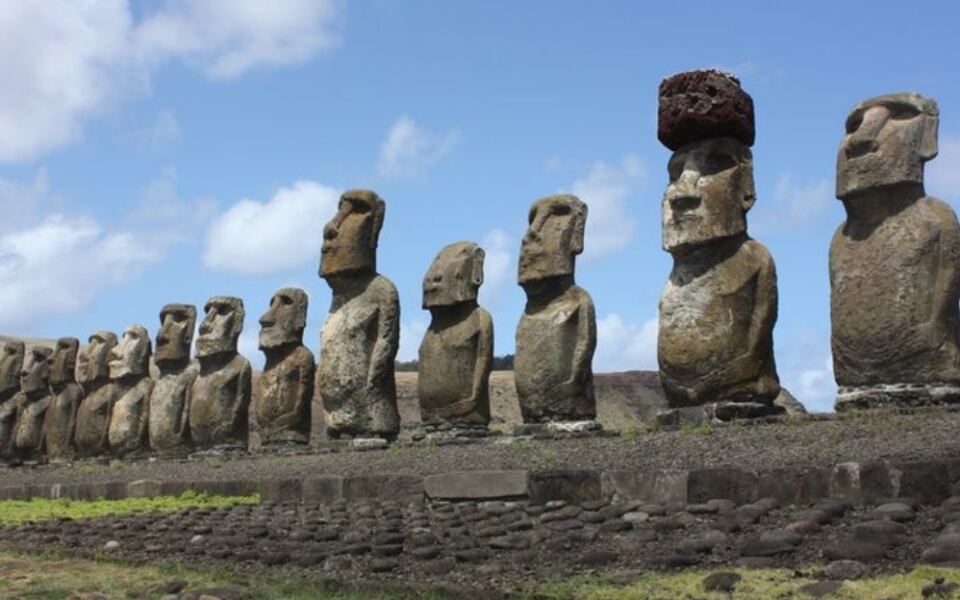
Hundreds of stone giants dot Rapa Nui, and moving them is half the mystery. Carved mostly from volcanic rock, the moai traveled from quarries to ceremonial platforms around the island.
People have debated how for generations. A 2025 archaeological study gave new support to the idea that workers moved statues upright, using ropes and controlled rocking motions.
That offers a convincing answer for transportation. It does not explain everything.
Questions remain about what the statues meant to the islanders and how traditions around them changed over time. Experts continue to study the quarry, the roads, and the platforms to piece together more of the story.
The moai show how much planning and teamwork ancient communities could achieve with human strength and smart technique.
The Roman Dodecahedrons, Europe
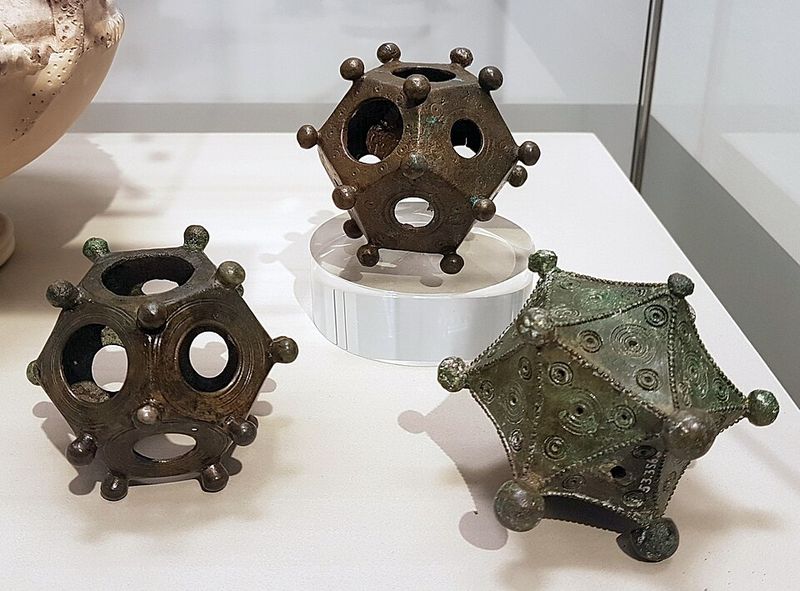
Hold one in your hand and you would still have no idea what it was for. Roman dodecahedrons are small, hollow, twelve-sided metal objects with round holes and knobs at the corners.
Archaeologists have found them across parts of northern Europe and Britain. Yet no known Roman text clearly explains their purpose.
Ideas range from measuring tools to ceremonial items. None has been proven.
The craftsmanship adds to the puzzle. Making each one took real skill, so they were clearly not thrown together casually.
The silence in the written record makes them even stranger, since Romans documented so much else. Until a definite clue turns up, these odd little objects remain a favorite conversation piece for history fans.
The Inca Quipu, Peru
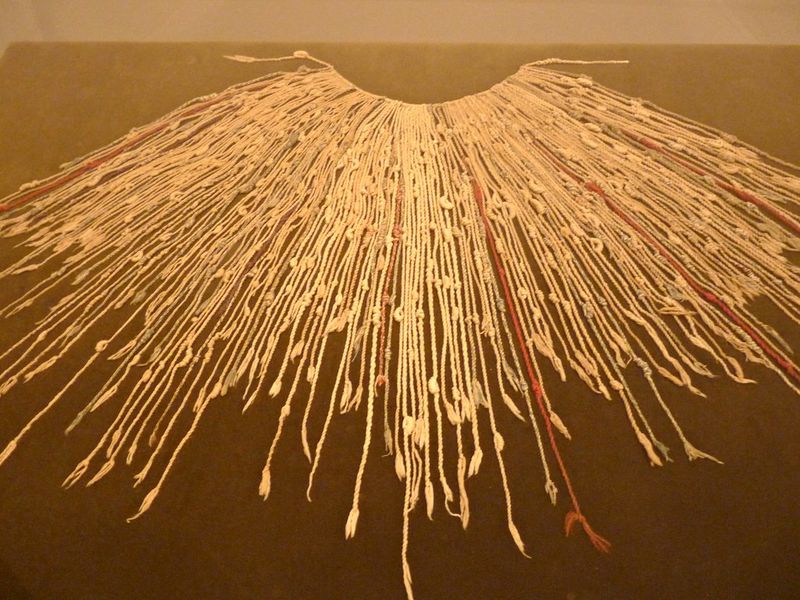
The Inca ran a huge empire without a known alphabet, and cords played a big part. Quipus, also spelled khipus, used colored strings and carefully arranged knots.
These objects recorded numbers and helped administrators manage resources across a vast territory. Researchers have learned to read many of the numerical patterns.
The bigger question is whether some quipus held more than numbers. Stories, names, and other nonnumerical information are still being investigated as possibilities.
Knot direction, color, and cord arrangement may carry extra meanings that have not been fully decoded. Each new study of a collection adds clues.
It is a fascinating example of record keeping that looks nothing like paper and ink, and it shows how many ways people can store information.
The Plain of Jars, Xieng Khouang, Laos
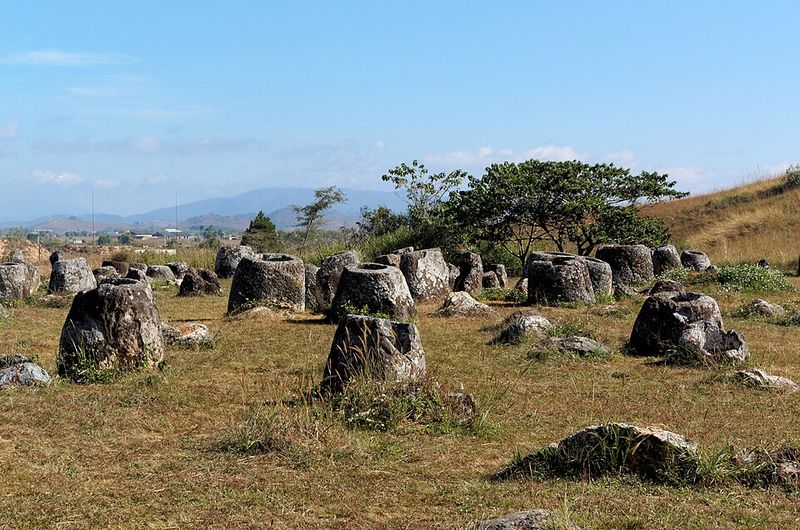
Thousands of giant stone jars sit across the hills and valleys of central Laos. Many date to the Iron Age, and some took serious effort to carve and haul into place.
Archaeological evidence links the jars to ancient funerary practices. That much is fairly well supported.
Beyond it, there is a lot researchers do not know about the communities behind them. Which burial rituals took place?
How were the heavy stones moved? Why were certain spots chosen?
Those questions keep teams returning to the sites in Xieng Khouang. UNESCO recognizes the landscape as a World Heritage property, which supports its care and study.
The jars are a striking sight, and they leave plenty of room for new discoveries about the people who made them.
The Sacred Galleries of Chavín de Huántar, Peru
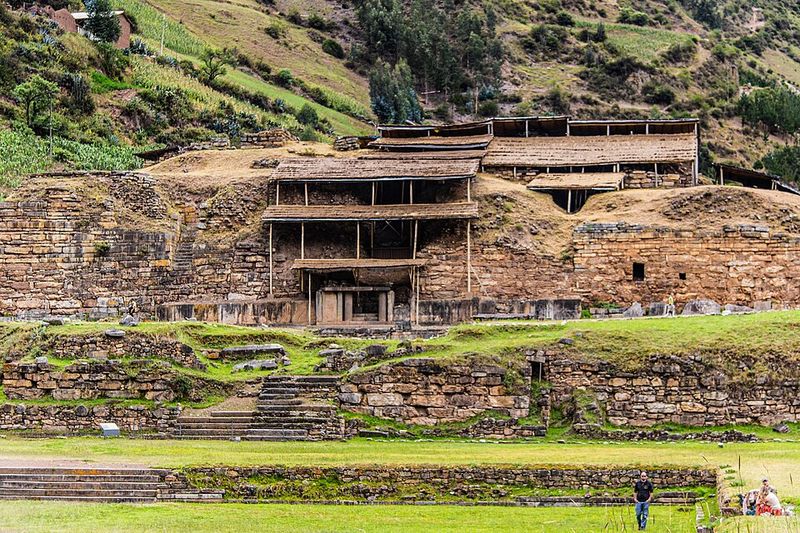
Under the stone temples of Chavín de Huántar runs a maze of galleries and passages. Ventilation shafts and drainage channels were built into the design too.
This ancient religious center drew communities from different parts of the Andes. Its architecture and carvings point to complex spiritual traditions.
Researchers are still studying what the religious imagery meant. They also want to know exactly what happened inside the enclosed spaces.
The engineering gives clues. Careful planning shaped how people moved through the site and how ceremonies may have been staged.
UNESCO lists Chavín de Huántar as a World Heritage Site. It is a fitting final stop, because it shows how much ancient builders could achieve and how much is still left to learn.
Share this story