Crazy Horse is one of the best-known leaders in American Indian history. He was an Oglala Lakota warrior who stood against the U.S.
Army as settlers and soldiers pushed onto Lakota land. His life was short, but his story still shapes how people remember the Great Plains wars.
Here are twelve facts that explain who he was and why he still matters.
1. Crazy Horse Was Born Around 1840
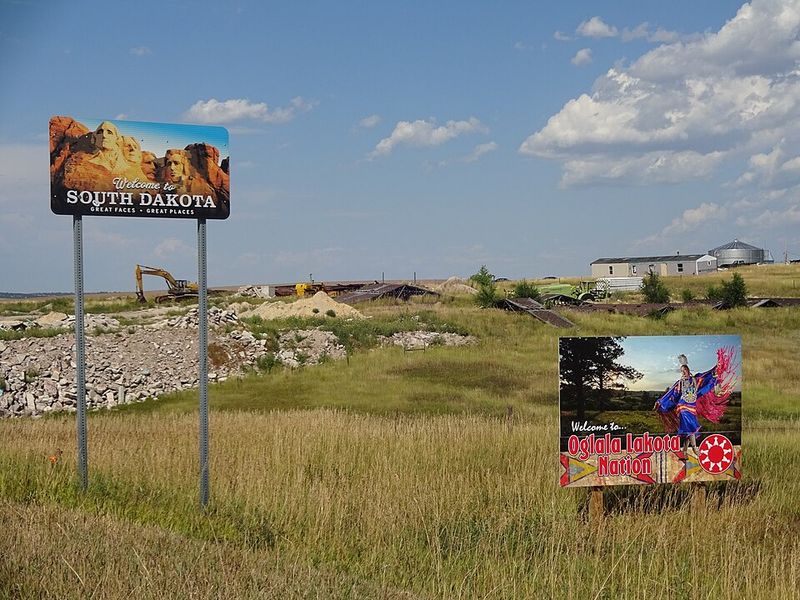
Some lives begin without a clear record, and his is one of them. Crazy Horse was born around 1840 on the northern Great Plains, but historians cannot say exactly where or on what day.
Lakota families of that time did not keep written calendars. Instead, they remembered years by major events, often painted or told in winter counts.
That makes it hard to match a birth to a date on a modern calendar.
He belonged to the Oglala Lakota, one of the major divisions of the Lakota people. The Oglala moved with the seasons, following buffalo herds across wide stretches of grassland.
Growing up in this world taught him to ride, hunt, and read the land. Those early skills would shape the rest of his short life, and they help explain why people still try to piece together the details of his childhood today.
2. His Lakota Name Was Tȟašúŋke Witkó
A name can carry a whole family story. In the Lakota language, he was known as Tȟašúŋke Witkó, a phrase usually translated into English as Crazy Horse.
Lakota accounts say he had a different name as a child. He later received the name Crazy Horse from his father, who had carried it before him.
Passing a name from father to son was a mark of respect and trust.
The English version can sound odd, and many scholars note that it does not fully capture the Lakota meaning. Some translations lean toward the idea of a spirited or untamed horse.
Either way, the name became famous far beyond Lakota communities. Today, learning the original Lakota form is one simple way to honor the language and culture he came from.
3. He Became Known for His Courage at a Young Age
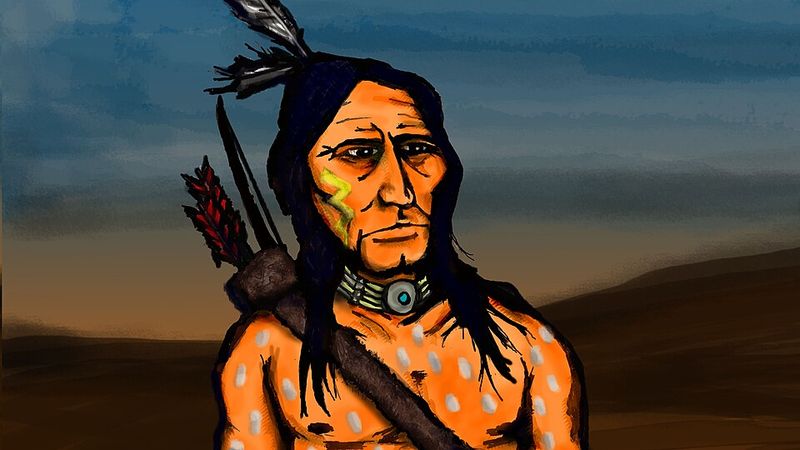
Picture a young rider moving across open grassland as if he and his horse were one. That is the image many accounts paint of Crazy Horse in his youth.
He built a reputation as a skilled horseman and a brave warrior. As a young man, he took part in conflicts with rival Native nations, which was common on the Plains at the time.
These early experiences gave him standing among his people.
Later, that standing grew into leadership. When American military forces began to push into Lakota country, many warriors looked to him for direction.
He was known to be quiet and humble, and he reportedly gave away much of what he won in battle. Courage combined with modesty made him someone people wanted to follow.
4. He Refused to Accept the Loss of Lakota Territory
Land was at the center of everything. For the Lakota, the Black Hills were sacred, and giving them up was never a simple trade.
As settlers, miners, and soldiers moved west, pressure on Lakota territory grew. Crazy Horse opposed efforts to confine his people to reservations.
He wanted them to keep living freely on the lands they had always used.
Tension rose sharply after gold was discovered in the Black Hills in 1874. Miners poured into the region, even though earlier agreements had protected the area.
The U.S. government then pressed the Lakota to sell or give up the land. Many refused, and the dispute pushed both sides toward open war.
The question of who rightfully owns the Black Hills is still argued today.
5. He Played a Major Role in the Battle of the Rosebud
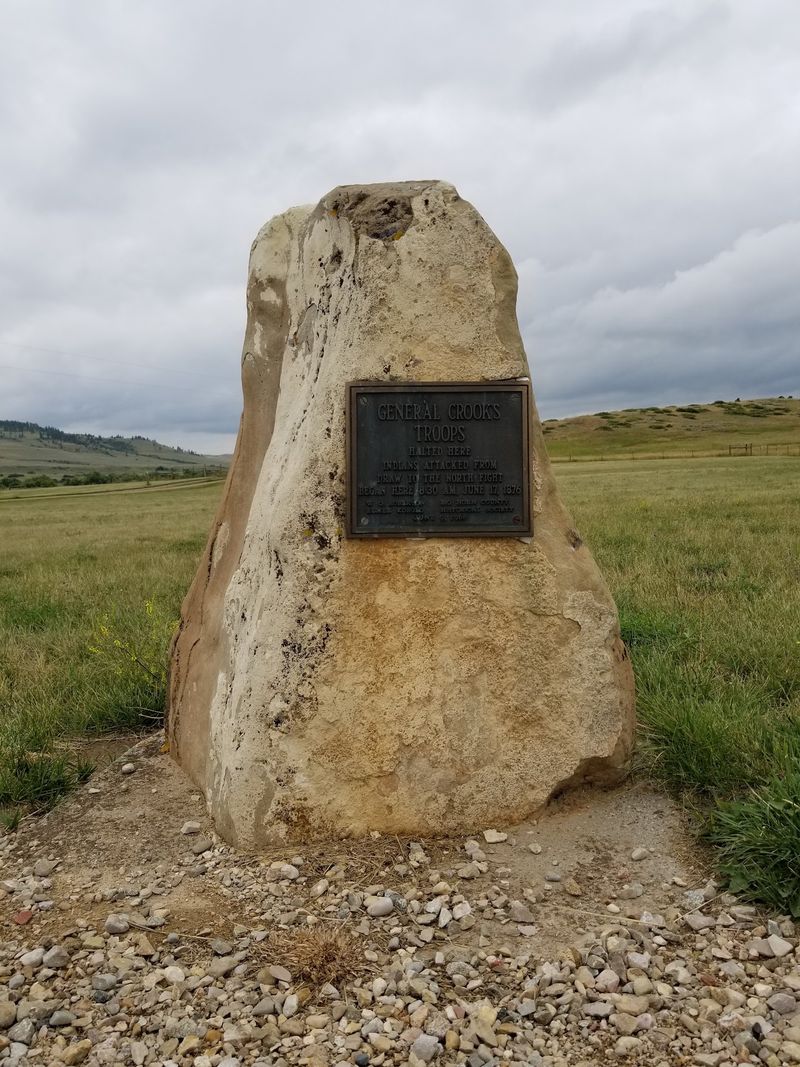
June 17, 1876, was a turning point in the Great Sioux War. On that day, Crazy Horse helped lead Lakota and Cheyenne warriors against troops under General George Crook in Montana Territory.
The fight at Rosebud Creek lasted for hours. Native fighters used quick movements and repeated charges to keep the soldiers off balance.
In the end, Crook’s force pulled back from the field.
The result mattered well beyond the battlefield. Crook’s troops had been expected to join other U.S. forces advancing toward Native camps.
Because they withdrew to rest and resupply, that plan fell apart. Many historians see the Rosebud as an important step that shaped what happened next along the Little Bighorn River.
6. He Helped Defeat Custer at Little Bighorn
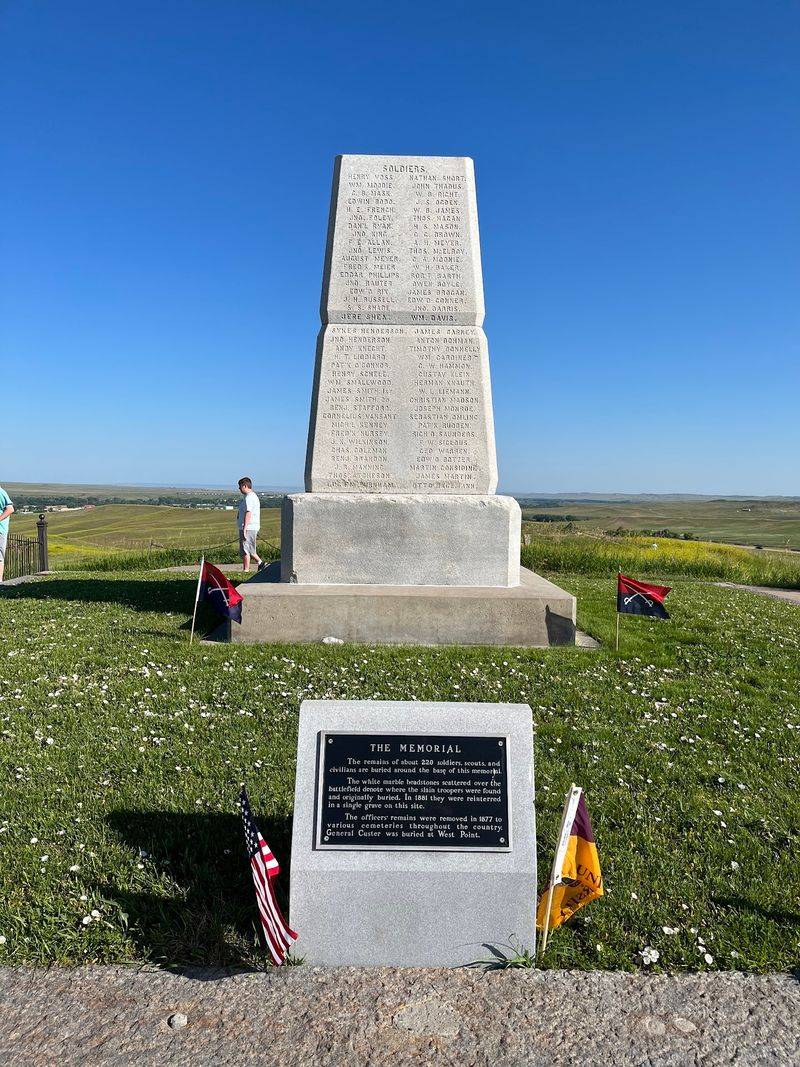
Only eight days after the Rosebud, a far larger clash unfolded. On June 25, 1876, Crazy Horse took part in the Battle of the Little Bighorn.
Lakota, Northern Cheyenne, and Arapaho warriors faced the U.S. 7th Cavalry. They overwhelmed five companies of soldiers, including the men under the direct command of Lieutenant Colonel George Armstrong Custer.
Custer and those soldiers were killed.
The battle is often called Custer’s Last Stand, yet it was also a major Native victory. It showed that united Plains nations could defeat a modern army unit.
The win did not last, however. The U.S. government responded with more troops and tougher pressure, and the months afterward became very hard for the Lakota and their allies.
7. His Battlefield Tactics Made Him a Formidable Opponent
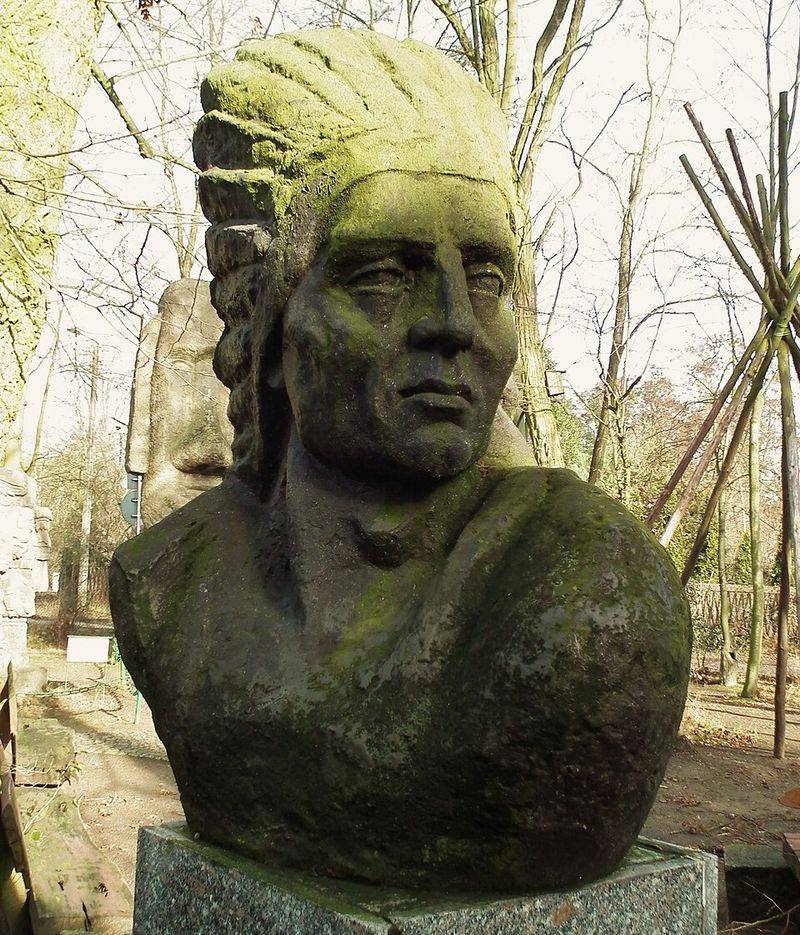
Speed was his greatest strength. Crazy Horse was known for quick movement, fine horsemanship, and a talent for guiding warriors through fast-changing fights.
Rather than standing in fixed lines, Native fighters often used mobility to strike, pull back, and strike again. This approach could confuse soldiers who were trained for more rigid formations.
Crazy Horse’s leadership helped turn that style into a real threat.
His forces were often outgunned and short on supplies, yet they still challenged better-equipped American units. This was especially clear during the Great Sioux War of 1876 to 1877.
Military officers of the time took him seriously, and many accounts show they respected his skill even as they opposed him. His methods are still studied by historians of Plains warfare.
8. No Authenticated Photograph of Him Exists
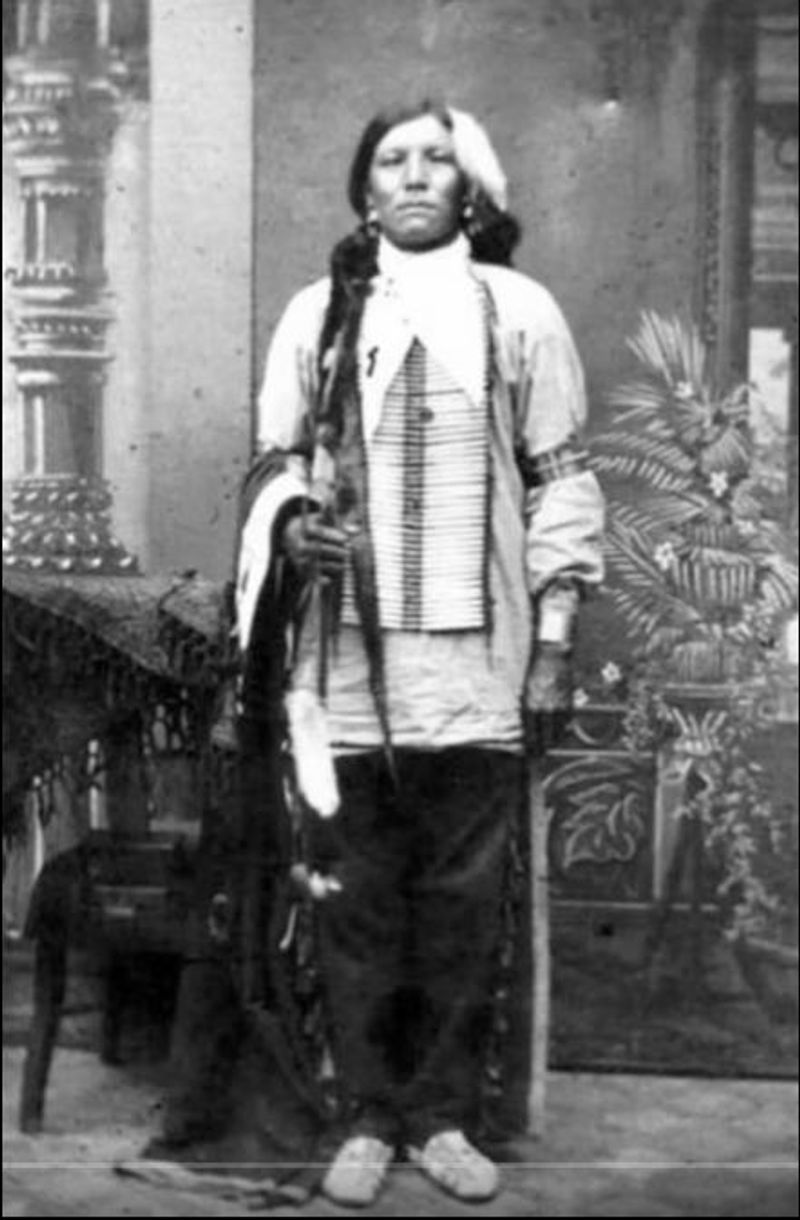
Here is a surprising twist for such a famous figure: nobody has proved that a real photograph of him exists. Several images have circulated under his name over the years.
Historians have looked closely at these pictures and questioned their authenticity. The sources are often unclear, and the evidence linking them to Crazy Horse is weak.
No image has been conclusively authenticated.
Some accounts suggest he avoided being photographed, though that point is debated. What is certain is that the lack of a verified portrait adds to his sense of mystery.
When you see a picture labeled as Crazy Horse, it is wise to check where it came from. Artists have created many drawings and paintings, but those show imagined faces rather than documented ones.
9. He Surrendered in May 1877
After a long and punishing stretch, the fighting slowed. Months of military pursuit, a harsh winter, and shrinking food supplies wore down Crazy Horse and his followers.
On May 6, 1877, he surrendered at the Red Cloud Agency in Nebraska. Many of his people were weak and hungry, and continuing to resist had become extremely difficult.
His arrival drew a large crowd of both Native people and soldiers.
The surrender marked a major turning point in organized Lakota military resistance. With one of their best-known leaders now at the agency, the U.S.
Army could focus on enforcing reservation life. Still, his time there was uneasy, and rumors and mistrust soon began to spread among officers and other leaders.
10. He Died at Just About 37 Years Old
His life ended suddenly and far too soon. On September 5, 1877, Crazy Horse was fatally wounded at Fort Robinson in Nebraska.
Soldiers were trying to place him in confinement when a struggle broke out. A soldier’s bayonet struck him, and he died later that night.
He was about 37 years old.
Exactly what happened remains disputed. Accounts differ on how the struggle began and who was responsible for the stabbing.
Army reports, Lakota memories, and other witnesses do not fully agree. Because of this, historians continue to compare sources carefully.
His death is remembered by many Lakota people as a deep loss and as a sign of the broken trust between their nation and the government.
11. His Burial Place Remains Unknown to the Public
Some secrets are kept on purpose. After Crazy Horse died, his family took his remains and moved them to a place that was never made public.
Many people have guessed where he might rest, and several locations have been suggested over the years. None has been confirmed.
His final resting place has never been established with certainty.
This silence reflects the wishes of his family, who wanted to protect his grave from disturbance. Given how often Native burial sites have been damaged or looted in American history, that concern was understandable.
For many, the unknown location is part of showing respect. It keeps his rest private, even as his name remains known around the world.
12. A Massive Memorial in South Dakota Honors His Legacy
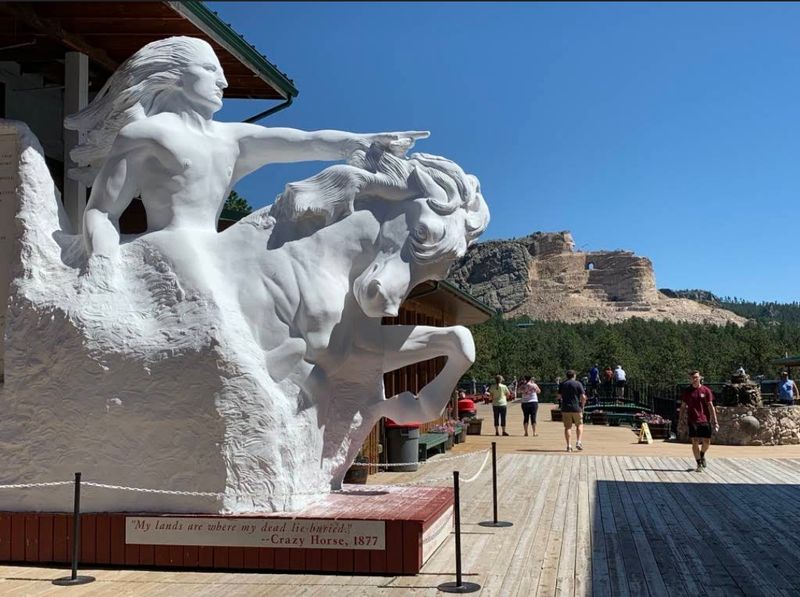
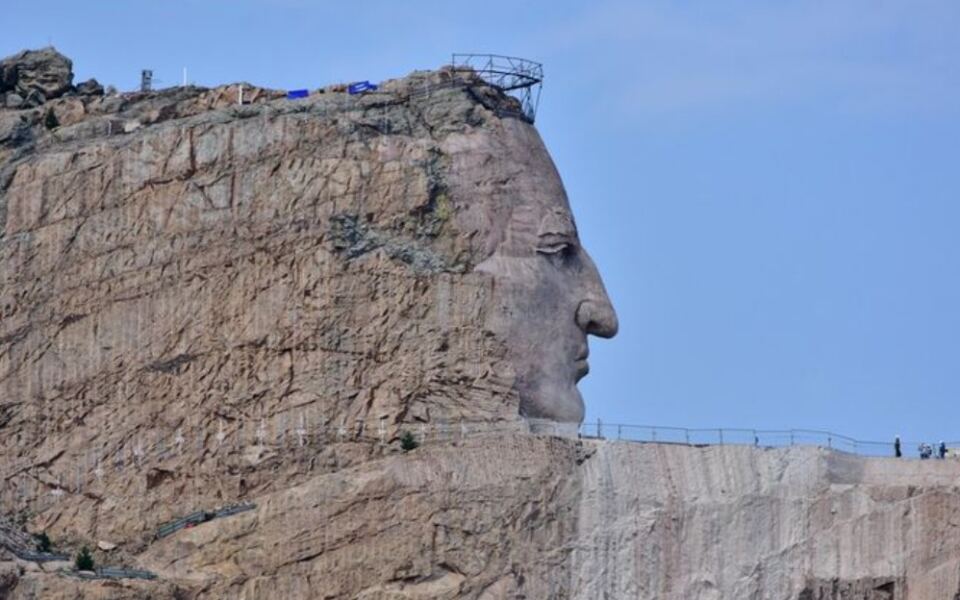
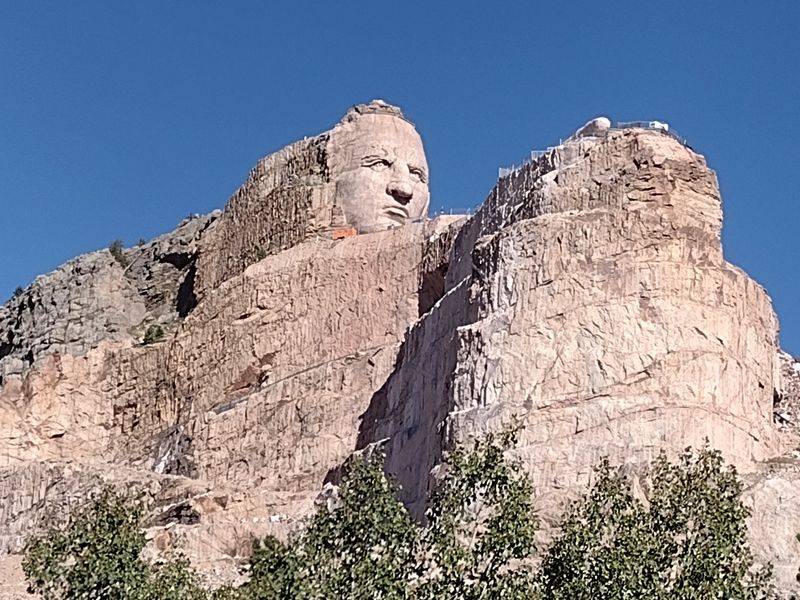
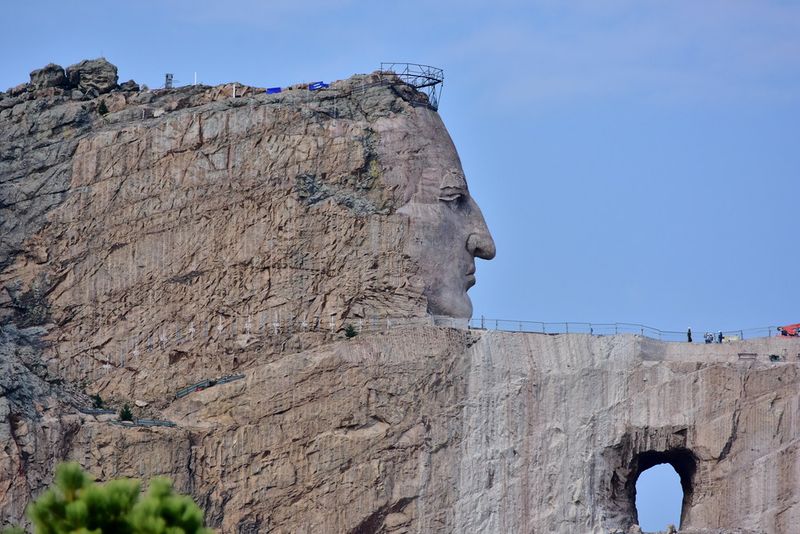
Drive through the Black Hills and you can see a mountain being turned into a monument. Construction of the Crazy Horse Memorial began in 1948 in South Dakota.
The enormous carving is meant to show Crazy Horse riding a horse and pointing toward the distance. Work has continued for decades, and the project remains unfinished.
It is one of the largest mountain sculptures ever attempted.
The memorial has also sparked debate among Native Americans. Some value the effort to honor a Lakota hero, while others object to carving sacred Black Hills land.
Crazy Horse himself reportedly avoided having his image made. These different views show that remembering him is still a living conversation, not a finished story.
Share this story