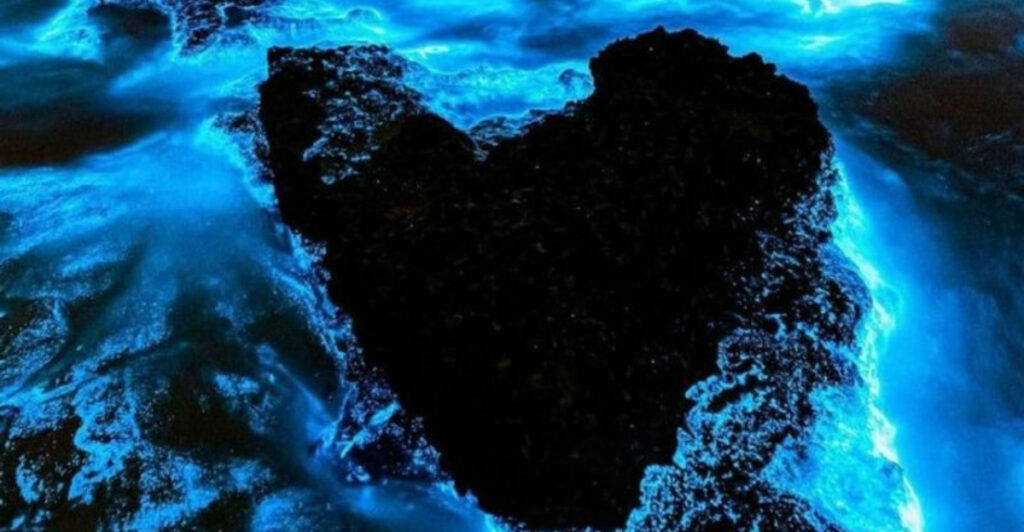
Somewhere out there, the ocean is glowing blue, and it is not a special effect. Bioluminescent water is a real natural phenomenon caused by tiny living organisms that produce light when they are disturbed.
From tropical lagoons in Puerto Rico to remote beaches in the Maldives, this experience exists on nearly every continent and draws travelers who want to see something genuinely unforgettable. The tricky part is knowing exactly where to go, when to show up, and what to realistically expect once you get there.
This list covers 14 verified destinations around the world where bioluminescent water has been documented as an active visitor experience, along with honest details about what each place actually offers so you can plan a trip worth making.
Mosquito Bay, Vieques, Puerto Rico
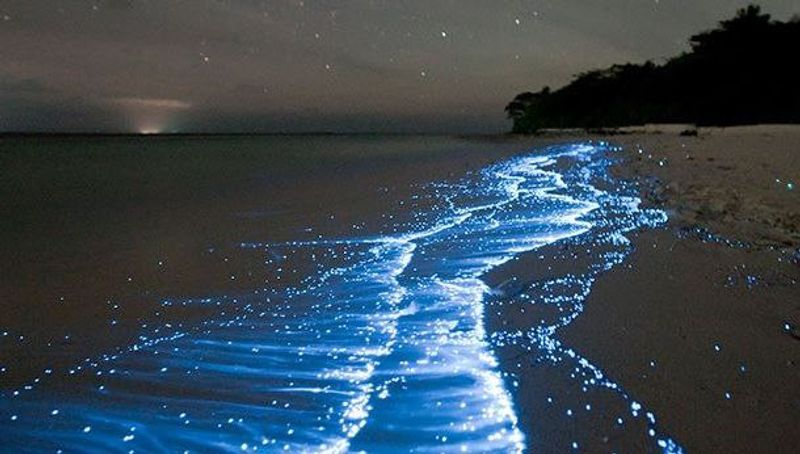
Mosquito Bay holds a reputation that is hard to argue with. Guinness World Records has recognized it as the world’s brightest bioluminescent bay, and the concentrations of dinoflagellates here are genuinely exceptional compared to most other locations on earth.
When a paddle, a hand, or a fish disturbs the water, those microscopic organisms flash blue-green in response. The effect is immediate and striking, especially on moonless nights when there is no competing light.
Visitors currently experience the bay through guided nighttime kayak tours, with some operators offering clear-bottom kayaks that let you watch the glow from below. Swimming is not permitted here because the ecosystem is carefully protected.
Puerto Rico’s official tourism organization continues to list Mosquito Bay as an active attraction and recommends planning your visit around a new moon for the best possible display.
Laguna Grande, Fajardo, Puerto Rico
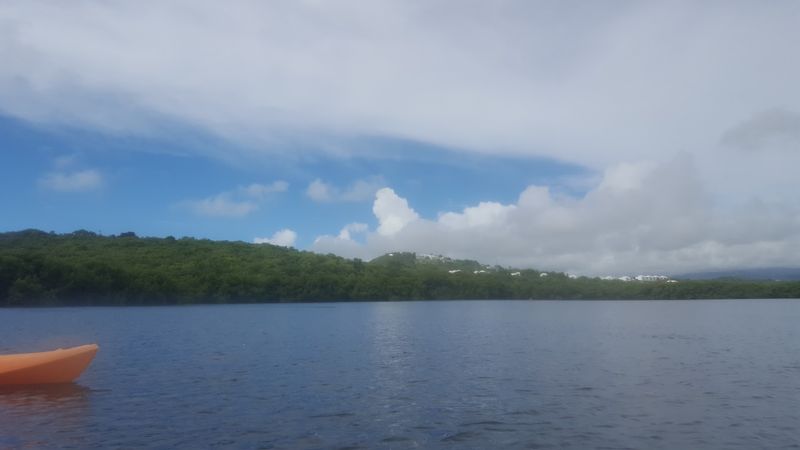
Travelers based in San Juan have a convenient option that does not require a ferry ride to Vieques. Laguna Grande sits on Puerto Rico’s eastern coast near Fajardo, tucked behind a winding mangrove-lined channel that sets the mood long before you reach the open lagoon.
Guided kayak and boat excursions run regularly after dark, and each paddle stroke through the water can trigger tiny bursts of blue-green light from the dinoflagellates living just below the surface. The channel itself can produce flashes as you move through it, which makes the journey to the lagoon part of the experience.
Swimming is not allowed here, so kayaking remains the standard way to explore. Puerto Rico’s tourism authority lists current tour providers for Laguna Grande and notes clearly that moonlight significantly reduces visibility.
Booking a trip near the new moon gives you the strongest chance of a dramatic display.
La Parguera, Lajas, Puerto Rico
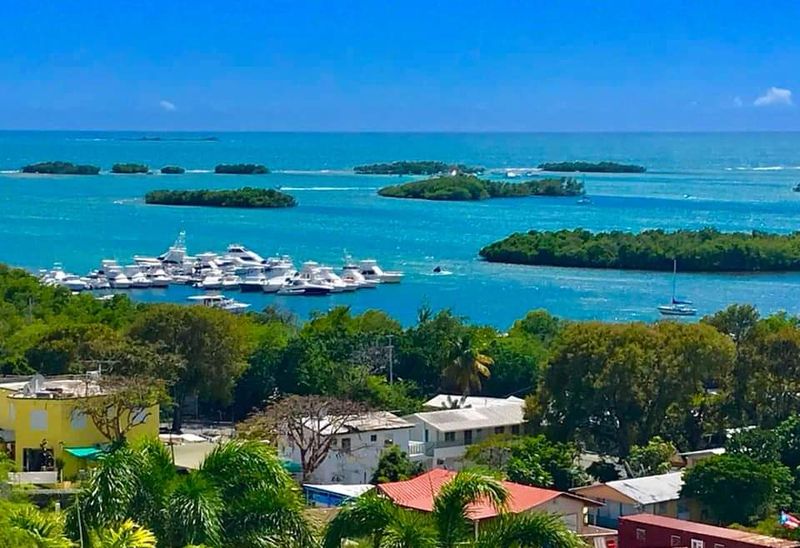
Puerto Rico’s southwest coast offers something the other two bio bays do not. La Parguera, located near the fishing village of Lajas, is the only one of the island’s three bioluminescent bays where swimming in the glowing water is generally permitted, though restrictions can apply depending on current conditions and regulations.
Boat and kayak operators run nighttime excursions from Lajas regularly, taking groups out into the darker water beyond the village where the glow becomes much easier to appreciate. Moving your hand through the water or swimming creates visible trails of light around your body, which is a genuinely different experience from simply watching from a kayak.
The official Puerto Rico tourism site continues to list active tour providers for the bay. As with the other locations, darker nights near the new moon produce noticeably stronger results.
The coastal village atmosphere around Lajas also gives this stop a more local, low-key character.
Luminous Lagoon, Falmouth, Jamaica
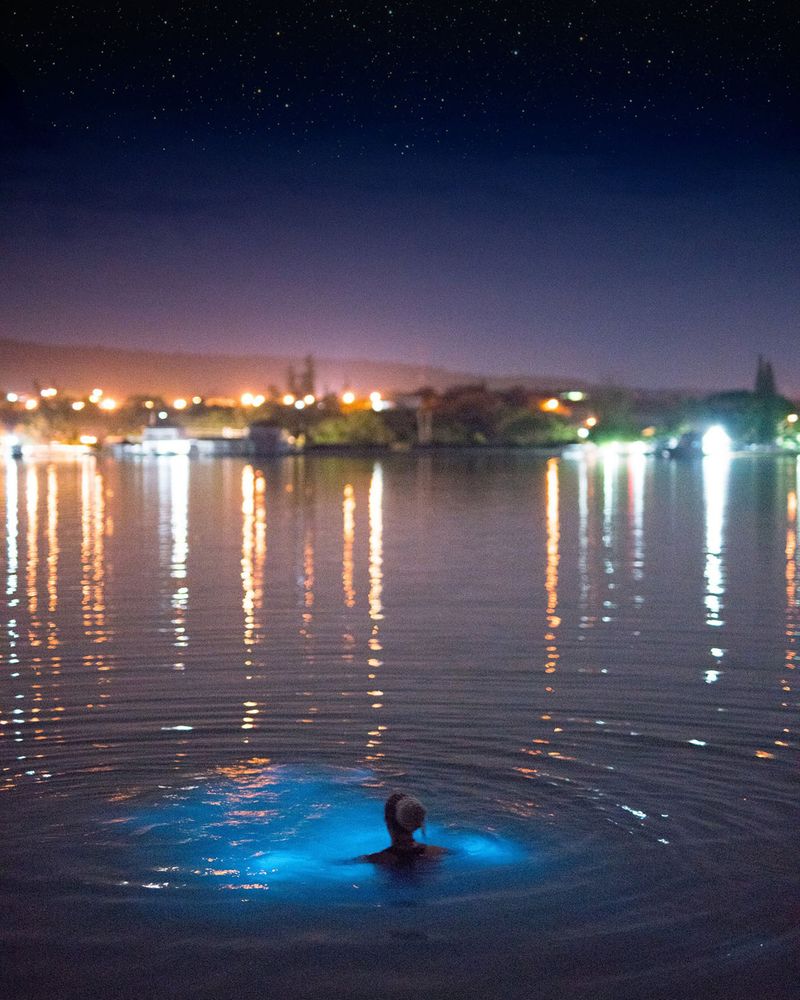
Where the Martha Brae River meets the Caribbean Sea near Falmouth, the water has a habit of glowing after dark. Jamaica’s Luminous Lagoon is one of the Caribbean’s best-known bioluminescent sites, and the combination of fresh and salt water creates conditions that support unusually high concentrations of light-producing microorganisms.
Night cruises remain a regular activity in 2026, with tours departing from the Falmouth area and transfers available from resorts along Jamaica’s north coast, including properties near Montego Bay. Some excursions allow passengers to enter the water and swim, which lets you see the glow react directly to movement around your body.
Operators run trips throughout the year, and darker nights near the new moon tend to produce clearer displays. For travelers on a resort package, this is one of the more accessible evening excursions available on Jamaica’s north coast without requiring a long journey from popular hotel areas.
Bioluminescent Bay, Grand Cayman, Cayman Islands
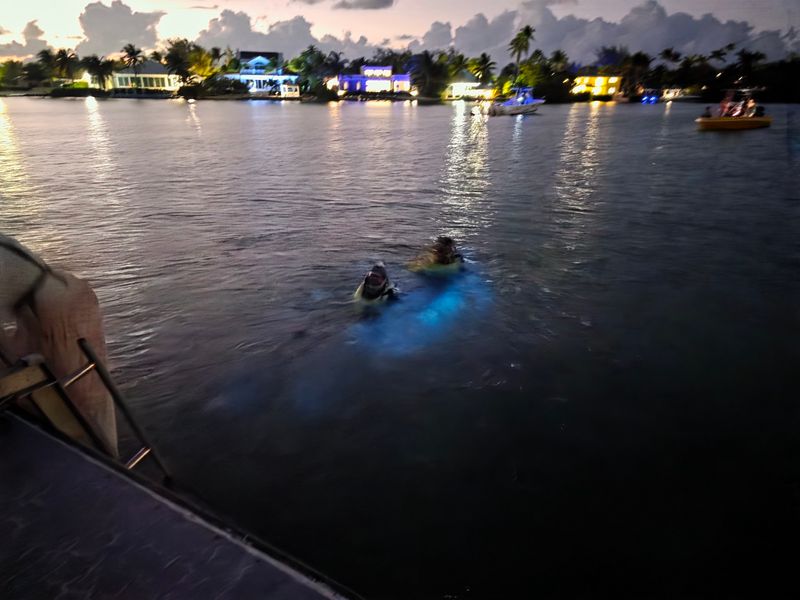
Grand Cayman keeps one of its quieter secrets on the North Side of the island, away from Seven Mile Beach and the cruise ship crowds. A sheltered bay there contains high concentrations of bioluminescent microorganisms that flash when disturbed by movement in the water.
Visitors can currently choose from kayak tours, electric boat outings, snorkeling excursions, and private charters. Tour operators plan their schedules carefully around moon phases because bright moonlight can wash out the comparatively delicate glow, so most trips are booked for nights close to the new moon.
At least one Grand Cayman operator publishes specific bioluminescence viewing dates in advance for 2026, which makes planning straightforward. Cayman travel resources continue to list the bay as an active nighttime attraction.
For travelers who want a more intimate experience away from the island’s busier tourist zones, the North Side setting adds a genuine sense of remoteness to the outing.
Laguna de Manialtepec, Oaxaca, Mexico
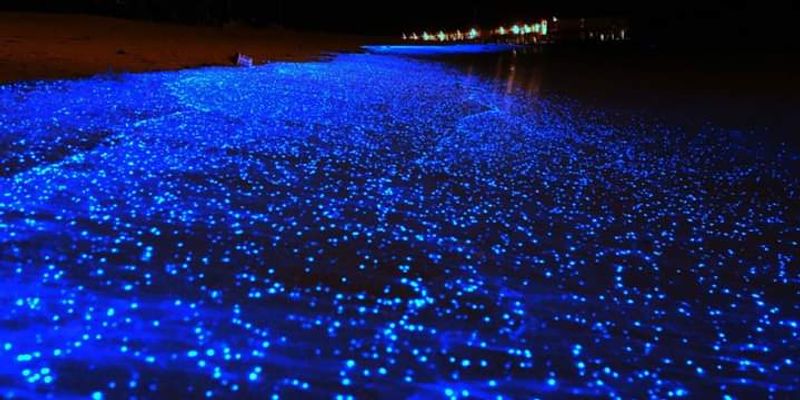
About 20 kilometers west of Puerto Escondido, Laguna de Manialtepec sits behind a barrier of dense mangroves and offers one of southern Mexico’s most accessible bioluminescent experiences. The lagoon is fed by freshwater and surrounded by protected vegetation, which helps maintain the conditions that bioluminescent dinoflagellates prefer.
Tours are operating in 2026, taking visitors by boat or kayak into the darker sections of the lagoon where movement triggers flashes of blue-green light. Some excursions permit swimming when conditions are appropriate, giving travelers a more direct interaction with the phenomenon.
Darker nights consistently produce the most noticeable results.
Current Puerto Escondido tourism information describes bioluminescence tours as a regular nighttime activity, with especially favorable conditions reported during the warmer months. The lagoon also supports diverse bird life and wildlife, so daytime visits for birding are a popular complement to the nighttime bioluminescence experience for travelers spending multiple days in the area.
Isla Holbox, Quintana Roo, Mexico
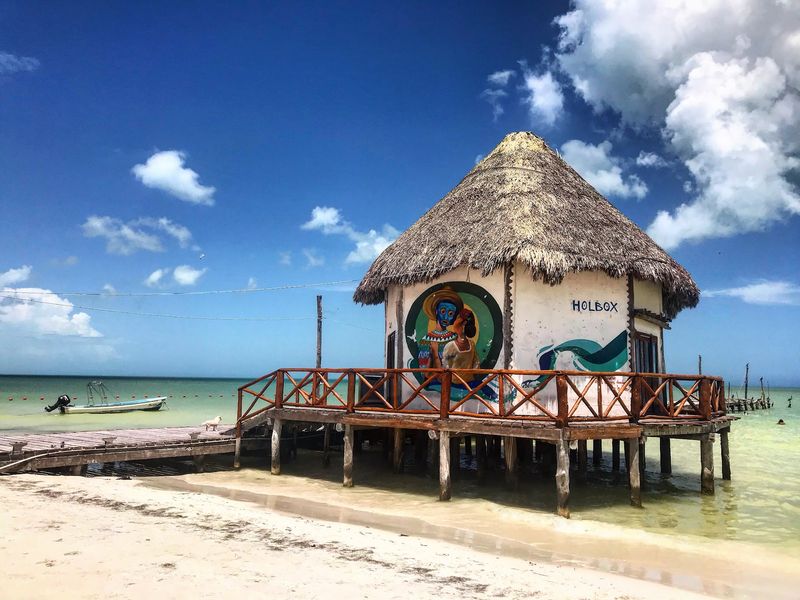
Isla Holbox sits at the northern tip of the Yucatan Peninsula, well off the resort corridor of Cancun and the Riviera Maya. The island’s car-free sandy streets and shallow surrounding waters give it a genuinely unhurried character, and after dark, certain beaches and offshore sandbars can deliver a bioluminescent display worth staying up for.
Bioluminescent plankton can sparkle when waves break, when feet move through shallow water, or when paddles disturb the surface. Several operators are offering excursions in 2026, including kayaking, swimming, and beach-based experiences.
Tours are typically scheduled around the darkest nights of the lunar cycle, and the glow tends to be strongest during the warmer months.
Punta Cocos and quieter sandbar areas are among the spots associated with the phenomenon. Travelers should keep expectations grounded because viral photographs of glowing water are almost always long-exposure shots that make the display look far more intense than what the eye actually sees in real time.
Paquera, Gulf of Nicoya, Costa Rica
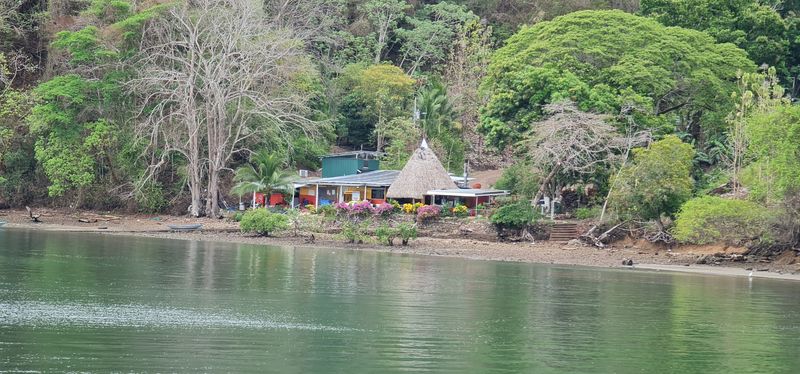
Costa Rica’s Nicoya Peninsula stretches along the Pacific coast, and the waters around Paquera on the Gulf of Nicoya side are recognized as one of the country’s most reliable spots for bioluminescent plankton. This is one of the locations where the phenomenon has been documented across multiple seasons rather than just a narrow window.
Costa Rica’s official tourism material specifically identifies Paquera and the surrounding Gulf of Nicoya waters as leading destinations for bioluminescent sightings, with year-round possibilities noted around Paquera itself. Guided kayak and boat tours remain available in 2026, including excursions around Punta Cuchillos and nearby coastal stretches.
The combination of calm gulf waters, mangrove ecosystems, and relatively low light pollution in the area creates favorable conditions. Choosing a night near the new moon and staying away from artificial lights still makes a meaningful difference in how bright the microorganisms appear.
Paquera is reachable by ferry from Puntarenas, which makes it a natural addition to a Nicoya Peninsula itinerary.
Jervis Bay, New South Wales, Australia
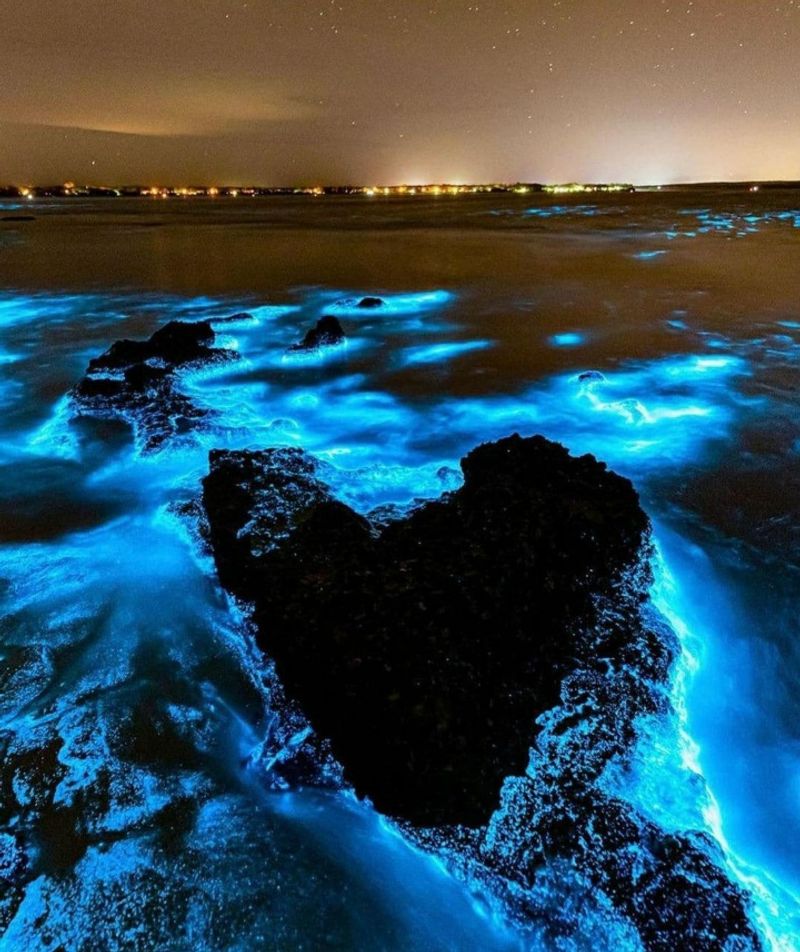
Jervis Bay is already famous for having some of the whitest sand beaches in the world, but on certain nights the shoreline takes on a completely different kind of brilliance. Blooms of bioluminescent microorganisms, commonly called sea sparkles, can turn breaking waves and shallow water electric blue in a display that has nothing to do with any artificial lighting.
Unlike the permanent bio bays of Puerto Rico or Jamaica, Jervis Bay’s displays are unpredictable. No tour operator can promise a specific date when the glow will appear because the blooms depend on environmental conditions that shift naturally.
Patience and a willingness to check conditions regularly are part of the experience.
The Jervis Bay Maritime Museum has hosted programs specifically focused on locating and photographing local sea sparkles and other bioluminescent marine life, which reflects how seriously the region takes this natural phenomenon. Visitors staying multiple nights in the area have the best chance of catching a display when conditions align.
Tomales Bay, California
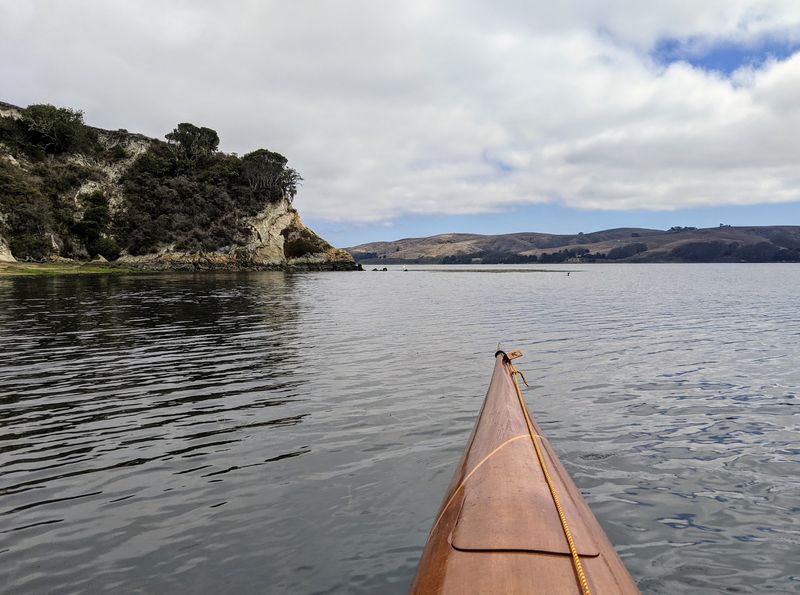
About an hour’s drive north of San Francisco, Tomales Bay cuts a long, narrow path through the Point Reyes National Seashore area, and on the right nights it produces one of California’s most talked-about natural light shows. When concentrations of dinoflagellates are high, paddling through the bay creates bluish-white flashes that appear around the hull and at the tip of every paddle stroke.
This is not just a theoretical possibility. Organized bioluminescence kayak tours are actively operating during 2026, with trips scheduled specifically for nights when moonlight is minimal.
The Marin Convention and Visitors Bureau lists current outings, and additional operators have published summer and fall dates for planned excursions.
Because the glow depends entirely on natural organism concentrations, tour companies are transparent about the fact that a strong display cannot be guaranteed on every trip. That honesty is actually a good sign.
The setting along Tomales Bay is scenic and peaceful regardless, which makes the outing worthwhile even when the plankton are less active.
Indian River Lagoon and Merritt Island, Florida
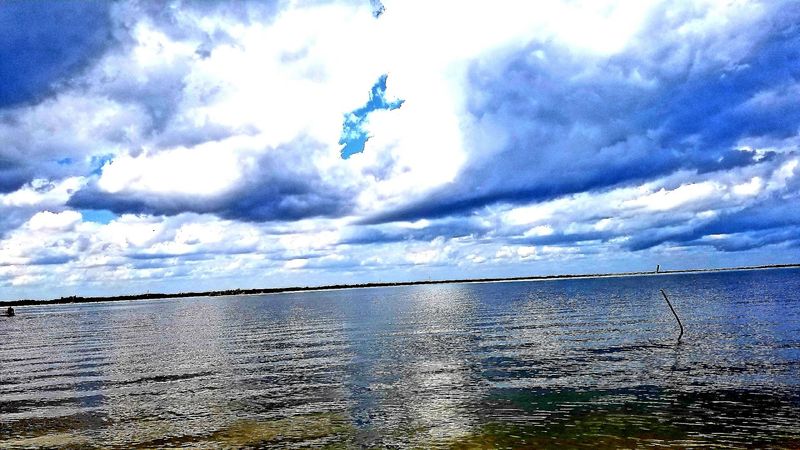
Florida’s Space Coast has a nighttime attraction that has nothing to do with rocket launches. Around Merritt Island and sections of the Indian River Lagoon, glowing plankton turn ordinary paddling trips into something that feels almost surreal once the lights of the kayak launch are behind you.
The warmer summer months are particularly associated with dinoflagellate bioluminescence in this area, while glowing comb jellies can provide a different form of the phenomenon during other parts of the year. Numerous tours are running in 2026 from the Merritt Island and Titusville area, with operators scheduling additional trips around the new moon when darkness is deepest.
Current Space Coast visitor information lists June through October as the primary season for especially strong plankton displays. The lagoon system is also one of the most biologically diverse estuaries in North America, so wildlife sightings during the nighttime paddle are a genuine bonus.
Manatees, dolphins, and shore birds are all documented residents of the area.
Toyama Bay, Japan
Toyama Bay offers something genuinely different from every other destination on this list. The glow here does not come from microscopic plankton.
It comes from firefly squid, known in Japanese as hotaru-ika, which are small squid equipped with light-producing organs distributed across their bodies.
Each spring, enormous numbers of these squid gather in Toyama Bay during their spawning season. In large concentrations, their electric-blue flashes can illuminate sections of the water and the fishing nets used to catch them, creating a scene that is unlike anything else in the natural world.
Sightseeing boat excursions operate from Namerikawa during the seasonal fishing period, generally from late March into early May, with reservations required in advance.
Toyama’s tourism information continues to promote these boat trips as a signature regional experience. The Hotaruika Museum in Namerikawa also provides detailed exhibits about the biology and ecology of the squid for travelers who want context beyond the nighttime boat ride.
The season is short, so advance planning is essential.
Vaadhoo Island, Maldives
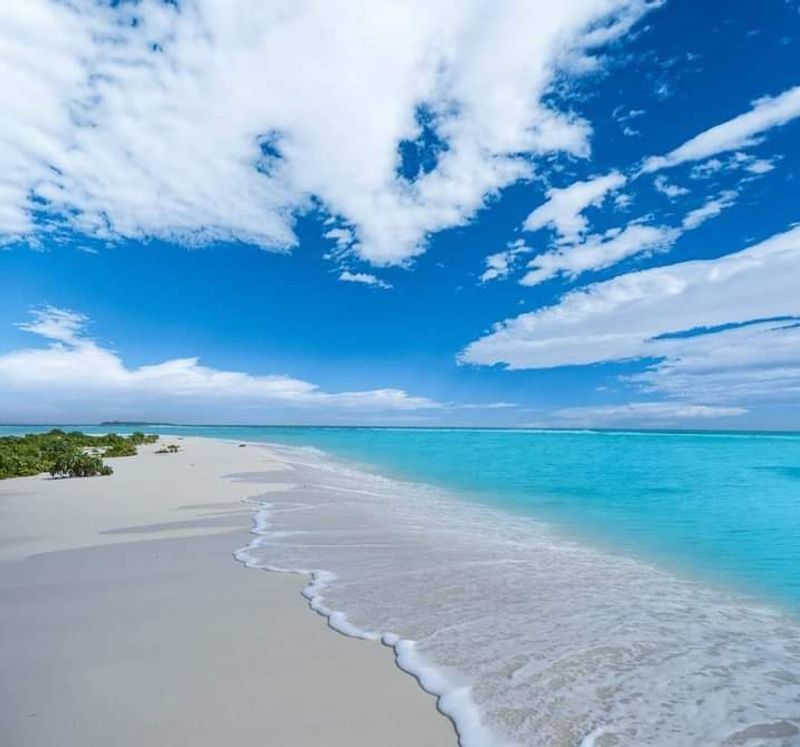
Few images have done more to put bioluminescent beaches on the global bucket list than photographs of Vaadhoo Island in the Maldives. The so-called Sea of Stars, where breaking waves and footsteps in shallow water produce countless tiny blue flashes, became one of the most shared travel images of the past decade.
The reality is both genuinely beautiful and worth understanding clearly. The glow is produced by bioluminescent plankton that accumulate along the shoreline under the right conditions, but it cannot be guaranteed every night regardless of what any photograph implies.
Most viral images are long-exposure shots that amplify the effect significantly beyond what the naked eye sees.
Maldives tourism information identifies roughly June through October as a favorable period and recommends dark nights for the best results. Vaadhoo Island in Raa Atoll is particularly associated with the phenomenon, and resort and guesthouse operations across the islands remain active.
Travelers should plan for multiple nights to improve their chances of seeing a meaningful display.
Koh Rong, Cambodia
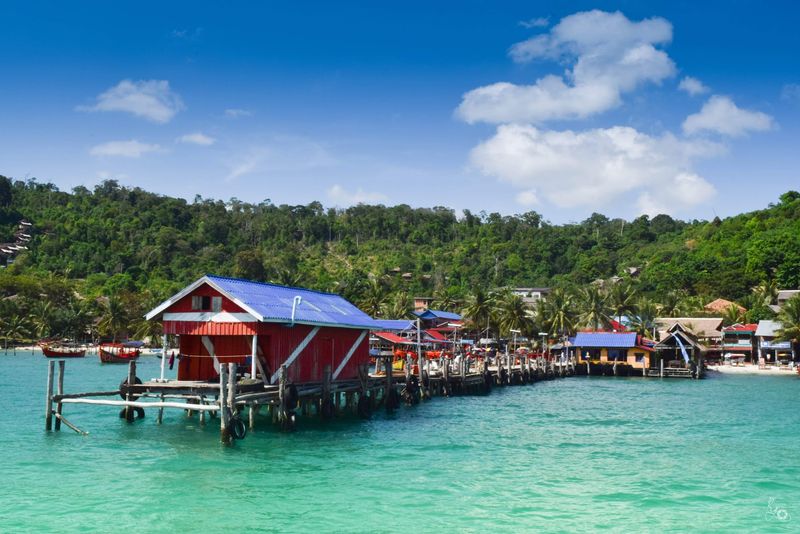
Cambodia is not the first country most people think of when bioluminescent water comes up, but Koh Rong has been quietly building a reputation as one of Southeast Asia’s better spots for the experience. The island sits in the Gulf of Thailand and combines long sandy beaches with relatively low light pollution once you move away from the busier piers.
Nighttime boat outings take travelers to darker bays where swimming or moving through the water can produce visible flashes of light around the body. Koh Rong travel information continues to list glowing-plankton trips as an active island experience, with tours readily available from the main tourist areas near Koh Touch village.
Long Set Beach and other quieter locations away from the concentrated pier lighting can also provide opportunities when conditions cooperate. The phenomenon is strongest on darker nights, and the island’s growing but still manageable tourism infrastructure means the experience has not yet become overly crowded or commercialized.
That is genuinely part of its appeal right now.
Share this story