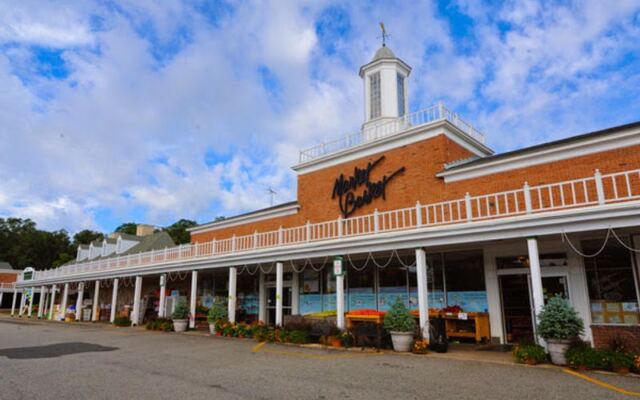
A grocery store that covers 138,000 square feet is not just a place to grab milk and rolls. New Jersey’s Market Basket flagship has become a local talking point because it blends supermarket convenience with the feel of a food hall, bakery, butcher counter, and prepared-food stop all under one roof.
For shoppers used to quick errands, the size alone makes people curious. The bigger story is how a market this large reflects the way New Jersey families actually shop, eat, host, and gather.
1. A Flagship Built to Be More Than a Grocery Run
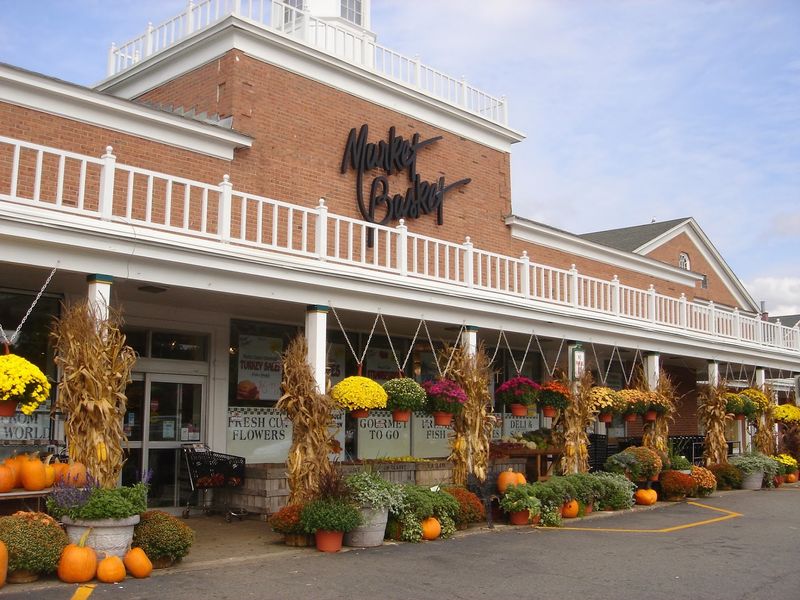
A 138,000-square-foot market changes the whole idea of a weekly grocery trip. Instead of being designed only around aisles, carts, and checkout lanes, a flagship of this size can function like several food businesses working together under one roof.
That is the reason the New Jersey Market Basket story stands out. The scale gives room for fresh groceries, specialty departments, catering-style prepared foods, bakery cases, butcher service, seafood displays, and grab-and-go meals without making one category carry the whole store.
For New Jersey shoppers, that matters because food errands are rarely simple. A family may need weeknight dinner, deli trays for a gathering, produce for school lunches, and dessert for a weekend visit.
A store this large is built around that real-life juggling act, not a fantasy version of shopping where everyone has extra time.
2. Why the Size Became the Headline
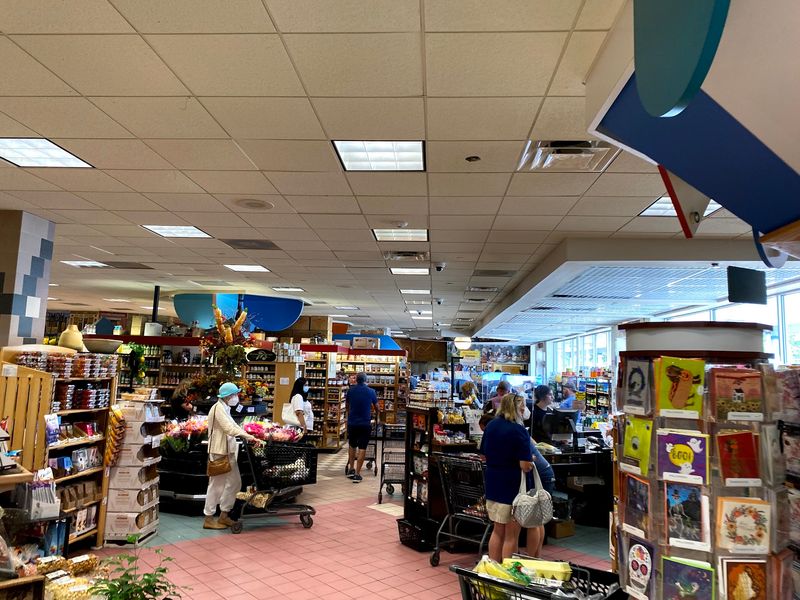
Most supermarkets are big, but 138,000 square feet pushes the conversation into a different category. That number is part of why the flagship attracts attention even from people who may not normally follow grocery news.
The size signals a broader ambition. A store with that much room can separate quick shopping from browsing, host larger prepared-food sections, and give specialty counters enough space to operate without feeling squeezed between basic staples.
New Jersey is a good test for that kind of model. Residents are used to strong local bakeries, serious deli counters, family-run specialty shops, and large regional supermarkets all competing for attention.
A flagship Market Basket has to feel useful enough for everyday errands while still giving shoppers reasons to slow down and explore.
That is not easy. Bigger does not automatically mean better.
The story becomes interesting because the square footage only works if each department earns its place.
3. The New Jersey Food Shopper It Was Designed For
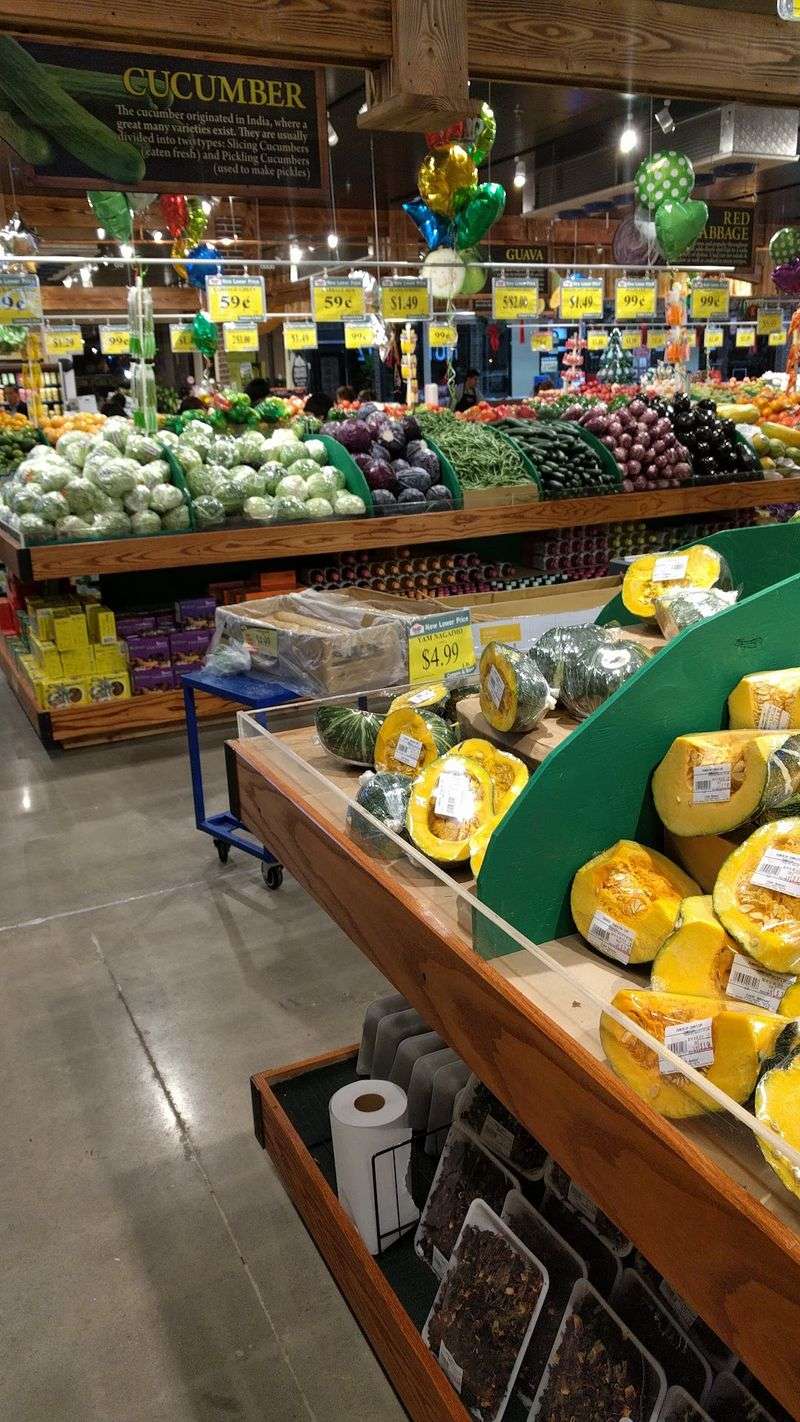
New Jersey shoppers can be wonderfully picky, and that is meant as a compliment. In a state with strong food traditions, people notice the difference between a basic grocery counter and one that feels carefully stocked.
A flagship market has to serve several types of customers at once. Some shoppers want fast basics after work.
Others are planning Sunday dinner, a school event, a family party, or a last-minute meal that still looks thoughtful on the table.
That mix helps explain why the Market Basket concept fits the state. New Jersey food culture is practical, but it is not boring.
Shoppers may want fresh mozzarella, a good loaf of bread, prepared chicken cutlets, seafood, produce, bakery cookies, and pantry staples in the same trip.
The store’s size supports that behavior. Instead of treating specialty food as a small side feature, the flagship format gives those categories room to feel central to the experience.
4. Prepared Foods at the Center of the Story
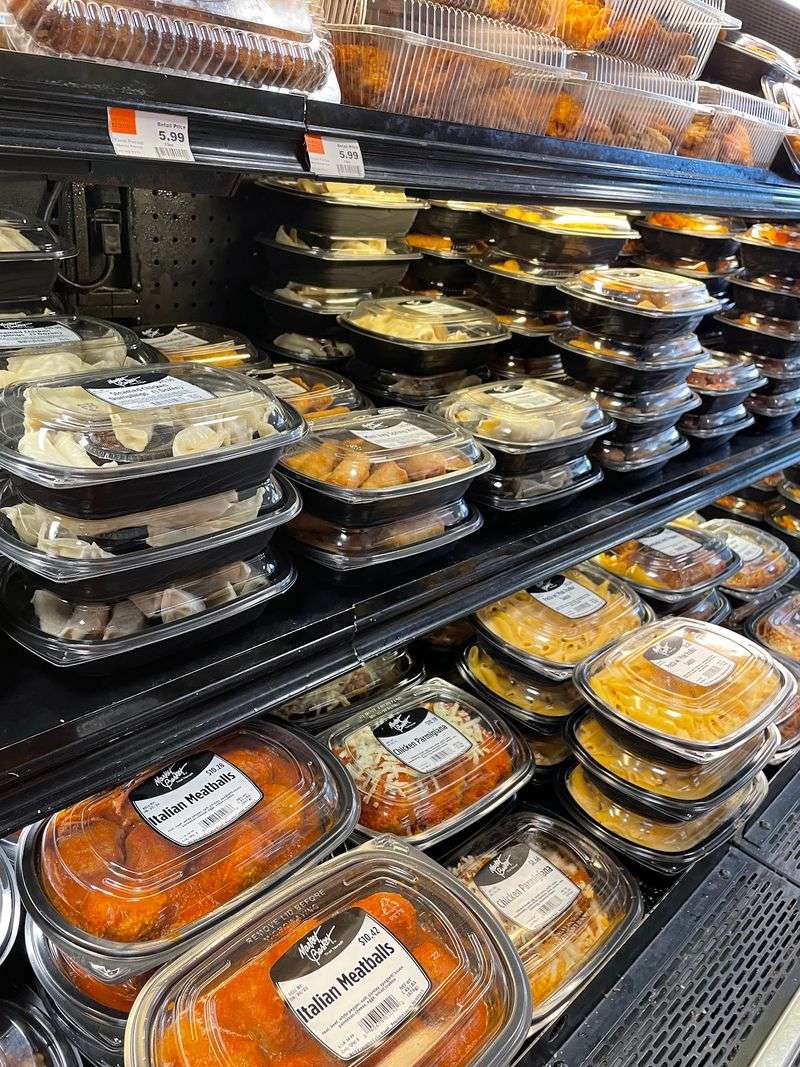
Busy families may be the quiet force behind the rise of oversized food markets. When dinner has to happen between work, school, practice, traffic, and errands, prepared foods stop being a treat and start becoming part of the weekly plan.
In a flagship setting, prepared foods can take on a larger role than a small refrigerator case near the entrance. The department can include ready-to-heat entrees, salads, sandwiches, sides, and party-friendly trays that suit both weekday meals and weekend hosting.
That matters in New Jersey because gathering around food is a big part of local life. Birthdays, graduations, game-day spreads, holidays, office lunches, and casual family visits all create demand for food that feels more complete than a last-minute snack.
The prepared-food focus also helps separate a flagship market from a standard supermarket. It gives shoppers a reason to come in even when the pantry is already full.
5. A Bakery Department With Local Expectations to Meet
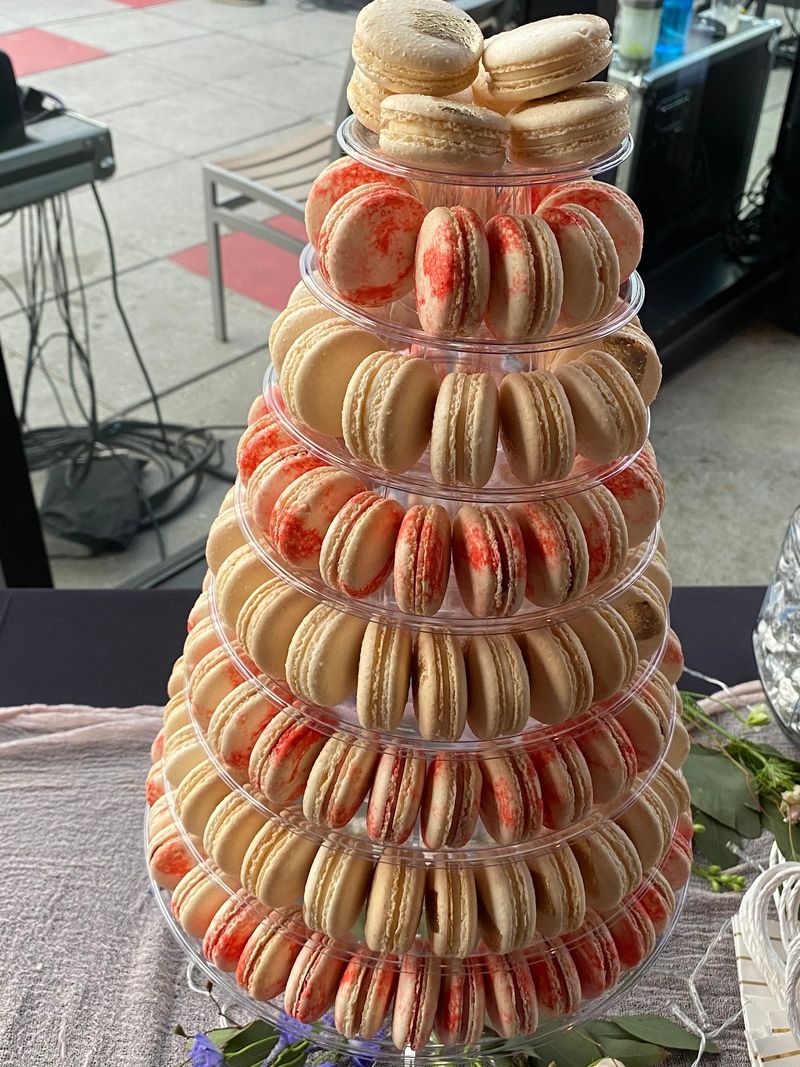
No New Jersey market gets a free pass on bread and dessert. Between neighborhood bakeries, Italian pastry shops, bagel places, and holiday cookie traditions, shoppers here know what they like.
That makes the bakery department an important part of the flagship story. In a large-format market, the bakery is not just a corner for packaged sweets.
It can be a destination within the store, serving people who need dinner rolls, cakes, cookies, breakfast items, or a tray to bring to someone’s house.
The appeal is partly convenience, but also trust. If a shopper can pick up a full grocery order and still find bakery items suitable for a family gathering, the store becomes more useful.
For many New Jersey households, dessert is not an afterthought. A flagship Market Basket has to understand that the bakery case may be judged as closely as the produce aisle or butcher counter.
6. The Butcher and Seafood Counters as Old-School Anchors
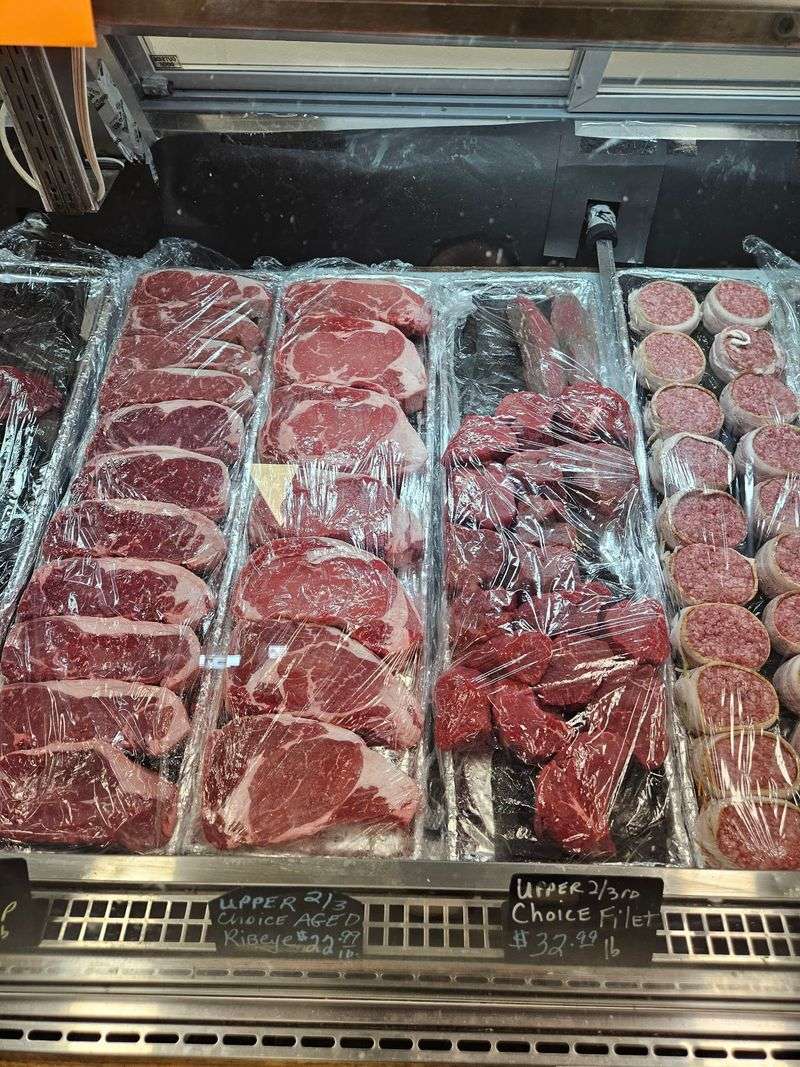
Counter service still carries a lot of weight in a modern grocery store. Even with online ordering and grab-and-go meals, many shoppers like seeing a butcher or seafood counter where the products are clearly displayed.
In a flagship Market Basket, those departments help connect the large store format to an older style of food shopping. Instead of everything feeling anonymous and prepackaged, service counters create a sense that certain purchases still deserve attention.
That is especially useful for shoppers planning dinners, holidays, or family gatherings. Meat and seafood choices can be the center of a meal, so visibility and variety matter.
The counters also give the store a different rhythm. A shopper may move from produce to bakery to butcher to seafood, almost like visiting several specialty shops without leaving the building.
That is one of the main reasons a giant market can feel more local than its square footage suggests.
7. Produce That Has to Compete With Farm Stand Country
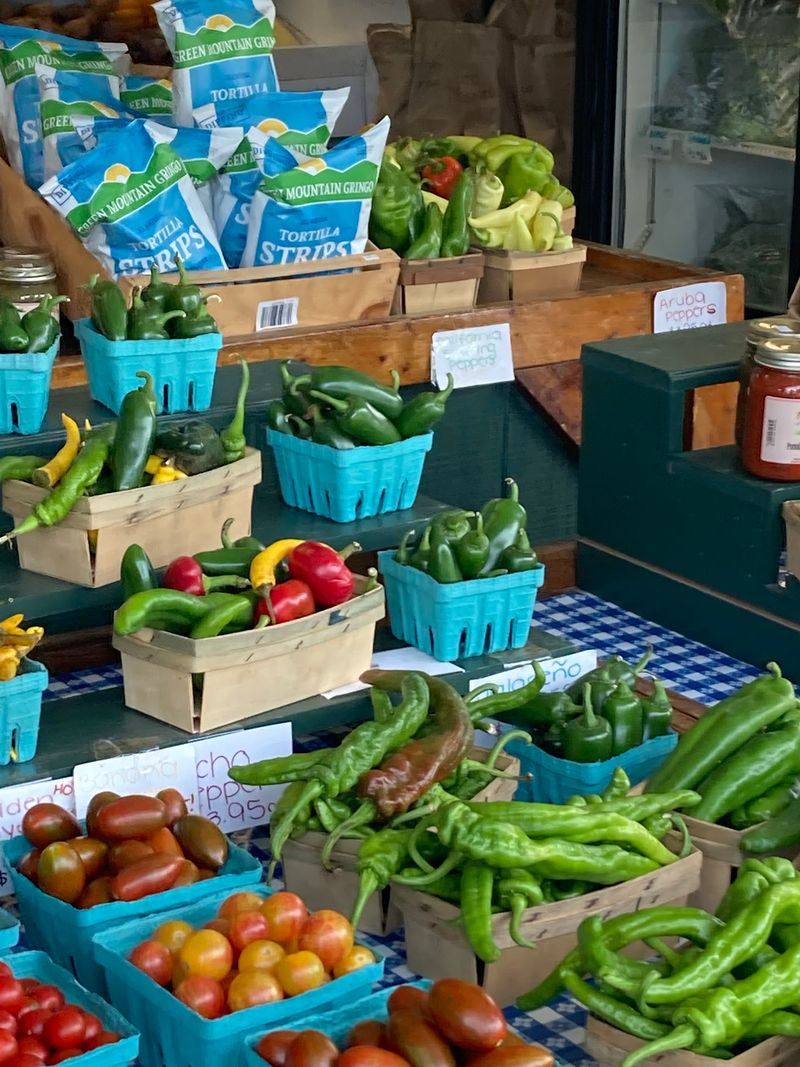
Fresh produce in New Jersey is not a small detail. The state’s farm identity, especially around tomatoes, corn, blueberries, peaches, and seasonal vegetables, gives shoppers a strong frame of reference.
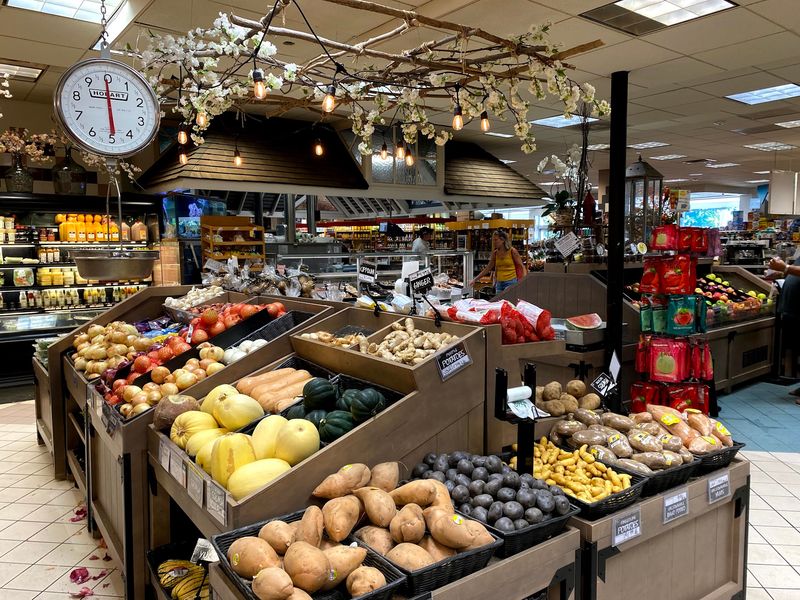
A flagship market needs a produce section that feels abundant and easy to navigate. The department often sets the first impression because shoppers see color, layout, freshness, and variety before they compare anything else.
New Jersey shoppers also understand seasonality. Even in a year-round supermarket, local expectations shift as spring greens, summer fruit, fall vegetables, and holiday ingredients come into focus.
For a 138,000-square-foot store, produce is more than a department. It is a signal that the market can handle both everyday basics and the kind of seasonal shopping that makes people proud to live in a state with serious food roots.
8. Catering and Party Food as a New Jersey Necessity
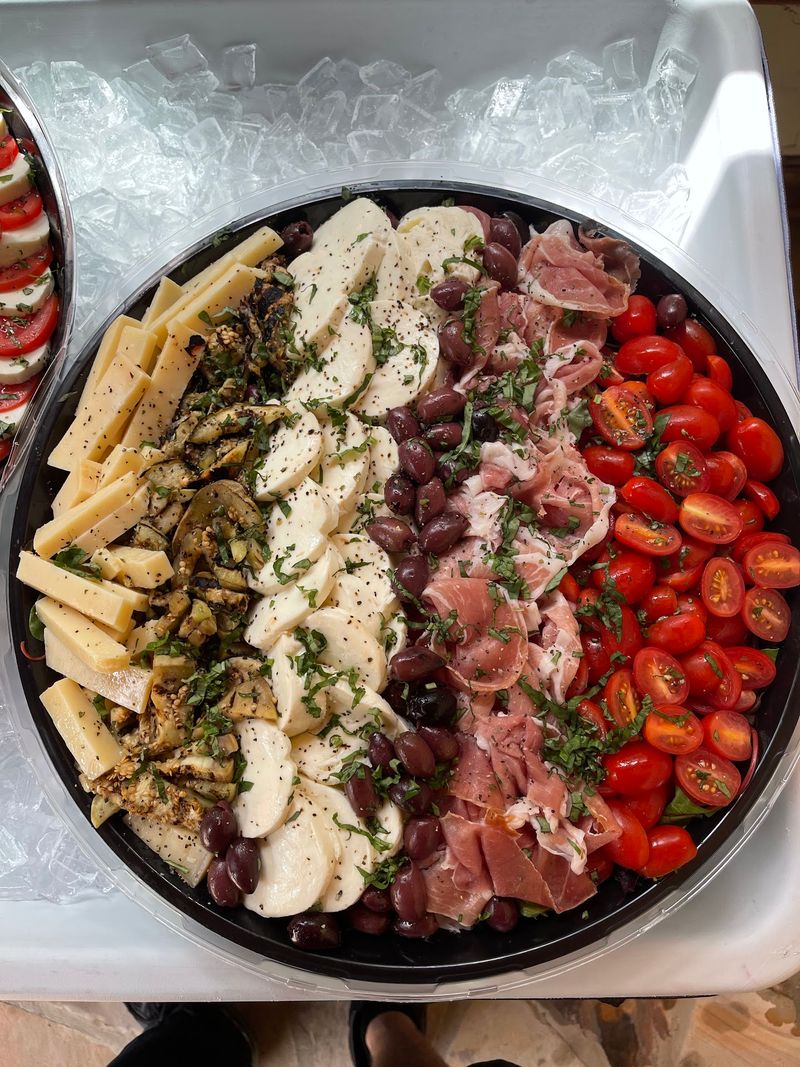
Few states understand the power of the tray quite like New Jersey. From backyard birthdays to office lunches, a reliable source for prepared platters can make a store part of the community calendar.
That is where a flagship market gains another reason to exist. A smaller supermarket may offer basic options, but a large Market Basket can devote more space to foods meant for sharing, including deli-style trays, prepared sides, bakery items, and ready-to-serve meals.
The catering angle fits how people actually use stores. Shoppers are not always buying food for one quiet dinner at home.
Sometimes they are feeding cousins, teammates, coworkers, neighbors, or a full room of relatives who all have opinions.
When a market can handle ordinary groceries and party planning in the same trip, it becomes more than a place to restock the fridge. It becomes part of how local families manage busy social lives.
9. A Store Layout Meant for Browsing and Quick Stops
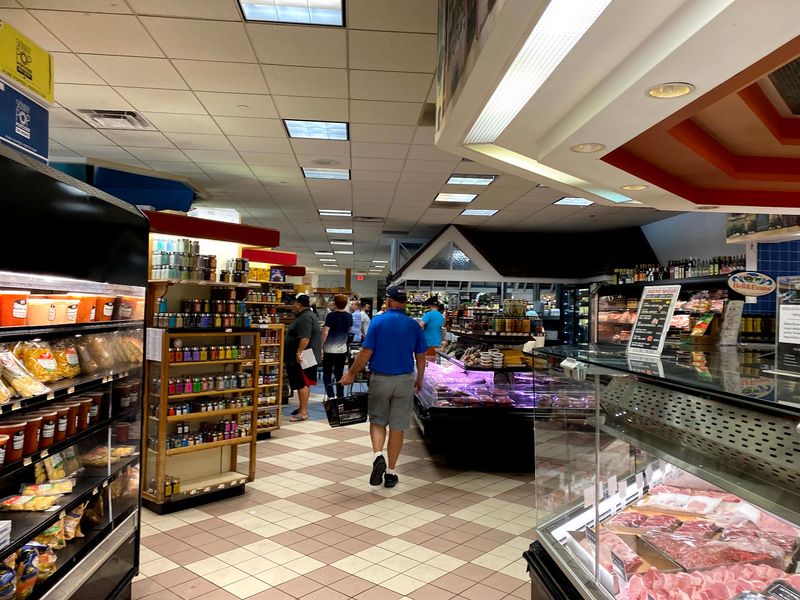
A massive store can either feel exciting or exhausting. The difference often comes down to layout, signs, department placement, and whether shoppers can understand the space quickly.
For a flagship Market Basket, the challenge is serving two speeds at once. Some customers want to move fast, grab dinner, and leave.
Others may want to browse bakery cases, compare prepared foods, or explore specialty sections.
That dual purpose is one of the most important design stories behind a large-format market. If the store only rewards long visits, it loses weekday shoppers.
If it only works for quick errands, the flagship idea feels underused.
The most successful version gives people options. A shopper can treat it like a standard grocery run or a food-focused stop where the departments themselves are part of the attraction.
10. The Local Pride Factor
New Jersey residents tend to defend their food scene with enthusiasm, and honestly, they have reasons. The state’s best everyday food often lives in places outsiders overlook, including delis, bakeries, markets, diners, and family-run shops.
A large Market Basket flagship taps into that pride by treating grocery shopping as a serious food experience. It suggests that local shoppers deserve more than a plain, one-size-fits-all supermarket.
The conversation around the store also reflects a familiar New Jersey habit. People compare.
They remember what used to be in a building, debate which counter is best, and tell relatives where to pick up food before a gathering.
That local response is part of the story. The flagship is not interesting only because it is big.
It is interesting because it gives residents another place to measure against the high food standards they already have.
Share this story