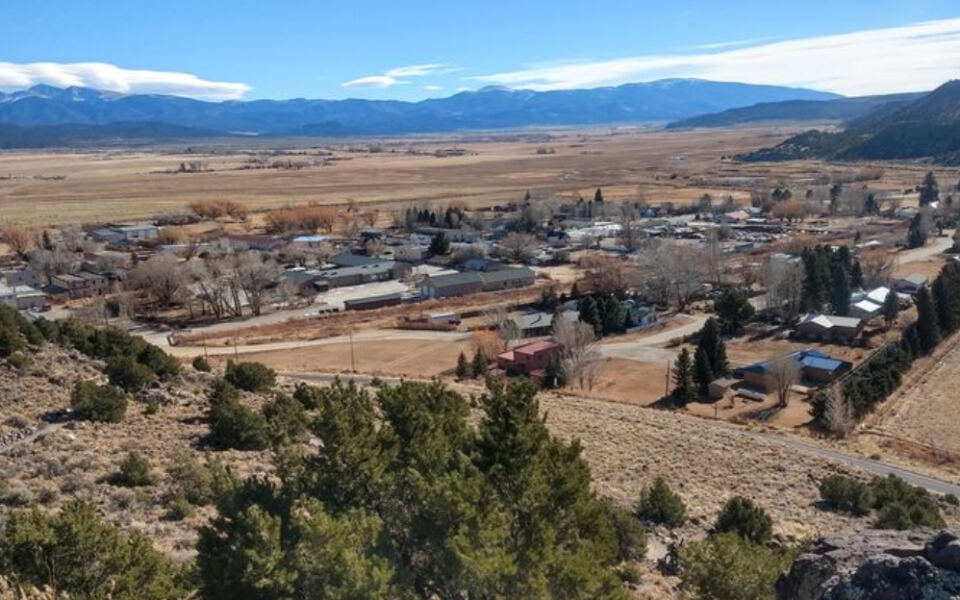
Most people drive through southern Colorado without realizing they are passing through a piece of American history that predates the state itself. There is a small town tucked into the San Luis Valley where people have lived continuously since 1851, making it the oldest occupied town in all of Colorado.
Colorado did not become a state until 1876, which means this community was already 25 years old before statehood was even official. The story of this town is one of deep roots, Spanish heritage, mountain landscapes, and a culture that has held on through generations with remarkable determination.
The Town That Time Could Not Erase
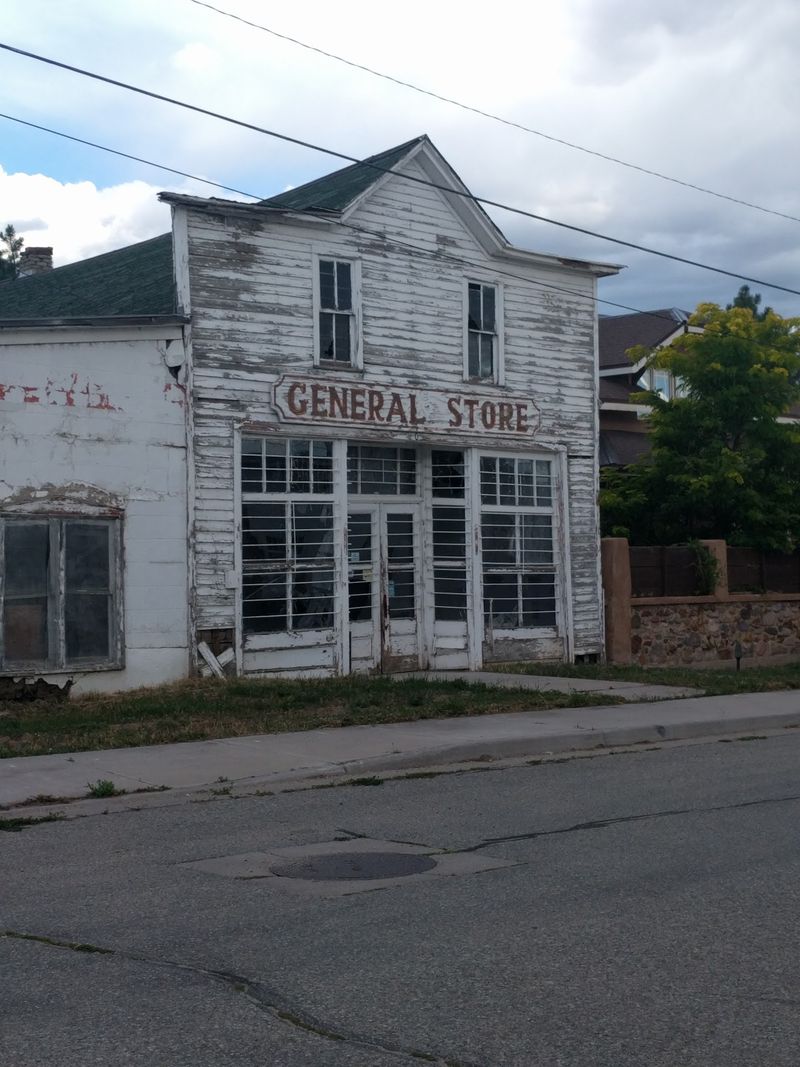
Before Colorado had a state flag, a capital city, or even an official name, San Luis already had families raising children and building a community. Founded in 1851 by settlers of Spanish and Mexican heritage, San Luis holds the title of the oldest continuously occupied town in Colorado.
That is not a small claim.
The town sits in Costilla County, deep in the San Luis Valley, surrounded by wide open land and distant mountain ranges. Life here has always moved at its own pace, shaped by agriculture, faith, and close community ties.
San Luis, Colorado, located along Colorado Highway 159 in the 81152 zip code, carries a history that most visitors are completely unprepared for. Walking through town feels less like tourism and more like stepping into a living document of American settlement.
The founding story alone is worth the drive south.
Why 1851 Matters More Than You Think
Colorado officially became the 38th state on August 1, 1876. San Luis was already a quarter century old by then.
That gap is not just a fun trivia detail. It tells you something real about who settled this land and why they stayed.
The settlers who built San Luis came largely from New Mexico, which was already under U.S. control after the Mexican-American War ended in 1848. They established the town under a land grant system, bringing with them a way of life rooted in Spanish colonial tradition.
Understanding 1851 means understanding that San Luis was never a frontier outpost or a gold rush boom town. It was a planned, permanent settlement built by people who intended to stay.
That intention carried through generations, and the town has never stopped being home to families connected to those original settlers.
A Spanish Heritage Woven Into Every Street
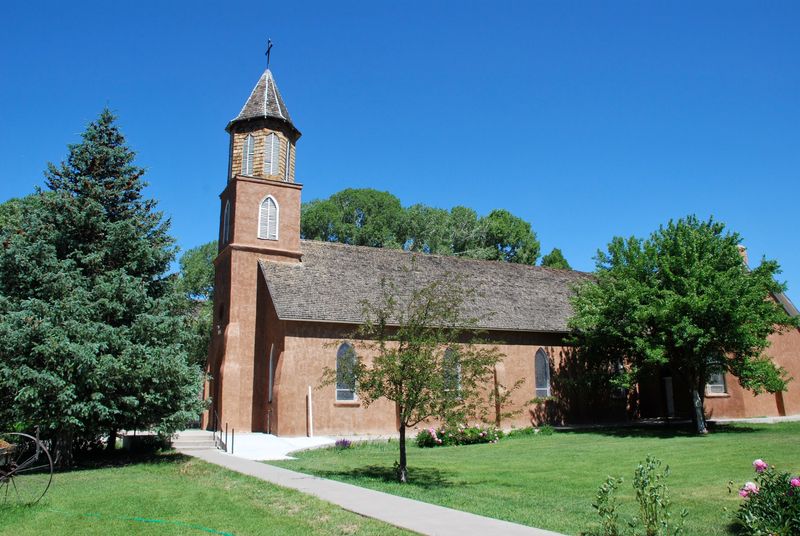
The Spanish language has been spoken in San Luis longer than English has. That fact alone changes how you experience the town.
Street names, family names, church names, and local traditions all reflect a heritage that stretches back well before American statehood.
The town was originally called San Luis de la Culebra, a name referencing the Culebra Creek that runs nearby. Spanish-speaking settlers from New Mexico brought their customs, their Catholic faith, and their agricultural knowledge directly into this valley, and those influences never faded.
Today, visitors who pay attention will notice that San Luis feels culturally distinct from other small Colorado towns. The architecture leans toward adobe and stucco rather than Victorian wood frames.
The public art reflects Hispanic identity with pride and specificity. This is not a place performing its heritage for tourists.
It is simply a community living within it naturally every single day.
The Stations of the Cross Trail Above Town
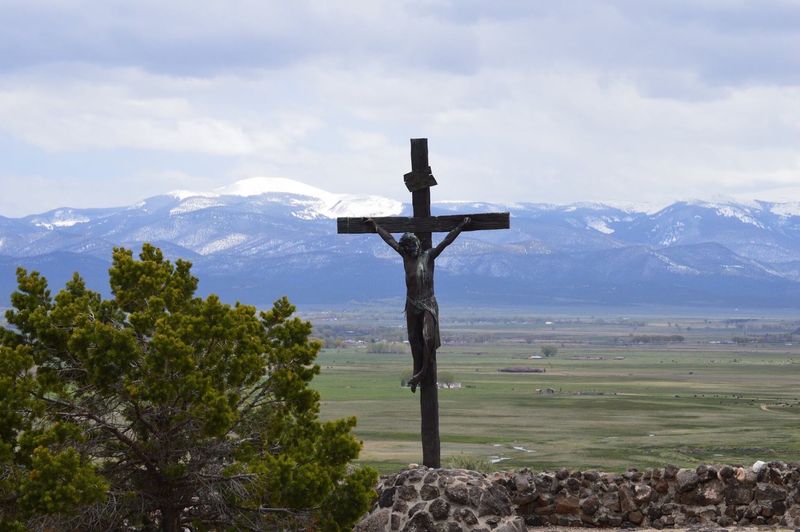
One of the most unexpected things you will find in San Luis is a hilltop trail lined with life-size bronze sculptures depicting the Stations of the Cross. The trail leads up La Mesa de la Piedad y de la Misericordia, which translates roughly to the Mesa of Piety and Mercy.
The sculptures were created by local artist Huberto Maestas and installed in the 1980s and 1990s. They are detailed, expressive, and genuinely moving even for visitors who are not religious.
The craftsmanship is striking against the backdrop of the valley floor far below.
At the top of the trail sits the Shrine of the Stations of the Cross, a small chapel that draws pilgrims and curious visitors alike. The walk up is not long, but the views from the top are expansive.
On a clear day, the entire San Luis Valley spreads out in every direction below you.
The San Luis Museum and Cultural Center
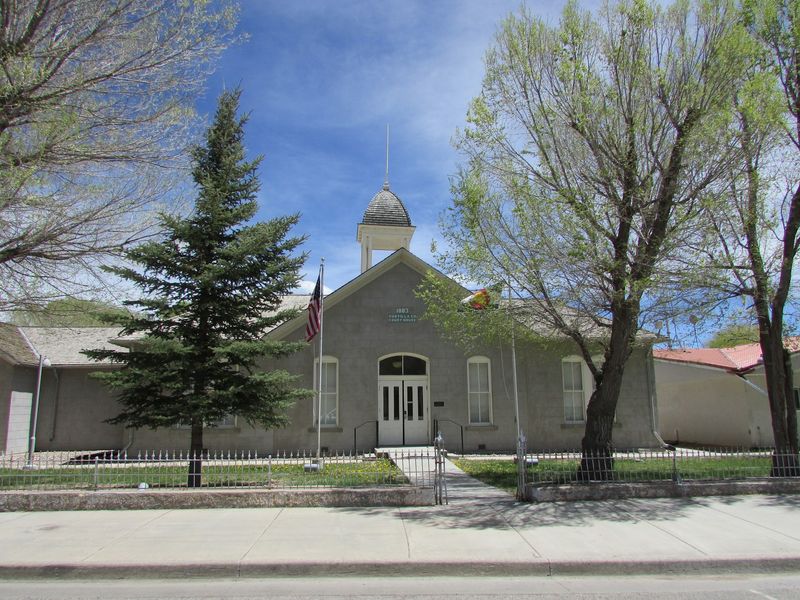
Local history museums can sometimes feel dry and disconnected. The San Luis Museum and Cultural Center is the opposite of that.
The collection here focuses specifically on the Hispanic cultural traditions of the San Luis Valley, including santos, retablos, and other religious folk art forms that have been practiced in this region for generations.
Santos are hand-carved wooden figures of saints, and the tradition of making them is deeply connected to the Catholic faith that anchored early settlement life. Seeing these objects in the context of the community that created them gives them a weight that a generic museum display could never replicate.
The cultural center also documents the history of the acequia system, a traditional water-sharing network that allowed early settlers to irrigate their fields cooperatively. That system is still functioning in parts of the valley today, making it one of the oldest continuously operating water systems in the United States.
Acequias: An Ancient Water System Still Running Today
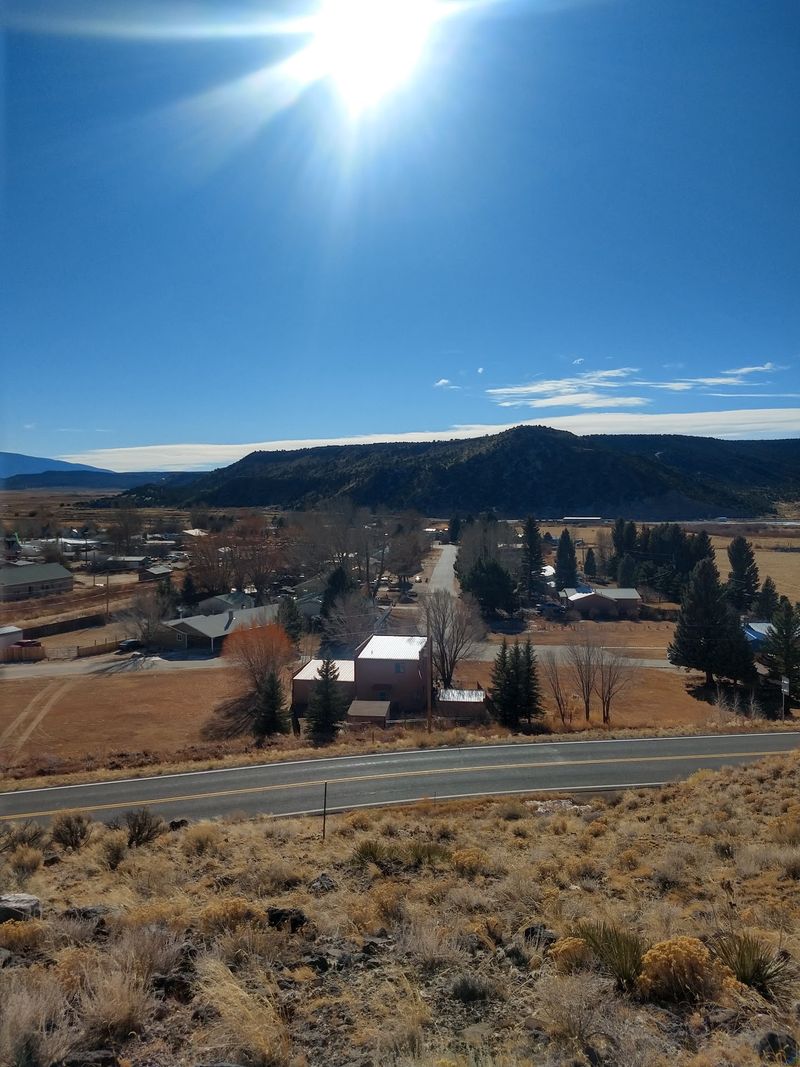
Few things connect San Luis to its founding era as directly as the acequia system. Acequias are community-managed irrigation ditches that distribute water from rivers and streams to farms and fields.
The settlers who built San Luis brought this concept directly from Spanish and Moorish agricultural tradition.
The Acequia Madre, or Mother Ditch, is among the oldest in Colorado and has been in continuous operation since shortly after the town was established. Local parciantes, the water rights holders who maintain and use the acequia, still gather each spring to clean and prepare the ditch for the season ahead.
This is not a museum exhibit or a historical recreation. Real water flows through these channels to real farms today.
The acequia system represents a form of community cooperation that has outlasted empires, border changes, and state formations. Seeing it in person makes the town feel genuinely ancient in the best possible way.
The Sangre de Cristo Mountains as a Constant Backdrop
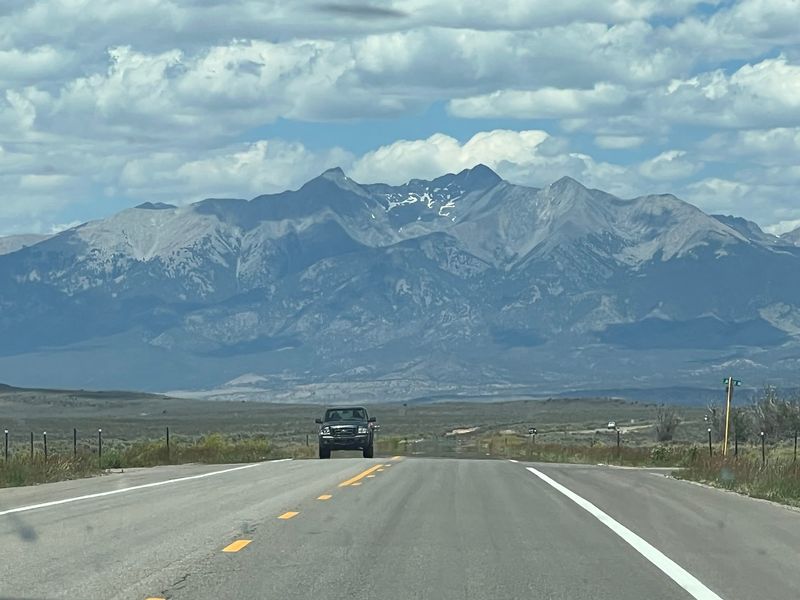
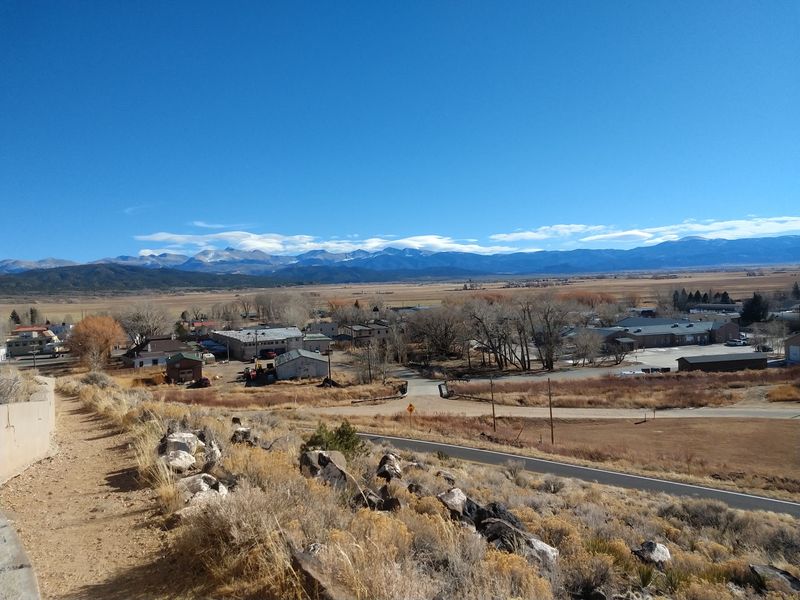
The mountains that frame San Luis to the east are the Sangre de Cristo range, one of the longest and southernmost ranges in the Rocky Mountain system. The name translates to Blood of Christ, and at sunset, the reddish glow across the peaks makes that name feel completely appropriate.
For the original settlers of San Luis, these mountains were both a resource and a boundary. They provided timber, water, and wildlife, but they also marked the eastern edge of the valley world that the community called home.
That relationship between town and mountain has not changed much in 170-plus years.
Visitors driving into San Luis from the north along Highway 159 get a long, gradual approach across the valley floor with the Sangre de Cristos growing larger ahead of them. The scenery alone makes the approach feel like something worth documenting.
Bring a camera and plan to pull over at least once.
The Role of the Catholic Church in Town Identity
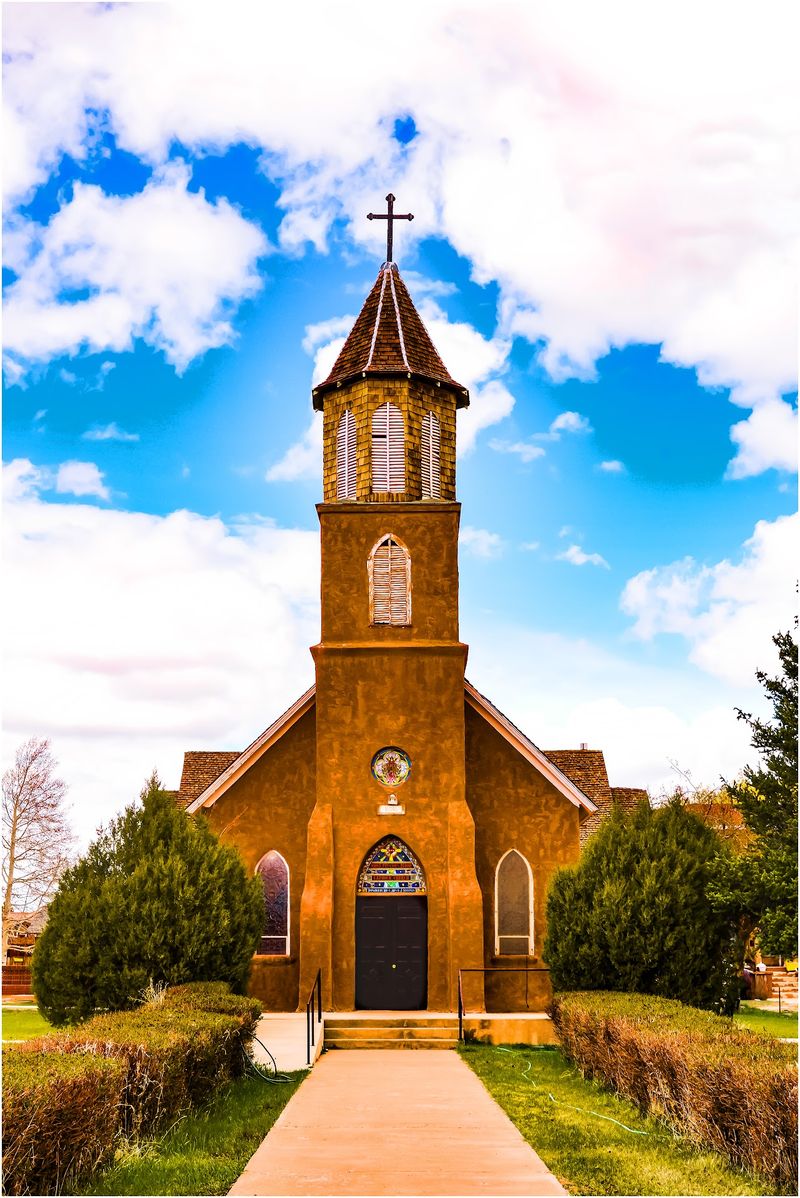
From the very beginning, the Catholic Church was at the center of life in San Luis. The settlers who arrived in 1851 brought their faith with them as foundational to community structure, not just as a private practice.
Church feast days, religious processions, and saint celebrations shaped the calendar of town life.
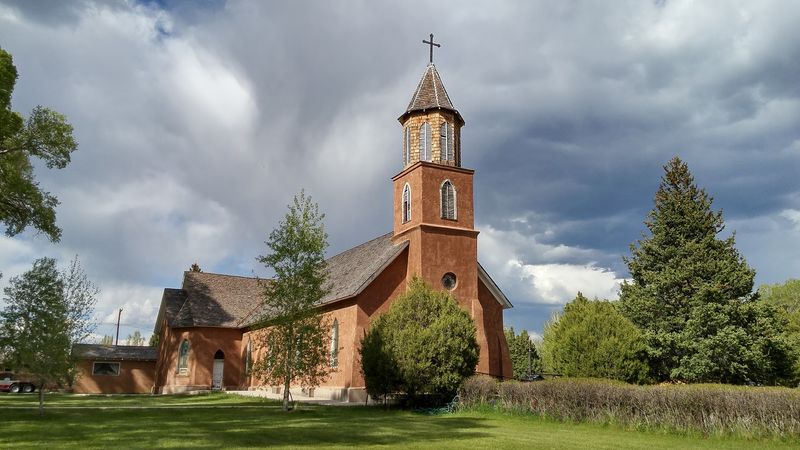
Our Lady of Guadalupe Parish is among the oldest continuously active parishes in Colorado. The church building and its surrounding community have anchored the spiritual life of San Luis through every decade since the town’s founding.
That continuity is rare and worth recognizing.
Even visitors who are not Catholic tend to notice how naturally faith is woven into the physical landscape of San Luis. The Stations of the Cross trail, the santos in the museum, the church at the center of town.
These are not decorations. They are honest expressions of what this community has always valued and continues to value today.
What the San Luis Valley Looks Like From Ground Level
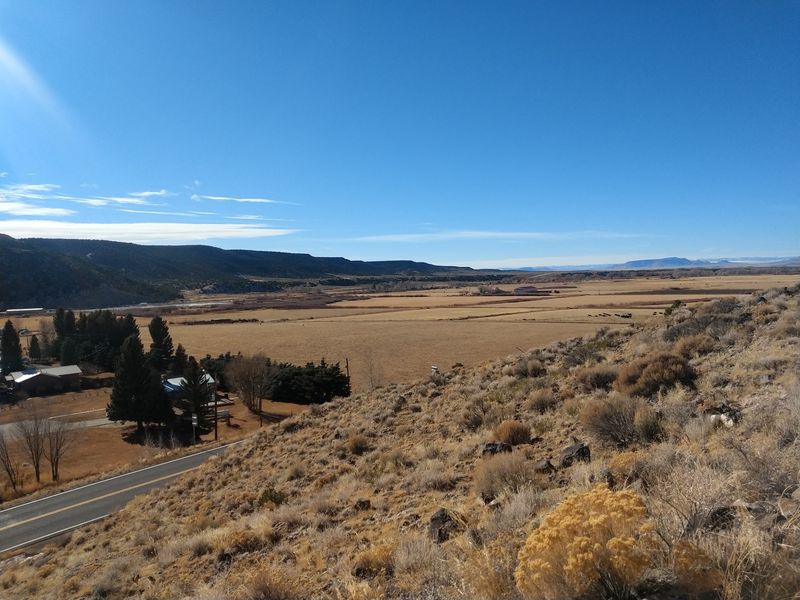
The San Luis Valley is one of the largest alpine valleys in the world, a broad, flat basin sitting at roughly 7,500 feet above sea level and enclosed by mountain ranges on both sides. From inside the valley, the scale of the landscape can feel almost disorienting.
The sky takes up more of your vision than you expect.
San Luis sits in the southern portion of this valley, closer to the New Mexico border than to most of Colorado’s more famous destinations. That southern position gives the town a climate and a character that feel distinct from the ski towns and mountain resorts most people associate with Colorado.
Summers here are warm and dry, with afternoon thunderstorms rolling in over the mountains with dramatic regularity. Winters are cold and clear, with the kind of silence that only wide open space can produce.
The valley has a beauty that rewards patience and attention rather than rushed itineraries.
Land Grants, Borders, and a Complicated Legal History
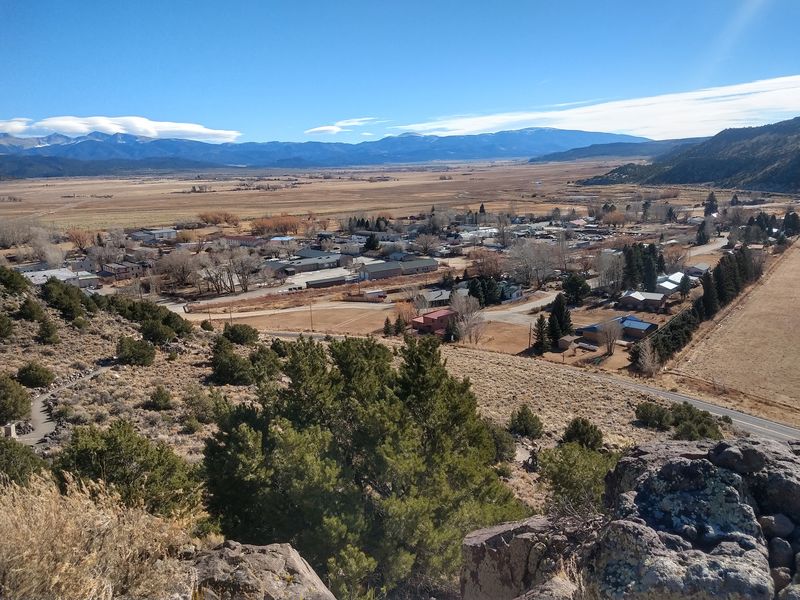
The land on which San Luis stands was originally part of the Sangre de Cristo Land Grant, a massive tract of land conveyed under Mexican authority before the Mexican-American War transferred the region to the United States. The legal history of that grant is long, complicated, and still felt by families in the area today.
When the war ended and the Treaty of Guadalupe Hidalgo was signed in 1848, residents of the newly acquired territories were theoretically guaranteed protection of their existing property rights. The reality of how those rights were honored over the following decades is a more complicated story involving courts, politics, and shifting interpretations of land law.
Understanding this history adds real depth to a visit to San Luis. The town did not simply appear on American soil.
It was already there, with its own legal foundation, and the question of how that foundation was treated tells you a great deal about the broader history of the American Southwest.
Huberto Maestas and the Art That Defines the Hilltop
The name Huberto Maestas may not be widely known outside of southern Colorado, but his work is the most visually striking thing many visitors encounter in San Luis. A local sculptor born and raised in the valley, Maestas created the bronze figures that line the Stations of the Cross trail above town, and the quality of the work is genuinely impressive.
Each figure is life-size and expressive, capturing movement and emotion in a way that connects immediately with viewers. The project took years to complete, and the dedication required to create that many large bronze sculptures in a small community speaks to how seriously the town takes its cultural and spiritual identity.
Maestas drew on his own heritage and faith to inform the work, which gives the sculptures a personal quality that purely commissioned public art sometimes lacks. His contribution to San Luis is one of the reasons the town deserves far more attention than it typically receives from the wider world.
How San Luis Compares to Other Old Colorado Towns
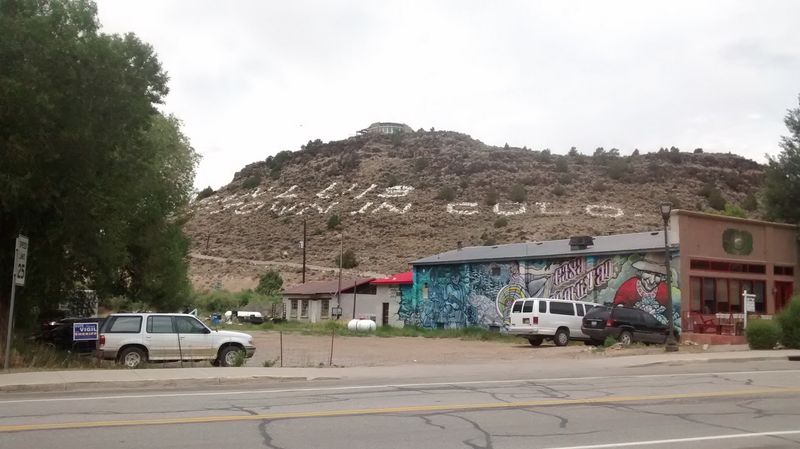
Colorado has plenty of historic towns. Cripple Creek, Central City, and Silverton all draw visitors with their mining-era histories and preserved Victorian architecture.
San Luis occupies a completely different category, and that difference is what makes it worth seeking out specifically.
Those mining towns were born from boom-era economics, built fast and loud during gold and silver rushes. San Luis was built slowly and intentionally by farming families who planned to stay permanently.
The architecture reflects that difference. Adobe and stucco instead of false-front wooden storefronts.
A plaza layout instead of a single commercial main street.
The cultural foundation is also distinct. Where many Colorado historic towns celebrate Anglo-American frontier identity, San Luis represents a Hispanic American story that is just as old and just as legitimate but far less frequently told in mainstream travel coverage.
That gap in storytelling is exactly why this town deserves a closer look from curious travelers.
Practical Tips for Visiting San Luis Today
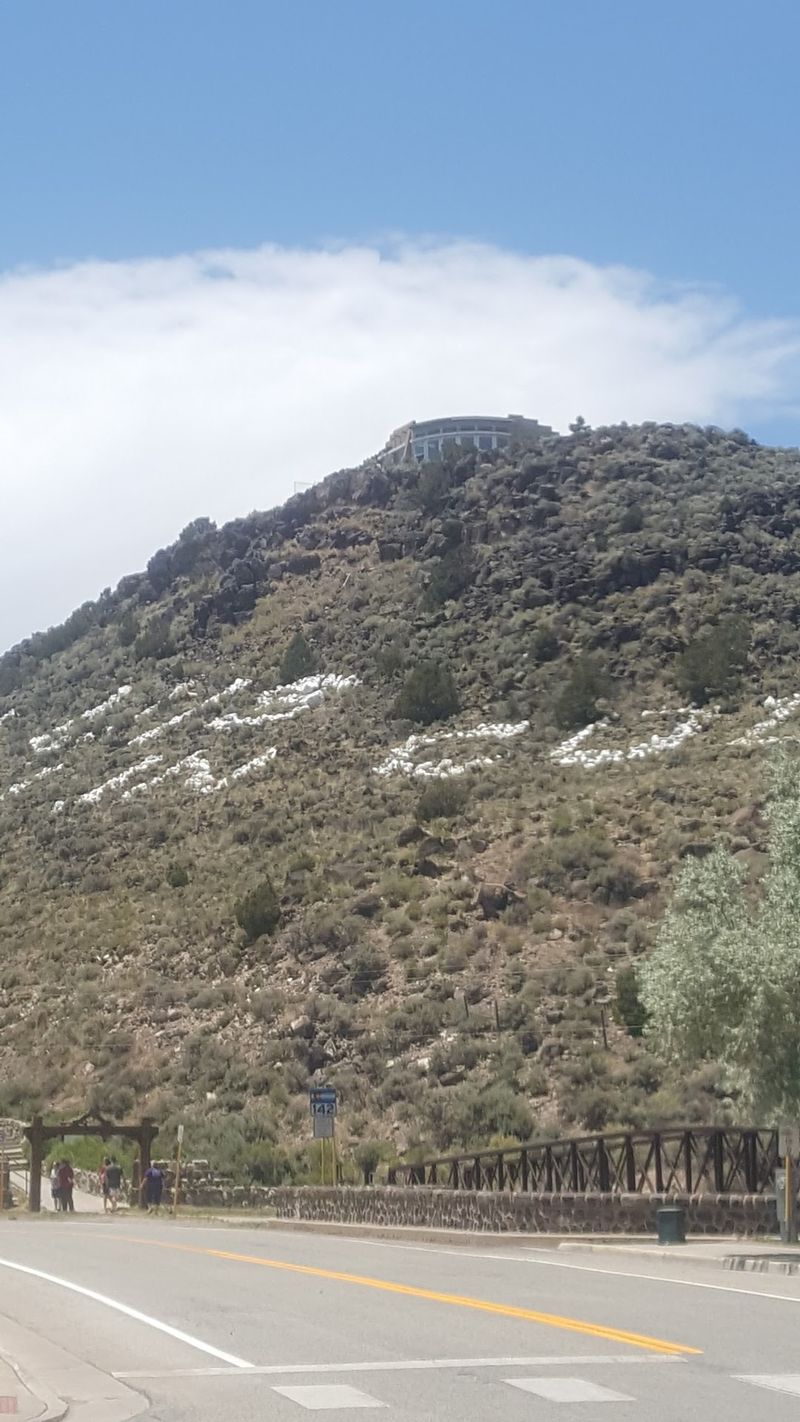
Getting to San Luis requires a deliberate choice. The town sits along Colorado Highway 159, south of Fort Garland and north of the New Mexico border.
Most visitors approach from the north via U.S. Highway 160 through Alamosa, then head south on 159 through the valley.
The drive itself is scenic and unhurried.
Plan to spend at least half a day in town to do it justice. The Stations of the Cross trail walk takes roughly 45 minutes to an hour round trip depending on your pace.
The museum is small but worth your full attention. The plaza area gives you a feel for the town’s layout and daily rhythm.
Cell service can be limited in parts of the valley, so download offline maps before you arrive. Bring water, wear sunscreen, and respect the quiet pace of the community.
San Luis is not set up for high-volume tourism, and that is a significant part of its appeal.
Why San Luis Deserves a Place on Your Colorado List
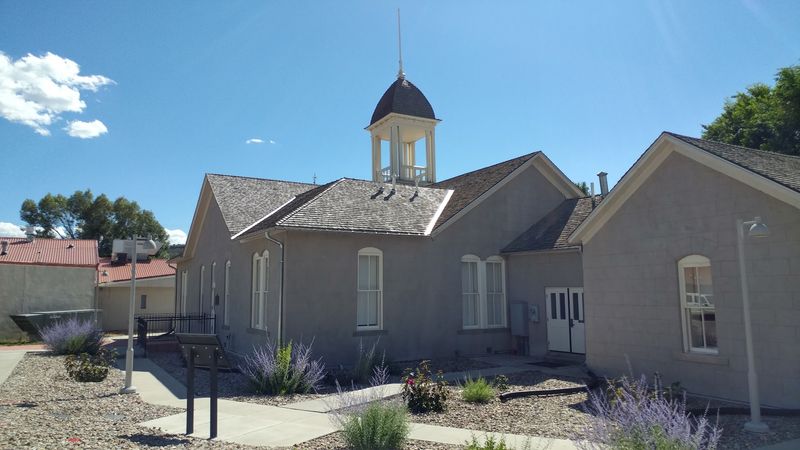
Colorado tourism tends to cluster around ski resorts, national parks, and mountain towns with craft coffee shops. San Luis sits outside all of those categories, and that is precisely what makes it memorable.
There is nothing here competing for your attention with flashy marketing or curated Instagram backdrops.
What San Luis offers is something harder to manufacture: genuine historical depth, a living cultural identity, and a landscape that has barely changed in a century. The town has survived not because it reinvented itself for each new era but because its foundation was strong enough to endure without reinvention.
Nearby, the San Luis Valley offers additional reasons to extend your trip. Great Sand Dunes National Park is within driving distance to the north, and the broader Costilla County landscape rewards exploration.
But San Luis itself is the anchor, the place that reframes your understanding of what Colorado actually is and how long people have called it home.
Share this story