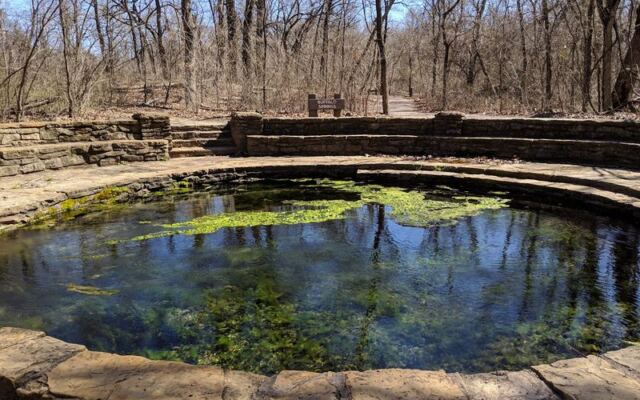
Tucked inside the Chickasaw National Recreation Area near Sulphur, Oklahoma, Buffalo Springs is one of those rare places that rewards you for simply showing up and slowing down. A short trail winds through shaded forest to a circular stone basin where water bubbles up from the earth, clear and cold, as naturally as it always has.
The spring sits quietly off the beaten path, drawing hikers, families, and anyone who needs a genuine break from the heat. With a 4.8-star rating and a trail that costs absolutely nothing to walk, this little Oklahoma gem punches well above its weight.
Buffalo Springs and Where to Find It
Right at the edge of Sulphur, Oklahoma, one of the state’s most refreshing outdoor surprises waits at the end of a forested trail. Buffalo Springs sits within the Chickasaw National Recreation Area, a federally managed park located in Sulphur, OK 73086, in the south-central part of the state.
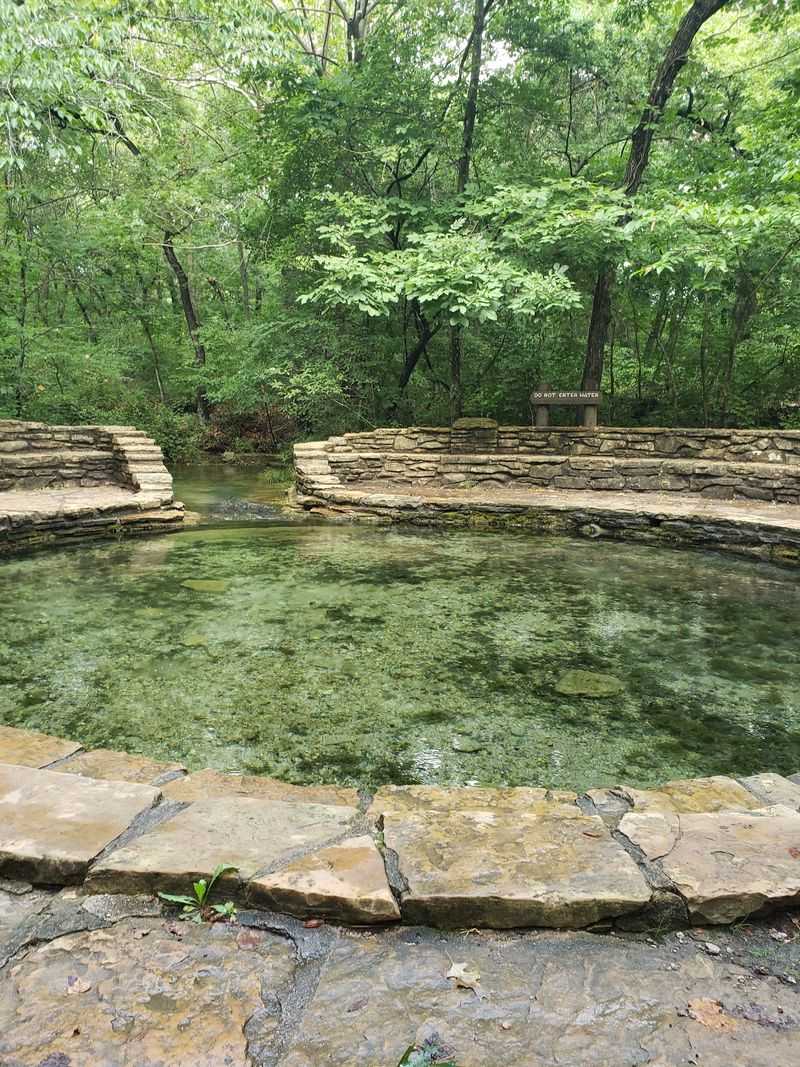
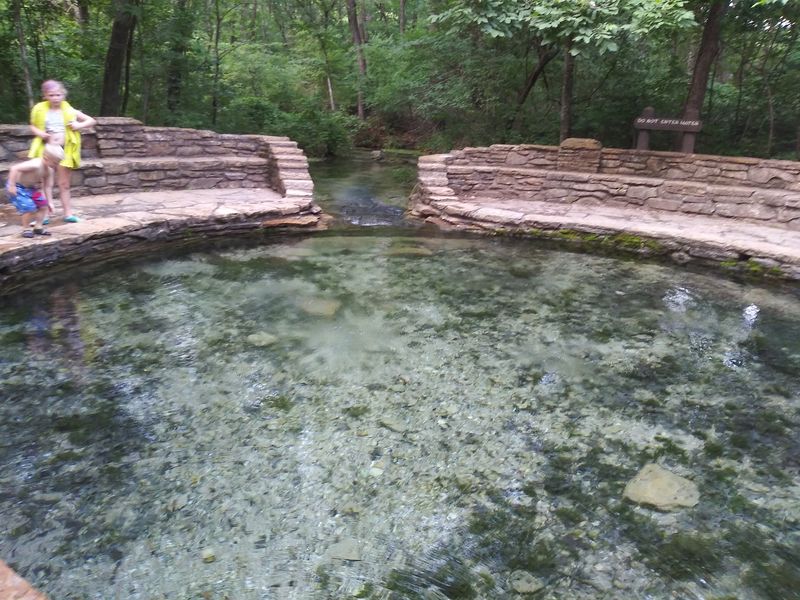
The Chickasaw National Recreation Area is one of Oklahoma’s most beloved natural escapes, and Buffalo Springs is among its most rewarding hidden features. The spring itself is a naturally occurring phenomenon where groundwater pushes up through the earth and collects inside a hand-built circular stone basin.
Getting here is straightforward once you know the starting point. The trail to Buffalo Springs begins at the park’s Nature Center, which serves as both the trailhead and a helpful orientation point for first-time visitors.
From the Nature Center, the spring is roughly 0.7 miles along a well-maintained gravel path. Plan for a relaxed round-trip walk of about 1.5 miles total, and bring water because Oklahoma summers are no joke.
The Story Behind the Spring
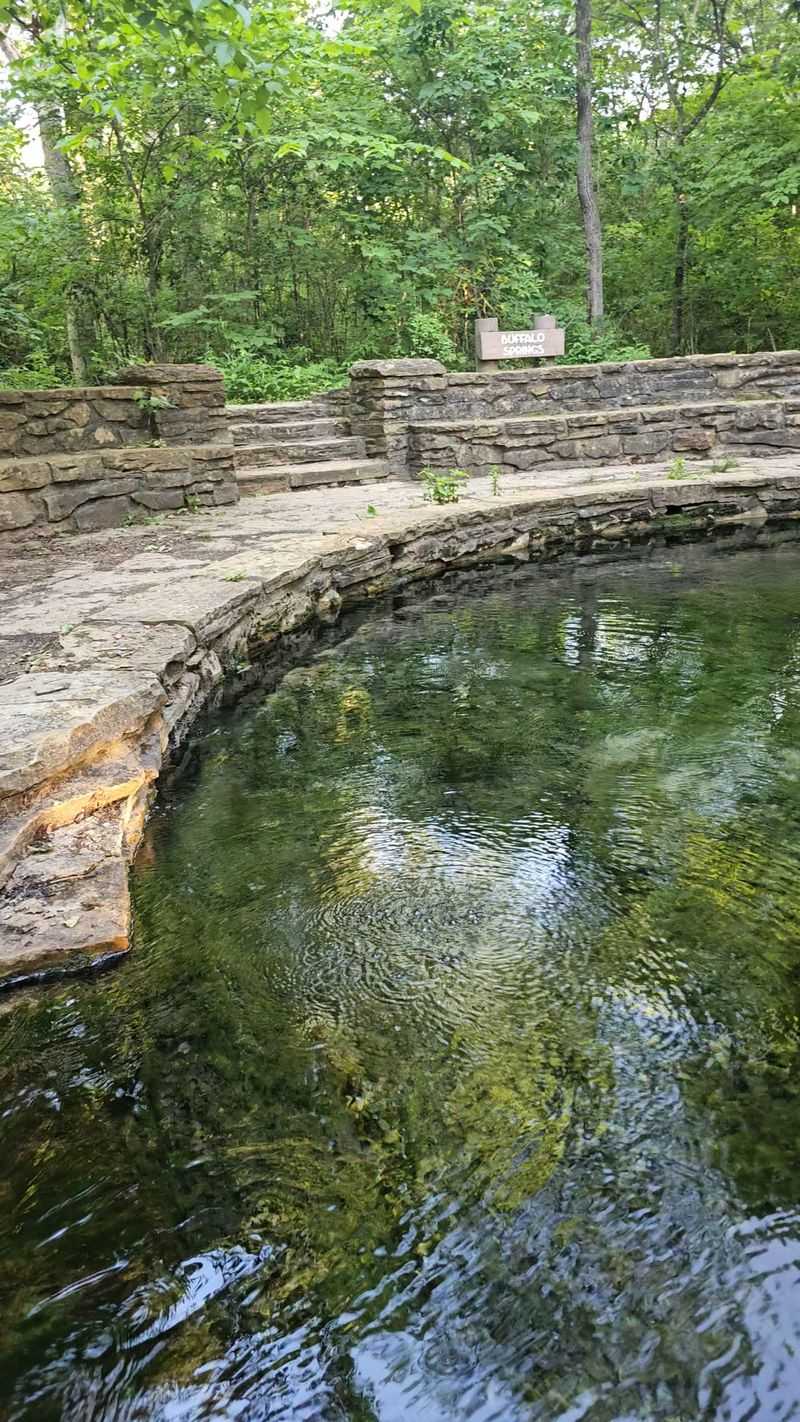
Long before hiking boots and gravel trails, this spring had a very different set of regular visitors. Buffalo Springs earned its name from the American bison that once roamed the region and reportedly used this very spot to bathe and drink.
The Chickasaw National Recreation Area itself carries deep cultural significance. The land was originally part of the Chickasaw Nation’s territory, and the area around Sulphur was known for its mineral springs long before federal preservation efforts began.
Congress established the area as Platt National Park in 1902, making it one of the earliest national parks in the country. It was later redesignated as the Chickasaw National Recreation Area in 1976.
The stone basin surrounding the spring was built to frame and protect the natural headwaters, giving visitors a clear view of the water as it rises from the aquifer below. That craftsmanship has held up over the decades, and the spring continues to be well-maintained by park staff.
Knowing that bison once stood where you now sit adds a quiet sense of history to every visit.
The Trail That Gets You There
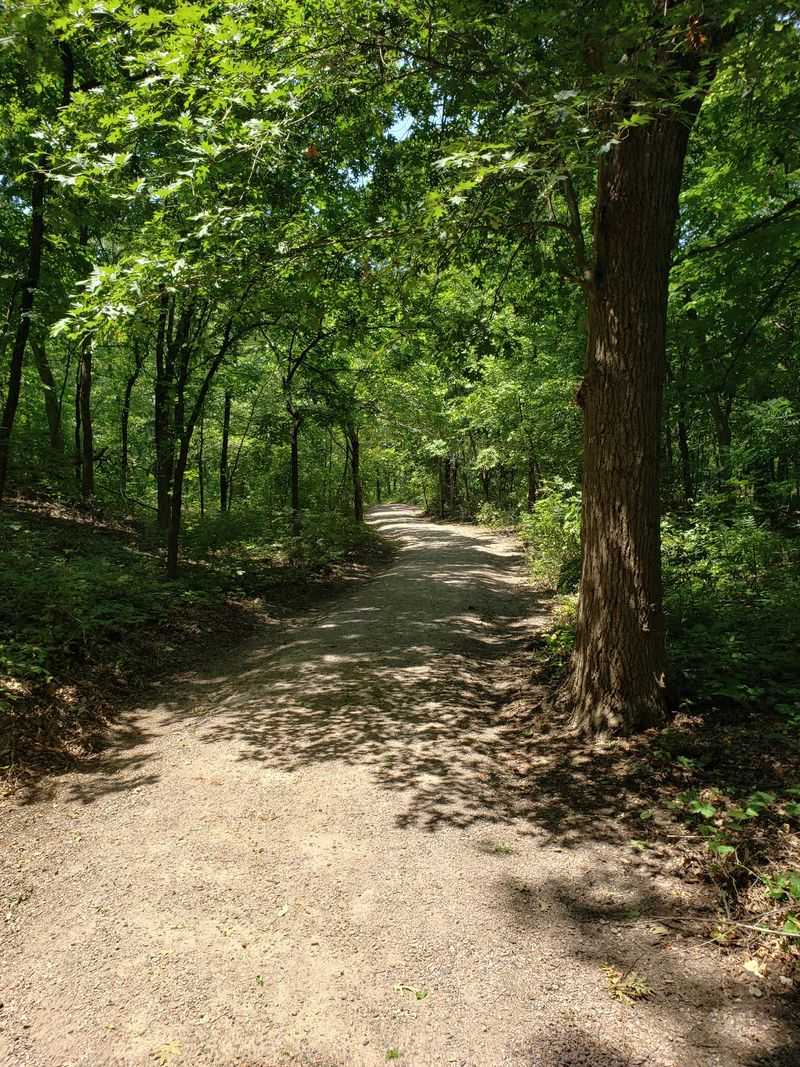
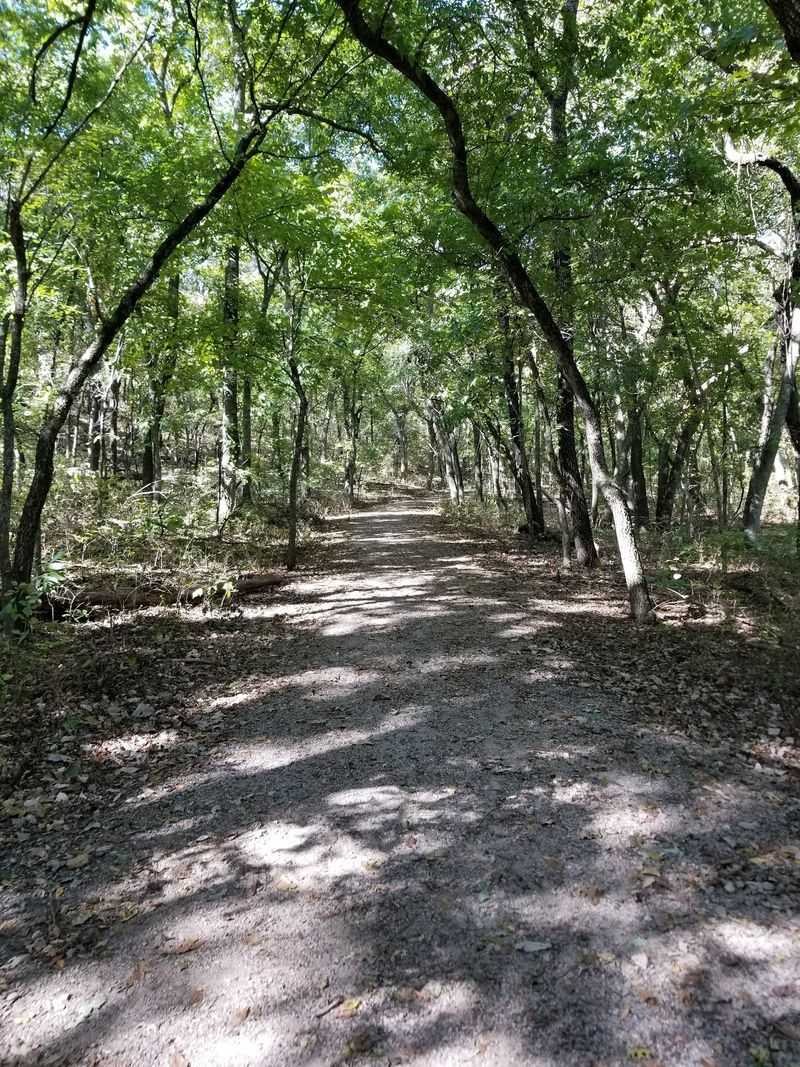
Few trails in Oklahoma deliver as much atmosphere per mile as the path leading to Buffalo Springs. The route begins at the Nature Center and follows a gravel-padded trail through dense forest, keeping the walk comfortable underfoot even on warm days.
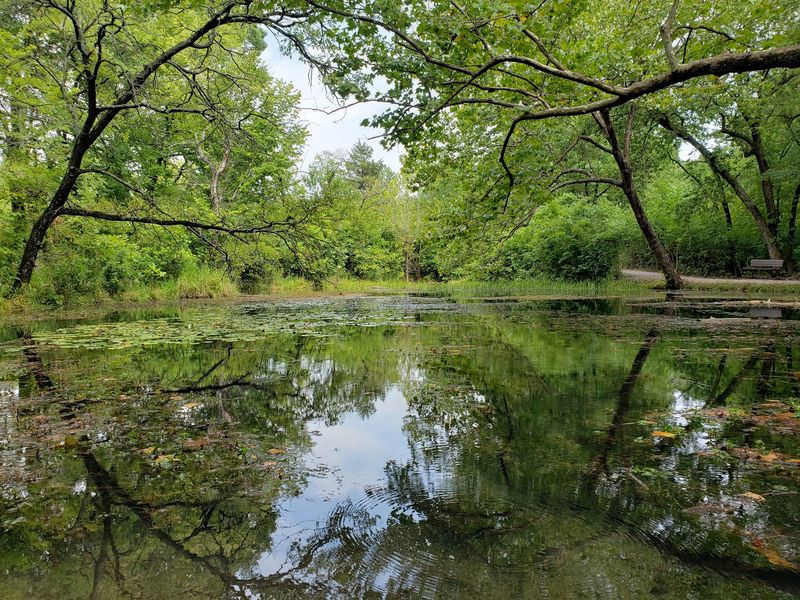
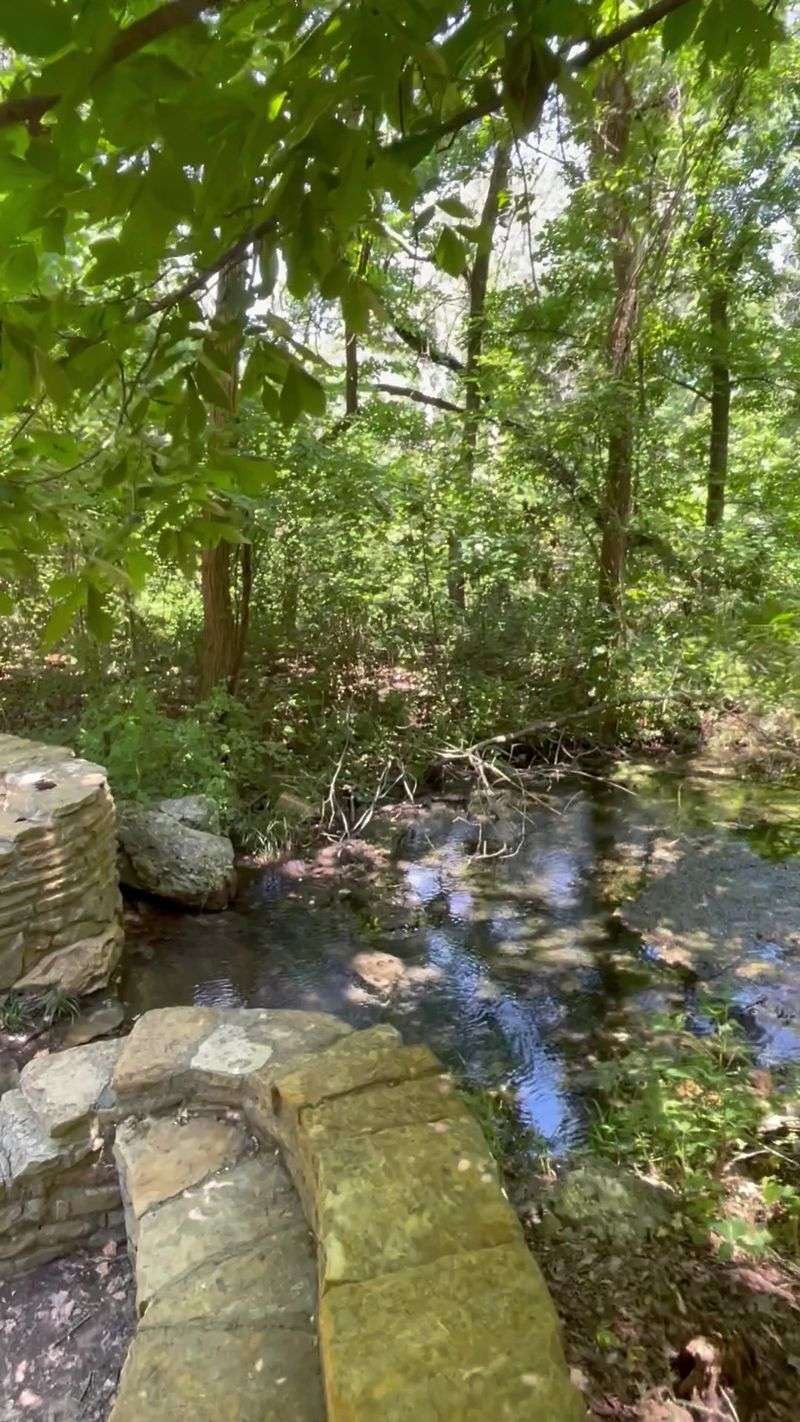
A spring-fed stream runs alongside much of the path, adding a gentle soundtrack of flowing water to the journey. The tree canopy overhead provides consistent shade, which makes a meaningful difference when temperatures climb into the high 80s or beyond.
The combination of shade, moving water, and soft trail surface gives the walk a surprisingly cooling effect even before you reach the spring itself.
A wooden bridge marks a key moment along the route. Cross it, and the circular stone basin of Buffalo Springs comes into view almost immediately.
The trail is well-signed and easy to follow, making it accessible for families with young children as well as older visitors. Side trails branch off from the main path, offering options to extend the hike if the mood strikes.
The whole out-and-back walk takes most people under an hour at a relaxed pace.
The Spring Itself Up Close
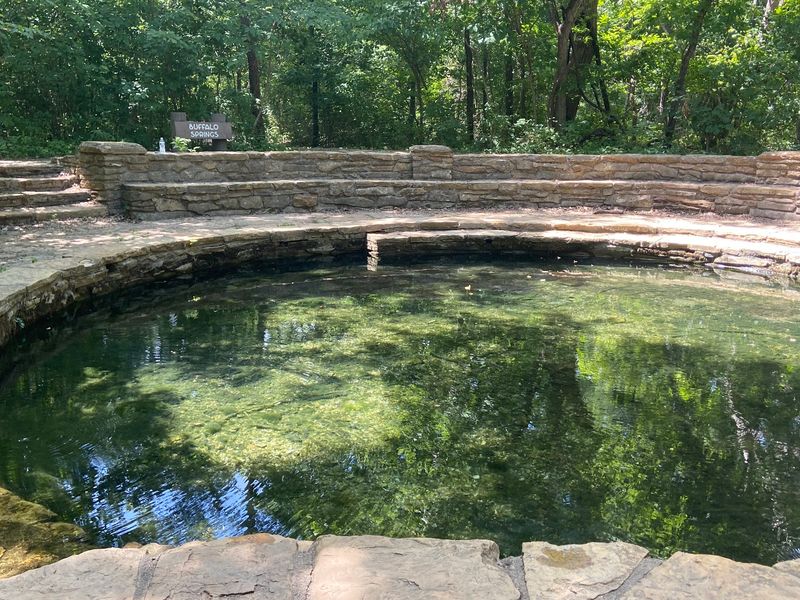
Nothing quite prepares you for the sight of water actively pushing up from the ground. At Buffalo Springs, the water rises visibly through the center of the stone basin, bubbling and shimmering in a way that feels almost alive.
One visitor described it simply as “the spring is alive,” and that captures it well.
The water is strikingly clear. You can see straight through to the bottom of the basin, where the bubbling action stirs fine sediment into small spiraling patterns.
The stone ring surrounding the spring is circular and low, designed so visitors can sit directly on the edge and let their feet dangle near the surface.
Even in July, the water stays cold. That cold temperature is a direct result of the spring’s connection to a deep underground aquifer, where water is insulated from surface heat year-round.
The contrast between the warm Oklahoma air and the cold water at your feet is genuinely refreshing. Worth noting: the spring can run lower or even dry during extended dry periods, so water levels can vary depending on how well the aquifer has been recharged by recent rainfall.
Wildlife Along the Way
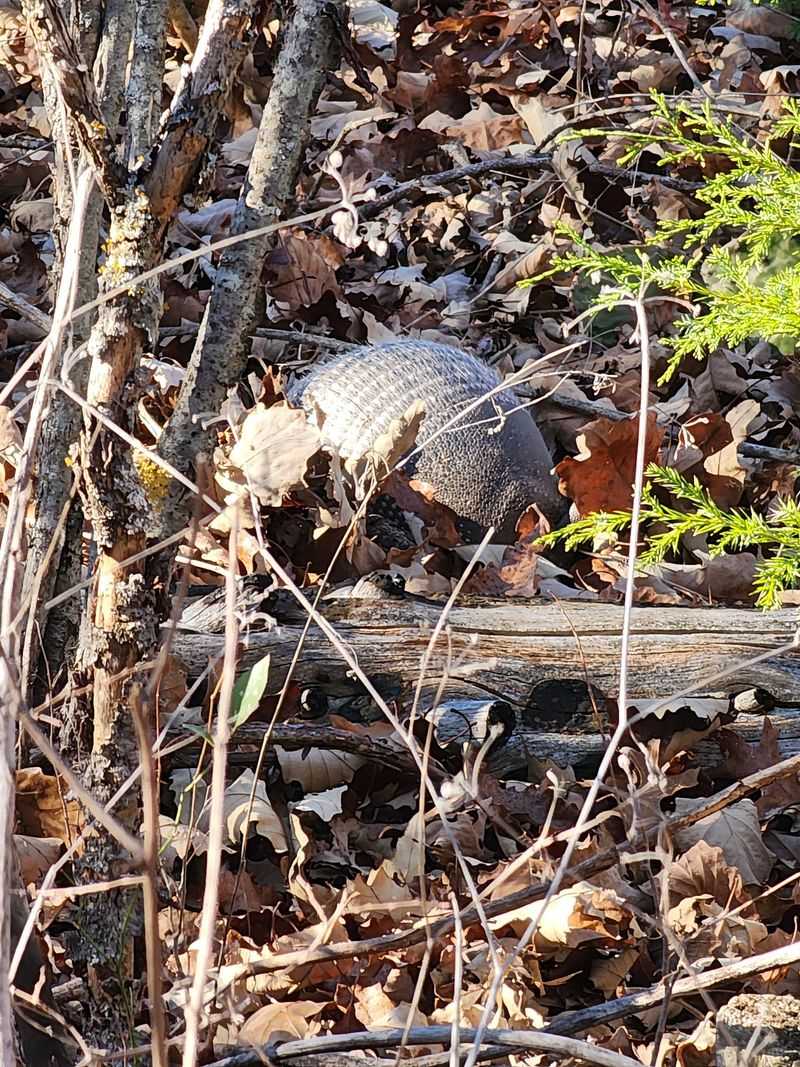
The trail to Buffalo Springs doubles as an informal wildlife corridor, and patient hikers are often rewarded for keeping their eyes open. Deer are among the most commonly spotted animals along the route, sometimes appearing close enough to the trail that you can stop and watch them for a moment before they drift back into the trees.
The forest habitat within the Chickasaw National Recreation Area supports a broad range of wildlife beyond deer. Birds are active throughout the canopy, and the spring-fed stream running alongside the trail attracts small animals that depend on fresh water.
The combination of flowing water, dense forest cover, and relatively light foot traffic creates conditions where wildlife sightings happen naturally rather than by chance.
Early morning visits tend to produce the best wildlife encounters, simply because animal activity peaks before the heat of the day sets in. Bringing a pair of binoculars adds another layer of enjoyment to the hike without adding any weight worth complaining about.
The trail’s manageable length means you can walk slowly, stop often, and still complete the round trip without feeling rushed. Wildlife viewing here feels organic rather than staged.
Travertine Creek and the Headwaters Connection
Buffalo Springs feeds into something larger than itself. The spring sits at or near the headwaters of Travertine Creek, one of the most scenic waterways within the Chickasaw National Recreation Area.
Following the water downstream from the spring eventually leads to other beloved spots within the park.
Travertine Creek is spring-fed throughout its course, which means the water stays remarkably clear and cold even during Oklahoma’s hottest months. The creek winds through the park past several other swimming and wading areas, including the popular Little Niagara falls area, which draws larger crowds than the more peaceful spring.
The connection between Buffalo Springs and Travertine Creek gives the spring a sense of purpose beyond its immediate setting. The water rising from the aquifer here becomes part of a living system that flows through the park and supports the ecosystem downstream.
Understanding that relationship makes the bubbling at the basin feel less like a curiosity and more like a source. Antelope Springs is another spring within the park worth visiting if you want to experience multiple natural water sources during a single trip.
The Nature Center at the Trailhead
Before the trail even begins, the Nature Center at the trailhead offers a worthwhile stop on its own. Small but well-curated, the center gives visitors context for what they are about to experience, with exhibits covering the park’s ecology, geology, and cultural history.
A short film plays in the on-site theater for those who want a deeper introduction before heading out.
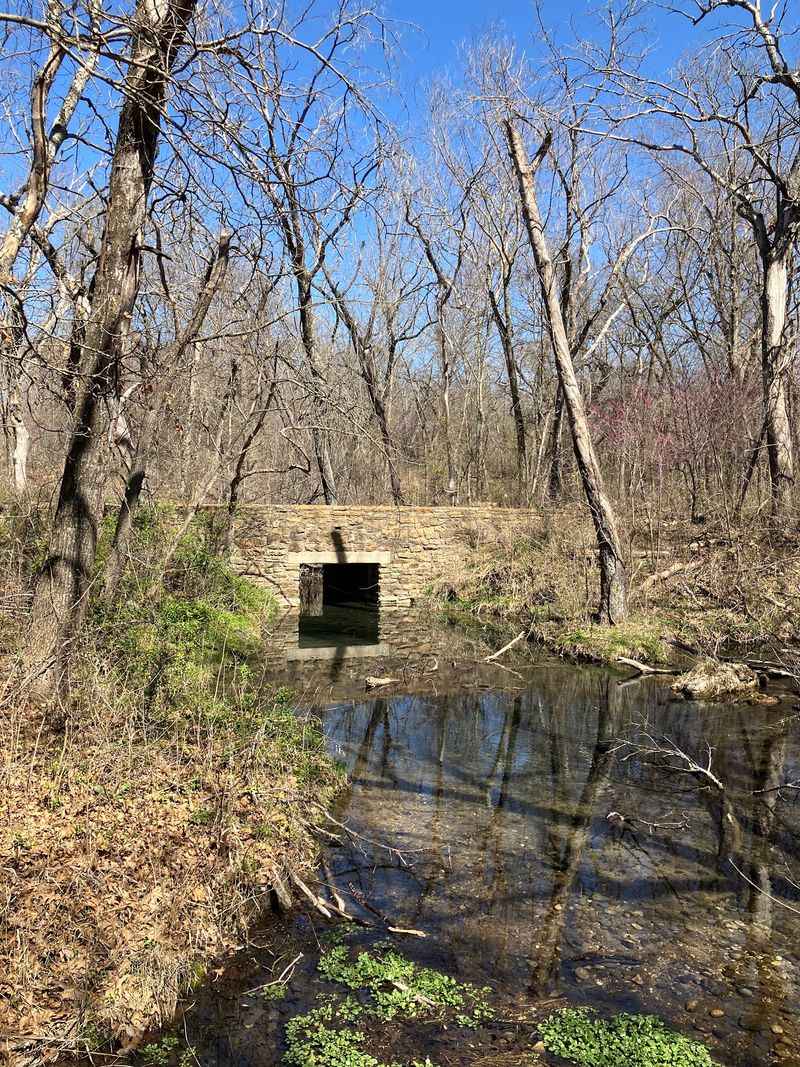
The gift shop inside the Nature Center carries a modest selection of souvenirs and nature-themed items, making it a convenient spot to pick up something to remember the visit. The building itself sits directly above Travertine Creek, which flows beneath the structure in a setup that feels almost theatrical.
You can hear the water from inside.
For families with children, the Nature Center serves as a natural anchor point. Kids can learn something before the hike and then see what they learned come to life along the trail.
It also provides restroom facilities, which is a practical detail worth knowing before heading out on the path. The center’s presence at the trailhead makes the whole experience feel organized and welcoming rather than thrown together.
A Family Tradition Written in Trail Dust
Some places earn their reputation one generation at a time. Buffalo Springs has become exactly that kind of place for families in Oklahoma and beyond, with parents returning year after year to walk the same trail they first walked with their own children years ago.
The hike is short enough for young kids but scenic enough that adults never feel like they are just marking time. The gravel path stays smooth and even, which means strollers can manage the route without too much difficulty on most sections.
The wooden bridge crossing and the moment the spring comes into view both serve as natural highlights that children remember long after the visit ends.
Taking photos at the spring has become a tradition for many families, using the circular stone basin as a backdrop to document how much kids have grown from one visit to the next. The consistency of the place is part of its charm.
The trail looks largely the same year after year, the spring bubbles in the same spot, and the shade from the canopy overhead remains reliably generous. Buffalo Springs rewards the kind of loyalty that turns a single outing into a lasting family ritual.
Poison Ivy and Trail Safety
One honest caveat deserves its own section because it can genuinely affect your visit if you are not prepared. Poison ivy grows abundantly along the Buffalo Springs trail and throughout the surrounding forest.
The good news is that it stays off the maintained path, so hikers who stick to the gravel trail have very little to worry about.
Knowing how to identify poison ivy before you go is a worthwhile five-minute investment. The plant appears in clusters of three leaflets, often with a slightly glossy surface, and it grows low to the ground as well as climbing up tree trunks.
If you have children with you, a quick pre-hike lesson on what to avoid keeps everyone comfortable and rash-free.
Wearing long pants and closed-toe shoes adds a layer of protection, especially if you plan to explore any of the side trails that branch off from the main route. The park staff maintains the primary path carefully, but the side trails venture closer to natural vegetation where contact is more likely.
A little awareness goes a long way here. The trail is genuinely enjoyable and safe when you respect the boundaries the park has established for good reason.
Sitting at the Spring and Cooling Off
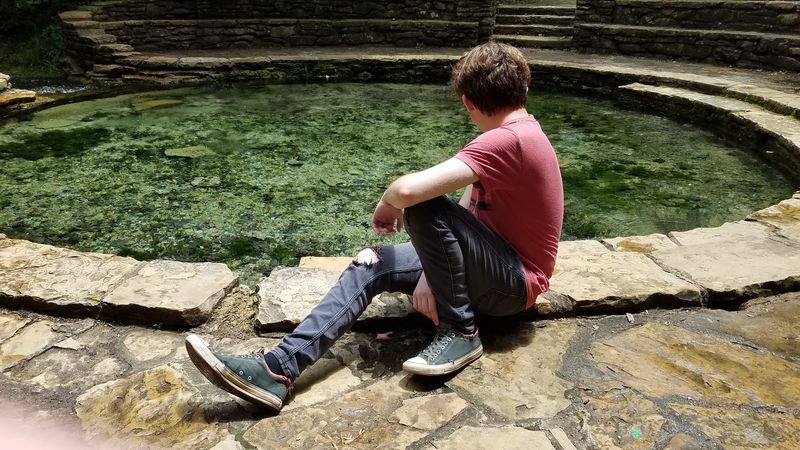
After the walk through the trees, arriving at the stone basin feels like a small reward. The circular ring of stones is wide enough to sit on comfortably, and most visitors naturally settle down around the edge to rest, take in the view, and let the sound of moving water do its work.
Dipping your feet into the cold water is a genuine pleasure, especially after a warm-weather hike. The temperature of the spring stays cold year-round thanks to the aquifer feeding it, and the contrast against sun-warmed skin makes even a brief soak feel restorative.
The bubbling at the center of the basin creates a gentle, constant sound that has a noticeably calming effect after time spent in the sun.
The setting around the spring is peaceful in a way that is hard to manufacture. Trees press close on all sides, filtering the light and keeping the immediate area cooler than the surrounding landscape.
There are no vendors, no noise, and no distractions. Just a stone circle, cold water rising from the earth, and as much quiet as you want to take with you.
That simplicity is exactly what makes Buffalo Springs worth the walk.
Best Times to Visit and Seasonal Notes
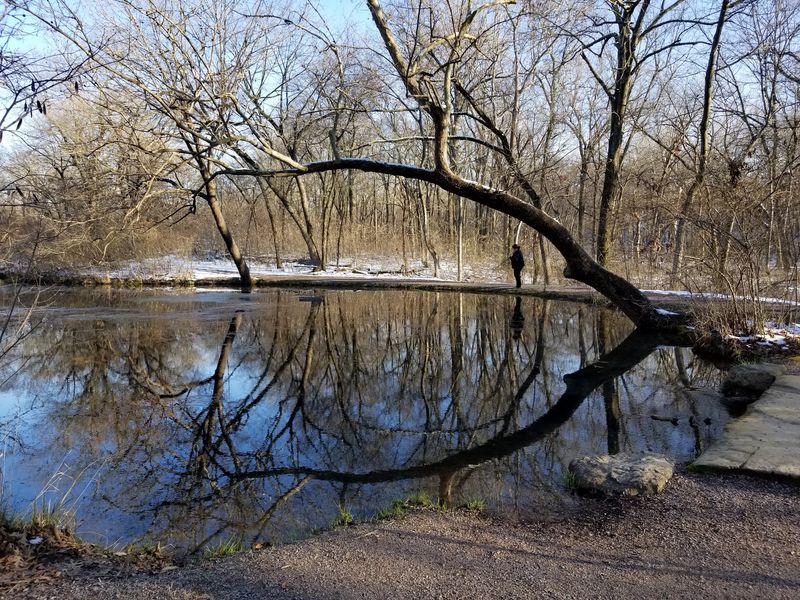
Buffalo Springs holds its appeal across most of the year, but the experience shifts noticeably depending on when you arrive. Spring and early summer bring the fullest water flow, with the aquifer well-charged from winter and spring rains.
Visiting in May or June often means finding the spring at its most active and visually striking.
Midsummer visits are still worthwhile, though the spring can run lower during extended dry stretches. Even when water levels drop, the shaded trail and the cool air near the basin make the hike a comfortable escape from Oklahoma heat.
Weekday visits tend to be quieter than weekends, and mid-morning arrivals often beat the afternoon crowds that gather at the more popular areas of the park nearby.
Fall brings a different kind of beauty to the trail. The canopy shifts color, the crowds thin considerably, and the forest takes on a quieter quality that suits a contemplative walk.
Winter visits are possible and occasionally rewarding, though the spring may run lower during dry cold spells. Whatever the season, checking recent park conditions before you go helps set accurate expectations, particularly regarding water levels at the spring itself.
Planning Your Visit to Buffalo Springs
Getting to Buffalo Springs is easier than the spring’s quiet reputation might suggest. The Chickasaw National Recreation Area is located just off Highway 7 near Sulphur, Oklahoma, roughly 90 miles southeast of Oklahoma City and about 80 miles north of the Texas border.
The drive from Oklahoma City runs about an hour and a half under normal conditions.
Access to the park and the Buffalo Springs trail is free, which makes this one of the better no-cost outdoor experiences available in the state. The Nature Center serves as the practical starting point, providing parking, restrooms, and trail information.
One useful note: GPS navigation to the spring directly can sometimes route drivers down access roads that are not suitable for standard passenger vehicles. Following directions to the Nature Center first and then walking the trail is the more reliable approach.
The park has no admission fee, no reservation requirement for the trail, and no time limit on how long you stay at the spring. Bring water, wear comfortable shoes, and leave the heavy gear behind.
Buffalo Springs rewards simplicity, and the only thing you really need to bring is a willingness to slow down and let a cold, bubbling spring remind you what Oklahoma has quietly kept to itself for a very long time.
Share this story