Open your closet and you might spot a few things that look like they came from your grandparents’ photo albums. Fashion loves to circle back, and right now the 1970s are getting most of the attention.
Flared denim, chunky shoes, suede jackets, and flowing sleeves are all showing up again in stores and on the street. This list walks through 17 vintage trends that are returning with fresh twists, plus simple ideas for wearing them today.
Some are bold and some are quiet, but each one proves that old style can feel new again.
Bell-Bottoms and Flared Jeans
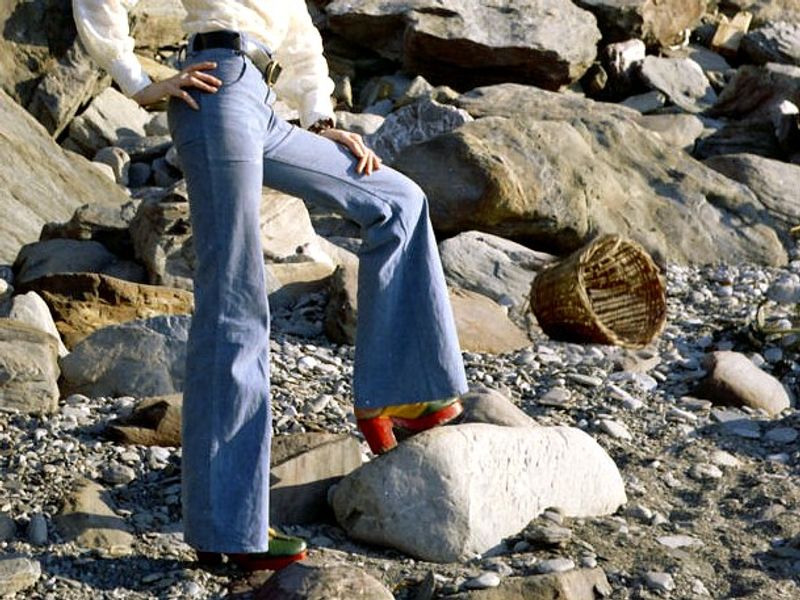
Skinny jeans once seemed impossible to replace, but flared denim has worked its way firmly back into closets. Bell-bottoms became one of the most recognizable shapes of the 1970s, widening dramatically below the knee.
Today’s versions often keep the flare while adding higher rises, softer denim, or slightly more restrained proportions. That makes them easier to wear for school, work, or weekend plans.
The revival is showing up in high-profile places too. Vogue highlighted Margot Robbie in 2025 wearing distinctly 70s-inspired flared jeans paired with a halter-style top.
That may explain the staying power of this shape. A flare feels unmistakably retro, yet when it is paired with a simple shirt, a blazer, or a fitted knit, the whole outfit can look completely current.
For the best fit, try a hem long enough to nearly touch the floor when you are wearing your shoes.
Platform Shoes
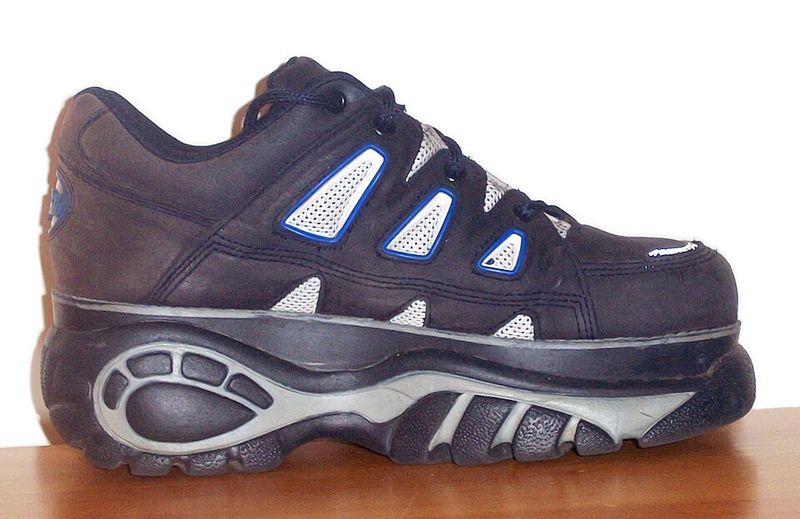
Few shoes announce themselves quite like platforms. Towering soles became tied to the glamour and experimentation of the 1970s, especially during the disco era.
They appeared as sandals, boots, and other statement shoes that added height without depending on a narrow heel. That meant more stability along with the drama.
Modern designers keep returning to the same idea. Today’s platforms show up on sandals, sneakers, loafers, and boots, often with lighter construction and more wearable proportions.
They work because they do two jobs at once. An outfit feels dramatic, yet the shoe still reads as a clear nod to the past.
Even when everything else you wear is understated, a thick sole can supply all the personality you need. Try a platform loafer with straight trousers for a look that feels fun without being loud.
Tie-Dye Prints
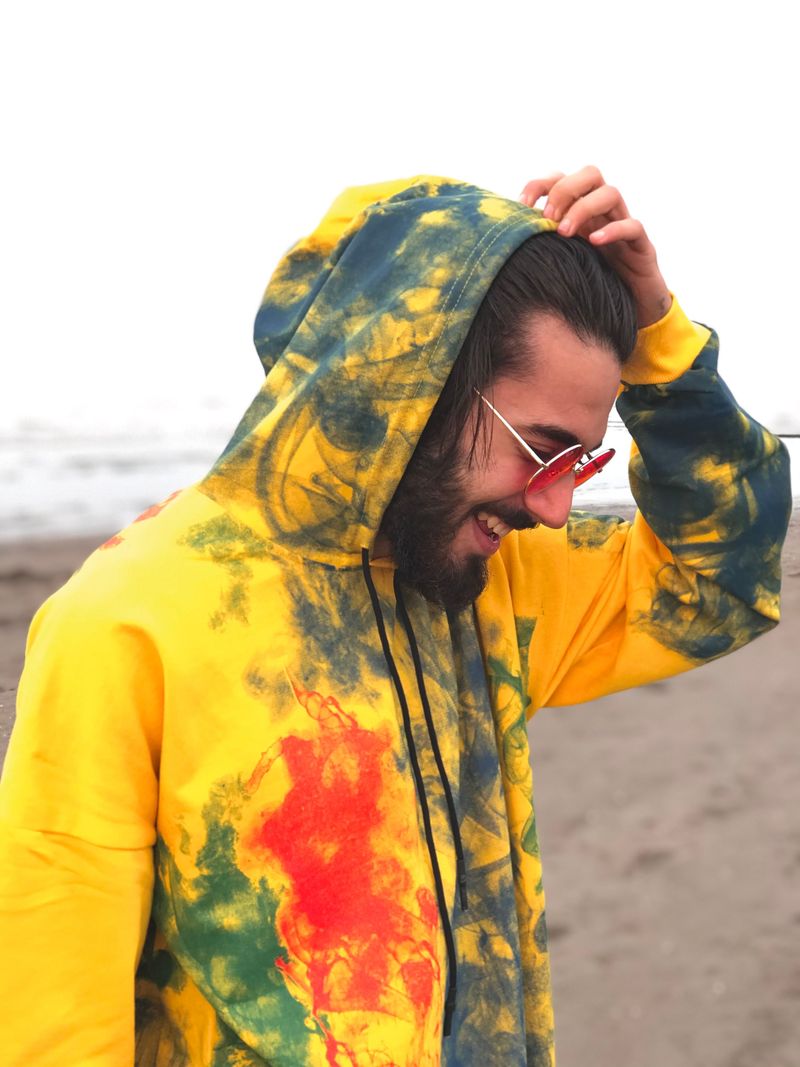
Swirls of color that never repeat exactly: that is the magic of tie-dye. It has traveled through enough generations that it no longer belongs to just one era, but its link to late-60s counterculture and early-70s style is still strong.
The patterns stood for individuality and do-it-yourself creativity. In the 1970s, Vogue itself featured tie-dyed fashion, including a Halston silk chiffon design photographed for the magazine in 1971.
Today’s tie-dye does not always mean a bright T-shirt. Designers have adapted the technique to dresses, knitwear, denim, muted color palettes, and even luxury fabrics.
That flexibility may be why it keeps coming back. No two patterns look exactly alike, which gives mass-produced clothing a surprisingly personal feel.
If you want to try it, start with a soft, earthy palette. You can also make your own at home with a plain cotton shirt and a dye kit.
Crochet and Macramé
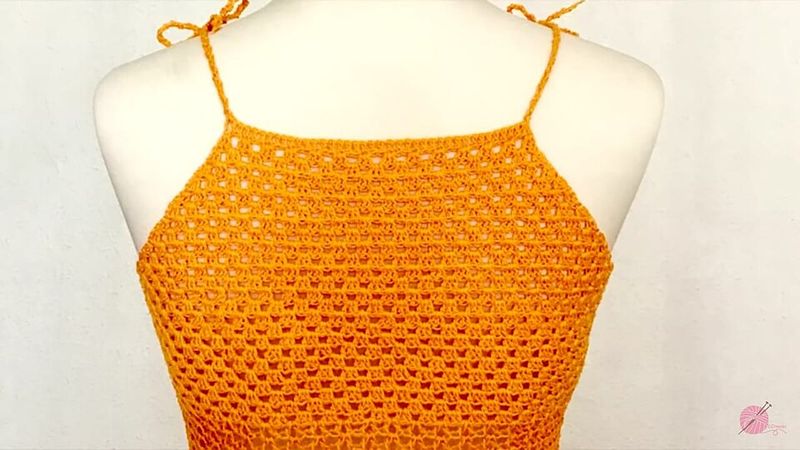
Handmade-looking clothing is having a big moment, and crochet and macramé came along for the ride. Both techniques fit naturally into the handcrafted, bohemian look of the 1970s.
Crochet tops, open-knit dresses, vests, bags, and accessories add texture to an outfit without needing complicated styling. One piece is often enough.
The revival has moved far beyond craft fairs. Crochet has appeared again and again in modern collections and is now used for everything from beachwear to evening pieces.
The appeal is easy to understand. In an age of smooth synthetic fabrics and mass production, visible stitching and open-knit texture feel refreshingly tactile.
It is retro fashion that looks as interesting up close as it does from across the room. A crochet bag over a plain outfit is a simple way to start.
Peasant Blouses
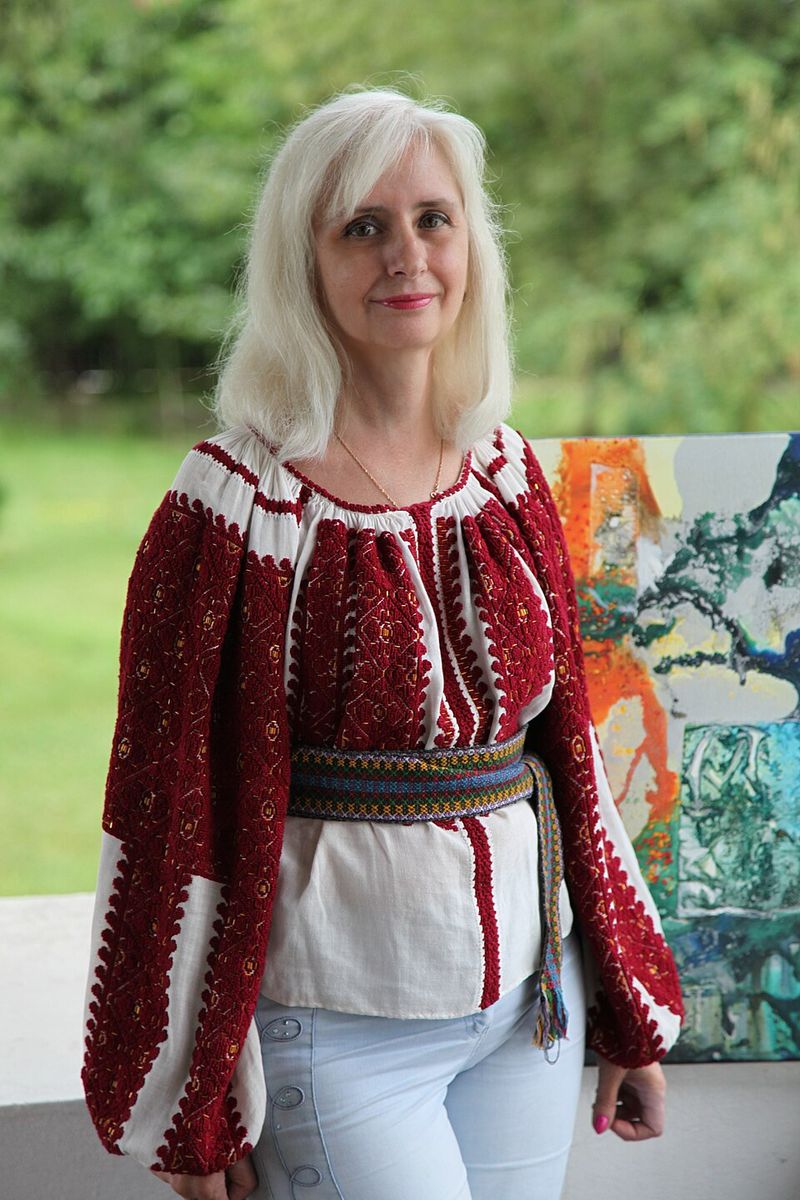
Flowing sleeves, gathered necklines, embroidery, and loose fabric made the peasant blouse a natural part of the bohemian side of 1970s fashion. Now those same romantic details have returned through the wider revival of boho dressing.
Modern versions range from heavily embroidered statement blouses to simpler cotton tops with balloon sleeves and gentle gathering at the neckline.
Paired with flared jeans, they lean strongly into retro territory. Worn with tailored trousers or a sleek skirt, the effect becomes much more current.
The shape also offers a welcome change after years of body-hugging fashion. Instead of being rigid or restrictive, a peasant blouse is designed to move.
That easy quality fits today’s growing interest in softer, more expressive clothing. It is a comfortable choice for warm days.
Fringe
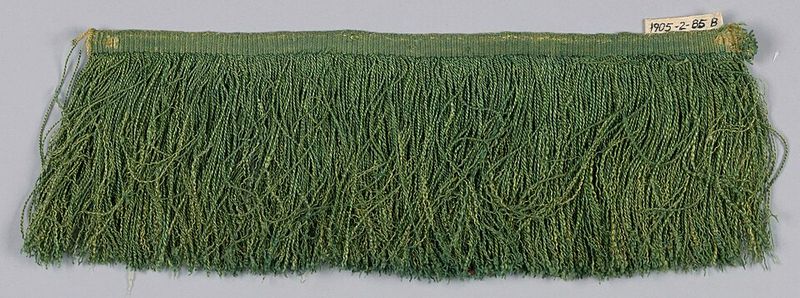
Fringe never stays still, which is exactly why designers keep bringing it back. A simple garment can look dramatic once the strands begin swinging with every step.
The detail appeared throughout 1970s fashion in several forms, from Western-inspired suede jackets to long, dramatic trim on bohemian pieces. Vogue’s history of the decade notes its prominent use in early-70s fashion.
Contemporary designers have stretched the idea well beyond suede. Fringe now appears on skirts, knit dresses, handbags, leather jackets, eveningwear, and metallic pieces.
With Western and boho influences both enjoying fresh attention, fringe has landed in exactly the right place for another comeback.
If a full jacket feels like too much, try a fringe bag or a small trim on a sleeve. It adds motion without taking over the whole outfit.
Midi Skirts
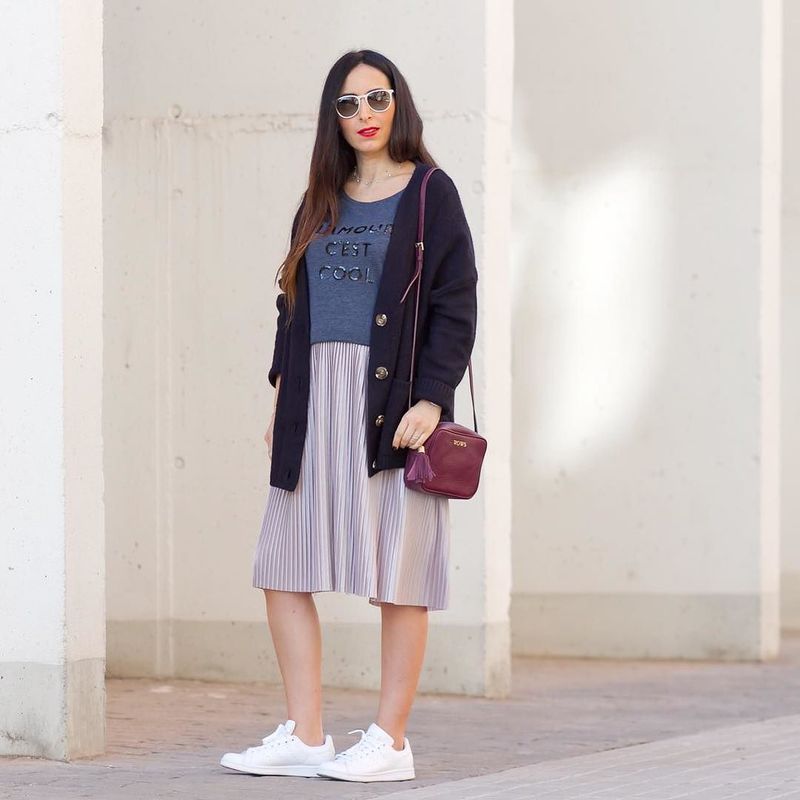
Right around the calf sits a very useful hemline. The midi skirt lives in the space between a mini and a full-length maxi.
Although the silhouette existed long before the 1970s, it became an important part of that decade’s wide mix of skirt lengths and softer dressing.
Modern fashion has rediscovered how practical the length can be. Pleated midis work with boots in winter, flowing floral versions pair easily with sandals, and streamlined styles can move from work to dinner.
It is also one of the easier vintage-inspired trends to wear without looking like you are dressed for a themed party.
The shape may come from the past, but almost everything about it still makes sense today. A midi with sneakers is a relaxed option for everyday errands.
Clogs
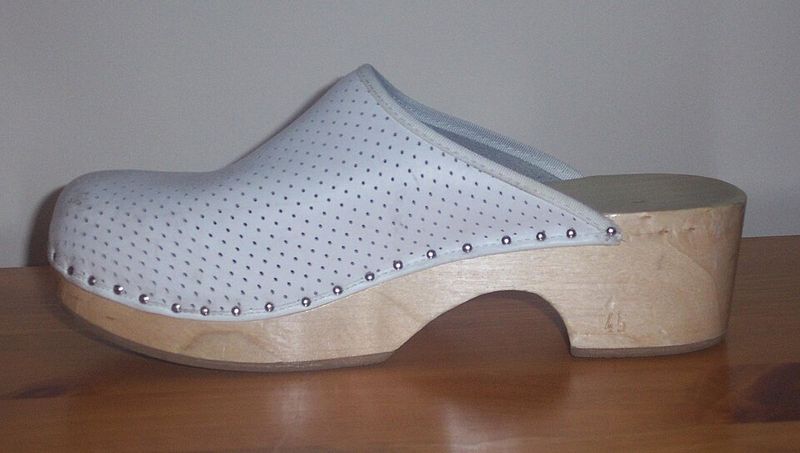
Few shoes divide opinion quite like clogs. Some people love the chunky look, and others need a little convincing.
The heavy wooden-soled footwear became highly visible in 1970s fashion, alongside the era’s interest in natural materials, folk influences, and bohemian dressing.
Now they are back in many forms. Some keep the classic wooden sole and leather upper, while others soften the design into slip-on mules or use modern materials.
Clogs also keep turning up in current fashion coverage. InStyle included clogs and mules among relevant fall footwear options in 2026, which shows the style has outlasted a brief nostalgia cycle.
They may still look quirky, but that is part of the charm. Fashion has spent years embracing unusual footwear, and clogs fit right in with cuffed jeans or a simple dress.
Jumpsuits
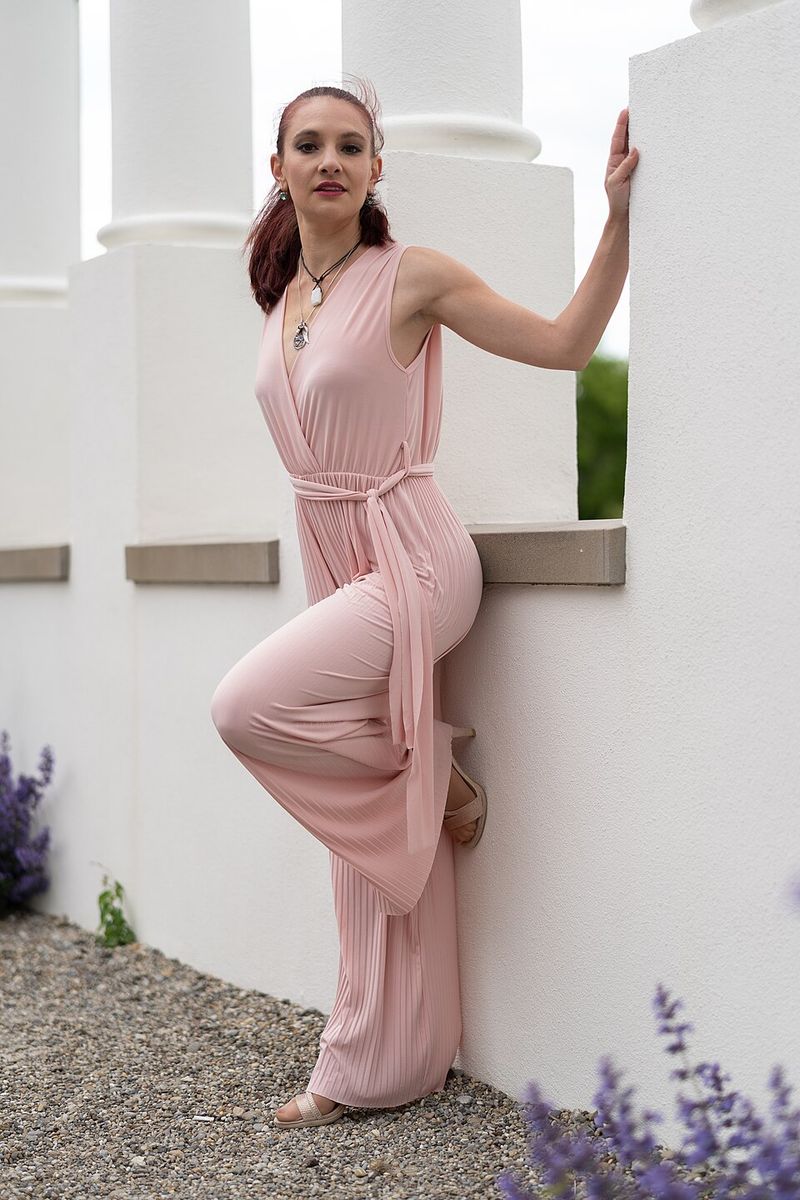
One piece, one decision, complete outfit. That practicality has helped jumpsuits survive repeated cycles of popularity.
The 1970s embraced them for everything from casual dressing to glamorous disco looks. Some were utilitarian, while others used wide legs, plunging necklines, shimmering fabrics, or dramatic belts.
The modern jumpsuit is just as adaptable. Denim versions feel casual, tailored versions can work in professional settings, and silk or satin styles can stand in for a dress at evening events.
Their biggest strength is the same as it was decades ago. They create an entire silhouette in a single step.
Add shoes and maybe a belt or some jewelry, and there is very little else to figure out. That makes them a handy pick for busy mornings.
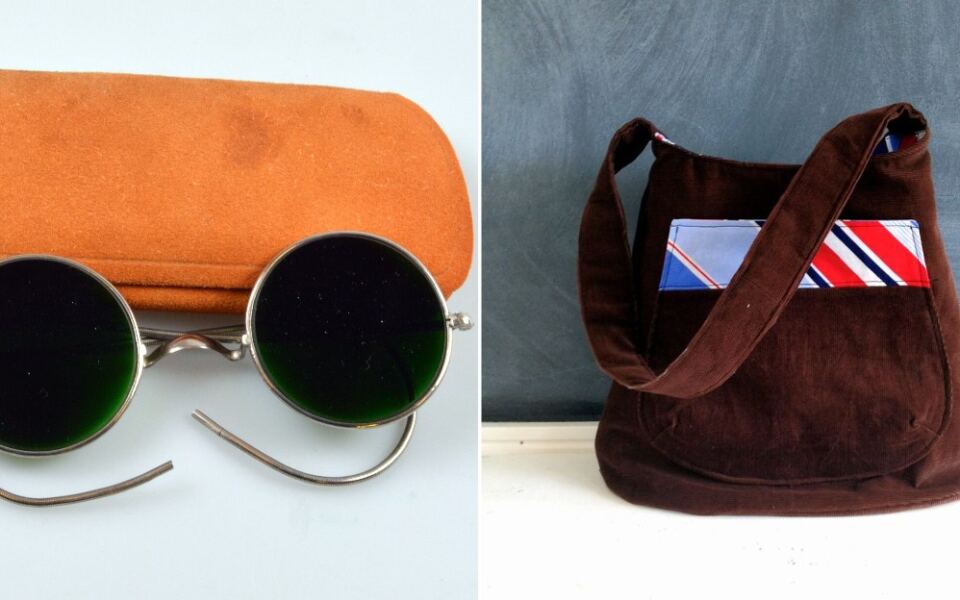
Circular Sunglasses
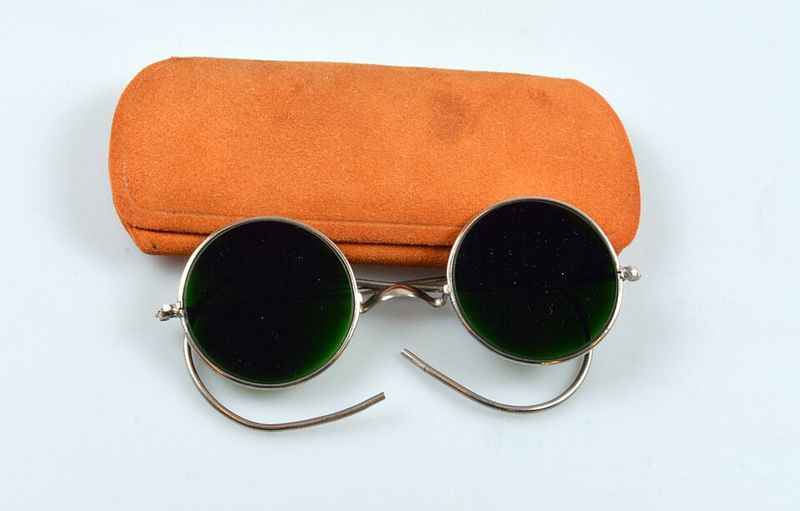
Round sunglasses say retro the moment you put them on. Their cultural ties stretch beyond a single decade, but circular and tinted eyewear fit comfortably within the experimental accessory culture of the 1970s.
Modern versions range from tiny wire-framed circles to oversized lenses in amber, pink, green, and smoky brown. Some lean into vintage territory, while others use thicker frames and newer materials.
They are also one of the easiest retro trends to try. Wearing bell-bottoms, fringe, platforms, and a crochet vest all at once can begin to look like a costume.
Adding round sunglasses to an otherwise modern outfit gives you the nostalgic nod without overwhelming everything else.
Sometimes one accessory is enough to bring an entire era into a look. Try a tinted lens for a softer, more playful feel.
Wooden Jewelry
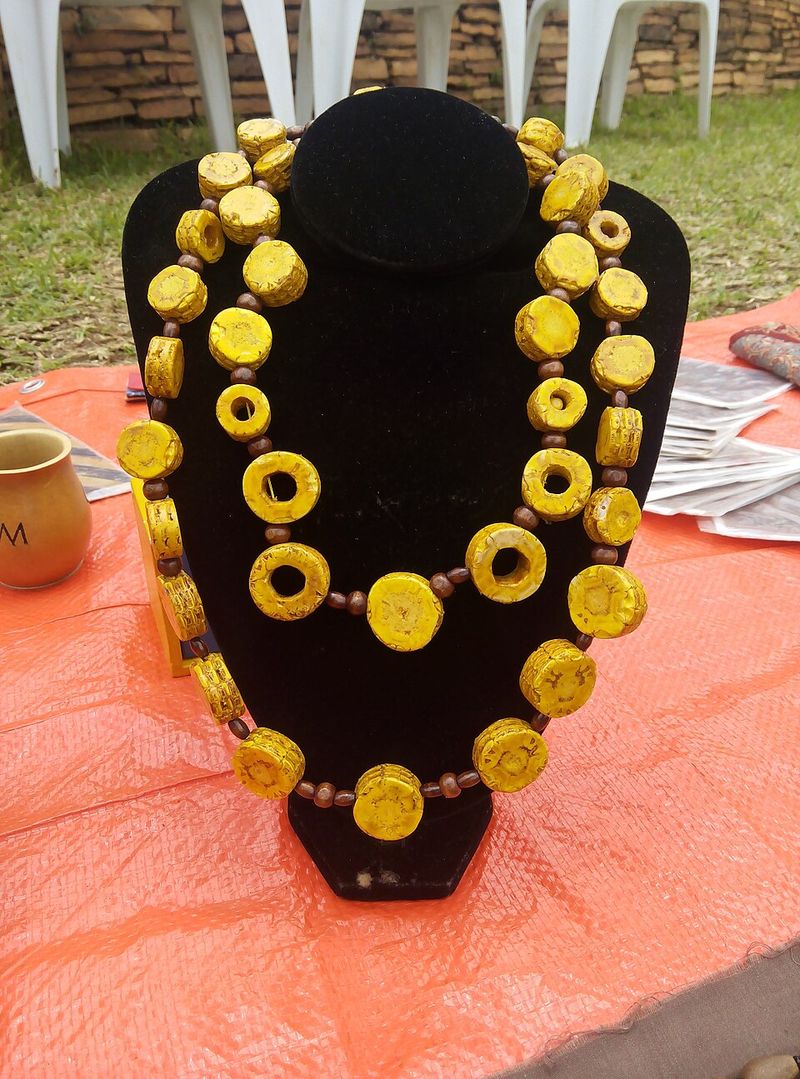
Natural materials played beautifully with the earth-toned, handcrafted side of 1970s style. Wooden bracelets, beads, pendants, and oversized earrings offered an alternative to polished metal.
They worked especially well with crochet, suede, denim, and flowing fabrics. That organic quality is part of what makes wooden jewelry feel interesting again today.
Chunky wooden bangles can add warmth to a minimalist outfit, while sculptural earrings bring drama without relying on gemstones or sparkle. Modern makers also combine wood with metal, resin, leather, or painted details.
The trend does not need to be copied exactly as it appeared decades ago. Its strongest idea is simply using natural texture as the statement.
One bold piece is plenty. Let a single pair of earrings or a stack of bangles do the talking.
High-Waisted Everything
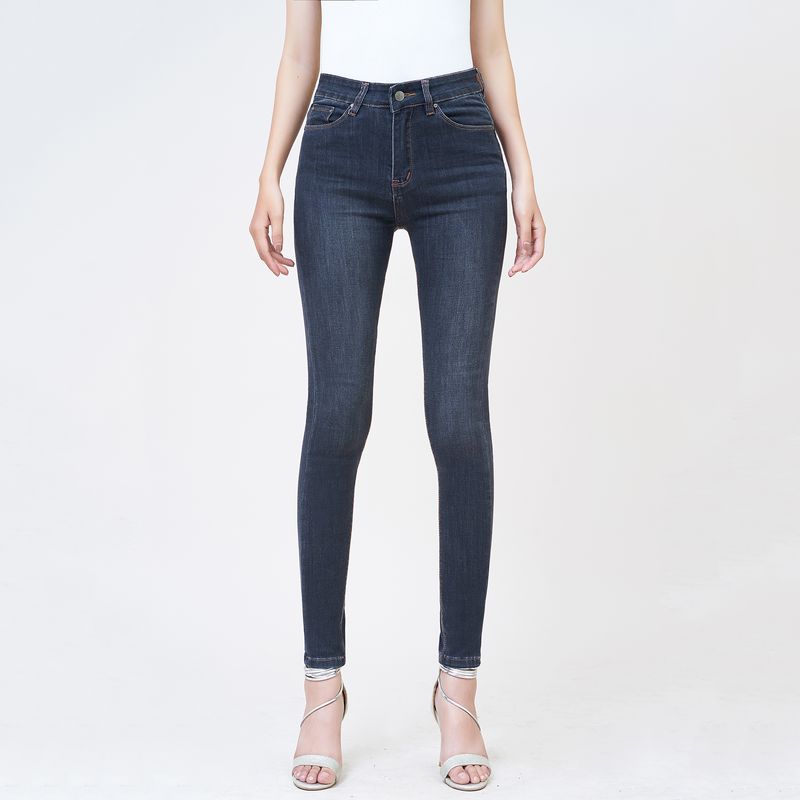
Fashion’s waistline seems to move up and down forever. Low-rise styles have certainly returned, yet high-waisted jeans, trousers, shorts, and skirts remain a major part of modern wardrobes.
The look has strong ties to the 1970s, when high-waisted trousers and jeans helped create the era’s famously long-legged silhouettes. Add a flare at the bottom and the connection becomes even clearer.
Today’s versions can be styled in many more ways. A fitted crop top highlights the waist, while a tucked-in blouse creates something more polished.
Maybe that versatility explains why high-rise clothing has been so hard to push out. Trends change, but a clearly defined waist stays a powerful styling tool.
A belt can finish the look and keep everything in place.
Suede Fabrics
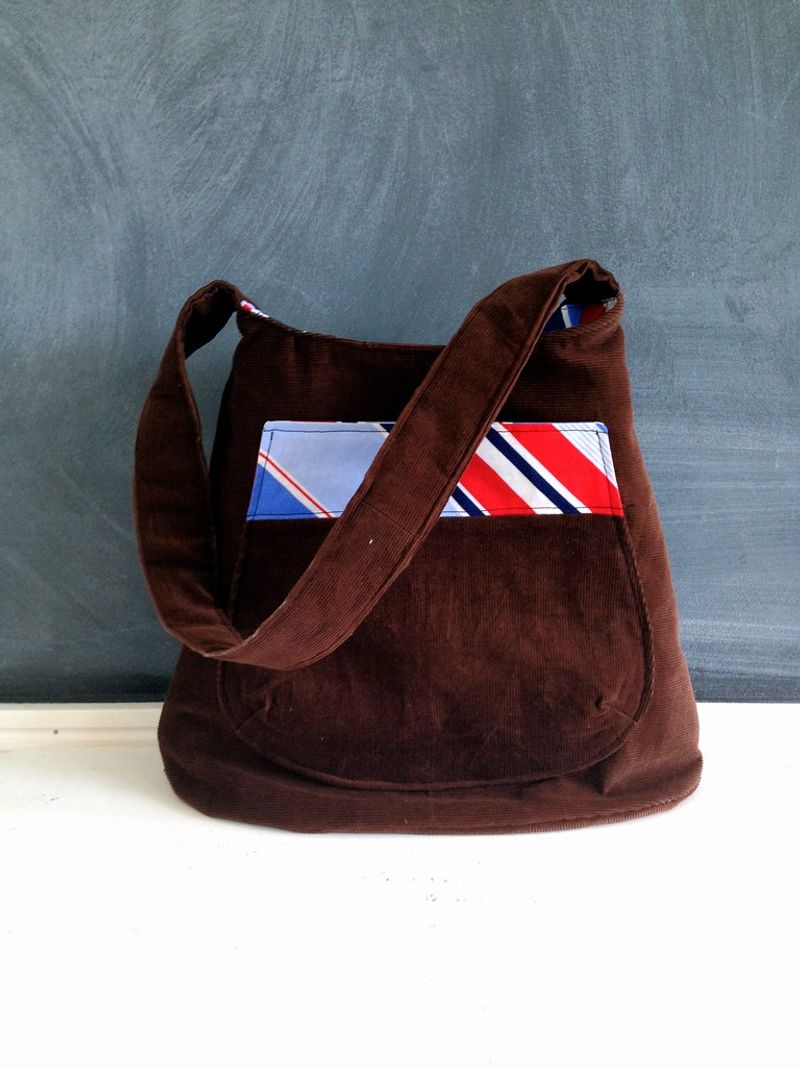
If one material can make an outfit feel instantly more 70s, suede is a strong contender. Jackets, boots, skirts, bags, and vests all embraced the soft fabric during the decade, especially in earthy shades like camel, rust, tan, and chocolate brown.
Its modern revival has been substantial. Harper’s Bazaar reported a strong suede presence across major 2025 collections and street style, with designers including Prada, Miu Miu, Khaite, and Tory Burch using the texture.
The modern approach is cleaner than some vintage versions. Instead of covering an outfit head to toe, a single jacket, skirt, boot, or handbag can provide the retro texture while everything else stays simple.
Suede does need a little care, so a protective spray is a smart step before you wear it out in wet weather.
Bell Sleeves
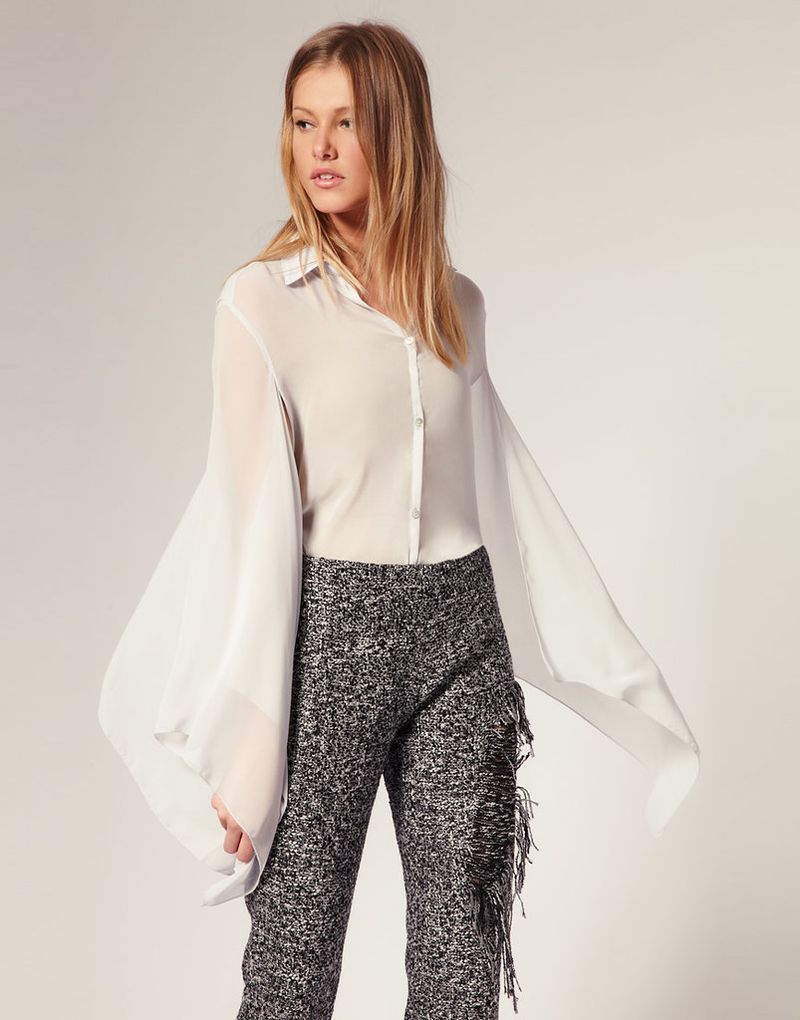
Bell-bottoms were not the only part of 1970s clothing that flared dramatically. Bell sleeves widen toward the wrist and create movement whenever the wearer lifts an arm.
The style appeared in blouses and dresses and fit naturally within the romantic, bohemian side of the decade.
Modern versions vary quite a bit. Some have an exaggerated flare worthy of a vintage stage costume, while others expand only slightly near the cuff.
The effect works especially well on otherwise simple garments because the sleeve becomes the main visual feature.
It is another example of fashion rediscovering that interesting proportions can sometimes do more for an outfit than complicated prints or embellishments. Just keep an eye on those cuffs near coffee cups.
Denim Dresses
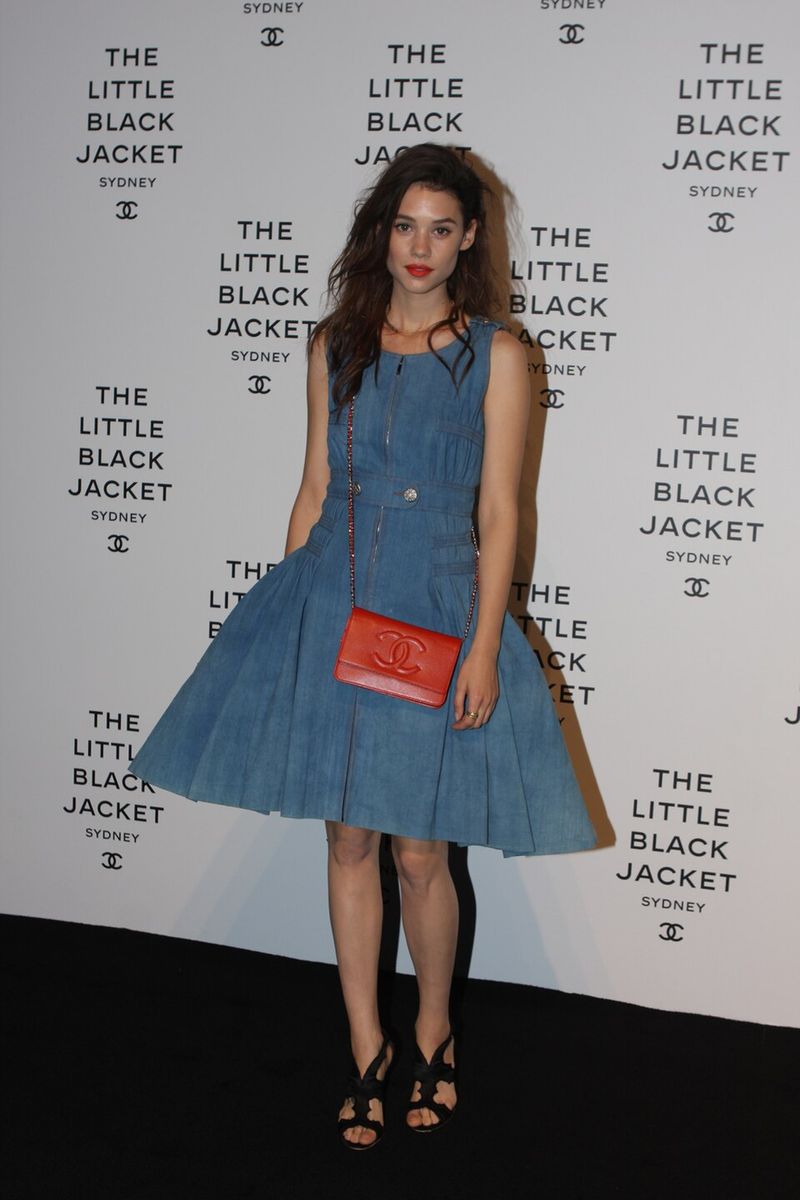
Denim never really disappears, but fashion keeps finding new places to put it. During the 1970s, denim expanded well beyond basic workwear and jeans as designer denim and casual sportswear grew more important.
Today, denim dresses have returned in everything from structured minis to belted shirt dresses and long, fitted styles.
The appeal is partly practical. Denim adds enough structure that even a simple dress looks intentional, yet the fabric stays familiar and easy to style.
Sneakers keep a denim dress casual, while tall boots can push the look toward obvious retro territory. Add a suede bag or a platform shoe and the 1970s connection becomes hard to miss.
It is a one-piece option that handles school days, weekend errands, and travel with ease.
Gladiator Sandals
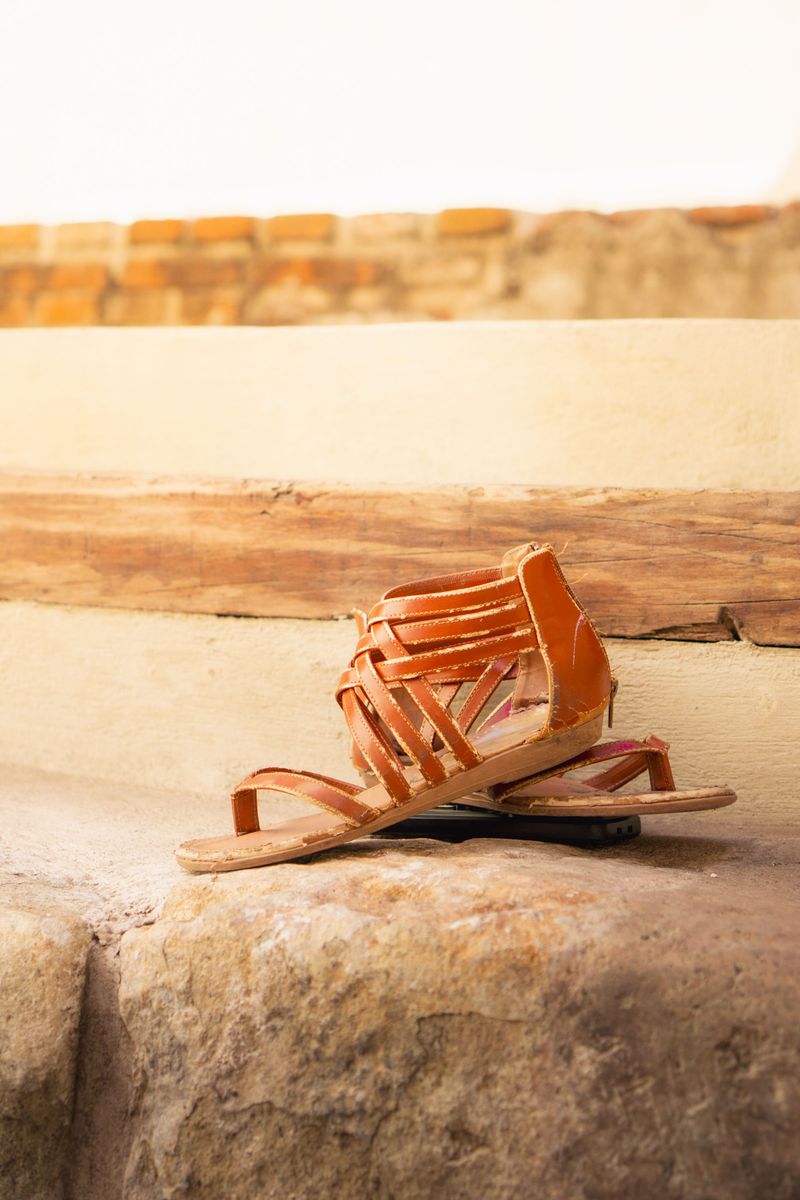
Gladiator sandals did not start in the 1970s. Their inspiration stretches back to the ancient world.
What makes them fit this list is that strappy, natural-looking footwear sits easily within the retro and bohemian styling linked to the decade. They are another vintage-inspired trend returning to modern fashion.
Today’s versions range from minimal ankle straps to dramatic designs that lace almost to the knee.
They work especially well with flowing dresses, shorts, and simple summer clothing because the complicated straps become the focal point.
Here fashion history comes in layers. Ancient inspiration, filtered through decades of revival, has returned once more for a modern audience.
Choose a flat sole for walking comfort or a small platform for extra height.
Halter Necklines
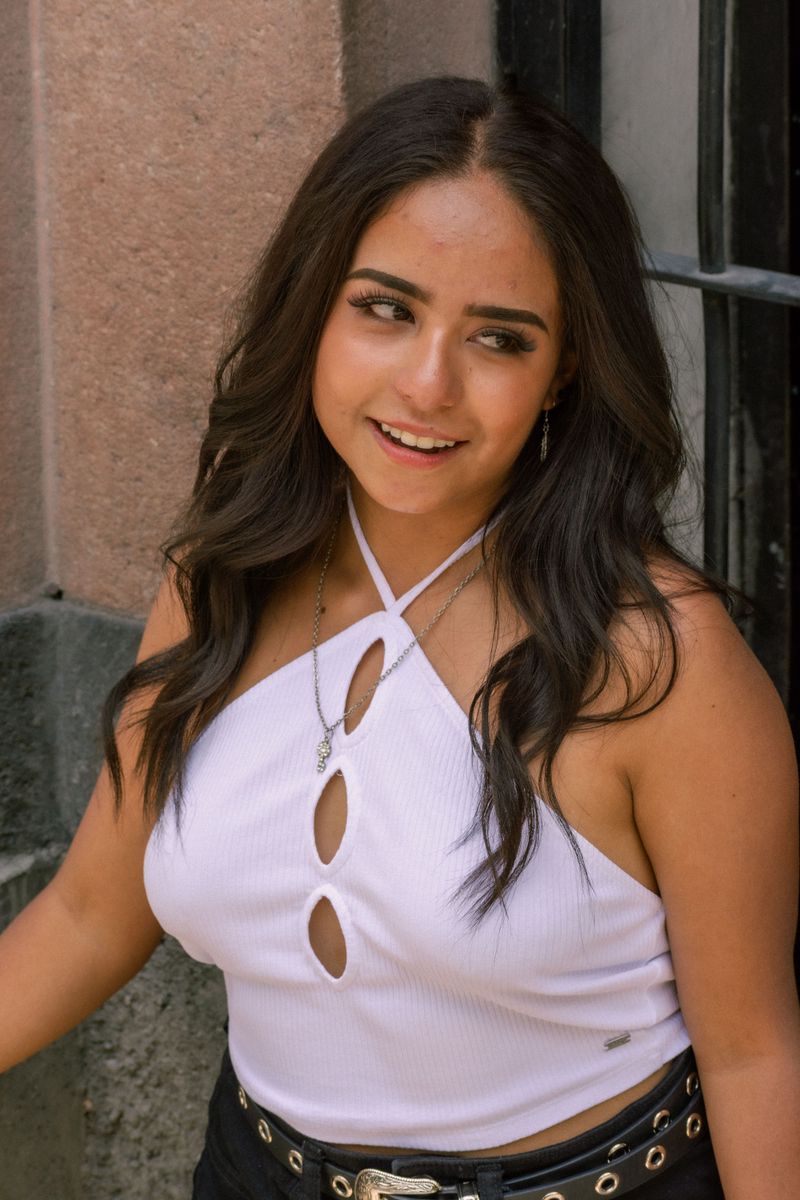
Few necklines capture warm-weather glamour as well as a halter. The style wraps or fastens around the neck while leaving the shoulders bare, a silhouette that appeared often in glamorous and casual 1970s dressing.
It remains highly wearable today. Halter tops pair easily with denim, while halter dresses work naturally for evening wear and summer events.
Recent fashion coverage keeps linking the silhouette to the decade. InStyle has highlighted halter tops among the 70s trends repeatedly returning, while Vogue showed a halterneck with flared jeans in modern celebrity styling.
Some pairings simply refuse to age. If you want a balanced look, keep the bottom half simple and let the neckline stand out.
Share this story