Somewhere in central North Carolina, a town so small you might blink past it on the highway transforms every July into one of the state’s most surprisingly lively summer celebrations. Peach juice, live music, a morning parade, and the smell of homemade ice cream fill streets that, on any ordinary Tuesday, belong to fewer than a thousand people.
If you have ever wondered whether a single fruit could anchor a whole community’s identity and pull a crowd from across the region, Candor’s N.C. Peach Festival is a pretty convincing answer.
A Small Town Hosts an Estimated Peach Crowd of Up to 12,000
Numbers can be funny things, especially when a town of 813 residents suddenly finds its streets buzzing with a crowd that the festival committee estimates at somewhere between 10,000 and 12,000 people. The official N.C.
Peach Festival FAQ puts annual attendance in that range, though it does not specify whether the figure counts unique visitors, total visits spread across three days, or an estimate based on crowd flow at peak times. What it does confirm is that the scale of the gathering is genuinely remarkable for a community this size.
Candor’s resident population, as recorded by the U.S. Census Bureau’s 2020 Census data, stands at 813 people.
That figure is from the 2020 Census and does not reflect current 2026 estimates, but it still serves as a useful yardstick. Even at the low end of the festival’s estimated range, the event temporarily brings in a crowd roughly twelve times larger than the town’s census population.
Framing the attendance that way is not meant to imply that every inch of Candor becomes impassable, or that the figure has been independently audited. The festival committee’s estimate is just that, an estimate, offered to give visitors a sense of the event’s energy and appeal.
What the comparison does capture, honestly and vividly, is how dramatically a three-day peach celebration can change the character of a very small place. For a weekend in July, Candor stops being a quiet central North Carolina town and starts feeling like the center of something much bigger than its zip code.
The Peach Story Predates the Festival
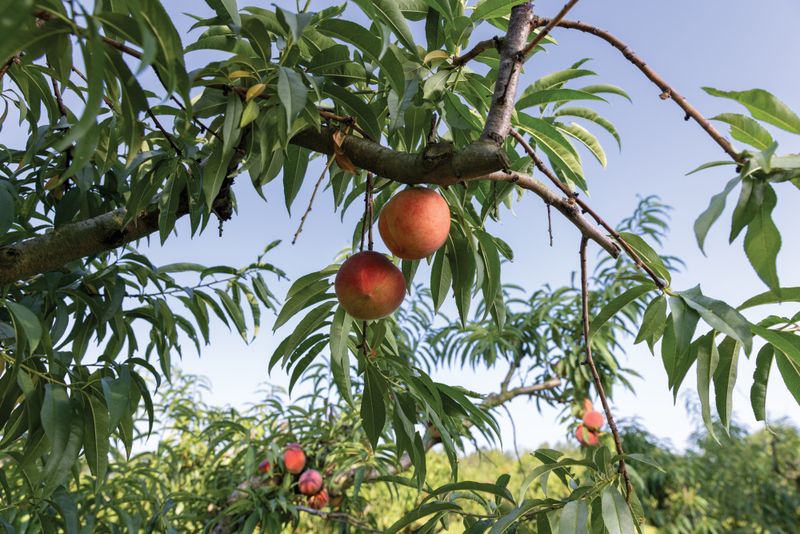
Long before anyone organized a parade or set up a craft booth, the land around Candor was already producing peaches. The festival’s official history traces commercial peach cultivation in the area back to the late 1800s, with an especially vivid milestone arriving in 1902, when a single orchard planting of 30,000 peach trees signaled that growers in this corner of the Sandhills were serious about the fruit in a big way.
That agricultural foundation has not faded. Montgomery County Cooperative Extension data from 2022 documents approximately 350 orchard acres across 24 farms in the county, a footprint that makes this region a meaningful player in North Carolina’s peach economy.
The Sandhills’ sandy, well-drained soils and moderate climate have long suited peach trees, and a brief history of Sandhills peaches from N.C. Cooperative Extension describes how growers across the region built a shared identity around the crop over generations.
Candor has leaned fully into that identity, adopting the self-described title of “Peach Capital of North Carolina” as its official branding. That designation reflects the town’s recognized connection to peach growing rather than an independently ranked statewide comparison, but the history behind it is real and substantial.
The festival, whenever it was first organized, did not invent that connection from scratch. It grew out of something that farmers, orchardists, and roadside stand operators had been cultivating, literally, for more than a century before the first parade route was ever mapped.
Understanding that backstory changes how the festival feels. Walking past a grower’s booth is not just a shopping errand; it is a small encounter with an agricultural tradition that has shaped this part of central North Carolina for well over a hundred years.
Three Days, Three Different Festival Rhythms
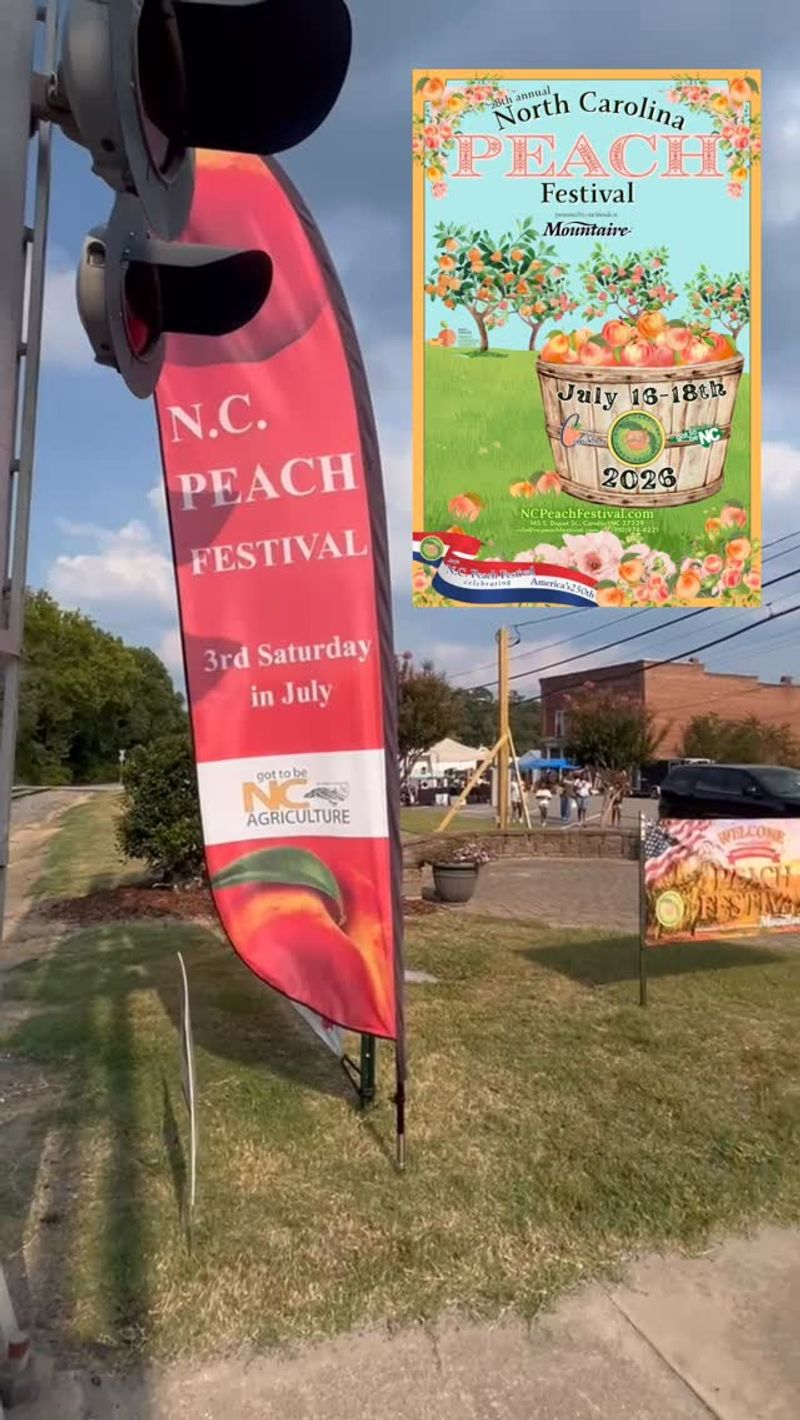
Calling it a three-day festival is accurate, but picturing three identical days of wall-to-wall activity from sunrise to sunset would set the wrong expectation. The schedule for the 2026 edition, which ran July 16 through 18, shows a structure built around two distinct rhythms: evening programming on the weekdays and a full daytime celebration anchored by a parade on Saturday.
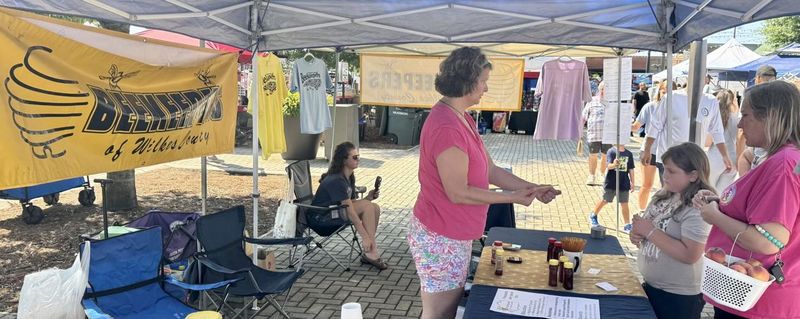
Thursday and Friday events were scheduled from 4:00 to 9:00 p.m., offering a more relaxed entry point for visitors who prefer smaller crowds or cannot travel on a weekend. The festival’s official history page and the 2026 festival map together confirm the lineup of offerings, which included live music, food vendors, craft vendors, children’s activities, inflatables, homemade peach ice cream, local peaches, and Aberdeen Carolina and Western Railway train rides.
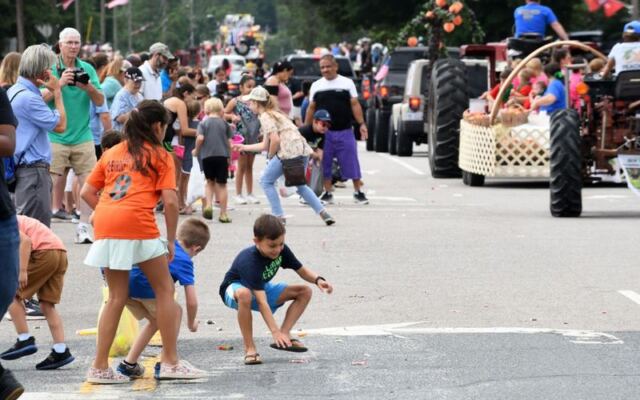
Saturday carries the biggest energy. The parade was scheduled to step off at 10:00 a.m., and daytime festival activities at Fitzgerald Park followed through the afternoon.
For families with young children, Saturday’s combination of a parade, inflatables, and train rides makes it the obvious headliner day. For anyone who wants a quieter stroll through vendor tents with a cup of peach ice cream in hand, Thursday or Friday evening might actually be the sweeter choice.
One practical note: the specific mix of vendors, musicians, and activities can shift from year to year. The 2026 program is the most recent official schedule reviewed here, and future editions may adjust offerings, timing, or the event layout.
Checking the current schedule directly before traveling is always the smartest first step, regardless of which day calls to you.
Peaches Lead the Experience, but the Harvest Sets the Limits
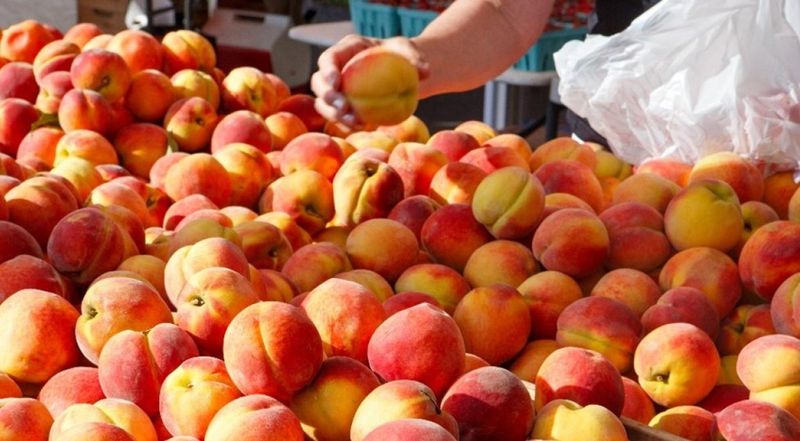
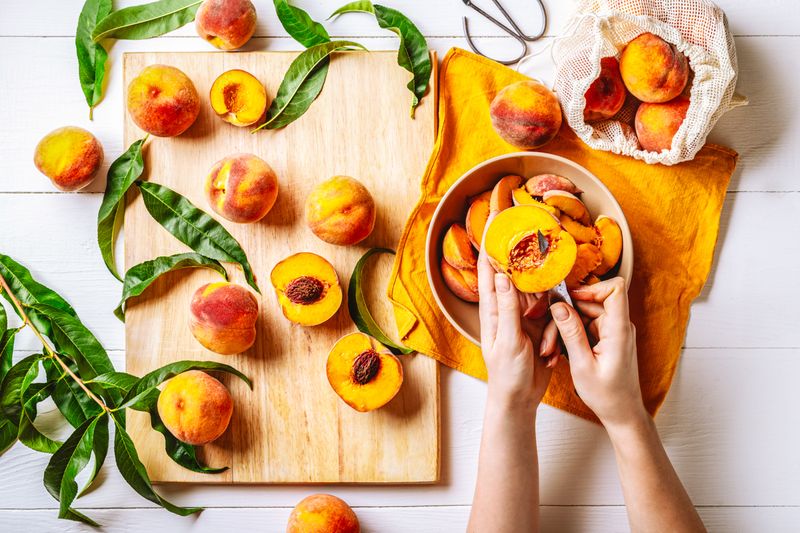
Peaches are the whole point, and the good news is that the festival falls squarely inside North Carolina’s peak peach season. Montgomery County Cooperative Extension’s peach factsheet describes the state’s peach season as generally running from June through September, with July representing the height of the harvest.
Timing the festival for mid-July puts it right in the middle of that window, which gives local growers the best chance of showing up with genuinely ripe, just-picked fruit.
That said, “best chance” is doing real work in that sentence. The festival FAQ is honest about the limits: weather and crop supply affect what growers can offer, and some vendors may attend only while supplies last.
A late frost, a dry spring, or a pest pressure event earlier in the season can reduce what ends up in those booths. Prices vary too, responding to the same seasonal pressures that shape any farm-dependent market.
There is also a fun horticultural footnote worth knowing. N.C.
Cooperative Extension’s peach cultivar guide identifies “Candor” as an actual peach variety, released in 1965 from the North Carolina breeding program and described at the time as the most widely grown and popular cultivar from that program. The town and the peach share a name, which is a genuinely charming coincidence.
However, the festival’s official materials do not identify the Candor cultivar as the exclusive or guaranteed variety sold by growers, so do not expect every booth to advertise it by name.
For the freshest options, N.C. Cooperative Extension’s orchard production guide notes that North Carolina peaches are typically picked and moved quickly once ripe.
Arriving earlier in the day and talking directly to growers about what they brought is the most reliable way to find the best fruit on any given festival morning.
Fitzgerald Park Brings the Main Celebration Together
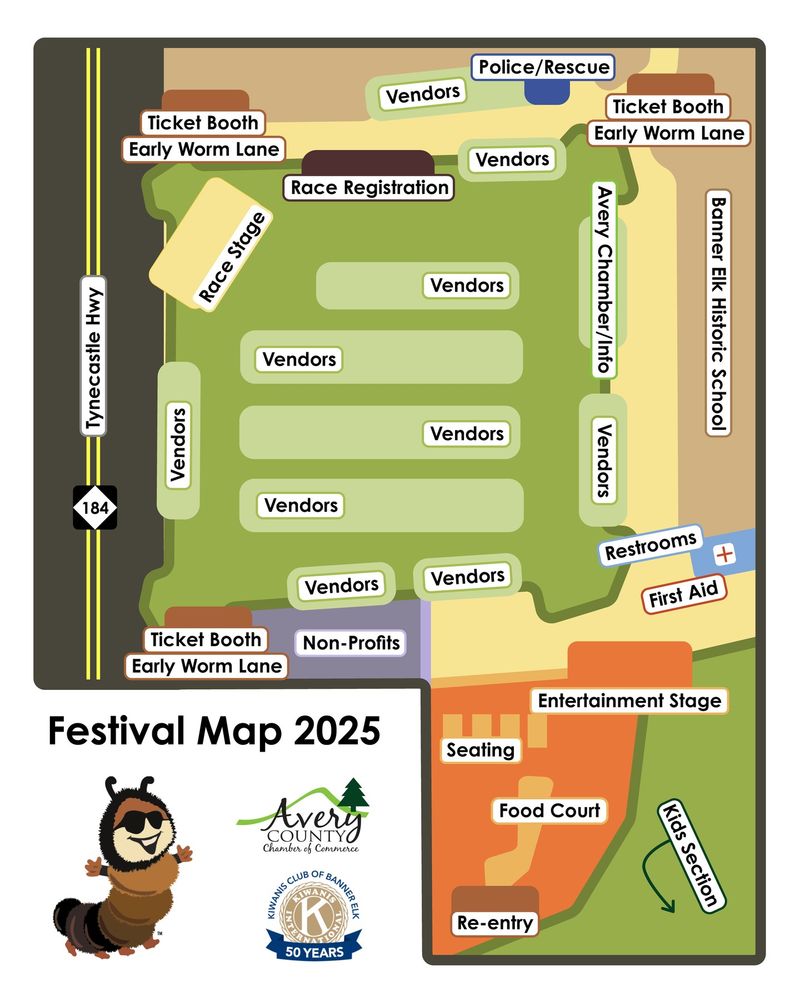
Fitzgerald Park serves as the beating heart of the Saturday celebration, and understanding its layout before you arrive makes the whole visit easier. The 2026 festival map shows the park as the main activity area, with food vendors, craft vendors, live music, children’s activities, and family attractions all organized within a walkable footprint.
The parade route is also marked, so first-timers can find a good viewing spot before the 10:00 a.m. start.
Parking is designated on the map as well, including accessible parking options for visitors who need them. The festival FAQ confirms that courtesy carts run between parking areas and the festival grounds, which is a genuinely helpful detail for anyone who parks farther out or has difficulty walking long distances in July heat.
Layouts and logistics can change from year to year, so consulting the current map before the trip is worth a few minutes of your time.
One thing that does not change is the admission policy: getting through the gate costs nothing. Free entry is one of the festival’s most family-friendly features, lowering the barrier for households watching a summer budget.
Once inside, food, merchandise, and ticketed activities are priced separately by individual vendors. Bringing cash alongside a card is a practical habit at outdoor festivals, since some smaller vendors may not accept digital payments.
The park setting also gives the event a relaxed, open-air feel that a convention hall or fairground simply cannot replicate. Shade trees, open lawn space, and the general energy of a community gathering in its own backyard give Fitzgerald Park a character that suits the festival’s small-town warmth perfectly.
July Conditions Make Preparation Part of the Plan
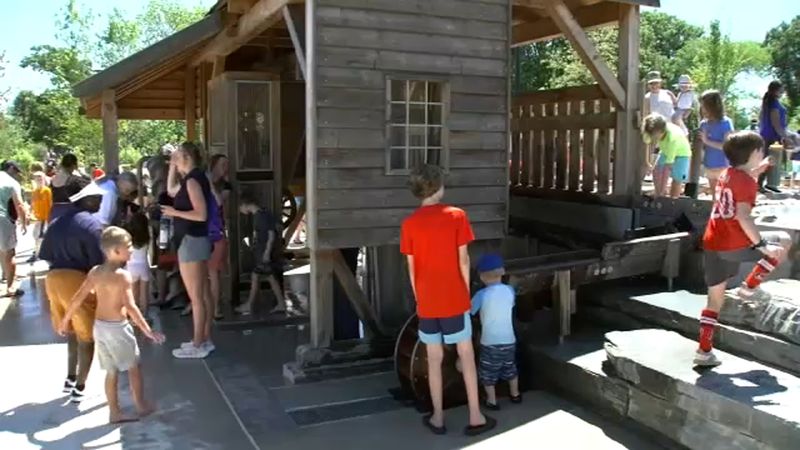
July in central North Carolina is beautiful and warm, and sometimes it is just plain hot. Planning around the heat is not an overreaction; it is the most practical thing a first-time festival visitor can do.
CDC guidance on heat and your health recommends drinking water consistently, seeking shade, taking regular breaks from direct sun, and wearing lightweight, light-colored clothing. Scheduling the most active parts of your visit during cooler morning hours, rather than the peak afternoon heat, also makes a measurable difference in comfort.
Certain visitors face greater heat risk and should plan with extra care. Children, older adults, pregnant people, and individuals with certain chronic conditions can feel the effects of heat more quickly and more intensely than others.
Keeping an eye on everyone in your group, not just yourself, is a habit worth building into any summer outdoor outing.
Dogs are permitted at the festival, but the festival’s own FAQ includes a specific warning: July heat and hot pavement can seriously harm a dog’s paws and overall comfort. Pavement in direct sun can reach temperatures far above the air temperature, sometimes hot enough to cause burns in seconds.
If you are considering bringing a pet, check the pavement temperature with your hand before letting your dog walk on it, bring plenty of water, and limit their time on exposed surfaces. Honestly, leaving pets at home is the safest call for a mid-July festival day.
Packing a small bag with sunscreen, a refillable water bottle, a portable fan, and a light hat covers most of the basics. The festival’s courtesy cart service between parking and the grounds is also a useful option for conserving energy on a warm afternoon, particularly for visitors who parked a distance from the main activity area.
Choose the Day That Matches Your Festival Style
Not every visitor wants the same experience, and the festival’s three-day structure actually gives you room to choose. Thursday and Friday evening programming, running from 4:00 to 9:00 p.m. according to the 2026 schedule, offers a lower-key entry into the celebration.
The crowd is generally lighter on weeknights, the temperature tends to drop as the evening progresses, and the atmosphere takes on a more neighborhood-cookout quality than a full-scale daytime event.
Saturday is the parade day, and if a 10:00 a.m. procession through a small-town main street followed by a full afternoon of music, food, crafts, and family activities sounds like your ideal summer outing, Saturday is your day. The festival’s official history and the 2026 map both point to Saturday as the main event, with the parade, Fitzgerald Park activities, and the largest concentration of vendors all happening on that day.
Whichever day you choose, checking the current schedule and map directly through the festival’s official FAQ and information pages before you travel is genuinely important. The 2026 festival ran July 16 through 18, and that is the most recent official schedule reviewed for this article.
Confirmed dates for 2027 were not found in the sources reviewed, so the next edition’s schedule should be verified directly with the festival before making any travel plans.
Programming details, vendor participation, and the event layout can all shift between years. Treating the official festival website as your final planning checkpoint, rather than relying on any third-party summary, is the most reliable way to arrive with accurate expectations and no surprises.
A Regional Peach Tradition With Room for Visitors
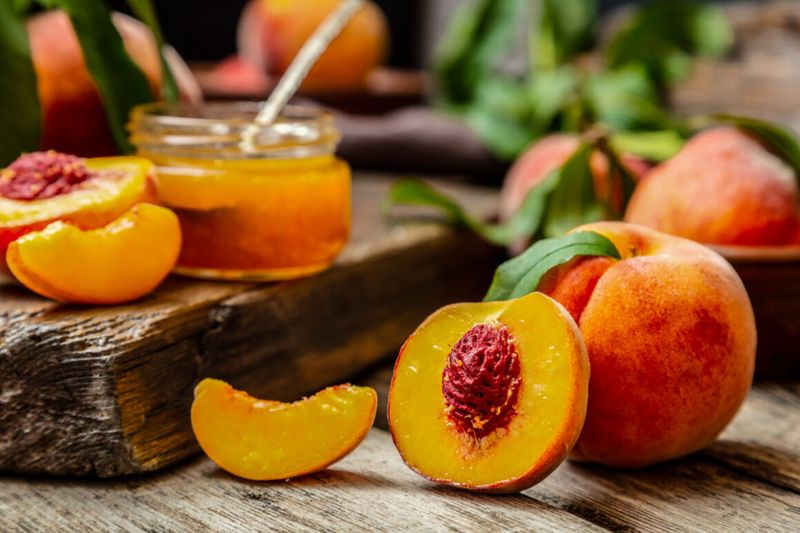
What makes the N.C. Peach Festival feel like more than a standard summer fair is the layer of genuine agricultural history underneath the funnel cakes and inflatable slides.
The North Carolina Folklife Institute’s account of the festival and Our State magazine’s coverage both describe the event as a gathering point for the regional peach community, where growers, neighbors, and visitors share something that has been growing in this county’s soil for well over a century.
The contrast between the town’s 813 residents in the 2020 Census and the festival committee’s estimated attendance of 10,000 to 12,000 people tells you something worth sitting with. Free admission removes the financial barrier that keeps many families away from summer events, and the combination of peaches, music, a parade, and community pride gives people a real reason to make the drive.
Peach supplies, vendor lineups, activity offerings, and future dates can all change, so checking the official festival website before any trip is the most reliable planning step. The July 16-18, 2026 edition is the most recent schedule reviewed here, and 2027 dates had not been confirmed in the sources available at the time of writing.
Candor has been growing peaches and welcoming visitors for a very long time, and that combination of deep roots and an open gate is probably the most honest summary of what you will find there.
Share this story