Tucked into the rolling hills of northeastern Oklahoma, a small stone chapel holds one of the most powerful stories in American history. The Osage Nation Museum in Pawhuska has been preserving and sharing the culture, customs, and resilience of the Osage people since 1938, making it the oldest tribally-owned museum in the United States.
Few places pack this much meaning into two rooms, and fewer still do it with the warmth and authenticity you find here. Whether you know the Osage story well or are hearing it for the first time, this museum has a way of staying with you long after you leave.
The Landmark That Started It All
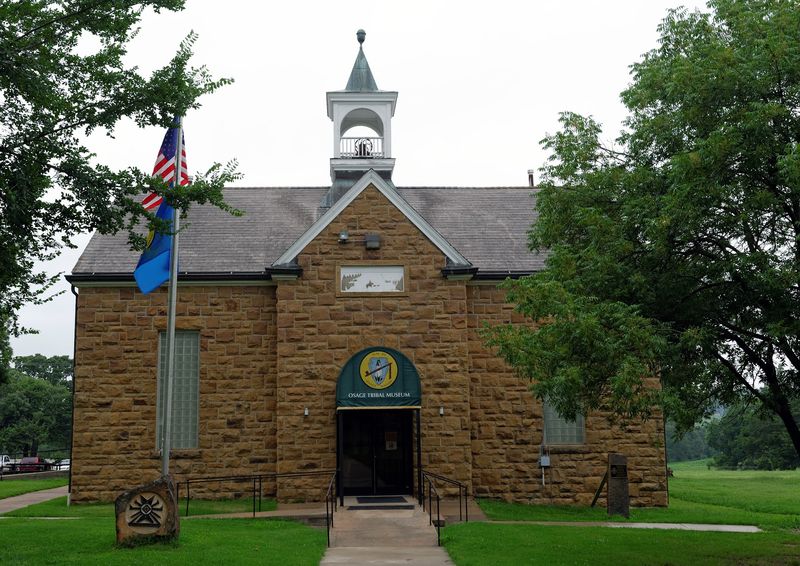
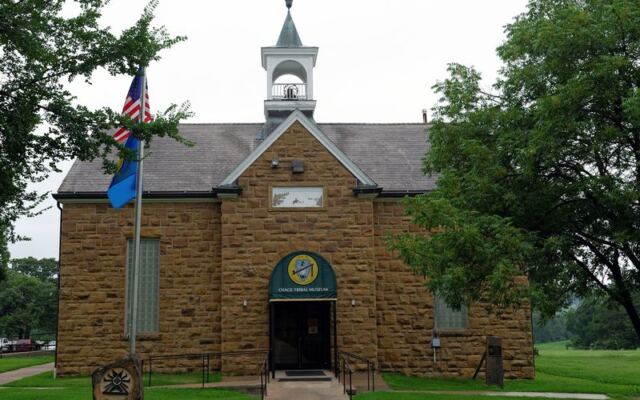
A converted 1872 stone chapel sitting at 819 Grandview Ave, Pawhuska, Oklahoma, 74056 does not look like much from the outside. The building is modest, the kind you might pass without a second glance if you did not know what waited inside.
But the Osage Nation Museum has occupied this space for decades, and the structure itself is part of the story.
Founded in 1938, the museum holds the distinction of being the oldest tribally-owned museum in the United States. That is not a small claim.
Long before tribal cultural preservation became a broader national conversation, the Osage Nation was already doing the work, collecting artifacts, recording language, and housing the visual record of their people.
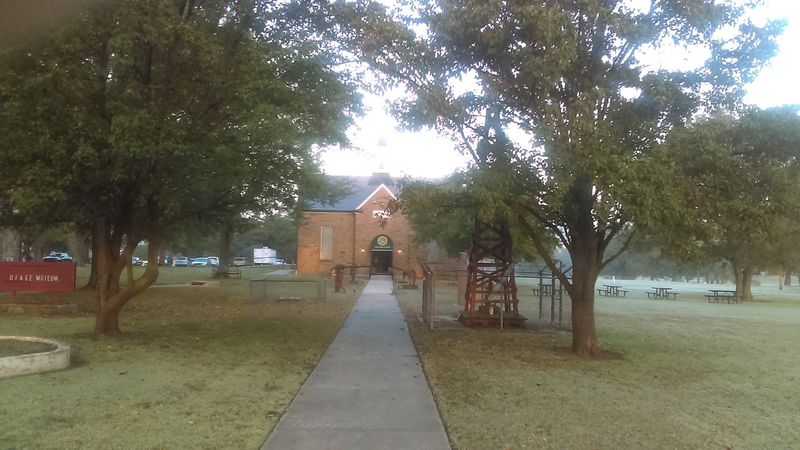
The museum sits on the Osage Nation campus in Pawhuska, surrounded by the Tribal Council building, the BIA offices, and other nation facilities. The whole campus carries a quiet sense of purpose.
Arriving here feels less like pulling up to a tourist stop and more like being welcomed into a living, working community that takes its history seriously.
Eight Decades of Cultural Stewardship
Eighty-six years of continuous operation is a remarkable run for any institution, but for a tribally-owned museum operating on its own terms, it represents something even more significant. The Osage Nation Museum has been collecting, preserving, and presenting Osage history since 1938, predating most comparable institutions by generations.
The museum was established at a time when outside narratives about Native American peoples dominated public discourse. The Osage chose to tell their own story, in their own space, on their own land.
That founding philosophy shapes everything about the experience today.
Staff members carry that legacy with visible pride. Visitors consistently note how knowledgeable and passionate the team is, with many describing encounters that turned a planned 15-minute stop into a two-hour conversation.
The museum holds a 4.7-star rating across more than 200 reviews, a number that reflects not just the artifacts on display but the human connection that happens here. The people who work at this museum treat every visitor as someone worth educating, and that approach makes all the difference.
The 1872 Chapel and Its Quiet Power
There is something about a stone chapel that naturally invites reflection, and the building housing the Osage Nation Museum uses that atmosphere well. The 1872 structure is compact but carries the kind of solidity that newer buildings rarely achieve.
Thick walls, measured light, and a sense of permanence set the tone before you even look at the first exhibit.
The museum spans two primary rooms, and while some visitors note they wished the space were larger, most agree that what fills those rooms is thoughtfully curated. Nothing here feels like filler.
Every artifact, photograph, and panel earns its place on the wall or in the case.
Photography and video are not permitted inside the building, a policy that might initially feel like a restriction but quickly reveals itself as something else entirely. Without a phone in hand, visitors tend to slow down.
They read the panels more carefully, linger over the artifacts, and actually listen when staff members speak. The no-photo rule turns out to be one of the best things about the visit, nudging everyone toward presence over documentation.
Artifacts That Carry Real Weight
The artifact collection at the Osage Nation Museum is not enormous by the standards of major metropolitan institutions, but size is not the point. What the collection lacks in volume it more than compensates for in authenticity and context.
These are not generic Native American objects assembled for display. They are specifically Osage, and the stories attached to them are specific too.
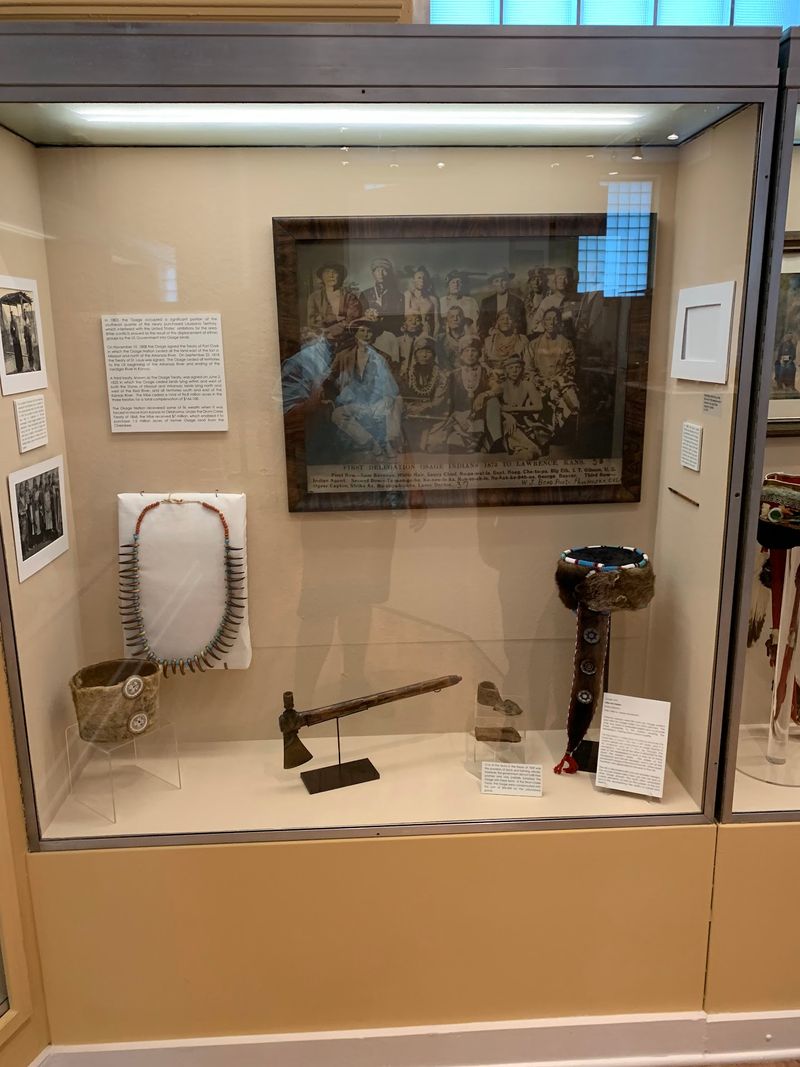
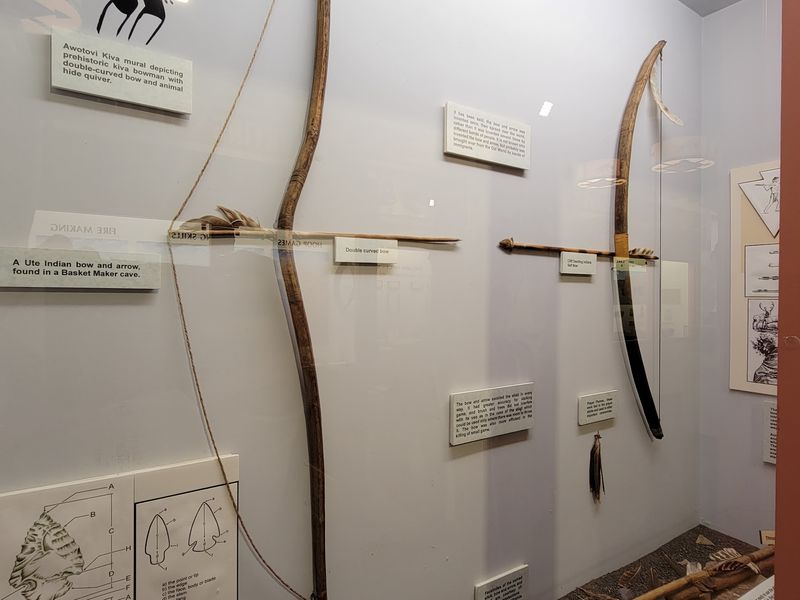
Historical items span clothing, tools, ceremonial objects, and personal effects tied to real individuals and real moments in Osage history. Staff members describe the significance of each piece with a depth that no placard alone could replicate.
The artifacts are described by visitors as genuinely affecting, the kind of objects that shift your understanding of a people and a place.
One area that draws particular attention is the exhibit on Osage wedding traditions, which several visitors have called one of the most fascinating displays in the museum. The customs documented here are detailed and layered, offering a view into Osage social life that goes well beyond the surface-level coverage found in most history textbooks.
Coming face to face with these objects feels less like a museum visit and more like an introduction.
Four Walls of Faces: The Allotment Photo Collection
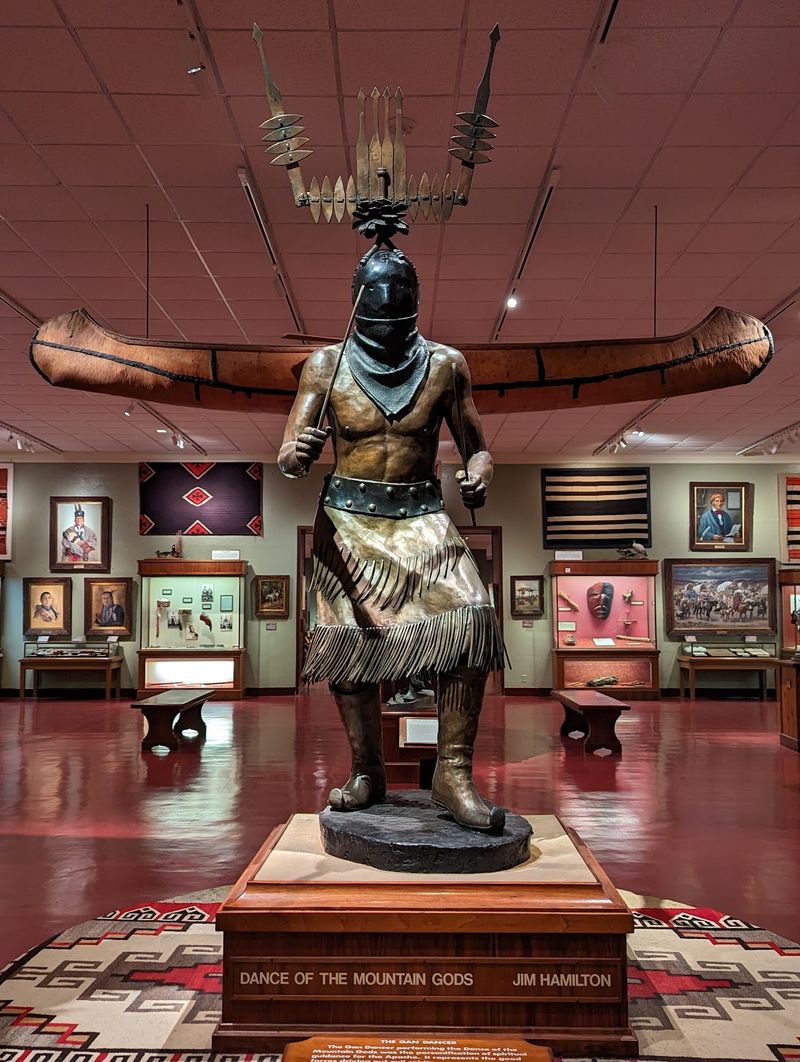
One of the most visually striking features of the Osage Nation Museum is the allotment photo collection, a project that lines the walls of the second room with photographs of Osage individuals who received land allotments. The scale of it hits you immediately.
Row after row of faces, names, and lives documented with care and intention.
The Allotment and Stories Project, as it is known, has been described as visionary in its execution. For visitors with Osage ancestry, the experience can be deeply personal.
Some have spent hours with staff members searching the collection for relatives, tracing family lines through photographs and the stories attached to them.
Staff member Julia Lookout, a great-granddaughter of Chief Fred Lookout, has become a notable presence in the museum experience. Multiple visitors describe her ability to connect the photographs to living history, spending extended time with guests to help them find their people and understand their place in the broader Osage story.
The allotment collection is not just a display. It is an active, ongoing conversation between the past and the present, and it is one of the most meaningful things you can encounter in a museum this size.
The Osage Language on Display
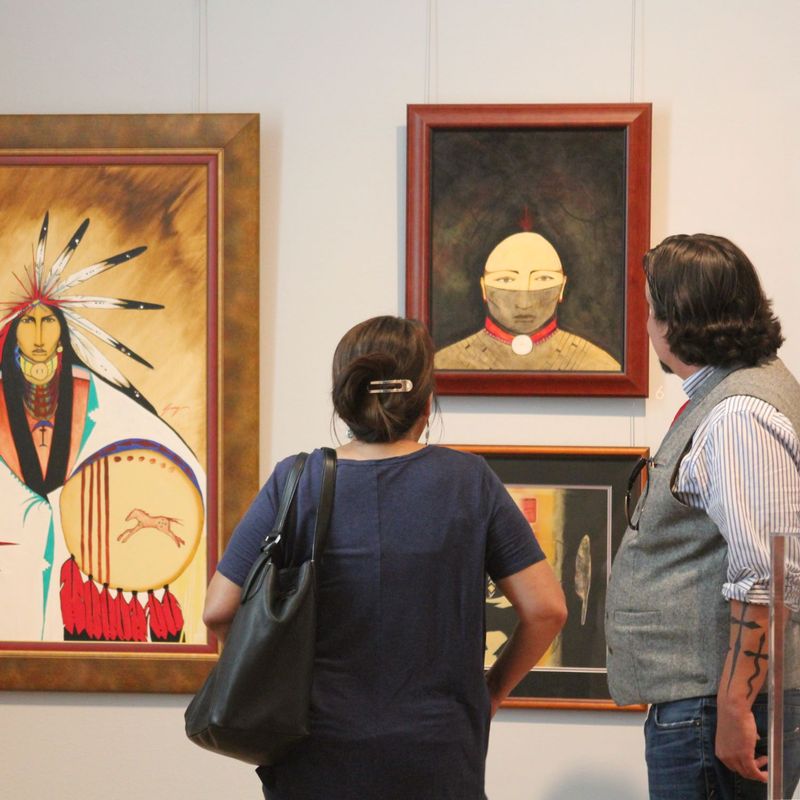
Language preservation is one of the most urgent challenges facing Indigenous communities across North America, and the Osage Nation Museum addresses it directly. A dedicated presentation on the Osage language gives visitors a genuine introduction to one of the most distinctive and historically significant languages of the southern plains.
The Osage language, a member of the Siouan language family, carries within it an entire worldview. The way the Osage people categorize relationships, describe the natural world, and express ceremony is embedded in the language itself.
Seeing it presented in the museum context, with explanation and care, makes clear just how much would be lost if it disappeared entirely.
The Osage Nation has invested significantly in language revitalization efforts, and the museum reflects that commitment. For visitors who come in knowing nothing about the language, the exhibit opens a door.
For those with Osage heritage, it can feel like recovering something that was nearly taken away. Either way, the language display adds a dimension to the museum visit that goes beyond objects and photographs, reminding everyone that culture lives most fully in the words people use to describe it.
Killers of the Flower Moon and the Museum’s Broader Story
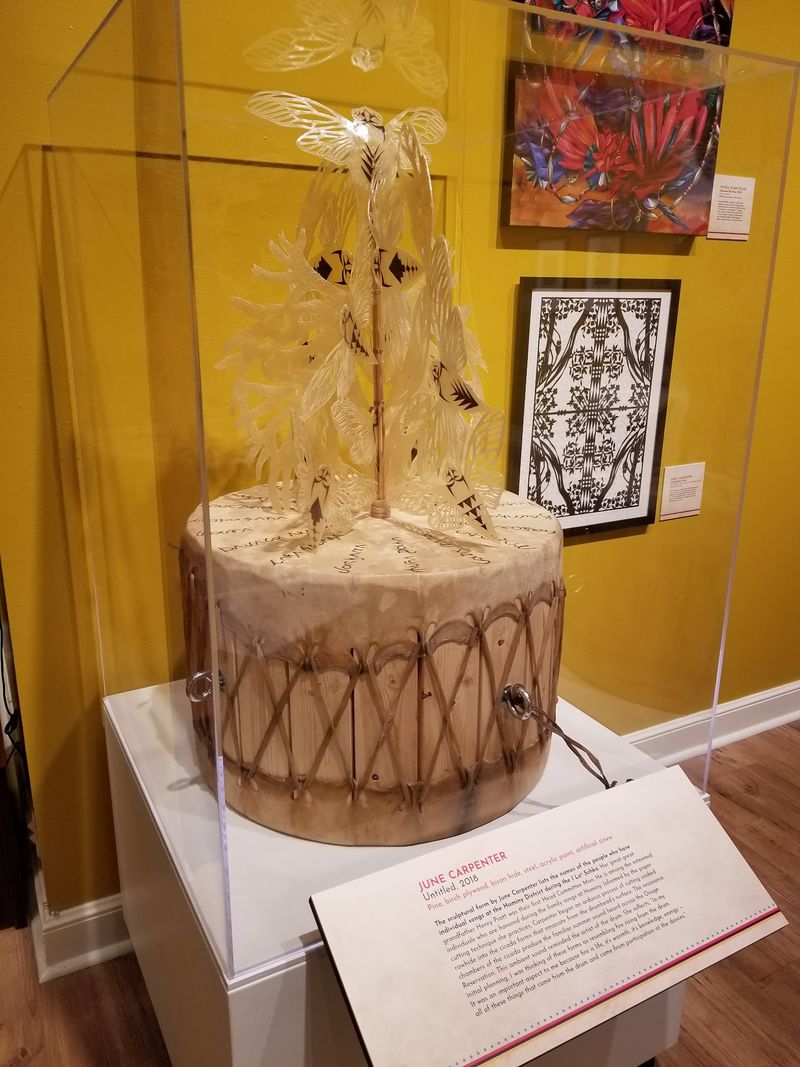
David Grann’s book and Martin Scorsese’s film adaptation brought the Osage Reign of Terror to a global audience, and the Osage Nation Museum addresses this chapter of history directly. Visitors will find a presentation on the events described in “Killers of the Flower Moon,” situating the murders and the FBI investigation within the broader arc of Osage history.
The museum’s treatment of this period is handled with the gravity it deserves. The Osage oil boom of the early 20th century made the nation among the wealthiest people per capita in the world, which in turn made them targets.
The systematic crimes committed against Osage people during the 1920s represent one of the darkest chapters in American history, and the museum does not look away from it.
At the same time, the museum places this era in context rather than letting it define the whole story. The Osage people’s resilience, their continued governance of their nation, and their ongoing cultural vitality are all part of the narrative.
Many visitors arrive having read the book or seen the film and leave with a much fuller understanding of what came before, during, and after that terrible period.
Busts of Influential Osage Leaders
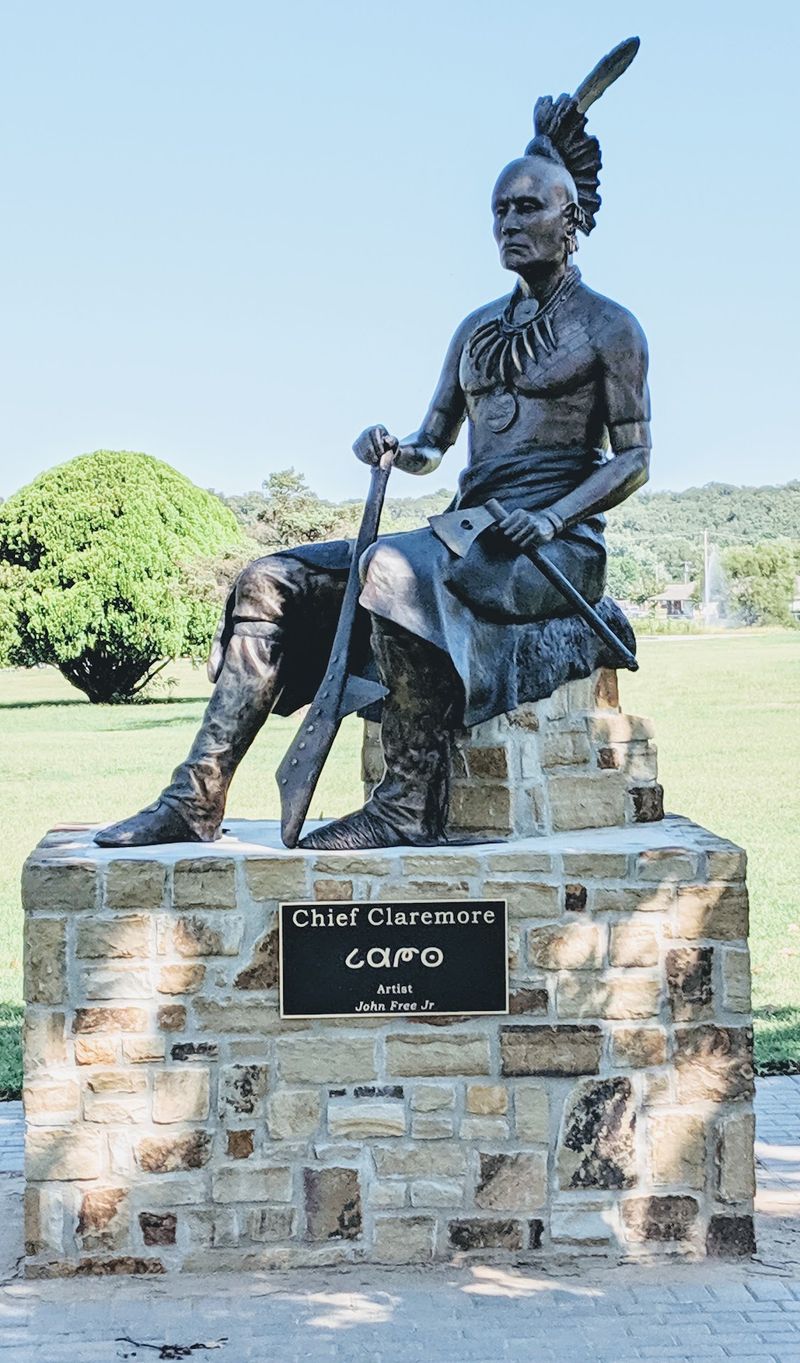
Among the museum’s interior highlights are sculpted busts of influential Osage figures, each accompanied by an explanation of their role in Osage history and governance. These are not decorative pieces placed for atmosphere.
Each bust represents a real person whose decisions, leadership, and advocacy shaped the nation’s trajectory.
Chief Fred Lookout, whose great-granddaughter Julia now works at the museum, is among the figures represented. Seeing the bust of a man whose living descendant greets you at the door creates a sense of continuity that is rare in any museum setting.
History here is not something sealed behind glass. It is something that walks through the door every Tuesday morning.
The busts give visitors a set of faces and names to anchor the larger story. Rather than experiencing Osage history as an abstract series of events, guests leave with a sense of specific people who navigated specific challenges with intelligence and determination.
That humanizing effect is one of the museum’s quiet strengths. A history told through individuals lands differently than one told through dates and policies alone, and the Osage Nation Museum understands that distinction well.
The Veterans Memorial on the Grounds
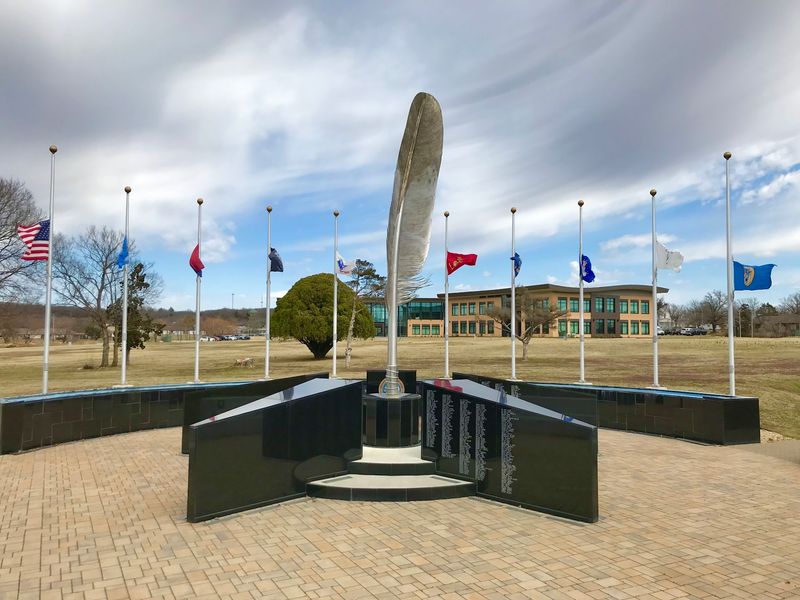
Outside the museum building, the Osage Nation campus is home to one of the most moving veterans memorials in the state of Oklahoma. The memorial honors Osage men and women who served in the United States military, a tradition of service that stretches back further than most Americans realize.
The Osage people have served in every major American military conflict, often at rates disproportionate to their population. The memorial acknowledges that service with the seriousness it deserves.
A statue, stone placard, and carefully maintained grounds create a space that invites quiet reflection rather than hurried observation.
Visitors consistently describe the memorial as one of the most affecting parts of the entire campus visit. The combination of natural shade, thoughtful landscaping, and the weight of what is being honored makes it a place where people tend to slow down and stay longer than they planned.
The memorial is also a reminder of the complexity embedded in Osage history: a nation that had much taken from it, and yet continued to contribute to the country that took it. That tension is not papered over here.
It is acknowledged, and honoring it honestly is what makes the memorial so powerful.
The Atmosphere and Who Will Love It Most
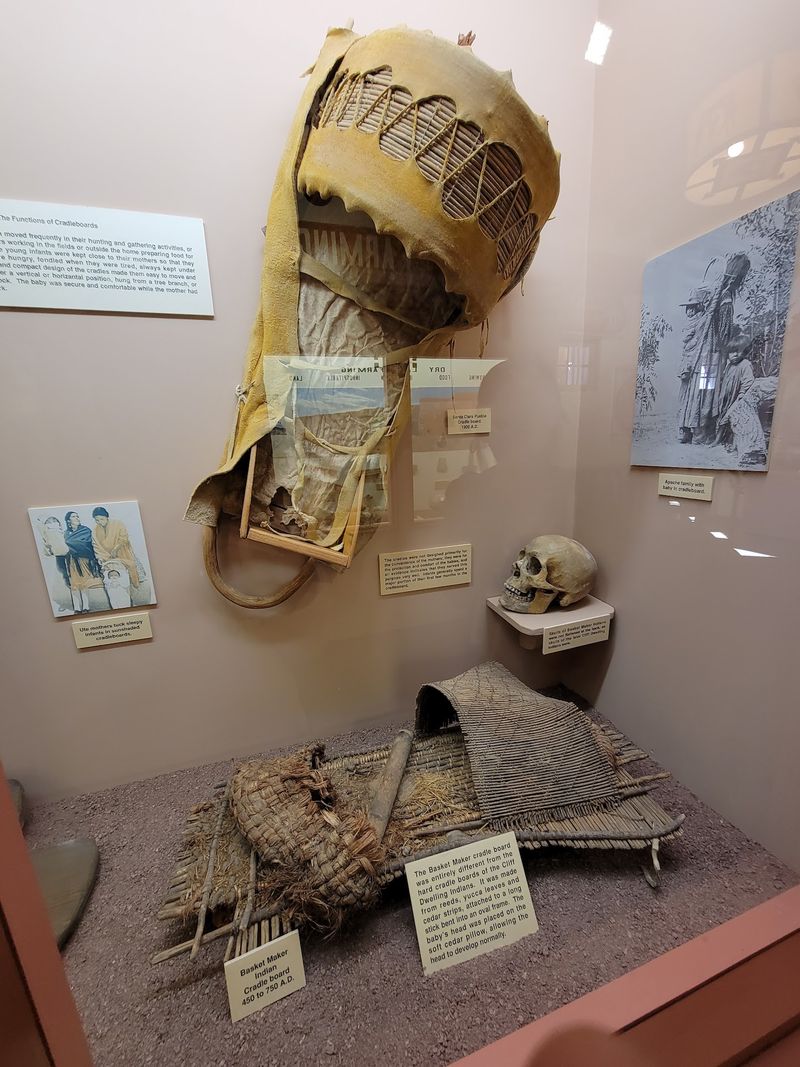
Quiet, warm, and genuinely educational are the three words that come up most consistently when people describe their time at the Osage Nation Museum. The two-room layout keeps the experience focused rather than overwhelming.
There are no flashy interactive installations or theatrical presentations. What you get instead is substance, delivered by people who care deeply about what they are sharing.
History enthusiasts will find plenty to occupy their attention, but the museum also works beautifully for visitors who arrive knowing very little. The staff have a gift for reading their audience and adjusting accordingly, offering detailed context for those who want it and accessible overviews for those who are just beginning to learn about the Osage people.
Families, solo travelers, and anyone who found themselves drawn to Pawhuska after reading “Killers of the Flower Moon” will all find something meaningful here. The museum holds a particular resonance for visitors with Osage ancestry, who have described the experience as deeply affirming.
But the welcome extends to everyone who walks through the door, and the staff’s pride in their heritage is the kind of thing that is genuinely contagious.
Hours, Admission, and How to Get There
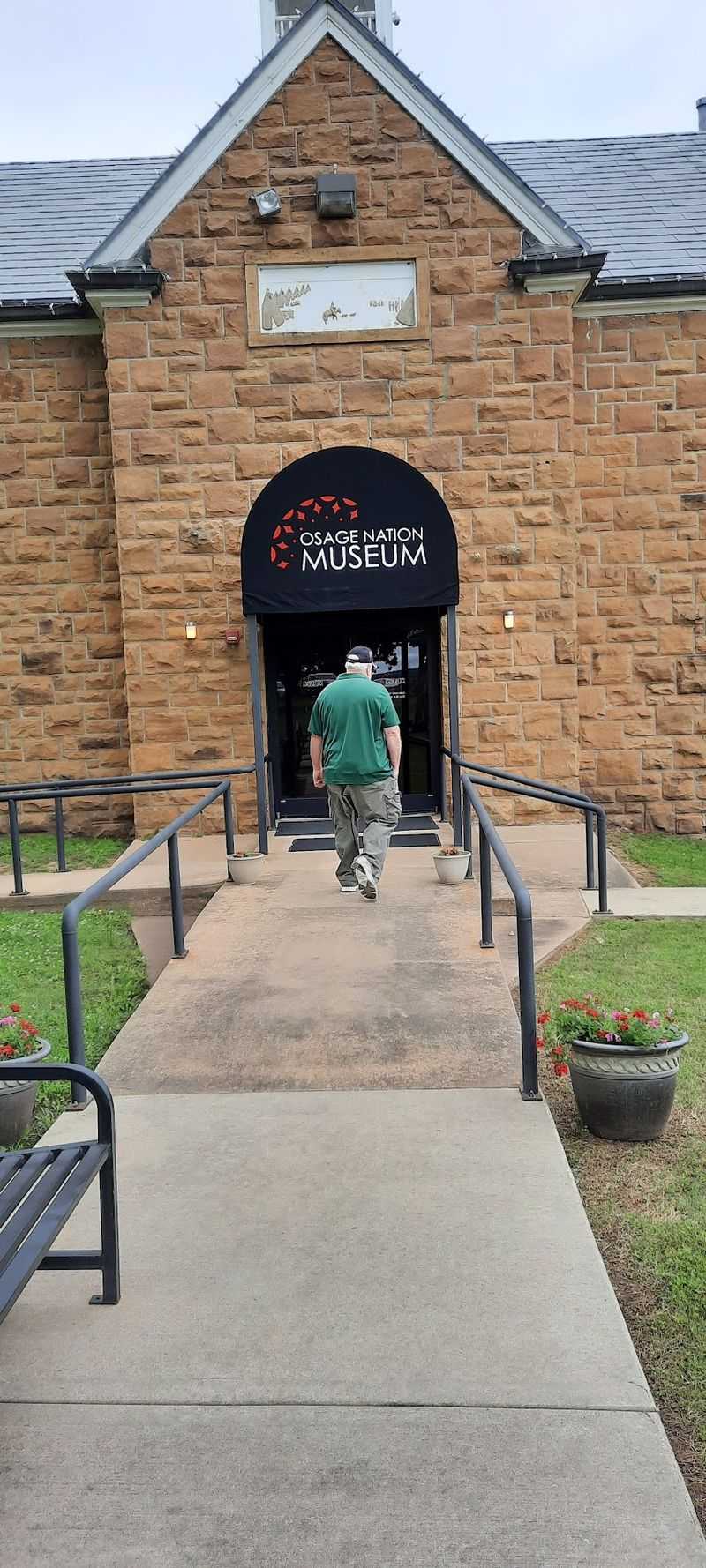
The Osage Nation Museum is open Tuesday through Saturday from 10 AM to 5 PM, and it is closed on Sundays and Mondays. Those hours give most road-trippers and weekend visitors a solid window to plan around.
Pawhuska sits in Osage County in northeastern Oklahoma, roughly an hour and a half from Tulsa, making it a very manageable day trip from the city.
Admission is free, with donations accepted and genuinely appreciated. For a museum of this quality and historical significance, the no-cost entry is one of the more pleasant surprises of the visit.
If the experience moves you, and it likely will, leaving a donation is a meaningful way to support the preservation work happening here.
The museum’s address is 819 Grandview Ave, Pawhuska, OK 74056. Parking on the Osage Nation campus is straightforward, and the grounds themselves are worth some time before or after your visit.
You can reach the museum by phone at 918-287-5441, or check the official website at osageculture.com for any updates. Plan for at least an hour inside, though many visitors find themselves staying considerably longer once the conversations start.
Share this story