A farm day in Chester can start with apples and somehow turn into animals, wagon rides, music, shopping, and a debate over how many cider doughnuts count as planning ahead. That is the fun of a place built for people who want more than a quick stop and a bag of fruit.
New Jersey has plenty of fall traditions, but this one works because it gives families, couples, and short-hop day-trippers a whole lineup in one address. Keep reading and the day starts to make sense, one field, ride, animal pen, and practical tip at a time.
A Chester Farm With A Full-Day Footprint
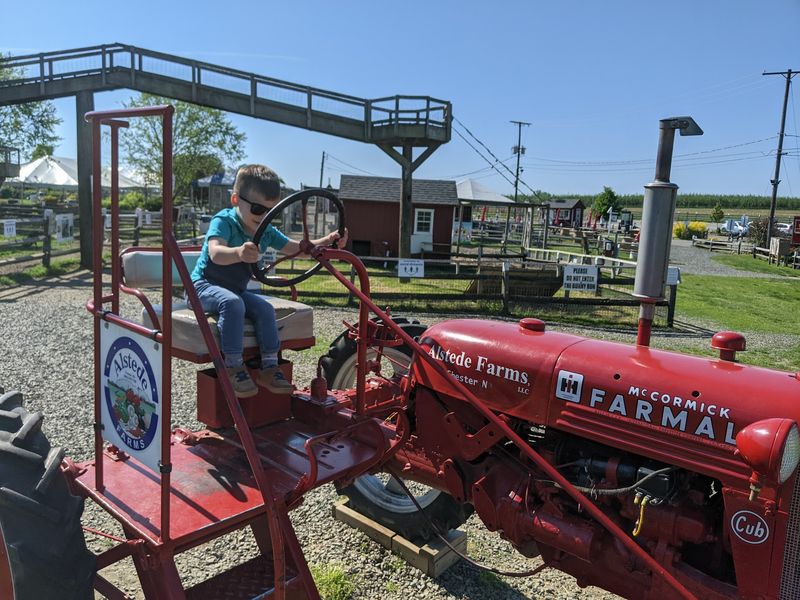
Alstede Farms sits at 1 Alstede Farms Ln, Chester, NJ 07930, in Morris County, New Jersey, United States, and it is best understood as a working farm that also welcomes the public for seasonal activities.
The address matters because Chester already has the kind of small-town New Jersey appeal that makes a day trip feel easy. The farm adds a bigger reason to linger, especially when apple picking, animals, wagon rides, and farm shopping are all on the table.
Unlike a quick roadside stand, the property is laid out for people who plan to spend time moving between different areas. Families often mention wide paths, plenty of space to walk, and a layout that can feel manageable even when there is a lot going on.
The place is open daily from 9 AM to 6 PM, based on the listed operating hours, which gives day-trippers a broad window for timing a visit. That schedule is especially useful for New Jersey families trying to work around school, sports, naps, or the ancient local art of avoiding peak errand traffic.
Free parking is available, and the parking areas are described as grass and gravel rather than paved. That small detail is worth knowing before choosing shoes, because a farm day is still a farm day, not a polished indoor outing with a roof over every decision.
A Working Farm That Became A Tradition
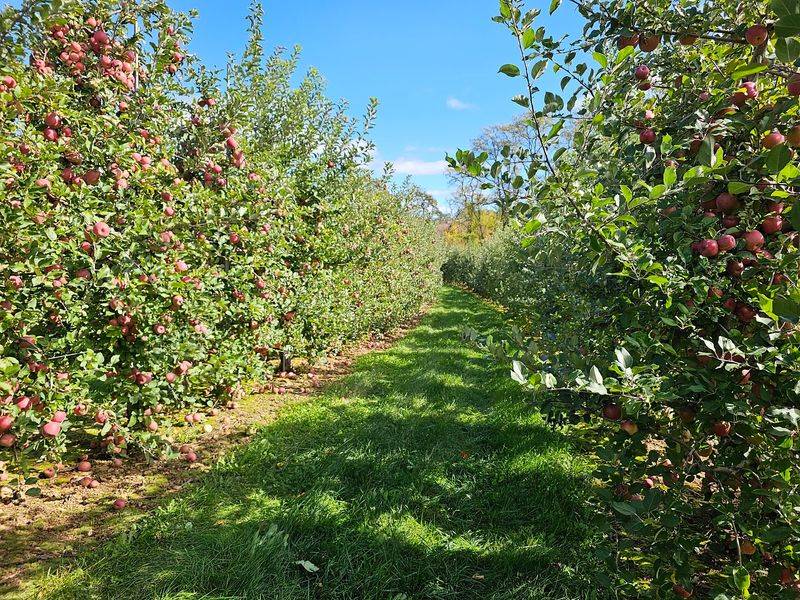
Plenty of New Jersey families treat the farm as an annual marker on the calendar, especially during fruit seasons. That kind of repeat visit does not happen by accident, since the farm gives people enough variety to return for a different purpose across the year.
The Pick Your Own program is a major part of that rhythm. Apples are the headline draw in fall, while strawberries, peaches, berries, pumpkins, vegetables, sunflowers, and wildflowers appear in the broader seasonal mix described by people who have spent days there.
A working farm has rules that protect the crops, and Alstede Farms makes that clear through its posted Pick Your Own policies. The central idea is simple: produce that is picked must be paid for, because harvested crops cannot be returned to the field.
That policy is more than fine print. It helps explain why guests should read signs, stay in open areas, use provided containers, and ask questions before harvesting anything that looks uncertain.
The farm also connects recreation with agriculture in a way that feels useful for kids. A child may arrive thinking only about rides or animals, then leave with a clearer idea that food involves fields, timing, labor, and care.
That is the quiet strength of the place. It gives a fun day enough structure to make the farm part feel real.
Apple Picking As The Big Seasonal Magnet
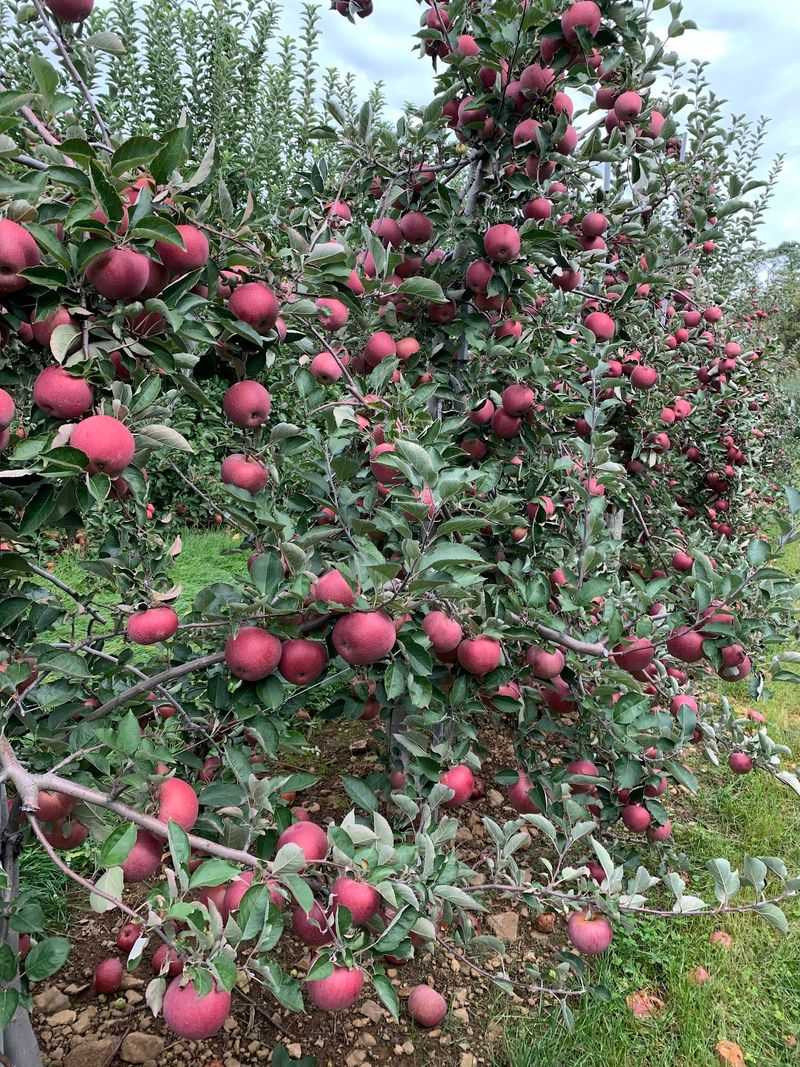
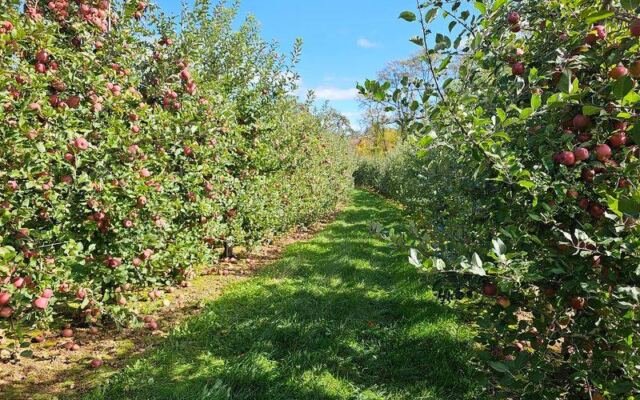
Apple picking is the activity most closely tied to the farm’s name for many New Jersey day-trippers. The data around public mentions points to apples and apple picking as two of the most talked-about parts of the experience, which says a lot about what draws people through the gates.
The farm uses designated picking areas, and those areas may be labeled based on what is ready. That detail matters because fruit picking works best when guests follow the farm’s guidance instead of treating every row as open territory.
Wagon or tractor transport can help move people around the property, including through orchard areas during fruit-picking visits. The farm is large enough that the ride is not just a novelty for kids, it can also be a practical way to reach the right field without turning the whole day into a navigation challenge.
Apple picking also shapes the pace of the visit. It gives the day a clear anchor before families drift toward animals, food options, shopping, live music, or kid-focused play areas.
Costs for Pick Your Own can vary by season, crop, and how tickets are purchased, and several families have noted that planning ahead online may help avoid surprises. The smartest apple plan is not complicated: check the farm website before leaving home, then let the orchard do the heavy lifting.
Cider Doughnuts With Built-In Farm-Day Status
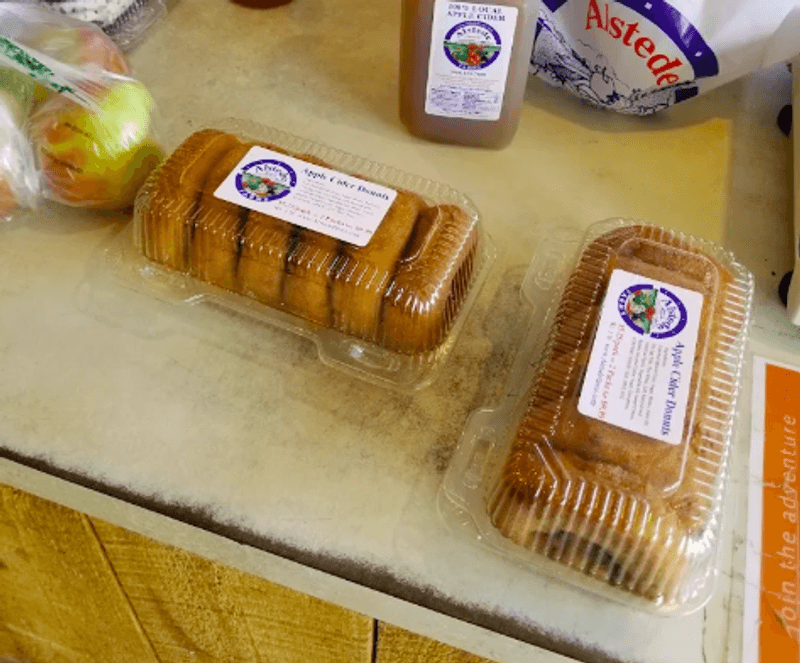
Cider doughnuts are right in the headline for a reason, because they have become part of the classic Alstede Farms checklist. The farm day may begin with fields and rides, but many guests make room for the doughnut stop as part of the route.
The available comments specifically mention apple cider doughnuts served warm, which explains why they stand out in memories of the visit. Since the broader instruction limits food details to items named in the headline, the focus stays where it belongs: cider doughnuts as the farm’s signature treat.
They also fit the timing of an apple-focused outing. After picking fruit, browsing the farm store, or moving between activity areas, a doughnut break gives everyone a simple pause without turning the visit into a full sit-down production.
Lines can form for popular treats during busy times, and one family skipped a long line for another farm dessert because it was not moving quickly. That is a good reminder that weekends and peak seasons can require patience.
The best approach is to keep the schedule flexible. Get the must-do activities handled first, then treat the cider doughnuts as the farm-day reward that makes the ride home feel like part of the plan.
Hayrides And Tractor Rides Across The Property
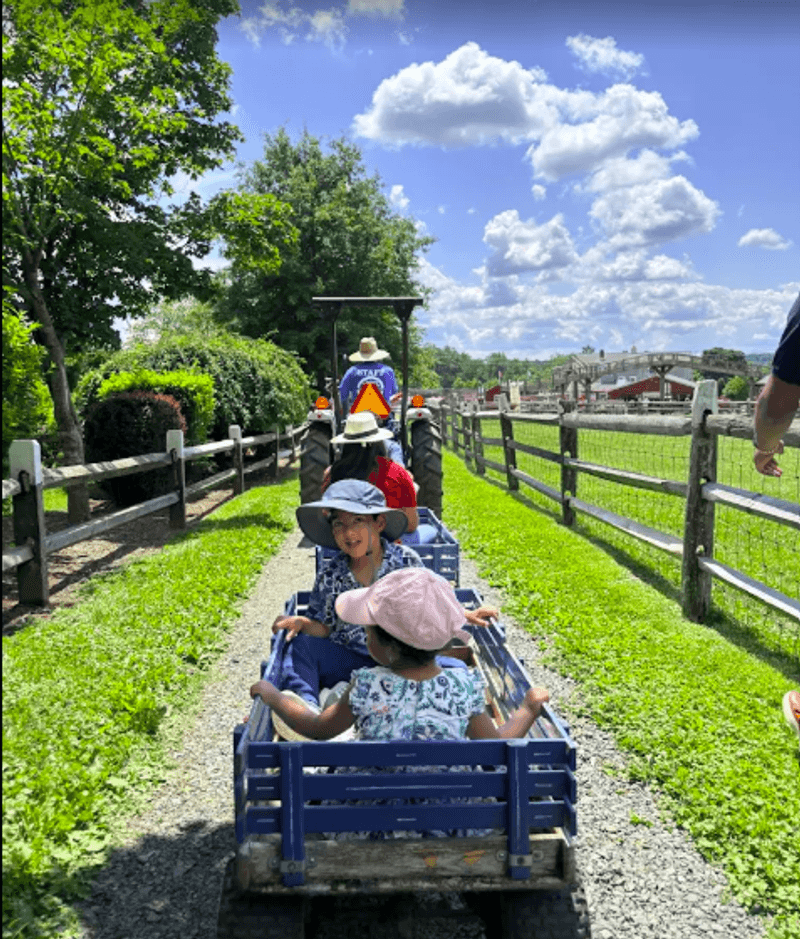
Few details say farm outing faster than a wagon pulled through fields, and Alstede Farms leans into that classic piece of the day. Tractor rides, wagon rides, and hayrides come up often in accounts of visits, especially for families with children.
The rides are more than a cute extra. On a property with multiple picking areas and activity zones, they can help move guests between designated stops, especially when the day includes apples, berries, peaches, pumpkins, or other seasonal crops.
Some guests describe an efficient hayride station system that connects different parts of the farm. At the same time, people should expect plenty of walking, because the ride does not turn the property into a door-to-door shuttle.
That balance is part of the charm and the challenge. Kids may see the wagon as the main event, while adults quietly appreciate not having to solve every step of the farm map on foot.
For birthday parties and family gatherings, wagon rides also appear to be a memorable group activity. Children can share the experience together, and parents get a built-in moment that keeps everyone moving in the same direction.
Call it transportation with a grin. The tractor may not be fancy, but it knows exactly how to keep the day rolling.
Farm Animals Near The Heart Of The Visit
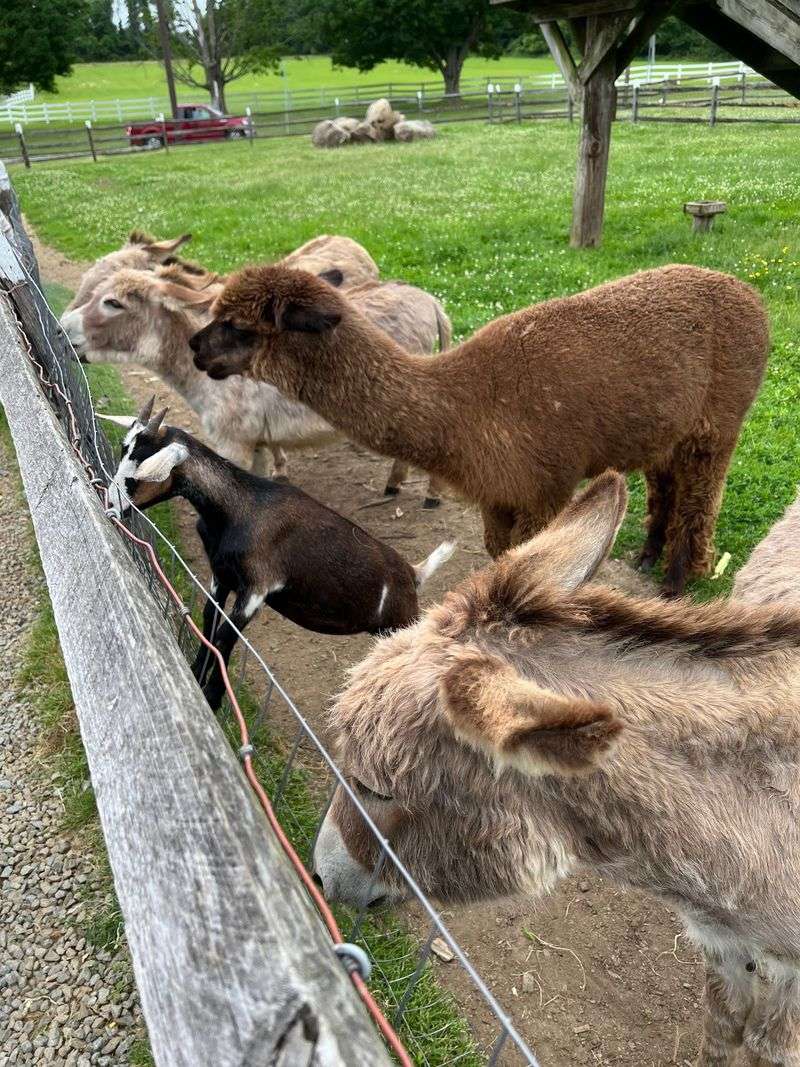
Animal areas give the farm another layer beyond fruit picking, and they are a major reason families stretch the visit into several hours. Goats, sheep, cows, horses, chickens, roosters, alpacas, a llama, bunnies, hens, and a donkey are among the animals described by people who have spent time there.
The animal experience is especially useful for younger kids who may not have the patience for long stretches in the fields. Feeding stations and fenced areas turn the farm into a more varied outing, with simple stops that break up the day.
Goats and horses near the front of the property have also become part of the arrival or departure routine for some families. That kind of small, repeatable moment can make a place feel familiar even before the main activities begin.
The petting zoo is one of the popular topics connected with the farm, and it fits the broader setup neatly. Fruit picking gives the day a purpose, while animals give it movement, pauses, and kid-friendly curiosity.
Parents should still remember that this is a real farm environment. Children may need reminders about staying behind barriers, using feed only where permitted, and giving animals space.
With those basics handled, the animal areas become one of the easiest ways to keep the day from becoming a one-note apple mission.
Kid-Friendly Extras Beyond The Orchard Rows
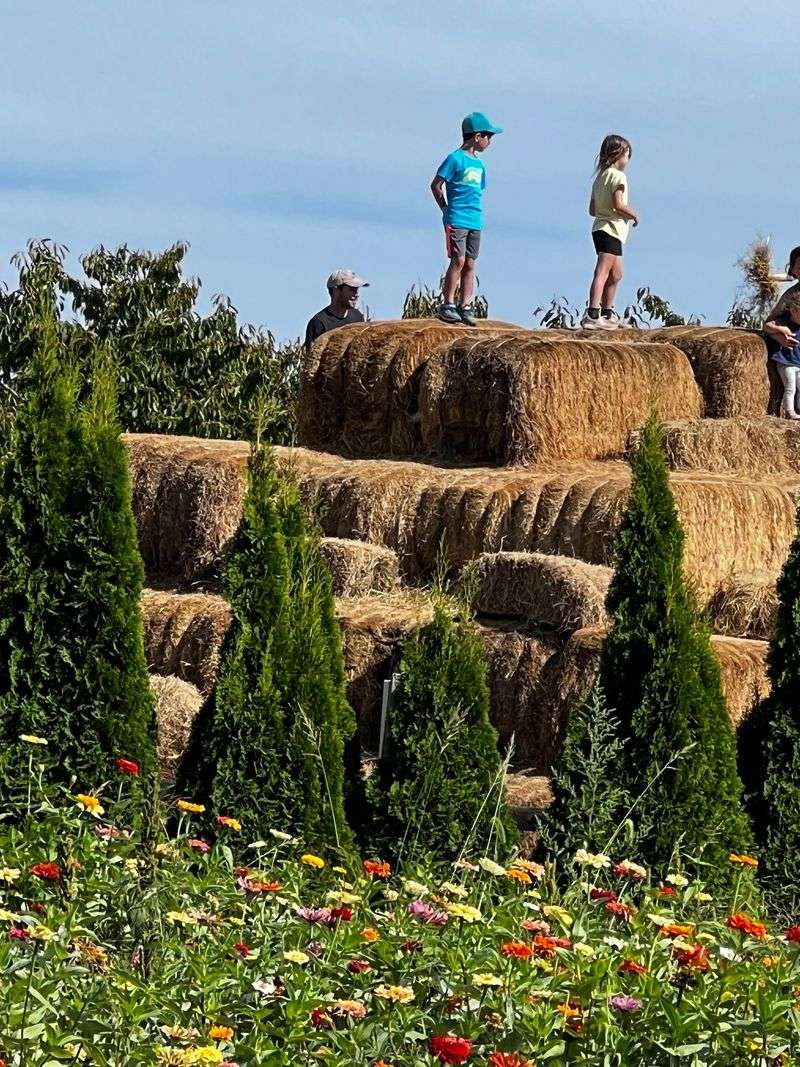
Kids have a way of turning a simple outing into a negotiation, so Alstede Farms helps parents by offering more than one answer to the question of what comes next. Pony rides, horse rides, bounce houses, playground-style activities, hay areas, and maze features have all been part of family visits described at the farm.
Pony rides are mentioned often enough to deserve attention, especially for families with younger children. They add a distinct activity that feels separate from picking fruit, which can be helpful when siblings have different levels of interest in the fields.
The maze and hay areas give families another place to pause without leaving the property. Photo-friendly setups are also part of the appeal, though the better reason to stop is that kids can reset before the next tractor ride or animal visit.
Some party packages or birthday experiences have included child-focused activities such as planting a pot to take home. That detail shows how the farm can turn an event into something more hands-on than cake, tables, and a few balloons.
Parents should check current offerings before arrival, because seasonal farms often adjust activities by date, weather, crop conditions, and ticket type. A little planning can prevent a small misunderstanding from becoming the day’s official family drama.
Seasonal Picking That Goes Past Apples
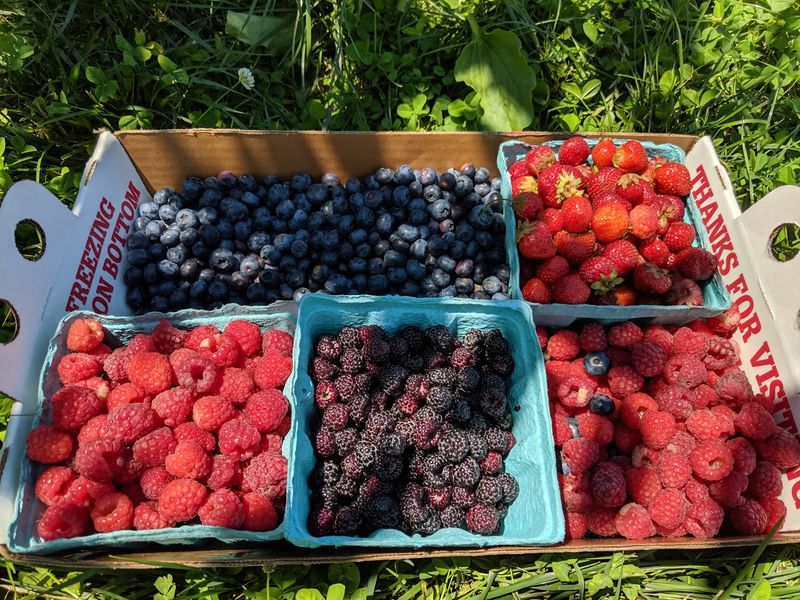
Apples may get the fall spotlight, but the farm’s Pick Your Own calendar stretches across more of the growing season. Strawberries, berries, peaches, cherries, raspberries, currants, blueberries, blackberries, peppers, eggplants, vegetables, pumpkins, sunflowers, and wildflowers are all tied to past visits and seasonal offerings.
That variety is one reason the farm works for repeat trips. A spring or summer outing can feel different from a fall apple-and-pumpkin day, which gives New Jersey residents a reason to return without repeating the exact same routine.
Seasonal picking also means availability is not guaranteed on any given day. Fields open and close based on readiness, and signs are used to identify what can be picked, so guests should pay close attention before filling a container.
Containers matter too. Several families have noted that Pick Your Own tickets come with specific containers, and the farm’s policy requires payment for produce that is harvested.
Online ticket buying may also be important for certain picking experiences, including strawberry picking mentioned by one family. Checking the website before leaving home is the least glamorous part of the trip, but it may save the most frustration.
The rhythm is simple: see what is open, follow the signs, use the correct container, and keep the day pleasantly produce-shaped.
Live Music And Gatherings With Farm Energy
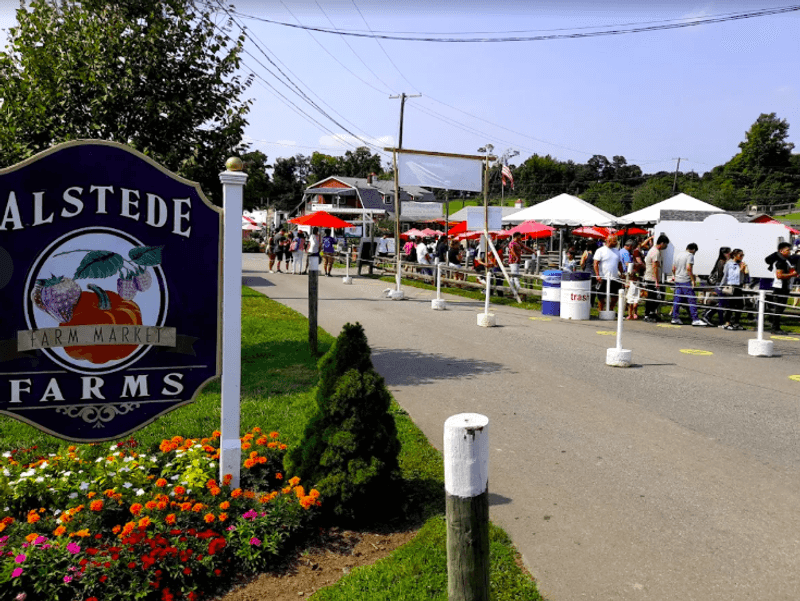
A farm visit can turn social quickly at Alstede Farms, especially when live music or a private gathering is part of the day. Families have mentioned live music as a bonus that adds another reason to stay after picking or animal visits.
The farm also hosts private events, including birthday parties, baby showers, and family gatherings. Reserved tents with picnic tables and benches have been used for children’s parties, and party areas may be convenient to restrooms, the shop area, and nearby animals, based on past event experiences.
Birthday parties seem especially well matched to the setting. Wagon rides have been a hit with children, and one party experience included each child planting a pot to take home, which gives the event a farm-specific activity instead of a generic party script.
Organization comes up often in descriptions of successful gatherings. Helpful staff, structured activities, and easy access to key areas can make a big difference when several kids and relatives are all moving at different speeds.
Still, anyone planning a party should confirm details directly with the farm before booking. Offerings, locations, and activity options can shift, and a few clear questions ahead of time beat a dozen confused texts in the parking area.
For families that want an event with built-in movement, the farm format earns its invitation.
A Farm Store Stop Before The Ride Home
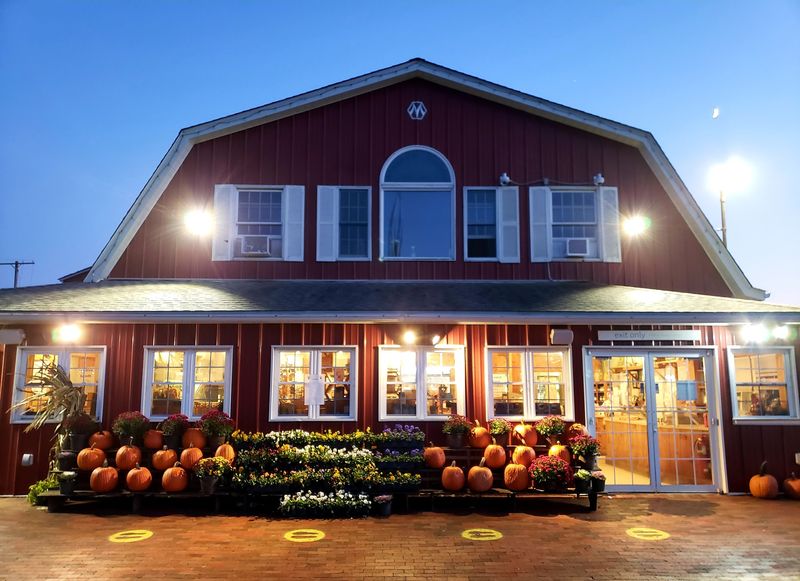
The farm store gives the visit a practical ending, especially for people who like taking something home besides photos and tired feet. Fresh produce is one of the most frequently mentioned parts of Alstede Farms, and the shopping area helps connect field activities with take-home goods.
Plants are also part of the broader farm experience, with families noting a variety available to buy. That makes the store a useful stop even for people who are not doing Pick Your Own that day.
Because the farm can be visited without paying general entry unless guests are participating in Pick Your Own or specific paid activities, the market side can work as a shorter errand-style stop. That distinction is helpful for locals who may not want a full farm itinerary every time.
The shopping area is often described as child friendly and easy to include in a family route. It can sit naturally after animals, rides, or picking, especially when everyone is ready to shift from activities to checkout mode.
Cider doughnuts belong in this part of the day too, since they fit neatly with a farm store visit. The trick is avoiding the assumption that every popular item will be instant, particularly on busy weekends.
A patient store stop can be the difference between leaving with only memories and leaving with the makings of tomorrow’s bragging rights.
A Big Property That Rewards Planning
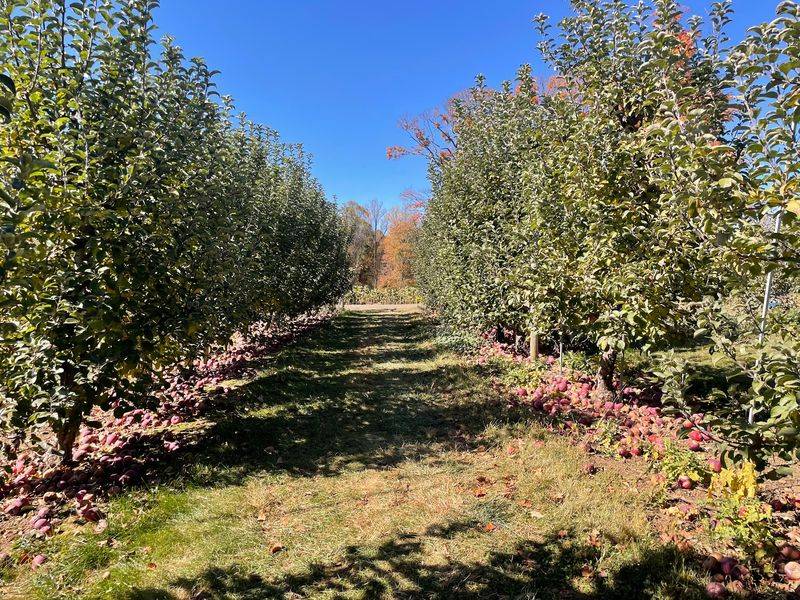
Size is part of the appeal here, but it also asks a little something from the person planning the day. Families often describe the farm as large, with many activities spread across different areas, so comfortable walking expectations matter.
Wide paths and open walking space help make the property easier to explore. Even so, tractor or wagon transport does not remove all walking, especially when picking fields, animal areas, food stops, and activity zones all land on the same itinerary.
Signage and navigation have drawn mixed experiences. Some guests find the layout organized and easy to follow, while others have wished for clearer guidance in certain areas, so it pays to slow down at signs and ask staff when unsure.
Parking is free and generally described as plentiful, though it is on grass and gravel rather than paved surfaces. That is useful for anyone bringing a stroller, cooler, or relatives who prefer a smoother route.
Stroller parking has also been mentioned as a helpful feature, which is no small thing for parents juggling snacks, baskets, jackets, and the mysterious extra items children collect during outings.
A simple plan works best: arrive with time, wear practical shoes, check the website, read field signs, and avoid packing the schedule so tightly that the farm has no room to be a farm.
Costs, Tickets, And The Fine Print That Matters
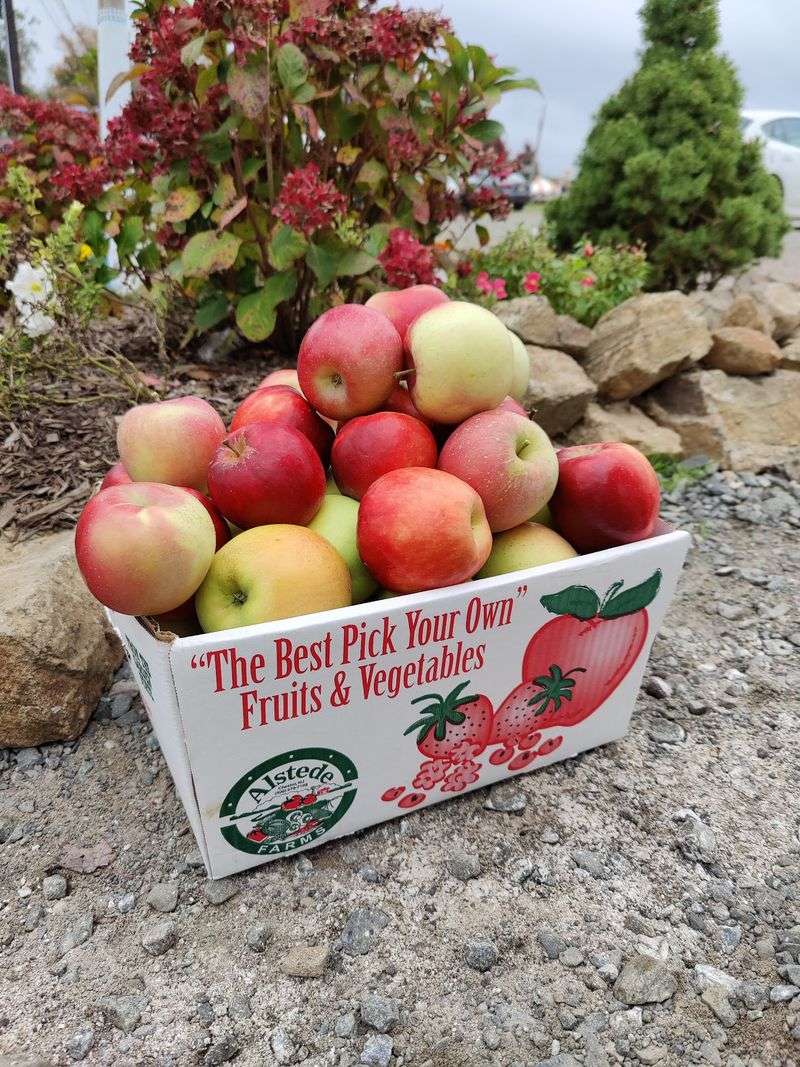
Money is the topic that can turn a cheerful farm plan into a car-ride committee meeting, so Alstede Farms is worth approaching with eyes open. Pick Your Own activities require paid tickets or entry, while general entry to non-picking areas has been described as not requiring payment unless guests are doing paid activities.
Reported costs vary by crop, season, ticket type, and purchase method. Families have mentioned examples such as about $35 per adult for strawberry picking, around $68 for two people for apples, $82 for two people with produce allowance, and higher totals when food and extras were added.
Online purchasing may be cheaper than buying in person in some cases, based on guest experiences. One family also noted that strawberry picking required an online ticket, so checking the website before visiting is a practical move rather than a tiny administrative chore.
The Pick Your Own rules are central to the visit. The farm states that guests must pay for what they pick, and that crops harvested from closed areas or placed in unauthorized containers can create problems.
That policy may sound strict, but it is tied to crop protection and fairness for paying guests. Anyone who treats signs, containers, and open-field rules as part of the activity will have a smoother day.
The value question depends on how much of the farm a group uses. A quick picking run may feel costly, while a full day of fields, rides, animals, music, and shopping can make the math easier to swallow.
A Soft Verdict For A Jersey Farm Day
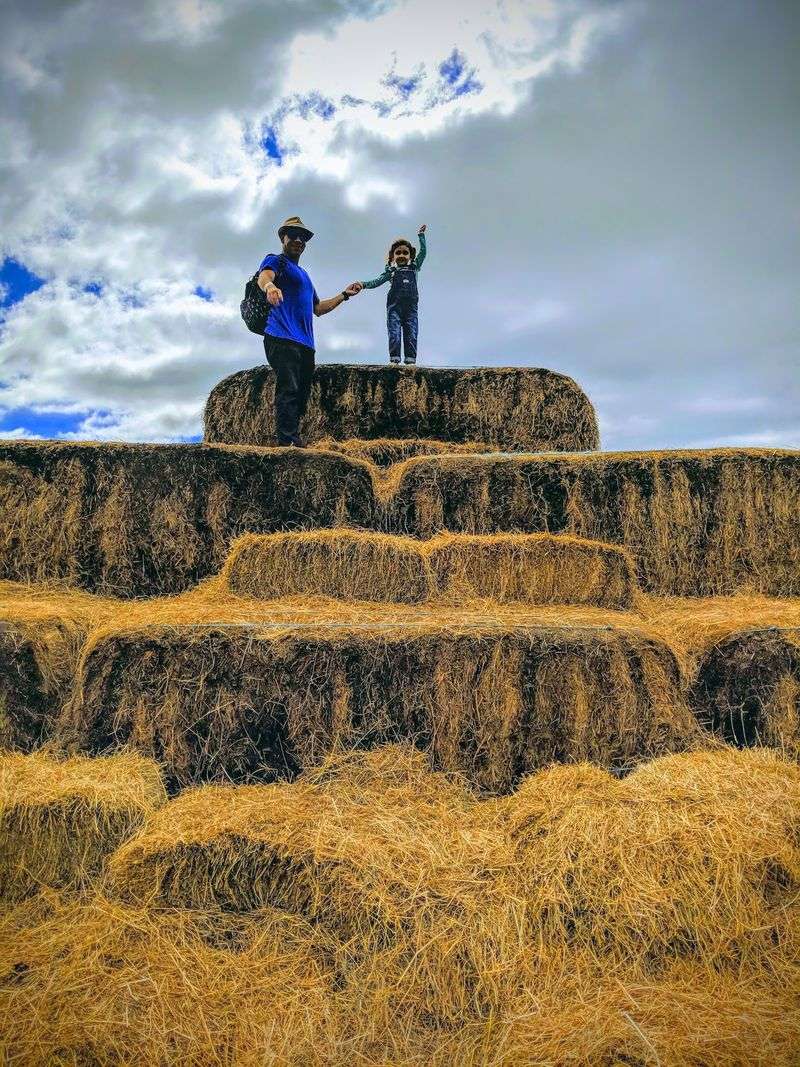
Alstede Farms works best when treated as a full outing, not a quick errand with apples attached. The mix of Pick Your Own fields, cider doughnuts, animals, hayrides, pony rides, live music, market shopping, and event spaces gives the property enough range to fill several hours.
Its strongest audience is easy to name: New Jersey families, local repeat guests, and day-trippers who want a farm experience with options. Children get animals, rides, and activity areas, while adults get seasonal picking, a market stop, and enough structure to keep the day from feeling scattered.
The tradeoffs are real. Costs can add up, busy periods can mean lines, and Pick Your Own rules require attention, especially around containers, open fields, and paying for harvested produce.
Those details do not cancel the appeal, but they do shape the best way to visit. A little advance planning, especially checking the website for tickets and seasonal availability, can make the experience feel far more relaxed.
For locals who like their New Jersey day trips wholesome, active, and proudly unpolished in the right farm-like ways, this Chester stop has staying power. It is the kind of place where apple picking becomes the opening chapter, and the rest of the day keeps finding reasons to continue.
Share this story