Some weekend trips are about checking into a hotel, eating a big dinner, and heading home with a few photos. Peters Valley School of Craft in Layton, New Jersey, sends you home with something better: a piece you helped make with your own hands.
Set in the Delaware Water Gap area, this nonprofit craft school offers workshops in glass, ceramics, blacksmithing, fibers, jewelry, woodworking, photography, and more. For New Jersey residents who think they have seen every kind of local getaway, this is a hands-on reminder that the state still has surprises tucked into its quiet corners.
1. Peters Valley School of Craft, Layton, New Jersey
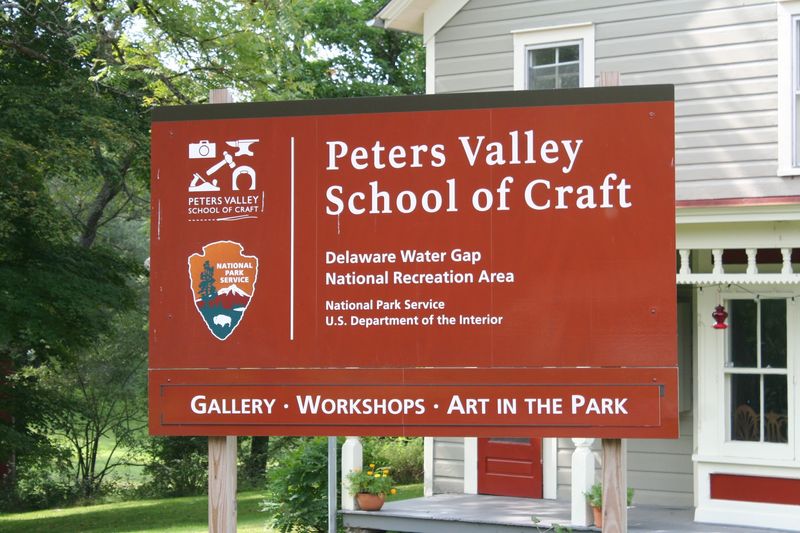
A weekend here is not built around watching someone else be talented from a safe distance. Peters Valley School of Craft is a real working craft education center where visitors can sign up for classes and workshops led by artists who know their materials deeply.
The school is located in Layton, within the Delaware Water Gap National Recreation Area, which gives the trip a different rhythm from a typical New Jersey arts outing. Instead of a downtown studio or a museum classroom, you are heading into a rural setting with historic buildings, trees, and space to focus.
Peters Valley is known for offering workshops across many craft fields, including ceramics, glass, blacksmithing, fibers, jewelry, woodworking, printmaking, and photography. That range is what makes it such a strong weekend idea: one person can be drawn to clay, another to hot glass, and both can come away with a better understanding of how handmade objects are actually made.
2. Weekend Glassblowing Workshops
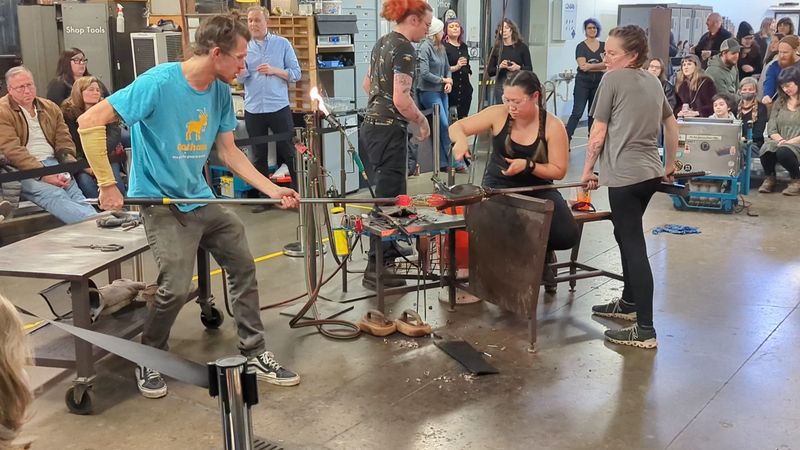
Hot glass has a way of making even confident adults pay attention fast. At Peters Valley, glass workshops give students a chance to learn in a studio setting where heat, timing, and careful movement all matter.
Glassblowing is one of the craft experiences that feels the most unusual for a weekend in New Jersey. Many people have seen finished bowls, ornaments, or vessels in galleries, but fewer have watched the process up close or tried to shape glass while it is still workable.
Workshops can vary by season and instructor, so the exact projects and skill levels should be checked through the school before booking. That practical step matters, especially for beginners who want an introductory class rather than a more advanced studio session.
The appeal is not only the finished piece. It is the rare chance to understand why glass artists move with so much patience and precision, and why one handmade object can carry so much evidence of the person who made it.
3. Ceramics And Clay Classes
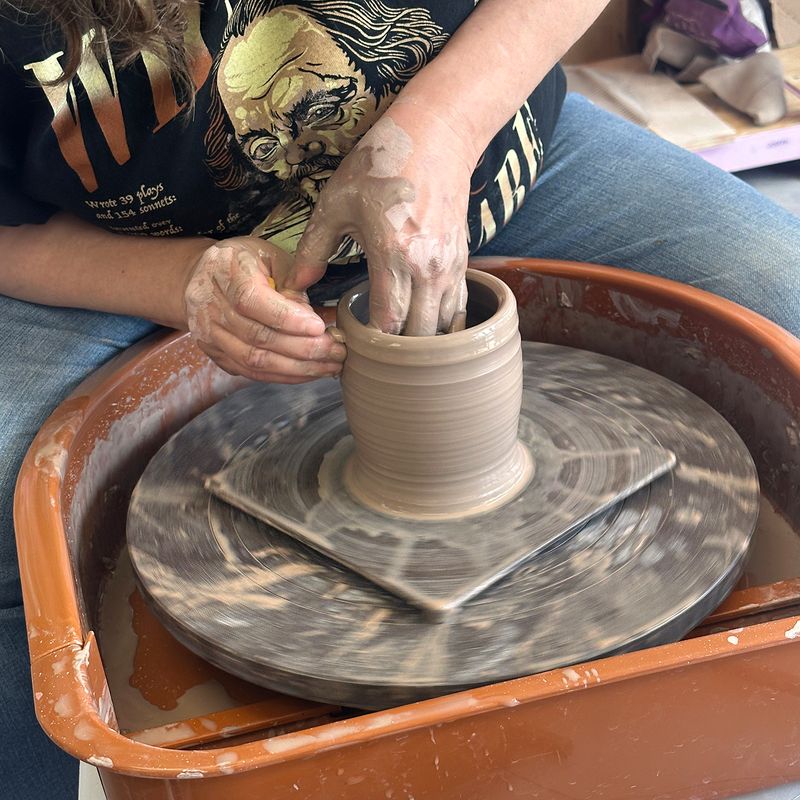
Clay is the kind of material that immediately reminds you whether you are patient. Peters Valley’s ceramics offerings are a major reason the school fits the headline so well, since students can explore clay through hands-on instruction rather than simply buying a finished mug from a shelf.
Ceramics workshops may include wheel throwing, handbuilding, surface design, firing techniques, or other specialized approaches depending on the schedule. The school’s catalog changes, so visitors should look at current listings to find the class that matches their comfort level.
What makes clay different from glass is the pace. Glass asks for quick decisions under heat, while ceramics often rewards slow adjustments, repeated practice, and close attention to form.
That contrast makes Peters Valley especially interesting for a weekend learner who wants to compare two very different craft worlds.
For New Jersey day-trippers, ceramics is also one of the more approachable entry points. Even if the final result has a little wobble, the process gives you a direct connection to an everyday object most of us use without thinking.
4. The Delaware Water Gap Setting

The location does half the work before class even begins. Peters Valley sits in the Delaware Water Gap National Recreation Area, a part of New Jersey that feels far removed from traffic circles, crowded shopping centers, and the usual weekend noise.
That setting gives the school a retreat-like quality without turning it into a vague wellness escape. The main draw is still craft, but the surrounding landscape makes it easier to slow down and stay focused on the work in front of you.
Layton is in Sussex County, close to outdoor destinations connected to the Delaware River and the broader Water Gap region. Visitors often pair this part of the state with hiking, scenic drives, small towns, and quiet rural roads, though anyone taking a workshop should plan around class times first.
For readers who want a New Jersey trip that feels grounded and a little unexpected, the setting matters. You are not just visiting an art school.
You are entering one of the state’s more scenic corners to learn a skill that requires your full attention.
5. Historic Village Roots
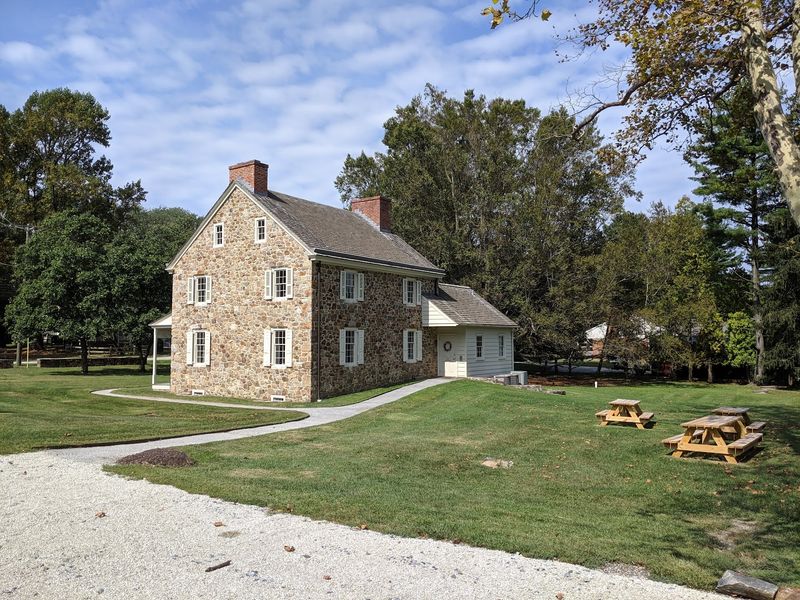
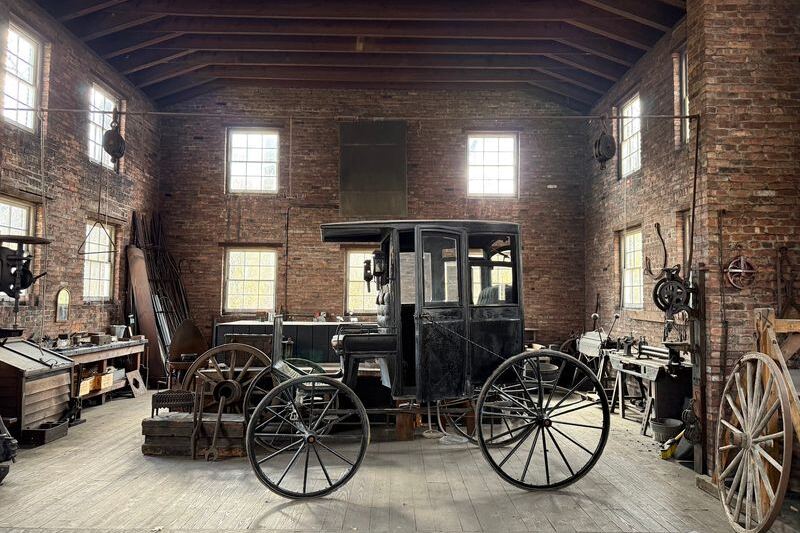
There is a history layer here that gives the campus more character than a plain classroom building could. Peters Valley operates in and around a historic rural village setting, which helps explain why the school feels connected to place rather than dropped onto a site at random.
The school was founded in 1970 and has grown into a nationally recognized center for fine craft education. Its location within the Delaware Water Gap National Recreation Area also ties it to a broader story of preserved land, older structures, and changing uses over time.
That background matters because craft schools are often about continuity. Students are learning contemporary techniques, but they are doing it in a place where handmade skills, rural architecture, and material culture all seem to belong together.
For New Jersey readers who enjoy old buildings as much as creative classes, Peters Valley offers both. The campus is not a staged attraction, but the historic setting gives each workshop day a stronger sense of arrival and makes the trip feel more rooted than a standard studio visit.
6. Blacksmithing And Metals Workshops
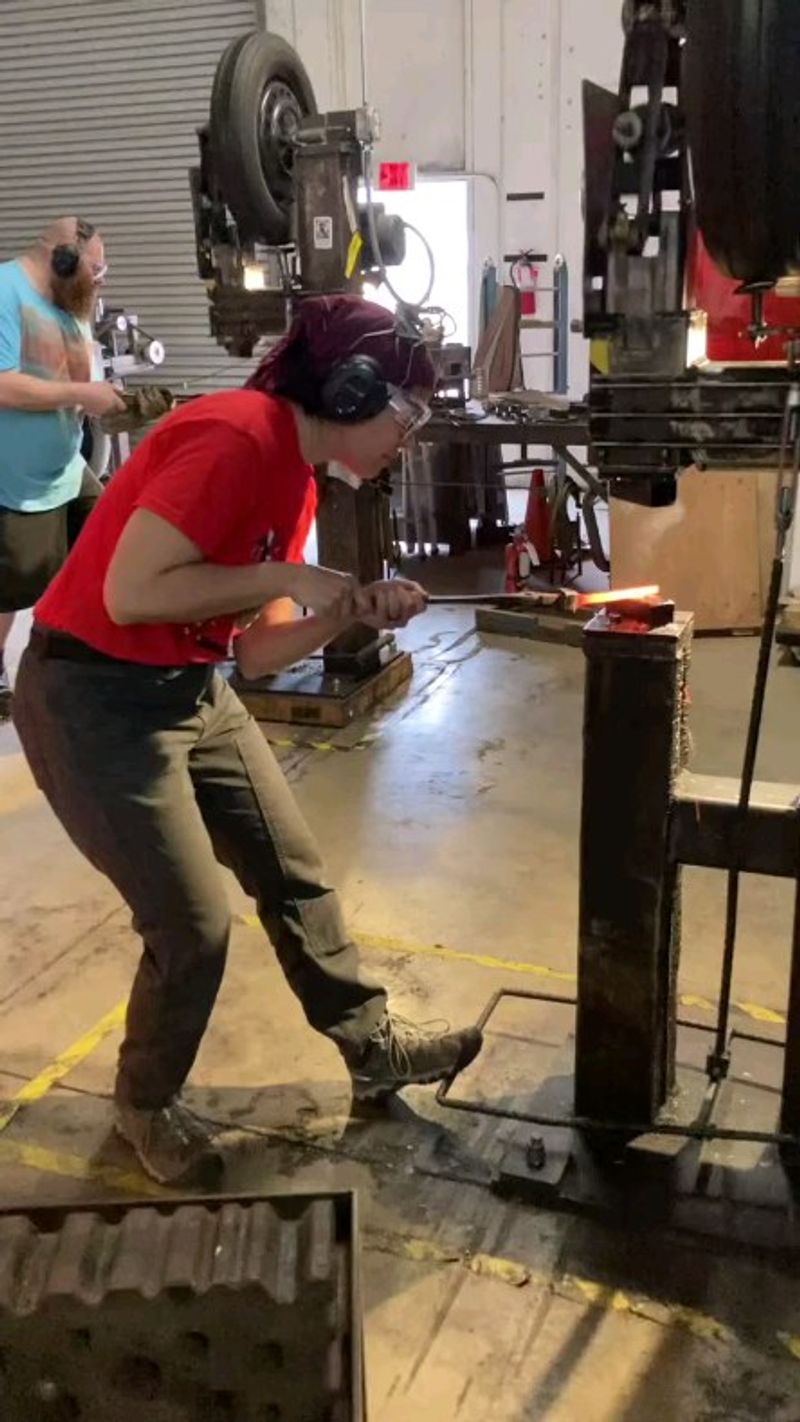
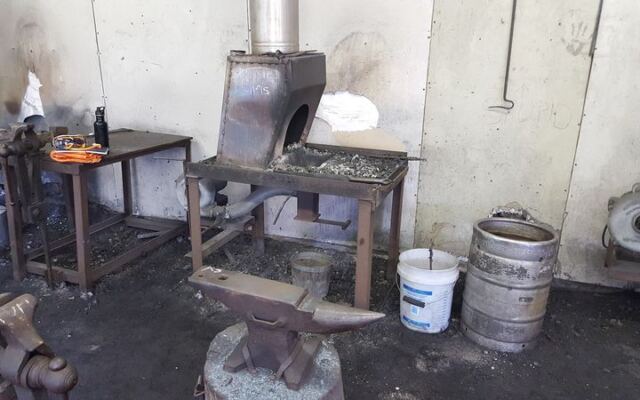
Not every creative weekend has to involve paintbrushes and quiet voices. Peters Valley also offers instruction in blacksmithing and metals, which brings a more physical, tool-driven energy to the craft school experience.
Blacksmithing classes can be especially appealing for people who like learning by doing. The work involves heat, hammering, shaping, and an understanding of how metal responds under pressure, all under guided instruction in a shop environment.
As with all workshop categories, students should check the current Peters Valley schedule for specific class descriptions, experience requirements, and safety expectations. Some sessions may be designed for beginners, while others may assume prior knowledge.
The reason this category belongs in the same conversation as glass and clay is simple: it shows how broad the school’s definition of craft really is. A weekend at Peters Valley can mean delicate surface work, heavy tools, or a mix of both, depending on what kind of maker you want to be for a few days.
7. Woodworking For Hands-On Learners
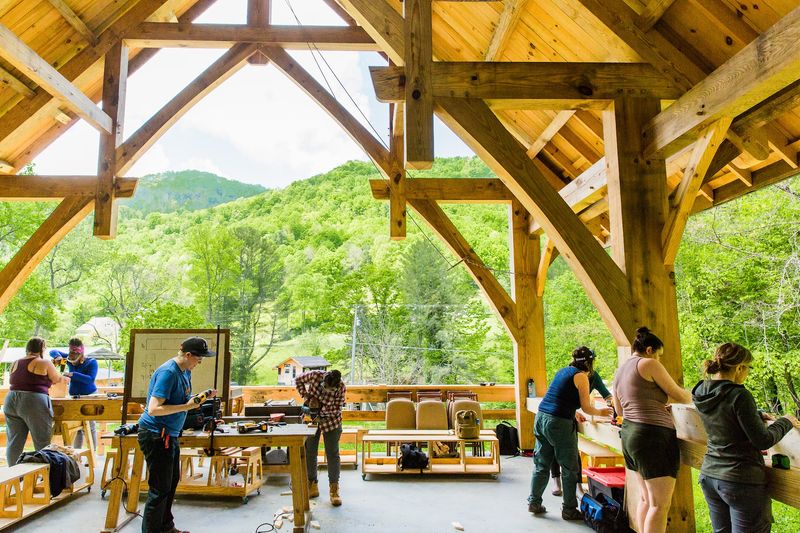
Woodworking has a practical streak that makes it satisfying in a very direct way. At Peters Valley, wood-focused workshops give students the chance to move beyond admiring furniture, utensils, or carved objects and start understanding the decisions behind them.
The school’s woodworking offerings can change with the season and instructor roster, but the category fits neatly with its larger mission of teaching fine craft through serious hands-on practice. Students may encounter tool use, design thinking, joinery, carving, turning, or other wood-based processes depending on the class.
What separates woodworking from some other craft areas is how strongly it connects planning with touch. You have to think ahead, measure carefully, and respect the material’s grain and structure.
For weekend travelers who want a class that feels both creative and useful, woodworking is a smart lane to explore. It also appeals to people who enjoy slowing down enough to notice details, which is a very Peters Valley kind of weekend.
8. Jewelry And Fine Metals Classes
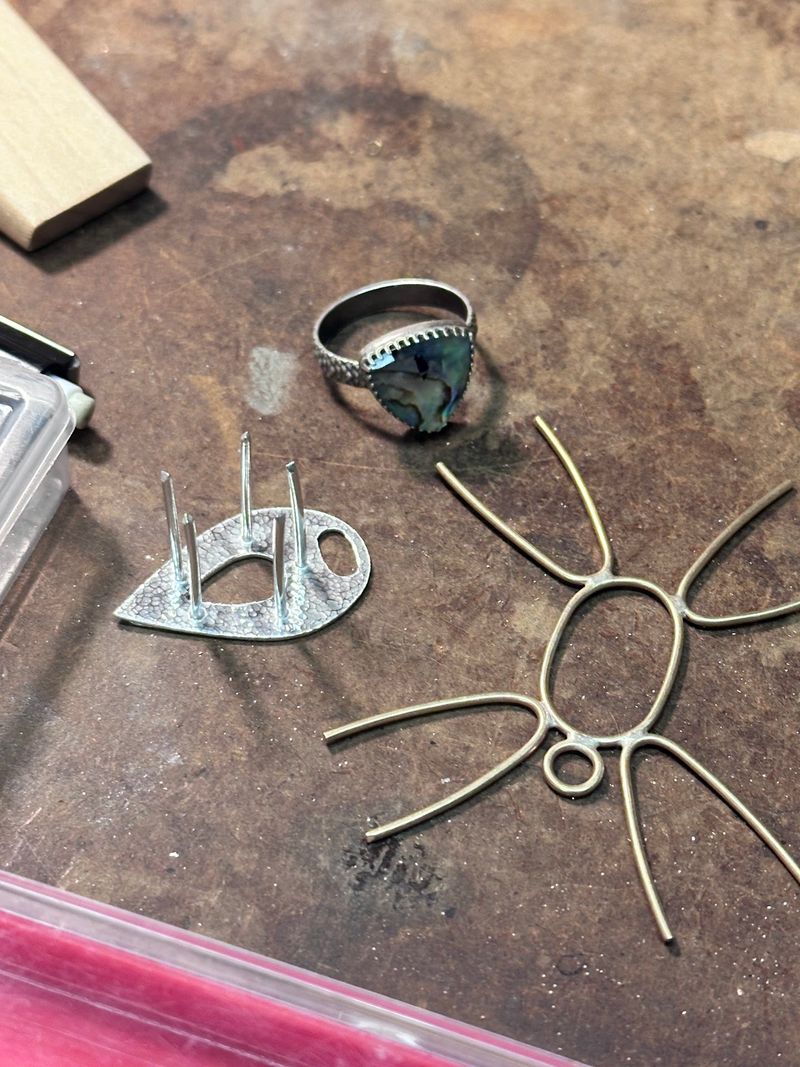
Small objects can require a surprising amount of focus. Peters Valley’s jewelry and fine metals classes bring the scale down, but the attention level goes way up.
This area of craft is a good fit for visitors who like detail, design, and wearable art. Depending on the current catalog, workshops may explore metal forming, surface techniques, jewelry construction, or related processes taught by practicing artists.
The best part is that jewelry classes can change how you look at everyday accessories. A ring, pendant, pin, or small metal object may seem simple until you understand the steps, tools, and judgment involved in making it by hand.
For a New Jersey weekend away, this category offers a quieter contrast to the drama of hot glass or the physicality of blacksmithing. It is still hands-on and skill-based, but it invites a different kind of concentration, one where tiny choices can completely change the final piece.
9. Fiber Arts And Textile Workshops
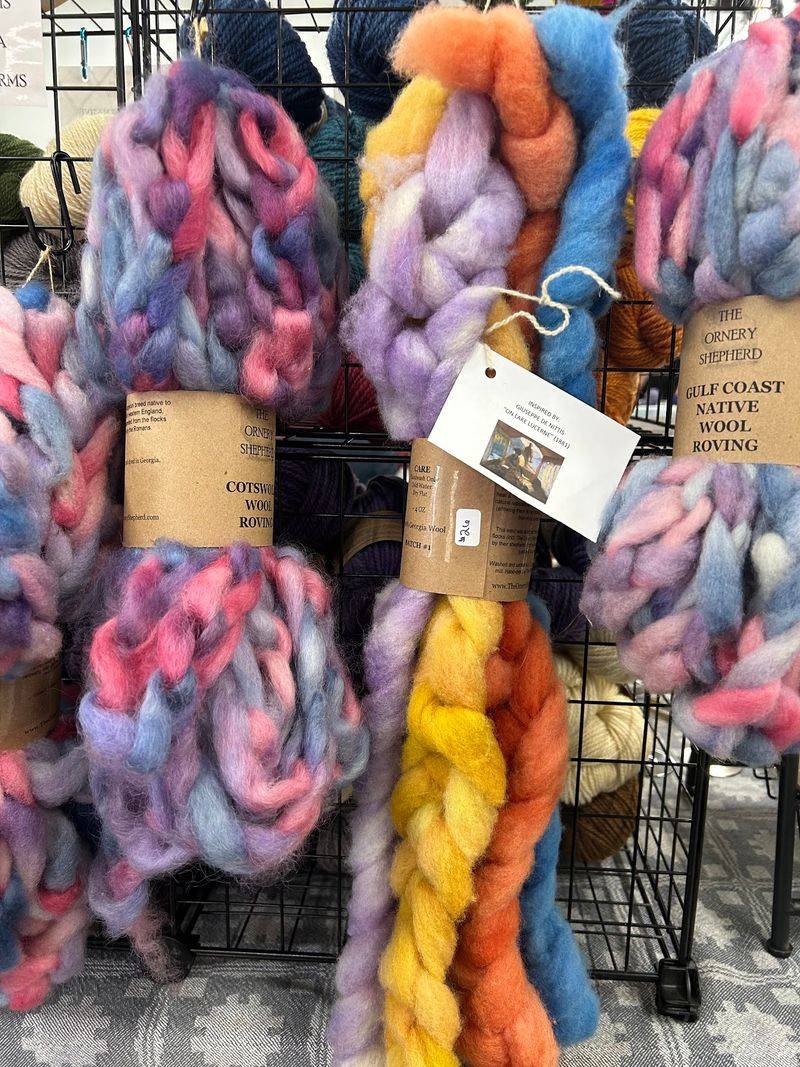
Fabric, thread, yarn, and fiber can turn a weekend class into something both creative and deeply practical. Peters Valley includes fiber arts among its workshop areas, giving textile-minded visitors a reason to look beyond the usual craft fair browsing.
Fiber workshops may cover topics such as weaving, dyeing, stitching, felting, surface design, or other textile processes, depending on the school’s current schedule. Because offerings rotate, the best move is to review the workshop catalog before choosing dates.
What makes fiber arts stand out is how closely they connect to daily life. Clothing, blankets, bags, and household textiles are everywhere, yet most people rarely think about the techniques behind them.
A class in this area can be especially appealing for someone who wants a craft experience that is tactile but not as heat-focused as glass or metal. It also fits the school’s broader personality: thoughtful, material-based, and rooted in the satisfaction of making something with care.
10. Photography And Printmaking Options

Not every Peters Valley workshop begins with a lump of clay or a hot furnace. The school also offers creative areas such as photography and printmaking, which widen the experience for people who are drawn to images, paper, and composition.
Photography classes may focus on specific techniques, visual storytelling, or ways of seeing, while printmaking can involve processes that turn an image into a physical object through ink, pressure, surface, and paper. Exact topics depend on the current workshop schedule.
This category is useful for visitors who want a craft weekend but are not ready for the more tool-heavy studios. It still asks for patience and practice, but the entry point may feel more familiar to people who already take photos or enjoy works on paper.
There is also a nice New Jersey angle here. In a place as scenic as the Delaware Water Gap region, image-based classes can connect the surrounding landscape with studio practice, giving students a way to think about what they see and how they choose to represent it.
11. The Peters Valley Gallery And Store
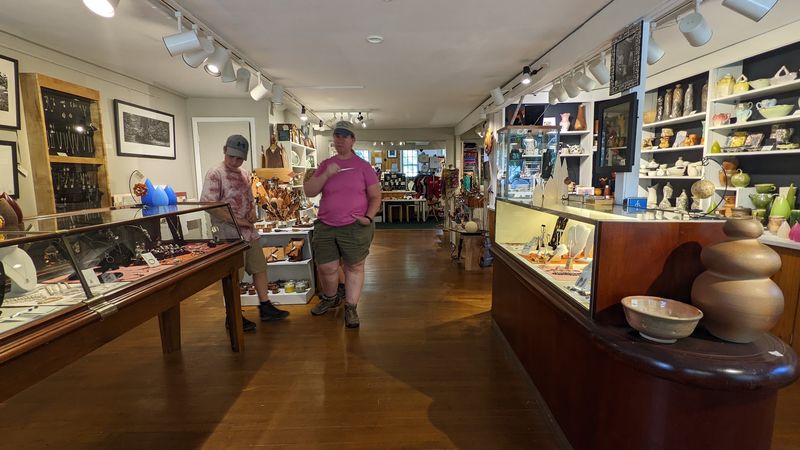
Browsing the gallery is the safer option for anyone who loves handmade work but is not ready to trust themselves near molten glass. Peters Valley operates a gallery and store that features fine craft, giving visitors a way to see finished work connected to the school’s larger mission.
The gallery is an important part of the visit because it shows what skilled craft can look like after years of practice. Pottery, glass, jewelry, textiles, wood, and other handmade categories may be represented, with inventory changing over time.
For workshop students, the gallery can be motivating in a very practical way. After spending a few hours learning how difficult a material can be, finished pieces suddenly look less like simple objects and more like evidence of patience, training, and good design.
For non-students, it offers a lower-commitment reason to visit when public access is available. Before making the trip, check Peters Valley’s current gallery hours and seasonal information, since rural art destinations can have schedules that shift throughout the year.
12. Planning A Craft Weekend In Sussex County

A little planning makes this trip much easier. Peters Valley workshops are scheduled programs, not a drop-in activity where you casually wander in and start blowing glass between errands.
Prospective students should use the school’s official website to review current workshops, registration details, materials information, cancellation policies, and any experience requirements. Because classes can fill or change, the official schedule is the best source for what is actually available.
Layton’s rural setting is part of the charm, but it also means visitors should think ahead about driving time, meals, lodging, and cell service expectations in the area. Sussex County can make a lovely short getaway, especially for people coming from elsewhere in New Jersey, but it rewards travelers who do not leave every detail until the last minute.
The smartest approach is to choose the workshop first, then build the rest of the weekend around it. That way the craft experience stays at the center, whether your plan includes ceramics, glass, fiber, metals, or a quiet gallery visit before heading home.
Share this story