There is a place along the Delaware coast where you can touch a horseshoe crab, watch a stingray glide past a viewing window, and then borrow a bike to cruise through a forest that once housed World War II military bunkers, all in the same afternoon. Most people drive past it on their way to the beach without a second glance, and that is honestly their loss.
Tucked inside one of the most historically layered state parks on the East Coast, this nature center punches well above its weight for a building that looks modest from the outside. What is inside, and the wild stories behind the walls themselves, will genuinely surprise you.
Keep reading, because the history of this building alone is something most visitors never find out about.
Where the Bay Meets the Beach: Finding the Seaside Nature Center
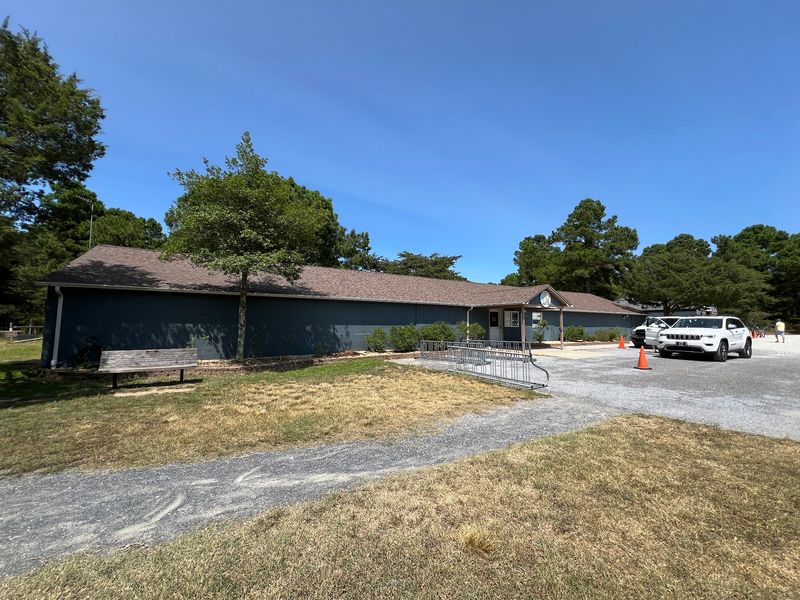
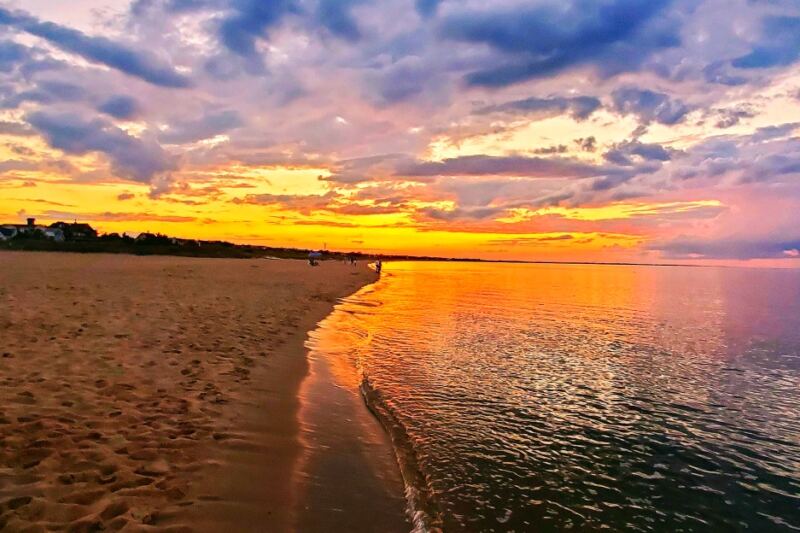
The Seaside Nature Center sits at 15099 Cape Henlopen Drive, Lewes, Delaware 19958, right inside Cape Henlopen State Park, where the Delaware Bay and the Atlantic Ocean converge in a dramatic stretch of shoreline. The park itself covers roughly 5,000 acres, and the nature center serves as its official visitor hub.
You can reach it easily from downtown Lewes, which is only a few minutes away by car. The center is open Wednesday through Sunday, from 10 AM to 4 PM, so a quick check of the schedule before you go saves you a wasted trip.
The phone number on file is 302-645-6852 if you want to call ahead.
There is a $10 vehicle entrance fee for non-Delaware residents, which covers access to the entire park for the day. That is genuinely solid value once you realize how much ground there is to cover beyond the center itself.
The Touch Tank That Stops Everyone in Their Tracks
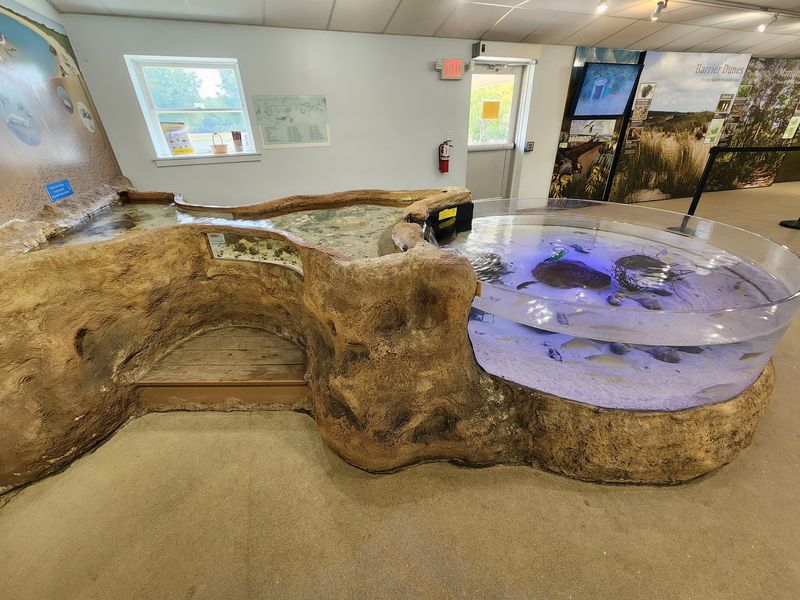
The first thing most people notice when they walk through the door is the touch tank, and it earns every bit of that attention. The tank holds several hundred gallons of water and comes equipped with viewing windows at different levels, so even the smallest visitors can get a clear look at what is swimming around inside.
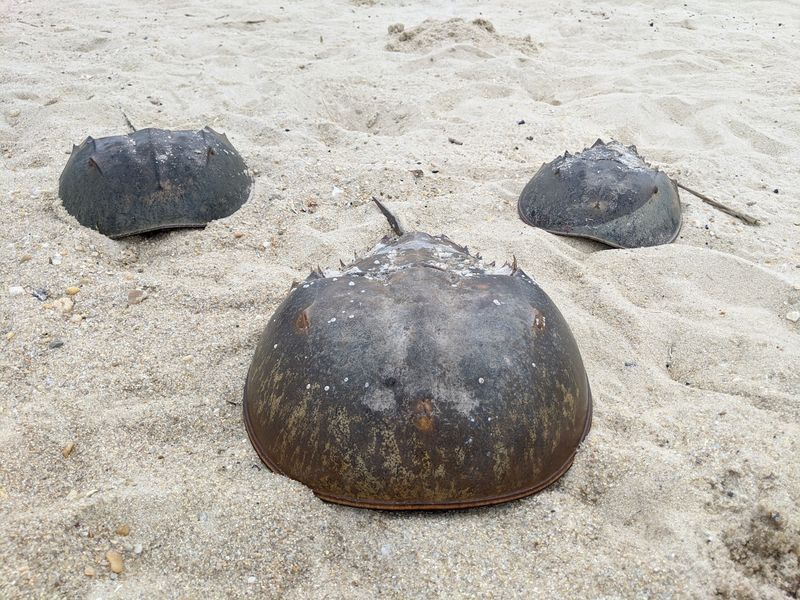
Horseshoe crabs are the resident celebrities here, and holding one for the first time is a genuinely strange and memorable experience. Their shells feel like smooth, hard plastic, and their legs move in a way that is both alien and fascinating.
Stingrays also make regular appearances in the tank, gliding close enough to the glass to make your heart skip a beat.
Staff are usually nearby to answer questions and make sure everyone washes their hands thoroughly before and after touching anything. That combination of hands-on contact and real guidance makes this one of the most engaging stops in the whole park.
A Mini Aquarium That Locals Keep Coming Back For
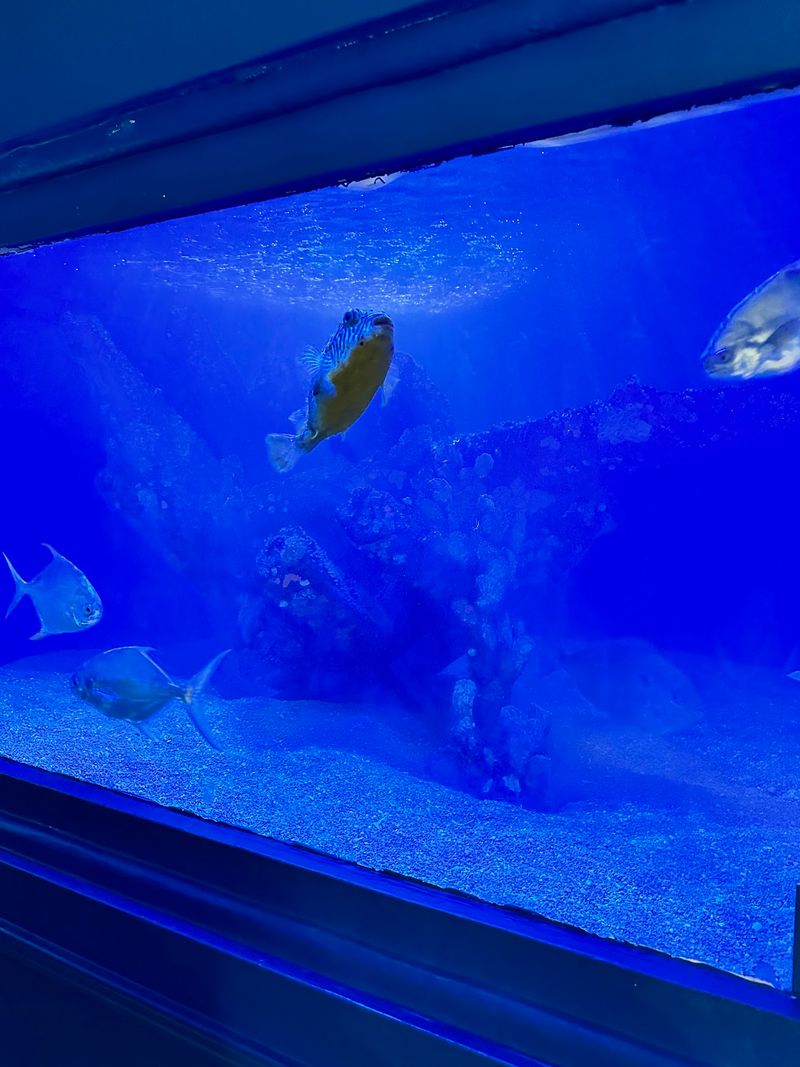
Beyond the touch tank, the center lines its walls with five 1,000-gallon aquariums, each one representing a different aquatic habitat found around the Delaware Bay and the Atlantic coast. The variety on display is genuinely impressive for a facility this size.
Puffer fish, flounder, pompano, and diamondback terrapins all make appearances, and the informative signs beside each tank explain what ecosystem each creature calls home. Reading those labels turns a casual glance into a proper learning moment without feeling like homework.
A dimmed hallway connects the tanks, and the soft glow of the water against the darker walls gives the whole corridor an almost theatrical quality. Kids tend to press their faces right up to the glass, and honestly, adults do too.
The reptile room at the far end adds turtles and snakes to the mix, rounding out a collection that feels far more complete than the building’s modest footprint would suggest.
The Surprising World War II Secret Hiding in Plain Sight
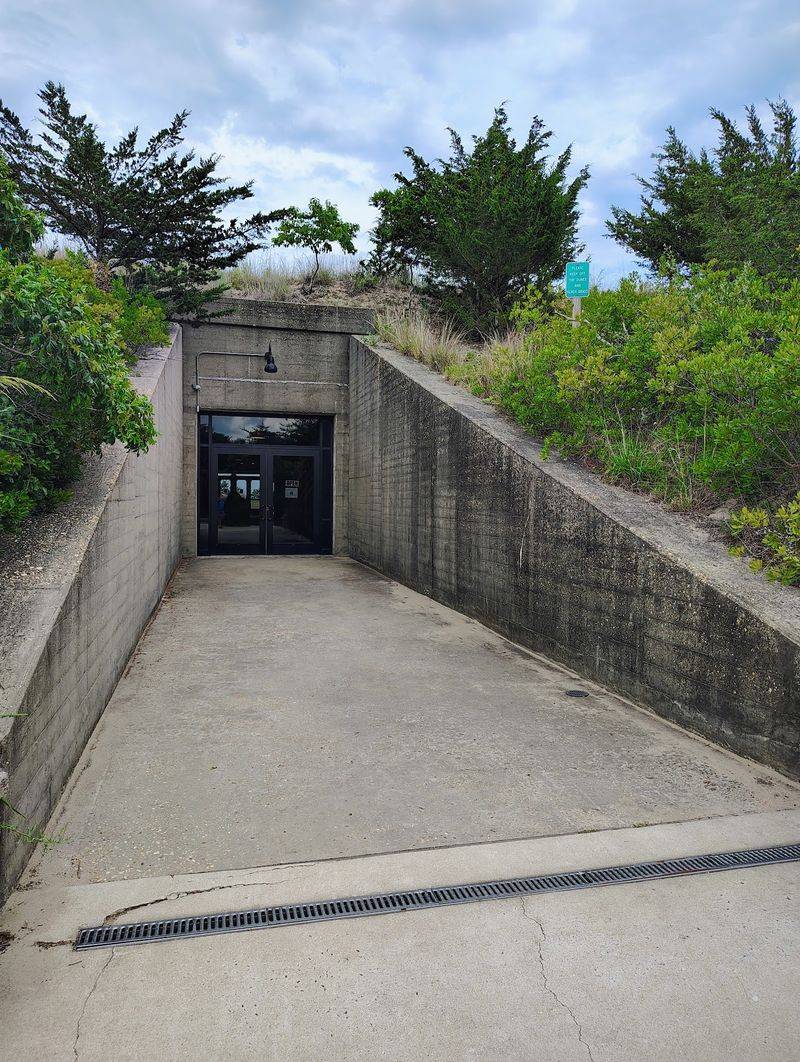
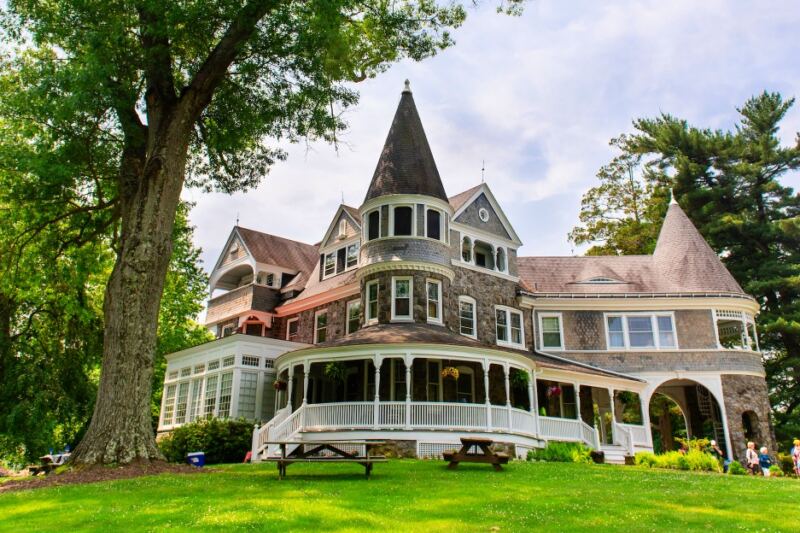
Here is the detail that catches most visitors completely off guard: the Seaside Nature Center building was not always a place for fish tanks and field trips. During World War II, this structure served as the prison for Fort Miles, a coastal defense installation that guarded the mouth of the Delaware Bay.
In 1945, the building briefly held captured German soldiers, though its more regular function was housing military personnel who had broken base rules. Fort Miles itself was a serious operation, packed with artillery batteries, observation towers, and underground bunkers designed to protect the Eastern Seaboard.
The park officially became Cape Henlopen State Park in 1964, transforming former military land into public natural space. That layered history, from wartime fortress to peaceful nature sanctuary, gives the whole park a depth that most coastal destinations simply do not have.
The Fort Miles Historic Area is still accessible within the park if you want to explore further.
Free Bikes and Five Miles of Paved Trail Waiting Outside
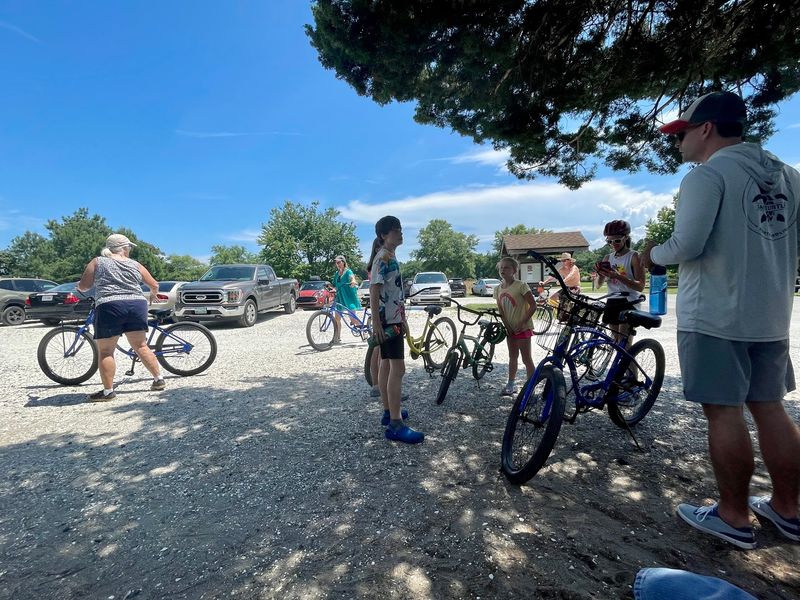
One of the most popular and least expected perks of visiting the nature center is the free bike rental program operating right from the parking lot. A large shed holds a solid fleet of bikes, and all you need to do is fill out a form inside the visitor center to borrow one for up to two hours.
The Bike Loop Trail is a five-mile paved path that winds through the park, connecting the nature center to the campground, beach bathhouse, and Fort Miles Historic Area. It is a genuinely pleasant ride with views of dunes, coastal forest, and glimpses of the bay along the way.
Arriving before 10 AM on busy summer weekends is a smart move if you want to grab a bike before the crowd descends. The trail is also suitable for wheelchairs and strollers along most of its length, making it one of the most accessible outdoor experiences in the park.
The combination of free rentals and scenic pavement is hard to beat.
Trails That Reveal the Coast in a Whole New Way
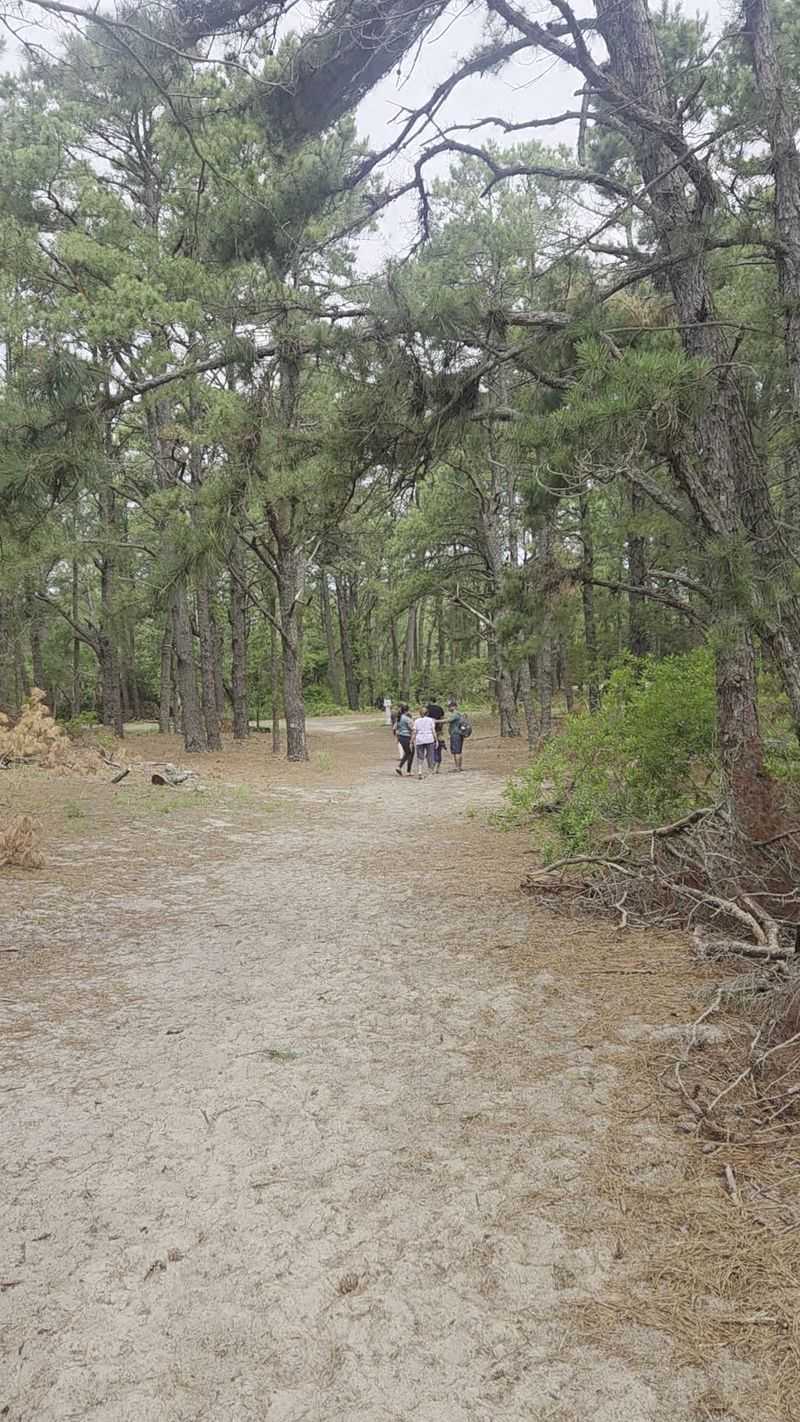
Right outside the front door of the nature center, the Seaside Nature Trail begins as a gentle 0.6-mile loop through coastal pine forest. The surface is loose sand, so comfortable shoes matter more than you might think, especially in summer heat.
The trail delivers views of the Delaware Bay, the Inner Breakwater, the fishing pier, and the Henlopen Lighthouse.
A short walk from the trailhead puts you close enough to the water to feel the bay breeze, and the surrounding vegetation shifts noticeably as you move between open dune areas and shaded pine groves. It is the kind of walk that takes about 20 minutes but feels longer in the best possible way.
The Pinelands Nature Trail is another option nearby, covering two miles through coastal upland pine forest with cranberry bogs and old WWII artillery bunkers tucked along the route. That trail adds a layer of history to what is already a rewarding natural landscape, and it is well worth the extra steps if you have time.
Educational Programs That Go Way Beyond the Classroom
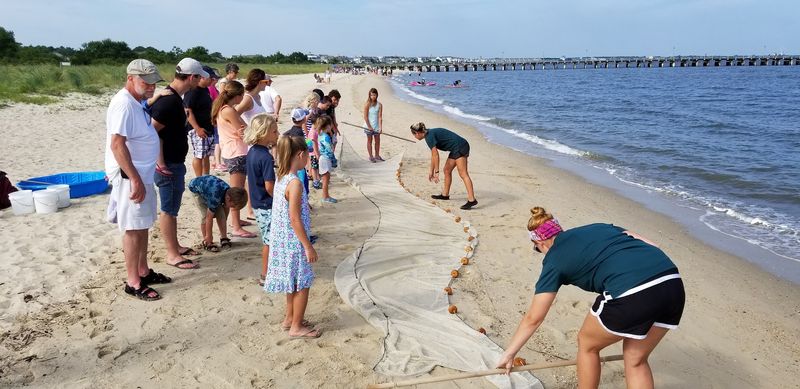
The nature center runs environmental education programs year-round for visitors of all ages, and they cover a range of topics that connect directly to the ecosystems visible right outside the windows. Programs like “Wet and Wild Animals” let younger children meet live aquatic creatures up close and handle props that bring the subject to life.
“Crabby Crustaceans” breaks down the difference between true crabs and horseshoe crabs, which turns out to be a surprisingly engaging topic once you see both creatures side by side. Older students can explore marine environments through “Creatures of the Coast,” which takes a deeper look at how coastal animals adapt to their surroundings.
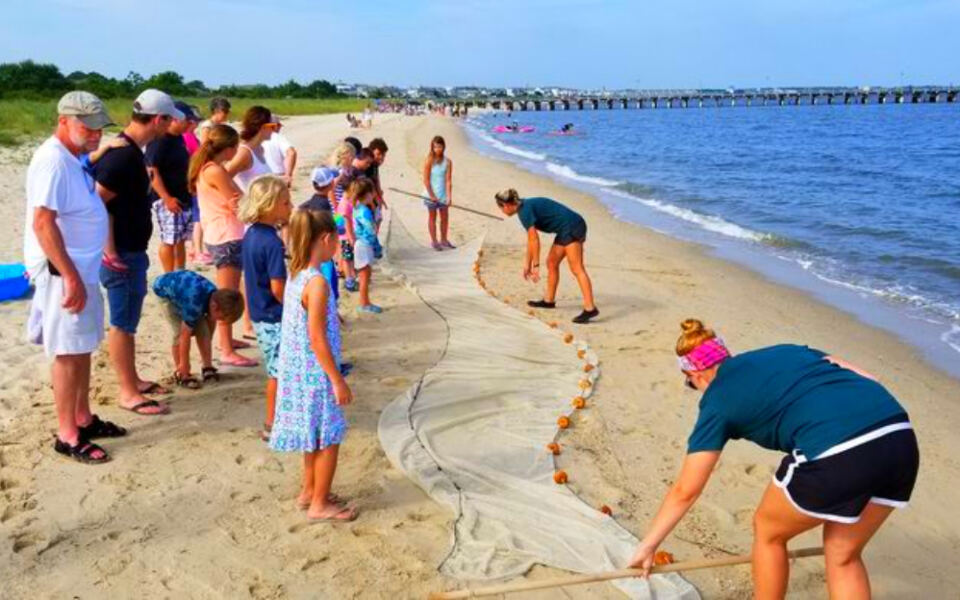
The “Seining the Bay” activity is a seasonal favorite, where participants wade into the water with a net and sort through whatever comes up. Participants walk about half a mile to the beach, make four passes through the water, and then gather around a kiddie pool to identify what they caught.
It lasts a little over an hour and tends to leave a lasting impression on kids and adults alike.
Wildlife Watching That Rewards Patience and Curiosity
Cape Henlopen State Park is a serious destination for anyone who enjoys watching wildlife, and the nature center acts as a gateway to all of it. A live osprey cam runs from April through August, streaming footage of a nesting pair as they raise their young through the season.
Watching it on the screen inside before heading out to spot them in person adds a satisfying layer of context.
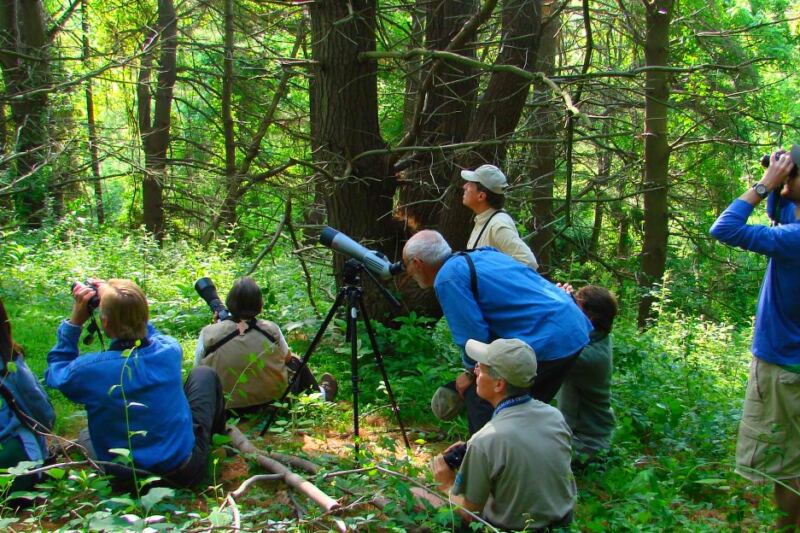
The park’s diverse habitats, including barrier dunes, maritime forests, salt marshes, and mudflats, support an impressive range of species. Blue herons and egrets are common sights near the water, and various raptors patrol the dune ridges on a regular basis.
Birdwatchers take note: Cape Henlopen is the northernmost location where Brown-headed Nuthatches are regularly spotted, which makes it a meaningful stop on any birding itinerary along the East Coast. Dolphins have also been observed migrating offshore, so a scan of the horizon from the Point is always worth the effort during the right season.
Accessibility Features That Make the Park Work for Everyone
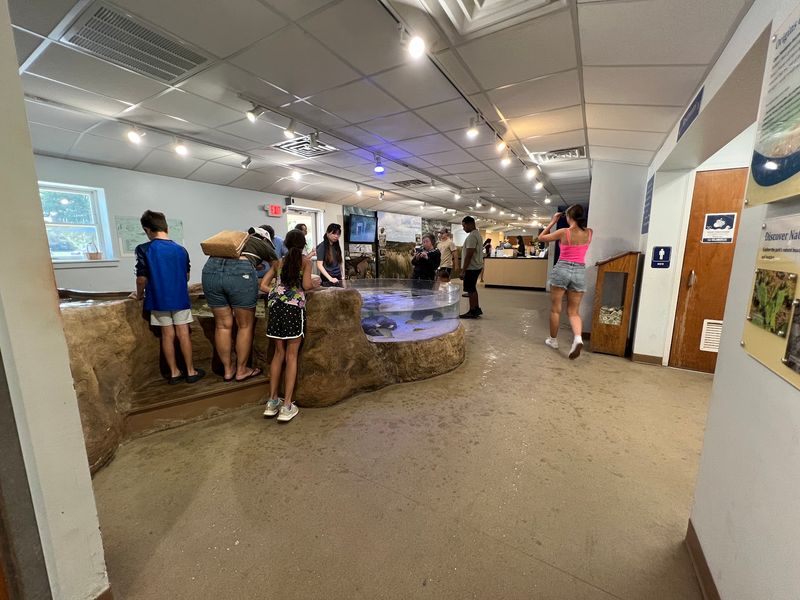
The Seaside Nature Center takes accessibility seriously in ways that go beyond the minimum requirements. The touch tank is designed to be wheelchair-accessible, which means that the hands-on experience with marine life is available to visitors who might be excluded from similar exhibits elsewhere.
Outside the center, the park provides Mobi-Mat equipment at the beach, which creates a firm, stable surface over sand so that wheelchairs and power chairs can navigate to the water’s edge. That kind of thoughtful infrastructure makes a real difference for families with diverse mobility needs.
The paved Bike Loop Trail is also considered wheelchair-friendly along most of its length, offering scenic views of dunes, coastal forest, and the Delaware Bay without requiring visitors to tackle sandy or uneven terrain. The Junction and Breakwater Trail adds another paved option for those looking to explore the park’s natural landscapes comfortably.
Few coastal parks in the region match this level of inclusive design across so many different activity types.
Gift Shop, Auditorium, and Everything Else Worth Knowing Before You Go
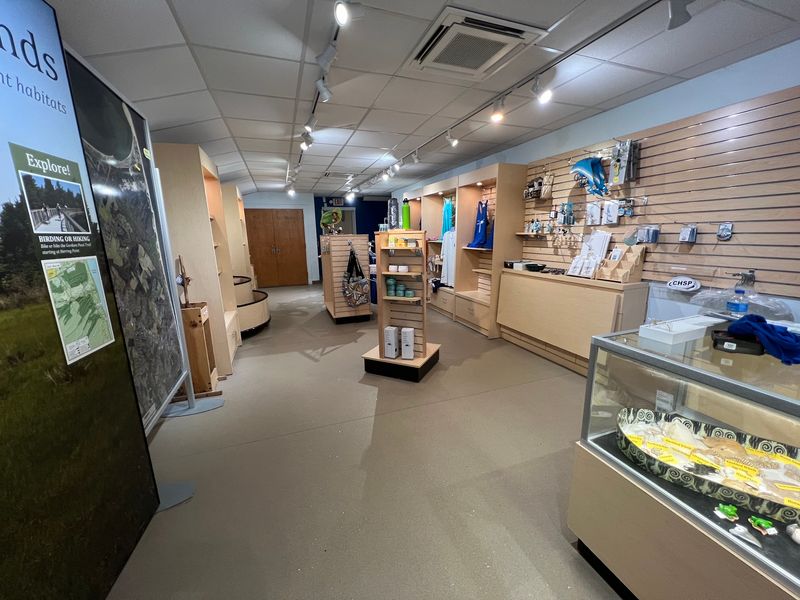
The gift shop inside the Seaside Nature Center is small but genuinely well-curated, with items ranging from stickers and plush animals to hiking medallions, patches, keychains, and clothing. Prices are fair by any standard, and some purchases directly support conservation organizations connected to the animals on display.
An auditorium near the back of the building runs a looping video about Cape Henlopen State Park, which is a useful orientation tool if you arrive without a clear plan for the day. The bathrooms inside are consistently praised for being clean and well-maintained, which is a detail that matters more than it sounds after a long drive to the coast.
On peak summer weekends, the park entrance can close due to capacity limits, so arriving before 10 AM is strongly recommended. The center is open Wednesday through Sunday from 10 AM to 4 PM, and the whole visit typically runs between 20 and 45 minutes depending on how long you linger at the tanks.
It is an easy, rewarding stop that fits naturally into any Cape Henlopen itinerary.
Share this story