Somewhere in Oklahoma, tucked along a stretch of road that most people drive right past, sits a record shop that visitors from Nashville, Michigan, and beyond call the best they have ever stepped foot in. No flashy signage, no trendy rebrand, just crate after crate of vinyl waiting to be discovered by anyone curious enough to push open the door.
The kind of place that swallows two hours without warning, where every flip through the stacks feels like finding a letter someone forgot to mail. If you love music in any form, this is exactly the sort of hidden gem that makes exploring Oklahoma genuinely worth your time.
The Address That Does Not Advertise Itself
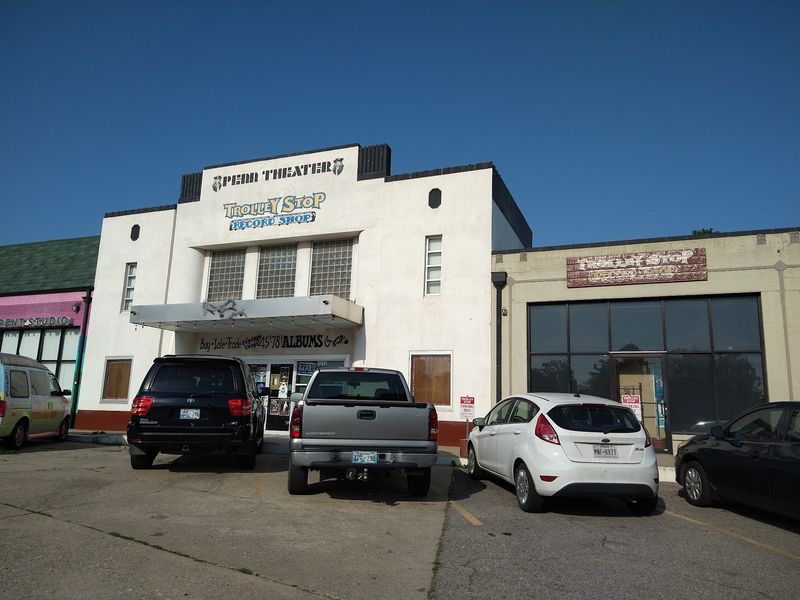
Not every great discovery comes wrapped in neon lights. Trolley Stop Record Shop sits at 1212 N Pennsylvania Ave in Oklahoma City, Oklahoma, occupying a building with far more history packed inside than its street-facing exterior ever lets on.
From the sidewalk, it reads as just another storefront on a quiet stretch of Penn Ave, the kind of place you might glance at and keep walking.
What makes the address worth memorizing is what the building used to be. Visitors note that the shop is housed in the old historic Penn Theater, a detail that adds a layer of character most modern record stores simply cannot manufacture.
The bones of the space, the layout, the feel of the rooms, all carry the weight of something that existed long before streaming playlists were a concept.
Oklahoma City is not a city short on things to do, but Trolley Stop occupies a specific niche that no chain store or digital platform has managed to replace. Finding it feels intentional, like a reward for paying attention to streets that most GPS apps treat as background noise.
A Building With Theater Bones
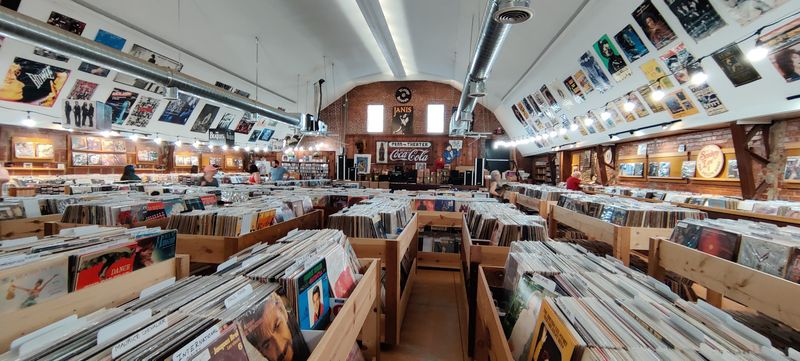
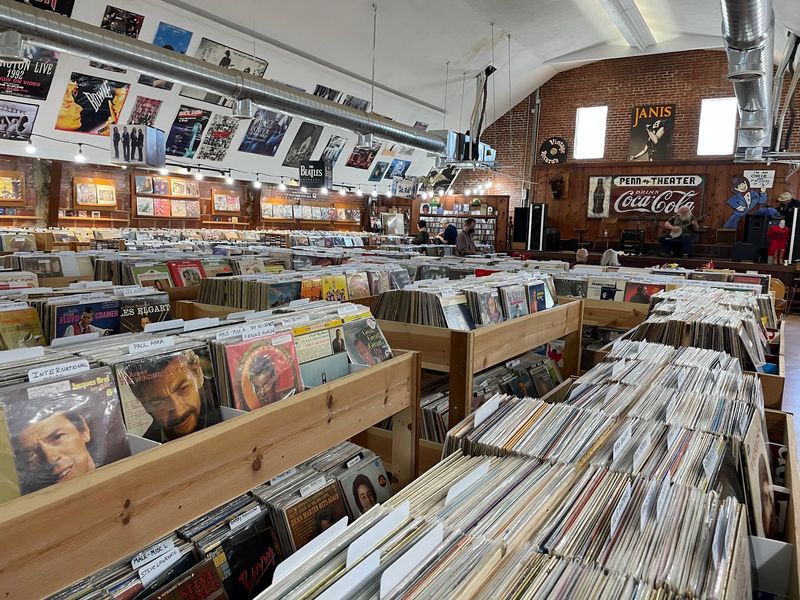
Few record shops can claim they are operating inside the shell of a historic movie theater, but that is exactly the case here. The Penn Theater once served Oklahoma City audiences before its life shifted toward something arguably just as culturally rich.
The architectural bones of the original building are still present, giving the space a scale and atmosphere that feels more like a music hall than a retail shop.
High ceilings, wide open floor space, and a layout that sprawls in directions you do not expect all trace back to the building’s original purpose. Regulars who visit often mention that the space itself is part of the draw, not just the inventory.
There is a theatrical quality to wandering through rows of records in a room that once hosted a different kind of performance.
Connected to the record shop is a full antique shop occupying another section of the building. The two spaces share a roof but carry distinct personalities, making the overall visit feel like two discoveries for the price of one.
The combination of music history and physical antiques under a single historic ceiling is genuinely hard to replicate anywhere else in the city.
The Scale of the Vinyl Collection
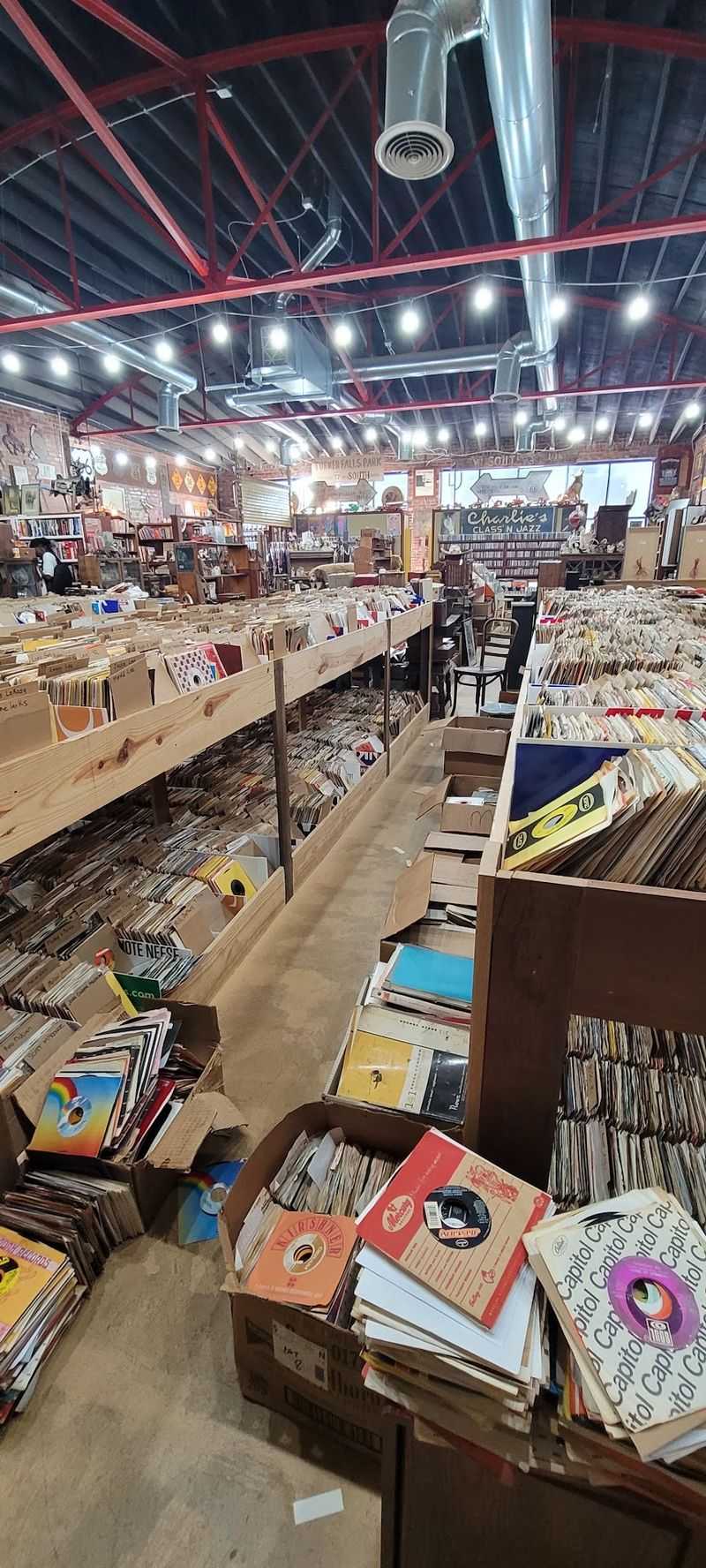
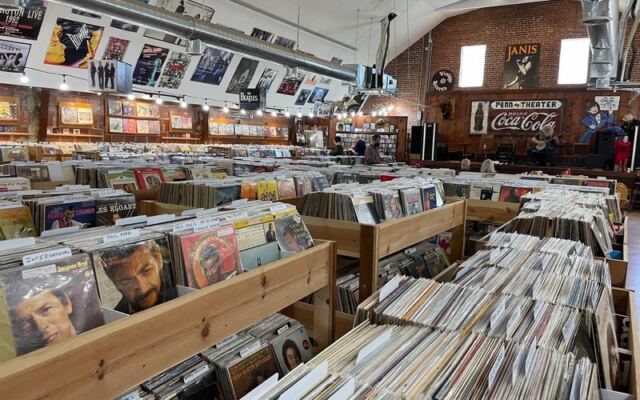
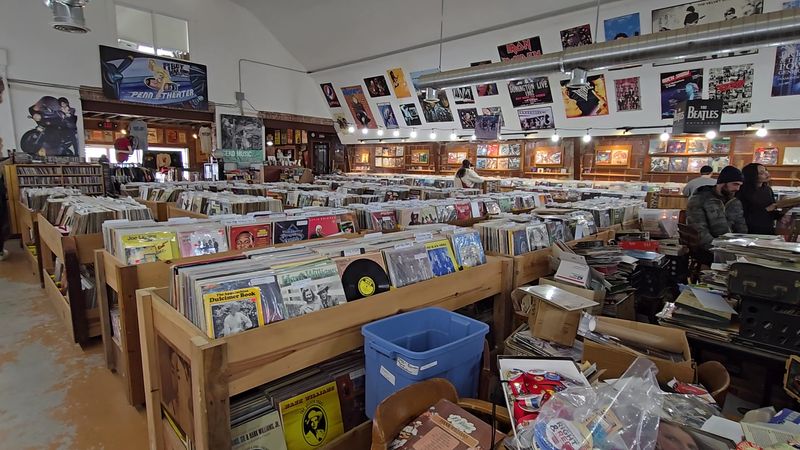
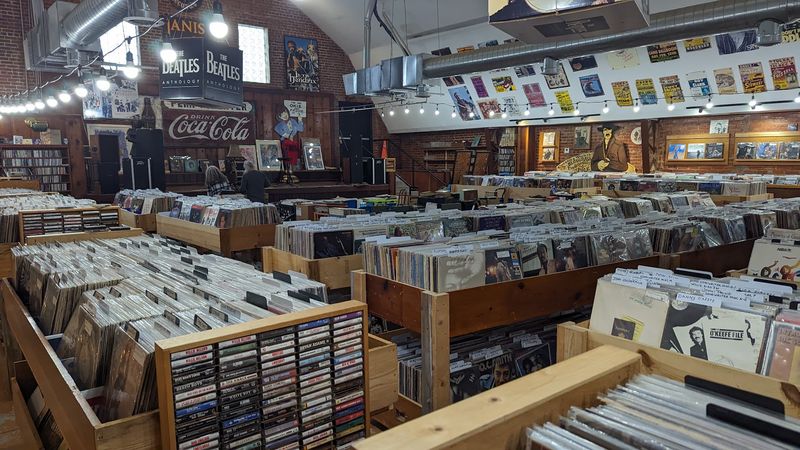
Walking through the door and realizing the sheer volume of records stacked, shelved, and crated across the floor is genuinely disorienting in the best possible way. Visitors consistently describe the selection as one of the largest they have ever encountered anywhere, and that includes people who have shopped at well-known stores in major music cities.
The word that comes up again and again is massive.
Records span from old-school classics to modern releases, covering genres broad enough to satisfy a jazz collector and a classic rock obsessive in the same afternoon. Beyond the standard wall shelving, there are boxes directly on the floor containing new arrivals, and regulars say those floor boxes are often where the most exciting finds turn up.
Spending time on your knees flipping through a fresh arrival box is considered part of the ritual by people who visit regularly.
One visitor from Nashville, a city not exactly short on record shops, called Trolley Stop their favorite record store ever after a single visit. Another regular drives 40 minutes each way, once a week, and still finds something worth buying every time.
That kind of loyalty is not built on a curated Instagram wall. It is built on depth of inventory that genuinely never seems to bottom out.
Format Variety Beyond Standard Vinyl
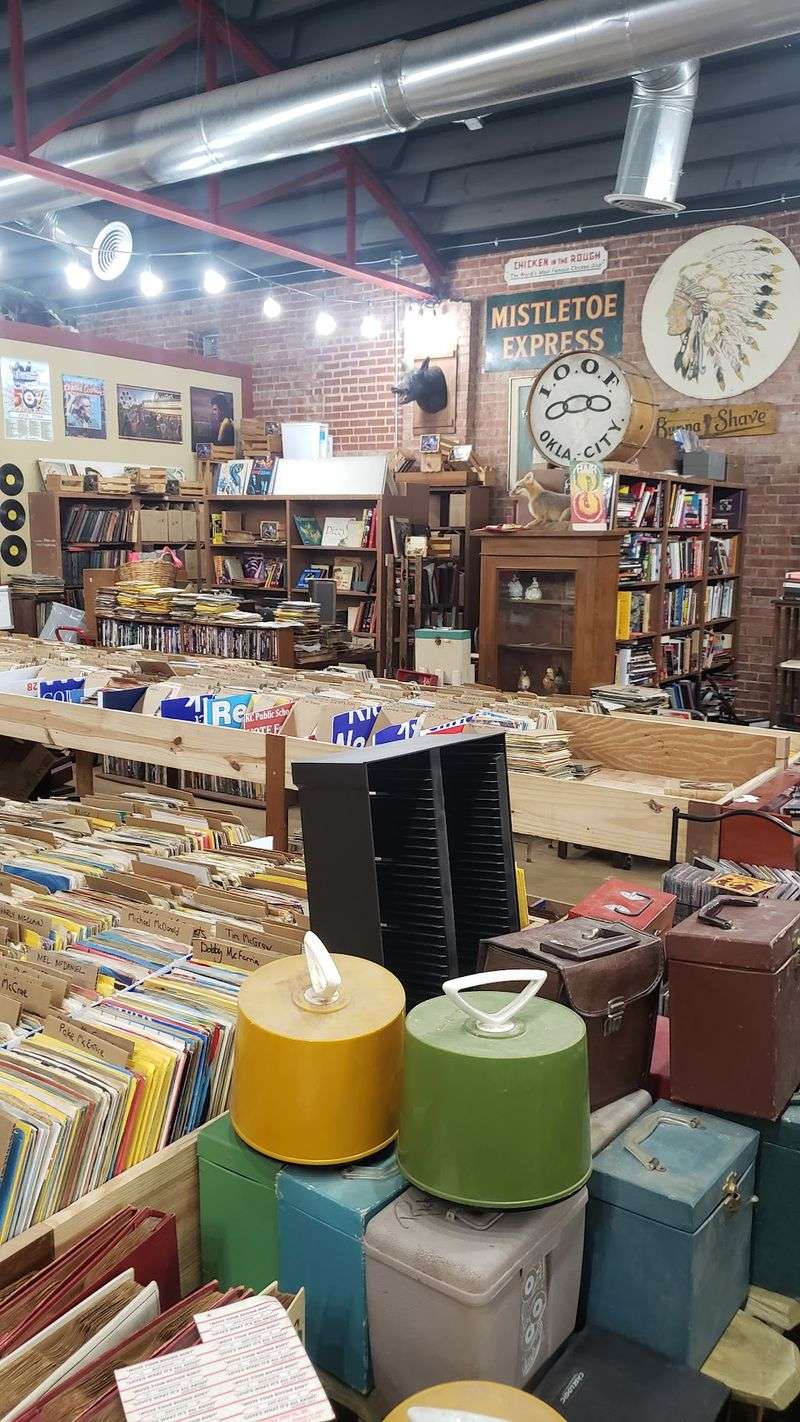
Plenty of record shops carry LPs and call it a day. Trolley Stop takes a noticeably different approach, stocking formats that most stores stopped bothering with years ago.
Cassettes are well represented, with ten separate mentions from visitors specifically calling them out as a reason to visit. The selection of 45s also draws dedicated collectors who know how hard that format can be to find in quantity.
Beyond those, the shop carries reel-to-reel albums, laser discs, CDs, DVDs, and even record needles and phono cartridges for people who need hardware to go along with their software. One reviewer from Michigan specifically listed reel-to-reel availability as something that set the shop apart from every local store back home.
Finding phono cartridges in a record shop is rare enough that it tends to surprise even seasoned collectors.
Sheet music, songbooks, and music-related buttons and memorabilia round out the non-disc inventory in ways that make the shop feel more like a music archive than a simple retail space. Whether you still have a working cassette deck or you collect 78s as a hobby, there is a reasonable chance Trolley Stop has something in your format sitting in a crate with your name on it.
Music Memorabilia and the Walls That Tell Stories
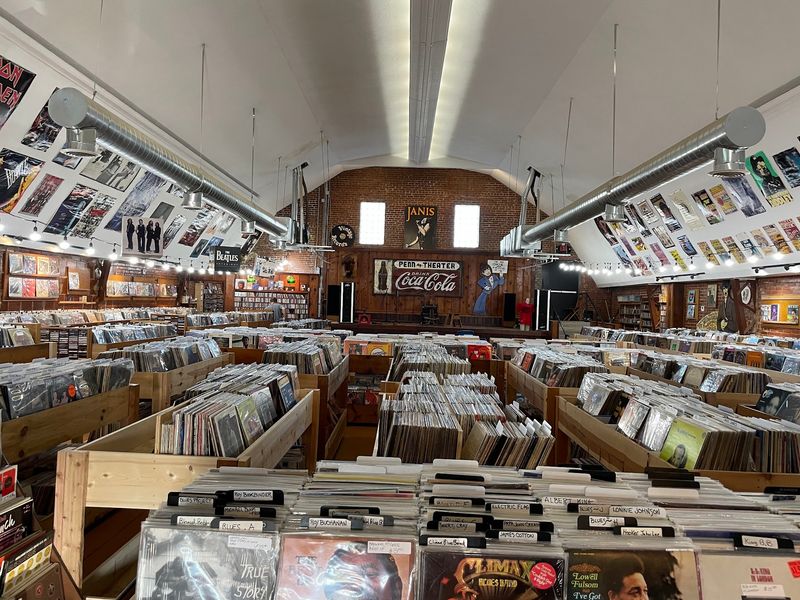
Some record shops treat their walls as blank space between shelving units. At Trolley Stop, the walls are part of the experience.
Posters, memorabilia, clothing, and collectibles cover surfaces throughout the store, turning every glance upward into a small discovery. Visitors mention the decor as a genuine highlight, not just background atmosphere.
The owner, John Dunning, is a longtime antique dealer whose personal collections are woven into the shop’s visual identity. Some of the pieces displayed on the walls come from his own collection, giving the space a curatorial quality that feels personal rather than staged.
Music history is represented across eras and genres, so whether your frame of reference is a 1960s British invasion or early hip-hop, something on the walls is likely to connect.
One section of the shop that visitors particularly love is the restroom, which has been decorated entirely in Beatles imagery. Regulars describe it as feeling like stepping inside the Yellow Submarine or the Magical Mystery Tour film.
It is an unexpected detail that signals just how seriously the people behind this shop take the idea of total immersion in music culture. Even a bathroom visit becomes part of the story.
Pricing That Respects the Regular Shopper
Record collecting has a pricing problem in a lot of cities right now. Shops catering to the vinyl revival trend have pushed prices to levels that make casual browsing feel like a financial commitment.
Trolley Stop operates on a different philosophy, one that longtime visitors clearly appreciate and talk about openly.
Regular shoppers describe the pricing as realistic and fair, noting that John, the owner, understands the value of keeping records accessible to people who are not just wealthy collectors. One visitor who drove from 40 minutes away mentioned that the shop actively resists the trend of inflating prices to match what trendy, younger-skewing stores charge.
That stance has built a loyal customer base that keeps returning precisely because they feel respected as buyers rather than extracted from as fans.
A visitor from Nashville picked up multiple records without a single one topping twenty dollars, calling the prices a genuine surprise given the quality and rarity of what was available. For context, that visitor had enough experience with record shops across the country to know when pricing is genuinely fair versus performatively cheap.
Cash is the preferred payment method at the shop, so arriving with bills in your pocket is strongly recommended before you start flipping through crates.
The Owner Behind the Counter
John Dunning is not a passive presence at Trolley Stop. He is the kind of owner whose knowledge and personality shape every aspect of the shop, from what gets stocked to how conversations behind the counter tend to go.
Visitors who have spent time talking with him describe the experience as part of what makes the shop memorable, not just the inventory.
His background as an antique dealer for many years informs the way the shop is curated. Records are not just products here.
They are objects with histories, and John treats them accordingly. Regulars who visit weekly mention that interacting with him is part of the routine, and that his willingness to negotiate on prices in a reasonable way keeps the relationship between shop and customer feeling human rather than transactional.
Staff who work the floor when John is not present are consistently described as friendly and helpful, though some visitors note that pricing on untagged items requires John to be consulted directly, sometimes by phone. For those who plan ahead and visit when he is in, the experience of having an expert walk you through the inventory is something that no algorithm or playlist recommendation engine has figured out how to replicate.
That human layer is genuinely part of the product here.
The Antique Shop Next Door
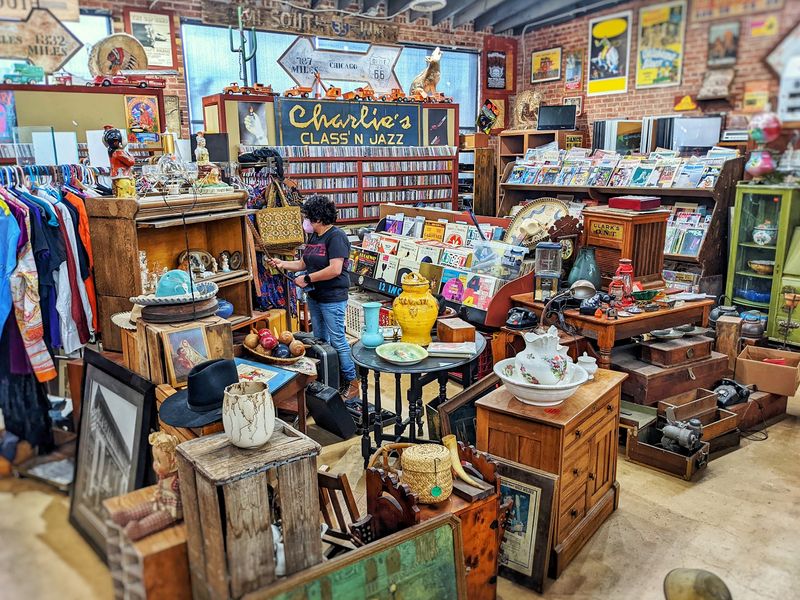
Arriving at Trolley Stop expecting only records and leaving with something entirely unrelated to music is a common enough experience that it deserves its own section. The building houses a full antique shop alongside the record store, and the two spaces are connected in a way that makes wandering between them feel natural rather than like a detour.
Visitors describe the antique side as a flea market style room packed with random and interesting finds. Furniture, collectibles, vintage odds and ends, and items that resist easy categorization fill the space in a way that rewards slow browsing.
For anyone who enjoys the treasure-hunt quality of a good flea market, the antique section adds significant value to the overall visit.
The combination of music inventory and antique goods under one roof creates a layered experience that is genuinely hard to find in a single location. You might walk in for a specific record, spend an hour in the vinyl stacks, and then lose another thirty minutes in the antique room without ever feeling like you have strayed off topic.
Both halves of the building share the same unhurried, exploratory energy, which makes the whole visit feel cohesive rather than disjointed. It is one of those rare shops where every corner earns your attention.
Hard-to-Find Records and Collector Gems
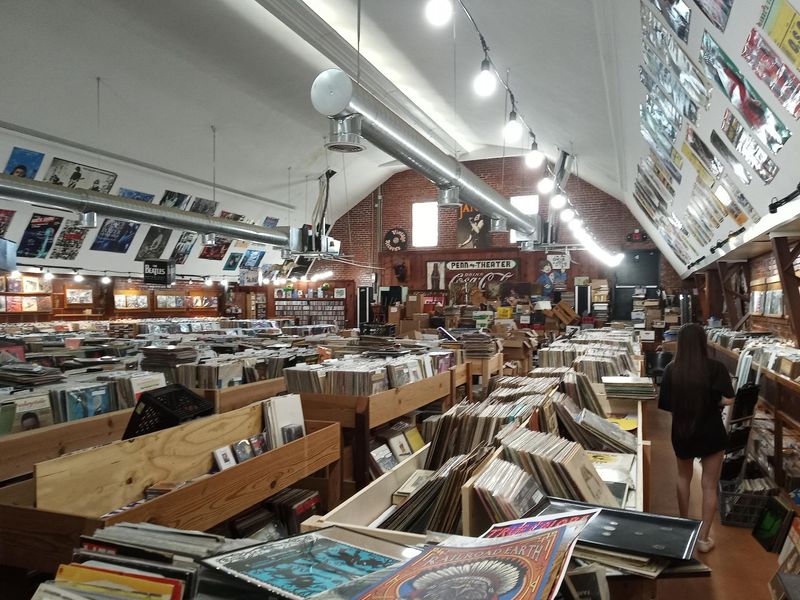
Casual listeners and serious collectors both find something to get excited about at Trolley Stop, but the shop has a particular reputation among people who chase records that are genuinely difficult to locate. Thin Lizzy vinyl, original pressings, and titles that have long since vanished from mainstream retail are the kinds of things visitors mention stumbling across here.
One reviewer specifically listed hard-to-find vinyl as a search topic that brought them to the shop, and their experience confirmed the reputation. The depth of the collection means that obscure requests tend to get met more often than not, which is a meaningful distinction from stores that stock only the titles most likely to sell quickly.
Trolley Stop appears to value breadth over turnover speed, which is exactly what a serious collector wants to hear.
New arrivals cycle through regularly, with floor boxes updated frequently enough that weekly visitors always find fresh material. The combination of a deep static inventory and rotating new stock means the shop rewards both first-time visitors and regulars equally.
Whether you are hunting for a specific pressing you have been chasing for years or just browsing without a plan, the odds of leaving empty-handed are genuinely low. That reliability is rare and worth the trip on its own.
Who Feels Most at Home Here
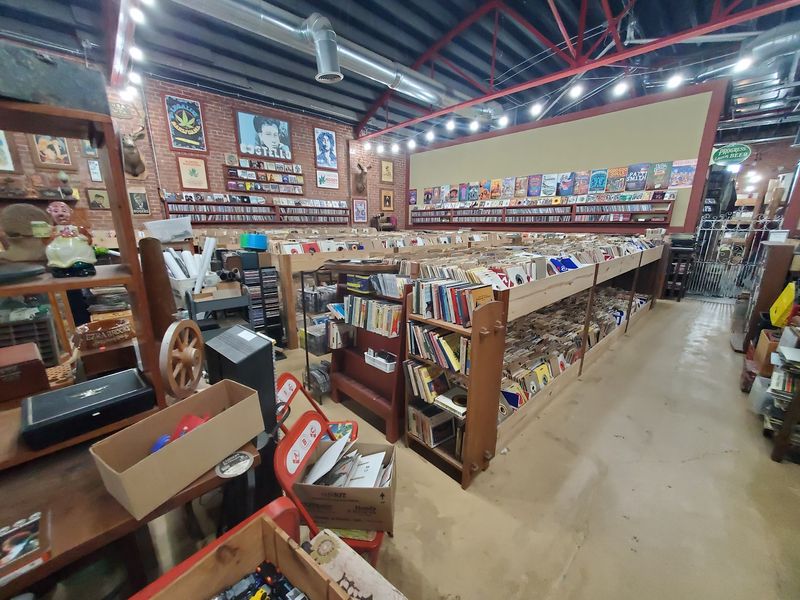
Walk through on any given afternoon and you will notice that the crowd at Trolley Stop does not fit a single profile. Older collectors who have been buying vinyl since it was the only option browse alongside younger listeners who discovered records through social media and decided the physical format was worth pursuing.
Both groups seem equally comfortable in the space.
Parents have brought teenagers who love older music and watched them light up at the selection. Out-of-town visitors on business trips have made the shop a regular stop whenever work brings them back to Oklahoma City.
People who spotted the shop on social media and made a dedicated trip have left calling it one of the best record stores they have ever visited, regardless of where they are from.
The shop also welcomes people who are not hardcore collectors but enjoy the experience of browsing physical media in a space that feels genuinely alive with music history. Clothing and memorabilia in the mix mean that even someone who does not own a turntable can find something interesting.
Comics, movies, and antiques in the back rooms extend the appeal further still. Trolley Stop is one of those rare places where the target audience is essentially anyone who appreciates things made with care and kept with intention.
The Atmosphere Inside the Shop
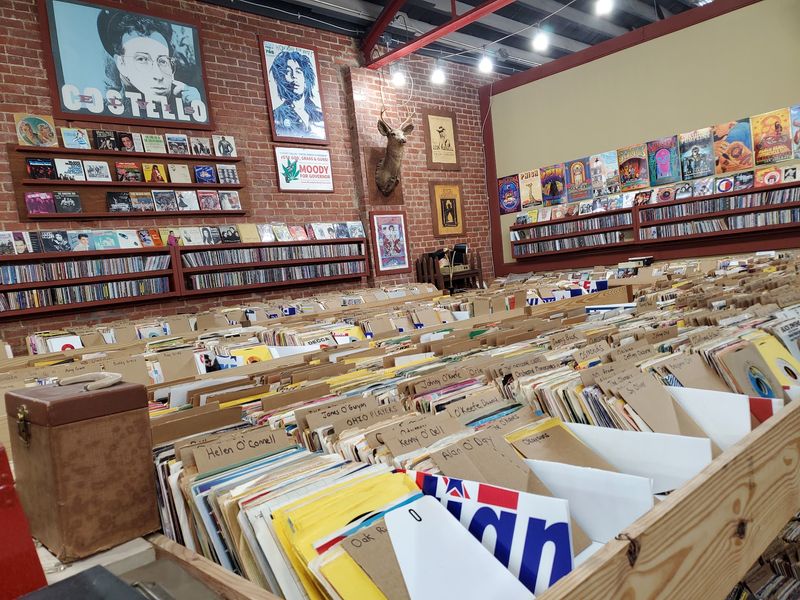
Some shops feel curated to the point of being cold, every record perfectly filed, every surface spotless, the whole experience more like a museum than a place where music actually lives. Trolley Stop lands somewhere entirely different.
The atmosphere is layered, lived-in, and full of the kind of organized chaos that makes browsing feel like genuine exploration rather than a transaction.
Records are everywhere: shelved, crated, stacked in floor boxes, leaning against walls. The visual density of the place is part of its personality.
Visitors often describe a feeling of stepping back in time, with one reviewer comparing the vibe to the fun parts of the 1990s rendered in physical form. The decorations, the layout, and the general sense that nothing here has been focus-grouped into blandness all contribute to an atmosphere that is genuinely hard to manufacture.
Spending two hours inside without noticing the time pass is a common experience reported by first-time visitors. The shop has a quality that good record stores share with good bookstores: it slows you down in a way that feels like a gift rather than an inconvenience.
Whatever pace you arrived at, you will almost certainly leave at a slower one, which in a city that rarely pauses, counts as something worth seeking out.
Events, the Stage, and Live Music History
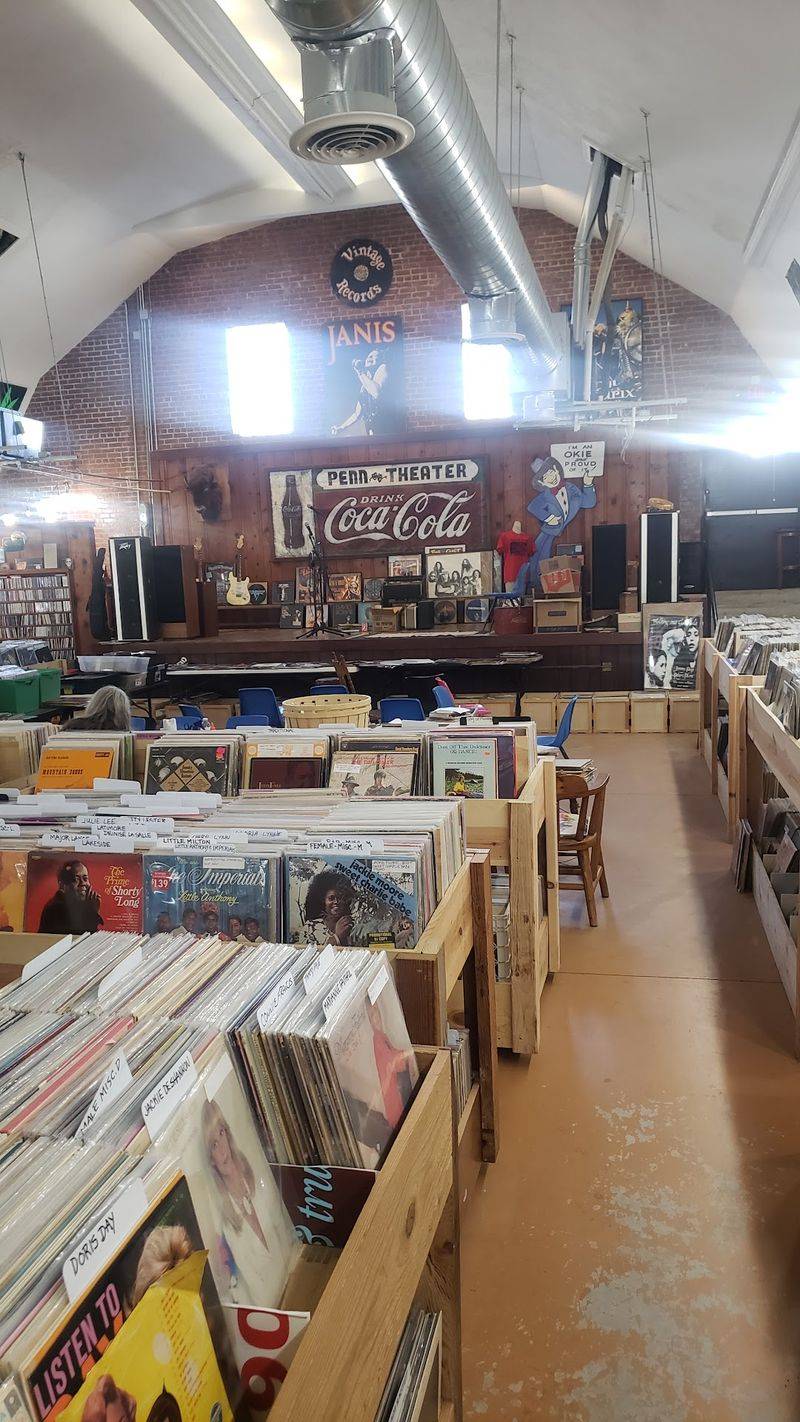
Beyond the buying and selling of records, Trolley Stop has at various points hosted live music events on an in-store stage. The presence of a stage inside a record shop is not something you find in many places, and it speaks to the ambition behind the business.
Music is not just inventory here. It is the point.
The stage adds a dimension to the space that transforms it from a retail environment into something closer to a community venue. For a shop housed in a former theater, having a performance space feels like a nod to the building’s original purpose rather than an afterthought.
Whether events are scheduled on any given visit is worth confirming ahead of time, but knowing the infrastructure exists changes how you read the space when you walk through it.
Owner John Dunning’s background in antiques and his decade-plus investment in the record shop both suggest someone who thinks about cultural preservation in a broad sense. Stocking records, displaying memorabilia, maintaining a stage, and connecting the space to an antique shop are all expressions of the same underlying idea: that physical culture is worth keeping alive.
Trolley Stop is not just a store. It is an argument, made in vinyl and wood and old posters, that some things streaming genuinely cannot replace.
Hours, Payment, and Planning Your Visit
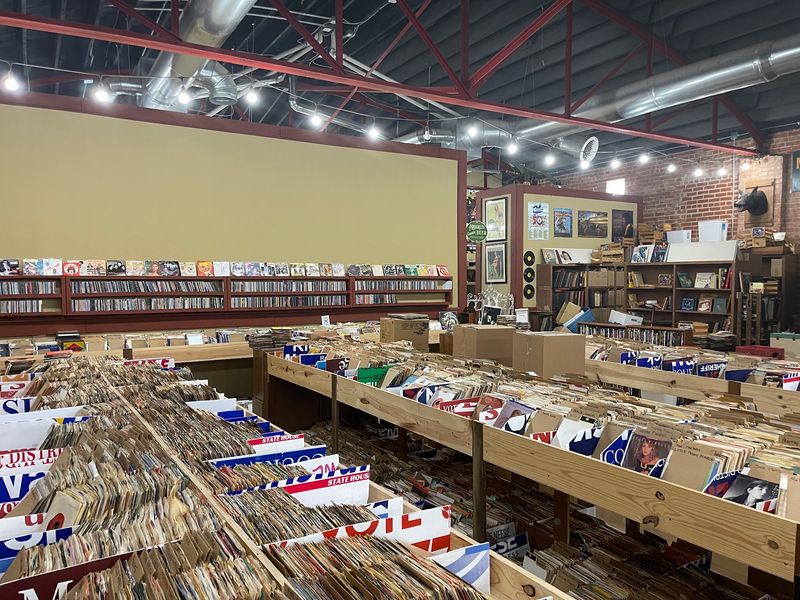
Getting the most out of a visit to Trolley Stop starts with showing up at the right time and with the right things in your pocket. The shop is open Monday through Saturday from 10 AM to 7 PM, and Sunday from 1 PM to 6 PM.
Those hours are consistent across most of the week, which makes planning straightforward for anyone coming from out of town or working around a busy schedule.
One practical note worth taking seriously: cash is the strongly preferred payment method. Multiple visitors specifically flag this as something to prepare for before arriving.
Showing up without cash and falling in love with a stack of records is a situation you can avoid entirely by stopping at an ATM on the way. The shop is located at 1212 N Pennsylvania Ave, Oklahoma City, and can be reached by phone at 405-208-8833 if you want to confirm hours or ask about specific inventory before making the drive.
A handful of visitors have mentioned arriving close to closing time and finding the shop already locked up, so building in a buffer before the posted close time is a smart move. Plan for at least two hours inside, bring more cash than you think you will need, wear comfortable shoes for standing and bending over floor boxes, and consider the visit a half-day commitment rather than a quick errand.
The shop rewards patience generously.
Why This Shop Has Outlasted the Streaming Era
Streaming solved a real problem. It put virtually every recorded song in human history inside a device that fits in your pocket, available instantly, for a monthly fee most people can manage.
By any practical measure, it should have made places like Trolley Stop obsolete. And yet here the shop stands, busier than ever, drawing visitors from across the country who call it one of the best record stores they have encountered anywhere.
The reason is not nostalgia alone, though nostalgia certainly plays a role. Physical media offers something that a playlist cannot: the weight of an object, the ritual of handling it, the specific imperfection of a pressing that has been played before.
Buying a record at Trolley Stop means taking home an artifact with a history you can hold in your hands. That experience has not been digitized and probably cannot be.
What keeps Trolley Stop specifically relevant is the combination of depth, pricing, atmosphere, and human expertise that the shop delivers consistently. Visitors do not just buy records here.
They have conversations, make unexpected finds, and leave with the particular satisfaction of having discovered something real in a world that increasingly prefers the simulated version. Oklahoma City has a lot of things going for it.
This shop is one of the ones worth going out of your way for.
Share this story