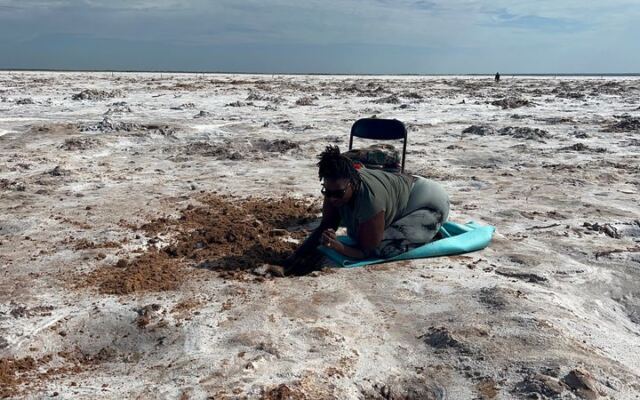
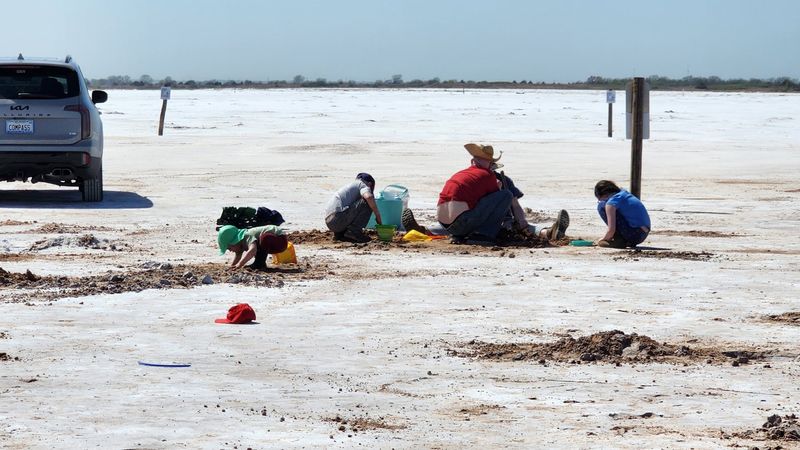
Somewhere in northwestern Oklahoma, a vast white expanse stretches across the landscape like a scene from another planet, and buried just beneath its crusty surface are some of nature’s most fascinating little treasures. Salt Plains National Wildlife Refuge near Jet, Oklahoma is one of those rare places that sounds almost too quirky to be real until you are standing knee-deep in salty mud, pulling out glittering crystals with your own hands.
The best part? Admission is completely free, and people of all ages keep coming back year after year.
If you have ever wanted to feel like a genuine treasure hunter without spending a dime, this Oklahoma gem is calling your name.
The Place Itself and What Makes It Extraordinary
Established in 1930, Salt Plains National Wildlife Refuge sits near the small town of Jet in northwestern Oklahoma, covering a sprawling landscape that feels unlike anything else in the state. The refuge encompasses a massive natural salt flat formed by ancient inland seas, where salt-laden groundwater rises to the surface and evaporates, leaving behind a shimmering white crust that visitors often compare to a field of snow.
The flat itself is the centerpiece, but the refuge stretches far beyond that single feature. Wetlands, marshes, trails, and an auto tour route all share the same address, making this destination genuinely worth a full day rather than a quick stop.
Park rangers are known for being knowledgeable and approachable, ready to point visitors toward the best spots.
What really sets this place apart from other Oklahoma outdoor destinations is the combination of geological wonder and hands-on activity. You are not just looking at something beautiful through a fence.
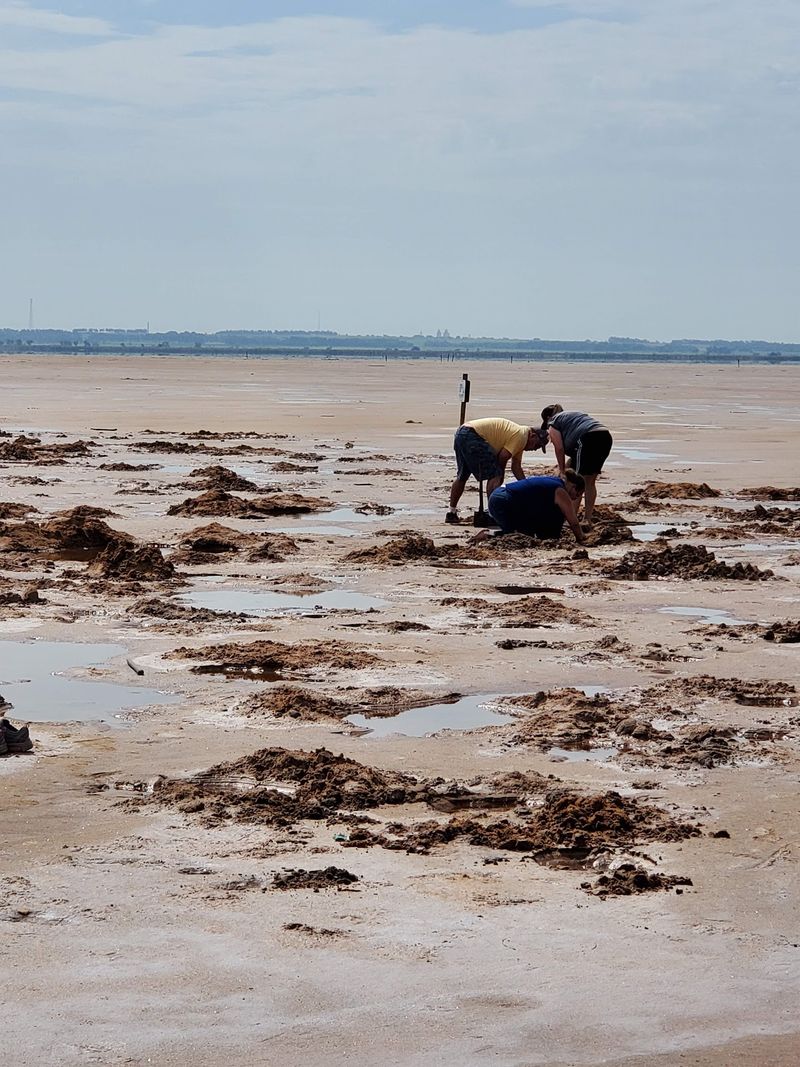
Visitors are actively encouraged to get into the mud and dig, turning a nature refuge into something that feels more like a real-life treasure hunt. That open invitation to participate is rare and refreshing.
Hourglass Selenite Crystals and Why They Are So Unusual
Few natural formations anywhere in the world match the quiet strangeness of hourglass selenite crystals, and Salt Plains is one of the only places on Earth where you can dig them up yourself. These flat, lentil-shaped crystals form underground in the wet salty sediment, and as they grow, they trap reddish-brown clay in a pattern that looks remarkably like a tiny hourglass suspended inside clear mineral.
Selenite itself is a variety of gypsum, a relatively soft mineral that forms in evaporite environments where salt water once pooled and dried over thousands of years. The hourglass shape inside each crystal is created by the selective inclusion of iron-rich clay along certain growth planes, a process that geologists find genuinely fascinating.
Each crystal is slightly different, which makes finding a well-defined hourglass pattern feel like a small personal victory.
Sizes typically range from under an inch to about two inches, though clusters do turn up occasionally and are considered real finds. Visitors report that the crystals are surprisingly sharp along their edges, so gloves are genuinely useful and not just a precaution.
Bringing a bucket to collect your finds before rinsing them with fresh water helps reveal the hourglass detail clearly.
The Art of Digging Successfully in the Salt Flat
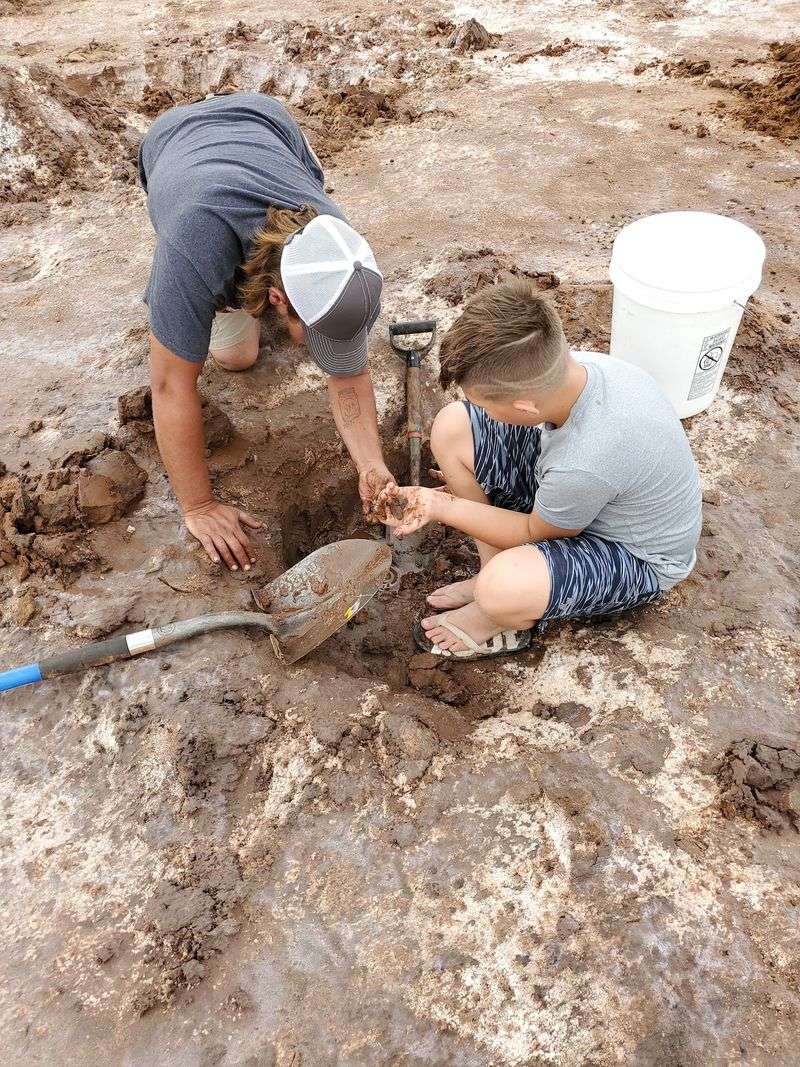
Getting the crystals out of the ground is more technique than brute force, and a little strategy goes a long way. The most successful diggers tend to bring at least two sizes of shovel, using a larger one to break through the surface crust and a smaller spade or trowel to carefully loosen the sediment around crystal-bearing zones.
When a shovel meets resistance rather than sliding through easily, that resistance often signals crystals nearby.
Once you have loosened an area, switching to your hands is the better move. Selenite crystals are flat and blend into the surrounding mud, so feeling for edges and points while sifting through wet sediment is more reliable than trying to spot them visually.
Many crystals sit surprisingly close to the surface, so patience in a promising spot often pays off faster than constantly moving around.
Bringing plenty of water is non-negotiable, not just for drinking in the open sun but for rinsing mud off crystals so you can actually see what you have found. Visitors consistently mention that the red soil stains clothing thoroughly and permanently, so wearing old clothes or bringing a full change is strongly recommended.
The mud is part of the experience, but going home in clean backup clothes makes the drive back considerably more comfortable.
Wildlife Watching Across the Refuge
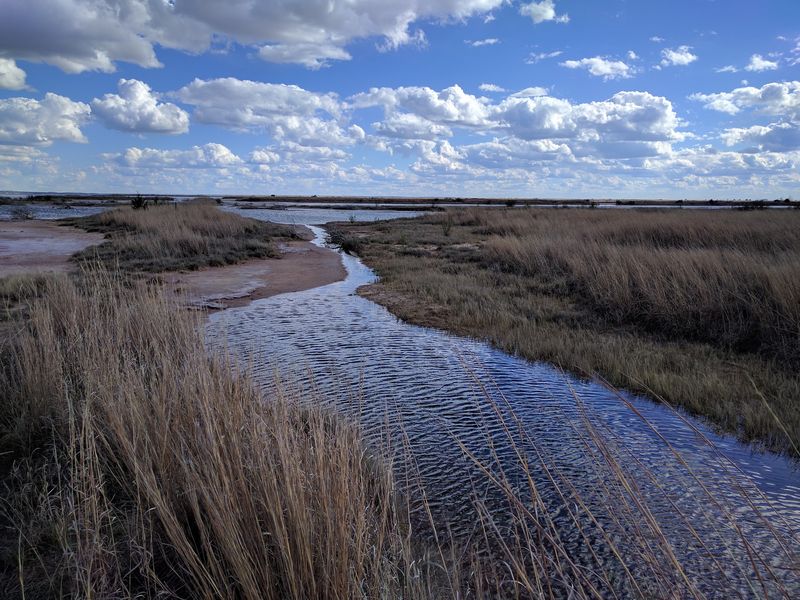
Crystal digging draws most of the headlines, but the refuge earned its name and federal protection status because of its extraordinary importance to wildlife, particularly migratory birds. Positioned along a major migratory corridor, the salt flats and surrounding wetlands attract hundreds of bird species throughout the year, and birders who visit during peak migration seasons often describe the experience as genuinely awe-inspiring.
Sandhill cranes, bald eagles, and a wide variety of shorebirds use the refuge as a critical resting and feeding stop along their long seasonal journeys. Visitors who time their arrival for early morning, right as the sun comes up, tend to see the greatest variety of bird activity.
The Big Marsh Overlook and the Sandpiper Nature Trail both offer excellent vantage points without requiring much hiking effort.
Wildlife does not stop at birds. Deer show up most reliably in the evening hours, while turtles and snakes tend to be most active during the warm middle hours of the afternoon between roughly one and four o’clock.
An armadillo sighting is not unheard of either, as visitors have noted spotting them near the marsh trails. The Harold F.
Miller Auto Tour Route lets visitors cover a large portion of the refuge from the comfort of their car, making wildlife viewing accessible for everyone regardless of mobility.
The Landscape and the Feeling of Being There
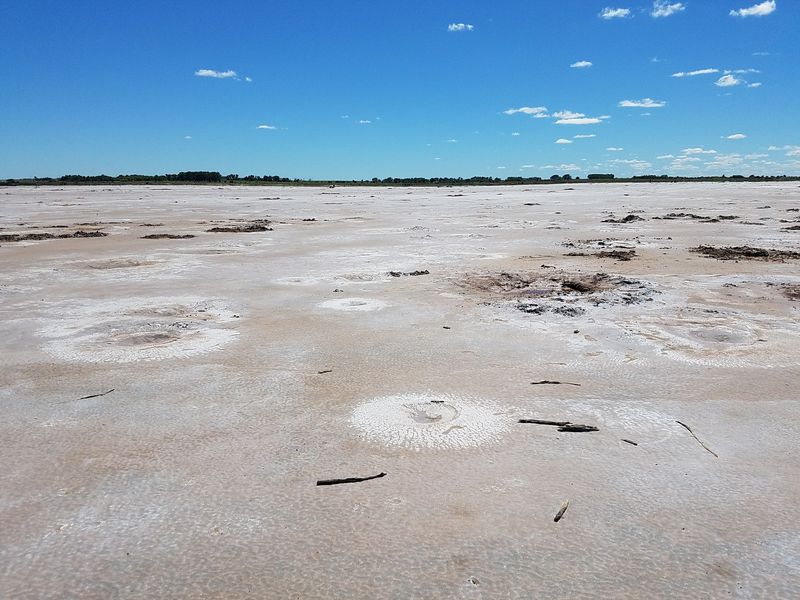
Standing on the salt flat for the first time tends to stop people mid-step. The sheer openness of the white expanse, stretching toward the horizon with almost nothing to interrupt it, creates a visual experience that feels more like the American Southwest or a coastal mudflat than anything most people associate with Oklahoma.
Several visitors have described it as breathtaking and unlike anything they expected to find in the state.
The silence out on the flat is its own kind of remarkable. Wind moves freely across the open ground, which means hats need to be secured and anything lightweight must be weighted down or it will travel.
That same wind can make a hot day feel more manageable, though shade is essentially nonexistent on the flat itself, making personal shade solutions like umbrellas or chairs with canopies a practical consideration.
Salt coats everything by the time you leave. Hands, shoes, clothes, and even the inside of your car end up carrying a fine white residue home as a souvenir of the visit.
Rather than being a complaint, many visitors seem to find this part of the charm, a tangible reminder that they spent time in a genuinely unusual corner of the natural world. The landscape rewards anyone willing to slow down and simply look around.
Trails, Boardwalks, and the Auto Tour Route
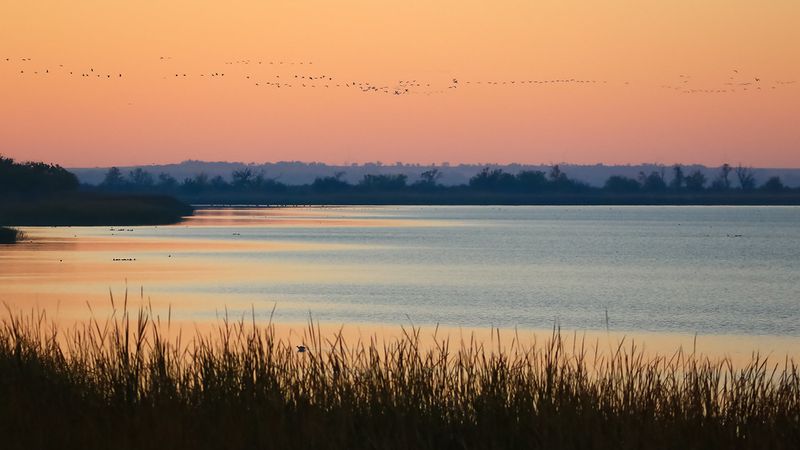
Beyond the digging area, the refuge offers a surprisingly varied set of ways to explore the landscape without ever repeating the same experience twice. The Big Marsh Boardwalk gives visitors a close look at the wetland habitat from an elevated wooden path, keeping feet dry while putting wildlife at eye level.
The overlook at the end of the boardwalk is a popular photography spot, especially in morning light.
Sandpiper Nature Trail is a one-mile loop that winds through diverse habitat and is well-maintained enough for most fitness levels. Visitors who walk it report spotting deer, various bird species, and occasionally other wildlife depending on the season.
The trail is short enough to complete comfortably before or after a crystal digging session without feeling rushed.
The Harold F. Miller Auto Tour Route is the refuge’s answer to visitors who want broad coverage without extensive walking.
Driving the route through the wildlife refuge puts you in the middle of habitat that is otherwise inaccessible on foot, and the chances of spotting animals from your vehicle are genuinely good, particularly during active wildlife hours. A recommended approach from visitor experience is to hit the boardwalk first, stop at the visitor center for orientation, and then drive the auto tour before heading to the salt flat for the main crystal digging event.
Who Will Enjoy This Place Most and Why
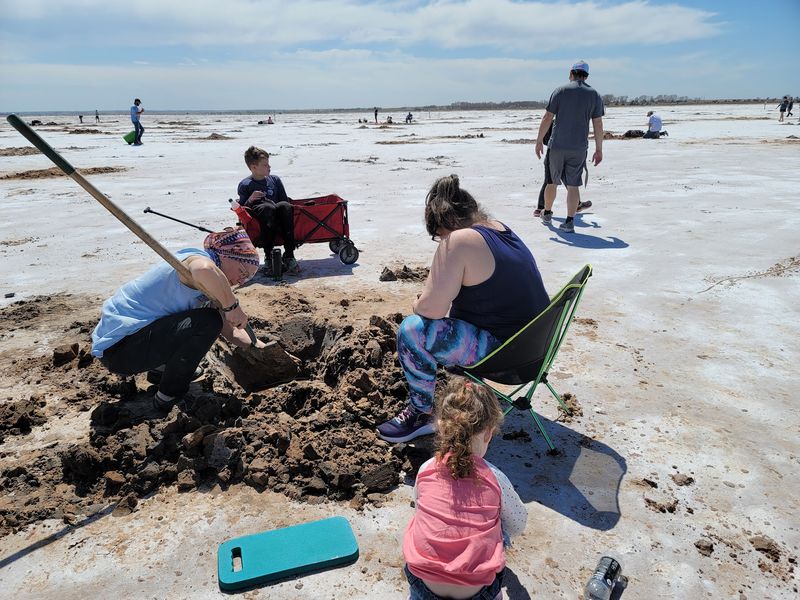
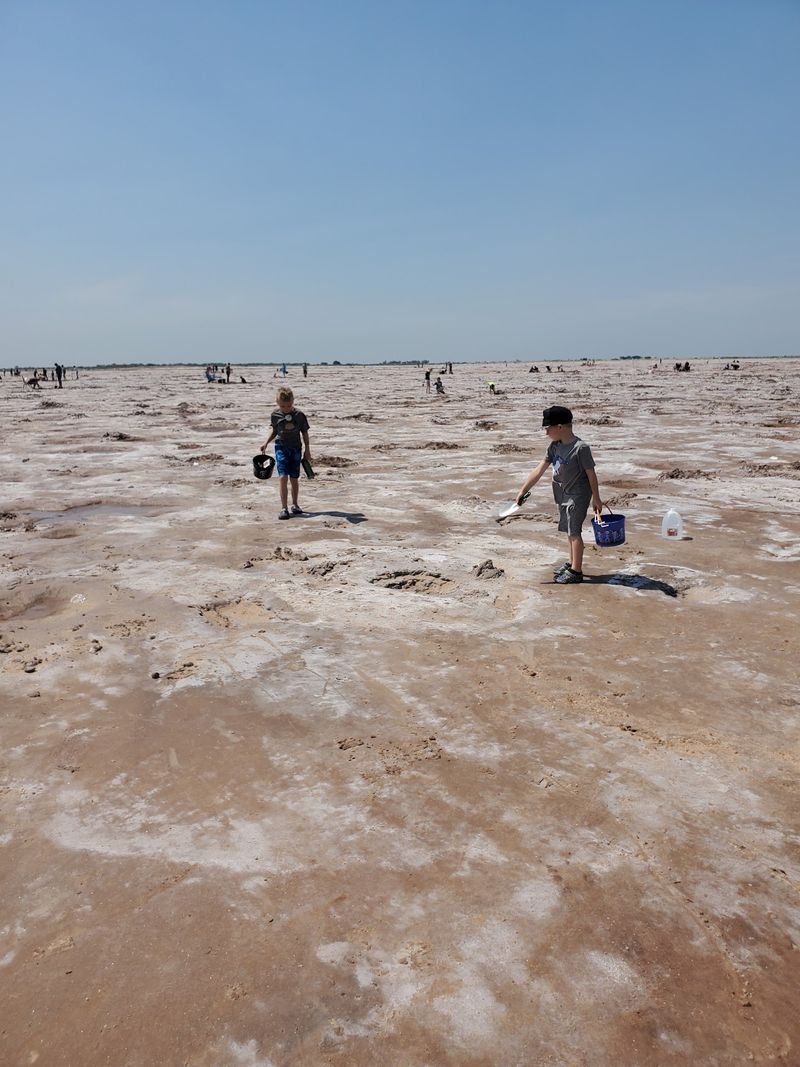
Families with kids consistently rank this among their favorite Oklahoma outings, and it is easy to understand why. Children who might resist a traditional nature walk become fully engaged the moment they realize they are searching for actual crystals buried in the ground.
The hands-on element removes the passive observation aspect that can lose younger attention spans, replacing it with genuine discovery and the thrill of pulling something real out of the earth.
Adults who visit without kids tend to find equal satisfaction, often noting that digging for crystals is surprisingly absorbing regardless of age. The combination of physical activity, natural scenery, and the small but real reward of finding a well-formed hourglass crystal gives the experience a quality that is genuinely hard to replicate elsewhere.
More than one visitor has admitted to losing track of time entirely while out on the flat.
Photographers and wildlife enthusiasts get a completely different but equally rich experience, with the refuge offering dramatic landscape compositions and dependable wildlife sightings across multiple seasons. The site is also accessible enough that older visitors and those with limited mobility can enjoy the auto tour and overlook areas without needing to navigate rough terrain.
Very young children and anyone prone to unsteadiness should be accompanied carefully in the digging zone, as the ground can be uneven and slippery.
Practical Visiting Notes Before You Go
Admission to the refuge is completely free, which makes it one of the most generous outdoor experiences in the state. The refuge was established in 1930 and is managed by the U.S.
Fish and Wildlife Service, reachable by phone at 580-626-4794 or through the official website at fws.gov/refuge/salt_plains. Hours can be affected by federal government schedules, so checking ahead before a long drive is a smart habit.
Getting there involves navigating some dirt and gravel roads, and the final stretch to the digging area is bumpy enough to notice but manageable in a standard sedan. Facilities at the dig site itself are minimal.
A basic restroom exists roughly a mile before the digging area, but there is no running water, no food vendor, and nowhere to purchase supplies once you arrive. Everything you need must come with you.
A practical packing list based on visitor experience includes plenty of drinking water, snacks, sunscreen, bug spray, gloves, a large shovel, a smaller trowel, a bucket for crystals, a towel, and a full change of clothes including shoes and socks. Shade is absent on the flat, so a personal umbrella or a chair with a canopy makes a hot day significantly more manageable.
Old clothes are strongly recommended since the red mud stains permanently and the salt gets everywhere.
Share this story