Somewhere in southern Oklahoma, tucked along a quiet stretch of highway, sits a place that most people drive right past without a second glance. Fort Washita Historic Site is one of those rare finds that rewards the curious traveler with layers of real history, crumbling stone ruins, and wide-open grounds that feel almost cinematic.
Built in the 1840s, this frontier fort once played a starring role in shaping the American Southwest, and today it welcomes visitors completely free of charge. Whether you are a history enthusiast, a casual hiker, or just someone looking for an unexpected afternoon adventure in Oklahoma, this overlooked gem is well worth the detour.
Location and Setting of Fort Washita
Sitting along Oklahoma State Highway 199 near Durant, Fort Washita Historic Site occupies a sweeping stretch of rolling southern Oklahoma countryside that feels genuinely removed from the modern world. The address places it at 3348 OK-199, Durant, OK 74701, roughly eight miles from the small community of Silo and easily reachable for anyone passing through Bryan County.
The surrounding landscape is classic southern Oklahoma: wide skies, gentle hills, and open fields edged by scattered trees. Visitors often mention feeling surprised by how peaceful and spacious the grounds are once they arrive.
The property does not feel cramped or rushed, which makes wandering through it feel like a genuine escape rather than a quick tourist stop.
Getting there is straightforward for road-trippers moving through the region. The site sits close enough to Durant to make it a convenient half-day detour, and the drive along Highway 199 itself offers pleasant rural scenery that sets the mood before you even step out of the car.
Parking is free and easy to navigate once you arrive on the grounds.
The Origins of a Frontier Outpost
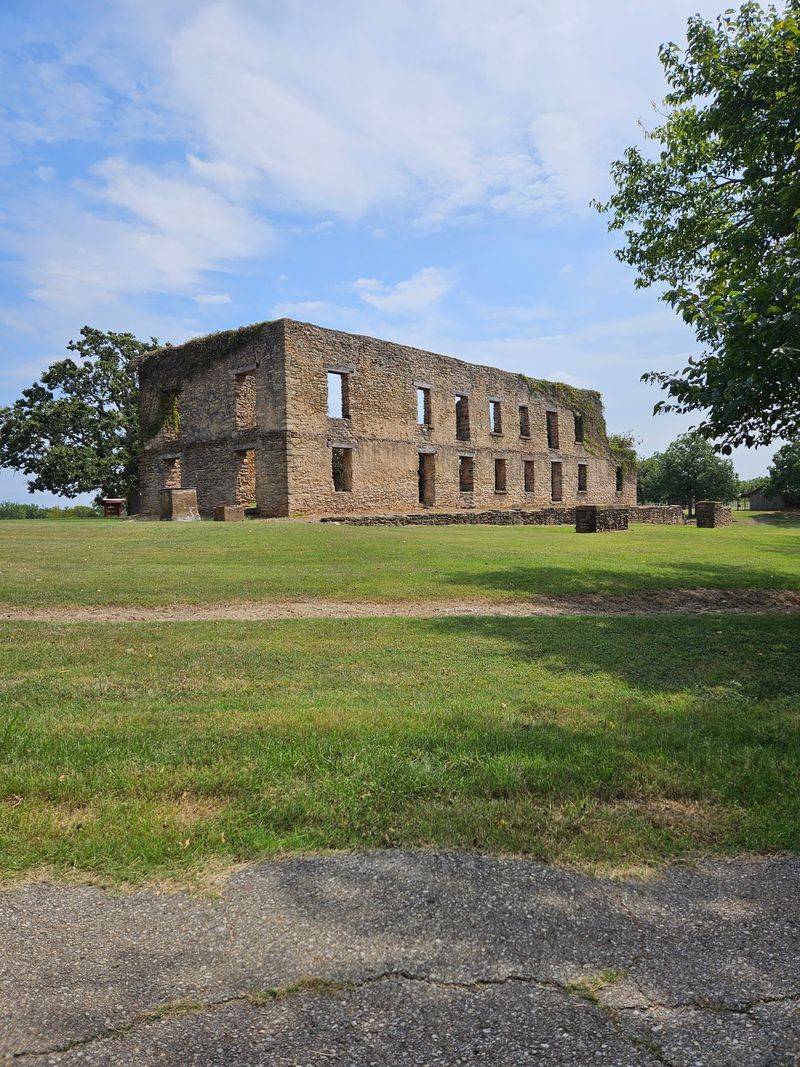
Fort Washita was established in 1842 by General Zachary Taylor, who would later become the twelfth President of the United States. The fort was built to protect the Choctaw and Chickasaw Nations, who had been relocated to Indian Territory, from raids coming out of the western plains.
Its strategic position along a river crossing made it a logical choice for a military installation at the time.
During its active years, the fort served as a major supply depot and staging ground for military operations across the region. Troops stationed here played roles in events that stretched from early frontier conflicts to the broader tensions of the Civil War era.
Visitors who take time to absorb the history quickly realize just how much happened on this quiet patch of Oklahoma ground.
One detail that consistently surprises first-time visitors is the connection to a future president. Knowing that Zachary Taylor once walked these same grounds gives the ruins a weight that goes beyond ordinary historic sites.
Staff at the visitor center are particularly good at bringing these connections to life in ways that feel engaging rather than like a history lecture.
The Ruins That Still Stand Today
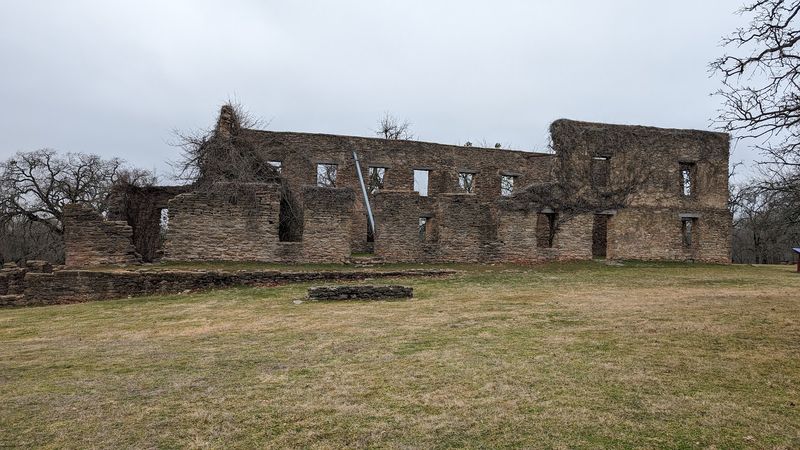
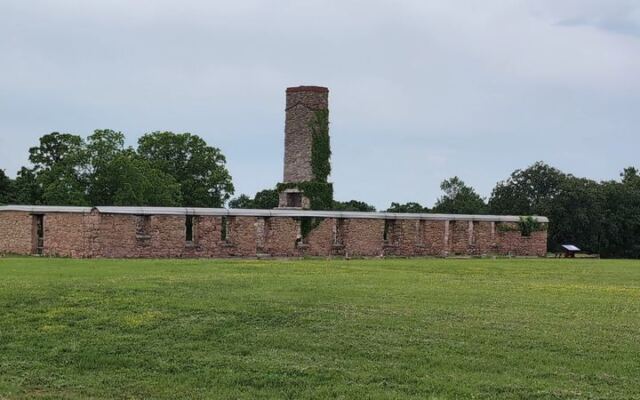
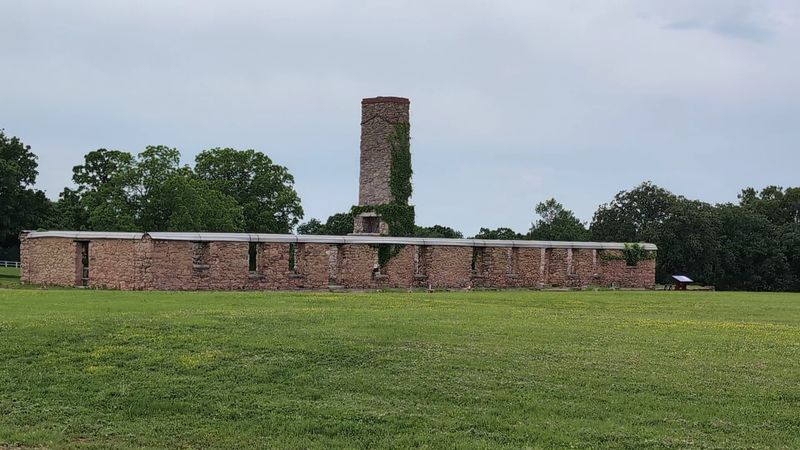
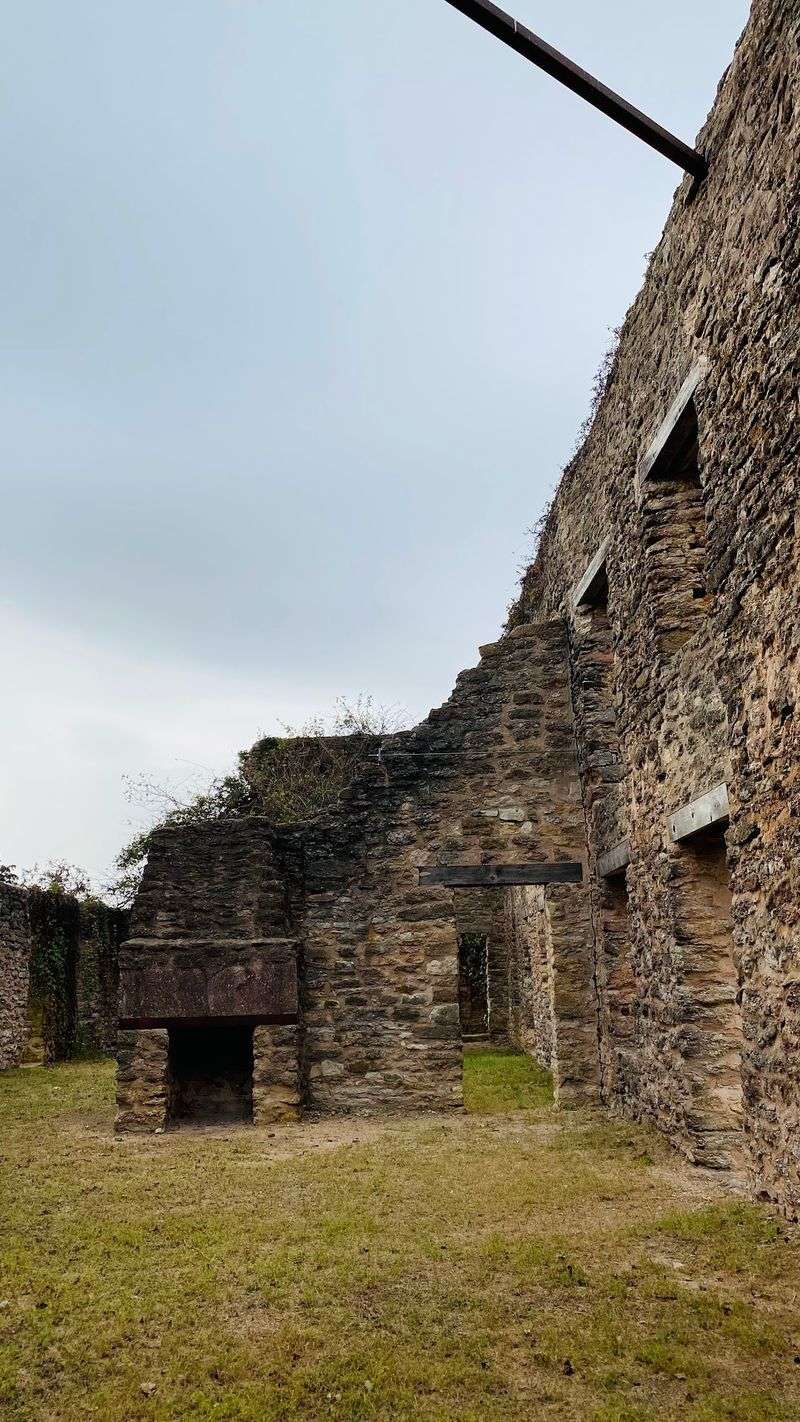
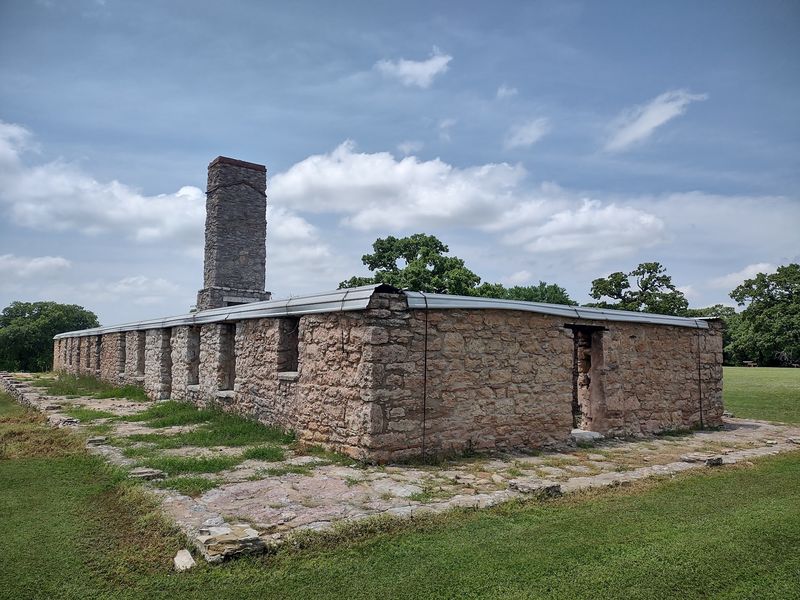
Few things at Fort Washita generate more genuine awe than the ruins themselves. The remaining stone walls are built from locally sourced limestone that is embedded with visible fossils, giving the structures a texture and character that you simply cannot find anywhere else.
Running your hand along those walls and spotting ancient shell impressions is the kind of small discovery that sticks with you long after the visit ends.
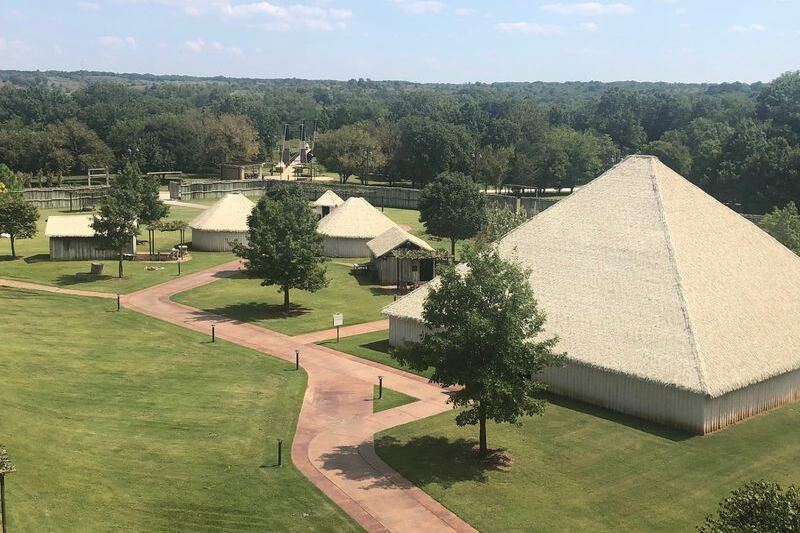
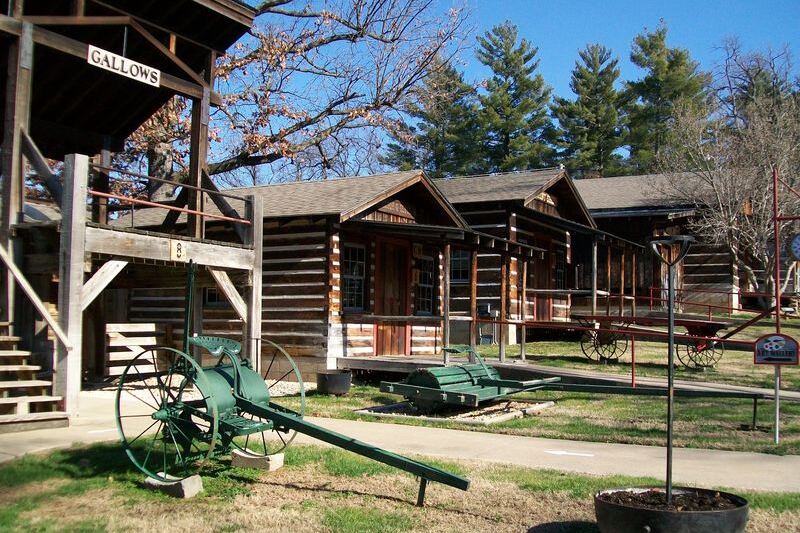
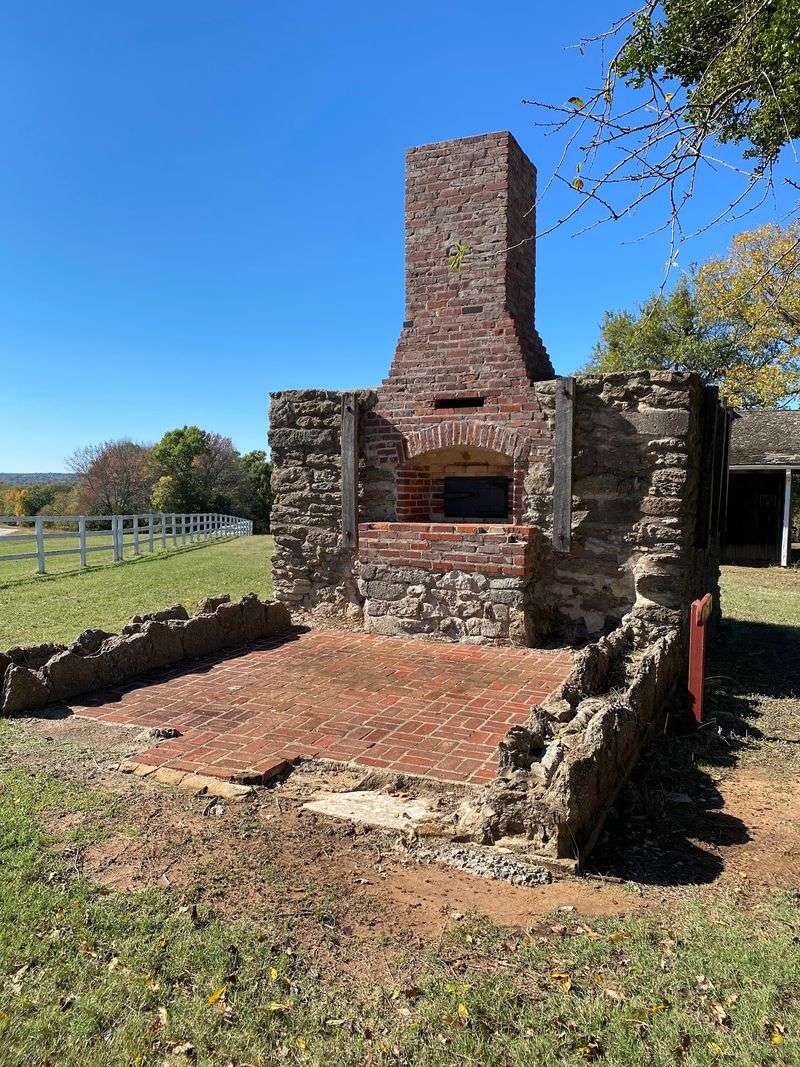
The original building foundations are still clearly visible across the grounds, and reproduction structures have been added alongside them to help visitors understand the fort’s original layout. The combination of authentic remnants and carefully placed reproductions strikes a balance that feels honest rather than over-staged.
Signage throughout the site helps explain what each foundation once housed, from barracks to storage buildings.
Visitors consistently describe walking through the ruins as an almost atmospheric experience, noting that the weathered walls and quiet surroundings create a sense of stepping back in time. The upkeep of the grounds is genuinely impressive, keeping the ruins accessible and safe without stripping away any of their raw, historical character.
Plan to spend real time here, because rushing through would mean missing the details that make this place special.
Walking Trails and Grounds to Explore
One of the most appealing aspects of Fort Washita is how much ground there is to cover on foot. The walking areas are well-maintained and easy to navigate, making them accessible for visitors of a wide range of physical abilities.
Whether you prefer a slow, contemplative stroll or a more purposeful exploration, the layout accommodates both approaches without feeling too structured or too loose.
Adequate signage guides visitors from one highlight to the next, so there is little risk of missing something significant. The grounds include open fields, shaded areas near the older structures, and pathways that connect the main ruins to outbuildings and the cemetery located toward the back of the property.
That cemetery, in particular, is worth seeking out and adds a quiet, reflective dimension to the visit.
Visitors who love photography will find that the combination of open sky, weathered stone, and native Oklahoma landscape creates compelling compositions at almost every turn. The best light tends to hit the ruins in the mid-morning hours, casting long shadows across the fossil-studded walls.
Comfortable shoes are recommended, and during warmer months, bringing water makes a noticeable difference in how much you can comfortably explore before heading back to the visitor center.
The Visitor Center and Its Knowledgeable Staff
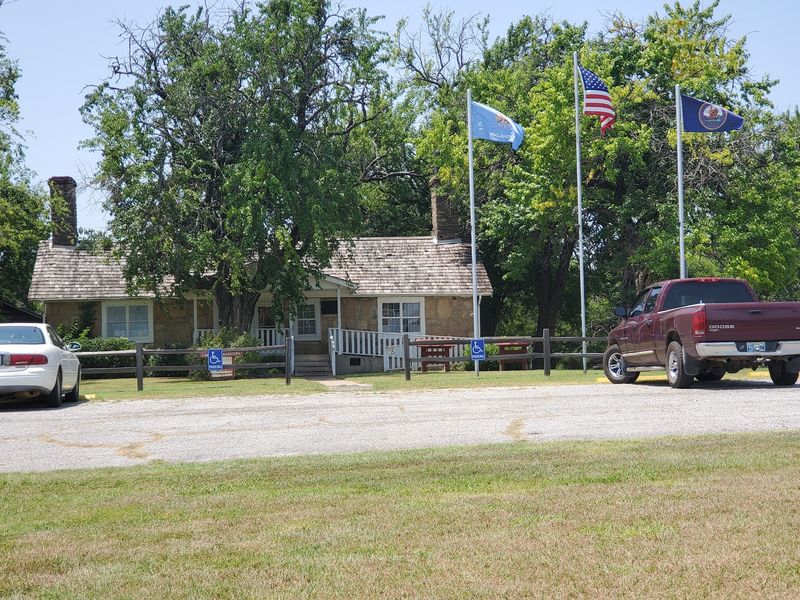
Stepping into the Fort Washita visitor center is a genuinely pleasant surprise for anyone who arrives expecting a bare-bones operation. The space doubles as a small museum, housing artifacts and interpretive displays that provide real context for everything you will see outside on the grounds.
It is compact but thoughtfully organized, and a few minutes spent here before heading out makes the rest of the visit significantly richer.
The staff members who work here have earned a strong reputation among visitors for being both knowledgeable and genuinely enthusiastic about sharing what they know. Multiple visitors have noted that conversations with the people working inside turned an interesting visit into a truly memorable one.
Questions are welcomed rather than tolerated, and the depth of information available through simple conversation is impressive.
A small gift shop is also part of the visitor center, offering historically themed items at reasonable prices. Nothing feels overpriced or out of place, and the selection leans appropriately toward the educational side.
Whether you pick something up or not, spending a few minutes browsing adds a nice bookend to the outdoor exploration. The whole setup reflects a genuine care for the site and its visitors rather than a purely commercial approach.
The Cemetery on the Back of the Property
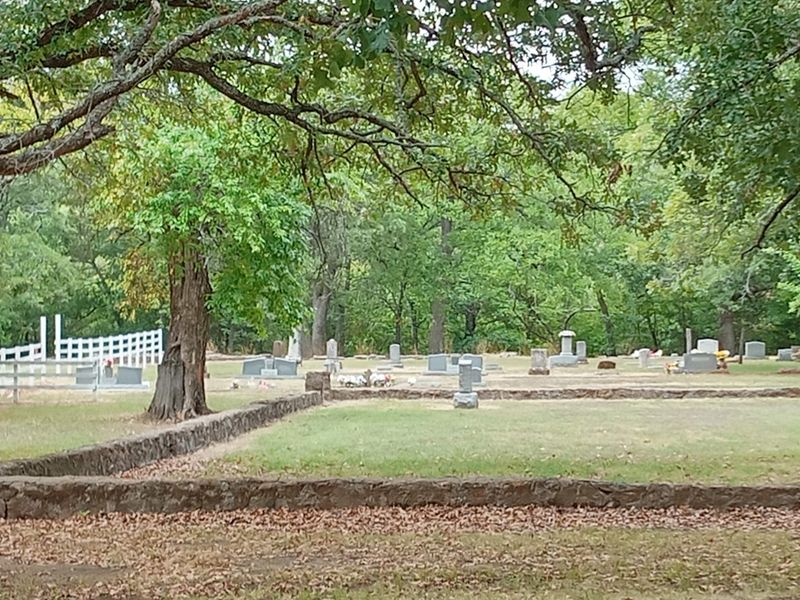
Tucked toward the back of the Fort Washita grounds, the cemetery is one of those spots that many casual visitors almost overlook entirely, which is a genuine shame. Several visitors have specifically recommended making the effort to drive or walk back to find it, describing the experience as unexpectedly moving.
The setting is quiet and shaded, offering a stark contrast to the open fields surrounding the main ruins.
The graves here represent a cross-section of the people who lived and served at the fort during its active years, from soldiers to civilians connected to the military community. Standing among the old markers gives a human dimension to the history that the stone walls alone cannot fully convey.
Each grave is a reminder that real people built their lives around this remote outpost on the Oklahoma frontier.
Even for visitors who are not typically drawn to historic cemeteries, this one tends to leave an impression. The combination of age, setting, and the broader story of the fort creates a reflective atmosphere that feels earned rather than manufactured.
Adding it to your route through the grounds takes only a little extra time but adds a meaningful layer to the overall experience of visiting Fort Washita.
Living History Events and Reenactments
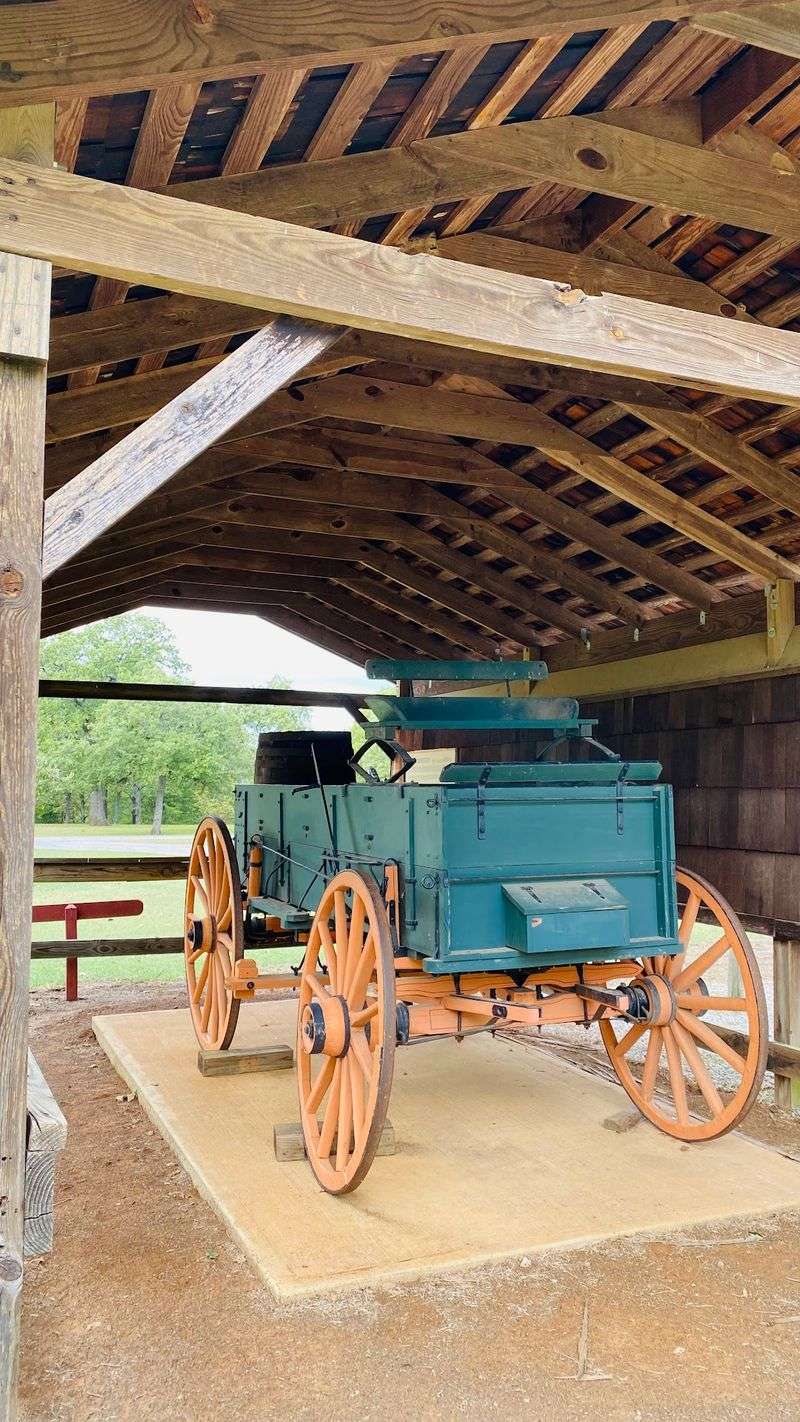
Fort Washita comes fully alive during its special events, and the reenactments held throughout the year are among the most talked-about reasons to make a return visit. The site has hosted Civil War reenactments as well as events covering other historical periods, drawing participants who take authenticity seriously and create an immersive experience for everyone who shows up to watch.
One of the standout recurring events is the Rendezvous, a celebration of old frontier lifestyle that fills the grounds with blacksmithing demonstrations, leatherworking, open-fire cooking, and traditional crafts. Traders set up camps offering handmade goods, and skilled reenactors walk visitors through survival techniques from the era.
The atmosphere during these events has been described as genuinely transporting, with the historic setting amplifying every detail of the performance.
Families with children find the reenactment events particularly valuable because the hands-on and visual nature of the demonstrations makes history feel immediate and real rather than abstract. Cannon firings have been mentioned by visitors as a crowd-pleasing highlight that tends to generate lasting memories for younger attendees.
Checking the fort’s Facebook page or website before your visit is the best way to catch one of these events during your trip through southern Oklahoma.
Ghost Tours and Local Lore
Among the popular topics mentioned repeatedly by visitors, ghosts rank surprisingly high, and Fort Washita has cultivated a reputation for eerie local lore that draws a different kind of crowd each October. The site hosts Ghost Tours in the fall, and for those who enjoy history wrapped in a little mystery, these events offer a compelling reason to plan a specific visit around the Halloween season.
Local legend holds that the grounds carry a particular energy, and more than a few visitors have described feeling an unexplained atmosphere while walking through the ruins after hours during tour events. Whether you interpret that as genuine paranormal activity or simply the power of an old, storied place working on an active imagination, the effect tends to be the same: the fort feels alive in a way that most historic sites simply do not.
It is worth noting that the ghost stories and haunting claims are best understood as local folklore rather than documented fact, which is part of what makes them charming rather than sensationalized. The tours are framed as historical experiences with a spooky edge, not purely as paranormal investigations.
For anyone who enjoys that kind of layered storytelling, the October ghost tours at Fort Washita are worth putting on the calendar well in advance.
Family-Friendly Appeal and Educational Value
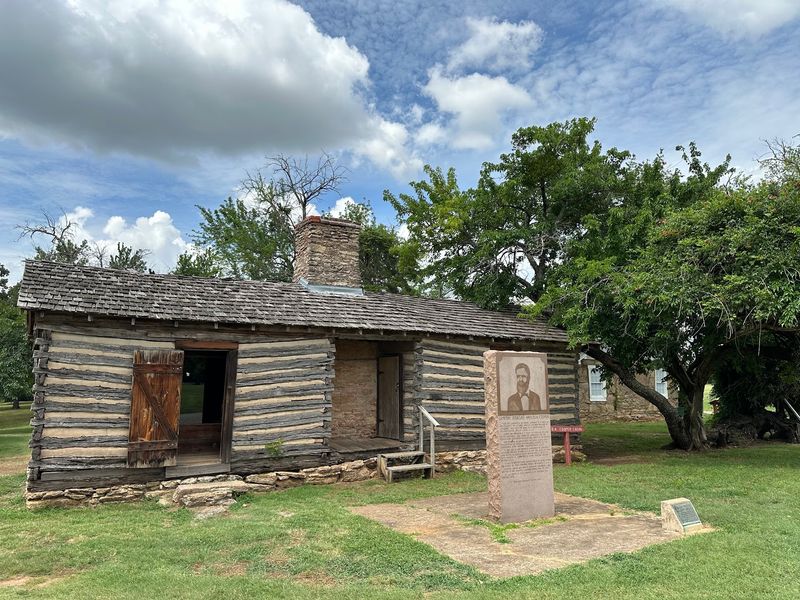
Fort Washita has become a reliable destination for school field trips and family outings across southern Oklahoma, and the reasons are easy to understand once you spend an afternoon there. The combination of outdoor exploration, tangible history, and enthusiastic staff creates an environment where learning happens naturally rather than feeling forced.
Kids who might tune out a textbook tend to pay close attention when they are standing inside actual frontier ruins.
The site has hosted school groups that later returned as families, which says something meaningful about the impression it leaves on younger visitors. Activities during special events, including hands-on craft demonstrations and cannon firings, give children something concrete to engage with beyond just looking at old walls.
Parents appreciate that the experience holds attention without requiring screens or manufactured entertainment.
Even on regular non-event days, the grounds offer enough variety to keep a family occupied for a full afternoon. The walking trails, the ruins, the visitor center museum, and the cemetery together create a layered experience that different age groups can engage with at their own pace.
A picnic area on the property makes it easy to extend the visit into a relaxed, full-day outing rather than a quick stop between other destinations.
Free Admission and What That Actually Means
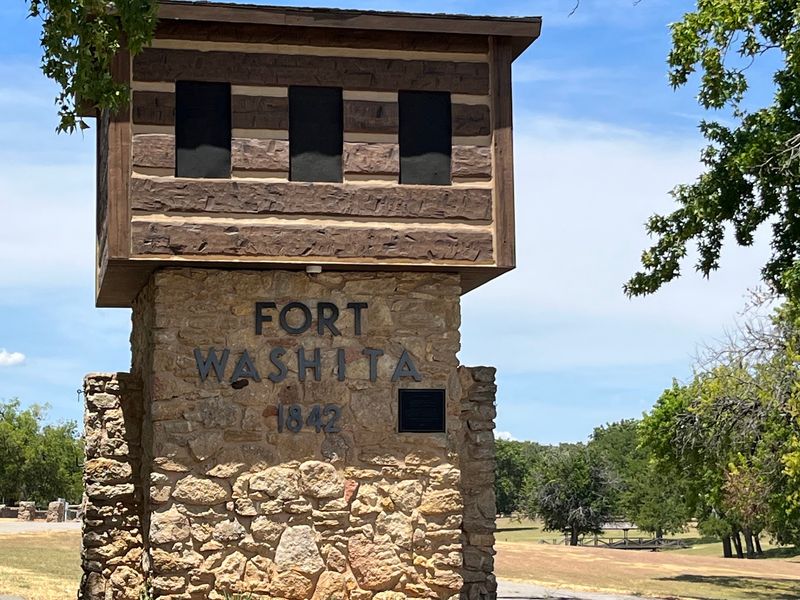
Completely free admission is one of Fort Washita’s most frequently mentioned qualities, and visitors consistently express genuine surprise that a site with this much history and this well-maintained a property charges nothing to enter. Free parking accompanies the free entry, meaning a full afternoon of exploration here costs nothing beyond the gas it takes to get there.
For budget-conscious travelers or families trying to stretch a road trip, that is a meaningful detail.
The no-cost model does not translate to a low-effort experience, which is what makes it worth highlighting. The grounds are actively maintained, the visitor center is staffed by people who clearly care about the place, and the overall presentation reflects real investment in the site’s preservation and accessibility.
Several visitors have noted that the quality of the experience made them wonder how the admission could possibly be free.
Supporting the site through volunteerism is an option the fort actively encourages, and for anyone who falls in love with the place on a first visit, getting involved as a volunteer is one way to give something back. The site also maintains a Facebook presence where upcoming events are announced, which makes it easy to plan a return visit around a reenactment or seasonal tour.
Free entry removes every barrier to simply showing up and seeing for yourself.
Planning Your Visit to Fort Washita
Fort Washita is open Tuesday through Saturday from 9 AM to 4:30 PM, and it is closed on Sundays and Mondays. Arriving with enough time to explore comfortably is worth planning around, since the grounds reward a slower pace and visitors who arrive close to the 4:30 PM closing time may feel rushed.
At least two to three hours is a reasonable estimate for a thorough visit on a regular day.
The phone number for the site is 580-924-6502, and more information is available at the American Battlefield Trust website, which manages the property. Calling ahead is a good idea if you are planning a visit around a specific event or want to confirm current conditions before making a long drive.
The staff are approachable and helpful when it comes to answering practical questions about what to expect.
Summer visitors should come prepared with water and sun protection, since the open grounds offer limited shade during the hottest parts of the day. Cooler months make for particularly pleasant walking conditions, and the fall season carries the added appeal of the ghost tours.
Year-round, comfortable walking shoes are the single most practical thing you can bring. Fort Washita is the kind of place that earns a second visit almost as easily as it earns a first one.
Share this story