Food has a remarkable way of telling the story of a culture, and few dishes do that better than stuffed dough. From steamed parcels in Asia to baked pastries in South America, nearly every corner of the world has its own beloved version of dough wrapped around a delicious filling.
These dishes have been feeding families for centuries, passed down through generations with love and tradition. Whether you are a seasoned foodie or just curious about global cuisine, these 15 stuffed dough dishes are absolutely worth knowing about.
1. Pierogi – Poland
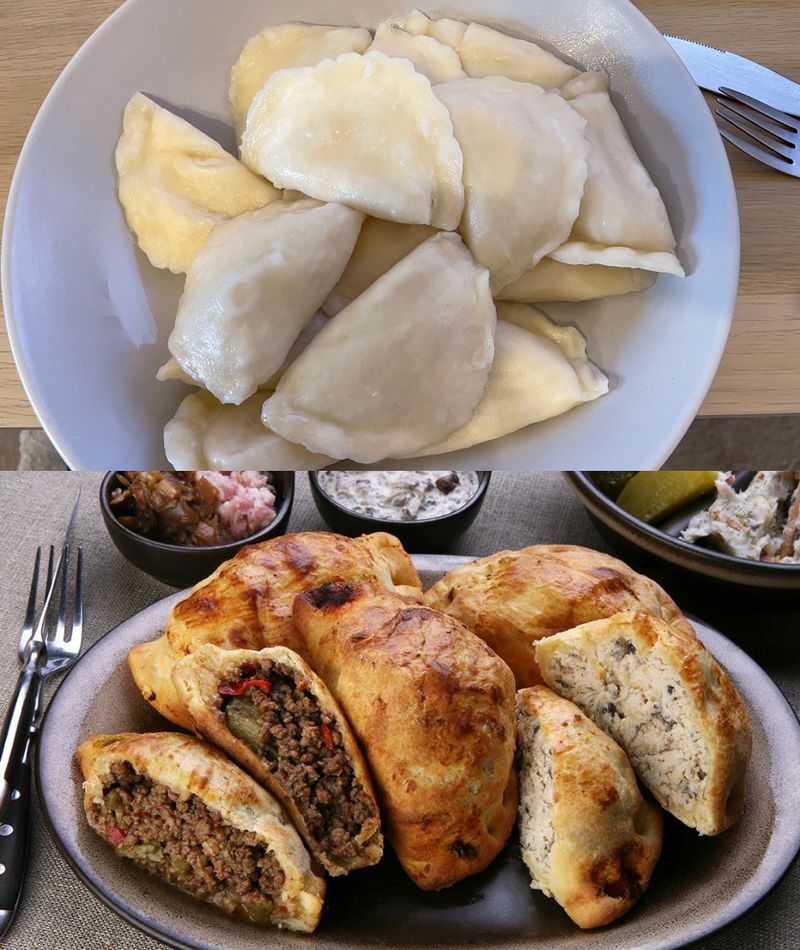
Poland’s most beloved comfort food, pierogi are half-moon shaped dumplings that have warmed hearts and stomachs for centuries. The dough is soft and slightly chewy, wrapped around fillings like mashed potato and cheese, sauerkraut with mushrooms, or sweet fruit mixtures.
They can be boiled, pan-fried until golden, or baked depending on the occasion.
Pierogi are especially popular during holidays and family gatherings, often made in large batches by multiple generations working together in the kitchen. The process of folding and crimping each dumpling by hand is considered an art form in Polish households.
Street markets across Poland sell them fresh and hot, topped with caramelized onions and a generous spoonful of sour cream. If you ever get the chance to try a freshly made pierogi straight from a cast iron pan, do not pass it up.
2. Gyoza – Japan
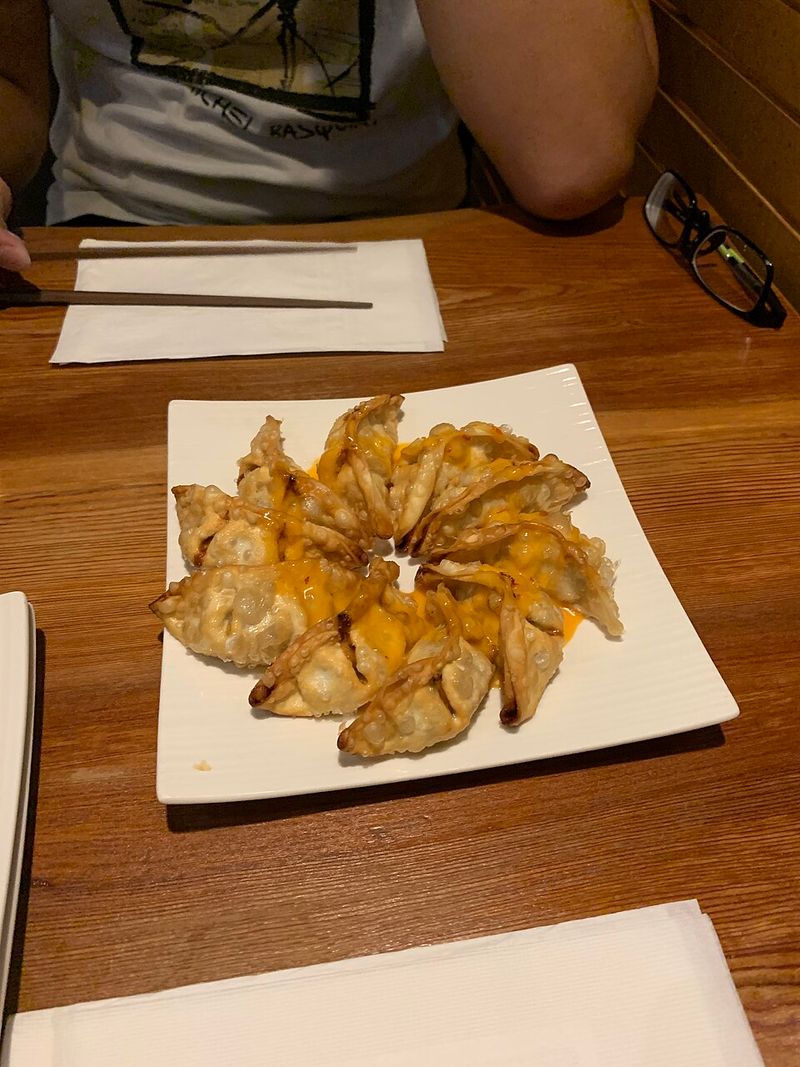
Crispy on the bottom and tender on top, gyoza are Japanese pan-fried dumplings that deliver a satisfying crunch with every bite. The thin wrapper holds a savory filling of ground pork, cabbage, garlic, and ginger, all seasoned to perfection.
The signature cooking method, called yaki-gyoza, involves frying one side until golden before adding water and steaming the rest.
Gyoza actually have Chinese roots, evolving from jiaozi brought to Japan during World War II. Japanese cooks adapted the recipe with their own flavors and cooking techniques, creating something uniquely their own over time.
Today, gyoza are a staple in ramen shops and izakayas across Japan, often served alongside a cold beer. Dipped in a mix of soy sauce, rice vinegar, and chili oil, they hit every flavor note at once.
Homemade gyoza nights have become a popular family tradition in many Japanese households.
3. Mandu – South Korea
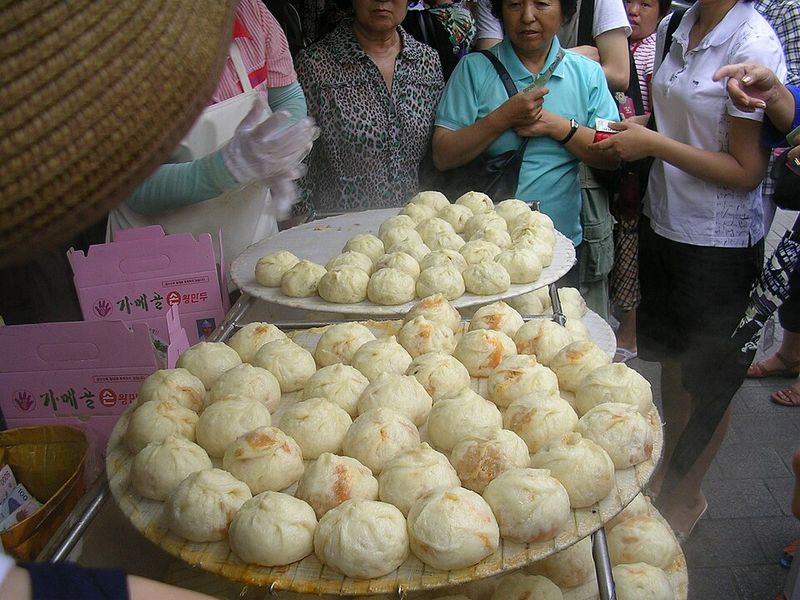
Mandu are Korean dumplings with a history stretching back over 600 years, believed to have been introduced through trade routes from Central Asia. They come in several styles, including steamed, boiled, pan-fried, and even deep-fried versions.
Each method produces a slightly different texture, making mandu one of the most versatile dishes in Korean cuisine.
The fillings vary widely but often include a combination of ground pork or beef, tofu, kimchi, glass noodles, and vegetables. Kimchi mandu, in particular, has a bold, tangy kick that sets it apart from other dumplings around the world.
During the Korean New Year, called Seollal, families traditionally make tteokguk, a rice cake soup, and add mandu to the broth for extra heartiness. Whether enjoyed as a street snack or a home-cooked meal, mandu carry a deep sense of cultural pride and warmth.
4. Jiaozi – China
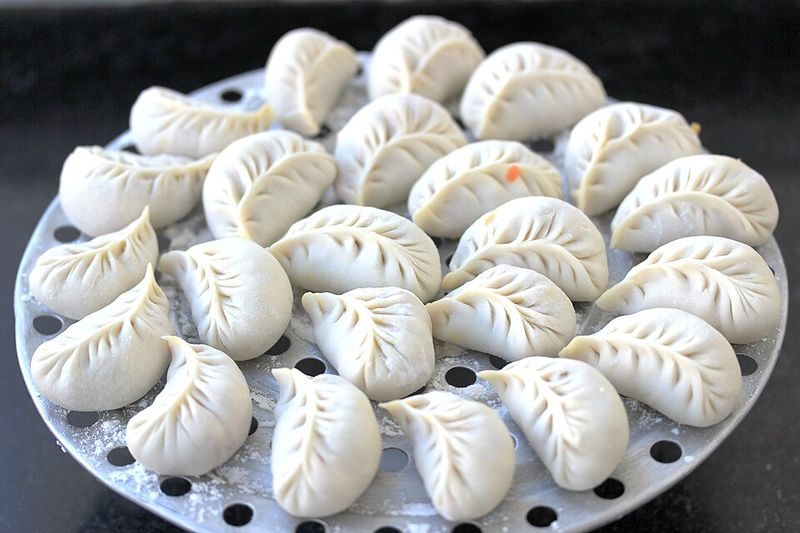
Few foods carry as much symbolic meaning as jiaozi, the iconic Chinese dumpling eaten during Lunar New Year celebrations to bring good luck and prosperity. Their crescent shape is said to resemble ancient gold ingots, which is why eating them during the New Year is considered a sign of wealth to come.
Jiaozi are made with a thin wheat dough wrapped around fillings like pork and cabbage, shrimp and chive, or even vegetarian blends. Families often gather the night before the New Year to make hundreds of them together, turning the preparation into a joyful bonding ritual.
They can be boiled, steamed, or pan-fried, with each method offering a different experience. Boiled jiaozi are soft and delicate, while pan-fried ones, known as guotie or potstickers, develop a delightfully crispy crust.
A splash of black vinegar with ginger is the classic way to enjoy them.
5. Momo – Nepal and Tibet
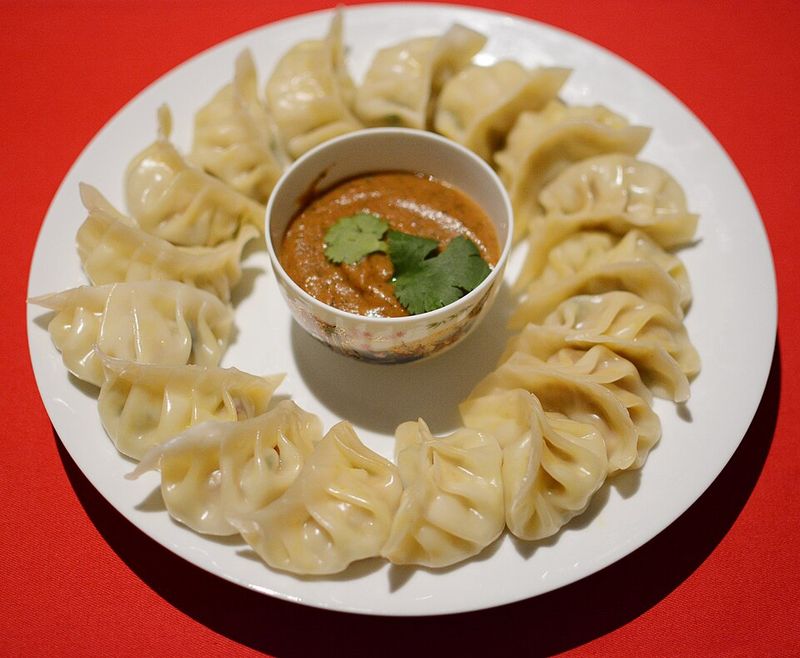
Born in the high-altitude kitchens of Nepal and Tibet, momo are steamed dumplings that have become one of South Asia’s most beloved street foods. The dough is simple and unleavened, while the fillings traditionally feature minced buffalo or chicken meat mixed with onions, ginger, garlic, and warming spices like cumin and turmeric.
What truly makes momo special is the dipping sauce served alongside them. Called achar, it is typically a fiery, tangy blend of tomatoes, sesame seeds, chilies, and garlic that perfectly complements the mild, savory filling inside each dumpling.
Momo shops, known as momo joints, are found on nearly every street corner in Kathmandu, making them an affordable and filling daily meal for locals. Vegetarian versions packed with cabbage, cheese, or spinach are equally popular.
Over the years, momo have spread across India and beyond, winning fans everywhere they land.
6. Khinkali – Georgia
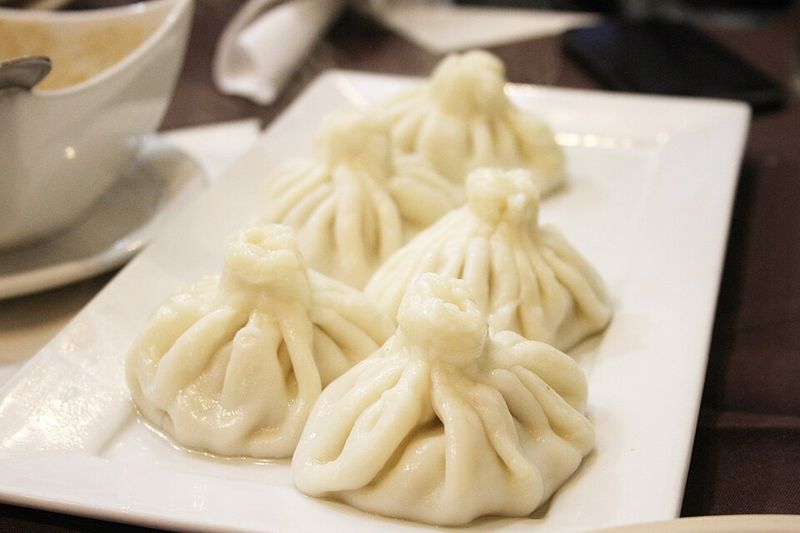
Eating khinkali is practically a sport in the country of Georgia. These oversized, twisted dumplings are filled with spiced meat and broth, and the proper way to eat them involves holding the dumpling by its thick top knot, taking a small bite, and slurping the hot soup inside before finishing the rest.
The top knot is traditionally left on the plate.
Khinkali originated in the mountainous regions of Georgia and were originally made with wild game meat. Today, the most common filling is a mix of pork and beef seasoned with onion, cilantro, and black pepper, though mushroom and cheese versions are popular too.
The number of folds in a khinkali is a point of pride for Georgian cooks, with skilled makers achieving 20 or more pleats per dumpling. Served without sauce, their rich interior broth is the real star of the show, making every bite an experience.
7. Pelmeni – Russia
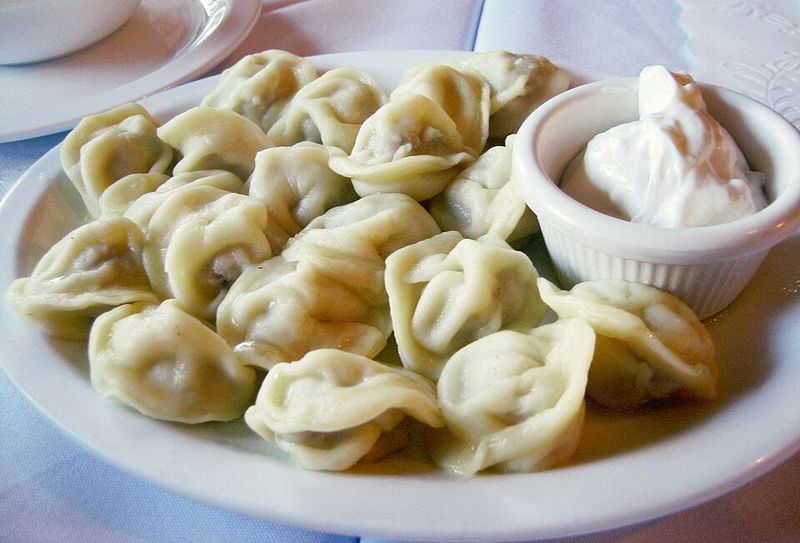
Pelmeni are the workhorses of Russian cuisine: simple, hearty, and deeply satisfying. These small, round dumplings are made with an unleavened dough and filled with a mixture of minced pork, beef, or lamb seasoned with onion, black pepper, and sometimes garlic.
Unlike many other dumplings, pelmeni are always served boiled.
Their origins trace back to Siberia, where hunters and travelers relied on them as a portable, freezer-friendly food source. Large batches were made in winter and left outside to freeze naturally, providing a ready meal for months.
That practical tradition made pelmeni a staple across Russia.
Topped with sour cream, a pat of butter, or a splash of vinegar, pelmeni are endlessly comforting. Russians often enjoy them late at night or after a long day of work.
Some families still make them in bulk during the winter, keeping the old Siberian tradition alive in modern kitchens.
8. Manti – Turkiye
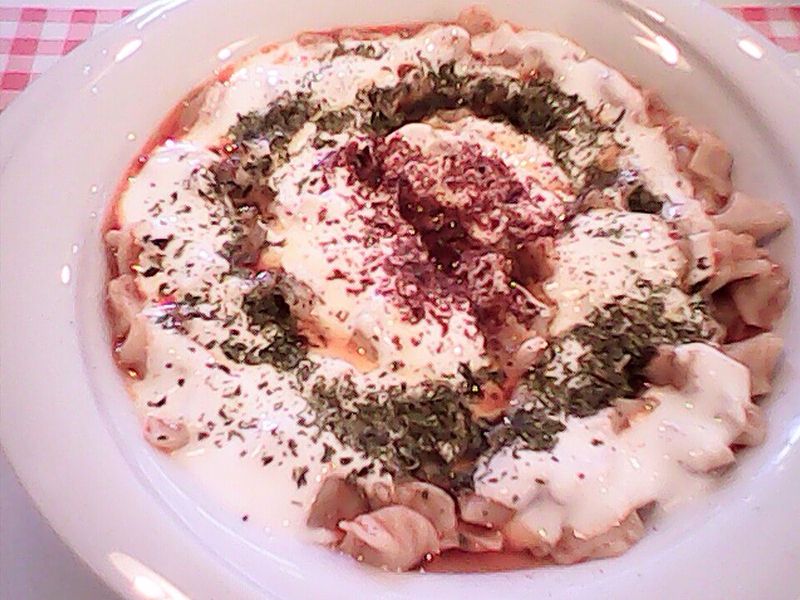
Manti are perhaps the most labor-intensive dish on this list, and Turkish cooks will tell you that is exactly what makes them special. These tiny dumplings, often no bigger than a thumbnail, are stuffed with seasoned ground lamb or beef and folded into neat little parcels before being boiled or baked.
The magic of manti lies in the toppings. They are traditionally served drowning in a thick garlic yogurt sauce, then drizzled with melted butter infused with red pepper flakes and dried mint.
The combination of warm, savory dumplings with cool, tangy yogurt and spiced butter is unlike anything else.
In Turkish culture, the skill of a bride was once judged by how many manti she could fit on a single spoon. Forty is considered the gold standard.
Today, manti remain a cherished dish for celebrations and Sunday family meals throughout Turkiye and neighboring countries.
9. Empanadas – Argentina
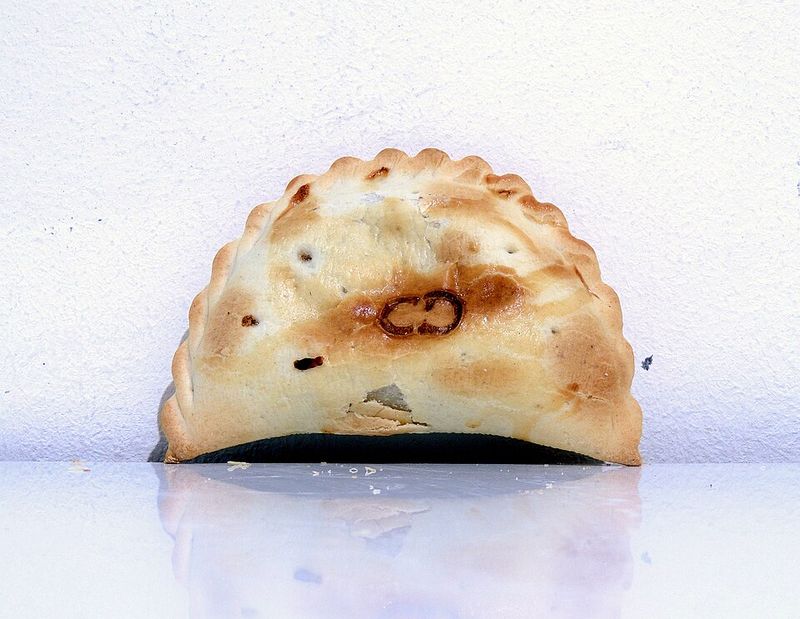
Walk through any Argentine city and you will smell empanadas baking before you see them. These golden, hand-held pastries are made with a flaky dough folded over fillings like seasoned beef, olives, hard-boiled eggs, and onions.
The crimping pattern along the edge, called the repulgue, can even indicate the flavor inside.
Every region of Argentina has its own empanada style. In the northwest, they tend to be spicier with cumin-heavy meat fillings, while coastal versions might feature seafood or cheese.
Baked empanadas are more common in Argentina, though fried versions are popular in other parts of Latin America.
Empanadas are serious business at family gatherings, with recipes passed down through generations and fiercely guarded. Served alongside chimichurri sauce, they are the ultimate crowd-pleasing snack.
Whether bought from a street vendor or made at home, a good empanada is one of life’s simple but genuine pleasures.
10. Samosas – South Asia
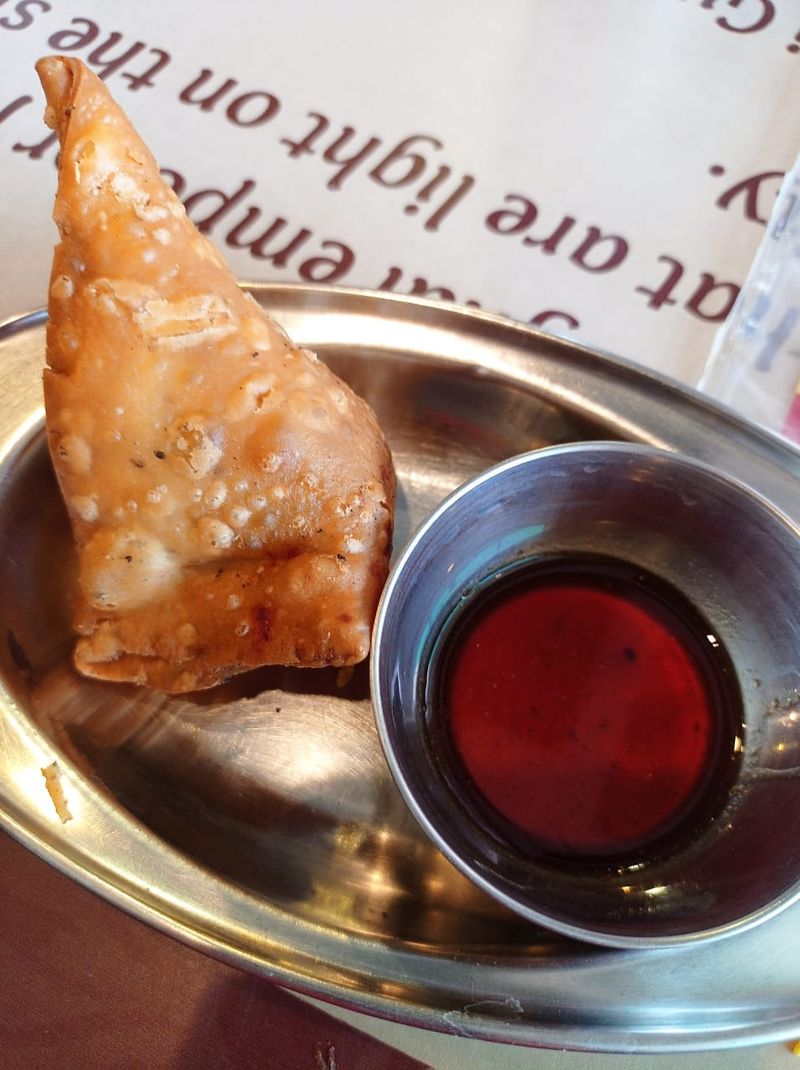
Few snacks are as universally loved across South Asia as the samosa. This crispy, triangular pastry is filled with a spiced mixture of potatoes, peas, and sometimes minced meat, then deep-fried to a perfect golden crunch.
The shell shatters when you bite into it, releasing a cloud of aromatic spice.
Samosas have a surprisingly long history, with records of similar stuffed pastries appearing in Central Asian and Middle Eastern texts as far back as the 10th century. Traders traveling along ancient routes are believed to have brought the concept to the Indian subcontinent, where it was transformed into the version we know today.
Served with mint chutney and tamarind sauce, samosas are the ultimate tea-time snack in India, Pakistan, Bangladesh, and beyond. They show up at weddings, street corners, school canteens, and cricket matches alike.
Regional variations include sweet fillings and different pastry thicknesses across the subcontinent.
11. Cornish Pasty – United Kingdom
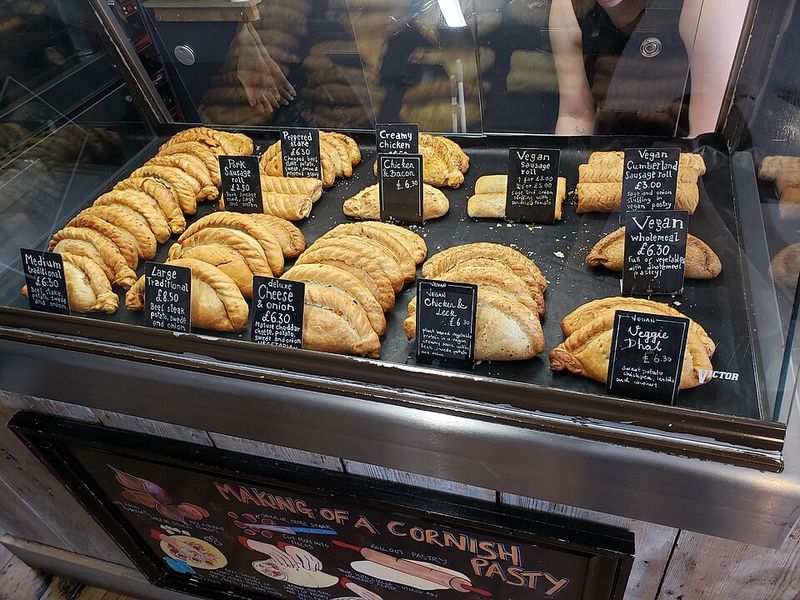
The Cornish pasty is one of Britain’s most iconic foods, and it comes with a fascinating backstory rooted in hard labor. Originally made for tin miners in Cornwall, England, the pasty was designed as a complete meal in one portable package.
The thick crimped crust served as a handle, allowing miners to eat without washing their hands first, then discard the crust to avoid ingesting toxic minerals.
A traditional Cornish pasty is filled with beef skirt, sliced potato, swede, and onion, seasoned simply with salt and pepper. By law, a pasty can only be called a Cornish Pasty if it is made in Cornwall and follows the traditional recipe.
The pastry itself is short and sturdy, designed to survive being carried underground in a pocket or tin. Today, Cornish pasties are enjoyed across the UK as a grab-and-go lunch, and they remain a proud symbol of Cornish heritage and identity.
12. Kreplach – Ashkenazi Jewish cuisine
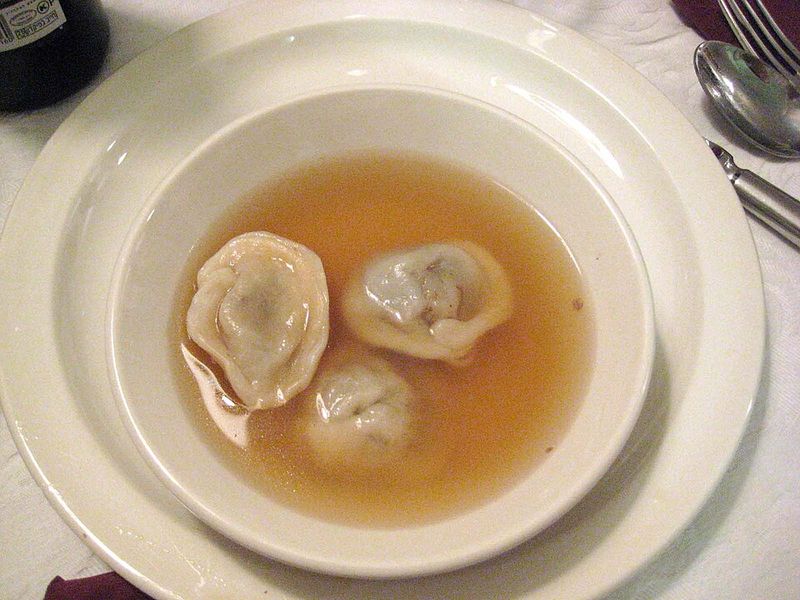
Kreplach are the soul food of Ashkenazi Jewish cooking, appearing at the table during some of the most meaningful moments of the Jewish calendar. These small, triangular or square dumplings are made with egg noodle dough and filled with seasoned ground beef, chicken, or mashed potato.
They are most commonly served floating in a rich chicken broth.
Tradition holds that kreplach appear on the table three times a year: the eve of Yom Kippur, Hoshana Rabbah, and Purim. Each occasion carries deep spiritual meaning, and the presence of kreplach signals that something important is about to happen.
The dish is often compared to Italian tortellini or Eastern European pelmeni, but kreplach carry a distinct cultural identity tied to Jewish history and diaspora. Grandmothers across generations have been the keepers of kreplach recipes, and the act of making them together remains a cherished family ritual to this day.
13. Culurgiones – Sardinia, Italy
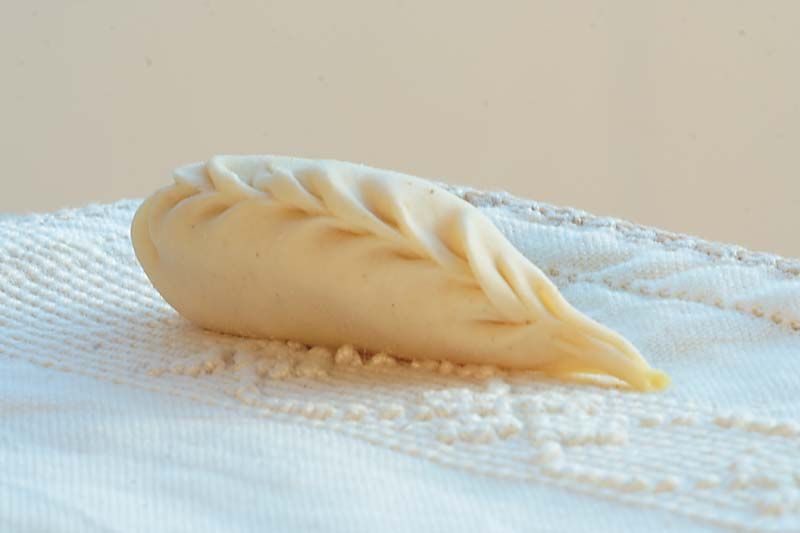
Culurgiones are the pasta dumplings of Sardinia, and they are genuinely one of the most beautiful foods you will ever see. Each dumpling is sealed with a distinctive braided pattern along the top that resembles a wheat stalk, a technique that takes years of practice to master.
The pattern is not just decorative; it also keeps the rich filling securely inside.
The filling is traditionally made from mashed potato, fresh pecorino cheese, mint, and garlic, giving culurgiones a creamy, herby flavor that is deeply comforting. They are typically served with a simple tomato sauce and a generous grating of aged pecorino on top.
Culurgiones hold protected status in Italy, recognized as a traditional regional food of Sardinia. Each village in the Ogliastra region has its own slight variation on the recipe, making the dish a living piece of local identity.
Eating culurgiones is like tasting centuries of Sardinian culture in a single bite.
14. Salteñas – Bolivia
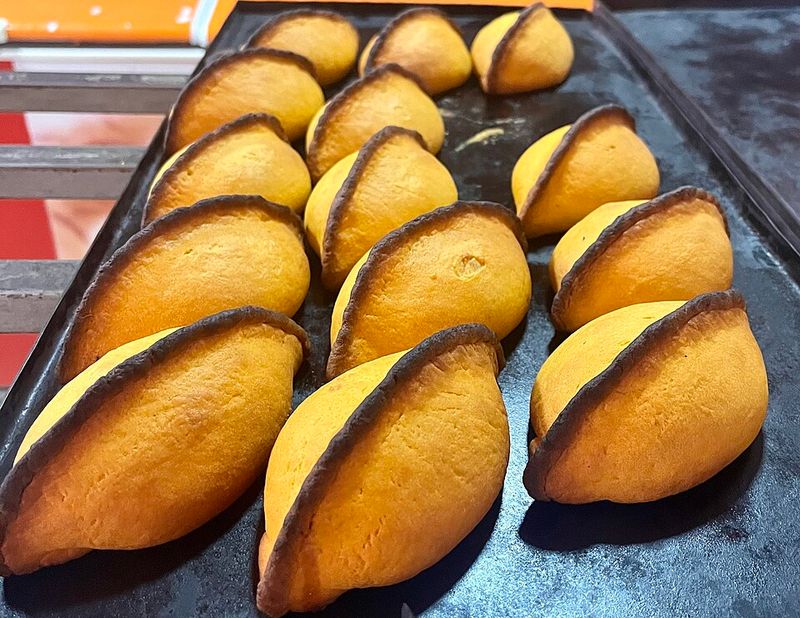
Salteñas are Bolivia’s national pride, and eating one correctly is a skill locals learn from childhood. These baked pastries have a slightly sweet, dark-brown crust and are filled with a saucy stew of chicken or beef, potatoes, peas, olives, hard-boiled eggs, and a generous hit of spice.
The filling is so juicy that biting in without spilling is a real challenge.
The trick is to hold the salteña upright and bite from the top, sipping the broth inside before eating the rest. Salteñas are almost exclusively a breakfast or mid-morning food in Bolivia, sold by street vendors early in the day and usually sold out by noon.
The name is believed to come from Juana Manuela Gorriti, a woman from Salta, Argentina, who sold these pastries in Potosi during the 19th century to support her family. Today, salteñas are a deeply embedded part of Bolivian daily life and culture.
15. Pirozhki – Eastern Europe and Russia
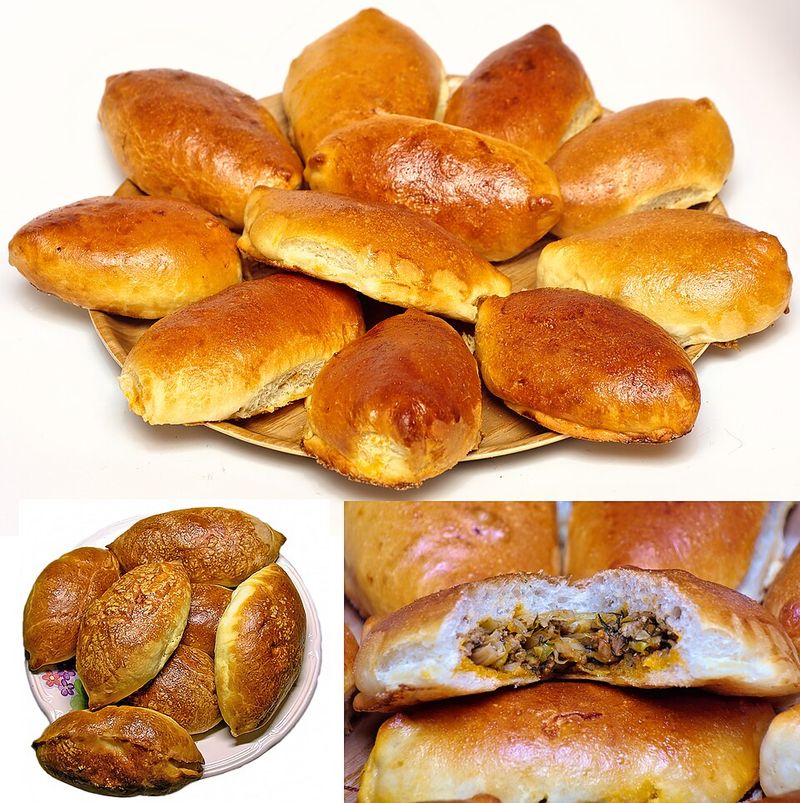
Pirozhki are the ultimate grab-and-go food of Eastern Europe, sold at bakeries, train stations, and markets from Moscow to Warsaw. These small, stuffed buns can be baked or fried, and the range of fillings is almost endless.
Popular options include cabbage and egg, mashed potato, ground meat, sauteed mushrooms, or sweet fillings like jam and apple.
Unlike the larger, open-faced Russian pirogi, pirozhki are fully enclosed and individual-sized, making them perfect for eating on the move. The baked versions are soft and pillowy, while fried pirozhki have a crispy, golden exterior that is hard to resist.
In Russian and Eastern European homes, pirozhki are closely associated with babushkas, or grandmothers, who seem to always have a fresh batch ready for any visitor. The smell of pirozhki baking is deeply nostalgic for many people from the region.
They represent everyday comfort food at its most honest and satisfying.
Share this story