Some fruits are so rare, so carefully grown, and so visually stunning that they sell for prices most people would never expect to pay for food. Around the world, especially in Japan, certain fruits have become symbols of wealth, gifting culture, and agricultural artistry.
These aren’t your average grocery store picks. From melons that cost thousands of dollars to strawberries wrapped in luxury packaging, here are 13 of the most expensive and luxurious fruits you can find anywhere on Earth.
1. Yubari King Melon
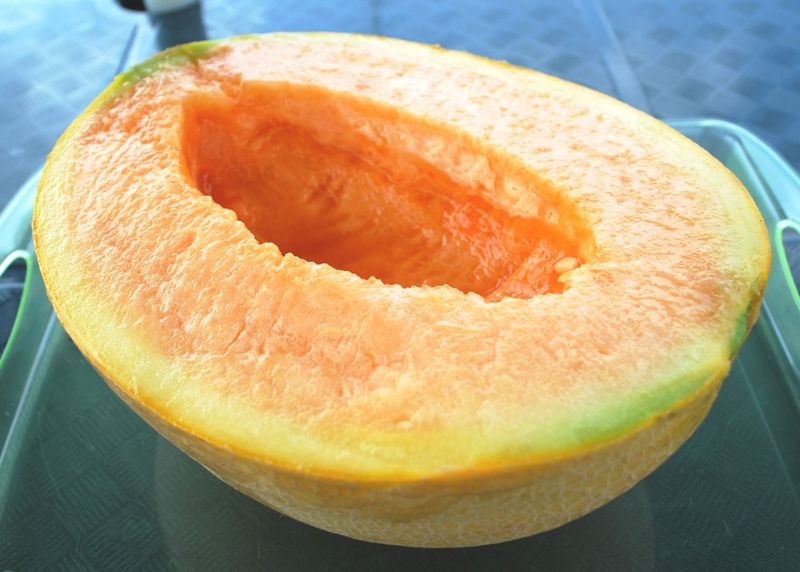
Grown only in the greenhouses of Yubari, a small city in Hokkaido, Japan, the Yubari King Melon is considered the crown jewel of the fruit world. These melons are cultivated with extreme care, each plant producing just one melon to ensure maximum sweetness and size.
The result is a fruit so perfect it looks almost artificial.
Farmers measure everything from humidity levels to the angle of sunlight. A pair of Yubari King Melons once sold at auction for over $45,000, making headlines across the globe.
They are often given as high-end gifts in Japan, where premium fruit holds deep cultural significance.
The flesh is incredibly sweet, smooth, and juicy with a floral aroma that lingers. Buying one is less about eating and more about experiencing something extraordinary.
For most people, seeing one in person is already a rare treat.
2. Ruby Roman Grapes
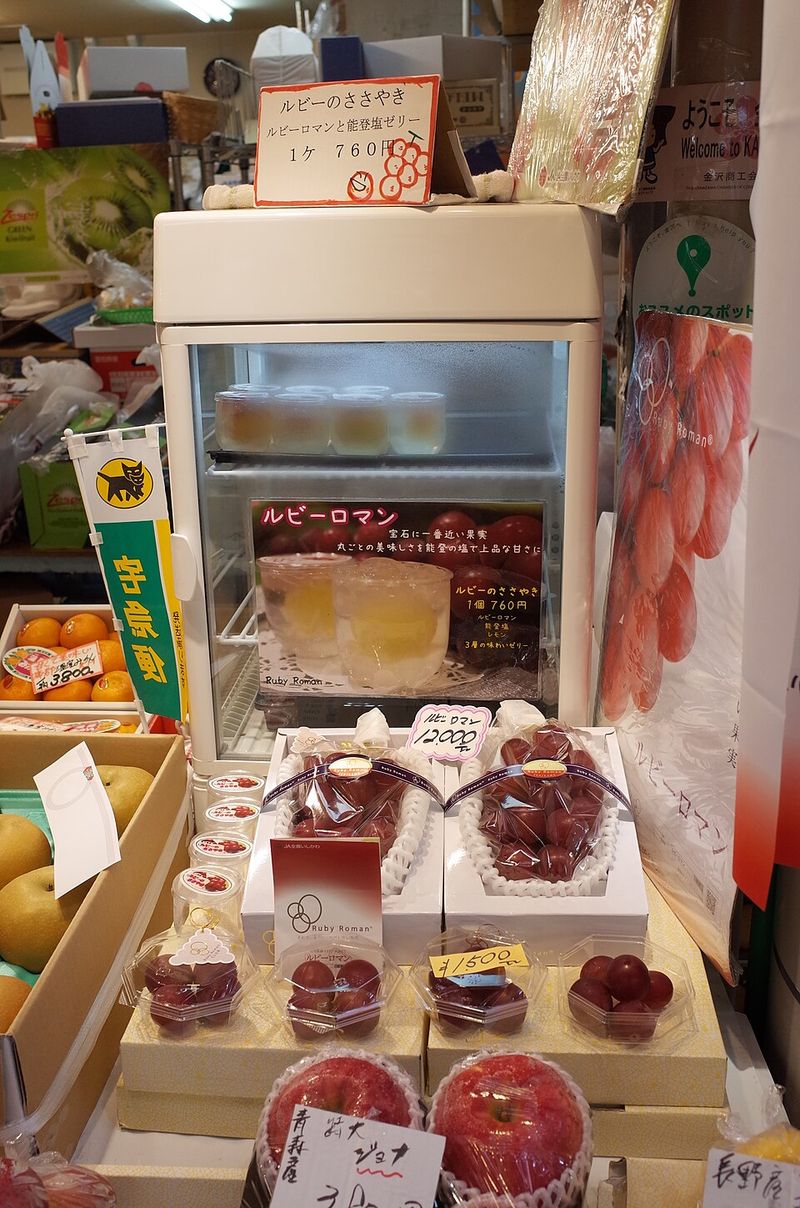
A deep-red grape as big as a ping-pong ball, perfectly round and bursting with sweet juice, sounds almost too good to be real. That is exactly what Ruby Roman grapes look like, and they are among the most sought-after fruits in the world.
Grown exclusively in Ishikawa Prefecture, Japan, these grapes were developed over 14 years before their official release in 2008.
Each bunch must weigh at least 700 grams and each individual grape must weigh a minimum of 20 grams to qualify as Ruby Roman. Only a small number of bunches meet these strict standards each season.
A single bunch once sold for over $11,000 at auction.
The flavor is intensely sweet with low acidity, making every bite feel indulgent. They are typically sold as luxury gifts during the summer season in Japan.
Receiving a box of Ruby Roman grapes is considered a very prestigious honor.
3. Densuke Watermelon
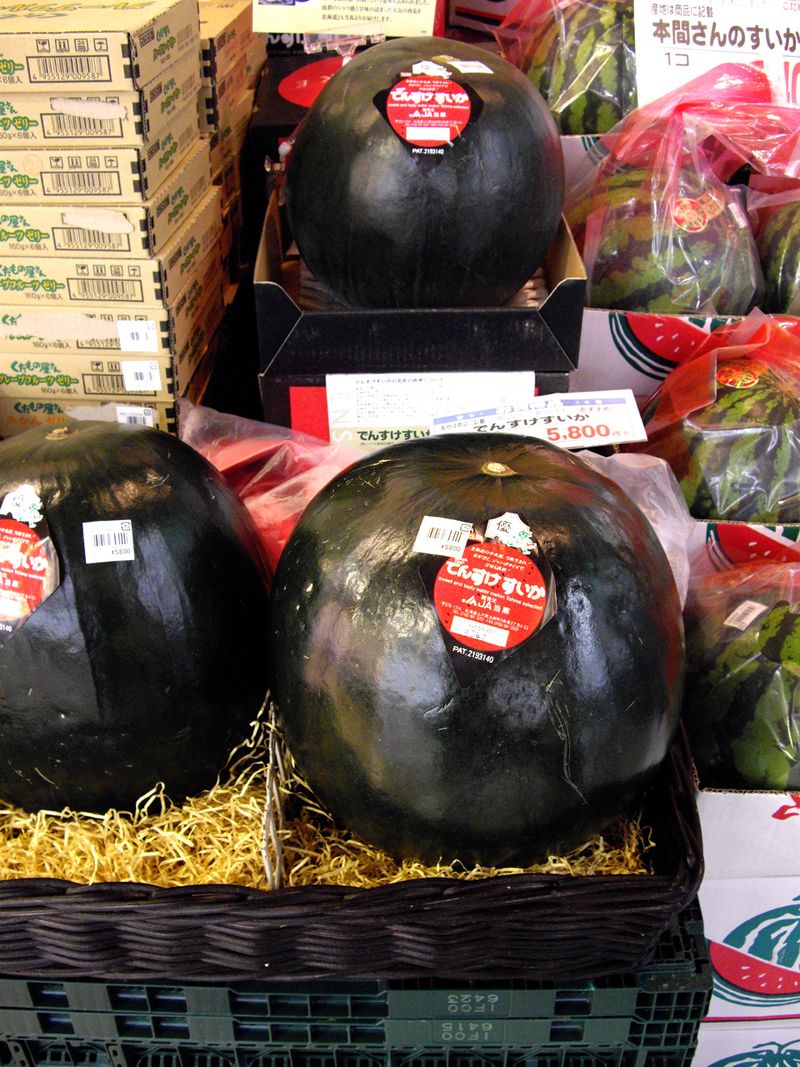
Most watermelons are green with dark stripes, but the Densuke watermelon from Hokkaido, Japan, has a smooth, almost completely black rind that makes it look unlike anything else in the produce aisle. Only a few thousand of these watermelons are grown each year, which keeps the supply extremely limited and the prices sky-high.
A single Densuke watermelon can sell for anywhere between $250 and $6,000 depending on quality and auction results. The record-setting price reached over $6,100 for one fruit at a Hokkaido auction.
The flesh inside is said to be crisper, sweeter, and less watery than ordinary watermelons.
Farmers take enormous pride in growing these, and each one is inspected carefully before reaching market. Because of their rarity and striking appearance, they are popular as premium gifts.
Owning a Densuke watermelon feels more like collecting art than buying groceries.
4. Taiyo no Tamago Mangoes
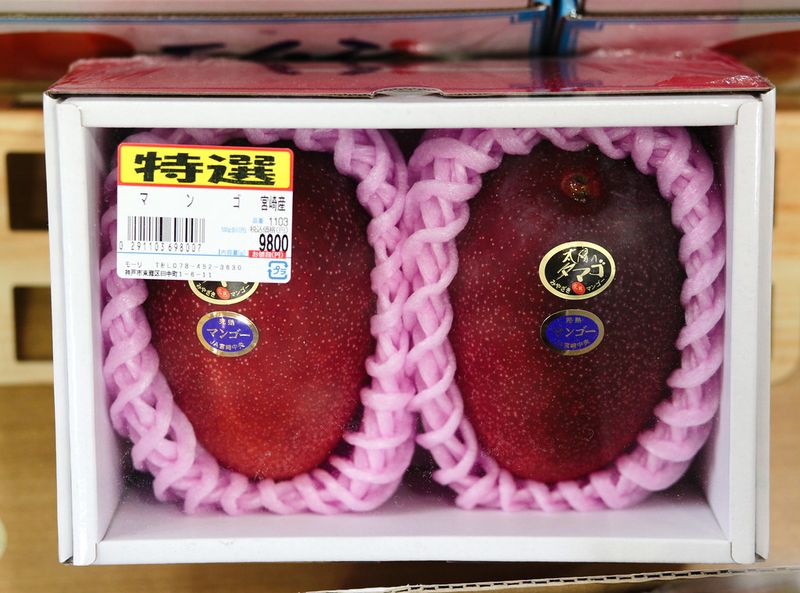
Translated as “Egg of the Sun,” Taiyo no Tamago mangoes from Miyazaki, Japan, are some of the most visually striking fruit you will ever see. Their skin turns a deep, vivid red when ripe, and each mango must weigh at least 350 grams and have a sugar content above 15 percent to earn the prestigious Taiyo no Tamago label.
Only mangoes that meet these strict quality standards are allowed to carry the name. A pair of these mangoes once sold at auction for over $3,000 in Japan.
They are often given as gifts during special occasions because of their beauty and rarity.
The flavor is rich, creamy, and intensely sweet with almost no fibrous texture. Farmers in Miyazaki grow them in heated greenhouses and wrap each mango individually in a net to catch it when it falls naturally from the vine.
Every step reflects careful dedication to perfection.
5. Sekai Ichi Apples
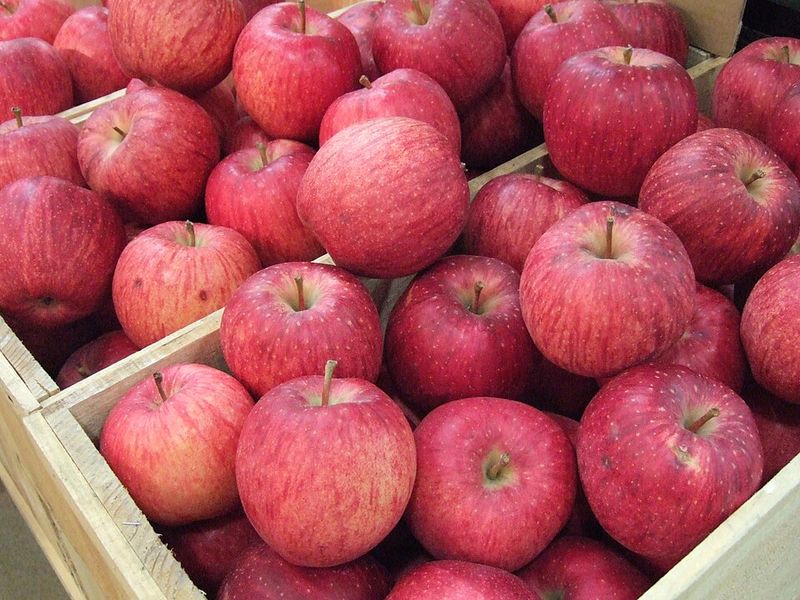
The name Sekai Ichi literally means “number one in the world” in Japanese, and these apples live up to that bold claim. Grown in Aomori Prefecture, Japan, they are among the largest apples on Earth, often weighing close to two pounds each.
Their size alone is enough to make anyone do a double take at the market.
What makes Sekai Ichi apples even more special is how they are grown. Farmers hand-pollinate each flower using a small brush and dip every apple in honey before it is waxed and stickered.
This labor-intensive process gives each apple a beautiful shine and a sweeter flavor profile.
A single Sekai Ichi apple can cost anywhere from $12 to $21, which may seem steep for one piece of fruit. But the texture is crisp, the sweetness is balanced, and the experience of eating one feels genuinely memorable.
These are apples worth savoring slowly.
6. Sembikiya Queen Strawberries
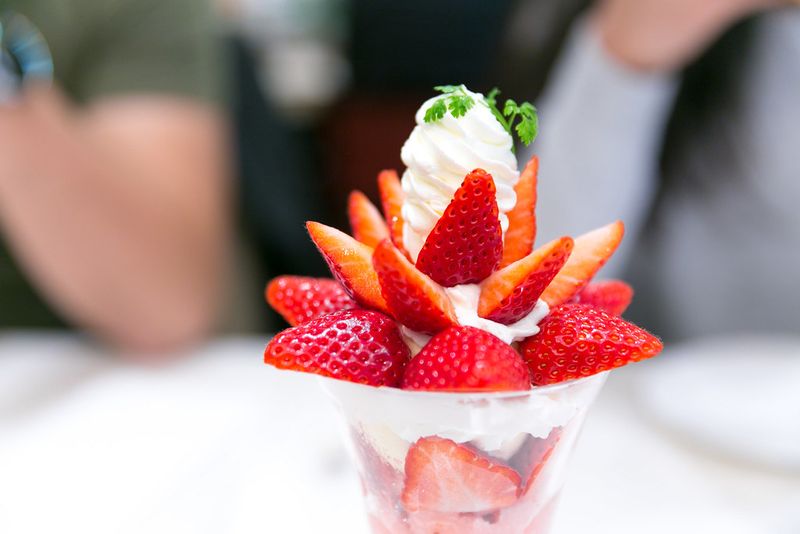
Sembikiya is one of Japan’s oldest and most respected luxury fruit shops, founded in 1834 in Tokyo. Their Queen Strawberries are among the most celebrated products they offer, known for their perfect cone shape, deep red color, and remarkably consistent size.
Each strawberry is inspected individually before being placed in a gift box.
A box of 12 Sembikiya Queen Strawberries can cost around $85, making them a true luxury purchase. They are grown under carefully controlled conditions to ensure uniform sweetness and appearance.
The flavor is rich and naturally sweet, with none of the sourness you sometimes find in store-bought berries.
In Japan, giving someone a box of these strawberries is a meaningful gesture, often reserved for important occasions like weddings, business gifts, or celebrations. The presentation is as important as the taste.
Sembikiya packages everything beautifully, making the unboxing feel like opening a small treasure.
7. Shizuoka Crown Melon
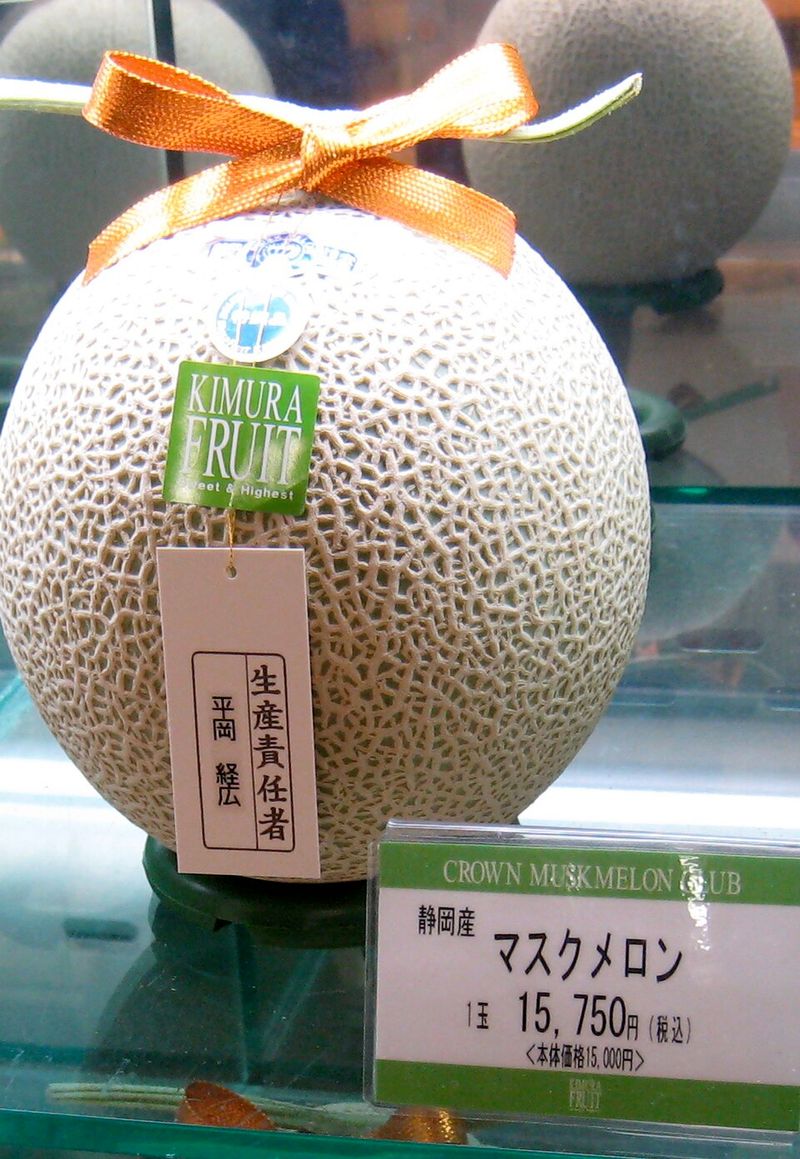
Grown in Shizuoka Prefecture using a method called “one vine, one melon,” the Shizuoka Crown Melon is a masterpiece of Japanese agricultural dedication. Farmers allow only one melon to grow per plant, directing all nutrients into that single fruit to achieve maximum sweetness, size, and aroma.
The process takes months of careful attention.
Each melon is graded on a strict scale, with only the highest-quality fruits earning the Crown Melon label. A top-grade Shizuoka Crown Melon can cost between $200 and $300 at retail, with auction prices reaching much higher.
They are often sold in elegant wooden boxes tied with ribbons, making them a prestigious gift.
The pale green flesh is extraordinarily smooth and aromatic, with a sweetness that feels almost dessert-like. Many people describe the experience of eating one as unlike any other melon they have tried.
It is a fruit that truly rewards patience and craftsmanship.
8. Dekopon Citrus
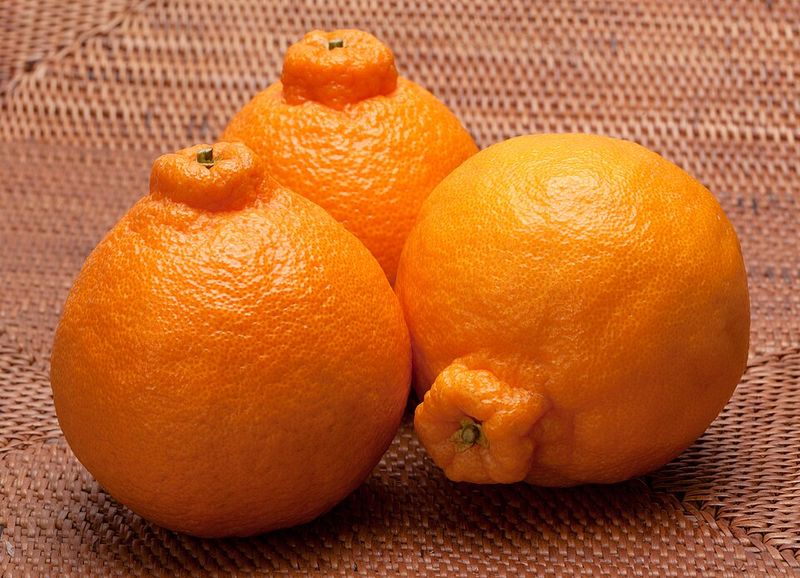
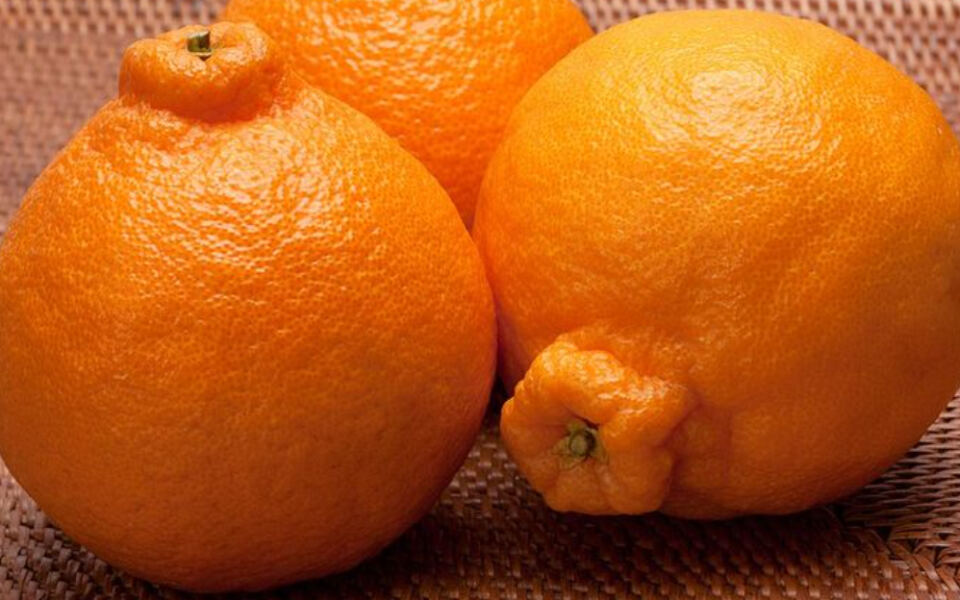
Dekopon is hard to miss. With its signature bumpy top that looks like a little knob sitting on the fruit, this oversized citrus from Japan has one of the most recognizable shapes in the fruit world.
It was first developed in Japan in 1972 and has since become one of the most beloved premium citrus fruits in the country.
Each Dekopon must have a sugar content of at least 13 percent and an acidity level below one percent to earn its official certification. These strict standards mean that only the sweetest, most balanced fruits make the cut.
A box of certified Dekopon can cost $80 or more in Japan.
The fruit is seedless, easy to peel, and has a rich, honey-like sweetness that makes it stand out from regular mandarins or oranges. It has gained fans in the United States too, where it is sometimes sold under the name Sumo Citrus.
Either way, one bite explains the hype completely.
9. Miyazaki Mangoes
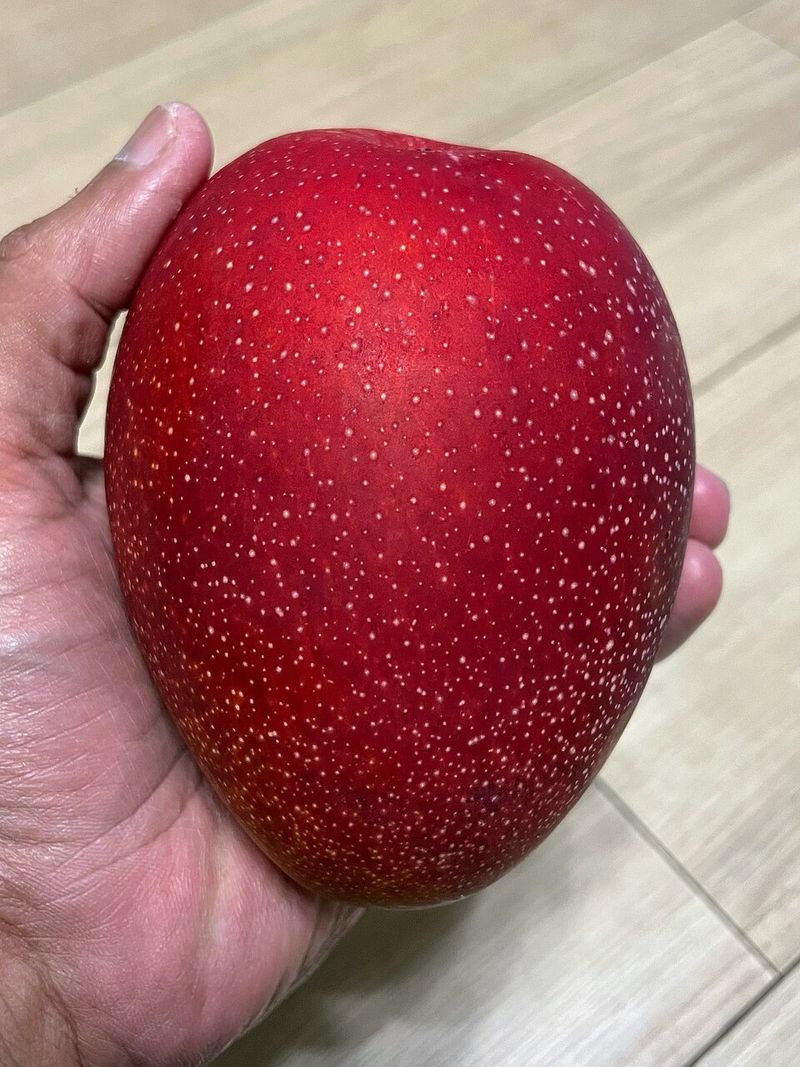
Miyazaki Prefecture in southern Japan has built an international reputation for producing some of the finest mangoes in the world. Grown under greenhouse conditions with carefully controlled temperatures and lighting, Miyazaki mangoes develop a deep red skin and a flavor that is intensely sweet and almost buttery in texture.
These mangoes are so prized that they have been given as diplomatic gifts to foreign leaders and dignitaries. In 2021, a pair of Miyazaki mangoes sold at auction in India for the equivalent of over $3,400, highlighting their global appeal.
Their rich color and premium quality make them stand out even among other Japanese luxury fruits.
Farmers net each mango individually so it can fall naturally when ripe without bruising. This gentle harvesting method preserves the skin’s perfect appearance.
Whether eaten fresh or given as a gift, a Miyazaki mango is always a statement of exceptional taste and thoughtfulness.
10. White Jewel Strawberries
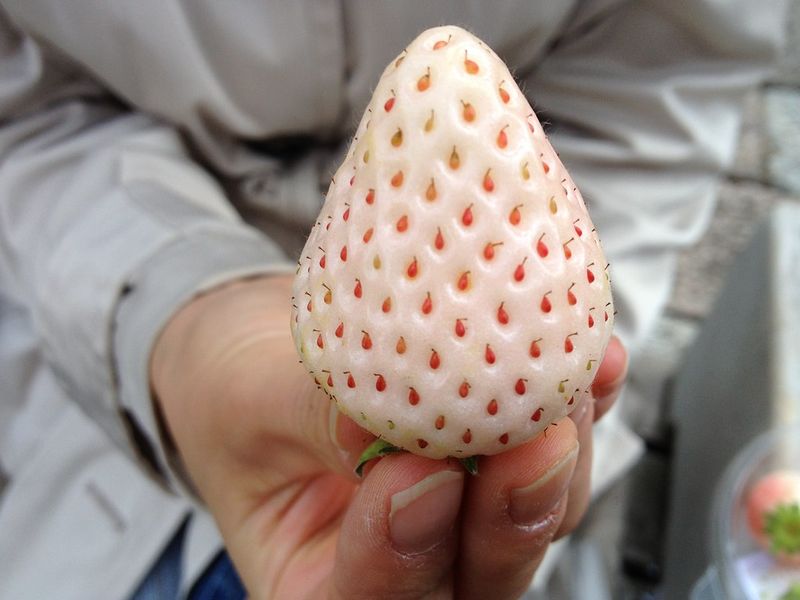
At first glance, White Jewel strawberries look almost unripe, but their creamy white color is completely intentional and entirely natural. Developed by a Japanese farmer named Yasuhito Teshima in Saga Prefecture, these strawberries lack the gene that turns strawberries red.
The result is a fruit with a pale, pearlescent appearance and a flavor that is floral, sweet, and uniquely tropical.
White Jewel strawberries are grown in shaded greenhouses to prevent any color development, keeping their signature look intact. Because the growing process is so specialized and the yield is small, they are priced at around $10 per berry or more.
A box of these can easily cost over $100.
Their visual appeal makes them extremely popular for luxury gifting and high-end dessert presentations. Chefs and food stylists love using them for their striking contrast against darker ingredients.
Tasting a White Jewel strawberry is a genuinely surprising experience that challenges everything you think you know about this familiar fruit.
11. Square Watermelons
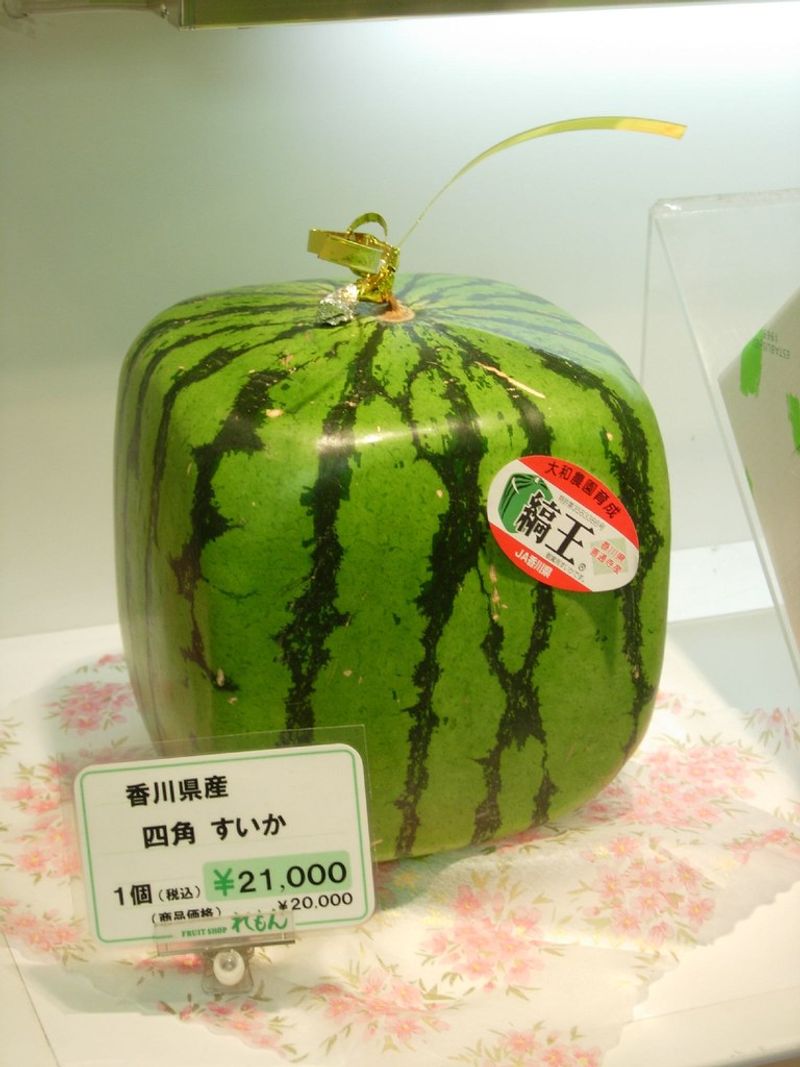
Growing a square watermelon sounds like something out of a science fiction story, but Japanese farmers in Kagawa Prefecture have been doing it since the 1970s. The technique involves placing young watermelons inside square glass or acrylic molds as they grow, causing them to take on that geometric shape naturally.
The result is a watermelon that looks more like a modern art sculpture than a piece of fruit.
Square watermelons are primarily sold as decorative items rather than for eating, since they are often harvested before fully ripening to maintain their shape. A single square watermelon can cost between $100 and $800 in Japanese stores.
They have become popular as luxury home decor and novelty gifts.
The concept has inspired other creative fruit shapes in Japan, including heart-shaped and pyramid-shaped varieties. While the taste may not match traditional watermelons, the visual impact is undeniable.
Few fruits in the world spark as much curiosity and conversation as these perfectly boxed beauties.
12. Buddha-Shaped Pears
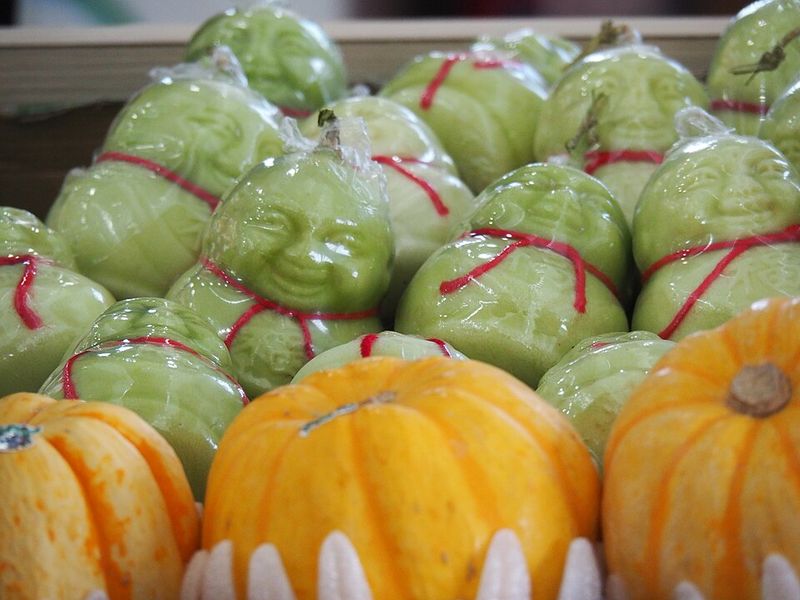
Farmers in China’s Hebei Province have found a creative way to turn an ordinary pear into a piece of edible folk art. By placing young pears inside baby-shaped or Buddha-shaped plastic molds while they are still growing on the tree, the fruit slowly fills the mold and takes on its form.
When harvested, the pears look like tiny, smooth figurines straight from a fantasy story.
Buddha-shaped pears have become a popular novelty item and a symbol of good fortune in Chinese culture, since the Buddha figure is associated with luck and prosperity. They are often sold during festivals and as gifts for special occasions.
Prices vary, but a single shaped pear can cost several times more than a regular one.
The idea has spread beyond China, with farmers in other countries experimenting with similar fruit-molding techniques. But the original Buddha pear from Hebei remains the most iconic version.
It proves that farming can be as creative as any other art form.
13. Heligan Pineapple
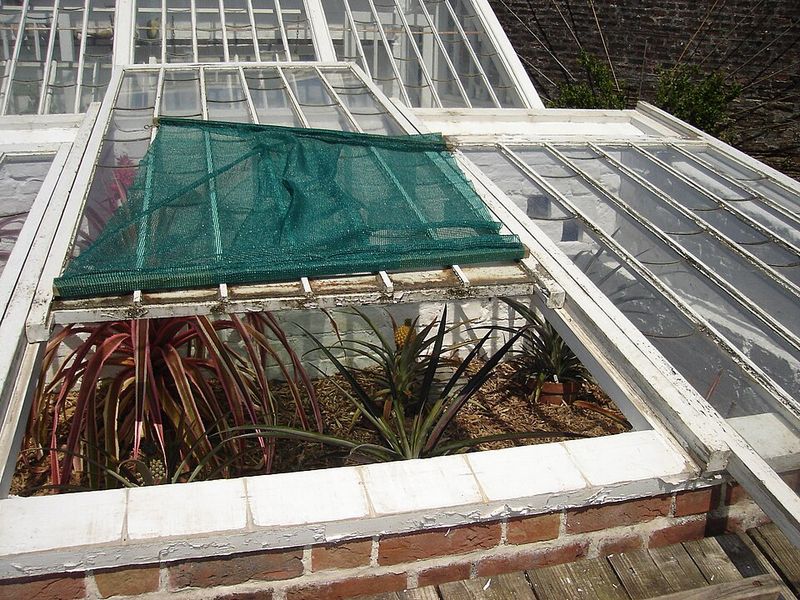
Growing a pineapple in England sounds nearly impossible, but the gardeners at the Lost Gardens of Heligan in Cornwall have been doing exactly that for years. Using a centuries-old Victorian technique called a pineapple pit, they heat the growing beds using decomposing horse manure and bark, which generates enough warmth to grow tropical fruit in a cold climate.
It takes about two years to grow a single pineapple this way.
The effort involved is extraordinary, and the gardening team estimates that each Heligan pineapple costs roughly $16,000 to produce when accounting for labor and resources. This makes it arguably the most expensive pineapple in the world.
The fruit is not sold commercially but is occasionally tasted by staff and special guests.
The Heligan pineapple is as much about historical preservation as it is about fruit. Reviving this Victorian-era method connects modern visitors to a fascinating chapter in horticultural history.
It is living proof that growing food can be a form of storytelling.
Share this story