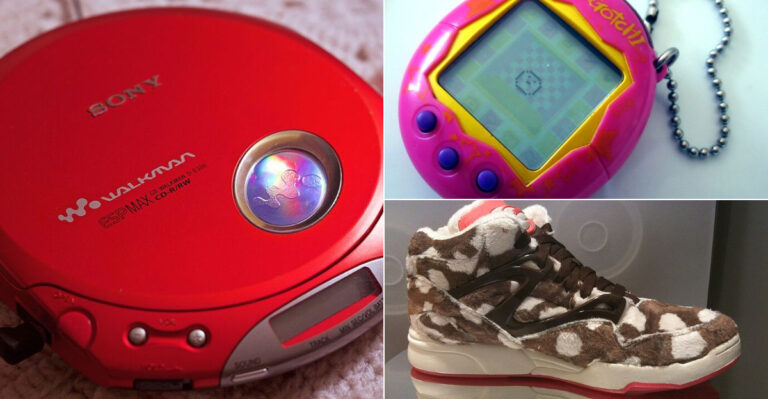
Some habits are harder to kill than people expect. Baby Boomers grew up with routines, tools, and values that seemed destined to fade once newer technology and faster lifestyles took over.
But a funny thing happened along the way: many of those old-fashioned habits not only survived, they came back stronger. From spinning vinyl records to writing letters by hand, the practices that once defined a generation have found fresh audiences, new purposes, and surprising staying power.
Whether you grew up with these habits or discovered them later, this list shows why some things simply refuse to go out of style.
Vinyl Records
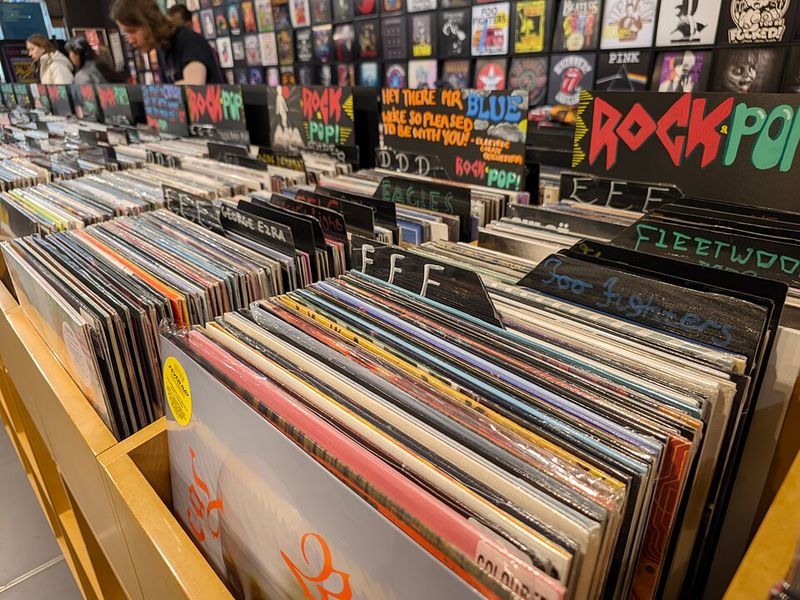
Vinyl revenue in the United States has increased for 19 consecutive years through 2025, according to the Recording Industry Association of America, reaching roughly $1 billion. That kind of staying power is not a fluke.
CDs arrived and vinyl seemed finished. Streaming arrived and CDs seemed finished.
Yet record stores kept opening, turntable sales kept climbing, and album artwork kept mattering to people who wanted more than a playlist thumbnail.
Part of the appeal is the ritual itself. Pulling a record from its sleeve, placing it on the turntable, and dropping the needle requires genuine attention.
That slower process feels intentional in a world designed around instant access.
Younger collectors have joined longtime enthusiasts, drawn by the physical ownership, the large-format artwork, and the distinctly different sound. What looked like obsolete technology became one of the clearest examples of an old format finding a completely new generation of devoted fans.
Thrift Store Shopping
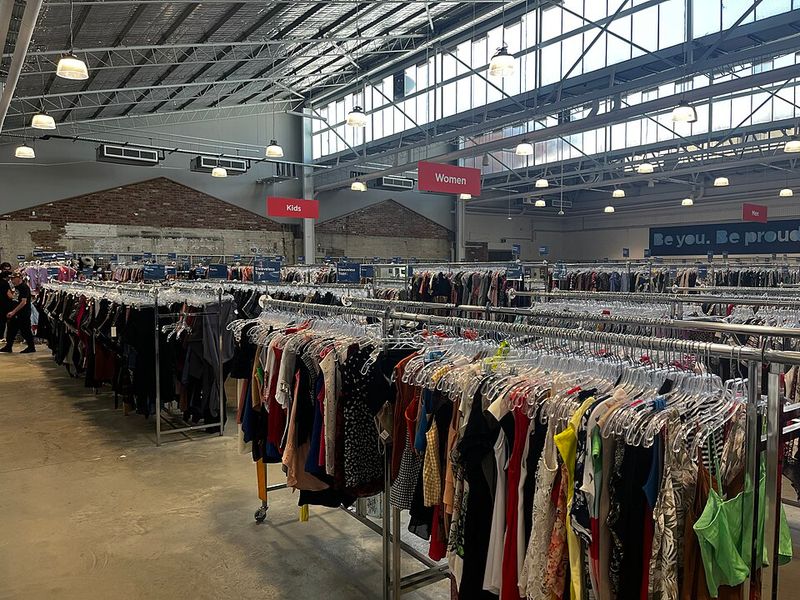
Buying secondhand once carried a stigma that kept many shoppers quiet about where their favorite jacket actually came from. For Baby Boomers, thrift stores were practical tools for stretching a budget, not a lifestyle statement.
Today the motivation has shifted, but the habit has only grown. Secondhand shopping now sits at the intersection of bargain hunting, sustainability, and personal style.
Shoppers search for vintage clothing, discontinued housewares, unusual furniture, records, and one-of-a-kind finds that fast fashion cannot replicate.
Social media transformed thrifting into its own form of entertainment. Creators share hauls, restoration projects, and before-and-after transformations that have introduced millions of younger shoppers to the secondhand world.
The core idea, however, remains identical to what it always was: finding something useful at a price that makes sense. What previous generations did largely out of necessity now appeals to people who also value individuality, reuse, and the genuine thrill of unexpected discovery.
Home Cooking

Frozen dinners and drive-through restaurants were supposed to gradually replace the family kitchen. That prediction turned out to be wrong in a very visible way.
Home cooking has remained a central part of daily life for millions of households. Online recipe platforms, cooking channels, and step-by-step video tutorials have made traditional kitchen skills easier to learn than ever before, rather than pushing them aside.
The pandemic created a particularly sharp surge in home baking and from-scratch meal preparation as people spent more time in their own kitchens.
Family recipes still get passed down. Bread still gets baked from scratch.
Weeknight dinners still get planned around what is fresh and available.
The tools look different from a 1960s kitchen, and the recipe sources have moved from index cards to phone screens. But the core experience remains completely recognizable: gathering ingredients, following a process, and putting a real homemade meal on the table for people you care about.
Polaroid and Film Cameras
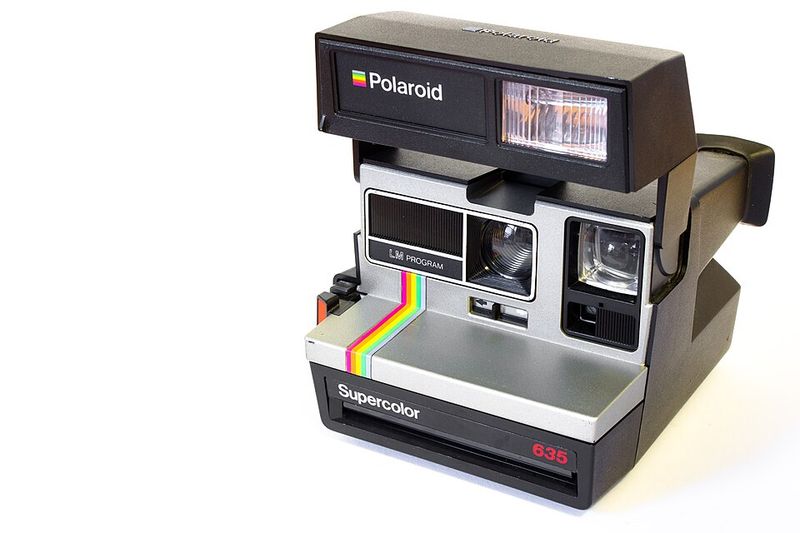
Digital cameras solved almost every inconvenience that came with shooting film. Photos became unlimited, instantly viewable, easily editable, and essentially free to take.
Film photography should have disappeared quietly. It did not.
Instant cameras have staged a genuine comeback, with several manufacturers actively releasing new models and film stock. Photographers continue shooting 35mm and medium format because the results look different from digital images in ways that cannot be fully recreated with a filter.
Film also changes how photographers think. With a limited number of exposures per roll, each shot requires more consideration before pressing the shutter.
That deliberate approach appeals to people accustomed to taking dozens of throwaway smartphone photos in seconds.
Instant photographs offer something additional that digital images genuinely cannot match: a physical print that appears within minutes of taking the picture. For a generation that stores thousands of photos in the cloud, the limited and tangible nature of film has quietly become a selling point rather than a drawback.
DIY Home Repairs
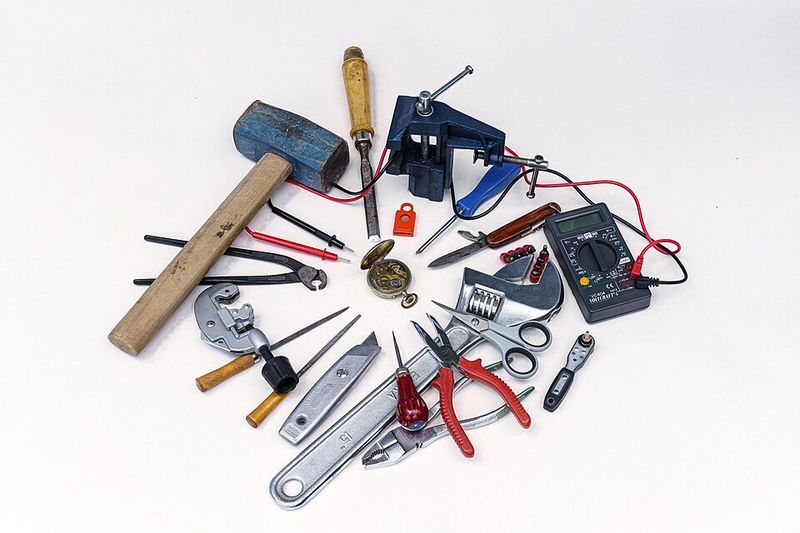
Baby Boomers learned home repair the hard way: watching a parent, reading a manual, or simply attempting the job and figuring it out. There was no video library available for a leaking faucet at 9 p.m. on a Sunday.
That hands-on mindset never went away, and the internet has actually expanded it significantly. Homeowners can now find clear, detailed instructions for painting, woodworking, furniture restoration, appliance maintenance, tile work, and dozens of other household projects without hiring outside help.
Professional assistance remains essential for complicated or genuinely dangerous work, particularly anything involving electrical systems, gas lines, structural changes, or major plumbing. Knowing which jobs to handle personally and which to leave to licensed professionals is part of the skill.
But basic self-reliance around the house continues saving people money and building real confidence in maintaining their own space. Old-fashioned resourcefulness has simply gained better instruction manuals and a much larger online community willing to walk beginners through each step.
Sewing and Mending Clothes
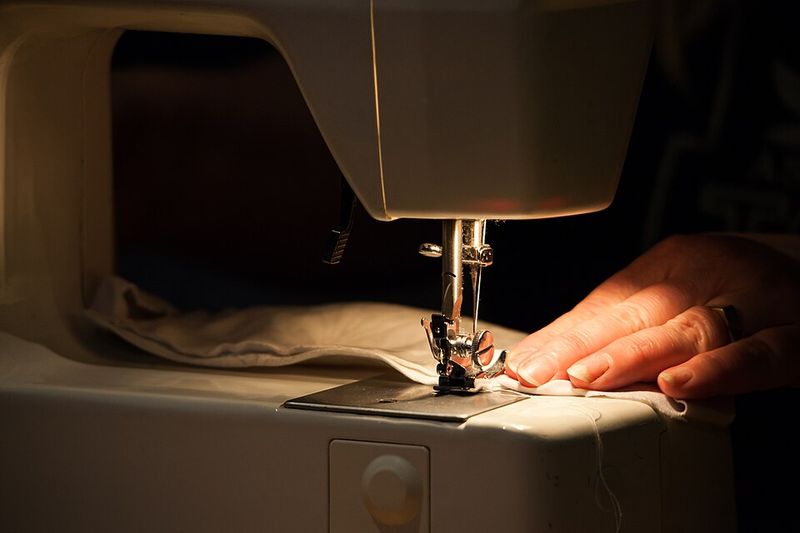
A torn seam once meant getting out a needle and thread before considering any other option. Mass-produced, inexpensive clothing reduced the urgency of that skill for decades.
Now it is coming back in a form nobody quite predicted.
Visible mending has emerged as a creative practice where patches, embroidery, and decorative stitching become part of a garment’s design rather than something to conceal. People use sewing machines to alter thrift-store finds, repair beloved clothing, create costumes, and construct entirely new garments from scratch.
The renewed interest connects directly to growing awareness about textile waste. Fast fashion produces enormous amounts of discarded clothing each year, and mending even a few items extends their life and reduces that impact in a small but meaningful way.
A skill once associated purely with household necessity has transformed into something that crosses craftsmanship, personal style, and sustainability. Sewing circles, online communities, and local fabric shops have all benefited from the revival.
Landline Phones
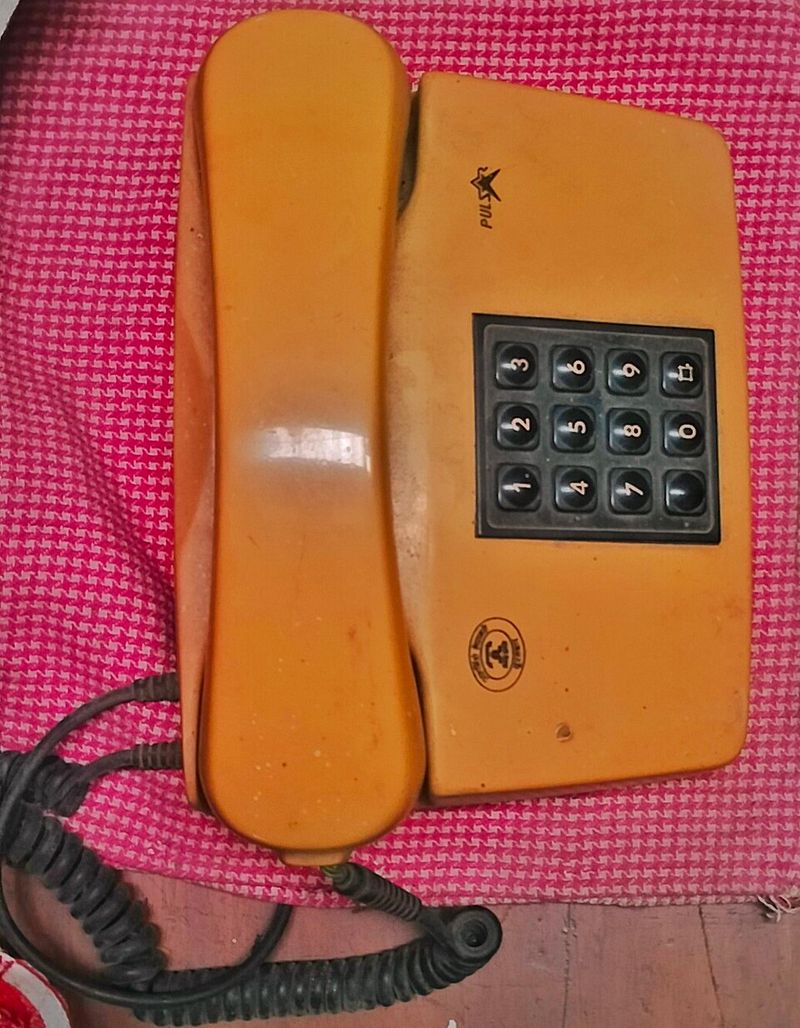
Smartphones have reshaped how nearly everyone communicates, and the number of households relying on traditional landlines has dropped significantly over the past two decades. Yet the landline has not quite disappeared from the conversation.
One advantage historically associated with traditional copper telephone service is reliability during a power outage. Properly connected corded phones on a true copper line can continue operating because the electricity needed to power them comes through the telephone line itself rather than the home’s electrical system.
There is an important qualification worth understanding. Many services now marketed as home telephone lines actually run on fiber, cable, or Voice over Internet Protocol technology.
Those systems depend on powered equipment and typically require a battery backup to function during an outage.
The classic landline’s reputation for reliability has genuine truth behind it in specific circumstances, but not every modern home phone service carries the same advantage. Knowing which type of service you actually have matters more than most people realize.
Keeping Emergency Cash

Digital wallets, tap-to-pay systems, and mobile banking have made it entirely possible to go days without handling a single banknote. For many people, cash feels almost unnecessary in everyday life.
But electronic payment systems can and do become temporarily unavailable. Power failures, technical outages, communications problems, and issues with specific banks or payment networks can interrupt access to digital funds at inconvenient moments.
A gas station without power, a small vendor without a card reader, or a system-wide outage can leave cashless shoppers without options.
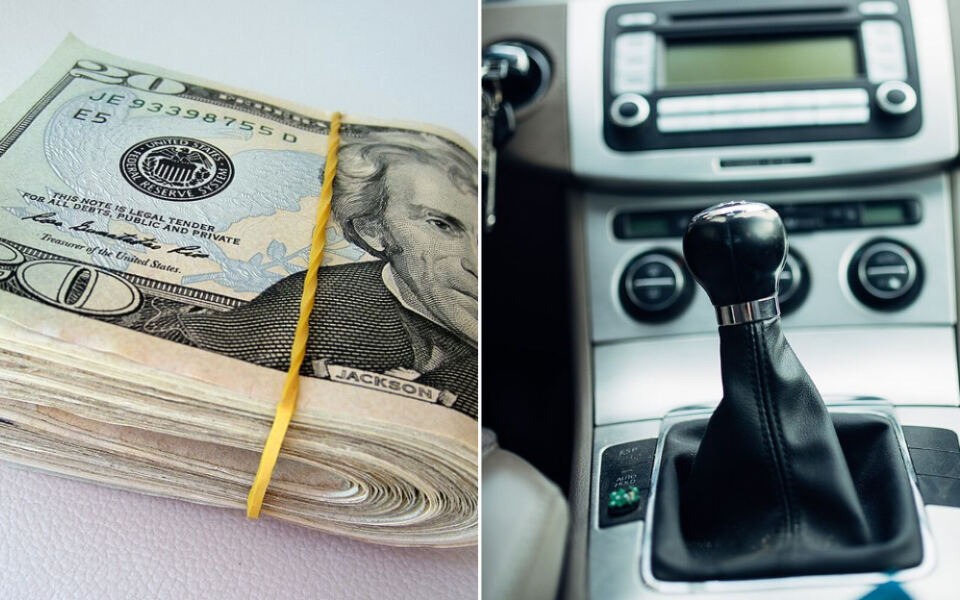
Keeping a modest emergency reserve does not require storing large amounts of money around the house. The practical point is simply that physical currency remains usable in situations where electronic systems are not.
Baby Boomers who grew up budgeting with envelopes, cash registers, and paper money would recognize the logic immediately. The habit has less to do with distrust of technology and more to do with the straightforward value of having a backup plan that requires no battery or signal to work.
Board Games
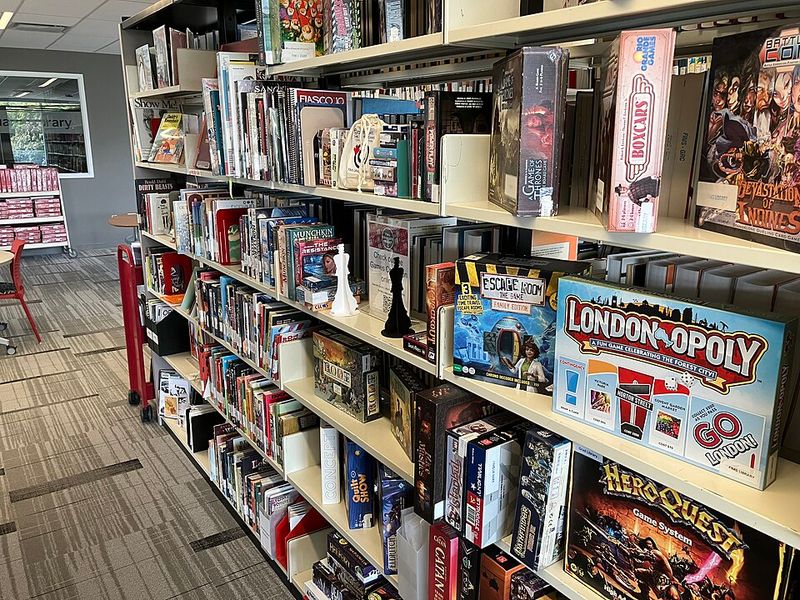
Video games were sometimes positioned as the inevitable replacement for tabletop entertainment. The idea made sense on paper: why play a board game when a screen could offer unlimited variety and visual spectacle?
Both formats survived, and the tabletop industry has grown considerably. Classic games still fill family closets while a modern wave of strategy games, cooperative games, party games, and elaborate role-playing experiences has attracted serious adult audiences who never outgrew the format.
Board game cafes have created dedicated social spaces where people gather specifically to play face-to-face with strangers or friends. Gaming conventions draw large crowds each year from across the country.
The core appeal is social in a way that separate screens cannot replicate. Players sit around the same table, read each other’s expressions, debate rules, laugh at unexpected outcomes, and compete in real time.
The games have become more sophisticated, but the basic pleasure of gathering around a shared activity would feel completely familiar to anyone who grew up with family game night.
Handwritten Letters
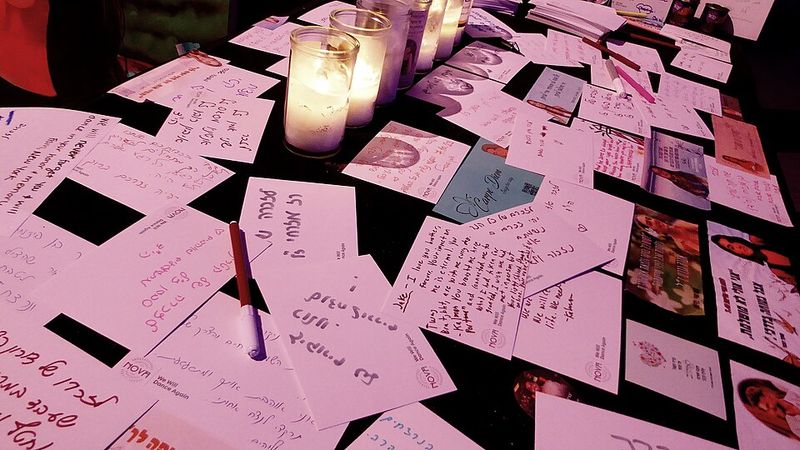
Email made communication faster. Text messaging made it nearly instantaneous.
Neither managed to eliminate the handwritten note, and that says something meaningful about what people actually value in personal correspondence.
Birthday cards, thank-you notes, postcards, invitations, and personal letters carry a different weight precisely because they require more effort. Handwriting makes each message physically distinctive, and a paper letter can be kept in a drawer or memory box for decades in a way that a text thread cannot.
Calligraphy, stationery collecting, journaling, and pen-pal communities have all helped keep handwriting culture alive and introduced it to new participants. Stationery shops continue operating in cities across the country, serving customers who want their correspondence to feel considered rather than convenient.
Paper letters have not reclaimed their former role as the primary way people communicate across distances. They have instead found a different purpose: turning communication into something deliberate, tangible, and personal in a world that otherwise defaults to the fastest available option.
Gardening

Growing vegetables, tending flower beds, and caring for houseplants are hardly activities reserved for retirees or people with large suburban yards. Gardening has expanded onto balconies, windowsills, community plots, patios, and indoor growing systems of every size.
People come to gardening for different reasons. Some want fresh herbs and vegetables within arm’s reach of the kitchen.
Others enjoy landscaping, collecting unusual houseplants, attracting pollinators, or simply having a reason to spend time outdoors with their hands in the soil.
Social media has introduced enormous audiences to plant propagation, container gardening, composting, seed saving, and vegetable growing in ways that previous generations learned only from neighbors or family members.
One clarification worth making: Victory Gardens are most strongly associated with World War I and World War II, meaning most Baby Boomers were born after their peak. Boomers grew up around household gardening traditions, but Victory Gardens belonged largely to their parents’ generation.
The love of growing things, however, passed directly forward.
Driving a Stick Shift
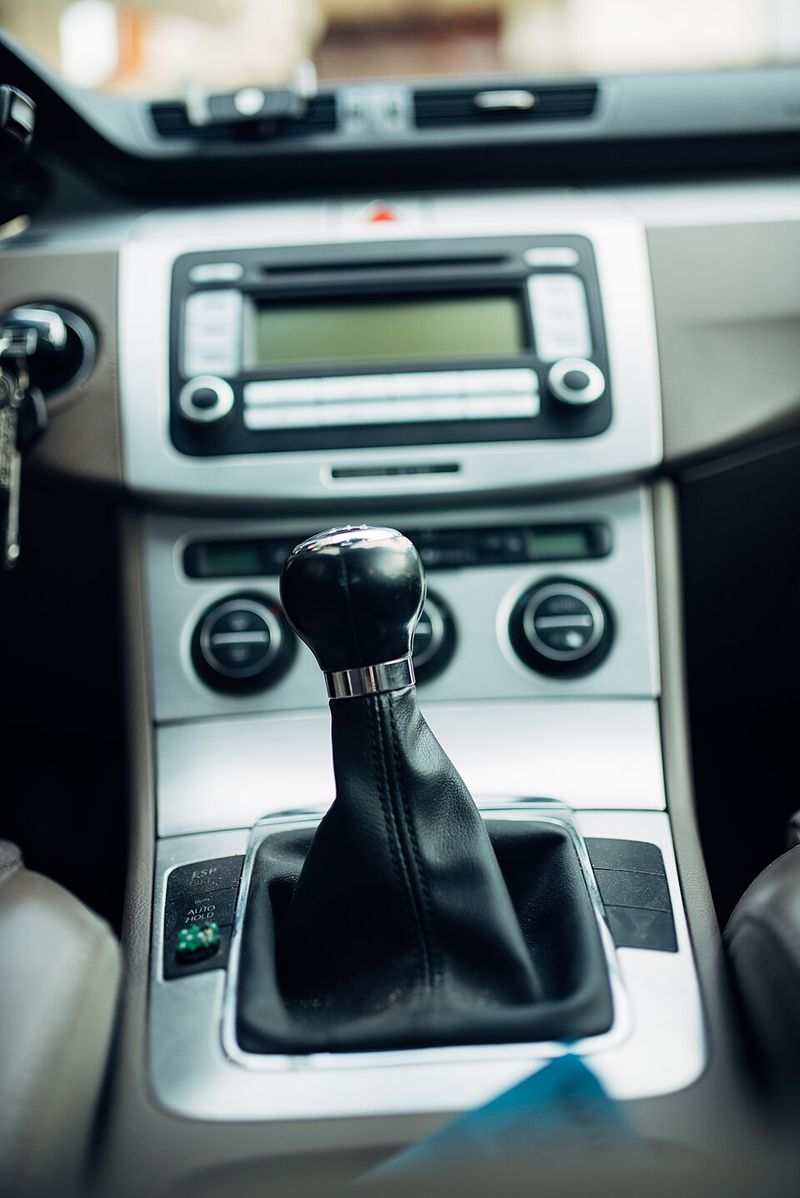
Manual transmissions have become considerably less common on American roads. Most new vehicles sold in the United States come equipped with automatic transmissions, and the percentage of drivers who know how to operate a clutch has dropped steadily over the years.
Enthusiasts have kept the stick shift alive anyway. For drivers who genuinely enjoy operating one, a manual transmission creates a more involved driving experience.
Selecting gears, managing the clutch, and reading the engine’s behavior requires active participation that an automatic transmission simply does not demand.
Automatics have become faster, more fuel-efficient, and more convenient, which explains their dominance in the current market. Manuals are not experiencing the same broad cultural resurgence as vinyl records or handwritten letters.
They have instead survived as a niche enthusiast choice, particularly in certain sports cars and performance models where driver engagement is part of the product’s appeal. Learning to drive stick may no longer be a universal rite of passage, but the skill has clearly not disappeared from American roads.
Library Cards
Search engines were supposed to put the world’s information at everyone’s fingertips. E-readers were supposed to make physical shelves unnecessary.
Public libraries, by that logic, should have been struggling for relevance by now.
Instead, libraries adapted in ways that expanded their role rather than shrinking it. Depending on the system, a modern library card can provide access to e-books and digital audiobooks, research databases, public computers, Wi-Fi, equipment lending, digital literacy classes, and community programs for children and adults alike.
An American Library Association survey found that 95% of U.S. public libraries offered e-books or e-audiobooks, while 95.3% offered some form of digital literacy training. Those numbers reflect institutions that recognized change and responded to it.
The library survived and in many communities thrived partly because it stopped being defined solely as a building containing shelves of books. A library card today opens access to a surprisingly wide range of services that most cardholders have never fully explored.
Sit-Down Family Dinners
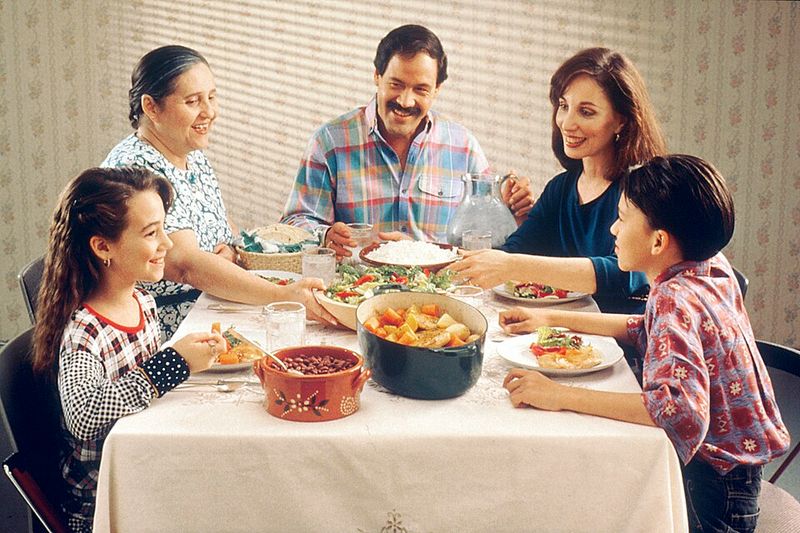
Busy schedules, takeout habits, smartphones at the table, and shifting work patterns have transformed the traditional family dinner in many households. The elaborate Sunday spread from decades past is not the standard anymore, and probably has not been for a long time.
What has not disappeared is the value of the routine itself. Sitting together for a meal provides something that a group chat or shared streaming account cannot replicate: uninterrupted time in the same physical space with no particular agenda beyond eating and talking.
The food does not need to be elaborate. Pizza, leftovers, takeout spread across the kitchen table, or a simple homemade dish can serve exactly the same purpose as anything more complicated.
For Baby Boomers who remember the dinner table as the center of household conversation, today’s renewed interest in screen-free family meals probably feels less like a new wellness trend and more like the quiet return of something that never should have been set aside in the first place.
Reading Physical Books

Predictions that e-readers would eliminate printed books circulated widely when digital reading devices first became popular. Those predictions turned out to be premature.
According to a Pew Research Center 2025 survey, 64% of American adults reported reading a print book during the previous year. Only 31% said they had read an e-book, while 26% had listened to an audiobook.
Print remained the only format used by a majority of American adults, which is a notable data point given how long digital alternatives have been available.
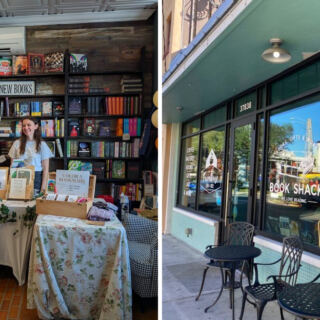
Digital reading has earned a permanent and useful place, especially when convenience matters most: travel, commuting, or reading before bed without disturbing anyone nearby. But readers continue visiting bookstores, filling shelves, lending favorites to friends, and collecting editions that matter to them.
The printed book did not defeat digital technology or resist it. It simply demonstrated that physical and digital formats could coexist comfortably, each serving different needs for the same reader depending on the moment.
Share this story