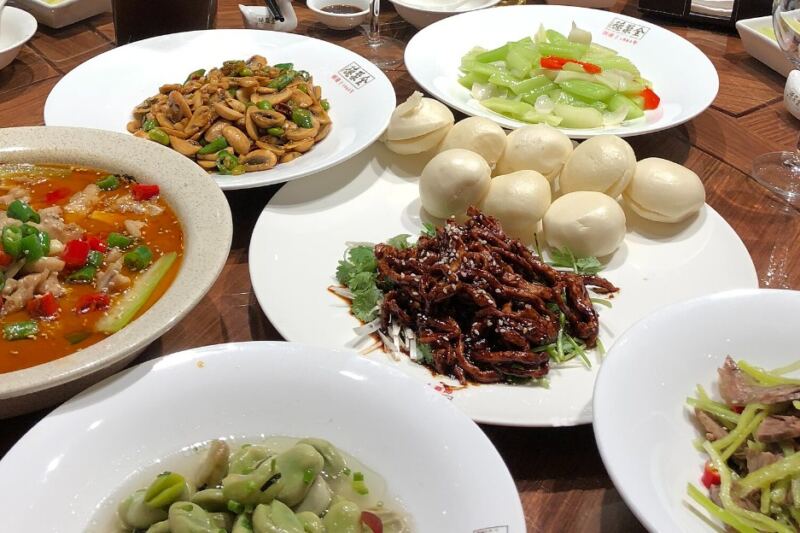
Africa is a continent full of rich cultures, vibrant traditions, and incredible food. From the spicy stews of West Africa to the slow-cooked tagines of Morocco, African cuisine offers some of the most flavorful and satisfying meals in the world.
Each dish tells a story about the people, land, and history behind it. Whether you are a curious foodie or just looking to expand your plate, these 15 African foods are absolutely worth knowing.
1. Jollof Rice – West Africa
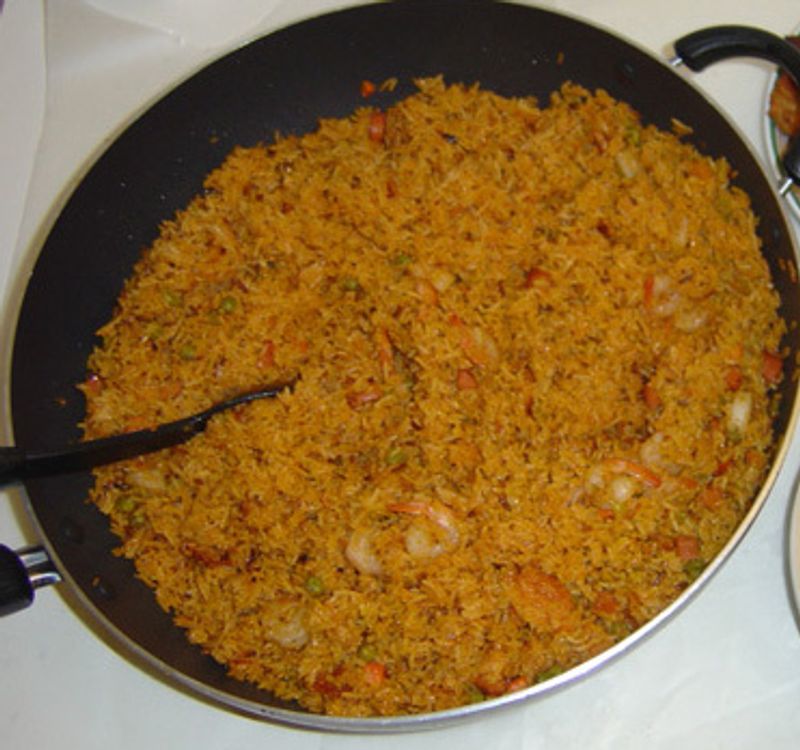
Few dishes spark as much friendly debate across West Africa as Jollof rice. Nigerians, Ghanaians, and Senegalese people all claim their version is the best, and honestly, the argument is part of what makes this dish so beloved.
Jollof rice is made by cooking long-grain rice in a rich tomato and pepper base seasoned with onions, garlic, and a blend of spices. The result is a deeply flavorful, smoky, and slightly spicy rice dish that pairs perfectly with grilled chicken, fried plantains, or beef.
It is a staple at celebrations, family gatherings, and everyday meals across the region. The secret to great Jollof is the “party rice” effect, where the bottom layer gets slightly charred, adding a smoky depth that makes every bite unforgettable.
No West African feast is complete without it.
2. Couscous – North Africa
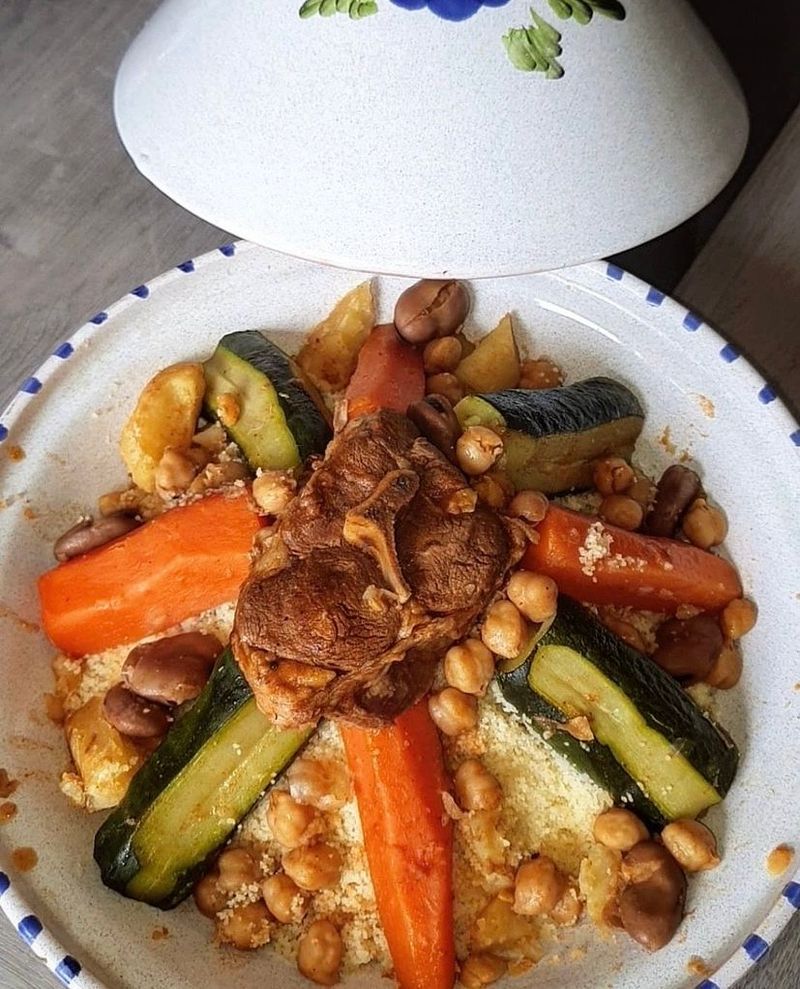
Couscous is one of North Africa’s most iconic staples, and it has been feeding families across Morocco, Algeria, and Tunisia for centuries. Made from tiny steamed granules of semolina wheat, it has a light, fluffy texture that soaks up sauces and broths beautifully.
Traditionally, couscous is served on Fridays after midday prayers in many North African households, making it deeply tied to cultural and religious life. It is typically topped with slow-cooked vegetables, lamb, or chicken and a rich, spiced broth poured generously over the top.
What makes couscous special is its versatility. You can dress it up with saffron and dried fruits for a festive meal, or keep it simple with olive oil and herbs for a quick weeknight dinner.
In 2020, UNESCO added couscous to its Intangible Cultural Heritage list, recognizing its cultural significance across the region.
3. Tagine – Morocco
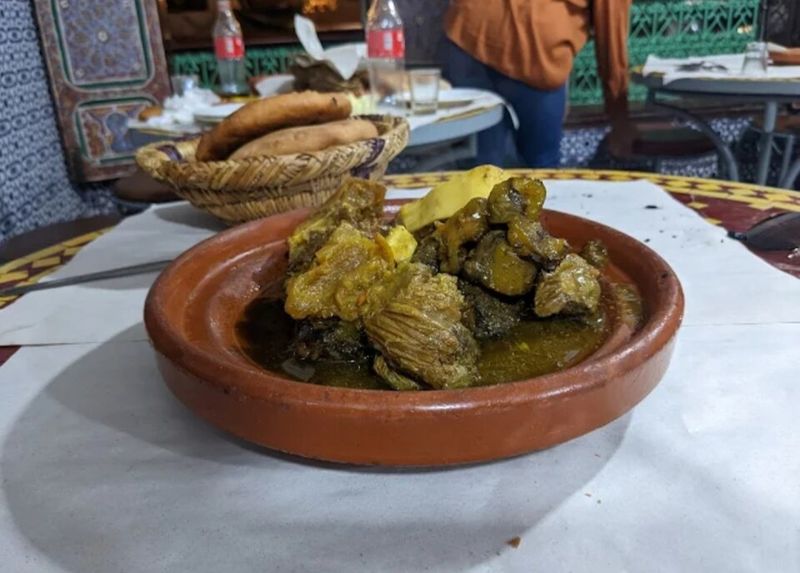
Named after the cone-shaped clay pot it is cooked in, tagine is Morocco’s gift to slow-food lovers everywhere. The unique design of the pot traps steam and returns moisture to the ingredients, creating incredibly tender, fall-off-the-bone meat with deeply layered flavors.
Common tagine combinations include lamb with prunes and almonds, chicken with preserved lemons and olives, or vegetables with chickpeas and aromatic spices like cumin, cinnamon, and turmeric. The sweet and savory balance in a well-made tagine is something truly special.
Tagine is more than just a recipe. It is a cooking method and a cultural experience.
In Moroccan homes, preparing tagine is often an all-day affair, with the pot sitting over low coals while families gather and conversation flows. Served with crusty bread for scooping, it is comfort food at its most elegant and satisfying.
4. Injera with Wat – Ethiopia and Eritrea
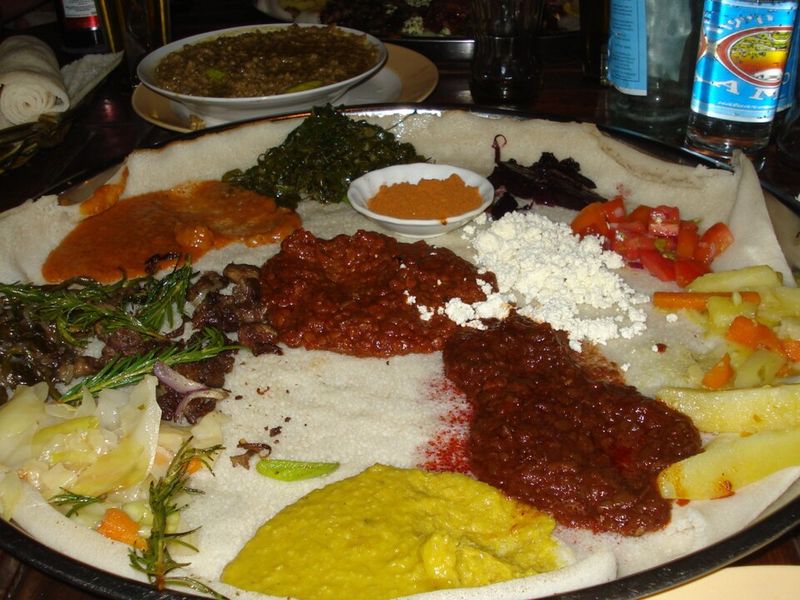
Eating injera with wat is more than a meal in Ethiopia and Eritrea. It is a shared experience.
Injera is a large, spongy flatbread made from teff flour, a grain native to the Ethiopian highlands. Its slightly sour taste comes from a natural fermentation process that takes a few days.
Wat refers to the thick, richly spiced stews served on top of the injera. Doro wat, made with chicken and hard-boiled eggs in a berbere spice sauce, is the most famous variety.
Lentil, beef, and vegetable versions are also common.
There are no utensils involved. Everyone tears pieces of injera and scoops up the stew with their hands, often eating from one shared platter.
This communal style of eating reflects the deep sense of togetherness in Ethiopian and Eritrean culture. Teff is also naturally gluten-sensitive-friendly, making injera a nutritious option for many diets.
5. Shakshuka – North Africa
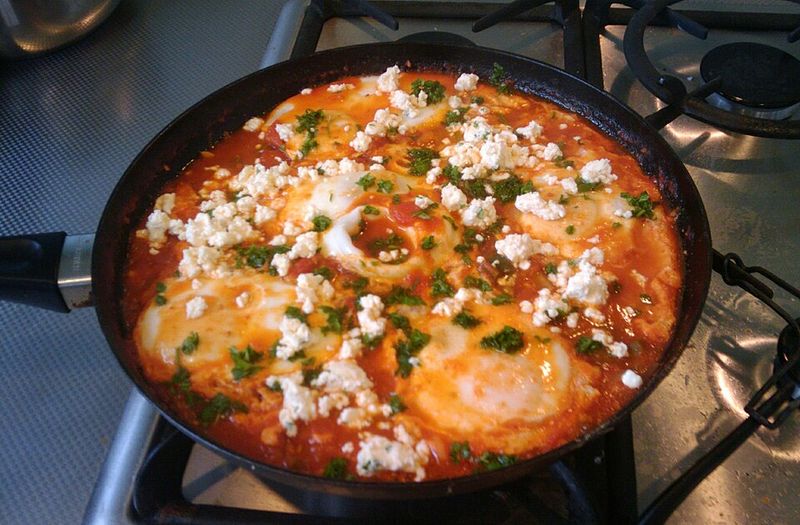
Shakshuka is one of those dishes that feels like a warm hug in a pan. Originating in North Africa, particularly Tunisia, this simple yet satisfying meal features eggs poached directly in a spiced tomato and pepper sauce.
The name comes from an Arabic word meaning “mixture” or “all mixed up.”
The base sauce is made with crushed tomatoes, onions, garlic, cumin, paprika, and chili, simmered until thick and fragrant. Eggs are then cracked right into the sauce and cooked until the whites are set but the yolks remain slightly runny.
Shakshuka is traditionally eaten for breakfast, but it works just as well for lunch or dinner. Served straight from the skillet with crusty bread for dipping, it is budget-friendly, quick to prepare, and endlessly customizable.
Crumbled feta, spinach, or merguez sausage are popular additions that make it even heartier.
6. Bunny Chow – South Africa
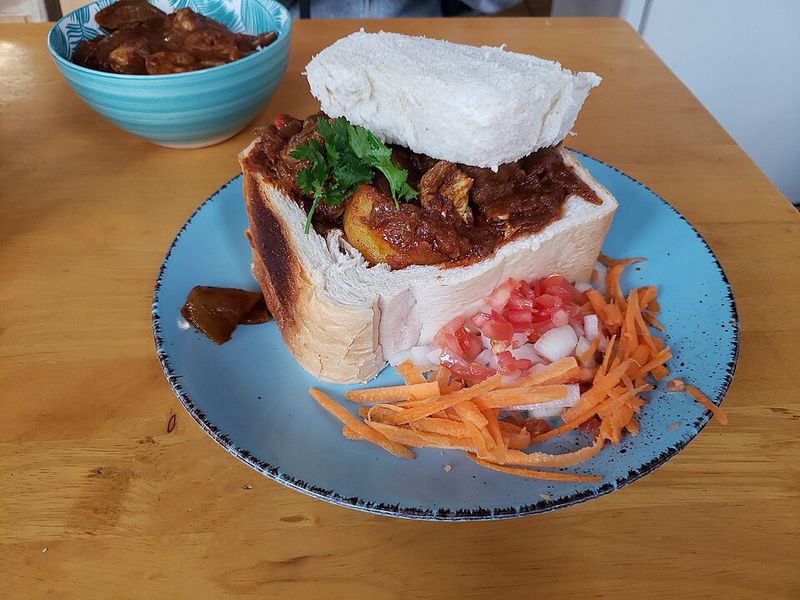
Bunny chow has one of the most creative origin stories in food history. Born in Durban, South Africa, this street food classic was invented by the Indian community during apartheid, when Black South Africans were not allowed to eat inside restaurants.
Vendors hollowed out bread loaves and filled them with curry so customers could carry their food away.
Today, bunny chow is a beloved national icon enjoyed by everyone. A half or quarter loaf of white bread is hollowed out and packed with spicy curry, typically made with chicken, lamb, or beans.
The bread “lid” sits on top and is used to scoop up the curry as you eat.
No utensils needed, and no plate required. The bread absorbs the rich curry sauce, making every bite soft, spicy, and deeply satisfying.
Visiting Durban without trying bunny chow is simply not an option for serious food lovers.
7. Bobotie – South Africa
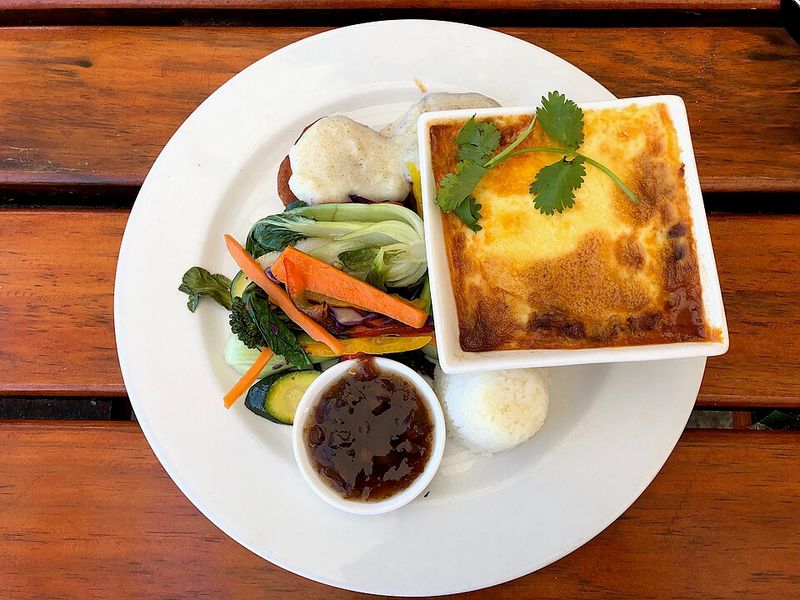
Bobotie is South Africa’s national dish, and it is unlike anything else on this list. A fragrant, baked meat dish with Cape Malay origins, bobotie combines spiced minced meat with a silky egg and milk custard topping.
The result is somewhere between a savory pie and a baked casserole.
The meat filling is seasoned with curry powder, turmeric, dried fruit, and often a splash of chutney, giving it a distinct sweet-savory flavor profile that surprises first-time eaters in the best way. Bay leaves are pressed into the top before baking, adding a subtle herbal aroma.
Bobotie is traditionally served with yellow rice cooked with turmeric and raisins, plus a side of chutney and sliced banana. Its flavor reflects South Africa’s multicultural history, blending Dutch, Malay, and indigenous cooking influences into one harmonious dish.
It has been part of South African cuisine since at least the 17th century.
8. Suya – Nigeria and West Africa
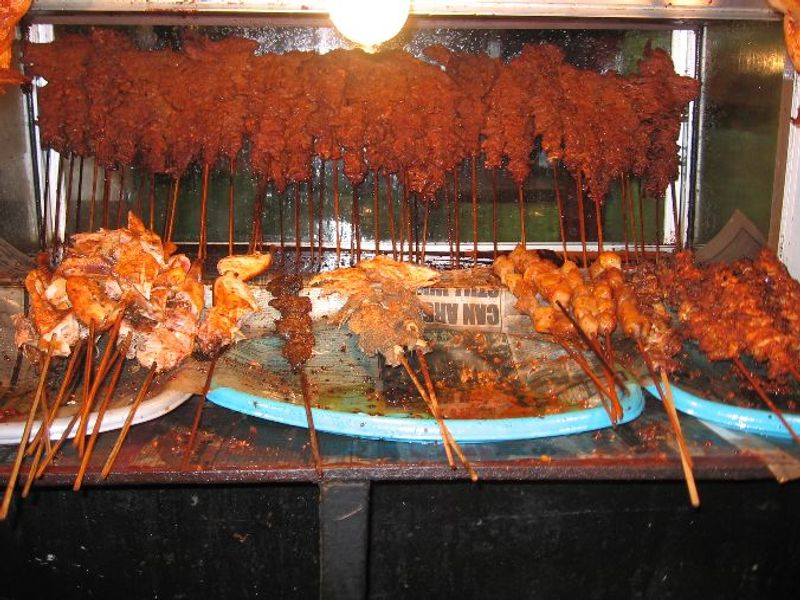
When the sun goes down in Lagos or Abuja, the smell of suya fills the air. This iconic Nigerian street food is made from thinly sliced beef, chicken, or ram, marinated in a bold spice blend called yaji, which includes ground peanuts, ginger, paprika, and garlic.
The meat is threaded onto skewers and grilled over an open charcoal fire by vendors known as “mai suya.” The high heat creates a smoky, slightly charred crust while keeping the inside juicy. Suya is typically served wrapped in newspaper with sliced raw onions, tomatoes, and extra yaji powder sprinkled on top.
Eating suya is a social ritual. People gather around street grills late at night, chatting and eating together.
The peanut-based spice coating gives suya a nutty heat that is completely addictive. It has spread well beyond Nigeria and is now popular across West Africa and even in African diaspora communities worldwide.
9. Fufu – West and Central Africa
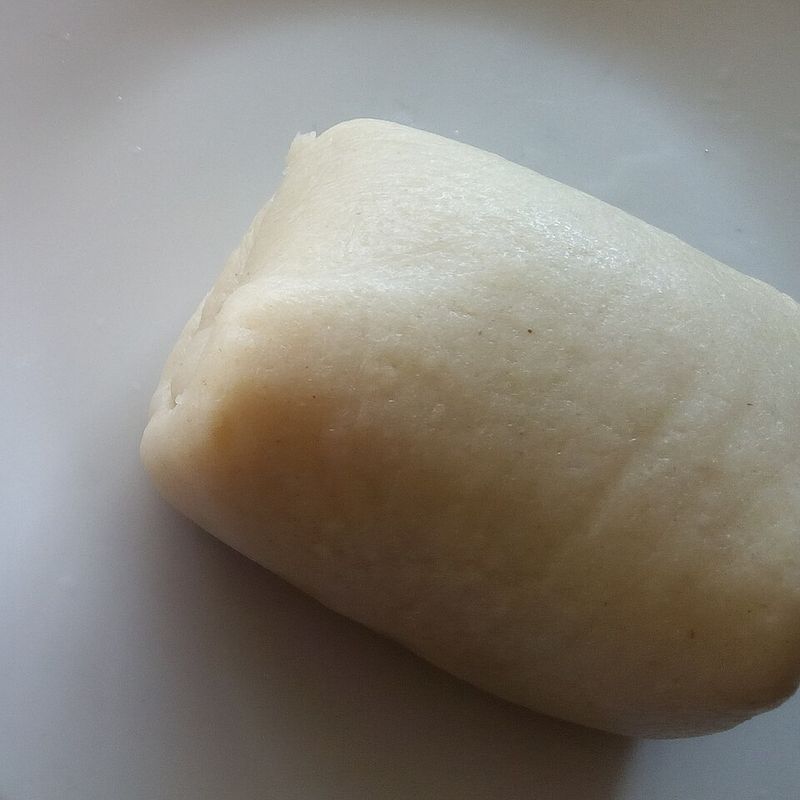
Fufu is one of the most widely eaten foods across West and Central Africa, and for many people, it is the definition of home cooking. Made by boiling and pounding starchy vegetables like cassava, yams, or plantains until they form a smooth, stretchy dough, fufu has a dense, satisfying texture that is unlike anything in Western cuisine.
You do not chew fufu so much as swallow it. Small balls are pinched off, formed into a scoop shape, and dipped into soups like egusi, palm nut soup, or groundnut stew.
The fufu absorbs the rich flavors of the soup while providing a filling, starchy base.
Fufu is deeply tied to identity and tradition in countries like Ghana, Nigeria, Cameroon, and the Democratic Republic of Congo. Many families still make it the traditional way, pounding it in a large wooden mortar, though instant fufu powder has made it more accessible for busy modern households.
10. Thieboudienne – Senegal
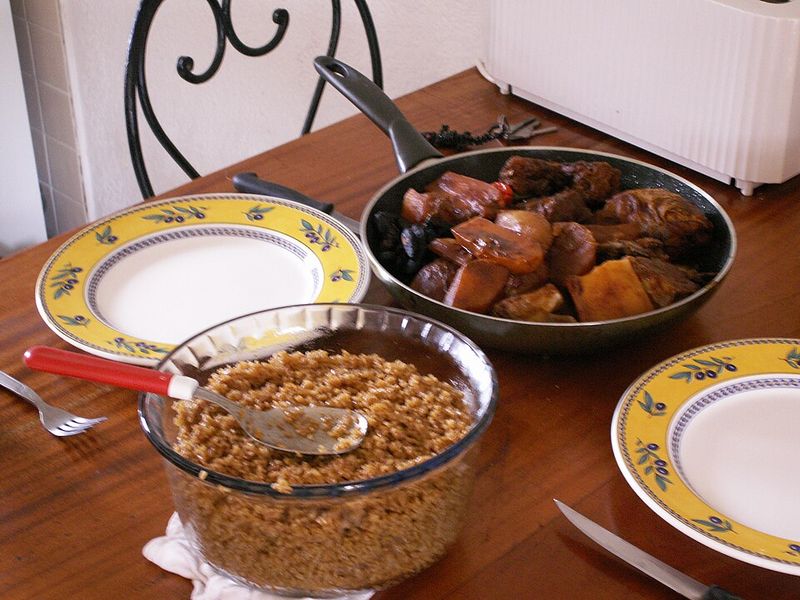
Thieboudienne, often called the national dish of Senegal, is a bold and colorful one-pot meal that showcases the richness of West African coastal cooking. The name translates roughly to “rice and fish” in the Wolof language, which is a simple description for a dish that is anything but simple in flavor.
Fish, usually whole and stuffed with a herb and spice paste called rof, is cooked in a thick tomato-based sauce along with an array of vegetables like cassava, carrots, cabbage, and eggplant. The rice is then cooked in that same flavorful broth, soaking up every bit of color and taste.
Traditionally served on a large communal platter, thieboudienne is meant to be shared. Families and friends sit together and eat from the same dish, a practice that reinforces community bonds.
In 2021, UNESCO recognized thieboudienne as an Intangible Cultural Heritage of Humanity, cementing its place in world food history.
11. Koshari – Egypt
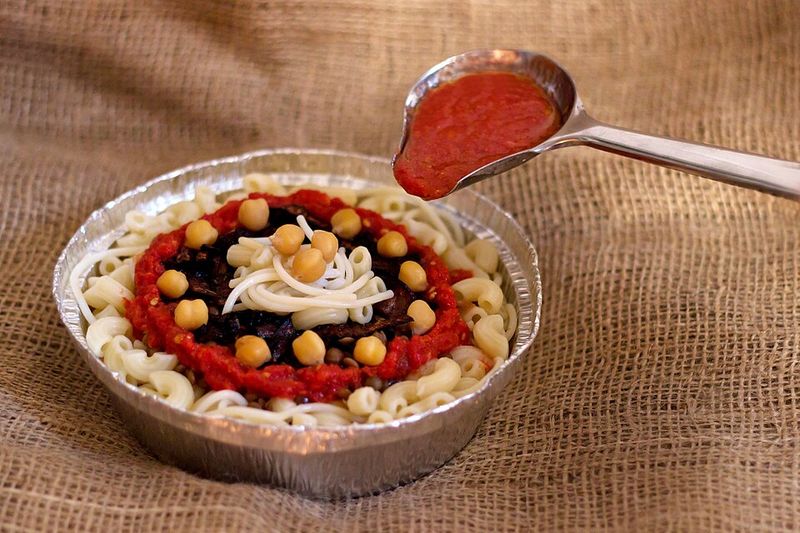
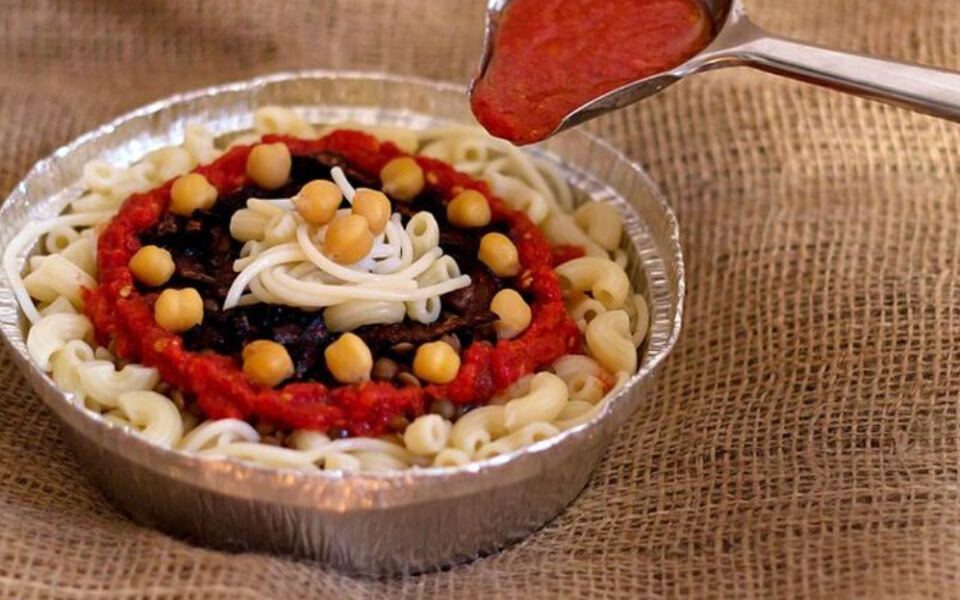
Koshari is Egypt’s ultimate comfort food, and it proves that great flavor does not require meat or expensive ingredients. This beloved street food dish layers rice, brown lentils, and macaroni in a bowl, then tops everything with spiced tomato sauce, garlic vinegar dressing, and a generous pile of crispy fried onions.
The combination sounds unusual at first, but the textures and flavors work together in a surprisingly harmonious way. The chewy pasta, earthy lentils, fluffy rice, and crunchy onions create a dish that is hearty, filling, and deeply satisfying.
A spoonful of hot sauce on top brings everything together.
Koshari is sold from dedicated shops and street carts across Cairo and beyond, often served at lightning speed by vendors who have perfected the assembly. It is entirely plant-based, affordable, and packed with protein and fiber.
Many food historians believe koshari developed in the 19th century from a mix of Indian, Italian, and Egyptian culinary influences.
12. Ugali – East Africa
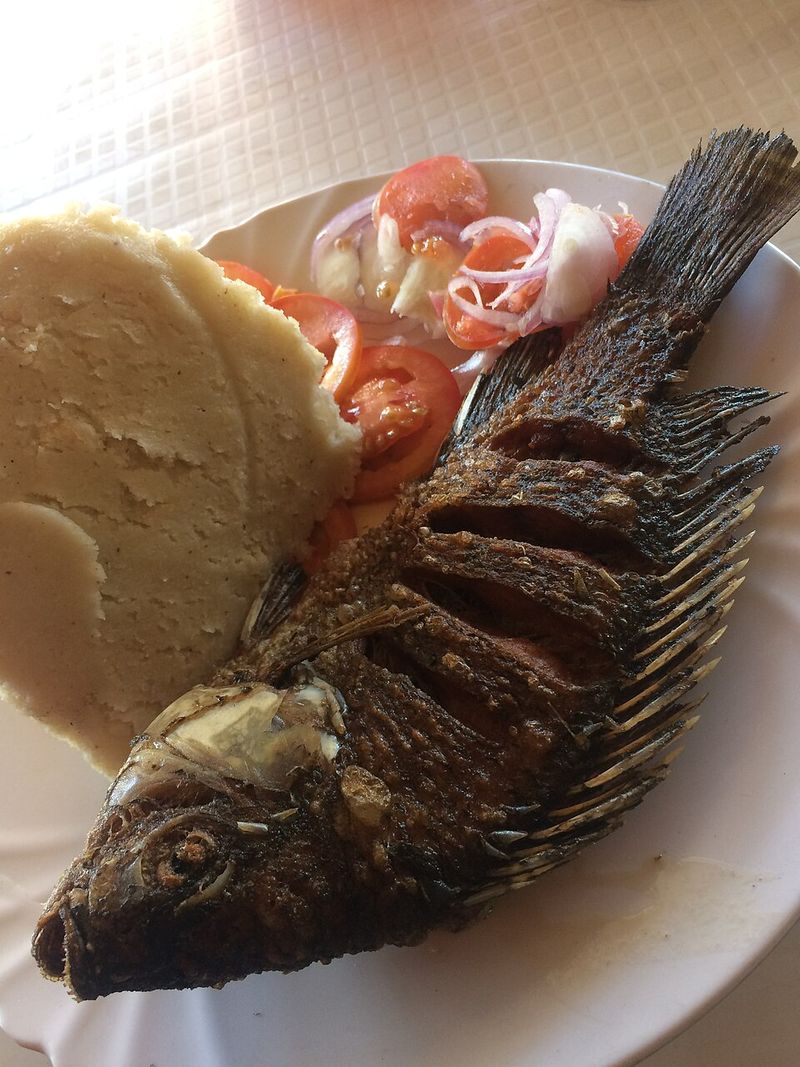
Ugali is the backbone of meals across East Africa, particularly in Kenya, Tanzania, and Uganda. Made by stirring white maize flour into boiling water until it forms a thick, firm porridge, ugali is simple in preparation but central to daily life for millions of people.
The texture is firm enough to hold its shape when scooped by hand. Diners pinch off a small piece, roll it into a ball, make a small indentation with the thumb, and use it to scoop up stews, vegetables, or fish.
Common accompaniments include sukuma wiki, a sauteed collard greens dish, and nyama choma, which is grilled meat.
Ugali is not just food. It is a cultural anchor.
In Kenya, a meal without ugali is often not considered a proper meal at all. It is economical, filling, and deeply familiar.
Variations exist across the continent under different names, including sadza in Zimbabwe and pap in South Africa.
13. Moambe Chicken – Central Africa
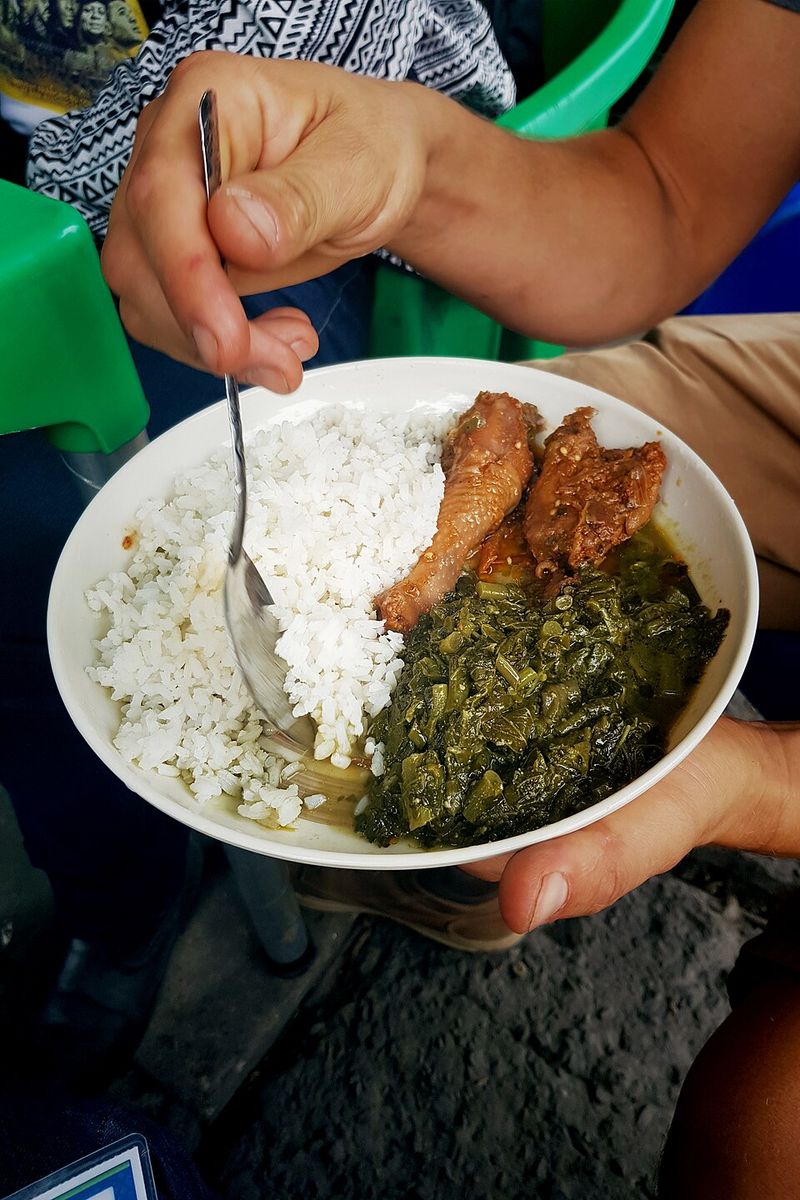
Moambe chicken is often called the national dish of the Democratic Republic of Congo, and it holds a special place in the hearts of people across Central Africa. The star ingredient is palm butter, a thick, orange-red paste made from palm fruit that gives the dish its distinctive rich flavor and deep color.
Chicken pieces are slow-cooked in this palm butter sauce along with onions, garlic, chili, and sometimes okra, until the meat is incredibly tender and coated in a glossy, aromatic sauce. The result is deeply savory with a subtle earthiness that is unlike any other stew.
Moambe chicken is traditionally served over white rice or with fufu, and it is a dish that brings families together for long, relaxed meals. Palm butter can be found in African grocery stores in many countries, making it possible to recreate this Central African classic far from home.
It is comfort food with deep cultural roots.
14. Pastilla – Morocco
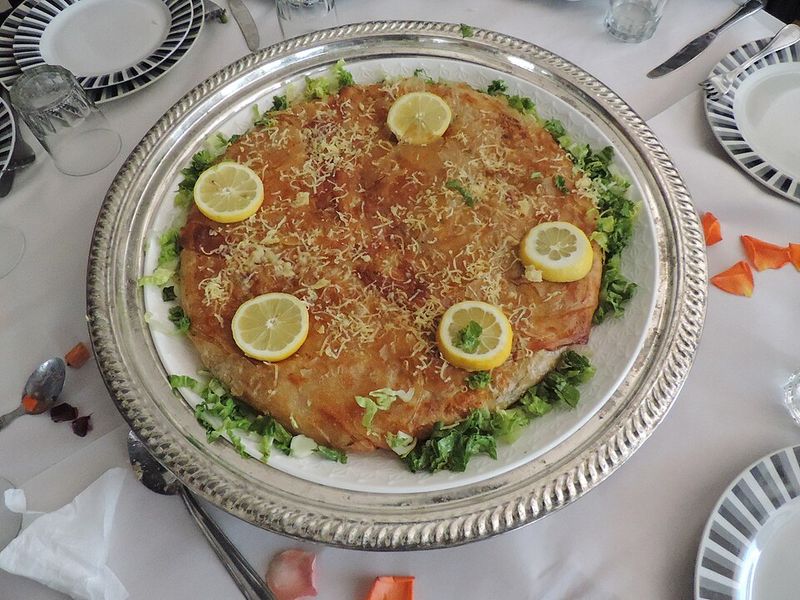
Pastilla is one of the most theatrical dishes in Moroccan cuisine. Also spelled bastilla or b’stilla, this elaborate savory pie is traditionally made with pigeon meat, though chicken is now more common.
The filling is a remarkable mix of shredded meat, beaten eggs, and toasted almonds, all seasoned with saffron, cinnamon, and fresh herbs.
The filling is wrapped in paper-thin warqa pastry, similar to phyllo dough, and baked until golden and crispy. Then comes the finishing touch: a dusting of powdered sugar and cinnamon over the top.
That sweet-savory contrast is what makes pastilla unforgettable.
Originally a royal dish served at Moroccan palace banquets, pastilla is still prepared for weddings, celebrations, and special occasions. Making it from scratch is a labor of love that can take hours.
Each bite delivers a satisfying crunch followed by a rich, fragrant filling that is unlike anything else in the African food landscape.
15. Biltong – Southern Africa
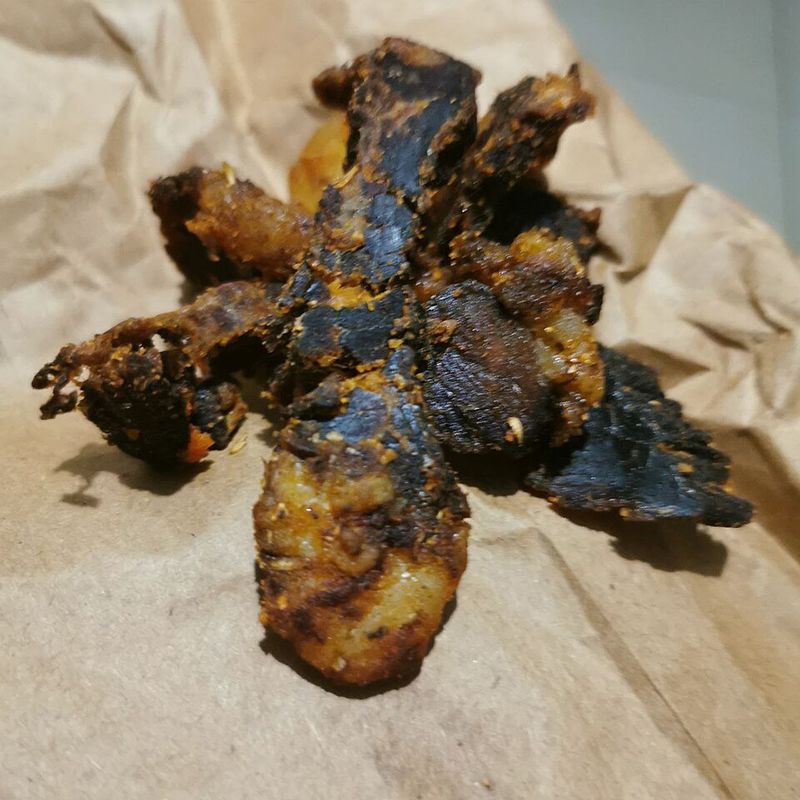
Long before protein bars existed, Southern Africans had biltong. This air-dried, cured meat snack has been a staple in South Africa, Zimbabwe, and Namibia for centuries, originally developed by indigenous peoples and later adopted by Dutch settlers known as the Voortrekkers, who relied on it during long journeys across the continent.
Biltong is made by slicing raw beef, game, or ostrich meat into thick strips, coating them in salt, vinegar, and spices like coriander and black pepper, then hanging them to dry for several days. The result is a dense, chewy, intensely flavored snack that is high in protein and low in carbohydrates.
Unlike beef jerky, biltong is thicker and less sweet, with a more complex, tangy flavor from the vinegar cure. It is sold in bags, sliced to order in shops, or made at home using a small drying box.
Biltong culture is so strong in South Africa that many expats consider it the food they miss most.
Share this story