Oceania has a reputation for being one of the priciest regions on Earth to explore, but that story is not the whole picture. Plenty of destinations across the Pacific reward travelers who plan smart, choose locally run accommodation, and lean into free outdoor attractions.
From Fiji’s backpacker-friendly islands to New Zealand’s walkable cities, the region offers real value when you know where to look. These 14 places prove that memorable Pacific adventures do not have to come with a luxury-resort price tag.
Nadi, Fiji
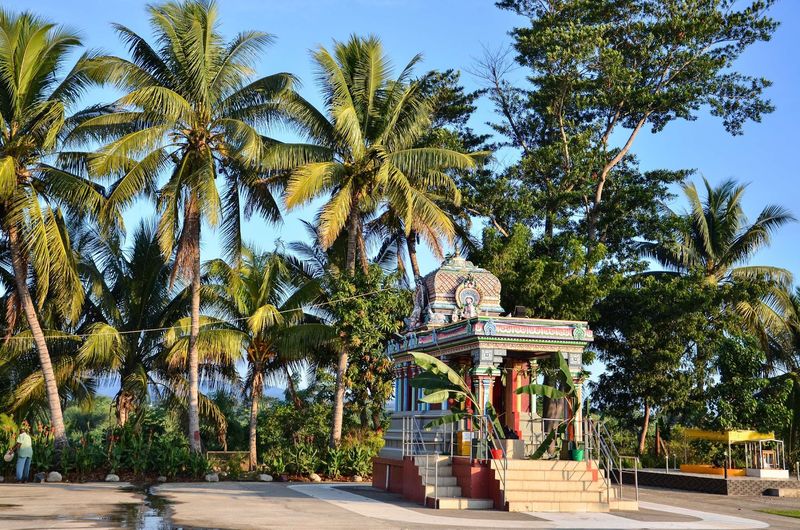
Forget the idea that Fiji only works if you splash out on a private island resort. Nadi is where most international flights land, and it quietly doubles as one of the country’s best spots for keeping daily costs under control.
Wailoaloa Beach draws backpackers with affordable bars, casual eateries, and guesthouses that won’t make your wallet cry.
Eating at local restaurants and browsing the market instead of resorting to resort buffets can slash your food budget significantly. Nearby, the Sabeto mud pools offer a genuinely fun and cheap afternoon out.
The Garden of the Sleeping Giant adds a lush, photogenic stop that costs very little to enter.
Nadi also functions as Fiji’s main transport hub, so you can plan island hops or day trips across Viti Levu without being locked into a pricey package deal. That flexibility is a real advantage.
Staying a few nights here before moving on means you get your bearings without burning through cash on arrival.
Coral Coast, Fiji
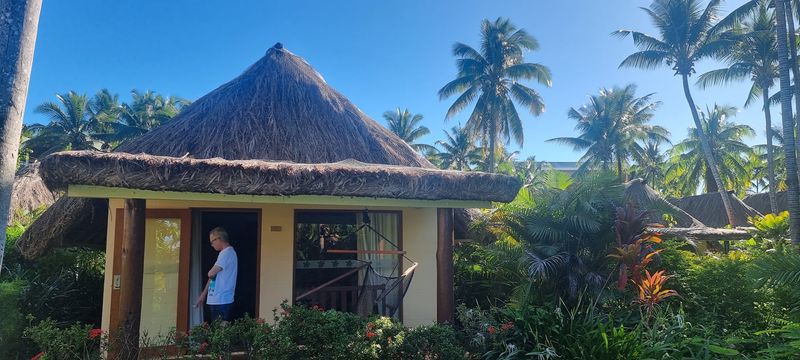
Stretching roughly 80 kilometers along southern Viti Levu, the Coral Coast is the kind of place budget travelers quietly bookmark and then never stop talking about afterward. Public buses rumble along the main road at a fraction of the cost of private transfers, passing coastal villages and swaying palms the whole way.
Sigatoka’s produce market is a genuine highlight. You can fill a bag with tropical fruit for next to nothing, which is a welcome change from paying resort prices for a fruit platter.
The Sigatoka Sand Dunes, Fiji’s first national park, add a dramatic landscape that feels surprisingly out of place on a tropical island.
Backpacker lodges and homestay options are dotted throughout the region, giving travelers real choices beyond full-service resorts. Snorkeling off accessible beaches is free, and village visits offer cultural depth that organized tours cannot always replicate.
The Coral Coast rewards slow travel: the longer you stay, the more the value stacks up and the less you feel like you’re rushing anywhere.
Yasawa Islands, Fiji
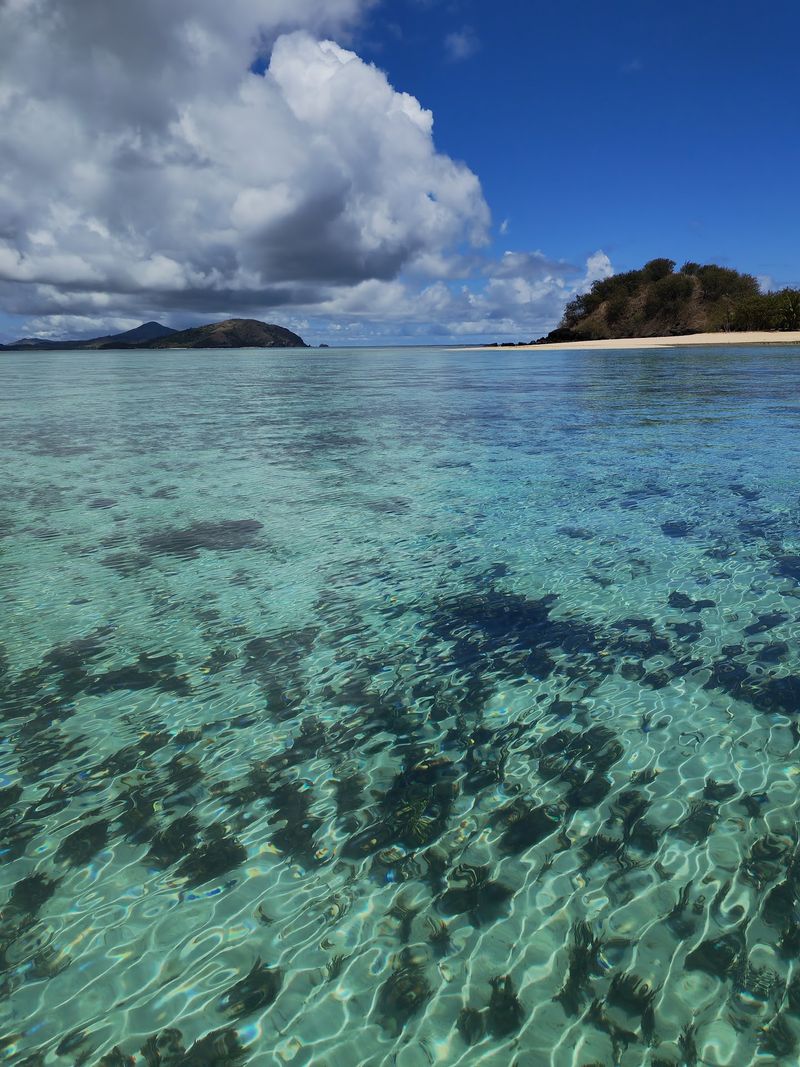
At first glance, the Yasawas look like they belong on a luxury travel magazine cover, all volcanic peaks and impossible blue water. Surprisingly, this island chain is one of Fiji’s most recognized backpacking routes, with small beachfront lodges scattered across the group that cater to travelers on realistic budgets.
The Sawa-i-Lau Caves are one of those rare natural attractions that feel genuinely spectacular without costing a fortune. Swimming through the limestone chambers is an experience that sticks with you.
Manta ray sightings during the right season add another layer of wow without requiring an expensive chartered boat.
Village visits, beach days, and snorkeling fill the hours between ferry connections. Speaking of ferries, budgeting carefully for those inter-island transfers is important because they add up.
Still, travelers who choose simple accommodation and spend most of their time in the water or on the sand will find the Yasawas deliver a genuinely breathtaking Pacific experience at a fraction of what overwater bungalows elsewhere would cost.
Savusavu, Fiji
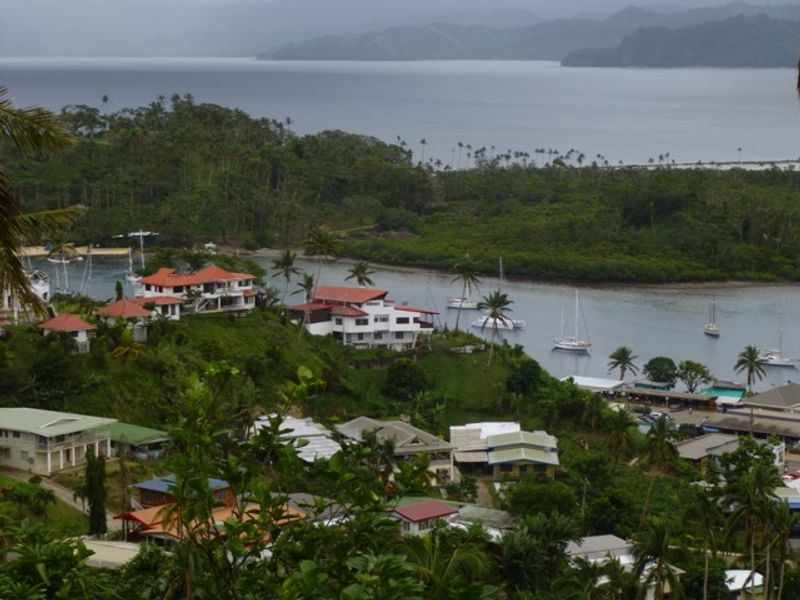
Savusavu has a personality that Nadi’s busier tourist strip simply cannot match. Tucked along a sheltered bay on Vanua Levu, this former copra trading town earned the nickname ‘hidden paradise’ from Fiji’s own tourism board, and spending even one afternoon wandering its waterfront makes it easy to see why.
Natural hot springs bubble up right along the shoreline, and you can soak your feet for free while watching fishing boats drift past. That kind of low-key magic is what Savusavu does best.
Local restaurants serve fresh seafood and Fijian staples at prices that feel refreshingly honest compared to resort dining.
Budget guesthouses and mid-range cottages mean you are not forced into choosing between a full-service resort or sleeping rough. Diving here is world-class, and renting gear for a guided session is the one area worth splurging on if your budget allows.
Otherwise, the bay, the town, and the surrounding hills offer enough atmosphere to keep curious travelers occupied for days without spending heavily on organized activities.
Upolu, Samoa
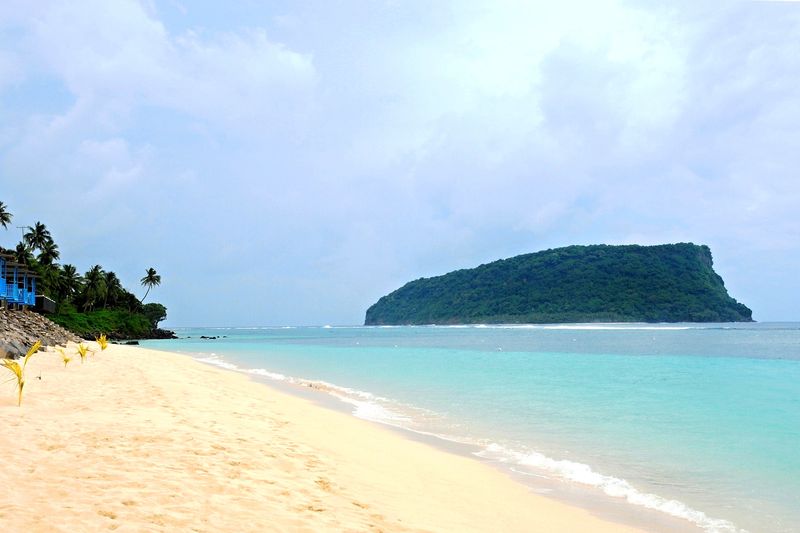
Samoa’s main island punches well above its weight for value-conscious travelers. Upolu is only about 75 kilometers long, which means beaches, waterfalls, mountains, and the capital city of Apia are all within easy reach without paying for multiple domestic flights or lengthy transfers between attractions.
Traditional beach fales are the real budget secret here. These open-sided shelters right on the sand often include meals in their modest nightly rate, giving travelers a genuinely immersive experience that costs far less than a conventional Pacific resort room.
Waking up to the sound of waves a few meters away while paying a fraction of resort prices feels like a travel cheat code.
Apia adds urban variety: local markets, museums, cafes, and a lively waterfront district fill rainy mornings or lazy afternoons. Waterfall hikes and snorkeling spots around the coast require little more than comfortable shoes and reef-safe sunscreen.
Samoa’s fa’a Samoa traditions and community spirit give the island a warmth that no luxury amenity can fully replicate for travelers who appreciate cultural connection alongside natural beauty.
Savai’i, Samoa
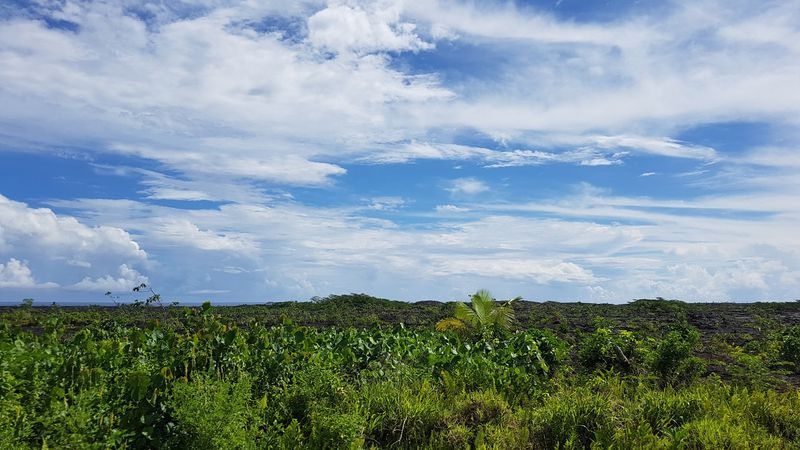
Savai’i is the kind of island that makes you feel like you have discovered something most travelers skip. As Samoa’s largest island and one of the biggest in the entire Pacific, it offers a scale of landscape that feels almost startling given how few tourists you’ll encounter on any given day.
Getting here from Upolu costs only a ferry ticket, which keeps your transport budget firmly in check. Once across, one main road loops most of the island past villages, lava fields, rainforest, and coastal attractions like the thundering Alofaaga Blowholes.
Watching ocean water shoot skyward through volcanic rock is completely free and completely unforgettable.
Locally run guesthouses and beach stays keep accommodation affordable, and the island’s relaxed pace means you won’t feel pressure to fill every hour with a paid excursion. Savai’i rewards the kind of travel where you stop whenever something looks interesting, chat with locals, and eat whatever is cooking at the nearest roadside spot.
That unhurried approach happens to be the cheapest approach too, which is a rare and satisfying coincidence.
Tongatapu, Tonga
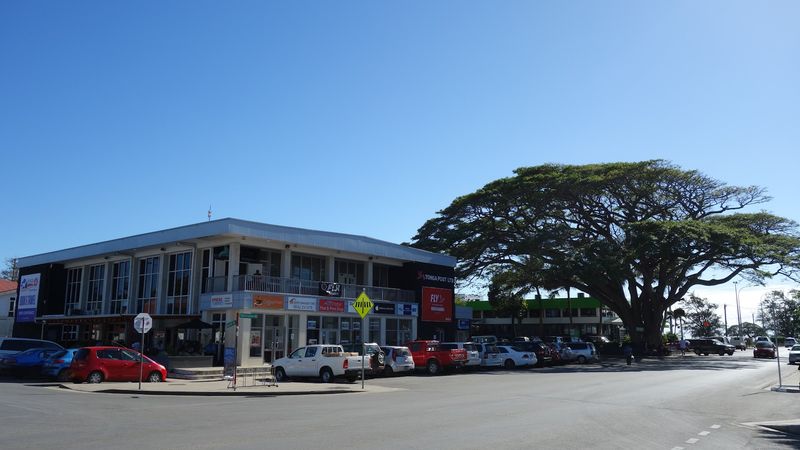
Tonga’s main island does not get the same Instagram attention as some of its Pacific neighbors, and that is genuinely good news for budget travelers. Less hype usually means lower prices, and Tongatapu delivers a surprisingly full itinerary without requiring expensive resort packages or organized multi-day tours.
The Ha’amonga ‘a Maui stone trilithon is one of the most fascinating ancient structures in the entire Pacific, often compared to Stonehenge in scale and mystery. Visiting it costs almost nothing.
Coastal blowholes, royal tombs, caves, and swimming areas add more stops to a self-guided circuit around the island.
Talamahu Market in the capital Nuku’alofa is a brilliant place to pick up local food, crafts, and a genuine sense of daily Tongan life. Around 70,000 people live on Tongatapu, so services, transport options, and independent guesthouses are far more accessible here than on the country’s smaller outer islands.
For travelers who want to experience Tonga without a private-island price tag, Tongatapu is the logical and financially sensible starting point.
Vava’u, Tonga
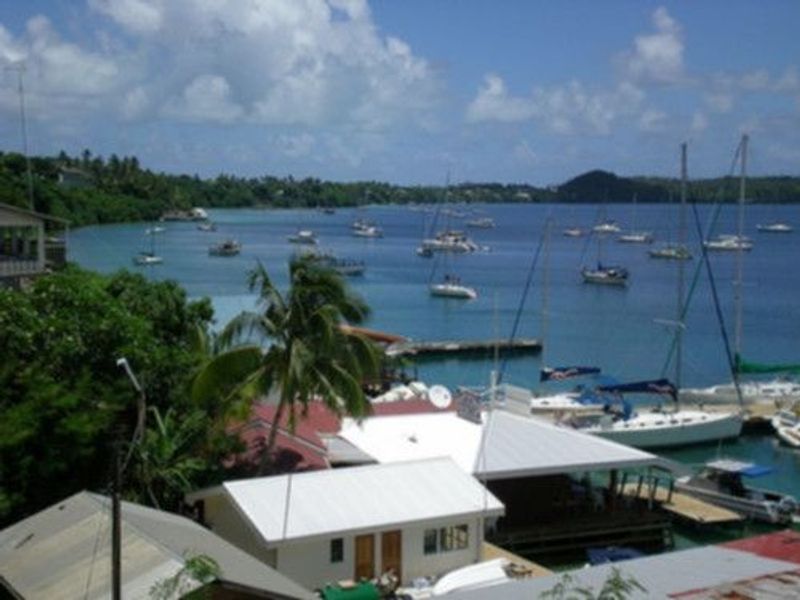
Yes, humpback whale-watching tours in Vava’u carry a notable price tag, and yes, they are worth it if your budget allows one big splurge. But here is what the brochures underplay: the rest of Vava’u is remarkably easy on the wallet and quietly spectacular in its own right.
Underwater visibility regularly reaches around 30 meters, making snorkeling from shore or a cheap kayak rental genuinely rewarding without paying for a full dive charter. Sea caves, sheltered coves, and the calm waterfront town of Neiafu provide days of exploration that cost very little.
Local restaurants along the harbor serve fresh fish at prices that reflect the local economy rather than tourist-resort margins.
Modest guesthouses keep accommodation costs manageable, and the unhurried pace of island life means you never feel like you need to rush from one paid activity to the next. The best strategy for Vava’u is simple: budget for one major experience, then fill the remaining days with swimming, wandering, and eating well at local spots.
That balance makes the island group genuinely excellent value despite its reputation for whale-tour spending.
Rarotonga, Cook Islands
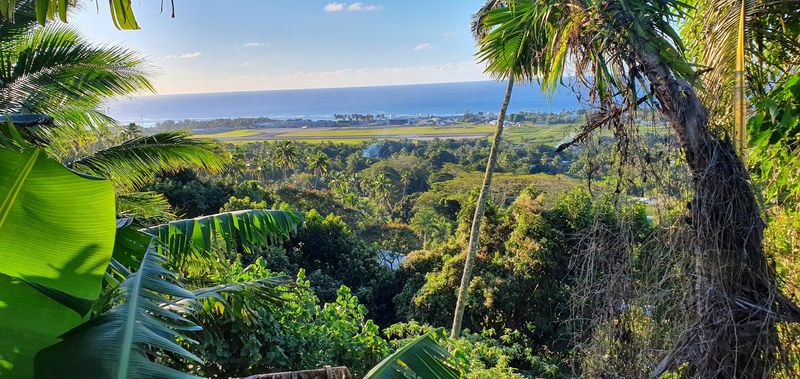
There is something almost perfectly designed about Rarotonga’s layout for independent travelers. The entire island is wrapped by a single coastal road, the interior rises into jungle-covered mountains laced with hiking trails, and a lagoon fringes the whole thing in shades of turquoise that seem digitally enhanced even in real life.
Cycling or scootering around the perimeter road takes only a couple of hours, making it one of the most satisfying and inexpensive ways to get oriented anywhere in the Pacific. Local markets sell fresh produce, crafts, and cooked food at prices that suit a tight budget.
Snorkeling in the lagoon is free, and the underwater scenery delivers without requiring a boat trip.
Cook Islands Tourism confirms accommodation options span a wide range, from holiday homes and apartments to guesthouses, which gives self-catering travelers a genuine alternative to premium beachfront resorts. The Cook Islands are not ultra-cheap by Pacific standards, but smart accommodation choices make an enormous difference.
Rarotonga’s compact size means you spend more time enjoying and less time commuting between attractions, which is its own kind of budget efficiency.
Aitutaki, Cook Islands
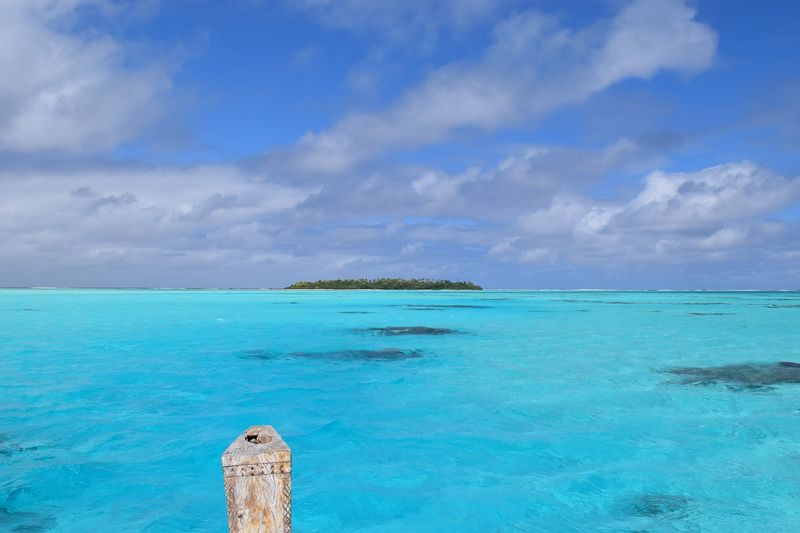
Aitutaki’s lagoon has been called one of the most beautiful in the world so many times that it almost sounds like marketing copy, except that the moment you actually see it, you understand why people keep repeating it. Fifteen tiny motu dot the turquoise expanse, and the whole scene genuinely looks unreal from above.
The island’s reputation as a honeymoon hotspot can make budget travelers assume it is off-limits, but that assumption is wrong. The official tourism authority confirms that accommodation options exist well beyond overwater villas and high-end bungalows.
Staying in a locally run guesthouse and renting a bicycle or scooter to explore the main island yourself is both cheaper and more interesting than a packaged day tour.
The main extra cost to factor in is the 50-minute flight from Rarotonga, which adds to the overall trip budget but is unavoidable. Once on the island, however, beach time is free, local restaurants are reasonably priced, and spending longer rather than rushing through on a day trip dramatically improves the value equation.
Aitutaki rewards the traveler who stays an extra night or two.
Whanganui, New Zealand
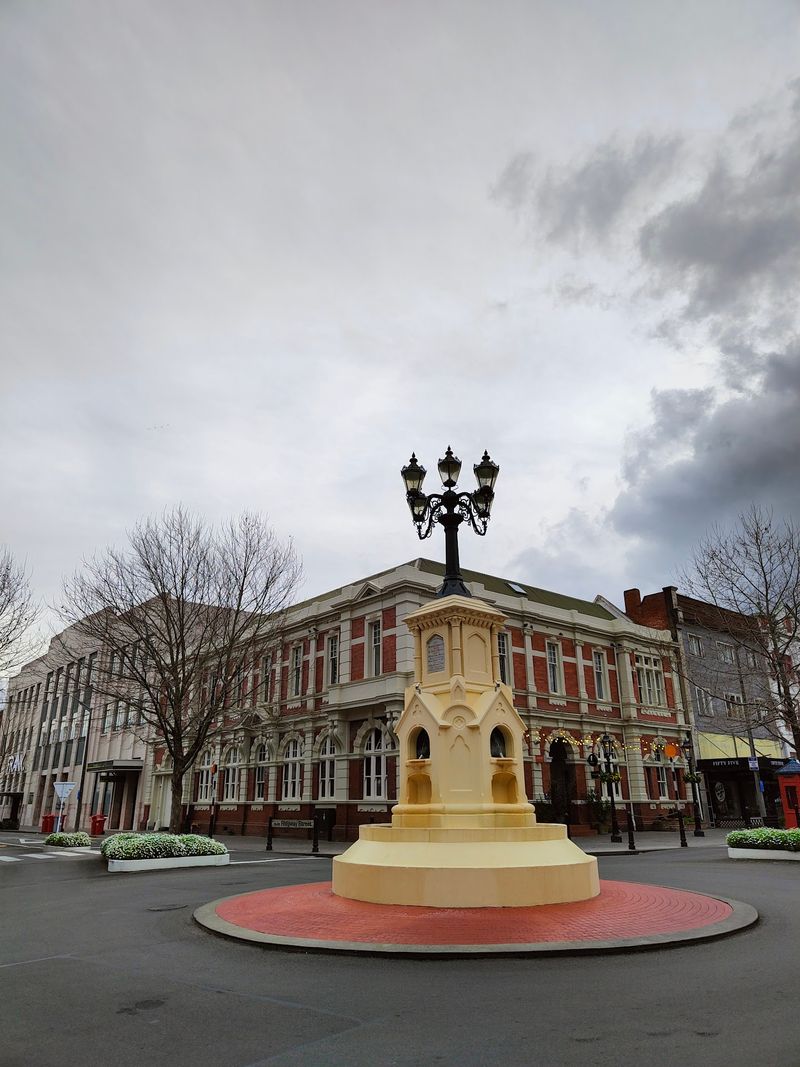
New Zealand has a well-earned reputation for being expensive, so finding a city where free attractions genuinely fill your itinerary feels like stumbling on a loophole. Whanganui is that loophole.
The regional museum offers free entry, including significant Maori collections and regional history displays that would cost serious money to access in many comparable international cities.
The Whanganui River gives the whole city its character, and walking along its banks costs exactly nothing. Heritage architecture lines the streets in the compact center, while public art installations and community gardens add visual interest at every turn.
Black-sand beaches are only a short drive away, adding a coastal dimension that many visitors do not expect from an inland river town.
Accommodation here tends to be priced well below New Zealand’s most famous tourist centers, which is a significant practical advantage when you factor in nightly costs over a longer trip. Whanganui suits travelers who prefer wandering, observing, and absorbing atmosphere over booking adventure packages.
The city has a genuine creative energy fed by its arts community, and that energy is entirely free to experience whenever you step outside.
Dunedin, New Zealand
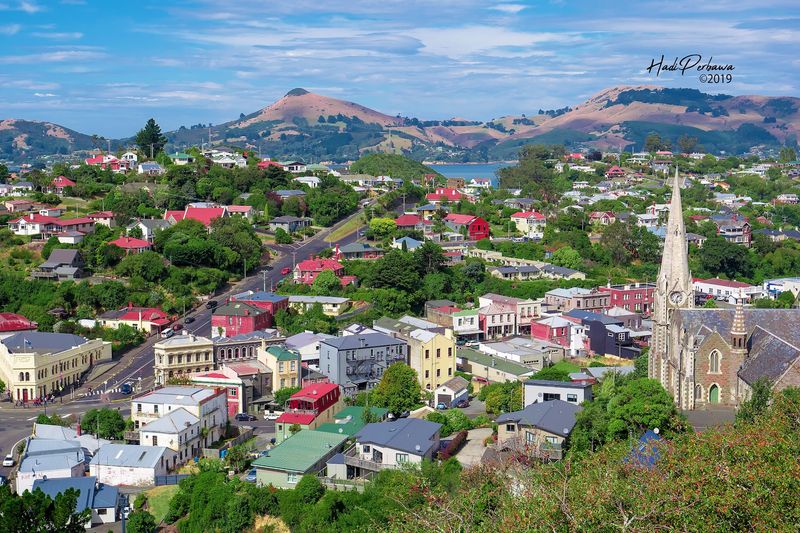
Dunedin has a dry wit about itself that matches perfectly with budget travel. It is not trying to be flashy, and that unpretentious character extends to how accessible most of its best experiences actually are.
The city is highly walkable, and Tourism New Zealand backs this up by pointing to Victorian and Edwardian streetscapes, public art, beaches, and the wild Otago Peninsula as core reasons to visit.
The Tunnel Beach Walk is a roughly one-hour return route through dramatic sandstone coastal scenery, and it costs nothing to walk. The Pineapple Track climbs to elevated views over the city and surrounding plains without requiring a guided tour or a ticket.
Dramatic cliffs and wildlife viewpoints on the Otago Peninsula can also be reached and enjoyed independently.
Paid penguin and albatross experiences are genuinely excellent but entirely optional. Dunedin works as a budget destination precisely because so much of what makes it special, the architecture, the beaches, the peninsula views, the street art, is simply there for the looking.
Students from the university give the city a lively, unpretentious energy, and the cafe and bar scene reflects that with prices that tend to stay grounded.
Adelaide, Australia
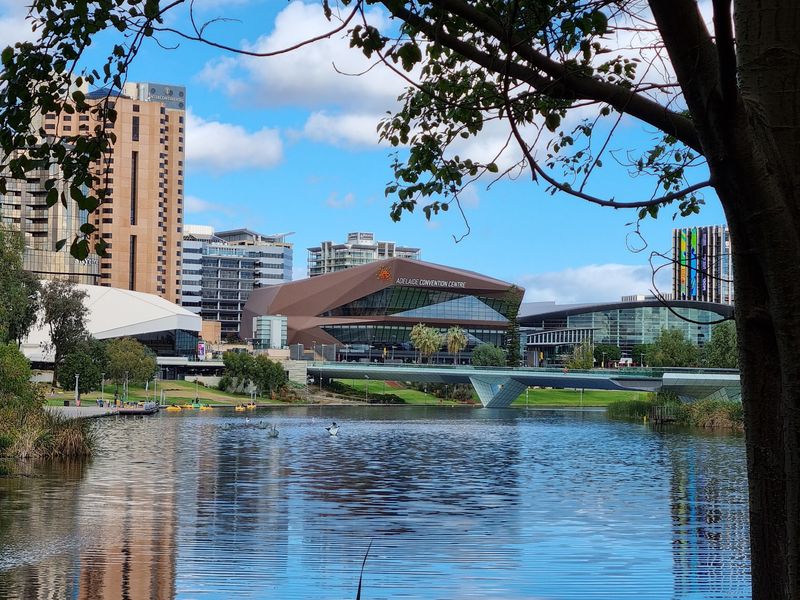
Australia is not a country that typically appears on budget travel lists, so Adelaide’s genuinely free transport options feel like a small rebellion against the country’s expensive reputation. Buses and trams within parts of the central city run at no cost to passengers, and the tram line stretches all the way to Glenelg Beach without charging a single fare.
Glenelg itself delivers a full beach afternoon for free: swimming, walking along the esplanade, watching the sunset, and people-watching at the waterfront all require nothing but your presence. Back in the city center, Adelaide’s parklands wrap the entire CBD in green space that locals use daily for picnics, exercise, and events.
The Adelaide Central Market is a sensory highlight that costs nothing to wander through and very little to eat well at.
Street art, colonial architecture, and public plazas fill the compact center with visual interest that suits aimless exploration. Accommodation requires careful comparison shopping since prices vary widely, but the free transport and beach access significantly reduce what you spend once you have arrived.
Adelaide rewards slow, curious travelers who enjoy a city on foot more than they enjoy ticking off ticketed attractions.
Taveuni, Fiji
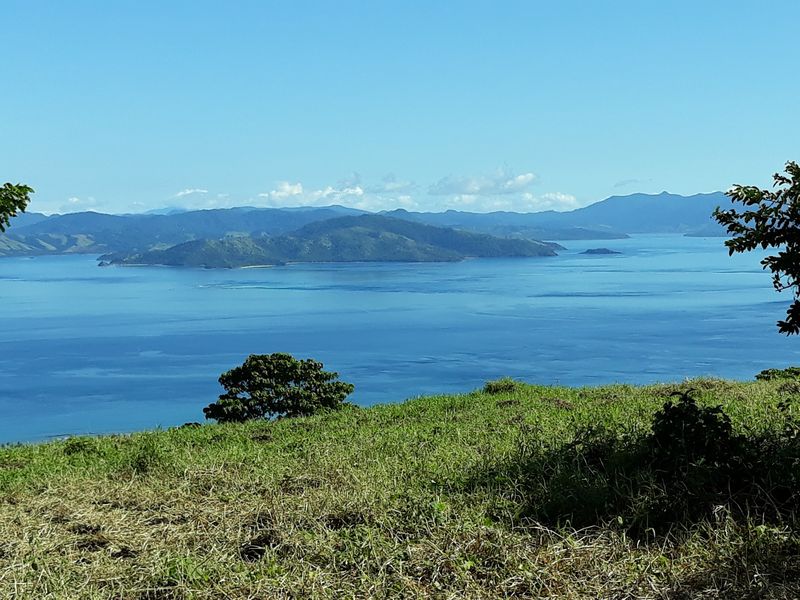
Taveuni earned the nickname ‘Garden Island’ honestly. Dense tropical rainforest blankets most of it, waterfalls tumble through the interior, and the coastline switches between volcanic rock and quiet beaches with very little tourist infrastructure in between.
For travelers who genuinely prefer hiking to happy hours, this island makes immediate sense.
The Lavena Coastal Walk runs about six kilometers through a landscape that combines village life, coastal scenery, and forested terrain before ending at a waterfall and natural swimming pool. It is one of the most rewarding free walks in Fiji.
Bouma National Heritage Park adds more trail options and additional waterfalls for travelers who want to keep moving through the green.
Tourism Fiji specifically lists Taveuni as a backpacker-friendly destination, which means the accommodation infrastructure genuinely caters to travelers on modest budgets rather than expecting everyone to arrive by seaplane. The Rainbow Reef in the Somosomo Strait offers exceptional diving for those willing to add one paid experience, but it is a choice rather than a requirement.
Taveuni’s strongest appeal is its exceptional nature-to-cost ratio, a lot of genuine beauty for a comparatively small daily spend.
Share this story