Some old places in New Jersey do not wave for attention. They sit near everyday roads, easy to pass, then quietly remind you that local history is not tucked away in far-off capitals.
A house like this can turn a simple Somerset stop into a small puzzle, especially when its long life reaches back to the Revolution era and a hospital story that still gives the building weight. Keep reading, because this is the kind of unassuming New Jersey place that rewards curiosity more than speed.
A Somerset Museum With A Long Memory
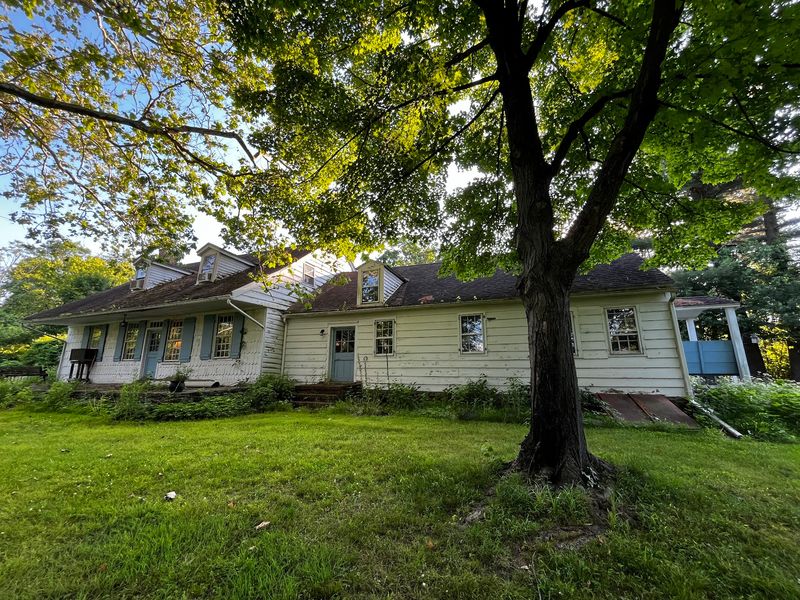
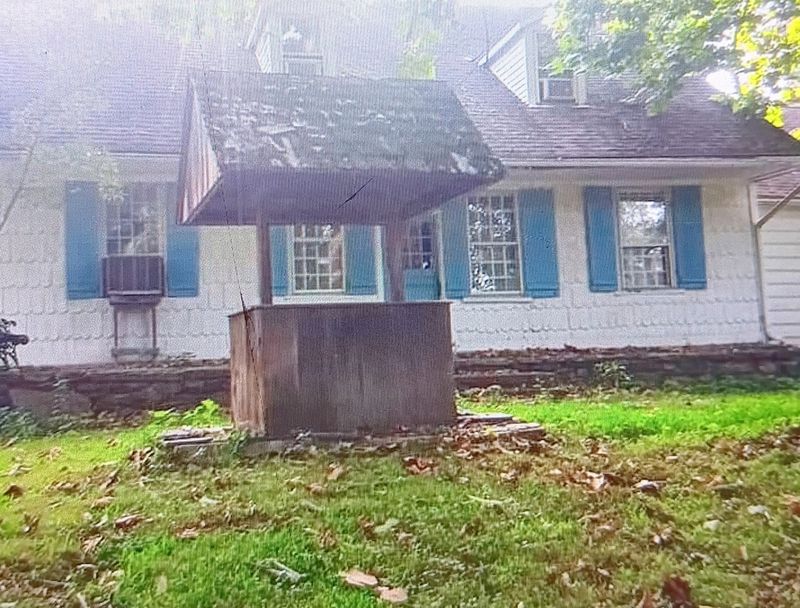
A plain address can carry a surprisingly long story, and Van Wickle House proves it at 1289 Easton Ave, Somerset, NJ 08873, in the United States.
The site is listed as a museum, which gives travelers a simple clue about how to approach it. Rather than treating the building as just another old structure, the museum identity asks people to slow down and read the place as a preserved piece of Somerset history.
Its age, tied to the article’s 272-year frame, places the house in a period when New Jersey was deeply connected to Revolution-era events. The hospital story gives the building a purpose beyond architecture alone.
For New Jersey readers, that matters. A local road can still lead to a chapter that feels bigger than the neighborhood around it.
A House That Hides In Everyday Somerset
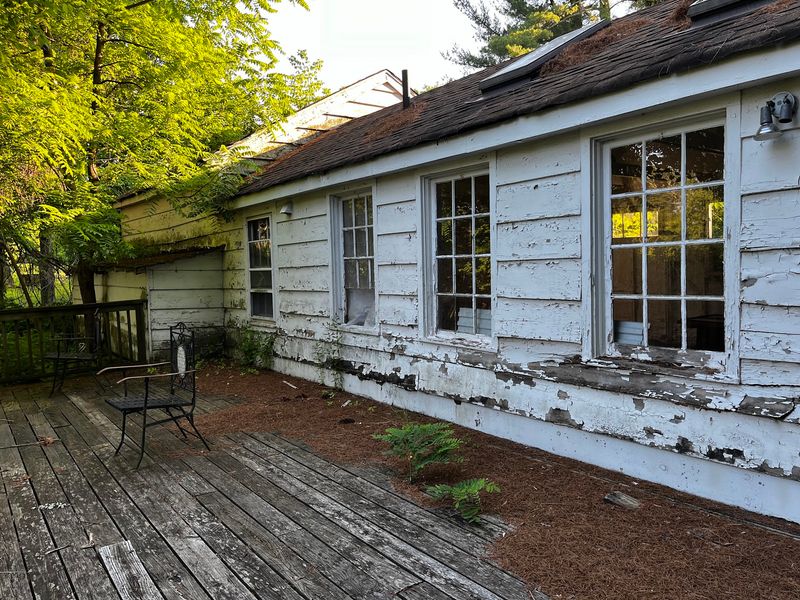
Easton Avenue is not the sort of name that instantly announces a major history lesson, which makes the Van Wickle House more interesting.
The setting works in the house’s favor. Somerset is a lived-in New Jersey community, not a stage set, so the building has to hold its own among the routines of local traffic, errands, and nearby development.
That contrast is part of the appeal. A destination does not need a dramatic approach road to be worth noticing, especially when its value comes from what it has carried through time.
The house feels best understood as a reminder that New Jersey history is often embedded in ordinary places. A person can pass close by without realizing that an 18th-century story is sitting near the route.
Curiosity, not spectacle, is the best tool to bring here.
The Revolution-Era Hospital Thread
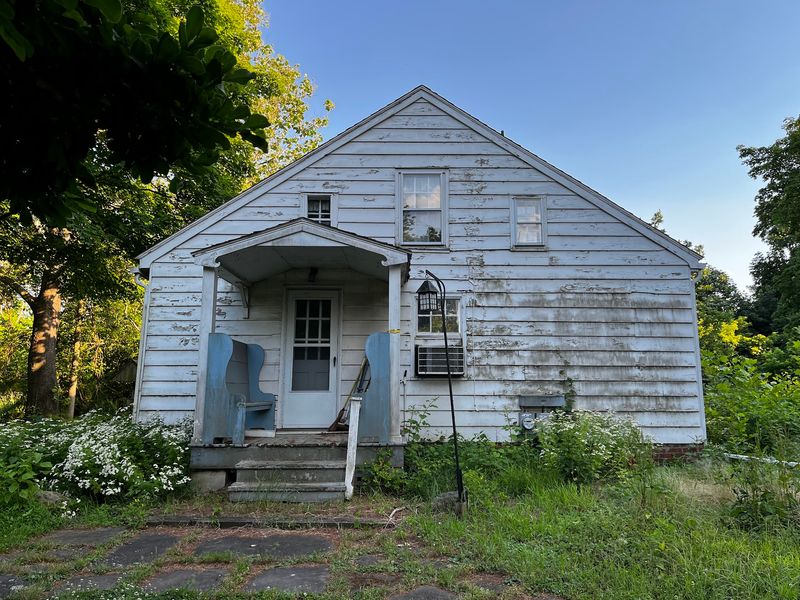
Few house stories stay interesting for nearly three centuries unless they connect to something larger than family walls and old boards.
The Van Wickle House stands out because its Revolution-era hospital association gives it a role in a broader New Jersey narrative. During that period, homes and public spaces often served practical community needs, and a house connected to hospital use points to how local buildings could become part of urgent wartime logistics.
The title’s hospital story should be read as the emotional center of the visit. It shifts attention away from simple age and toward service, adaptation, and the way a domestic space could take on public importance.
That idea makes the place more than a photo stop. It becomes a building that asks what New Jersey communities were asked to carry during a defining national moment.
Age That Feels Local, Not Distant
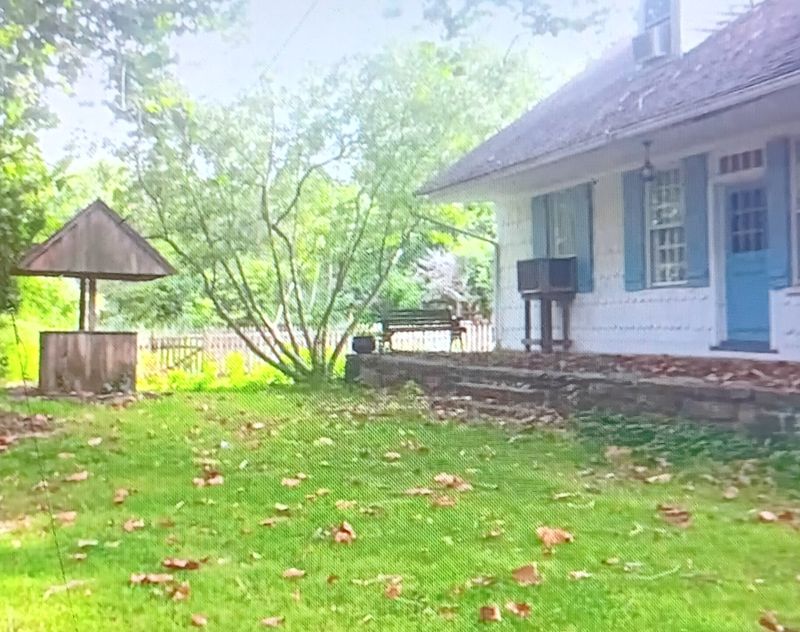
Two hundred seventy-two years sounds like a museum label until it is attached to a real house beside a real New Jersey road.
That number places the Van Wickle House in a long timeline. It reaches back before the United States became the country people recognize today, which gives the building a rare kind of local importance.
Old houses can sometimes feel abstract when their stories are reduced to dates. Here, the age works better as a bridge between daily Somerset life and the Revolution-era chapter connected to the property.
The most useful way to think about the house is not as frozen in time. It is a survivor of change, a structure that has remained identifiable while the surrounding community moved forward.
New Jersey has many fast-moving corridors, but places like this give the state a slower page to turn.
Museum Status Without The Big-Museum Fuss
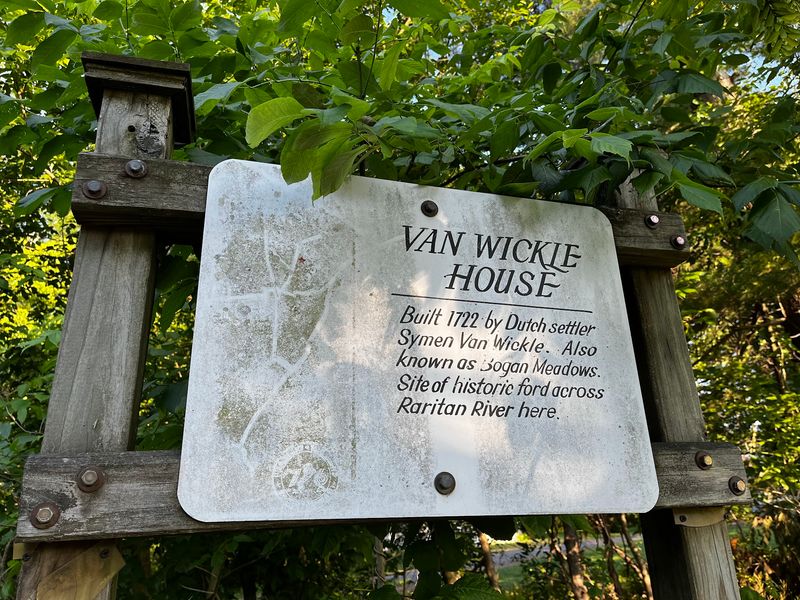
Not every museum needs a grand entrance or a whole afternoon on the calendar.
Van Wickle House is categorized as a museum, and that label is helpful because it sets expectations. The main attraction is the place itself, not a sprawling complex or a long list of distractions.
Small historic house museums often reward patient attention. A doorway, a room arrangement, a preserved exterior, or a simple marker can do more work than a flashy display when the subject is local history.
That format also makes the house approachable for people who may not usually plan history outings. The scale feels manageable, and the story is specific enough to hold interest without requiring a textbook in the passenger seat.
For a New Jersey day tripper, that is a friendly bargain in attention, even when practical details should be checked ahead.
A Stop Built For Curious New Jersey Neighbors
Local pride often starts with a small correction: yes, New Jersey has places like this too.
Van Wickle House suits people who enjoy discovering history close to home. Somerset residents, nearby families, and short-hop day-trippers can treat it as a reminder that meaningful sites are not limited to famous downtowns or heavily promoted attractions.
The house has a quieter kind of appeal. It asks for interest in place, memory, and the way a building can keep a community’s older story visible.
That makes it especially fitting for readers who like low-key outings with a reason behind them. It is not the right match for someone seeking a full-day entertainment venue, but it can fit into a broader Somerset-area history-minded visit.
New Jersey keeps plenty of its best arguments close to the curb, and this house is one of them.
The Power Of A Single Building
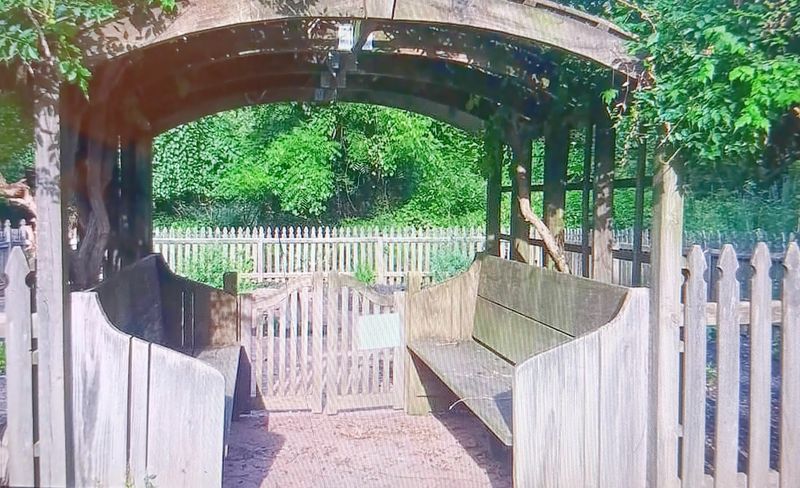
A single house can be a surprisingly efficient storyteller when the subject is community history.
Van Wickle House does not need to represent every chapter of Somerset or New Jersey. Its strength comes from focus: one building, one long life, and one Revolution-era hospital association that gives the property a clear reason to matter.
That narrow focus helps readers understand why preservation matters. A road, a town, or a county becomes more meaningful when an actual structure anchors the story.
The house also makes history easier to place. Instead of thinking about the Revolution era as something that happened only in famous sites, people can connect it to a specific address in Somerset.
That is the quiet magic of historic preservation. It turns a broad lesson into a local landmark with a front door and a name.
What Not To Expect Here
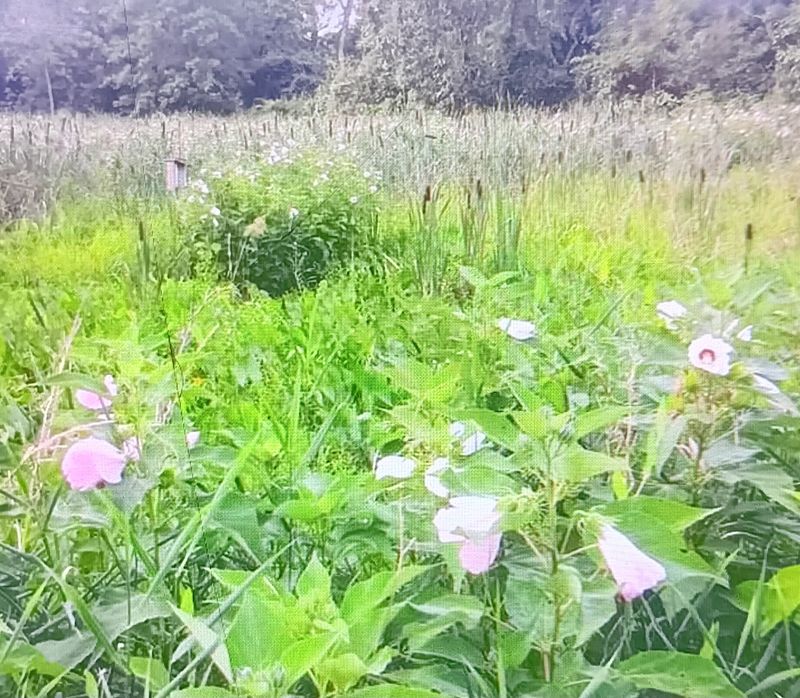
Big expectations can get in the way of appreciating a small historic site.
Van Wickle House is best approached as a focused museum property, not as a massive attraction with endless exhibits or guaranteed daily programming. The available information does not list amenities, event calendars, admission costs, or open hours, so those details should not be assumed.
That limitation is not a flaw in the story. It simply means the house belongs to a category of New Jersey places where the main reward is context, not a packed schedule.
People who enjoy old buildings, local history, and overlooked addresses are more likely to understand its appeal. The visit is about connecting a specific structure with a Revolution-era hospital narrative and a long Somerset timeline.
In other words, let the house be what it is, and it becomes much easier to value.
A Site For Slow Reading
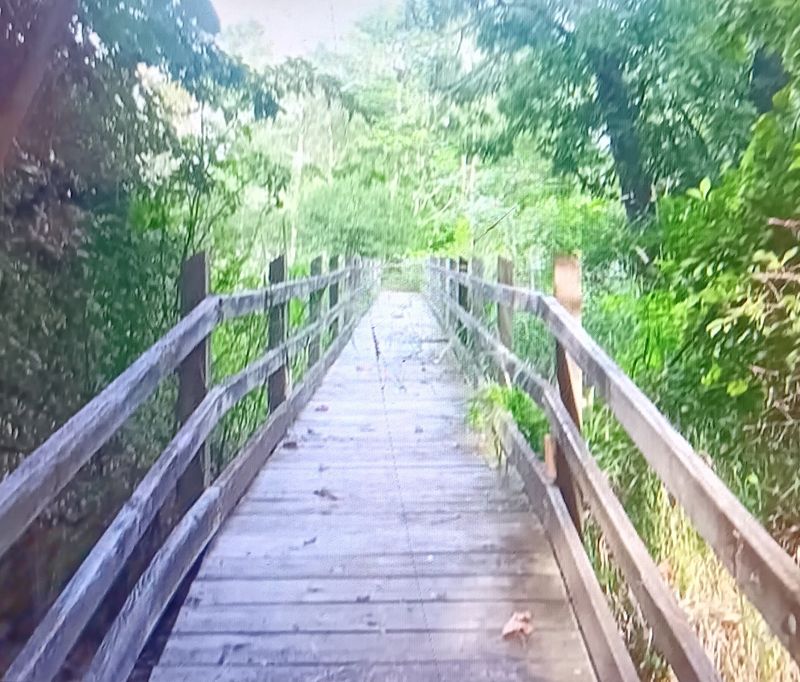
Some places are not consumed quickly, even when they are physically small.
Van Wickle House rewards the habit of slow reading. That might mean reading any available exterior information carefully, looking up the site’s background before arrival, or using the address as a starting point for learning more about Somerset’s older layers.
The Revolution-era hospital connection is the detail that invites deeper attention. It encourages questions about who used the house, how local buildings supported wider events, and why the structure continued to matter after its original era passed.
A fast glance may leave the house looking simply old. A more patient approach reveals why the age and museum status belong together.
That is a useful lesson for New Jersey exploring in general. The state often rewards the reader who pauses over the fine print.
The New Jersey Underrated-Find Factor
New Jersey does not need to shout to make a strong case for itself.
Van Wickle House fits the kind of local find that residents often appreciate once it is placed in context. It is specific, visitable with planning, and tied to a story that reaches beyond the property line.
That combination helps explain why modest historic places still matter. They keep towns from becoming only maps of current businesses, traffic routes, and development patterns.
Somerset’s house offers a reminder that the state’s identity includes preservation, Revolution-era memory, and community-scale museums. Those are not side notes to New Jersey’s story.
They are part of its range.
The best part is the ordinariness around it. A place does not have to sit under a spotlight to deserve attention, especially when its history has already done the heavy lifting.
Share this story