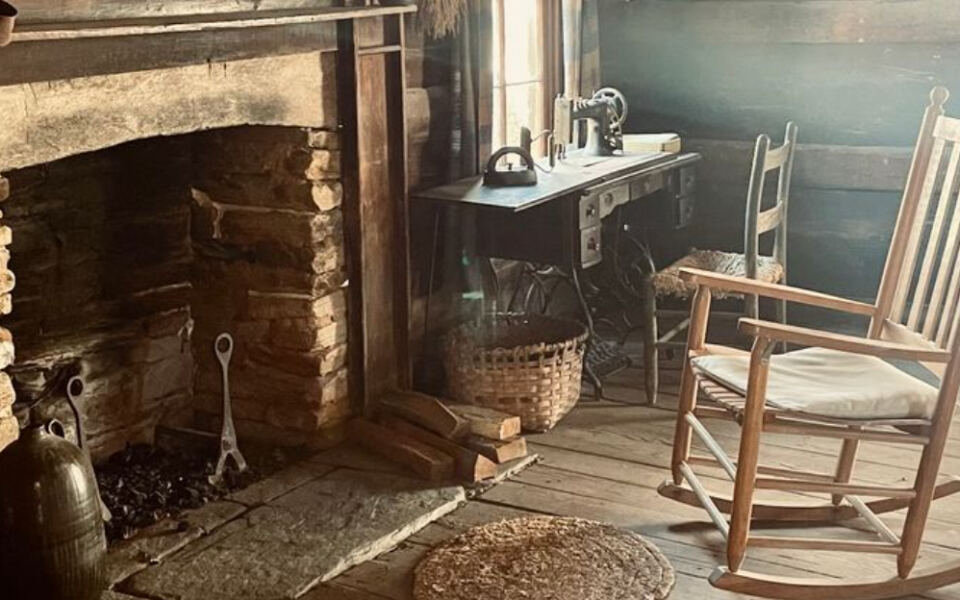
Appalachia is one of the most culturally rich regions in the entire country, yet many of its most important places get overlooked on a typical road trip. From the mountain hollows of West Virginia to the rolling hills of northern Georgia, this region holds centuries of music, craftsmanship, labor history, and community traditions that shaped much of what we think of as American culture.
Whether you are a history lover, a music fan, a craft enthusiast, or just someone looking for a more meaningful travel experience, these 14 places offer a genuine window into Appalachian life. Some are well-known, some are surprises, and all of them give you something real to take home with you.
Museum of Appalachia, Clinton, Tennessee
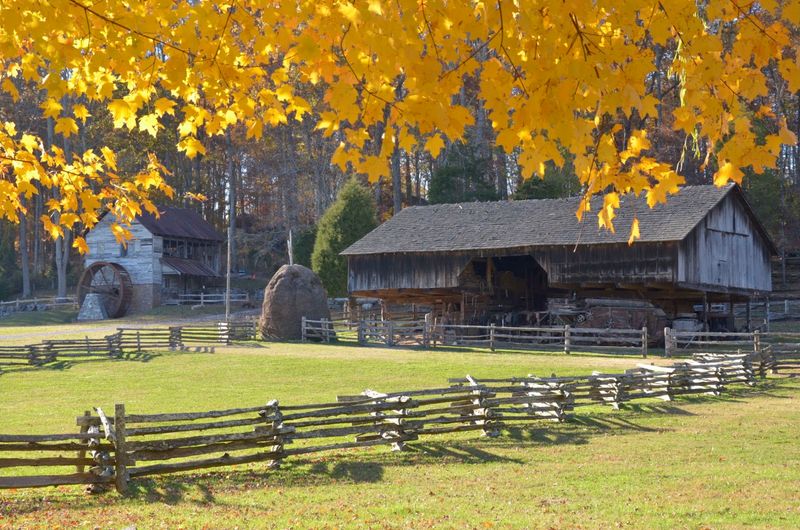
Walking through the Museum of Appalachia feels less like visiting a museum and more like stepping into a preserved mountain community. The property near Clinton spreads across a large rural site where historic cabins, barns, churches, schoolhouses, and workshops stand in a setting that reflects how mountain people actually lived.
Inside the exhibit halls, thousands of everyday objects tell individual stories. Tools, musical instruments, quilts, folk art, household items, and personal belongings all come from real families across the Southern Appalachian region.
The collection is considered one of the most thorough of its kind anywhere in the country.
There is also an on-site restaurant serving traditional Southern-style meals, which makes this an easy full-day stop. The museum stays open year-round with seasonal hours and closes on a small number of major holidays.
If you only visit one place on this entire list, this is a strong candidate for that spot.
Birthplace of Country Music Museum, Bristol, Virginia
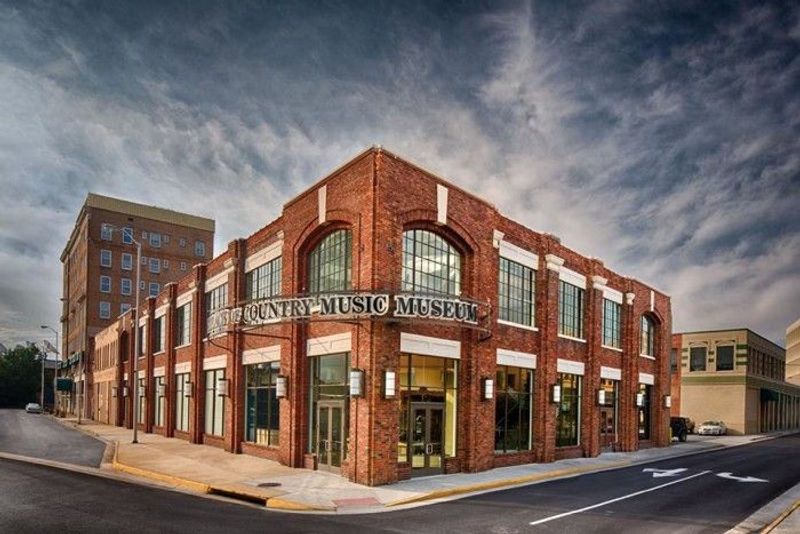
Bristol straddles the Virginia and Tennessee state line, and that geography is part of what made it the right place for one of the most important moments in American music history. In 1927, a series of recording sessions took place here that helped transform traditional Appalachian sounds into what we now call country music.
The Birthplace of Country Music Museum explores those Bristol Sessions in depth. Interactive exhibits let visitors hear early recordings, learn about the musicians involved, and trace how mountain ballads, fiddle tunes, gospel, and blues traditions fed into a brand-new recording industry.
Anyone curious about where the soundtrack of rural America actually came from will find this museum genuinely eye-opening. The museum is open Tuesday through Sunday with regular operating hours and rotating special exhibits throughout the year.
It is the kind of place that changes how you hear music long after you leave.
Carter Family Fold, Hiltons, Virginia
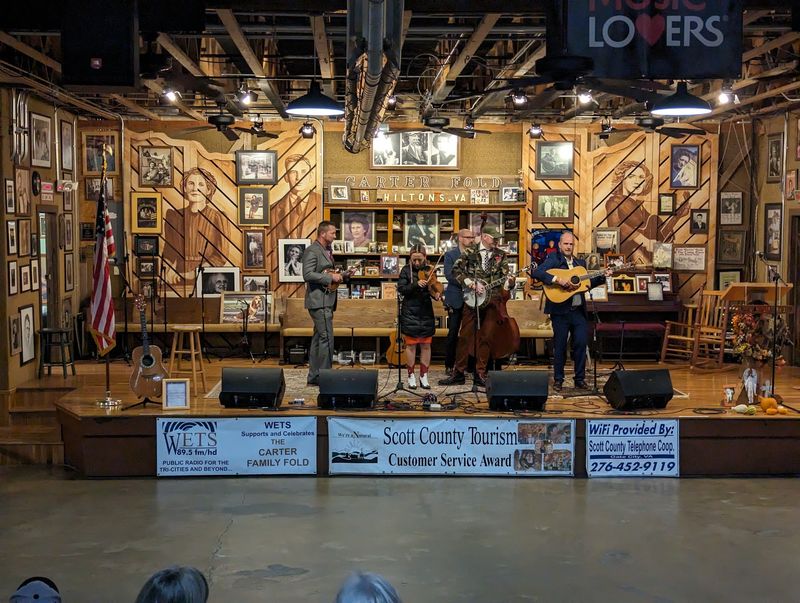
The Carter Family helped define American roots music, and their legacy is still alive and performing in the small community of Hiltons, Virginia. The Carter Family Fold is not just a memorial or a museum exhibit.
It is an active music venue that has continued hosting Saturday night performances for decades.
Old-time music, bluegrass, and traditional dancing fill the hall on a regular schedule. Musicians who play here carry on styles that have been part of Southwest Virginia community life for generations.
The property also preserves Carter Family history through exhibits and nearby historic structures connected to the family.
The 2026 calendar continues to feature regular concerts with old-time and bluegrass performers throughout the season. This is one of those rare places where Appalachian music is not being recreated for tourists.
It is simply continuing the way it always has. For anyone who cares about where American music came from, Hiltons is worth the trip.
Blue Ridge Music Center, Galax, Virginia
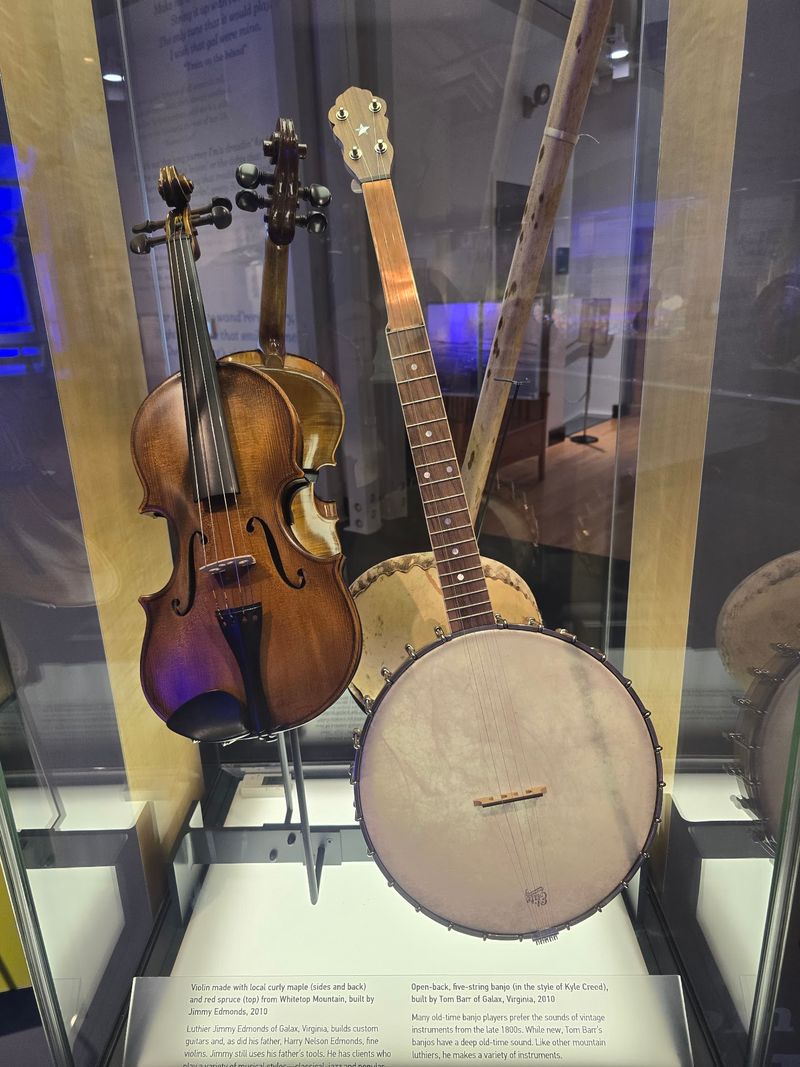
Galax has a reputation in old-time and bluegrass circles that extends well beyond Virginia. The town sits in a region long associated with fiddle music and string bands, and the Blue Ridge Music Center right on the Blue Ridge Parkway honors that tradition in a setting that is hard to beat.
Inside, the Roots of American Music Museum traces the many cultural threads, including African, Irish, Scottish, and Native American influences, that wove together to create Appalachian music. Outside, free Midday Mountain Music performances run during the operating season, and the outdoor amphitheater hosts larger concerts on a separate schedule.
Hiking trails add another reason to stay a while and enjoy the mountain surroundings. For 2026, the visitor center and museum are open through November 1, with regular hours from 10 a.m. to 5 p.m. during the main season.
The combination of live music and cultural exhibits makes this one of the most complete music stops in the region.
Oconaluftee Mountain Farm Museum, Cherokee, North Carolina
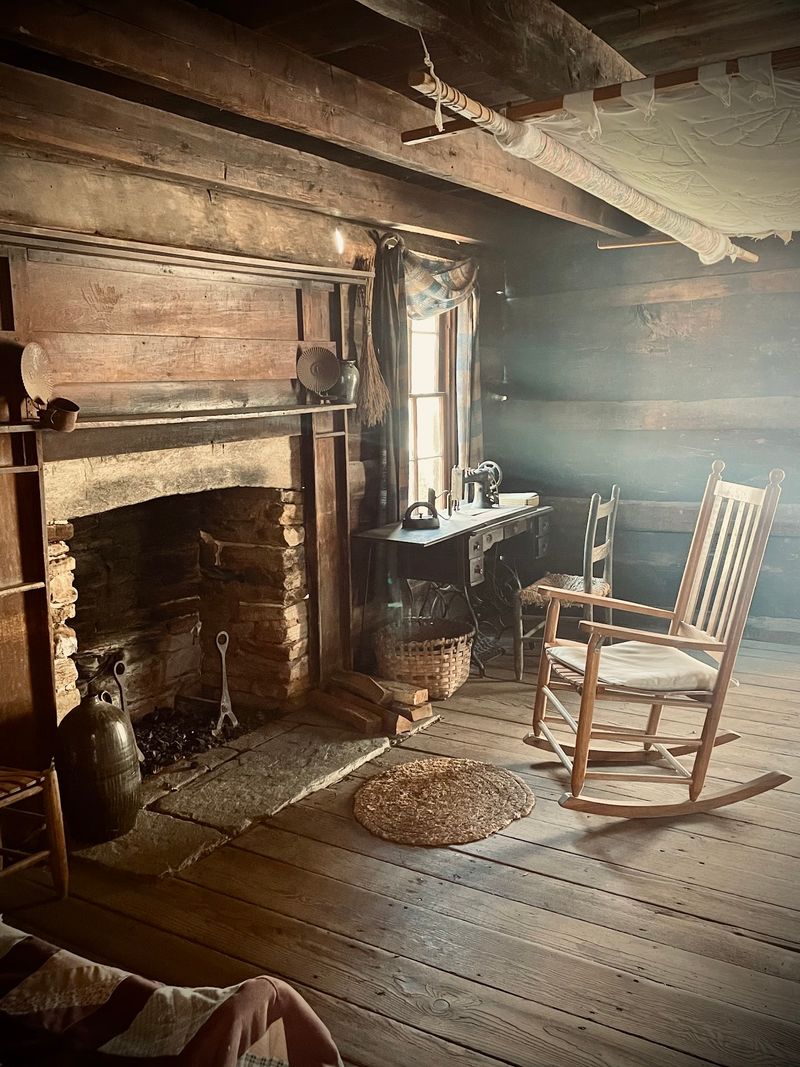
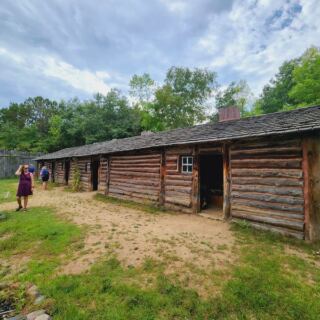
Just outside the southern entrance to Great Smoky Mountains National Park, the Oconaluftee Mountain Farm Museum preserves a cluster of historic log buildings that show what rural mountain life looked like before modern conveniences reshaped the region. A farmhouse, barn, smokehouse, corn crib, applehouse, and other structures have been gathered from communities throughout the Smokies.
The site near Cherokee carries an added layer of meaning because the broader area holds deep Cherokee history alongside later European American settlement. That combination gives this stop a more complex and honest cultural picture than many similar sites offer.
The adjacent Oconaluftee Visitor Center adds exhibits about the area’s cultural history for visitors who want more context. The visitor center is open every day with seasonal changes to operating hours.
Because it sits right at the park entrance, it fits naturally into any Great Smoky Mountains itinerary without requiring a separate detour. The outdoor buildings make it especially engaging for younger visitors.
Great Smoky Mountains Heritage Center, Townsend, Tennessee
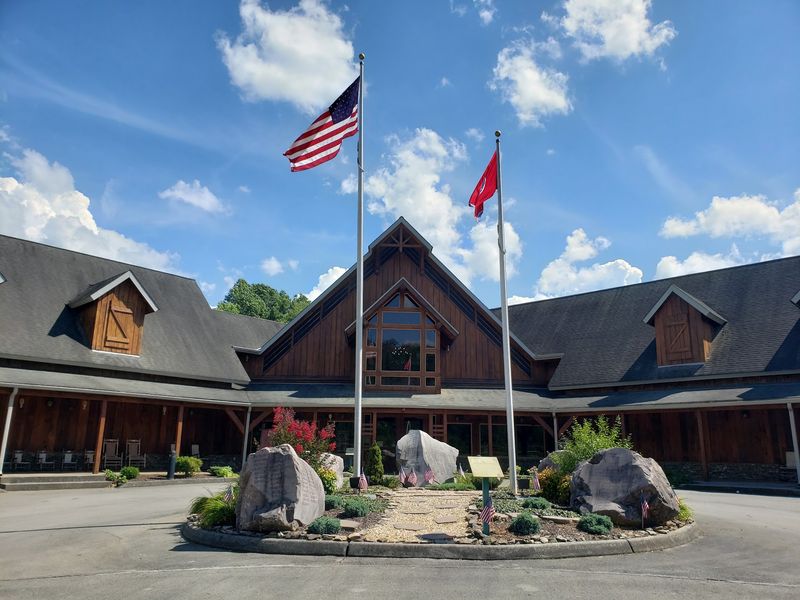
Townsend sits on the quieter western edge of Great Smoky Mountains National Park, and the Great Smoky Mountains Heritage Center reflects that slower, more thoughtful pace. The facility covers thousands of years of regional history, from Native American archaeology through pioneer settlement and into the agricultural mountain communities of the 19th and early 20th centuries.
The Historic Village is the centerpiece, where preserved Appalachian structures, including homes, barns, workshops, and gardens, have been moved, restored, and furnished to represent different periods of mountain life. Walking through it gives the past a physical weight that photographs and documents alone cannot provide.
The center also hosts concerts, traditional craft demonstrations, festivals, and educational programs throughout the year. Current hours are Monday through Saturday from 10 a.m. to 5 p.m. and Sundays from noon to 5 p.m., with closures on select holidays.
For families who want more than a drive-through Smoky Mountains experience, this center offers real substance.
Southern Highland Craft Guild, Folk Art Center, Asheville, North Carolina
Appalachian craft traditions have always been about more than decoration. They reflect how mountain communities built, clothed, and sustained themselves across generations.
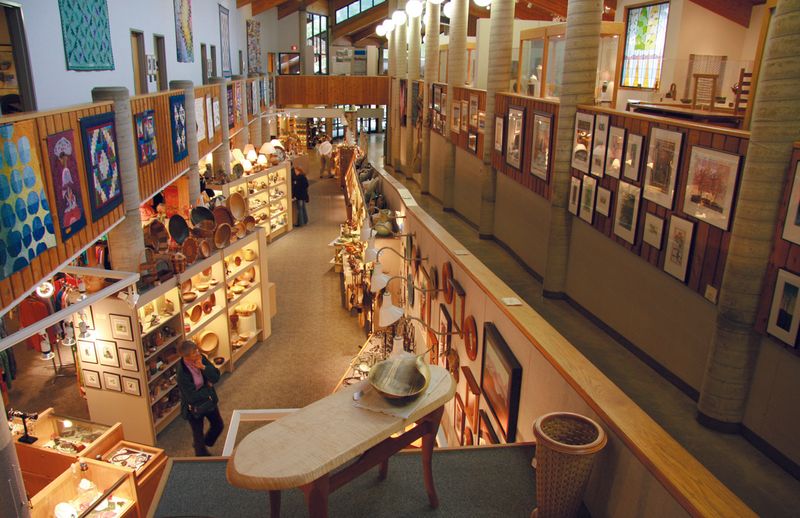
The Folk Art Center in Asheville, operated by the Southern Highland Craft Guild, shows how those traditions remain alive and evolving in the hands of contemporary regional artists.
Pottery, fiber arts, woodwork, glass, basketry, and jewelry made by craftspeople from across the Southern Highlands fill the galleries. Daily craft demonstrations give visitors a chance to watch artists at work rather than simply viewing finished objects behind glass.
That direct connection between maker and material is part of what makes this stop feel different from a typical gift shop or gallery.
The center also hosts special events focused on heritage and craft throughout the year. Located directly on the Blue Ridge Parkway, it pairs naturally with a scenic drive through the mountains.
Current hours are daily from 10 a.m. to 5 p.m., with no admission fee required to enter.
John C. Campbell Folk School, Brasstown, North Carolina
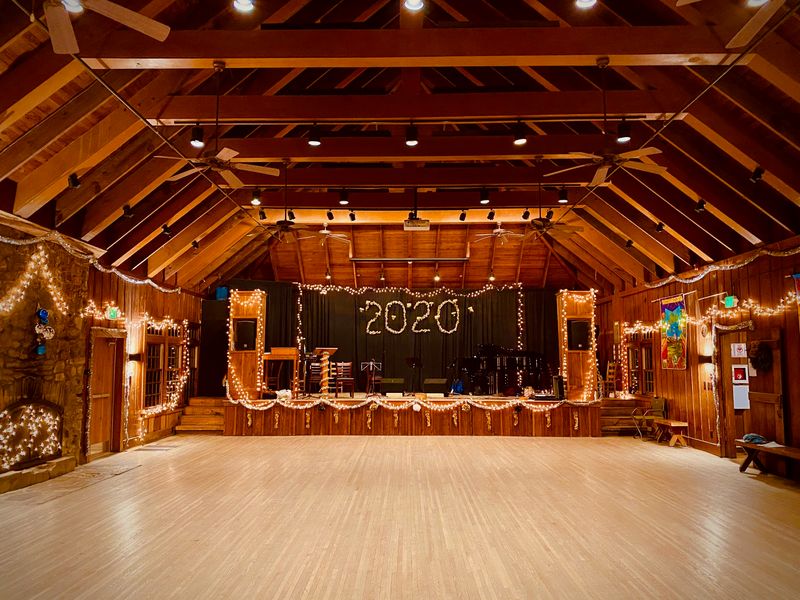
Most cultural sites let you observe. The John C.
Campbell Folk School in Brasstown lets you actually participate. The school has offered hands-on classes in traditional and contemporary crafts since 1925, making it one of the oldest and most respected folk schools in the United States.
Classes cover blacksmithing, woodworking, weaving, pottery, basketry, cooking, music, dance, storytelling, woodcarving, and many other disciplines. Students come from across the country to spend a week or a weekend learning directly from skilled instructors in a mountain campus setting.
The school’s connection to Appalachian and Cherokee traditions gives the curriculum a specific regional grounding that sets it apart from general craft programs.
Visitors not enrolled in a class can still explore parts of the property, browse the craft shop, and follow a free self-guided walking tour covering the school’s history and cultural context. The 2026 schedule continues to offer an active calendar of classes and community events.
Brasstown is a genuinely special stop for anyone curious about where these skills go next.
Foxfire Village Museum, Mountain City, Georgia
In 1966, a group of high school students in Rabun County, Georgia, started interviewing their neighbors about traditional mountain life. Those conversations eventually became the Foxfire book series, which introduced millions of readers to Appalachian skills, stories, and knowledge that might otherwise have disappeared quietly.
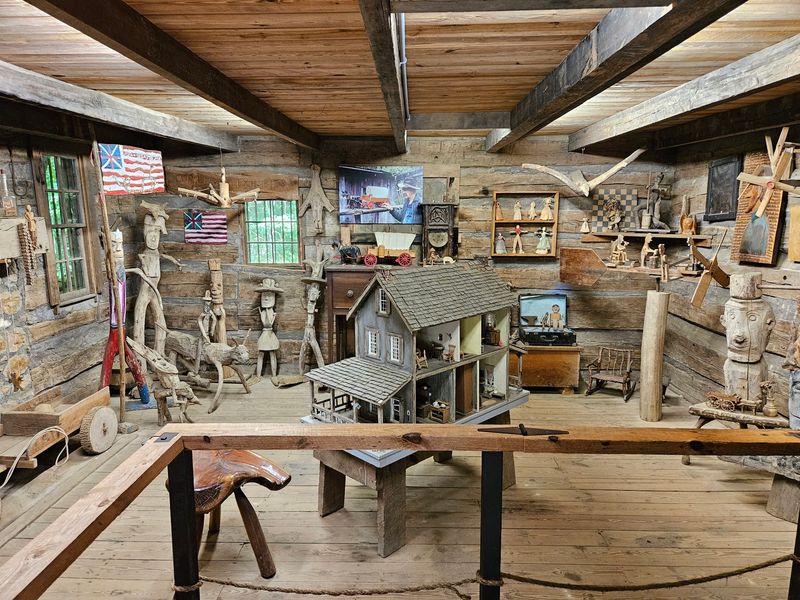
Today, the Foxfire Village Museum carries that preservation mission forward on more than 100 acres in northern Georgia. Visitors can explore more than 20 historic log buildings filled with objects connected to Appalachian life from roughly 1820 through 1940.
The collection ranges from farm tools and household equipment to religious and community artifacts.
Classes and special events keep traditional skills such as weaving, blacksmithing, woodstove cooking, and carving from becoming purely historical. The museum stays open throughout the week, including Sundays, and remains actively involved in cultural education.
For anyone who grew up reading the Foxfire books, visiting the village is a meaningful experience with real depth behind every building.
Kentucky Artisan Center, Berea, Kentucky
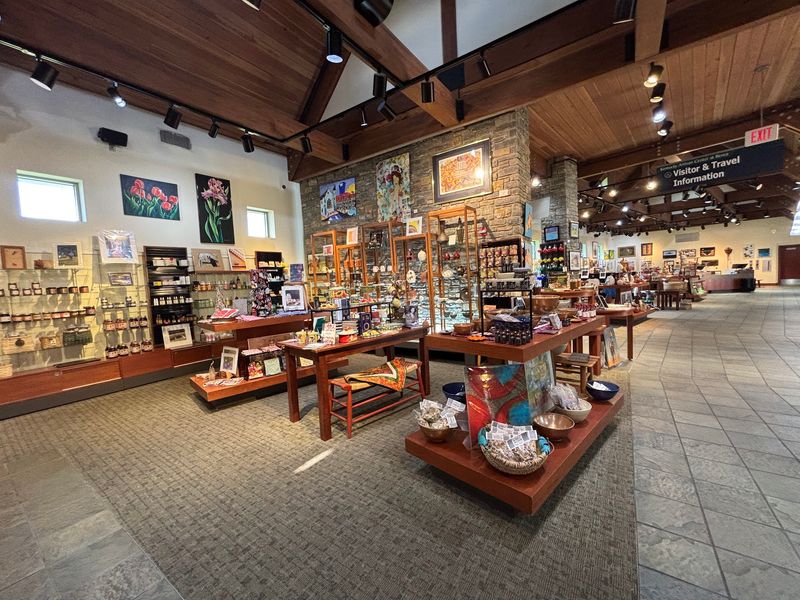
Berea has built a reputation over more than a century as a center for Appalachian arts and crafts, and the Kentucky Artisan Center provides one of the most organized and accessible introductions to that creative tradition. The facility features work by hundreds of Kentucky artists and makers representing all parts of the state.
Pottery, textiles, quilts, glass, woodwork, jewelry, paintings, regional foods, and books fill the space with a breadth that covers both heritage crafts and contemporary work. Regular artist demonstrations give visitors a chance to watch processes such as weaving, pottery, broom making, and woodcarving rather than just browsing finished products.
Because traditional craftsmanship remains economically meaningful in many Appalachian communities, spending time at the center offers perspective on both culture and livelihood. Admission is free, and the facility is open every day from 9 a.m. to 6 p.m. with limited holiday closures.
Berea itself rewards extra time if your schedule allows for exploring the town’s craft studios and galleries.
Kentucky Music Hall of Fame and Museum, Mount Vernon, Kentucky
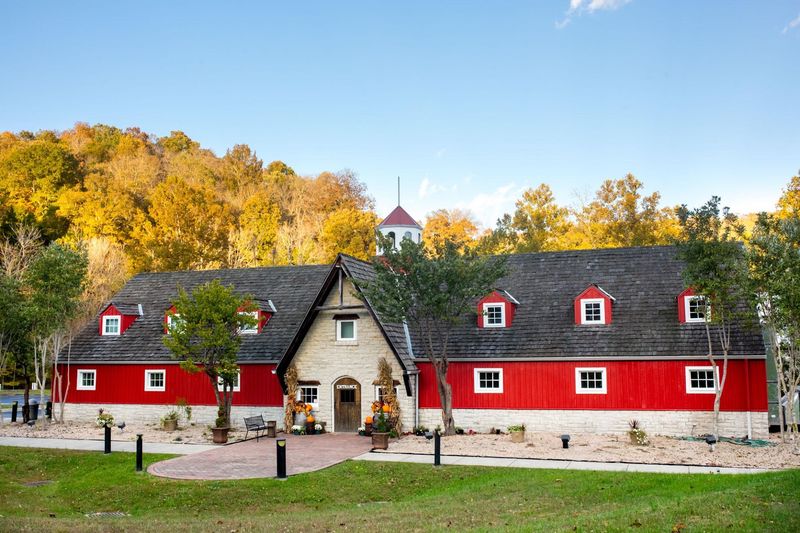
Eastern and southeastern Kentucky have contributed far more to American music than most people realize. Bluegrass, country, folk, and gospel traditions all have deep roots in this part of Appalachia, and the Kentucky Music Hall of Fame and Museum in Mount Vernon exists to make sure that contribution is properly recognized.
Exhibits feature instruments, photographs, memorabilia, and personal artifacts connected to musicians inducted into the hall. Visitors move through decades of Kentucky music history while learning about the state’s outsized influence on styles that eventually reached every corner of the country.
The museum’s location beside the historic Renfro Valley entertainment area adds another layer of regional context that music fans will appreciate.
Concerts and music-related events are part of the museum’s ongoing programming, with performances scheduled throughout 2026. Current hours are 10 a.m. to 5 p.m. seven days a week, with closures on listed holidays and occasional weather-related adjustments.
Mount Vernon is an easy stop along I-75 for anyone passing through central Kentucky.
West Virginia Mine Wars Museum, Matewan, West Virginia
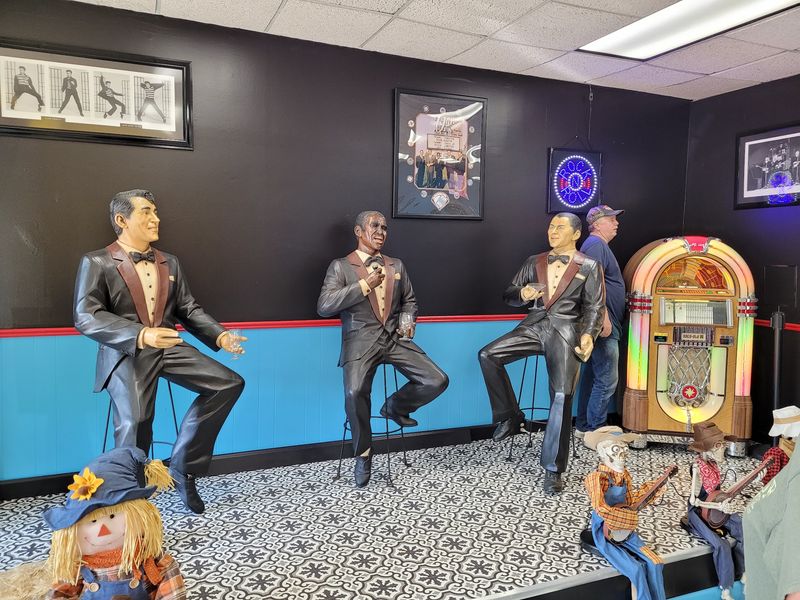
Coal shaped Appalachia in ways that go far beyond economics. It determined where communities grew, how families lived, what risks workers accepted, and how power was distributed across the region for generations.
The West Virginia Mine Wars Museum in Matewan addresses that history without softening it.
Exhibits focus on the labor struggles of the early 20th century, including life inside coal camps, organizing efforts among miners, and the conflicts that eventually led to events like the Battle of Blair Mountain. Visitors learn about the conditions that fueled unrest and the human stakes behind the broader story of American labor history.
The museum’s location in historic downtown Matewan places it close to the landscape where some of these events actually unfolded. That geographic connection gives the exhibits a grounding that a relocated or standalone museum could not replicate.
Current public hours run Tuesday through Saturday from 10 a.m. to 5 p.m. Matewan is a sobering and important stop for anyone serious about understanding Appalachian history honestly.
Tamarack Marketplace, Beckley, West Virginia
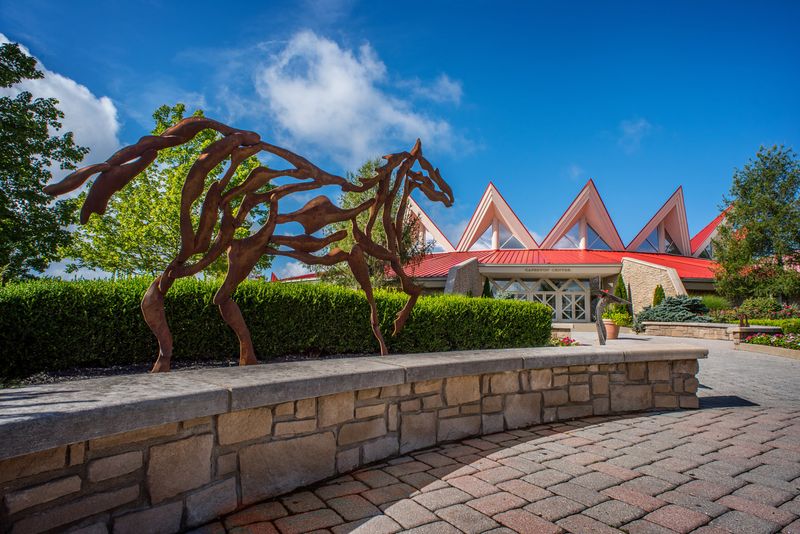
Tamarack Marketplace in Beckley makes a clear statement from the moment you see the building. Its design draws from Appalachian quilt patterns, which signals right away that this is not a generic retail center.
It is a showcase for the work of more than 2,800 West Virginia artists and craftspeople from all 55 counties in the state.
Handmade pottery, woodwork, textiles, quilts, glass, fine art, jewelry, and regional food products fill the space with an inventory that changes as new work comes in. Craft demonstrations and exhibitions give visitors a chance to see traditional and contemporary skills being practiced rather than simply displayed.
The breadth of the collection reflects how deeply creative traditions are embedded in West Virginia communities.
Tamarack celebrated its 30th anniversary in 2026, which speaks to its staying power as both a cultural institution and a working marketplace for regional artists. Current hours are daily from 9 a.m. to 7 p.m.
If you have time for only one craft-focused stop in West Virginia, this one covers the most ground.
Cass Scenic Railroad State Park, Cass, West Virginia
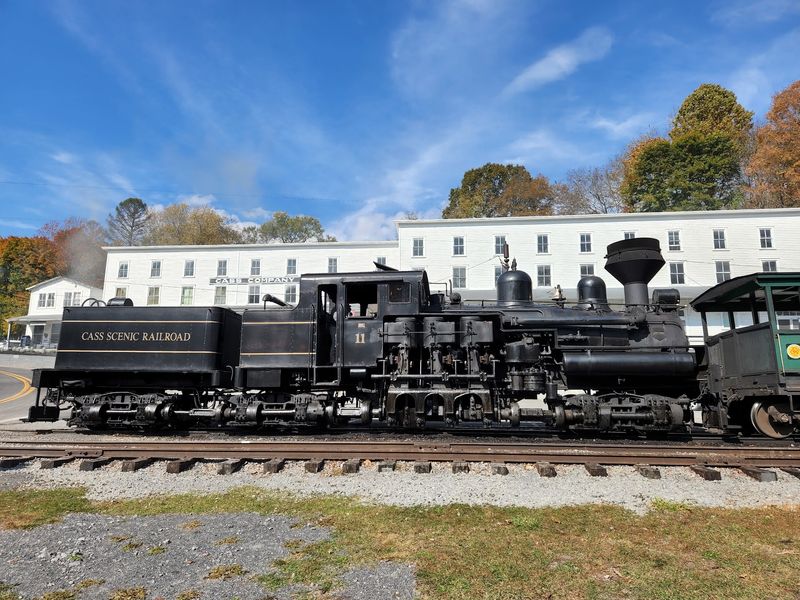
Cass is the kind of place that makes you understand just how remote and self-contained Appalachian industrial communities once were. This former lumber company town in Pocahontas County has been preserved as a state park, and the entire setting, from the company houses to the store to the rail yard, reflects what life looked like in an early 20th-century logging operation deep in the West Virginia mountains.
The centerpiece is the heritage railroad, where steam-powered locomotives still pull excursion trains up into the mountains. Trips to Whittaker Station and Bald Knob offer both industrial history and some of the most dramatic mountain scenery in the state.
The elevation gain on the Bald Knob route is significant, and the views from the top are genuinely striking.
The park also offers lodging in restored company houses, which makes an overnight stay possible for visitors who want more time in the area. Current hours list daily operation from 8 a.m. to 6 p.m., with seasonal train schedules available on the park’s website.
Cass rewards the drive it takes to get there.
Share this story